Goldener Baum occupies a residential address in Vienna's 14th district, operating at a remove from the city's high-profile inner-district dining circuit. Where Wieden and the 1st draw the critical spotlight, Penzing quietly supports a different kind of table: neighbourhood-rooted, architecturally considered, and harder to stumble across than to seek out deliberately. For visitors already familiar with Vienna's Michelin tier, it offers a contrasting register.
Pearl is the En Primeur Club membership app — saves, bookings, and concierge access live there. Same editors, same standards.
- Address
- Waidhausenstraße 35, 1140 Wien, Austria
- Phone
- +434319144196
- Website
- goldener-baum.metro.rest
- Directions
- Get directions
 Saves & bookings on Pearl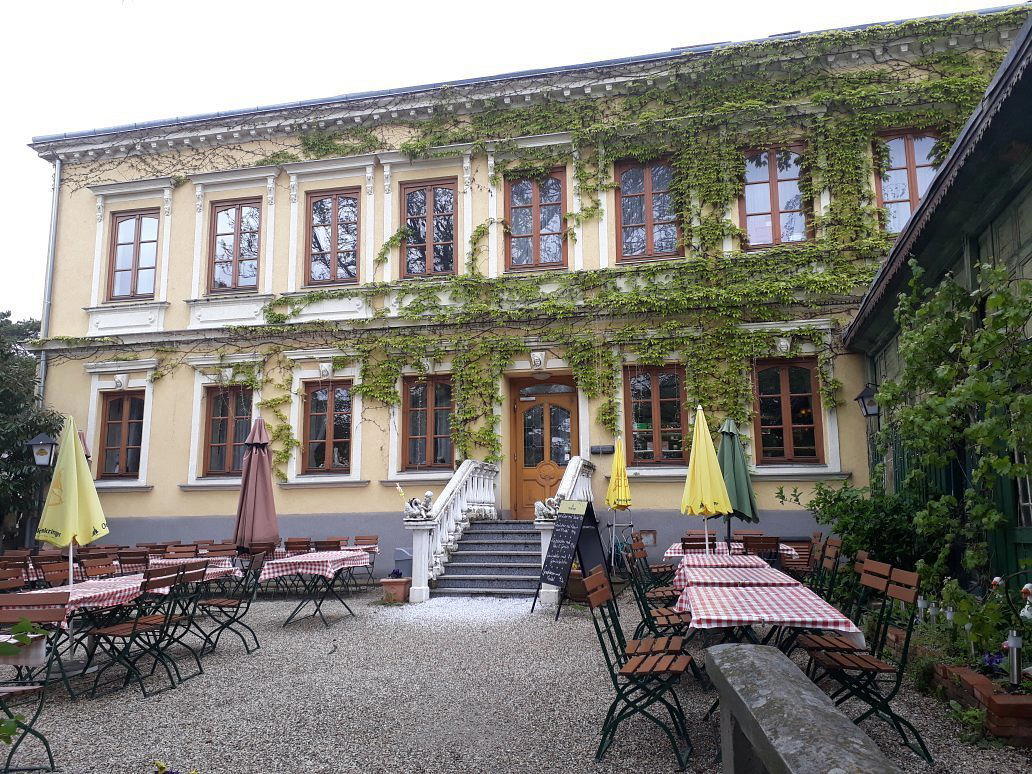
Penzing and the Case for Dining Off the Inner Ring
Vienna's serious restaurant conversation tends to concentrate inside a familiar arc: the 1st district, Wieden, Alsergrund. Vienna's notable tables, from Steirereck im Stadtpark to Amador and Konstantin Filippou, cluster where the hotel infrastructure, the tourist density, and the expense-account logic all converge. Penzing, the 14th district, does not operate in that economy. It is a residential quarter with a slower pace, a higher proportion of long-term locals, and a dining culture that runs closer to the Viennese Gasthaus tradition than to the tasting-menu circuit. Goldener Baum, on Waidhausenstraße, is embedded in that fabric.
The address itself signals intent. Waidhausenstraße is not a destination street in the way that Schubertring or the Naschmarkt corridor are destination streets. A venue choosing to operate here is choosing a neighbourhood audience first, a travelling one second. That ordering matters when you consider what kind of physical space tends to follow from it: rooms designed for repeat visitors rather than first impressions, proportions that favour comfort over spectacle, and an atmosphere that reads as earned rather than constructed.
The Architecture of a Neighbourhood Room
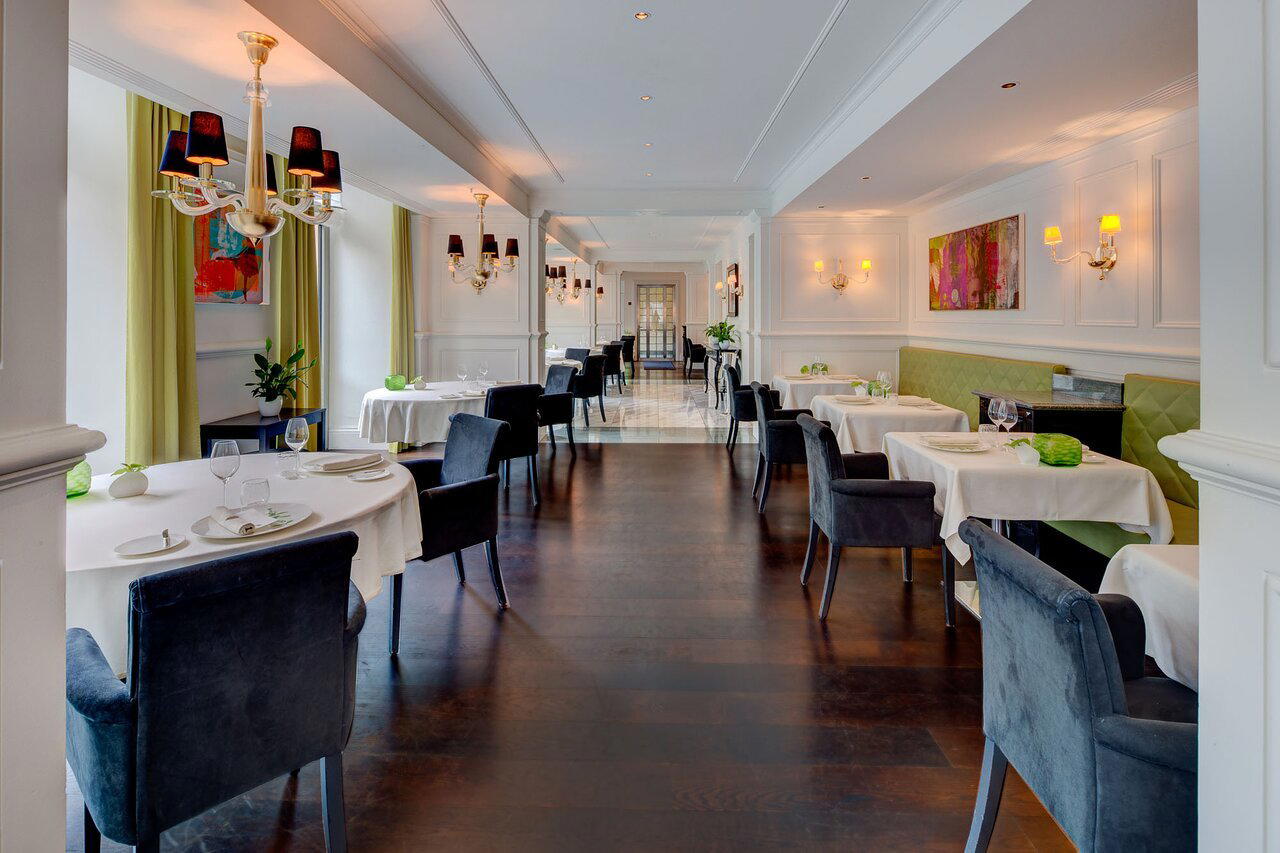
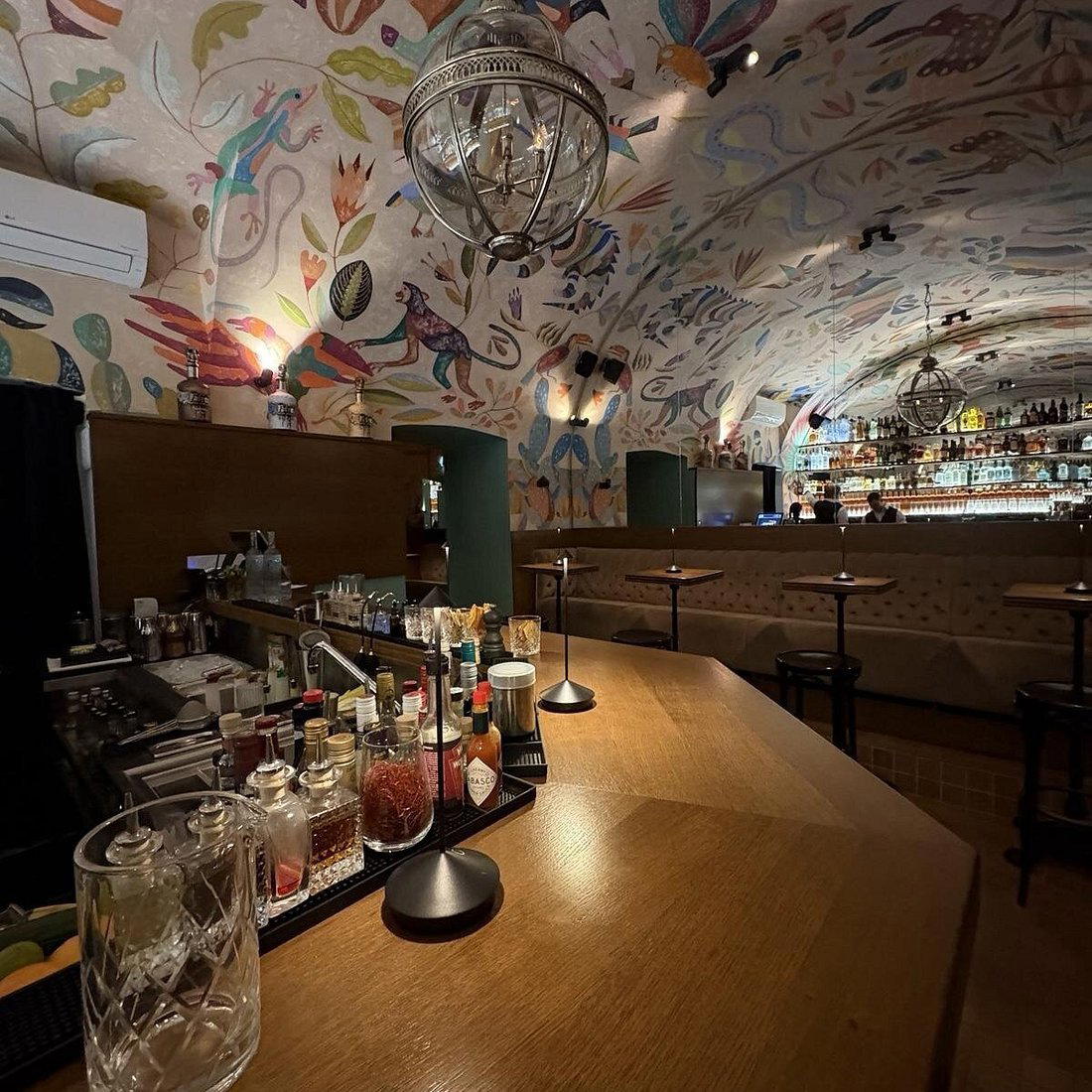
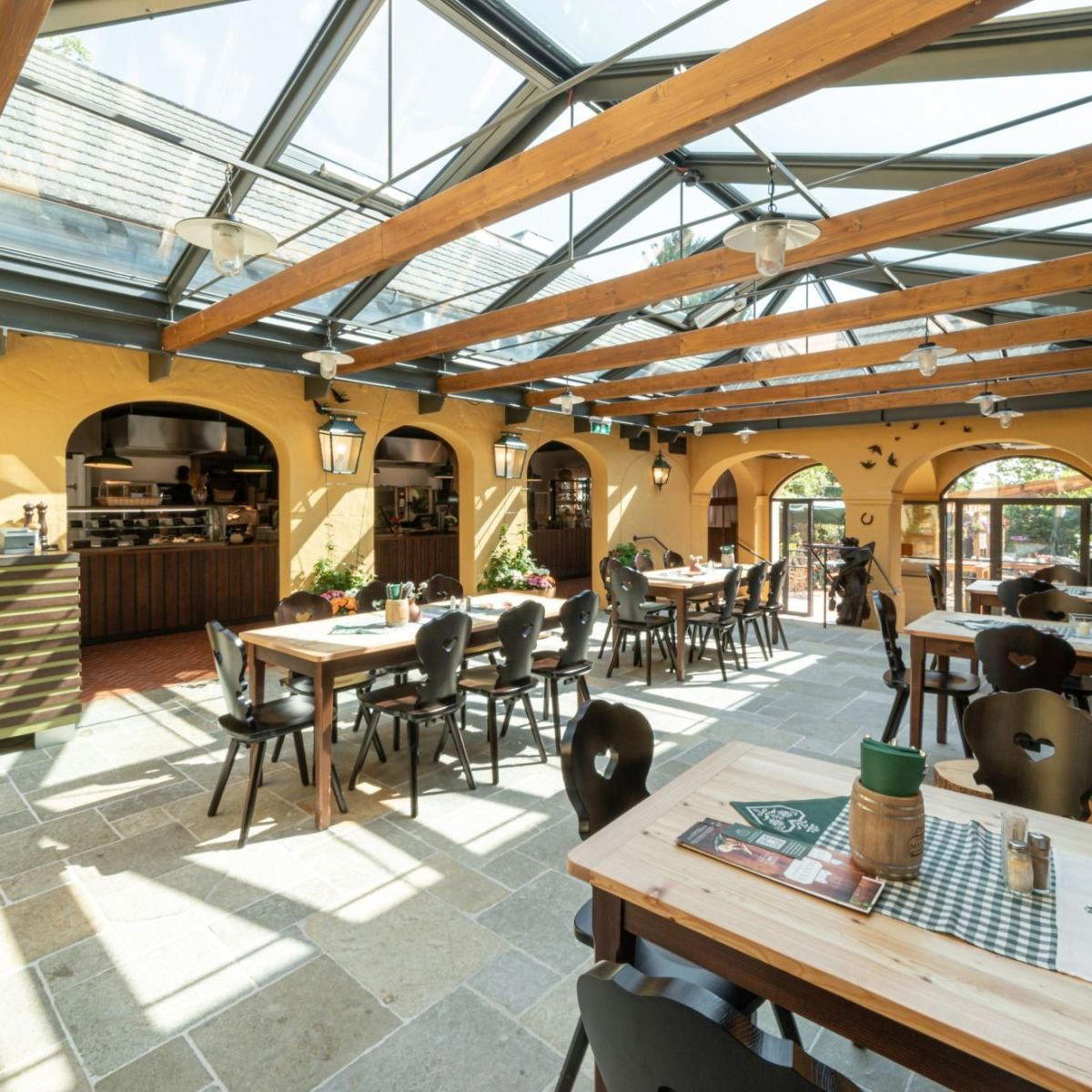
Across Vienna's outer districts, the built fabric of older Gasthäuser and Wirtshäuser sets a particular template: vaulted or beamed ceilings, tiled stoves or their decorative successors, dark timber panelling, and a spatial logic that groups tables without isolating them. This is a dining architecture built for conversation across rooms, not the segmented privacy of a modern restaurant. It prioritises acoustic warmth and visual density over the spare minimalism that has come to define the higher end of the European restaurant market.
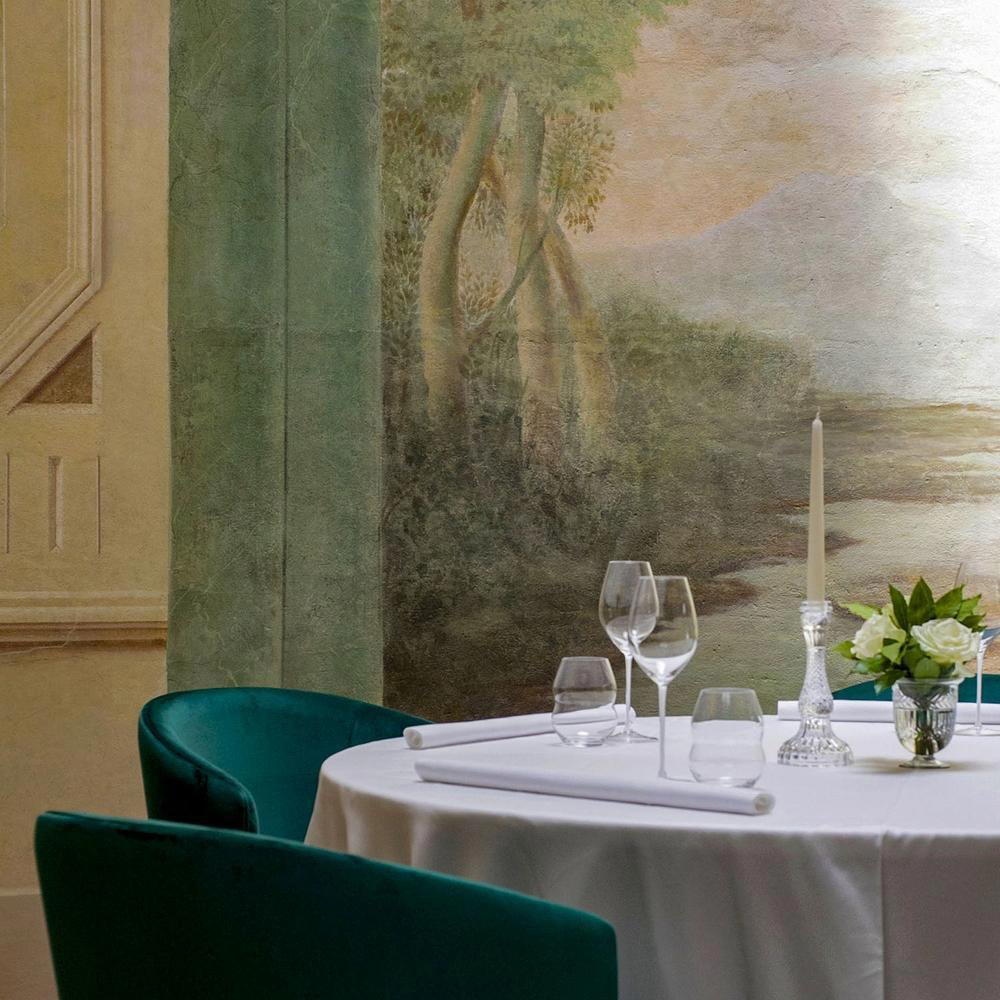
What the address and district context suggest is a space that has more in common with the considered neighbourhood rooms of Doubek than with the architecturally produced interiors of the city's creative dining rooms. In Vienna's outer districts, the physical container tends to carry history rather than manufacture atmosphere from scratch. That is a different kind of design intelligence, and often a more durable one.
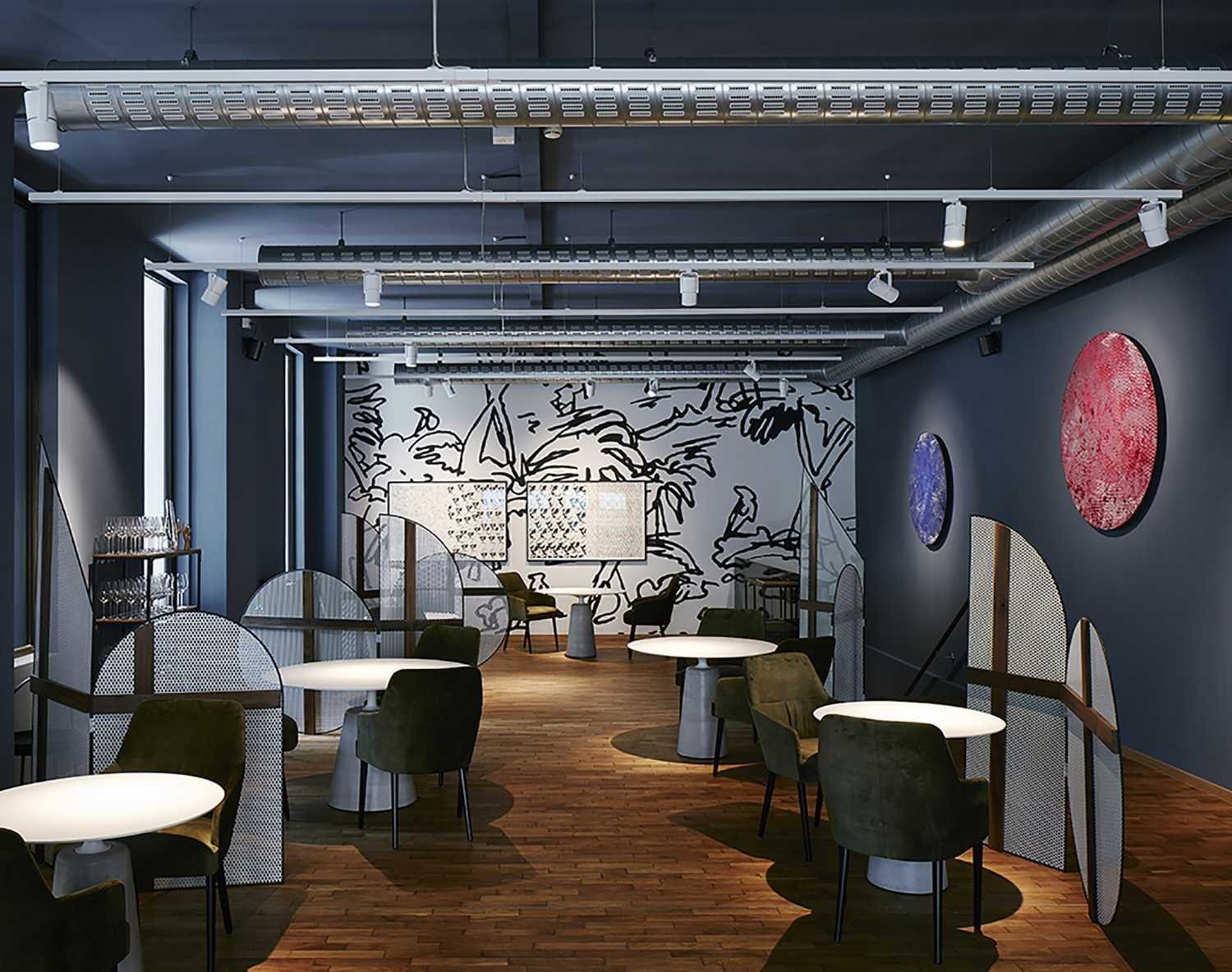
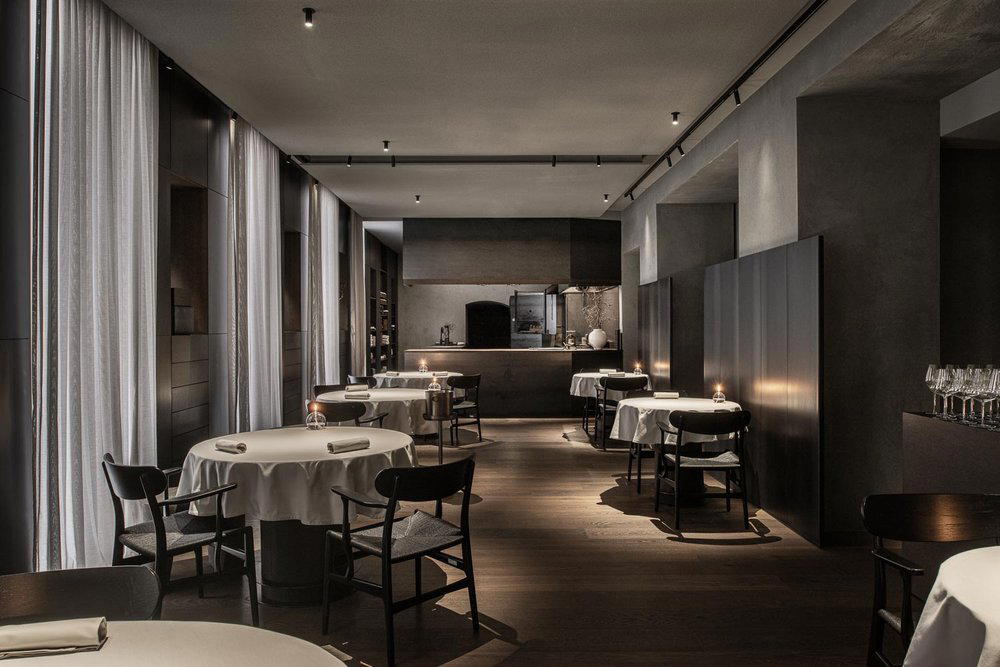
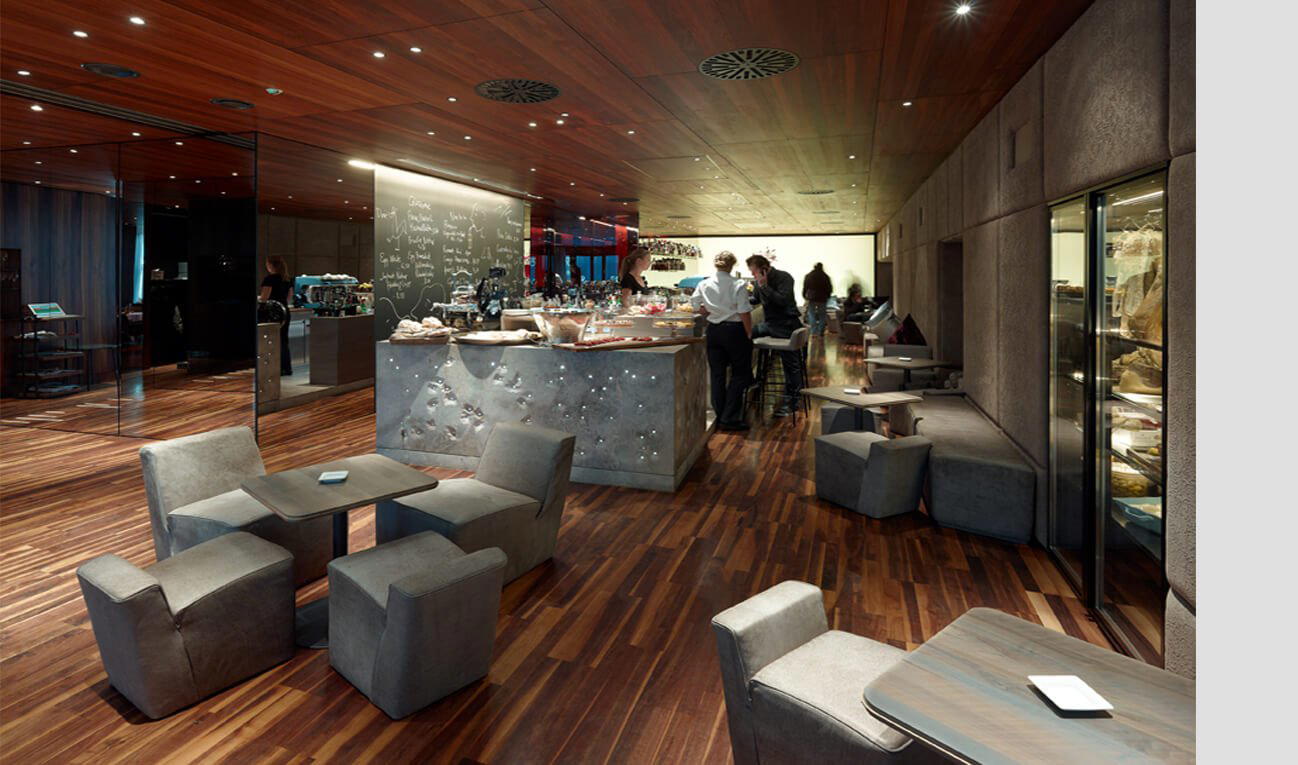
The contrast with the purpose-built interiors of venues like Mraz & Sohn is instructive. Contemporary Austrian fine dining has moved toward consciously designed spaces where the room is as deliberate as the menu. Neighbourhood rooms in the 14th operate from a different premise: the space pre-exists the current occupant, and the task is to inhabit it rather than to produce it. The result, when it works, is a grounding quality that purpose-built rooms can approximate but rarely replicate.
Austrian Dining Beyond the City Limits
Goldener Baum's position in Penzing also invites a wider consideration of where Austrian cooking happens. The country's most-discussed tables are not exclusively Viennese. Döllerer in Golling an der Salzach has built a reputation around alpine ingredients and precision that draws visitors from well outside Salzburg. Obauer in Werfen has operated at a high level for decades. In Tyrol, Schwarzer Adler in Hall in Tirol and Gourmetrestaurant Tannenhof in Sankt Anton am Arlberg anchor a mountain-adjacent dining culture with its own logic and seasonal rhythm.
Even within reach of Vienna, the axis extends outward. Landhaus Bacher in Mautern an der Donau sits along the Wachau wine route, where the dining proposition integrates with the wine region in a way that urban addresses cannot reproduce. Taubenkobel in Schützen am Gebirge, in the Burgenland, takes a different angle on Austrian produce. Further afield, Ois in Neufelden, Stüva in Ischgl, Restaurant 141 by Joachim Jaud in Mieming, and Kräuterreich by Vitus Winkler in Sankt Veit im Pongau each demonstrate that Austrian cooking ambition does not require a Vienna postcode.
A venue in Penzing sits in an interesting middle position within this geography: urban enough to draw a Viennese clientele, but far enough from the 1st-district dining circuit to function on neighbourhood terms. For visitors with time to move beyond the central restaurant clusters, that positioning is an argument in itself.
The Comparative Frame: What Outer-District Rooms Offer
At the upper end of Vienna's restaurant market, the price points are significant. The €€€€ tier occupied by Steirereck, Amador, and their peers reflects the cost structures of tasting-menu formats, imported ingredient sourcing, and high-design spaces in premium locations. Outer-district addresses tend to operate against a different cost structure, which often translates into a different value relationship for the diner. That is not a claim about quality; it is a claim about the economic logic of location.
The same dynamic appears in cities where neighbourhood rooms have maintained distinct identities against the centralising pull of fine dining: Lyon's bouchons outside the prestige quartiers, Tokyo's izakayas in residential wards, the trattorias of Rome's Trastevere operating at a deliberate distance from the tourist-facing centre. Internationally, the comparison extends to rooms like Lazy Bear in San Francisco, which built its identity on a format and neighbourhood position that differed from the city's established fine-dining axis, or the way Le Bernardin in New York City holds a Midtown address but operates with a discipline that owes little to its surroundings. Location and identity do not always align, but in neighbourhood rooms they often do.
Planning Your Visit
Goldener Baum is located at Waidhausenstraße 35 in Vienna's 14th district. The address is accessible by public transport from the city centre, with U4 connections to the western districts. Current opening hours are Mon: Closed; Tue through Fri: 10 AM to 9 PM; Sat and Sun: 10 AM to 7 PM. The restaurant is walk-in friendly.
Quick reference: Waidhausenstraße 35, 1140 Wien. 14th district (Penzing). Walk-ins are welcome during regular opening hours.
A Minimal comparable set
Comparable venues nearby, for context on price, style, and recognition.
| Venue | Cuisine | Price | Notes |
|---|---|---|---|
| Goldener BaumThis venue — the venue you are viewing | Baumgarten, Traditional Austrian | $$ | Not listed |
| Marienhof | Hofburg, Traditional Viennese Cuisine | $$ | Not listed |
| HaasBeisl | Not listed | $$ | Margareten, Traditional Viennese Offal Specialties |
| Futterboden | Not listed | $$ | Rudolfsheim, Viennese-Mediterranean Fusion |
| Schwabl | Prater, Traditional Austrian Wirtshaus | $$ | Not listed |
| Kärntnerei Kasnudel | Hernals, Carinthian Kasnudeln | $$ | Not listed |
![[aend] restaurant in Vienna](https://cdn.enprimeurclub.com/storage/v1/object/public/images/locations/recsVyRkMfzCxPmp0/hero2.jpg?width=3840&quality=75)
At a Glance
- Classic
- Cozy
- Casual Hangout
Current opening hours
- Monday
- Closed
- Tuesday
- 10 AM–9 PM
- Wednesday
- 10 AM–9 PM
- Thursday
- 10 AM–9 PM
- Friday
- 10 AM–9 PM
- Saturday
- 10 AM–7 PM
- Sunday
- 10 AM–7 PM
Hours can change for holidays and private events. Last verified .
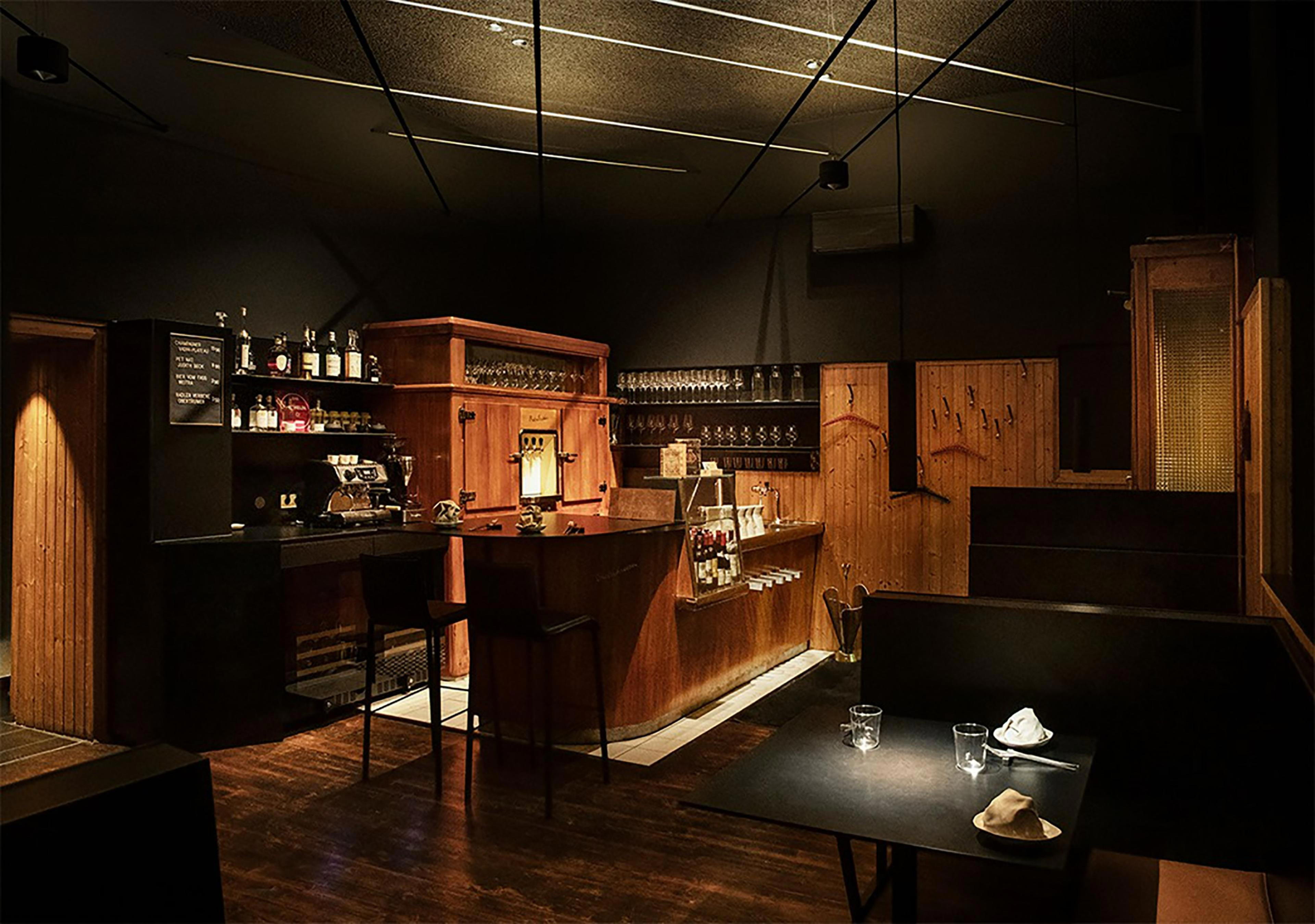
Traditional old establishment with a bar snug area, described as not plush but cozy and classic.