Restaurant Engel occupies a ferry landing on the Elbe at Teufelsbrück, one of Hamburg's most quietly serious waterfront addresses. The setting places it within a Hamburg tradition of pairing strong regional geography with cooking that reaches beyond local convention. For visitors working through the city's upper-tier dining circuit, it sits at an interesting intersection of place and technique.
Pearl is the En Primeur Club membership app — saves, bookings, and concierge access live there. Same editors, same standards.
- Address
- Fähranleger Teufelsbrück, Teufelsbrück, 22609 Hamburg, Germany
- Phone
- +494940824187
- Website
- restaurant-engel.de
- Directions
- Get directions
 Saves & bookings on Pearl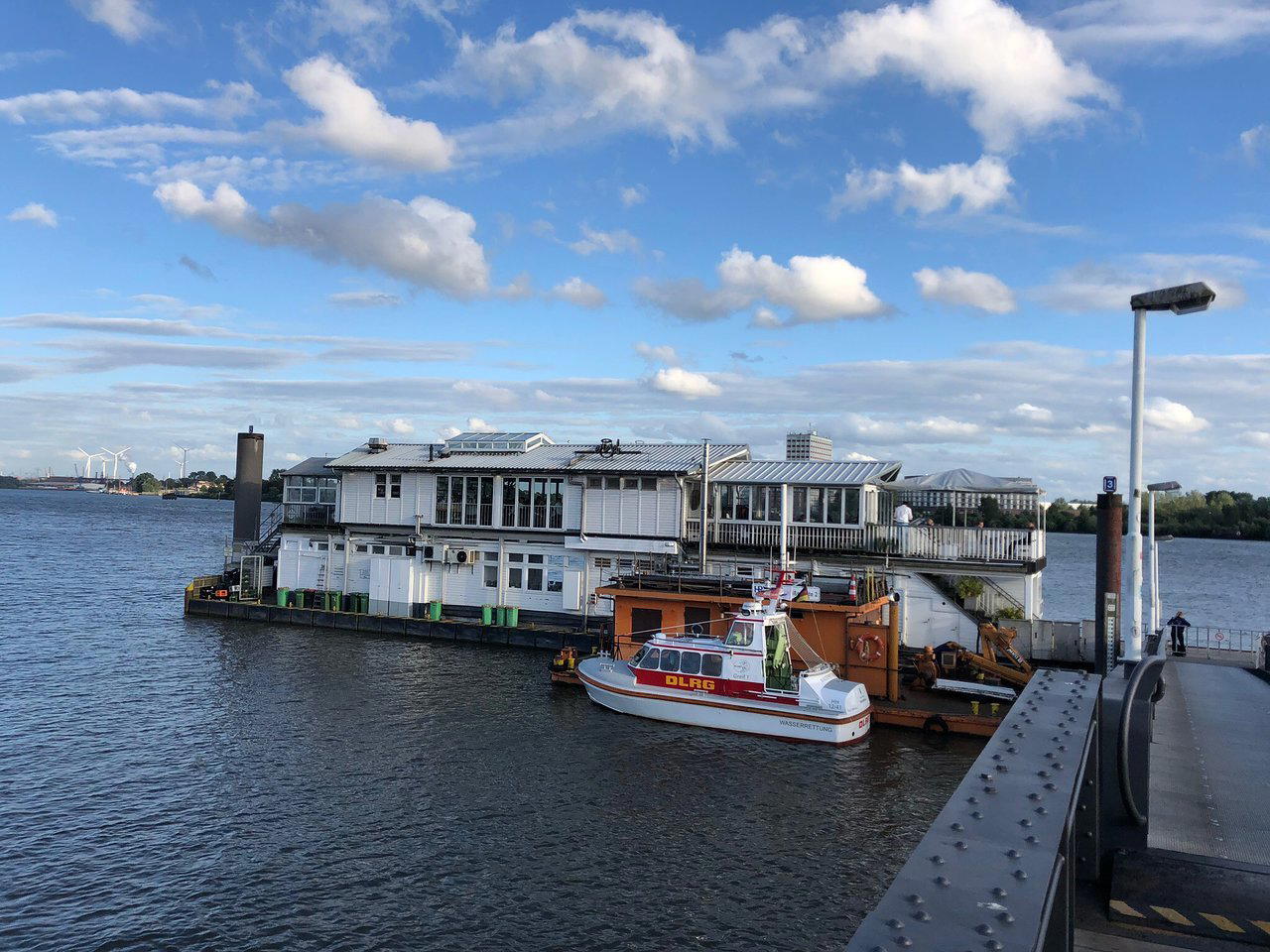
Where the Elbe Does the Heavy Lifting
Hamburg's dining geography divides in ways that matter. The city's most-discussed restaurants, places like Restaurant Haerlin and The Table Kevin Fehling, anchor themselves to the city's central and HafenCity quarters, where foot traffic and hotel proximity create a different kind of pressure. Restaurant Engel at Fähranleger Teufelsbrück operates from a different premise entirely. The address is a working ferry landing on the south bank of the Elbe, a stretch of river where container ships pass at close range and the waterline shifts with the tides. The approach, whether by car along Elbchaussee or by ferry from the city, is already a statement about the kind of restaurant this is: one that expects its guests to travel to it rather than to meet them halfway.
That positioning is worth understanding before anything else. Hamburg's western Elbe corridor, from Altona out through Blankenese, has long supported a quieter tier of serious cooking, less visible to international rankings but consistently well-regarded among locals who treat their city's dining scene with the same scepticism they apply to everything else. Teufelsbrück sits toward the outer end of that corridor, and the ferry landing itself gives the address a specificity that no amount of interior design could manufacture.
Local Geography as Ingredient
The editorial angle worth applying to any Hamburg waterfront restaurant is how it uses the Elbe's proximity as something other than scenery. Northern Germany's food geography is genuinely distinctive: the coastline and river systems produce cold-water fish, shellfish, and game that behave differently from their Mediterranean counterparts, and the region's agricultural hinterland, from Schleswig-Holstein down through Lower Saxony, supplies dairy, root vegetables, and heritage grains that reward technique-led cooking in ways that aren't always obvious to audiences more familiar with southern European produce traditions.
This is the frame within which Restaurant Engel becomes interesting. Across German fine dining at large, from Aqua in Wolfsburg to Schwarzwaldstube in Baiersbronn, the tension between French-trained classical discipline and the actual texture of German regional produce has produced some of the country's most interesting cooking over the past two decades. The question worth asking of any ambitious Hamburg restaurant is how seriously it takes that tension rather than resolving it too quickly in either direction. A restaurant that defaults to imported luxury ingredients at a waterfront address is missing the point of its own location.
Comparable operations in Hamburg's upper tier do this with varying degrees of commitment. 100/200 Kitchen has built an explicit local-sourcing framework into its format. bianc and Lakeside each work within different genre conventions that affect how much regional produce can feature without disrupting stylistic coherence. Restaurant Engel's Elbe address gives it a logical starting point that not every Hamburg restaurant can claim with the same geographic sincerity.
The Teufelsbrück Setting in Context
Ferry landings in Hamburg carry a particular character. They are functional infrastructure that the city has historically allowed to accumulate a layer of social use, places where commuters and day-trippers share the same wooden jetties, and where the view across the river changes meaningfully with the weather and the season. Teufelsbrück is among the more photogenic of these landings, the surrounding neighbourhood mixing villa-scale residential property with the kind of public riverside access that Hamburg's planning culture has protected more carefully than many comparable European cities.
A restaurant at this address operates inside a dual expectation: the setting makes a promise that the cooking then has to justify. Diners who have made the journey from the city centre, which takes the better part of thirty minutes by public transport or car depending on traffic along Elbchaussee, are not arriving casually. The effort of getting there self-selects for an audience with a specific purpose.
This is relevant when comparing Hamburg's waterfront dining to peer restaurants in Germany's broader fine dining circuit. Operations like JAN in Munich or Vendôme in Bergisch Gladbach are similarly destination-dependent, located in ways that require deliberate travel rather than spontaneous visits. The commitment required of the guest is, in those contexts, already part of the experience's architecture.
Hamburg's Wider Fine Dining Frame
Understanding Restaurant Engel requires understanding where Hamburg sits in Germany's fine dining hierarchy. The city has historically produced fewer Michelin-decorated addresses than Munich or the Rhine-Ruhr corridor, but those it does support tend to occupy the upper end of the national scale with a consistency that reflects the city's wealth concentration rather than sheer volume. Internationally, the comparison restaurants that come to mind when thinking about coastal fine dining operating at serious technical levels include places like Le Bernardin in New York City, where the relationship between maritime produce and classical technique has been sustained over decades, and Atomix in New York City, which demonstrates how imported method can be applied with full conviction to locally sourced material without diminishing either.
Germany's own range of this intersection continues to develop. ES:SENZ in Grassau, Victor's Fine Dining by Christian Bau in Perl, and Waldhotel Sonnora in Dreis each represent different regional expressions of the same underlying challenge: how to translate serious classical training into cooking that reflects a specific German place rather than a generalised European fine dining register. CODA Dessert Dining in Berlin and Schanz in Piesport address related questions from different genre angles. Bagatelle in Trier shows how border-proximity shapes these negotiations in its own way. Restaurant Engel's riverside address places it within this wider national conversation, even if its public profile remains quieter than some of its peers. For a fuller view of where Engel sits within Hamburg's own dining circuit, see our full Hamburg restaurants guide.
Know Before You Go
- Address: Fähranleger Teufelsbrück, Teufelsbrück, 22609 Hamburg, Germany
- Access: Reachable by Elbe ferry from the city centre or by car along Elbchaussee; allow adequate travel time from central Hamburg
- Context: Operates from a working ferry landing; the waterfront setting is integral to the experience, not incidental
How Restaurant Engel Hamburg compares with similar nearby venues.
| Venue | Cuisine | Price |
|---|---|---|
| Zur Flottbeker Schmiede | Portuguese | €€ |
| Weinwirtschaft Kleines Jacob | Austrian | €€€ |
Continue exploring
More in Hamburg
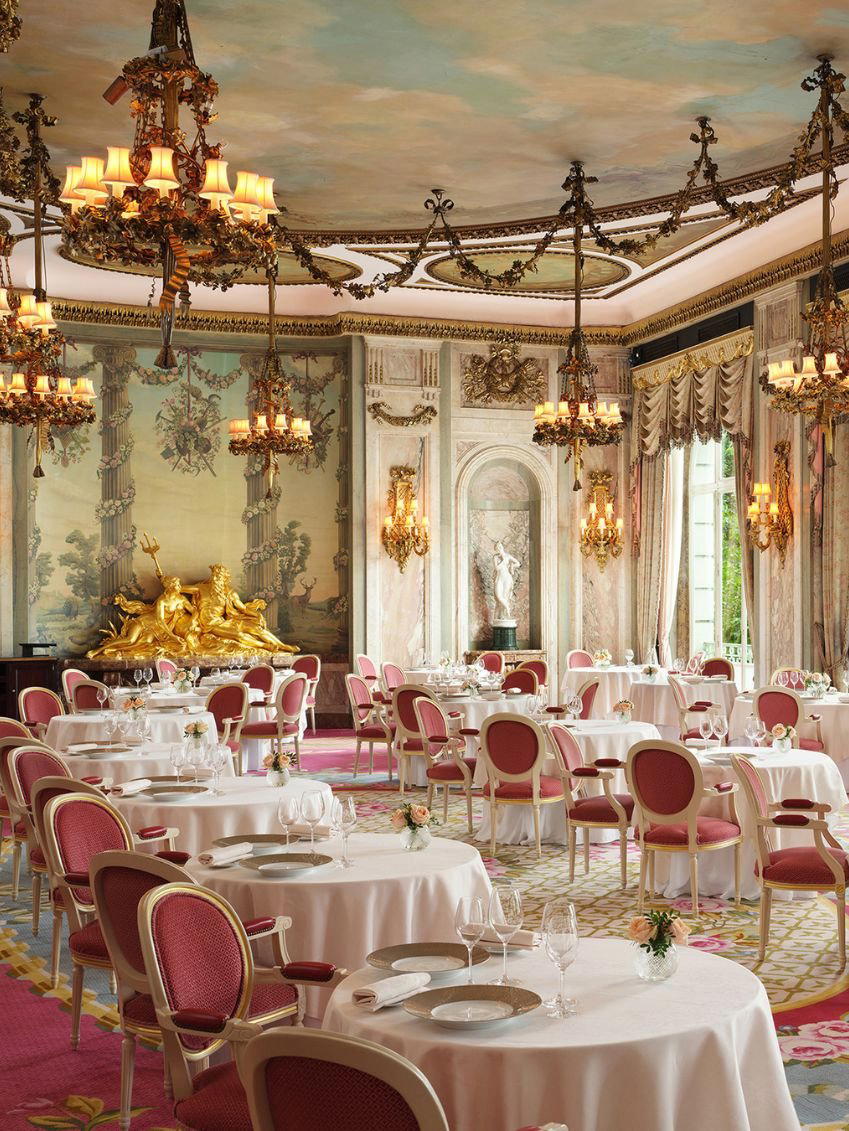
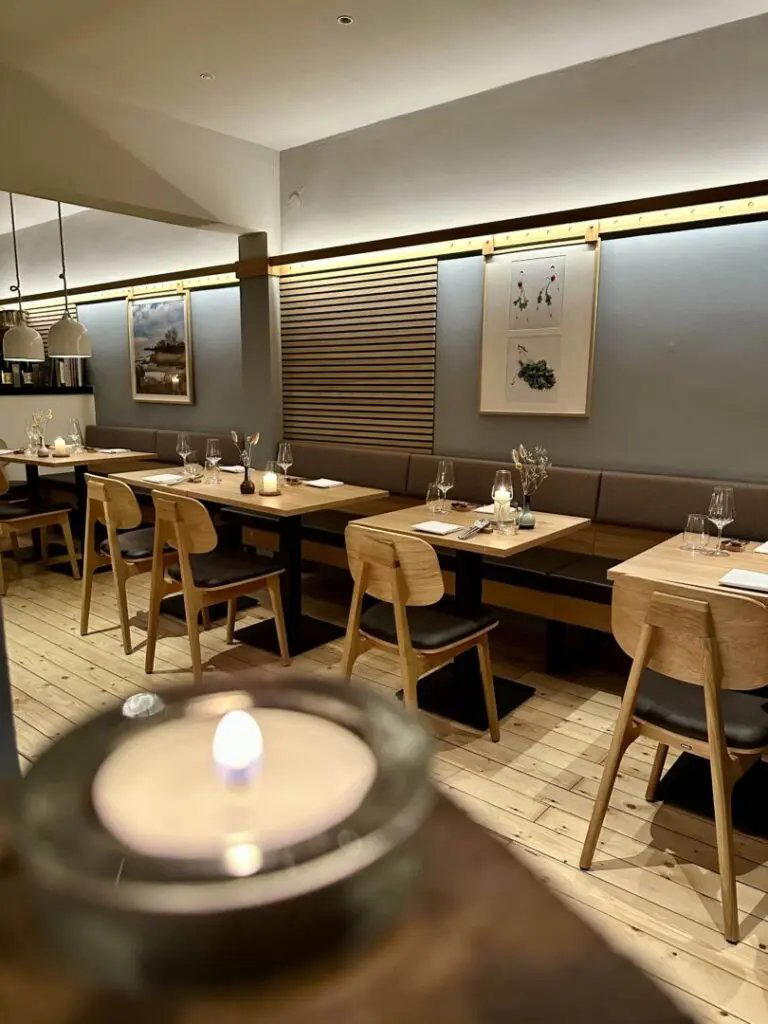
Restaurants in Hamburg
Browse all →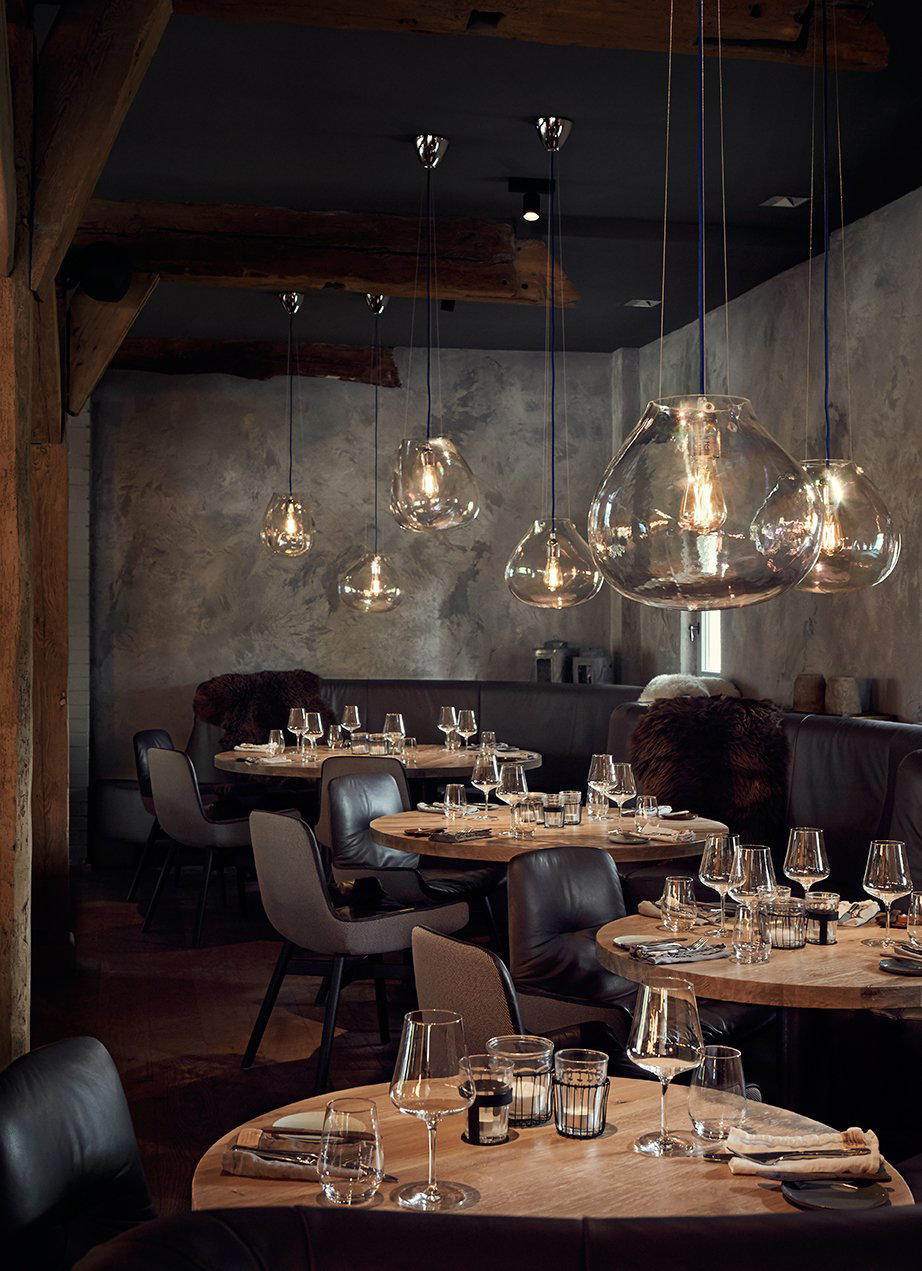
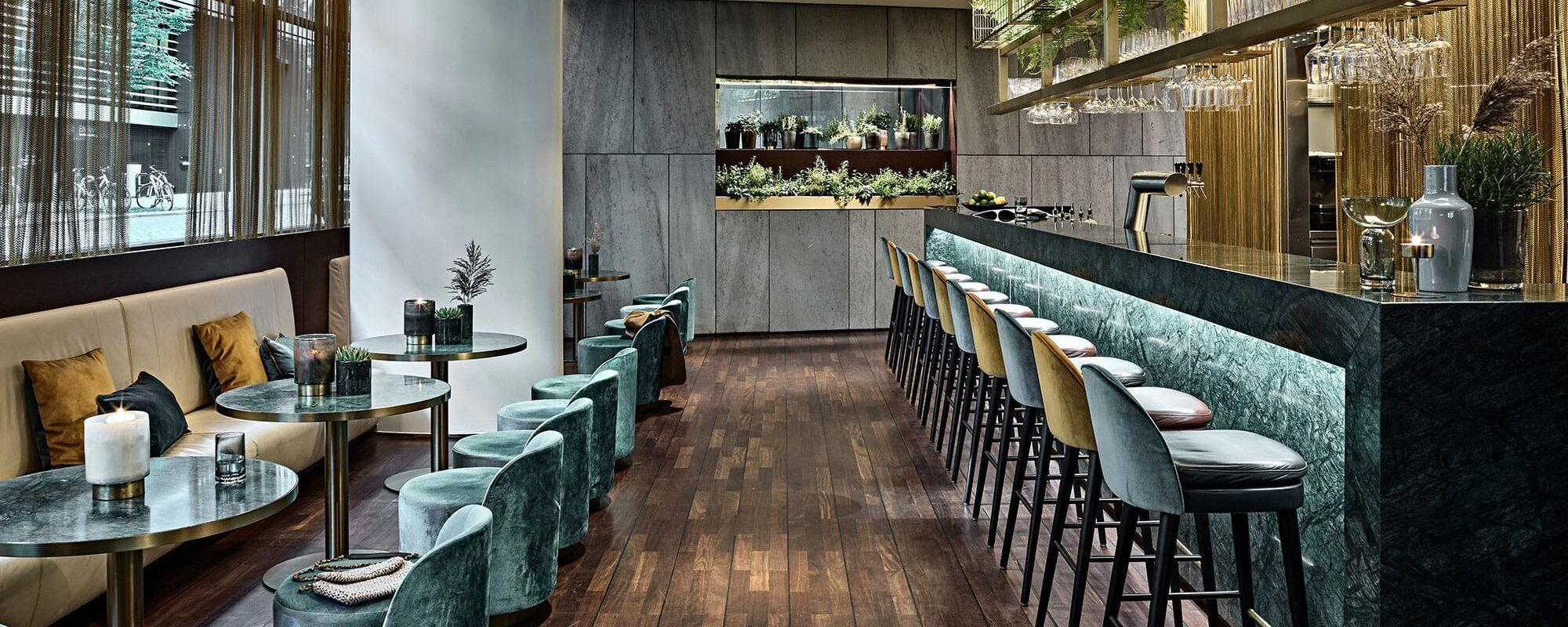
Bars in Hamburg
Browse all →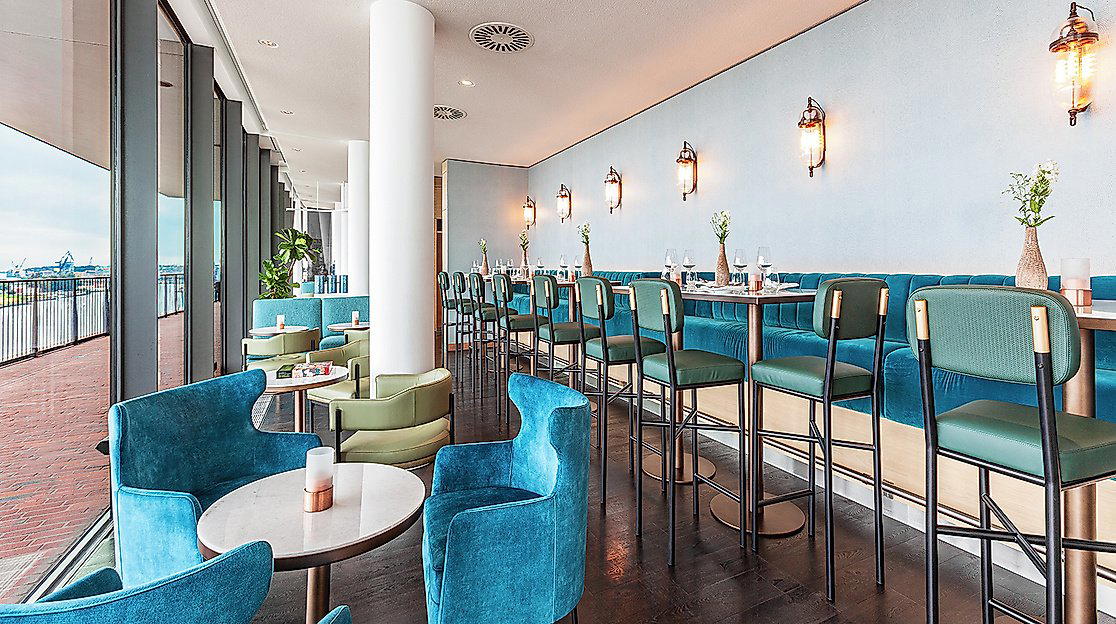
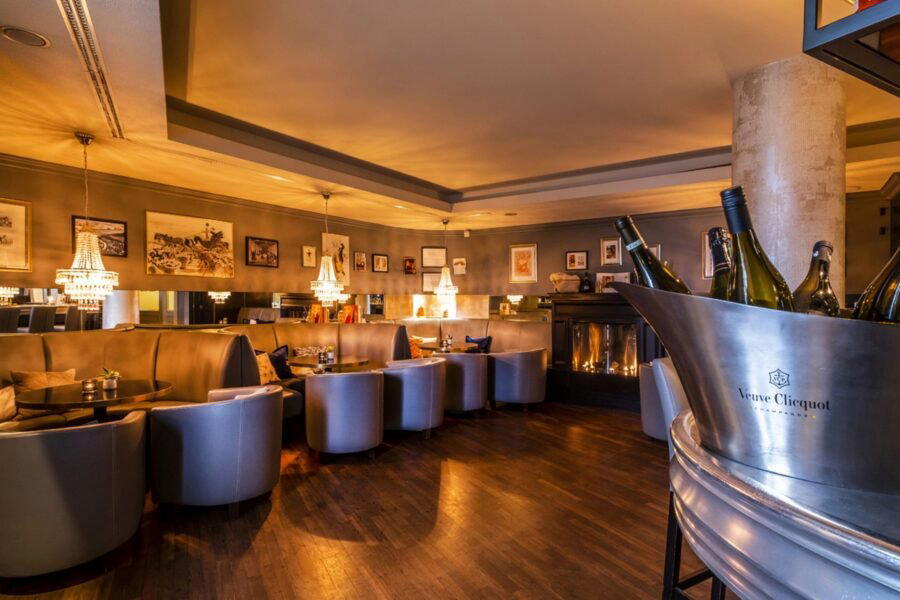
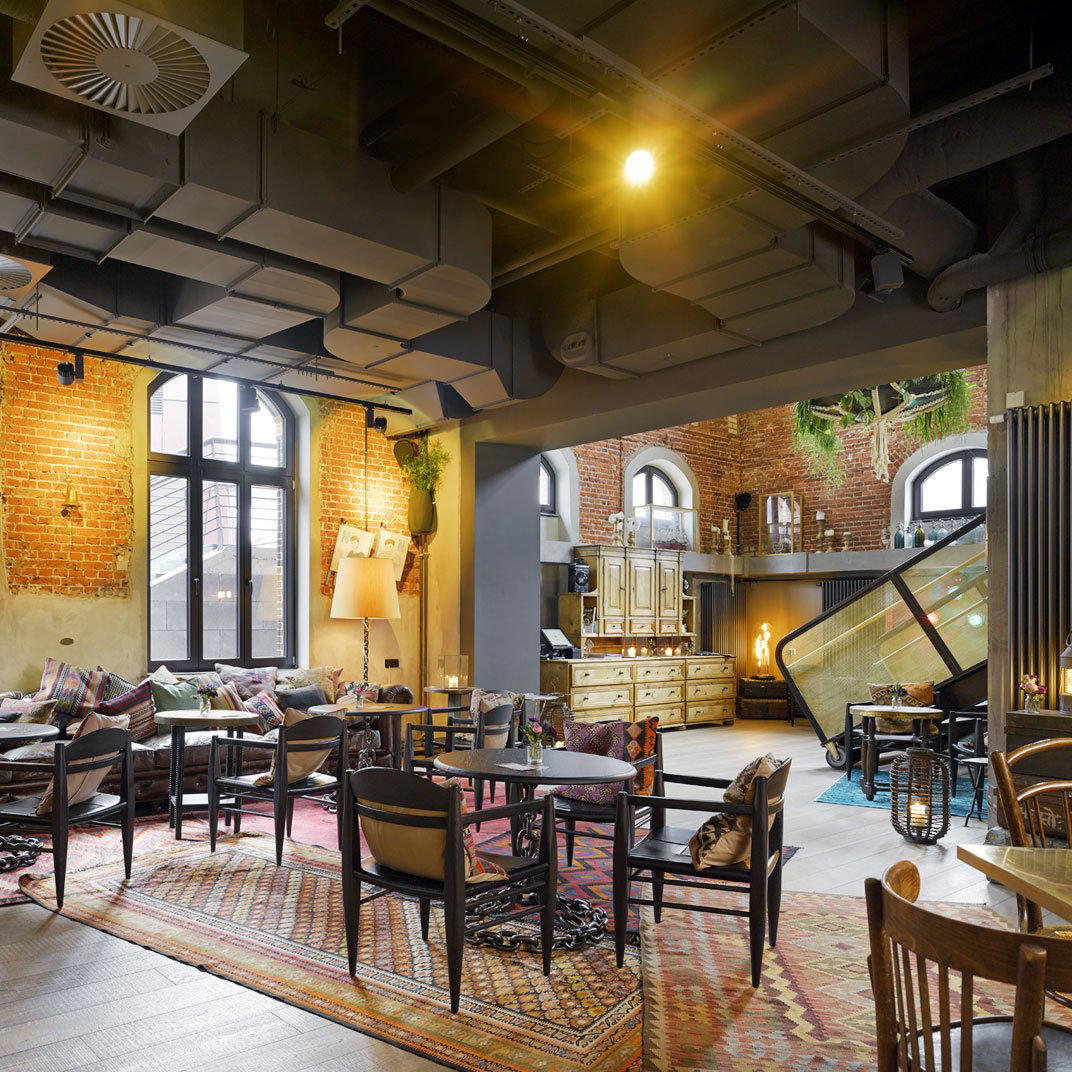
Hotels in Hamburg
Browse all →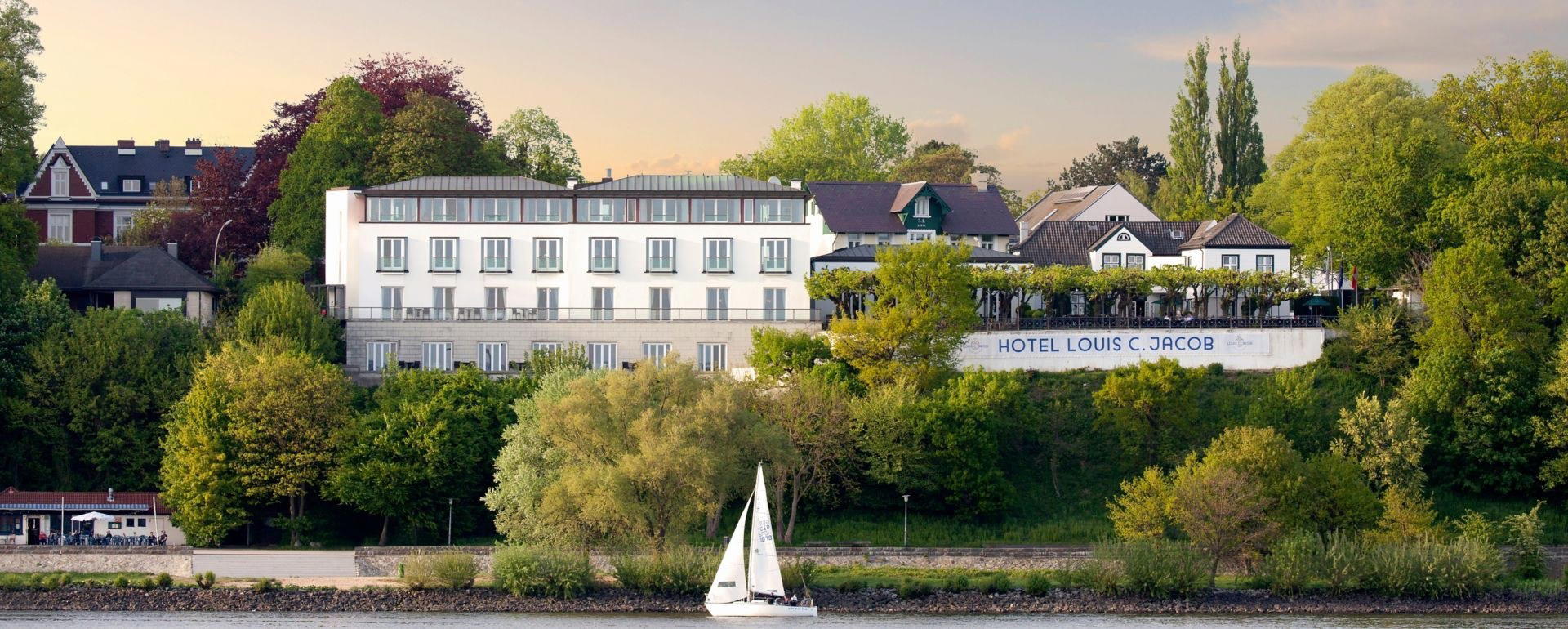
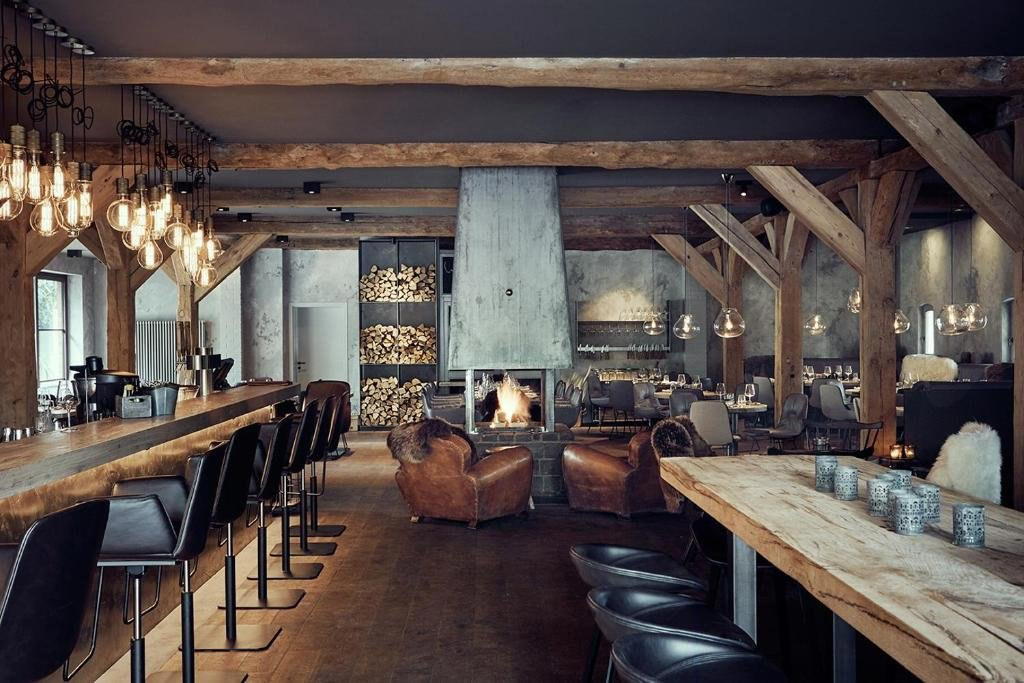
Wineries in Hamburg
Browse all →
At a Glance
- Modern
- Cozy
- Scenic
- Date Night
- Business Dinner
- Special Occasion
- Waterfront
- Panoramic View
- Extensive Wine List
- Local Sourcing
- Waterfront
Current opening hours
- Monday
- Closed
- Tuesday
- Closed
- Wednesday
- 3–11 PM
- Thursday
- 3–11 PM
- Friday
- 3–11 PM
- Saturday
- 1–11 PM
- Sunday
- 1–11 PM
Hours can change for holidays and private events. Last verified .
Maritime, light, open, bright and friendly, modern yet nautically cozy.
Know Before You Go
- Getting there
- Fähranleger Teufelsbrück, Teufelsbrück, 22609 Hamburg, Germany