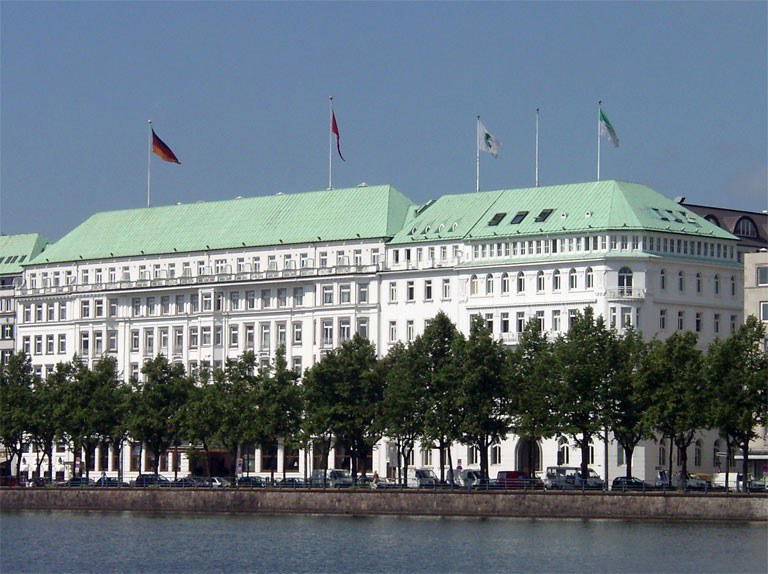
Restaurant Port occupies one of Hamburg's most charged waterfront addresses on Seewartenstraße, placing it directly within the city's long tradition of harbour-side dining. The kitchen draws on northern German and European influences, with a wine program that positions the restaurant among Hamburg's more serious cellar-forward dining rooms. Advance reservations are advised for evening sittings.
Pearl is the En Primeur Club membership app — saves, bookings, and concierge access live there. Same editors, same standards.
- Address
- Seewartenstraße 9, 20459 Hamburg, Germany
- Phone
- +49403111370400
- Website
- hotel-hafen-hamburg.de
- Directions
- Get directions
 Saves & bookings on Pearl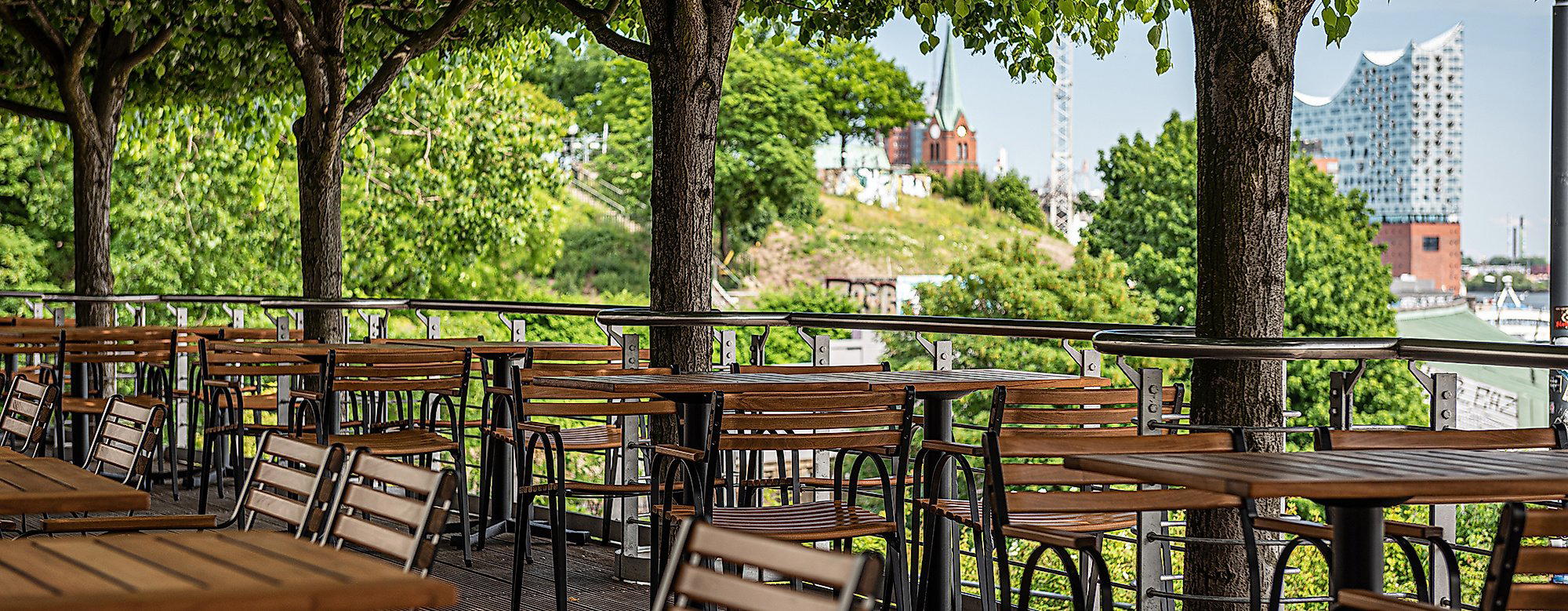
Where the Elbe Sets the Mood
Seewartenstraße runs along the edge of Hamburg's old harbour district, where the city's mercantile past and its contemporary dining scene occupy the same narrow strip of waterfront. The address has always carried a particular weight: this stretch of quayside once administered the comings and goings of one of Europe's great trading ports, and the atmosphere it generates, industrial in scale, quietly atmospheric after dark, is the kind of context that dining rooms either earn or waste. Restaurant Port occupies a position on this street that puts it in direct conversation with the water, with the working port infrastructure still visible across the Elbe, and with Hamburg's persistent instinct for treating a meal as something serious.
Hamburg's fine dining tier has consolidated around a handful of distinct approaches in recent years. At the leading end, places like The Table Kevin Fehling and Restaurant Haerlin operate within internationally recognised creative and classical French frameworks respectively. A second tier, which includes bianc and Lakeside, pursues modern European registers, often with strong regional identity. Restaurant Port's waterfront placement on Seewartenstraße positions it within this broader scene, a dining room shaped by geography as much as by the kitchen.
The Wine Question at Hamburg's Table
Across Germany's serious dining rooms, the wine list has become as important a signal of intent as the menu format itself. At places like Aqua in Wolfsburg or Vendôme in Bergisch Gladbach, the cellar is a statement about the room's ambitions, depth of older vintages, intelligent German and European spread, and a sommelier program that treats pairing as a collaborative exercise with the diner rather than a scripted recitation. Hamburg's waterfront has historically been fertile ground for this kind of curation: the city's mercantile heritage meant early access to European wine trade, and the dining rooms that have taken that inheritance seriously tend to build cellars with range across Germany, Burgundy, and the Rhône, alongside the kind of natural and biodynamic selection that has moved from niche to expected in the last decade.
For a restaurant in the Port district, the wine list functions as a form of editorial positioning. The question of how deep a Hamburg cellar goes, whether it reaches back to aged German Riesling, whether it carries meaningful Pinot Noir from Spätburgunder producers in Baden or the Pfalz, whether it can offer a serious glass alongside a tasting menu format, separates the rooms that treat wine as an afterthought from those that treat it as a structural pillar of the evening. Diners who prioritise cellar depth and sommelier engagement over headline chef credentials will find Hamburg's waterfront an increasingly interesting circuit to assess.
Northern German Dining in Context
The traditions that shape dining at this end of Germany are distinct from the southern registers more commonly associated with German gastronomy internationally. Hamburg's kitchen heritage leans on North Sea seafood, cold-water produce, and a directness of flavour that contrasts with the more elaborate reduction-and-cream architectures of classical German cuisine further south. Alongside dedicated seafood formats, Hamburg's better dining rooms have developed a modern northern European approach that borrows technique from Scandinavia as much as from France, an instinct visible across the city's serious kitchens from 100/200 Kitchen to the broader contemporary scene.
This northern sensibility extends to how portions are calibrated, how acidity is used, and how seasonal produce from the local hinterland appears on menus. The short-season intensity of Baltic and North Sea ingredients, herring, eel, crab, shellfish, requires a kitchen with a clear sense of timing, and the dining rooms that handle this material well tend to build menus around it rather than treating it as a garnish to imported protein. In that context, Seewartenstraße is a logical address: proximity to the harbour is not merely symbolic but historically tied to where the freshest catch arrived.
For comparison outside Hamburg, the northern European seafood-forward approach finds its most celebrated German expression at places like ES:SENZ in Grassau, while the classical southern German register is represented at rooms such as Schwarzwaldstube in Baiersbronn and Waldhotel Sonnora in Dreis. Hamburg's serious dining rooms occupy a different tradition from both: less baroque, more anchored to the water.
Planning the Evening
Seewartenstraße sits in Hamburg's HafenCity-adjacent district, walkable from the S-Bahn connections at Baumwall and from the Landungsbrücken ferry terminal. The address is most effectively reached on foot from the central waterfront, a route that gives a sense of the neighbourhood's scale before arriving at the restaurant. Evening light over the Elbe shifts the character of this stretch considerably, and dining here after dark, when the harbour infrastructure is lit against the water, produces a different experience than a midday visit would.
Know Before You Go
- Address: Seewartenstraße 9, 20459 Hamburg, Germany
- District: Hamburg waterfront, between HafenCity and the historic Speicherstadt warehouse district
Where It Fits
Comparable venues nearby, for context on price, style, and recognition.
| Venue | Cuisine | Price | Notes |
|---|---|---|---|
| Restaurant PortThis venue — the venue you are viewing | Traditional North German Grill | $$$ | Not listed |
| Küchenfreunde | Modern German Bistro | $$$ | Anscharhoehe |
| Brüdigams | Modern German Bistro | $$$ | Neu Lokstedt |
| BLOCKBRÄU | Traditional German Brewery Cuisine | $$ | St. Pauli |
| Quellental | Modern German Farmhouse Cuisine | $$$ | Klein Flottbek |
| Krameramtsstuben | Traditional Hamburg German | $$ | Neustadt |
Continue exploring
More in Hamburg
Restaurants in Hamburg
Browse all →
At a Glance
- Cozy
- Modern
- Scenic
- Special Occasion
- Business Dinner
- Waterfront
- Hotel Restaurant
- Local Sourcing
- Waterfront
Current opening hours
- Monday
- 12 PM–12 AM
- Tuesday
- 12 PM–12 AM
- Wednesday
- 12 PM–12 AM
- Thursday
- 12 PM–12 AM
- Friday
- 12 PM–12 AM
- Saturday
- 12 PM–12 AM
- Sunday
- 12 PM–12 AM
Hours can change for holidays and private events. Last verified .
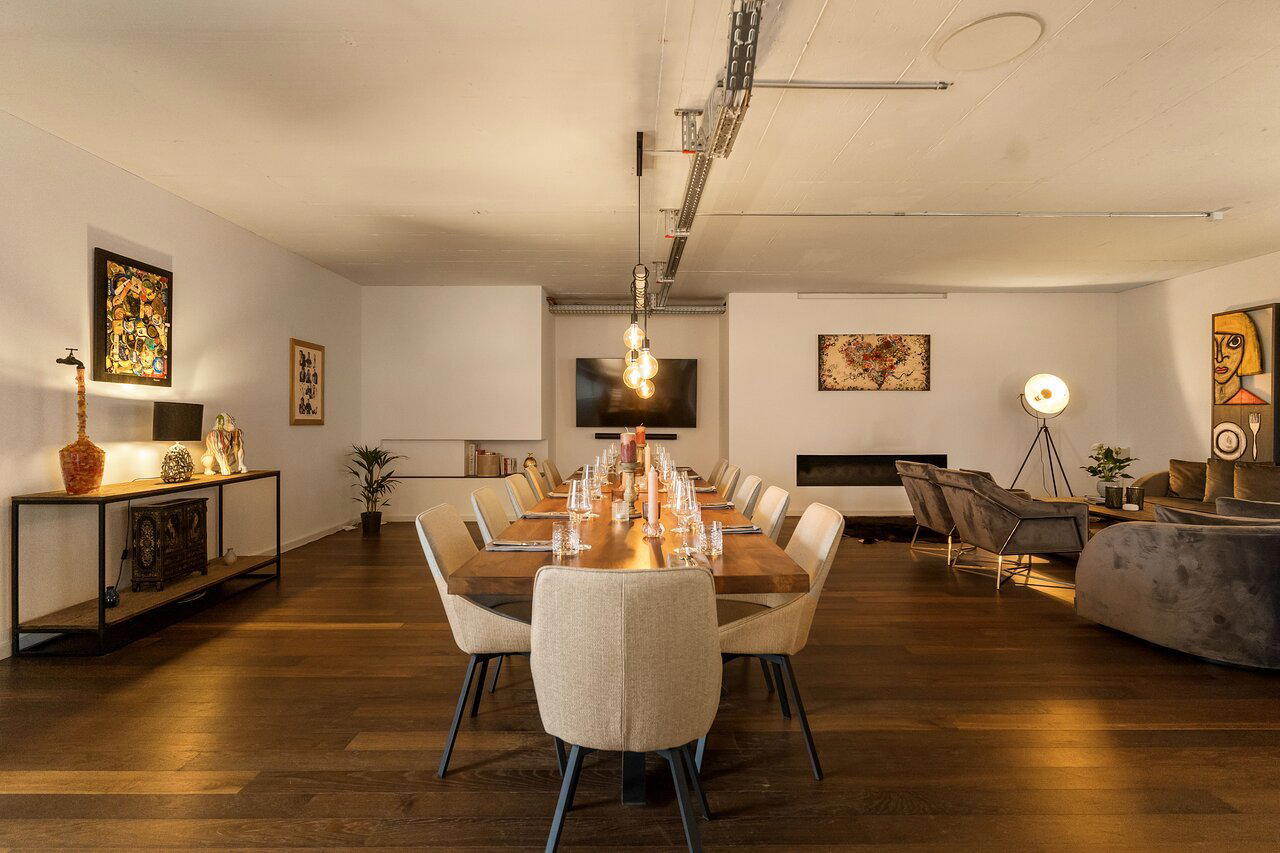
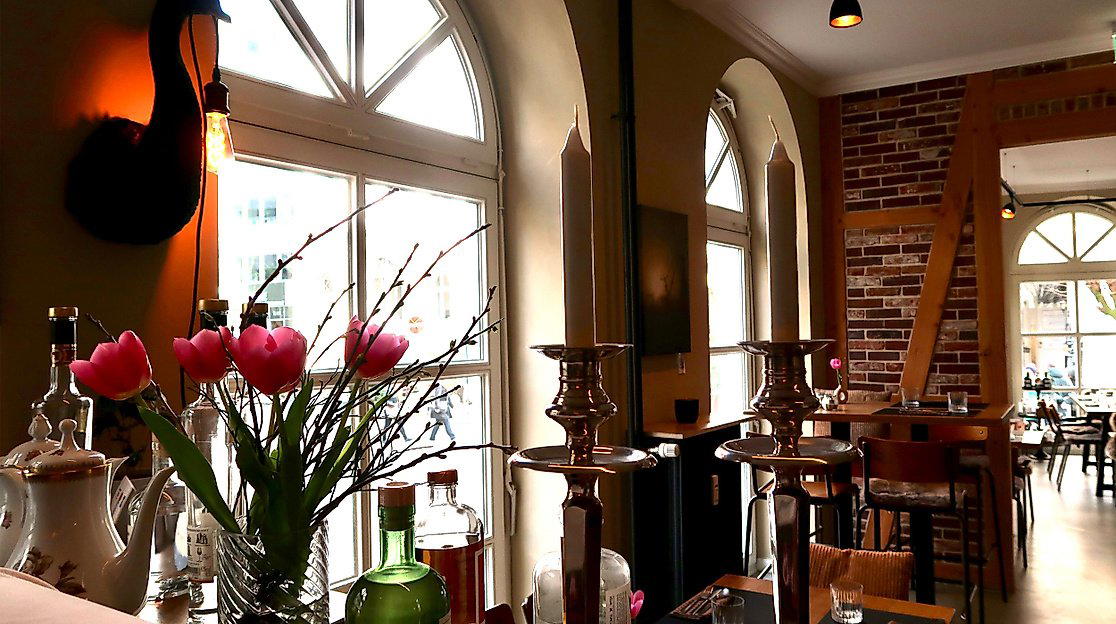
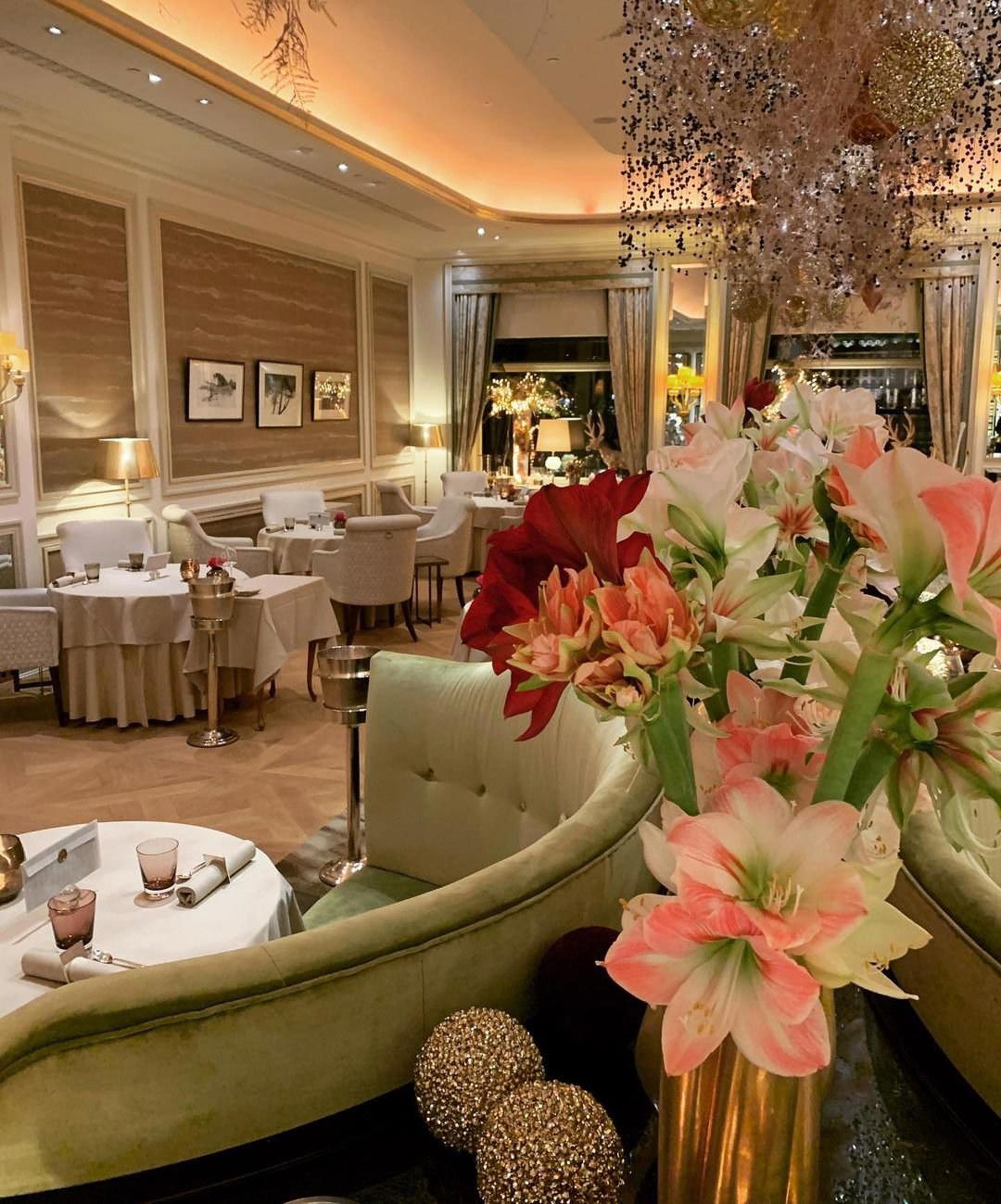
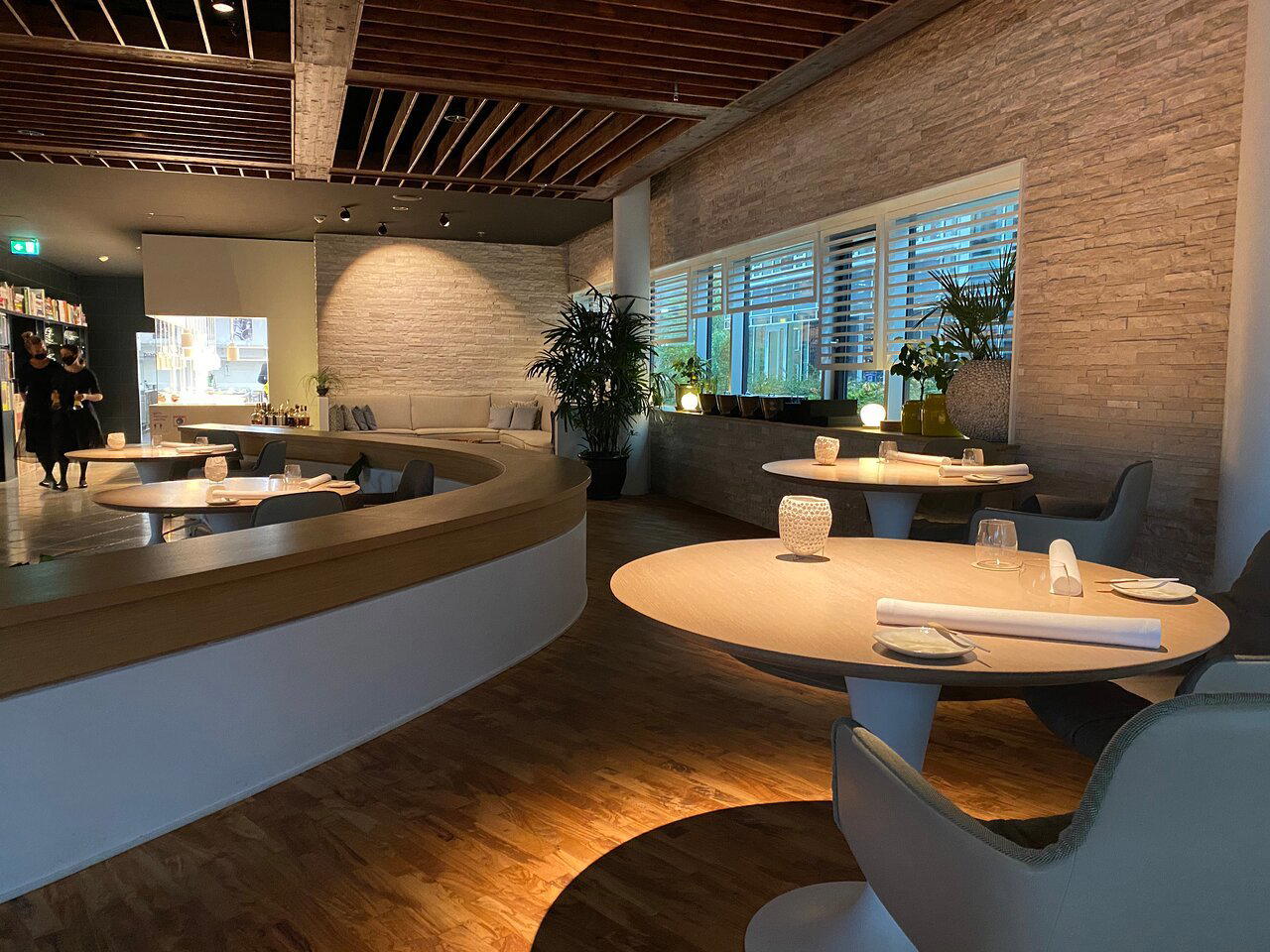
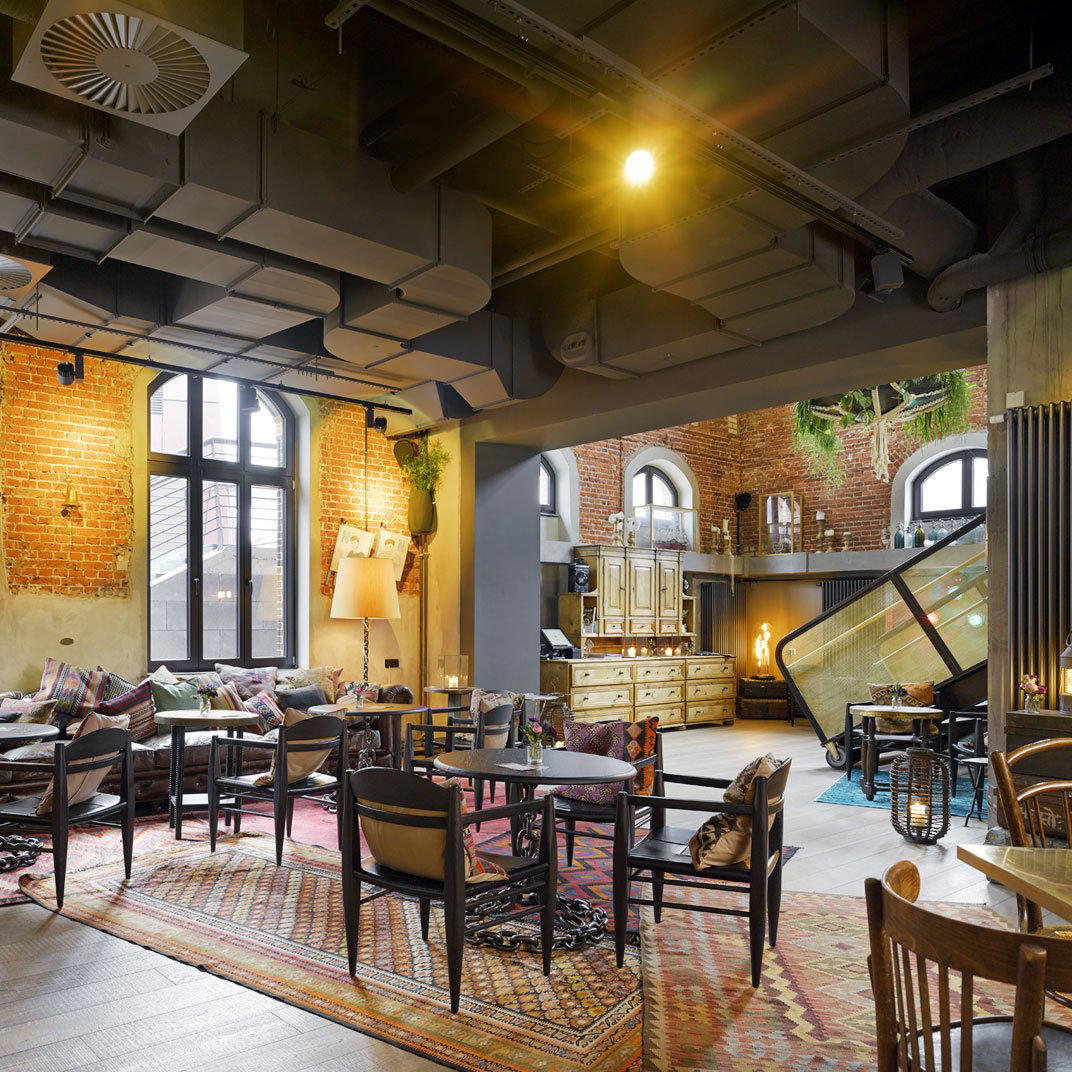
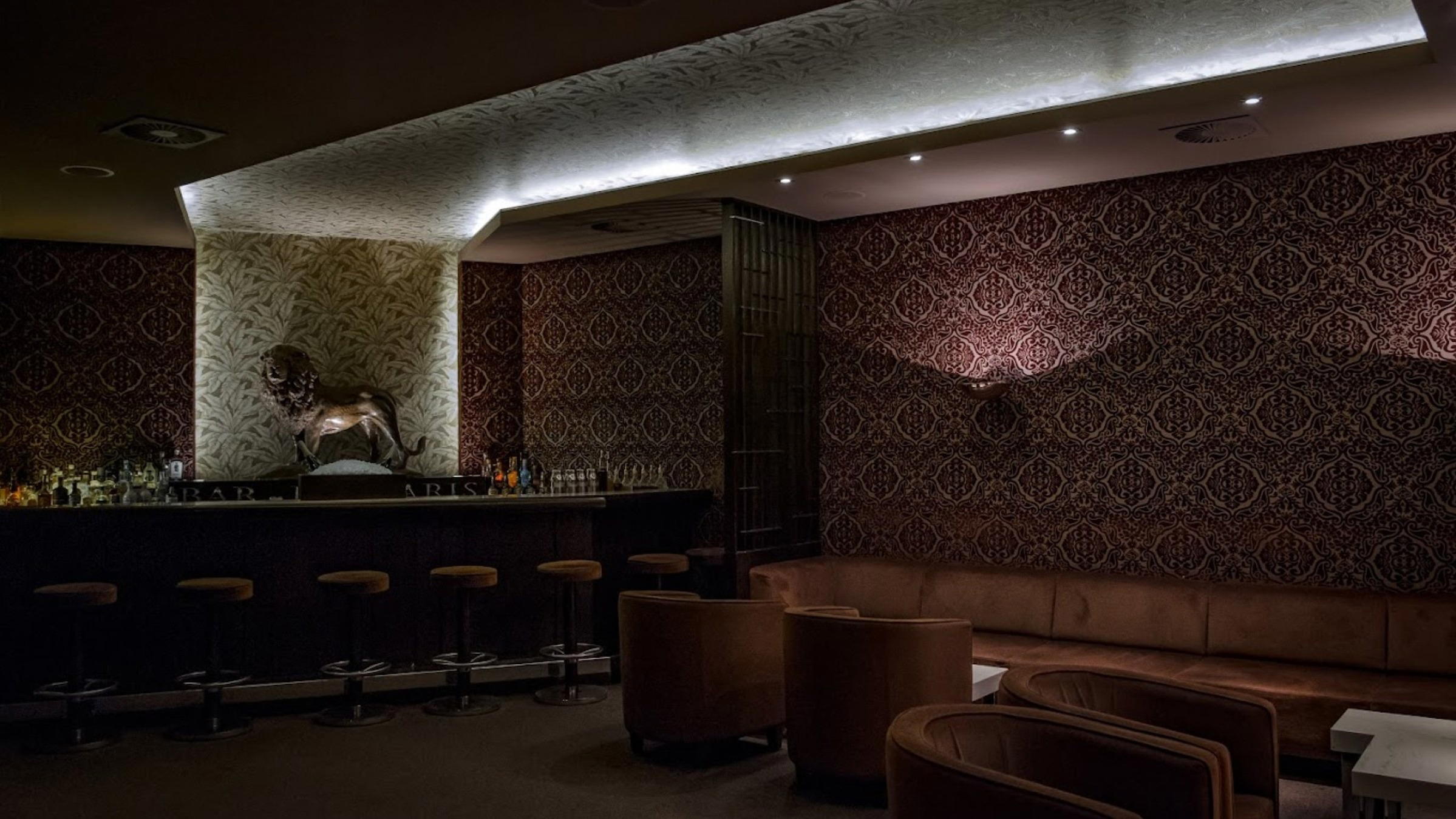
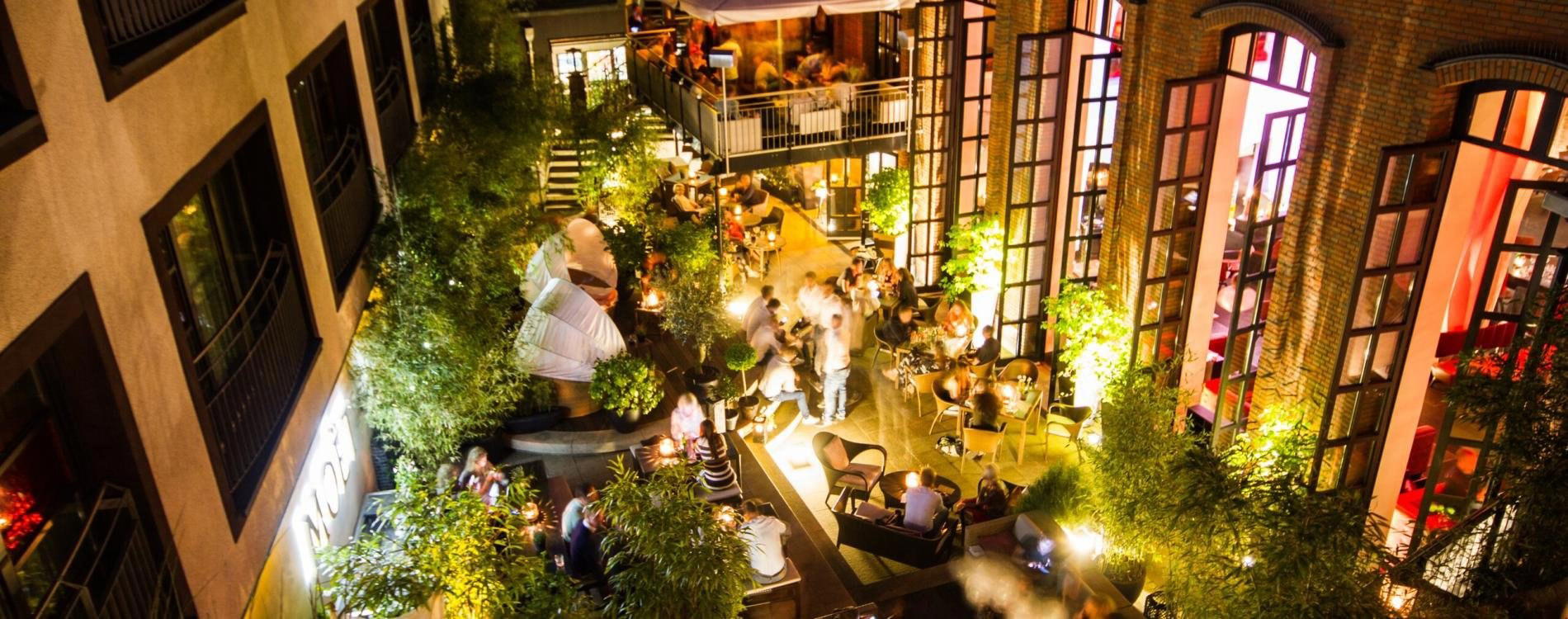
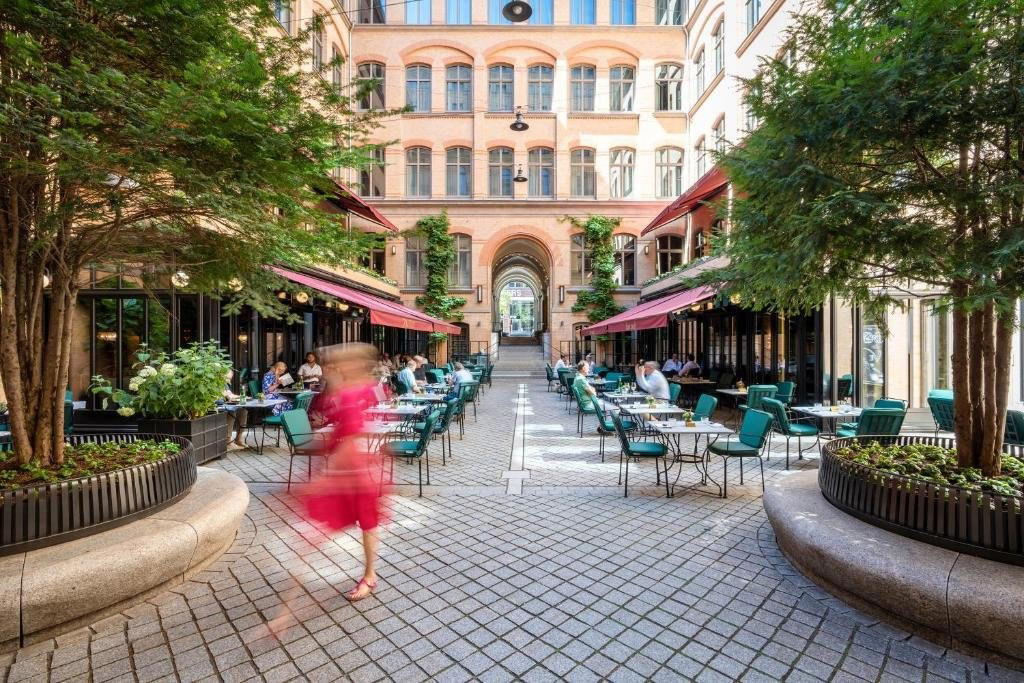
Hanseatic maritime ambience with modern design, cozy nautical-themed setting, and stylish lighting overlooking the bustling harbor.