Gallery By Chele






Gallery By Chele holds a Michelin star (2026) and ranks 72nd on Asia's 50 Best Restaurants (2025), placing it among the Philippines' most recognised modern dining addresses. Operating from BGC's Clipp Center in Taguig, the kitchen applies European technique to Philippine-sourced ingredients, producing dishes such as tomato mochi and pearls and clams alongside inventive cocktails in a setting that reads as gallery rather than formal dining room.
Pearl is the En Primeur Club membership app — saves, bookings, and concierge access live there. Same editors, same standards.
- Address
- 5/F Clipp Center, 11th Avenue corner, 39th St, Taguig, Metro Manila, Philippines
- Phone
- +63 917 546 1673
- Website
- gallerybychele.com
- Directions
- Get directions
 Saves & bookings on Pearl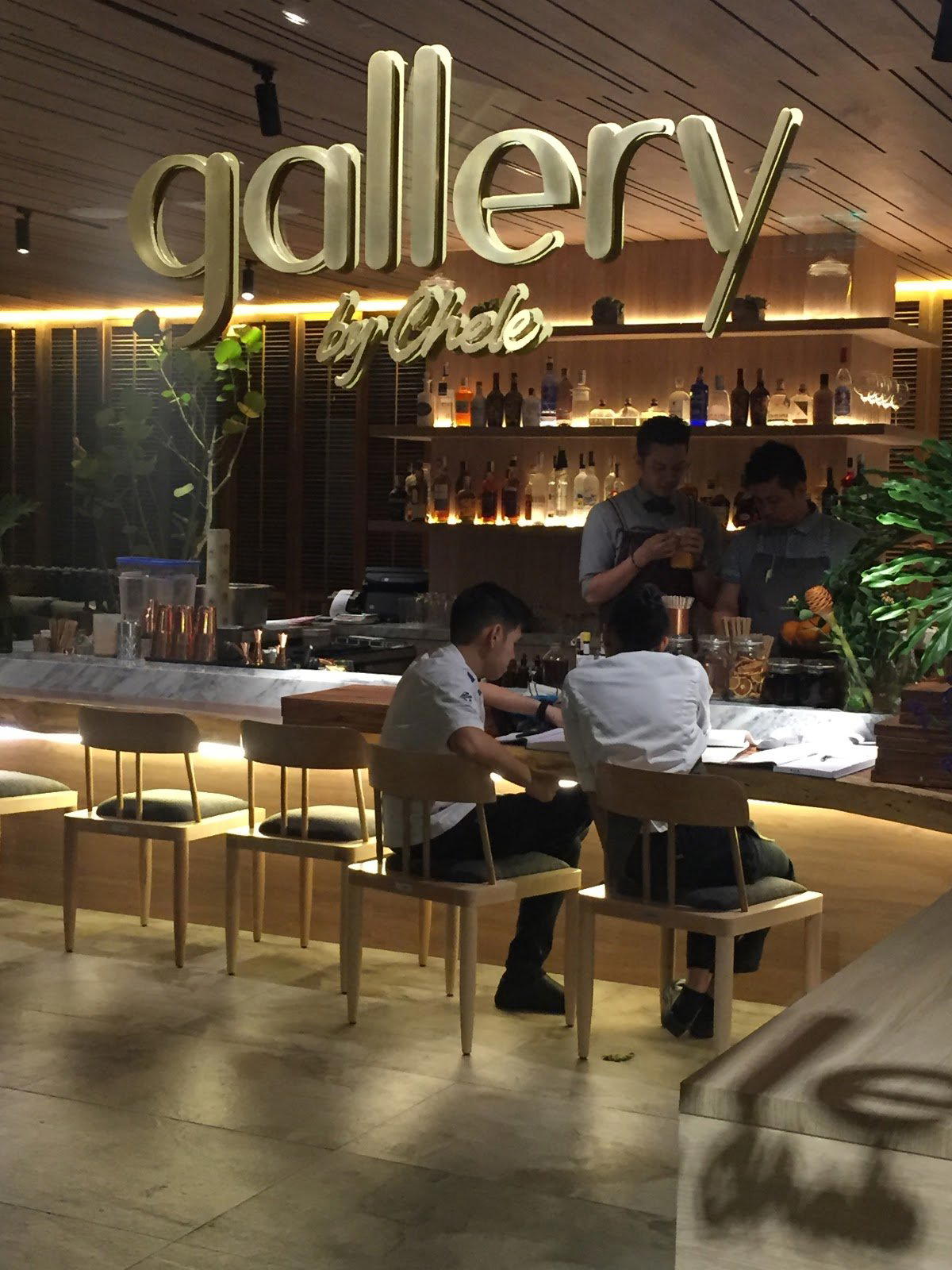
BGC's Fine-Casual Tier and Where Gallery By Chele Sits Within It
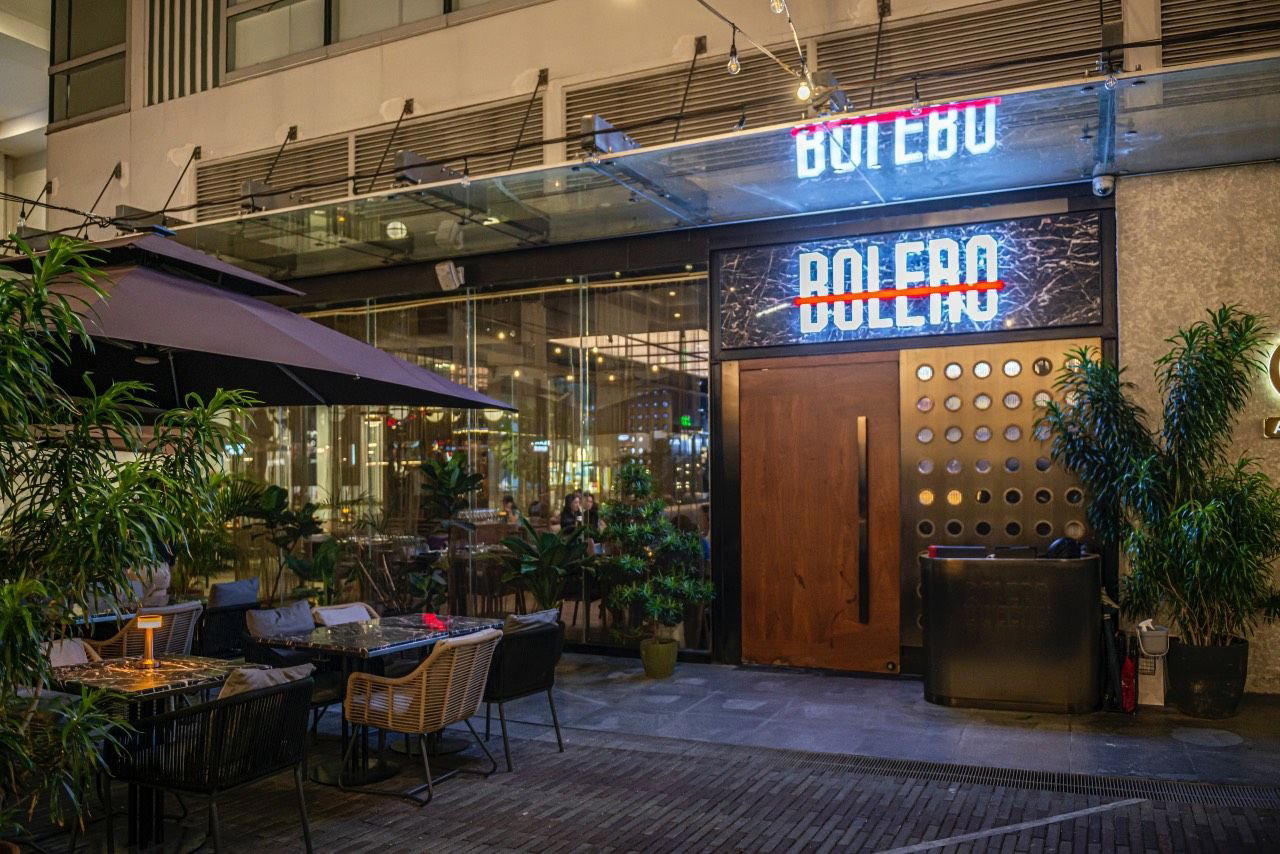
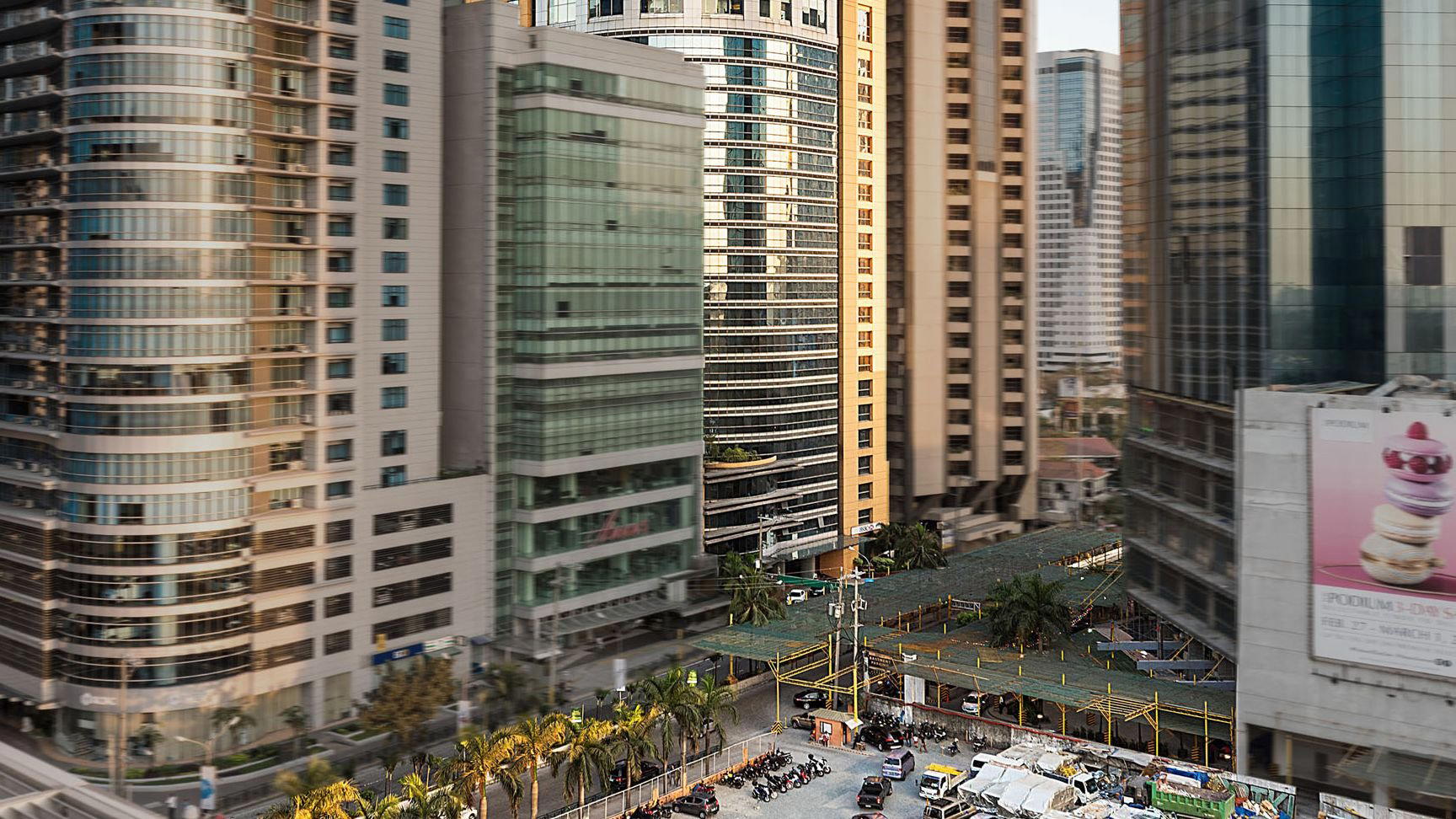
Bonifacio Global City has spent the last decade sorting itself into legible dining strata. The ground floor is occupied by international chains and mall-court Filipino comfort food. One tier above, a cluster of serious kitchens has emerged that treat local ingredients as primary material rather than folkloric backdrop. Gallery By Chele, on the fifth floor of Clipp Center at the corner of 11th Avenue and 39th Street in Taguig, belongs to that upper stratum alongside properties like Toyo Eatery and Bolero in Taguig. The distinction matters: this is not a room built around spectacle or destination-dining ritual. The format is closer to what parts of Copenhagen and London now call fine-casual, serious culinary intent delivered without the formality that once marked starred dining in Southeast Asia.
The 2026 Michelin star and a score of 93 points from La Liste's 2026 rankings are the clearest external markers of where the kitchen sits in its comparable set. Asia's 50 Best Restaurants placed it 72nd in 2025. That trajectory, slow, consistent improvement across multiple independent indices, suggests a kitchen operating with growing confidence rather than a single award-season spike. For comparison, venues in Manila like Grace Park Dining by Margarita Forés and M Dining + Bar M represent adjacent but distinct approaches to Filipino cooking, the former rooted in market-driven Italian-Filipino tradition, the latter leaning into Asian fusion territory.
Philippine Ingredients as the Actual Subject of the Menu
Modern Filipino cuisine in Manila has split into two recognisable camps. The first treats Filipino dishes as a starting point for nostalgia-driven reimagining, plating grandmother's recipes with more precision and better crockery. The second treats Philippine ingredients, the archipelago's coastal produce, tropical fruits, fermented condiments, and highland vegetables, as primary material to be understood on their own terms before any technique is applied. Gallery By Chele operates firmly in the second camp.
The menu format of nibble bites reflects a philosophy about how ingredients should be encountered: in small, legible portions that communicate a single idea rather than a composed plate that asks the diner to decode multiple competing elements simultaneously. Tomato mochi is a useful example of the kitchen's method. The combination is unexpected, but both components are grounded in Philippine produce culture, the tomato as a workhorse of Filipino home cooking, the mochi-style preparation as a textural bridge between local and broader Asian technique. Pearls and clams similarly anchor a luxury preparation in coastal Philippine sourcing rather than imported shellfish.
This sourcing-first approach has practical implications for the menu's rhythm. Dishes change with what's available and in season, which means the menu that appeared on a visit in April may look quite different by August. That variability is not incidental, it's the mechanism by which the kitchen stays connected to Philippine agricultural reality rather than optimising for a fixed, reproducible set of dishes. Venues across the region taking comparable approaches include Locavore in Manila and, further afield, Linamnam in Parañaque, both of which treat local sourcing as a structural constraint rather than a marketing note.
The Room: A Gallery Logic Applied to Dining
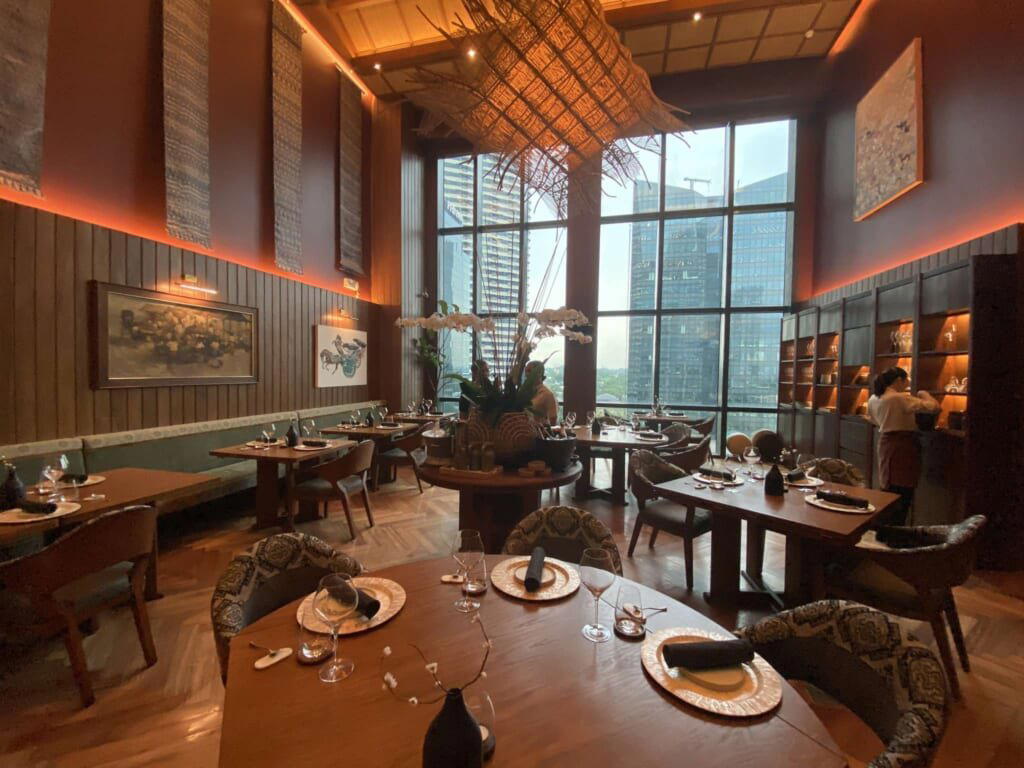
The name is not casual. Gallery By Chele operates with a spatial logic borrowed from art exhibition: the room is designed to direct attention toward the food rather than to create ambient noise and energy for its own sake. In a city where dining out often functions as social performance, the right table at the right address, this is a deliberate counter-position. The fifth-floor location, removed from the street-level energy of BGC, reinforces the effect. Arriving requires a decision; the room doesn't absorb passing foot traffic.
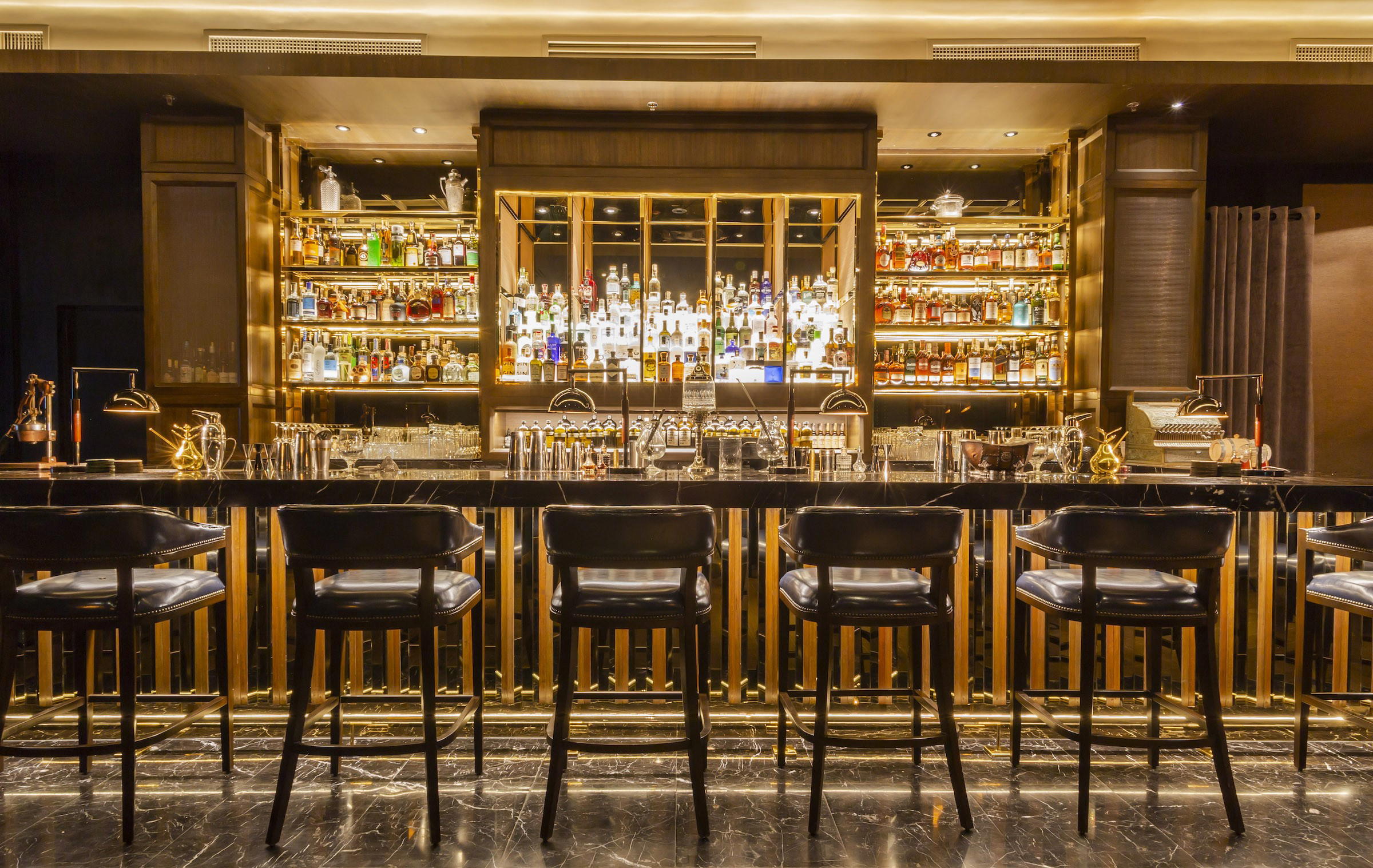
The result is a setting where the cooking can read clearly. Small bites that might disappear into the background noise of a louder, more conventionally styled dining room get the attention they were designed to receive. The drinks program, which the kitchen has developed alongside the food menu, operates by the same logic: inventive combinations built around Philippine spirits and ingredients rather than international-bar templates. This pairing of serious food and a considered drinks list in a non-formal setting is a format that venues from Atomix in New York City to Blackbird Makati in Manila have each explored in different ways, though the specific execution at the restaurant is calibrated to the BGC context and the Filipino ingredient story.
Chef Chele González: Credentials in Context
In the editorial tradition of informed criticism, chef lineage functions as a trust signal rather than a biographical subject. What matters about Chef Chele González's background is where it places the kitchen's technical framework. European training, the kind that produces cooks who understand classical saucing, fermentation logic, and product-driven minimalism, applied to Philippine ingredients is not a formula that automatically succeeds. The ratio of technique to ingredient expression is difficult to calibrate, and many kitchens in this space overcorrect toward technique, producing food that tastes of the chef's training rather than the place.
The consistent recognition from Opinionated About Dining suggests the calibration here is working. OAD rankings at the 107th position in Asia for 2025 place the restaurant within a competitive set that includes some of the region's most closely watched kitchens. The Michelin star adds institutional confirmation to what independent critics had been noting for several years. For a point of comparison within the Philippines' broader restaurant scene, Antonio's represents a different strand of the country's ambitious dining, one rooted in Western classical form, while Asador Alfonso in Cavite and Abaseria Deli & Cafe in Cebu show how the same conversation about Filipino ingredients is playing out beyond Metro Manila.
The Mustard and Papaya Dessert as a Signal
Dessert courses at modern fine-dining restaurants often function as a coda, technically accomplished, occasionally memorable, rarely the thing a diner discusses afterward. The mustard and papaya dessert at the restaurant works differently. Papaya is a Filipino staple so embedded in everyday eating that its appearance on a tasting menu risks reading as parochialism. The pairing with mustard, a sharp, acidic note that most dessert courses actively avoid, repositions the papaya as an ingredient with range, capable of operating in contexts beyond the familiar. It is the kind of dish that crystallises what the kitchen is attempting across the entire menu: find the Philippine ingredient, understand its actual flavour properties rather than its cultural associations, and build around what it can do.
This approach echoes what kitchens like Le Bernardin in New York City have long applied to seafood: treat the primary ingredient as the authority and let technique serve it rather than replace it. The scale and context are entirely different, but the underlying discipline is comparable.
Planning a Visit
The restaurant operates Tuesday through Sunday, with lunch service running from noon to 4 pm Wednesday through Sunday, and dinner from 6 to 11 pm Tuesday through Sunday. Monday is closed. The address is the fifth floor of Clipp Center, 11th Avenue corner 39th Street, Taguig, in Bonifacio Global City. Given the venue's Michelin star and its placement at 72nd on Asia's 50 Best Restaurants list, advance booking is advisable, particularly for dinner slots later in the week.
Celera in Makati is worth noting as a nearby address operating in an adjacent register for evenings when the format calls for something different.
Booking and Cost Snapshot
Comparable venues nearby, for context on price, style, and recognition.
| Venue | Cuisine | Price | Awards | Notes |
|---|---|---|---|---|
| Gallery By CheleThis venue — the venue you are viewing | Modern Fillipino | $$$$ | Michelin 1 Star | Not listed |
| Toyo Eatery | Makati, Modern Filipino Fine Dining | $$$$ | Michelin 1 Star | Not listed |
| Locavore | Pasay, Modern Filipino | $$$ | Michelin Plate | Not listed |
| Metiz | Makati, Modern Filipino | $$$$ | Michelin Plate | Not listed |
| Antonio's | Not listed | $$$$ | Michelin Plate | Tagaytay, Fine Dining Filipino-European Fusion |
| Txanton | Makati, Spanish Jamón & Wine Bar | $$$$ | Michelin Plate | Not listed |
Recognition history
Dated appearances from independent guides and award organizations, with the underlying list record or original source where available.
La Liste Top Restaurants
La Liste
Michelin 1 Star
Michelin
Opinionated About Dining Top Restaurants in Asia Ranked #142
Opinionated About Dining
Tatler Best Philippines: Best Innovation • Restaurant
Tatler
Tatler Best Innovation
Tatler
Tatler Best 20 Restaurants Philippines
Tatler
Opinionated About Dining Top Restaurants in Asia Ranked #107
Opinionated About Dining
Tatler Listed in Best Restaurants Asia-Pacific
Tatler
The Best Chef Two Knives
The Best Chef
World's 50 Best Asia's Best Restaurants #72
World's 50 Best
Opinionated About Dining Top Restaurants in Asia Ranked #123
Opinionated About Dining
Opinionated About Dining Top Restaurants in Asia Ranked #119
Opinionated About Dining


At a Glance
- Modern
- Elegant
- Intimate
- Sophisticated
- Date Night
- Special Occasion
- Celebration
- Open Kitchen
- Craft Cocktails
- Local Sourcing
Current opening hours
- Monday
- Closed
- Tuesday
- 6–11 PM
- Wednesday
- 12–3:30 PM, 6–11 PM
- Thursday
- 12–3:30 PM, 6–11 PM
- Friday
- 12–3:30 PM, 6–11 PM
- Saturday
- 12–3:30 PM, 6–11 PM
- Sunday
- 12–3:30 PM, 6–11 PM
Hours can change for holidays and private events. Last verified .
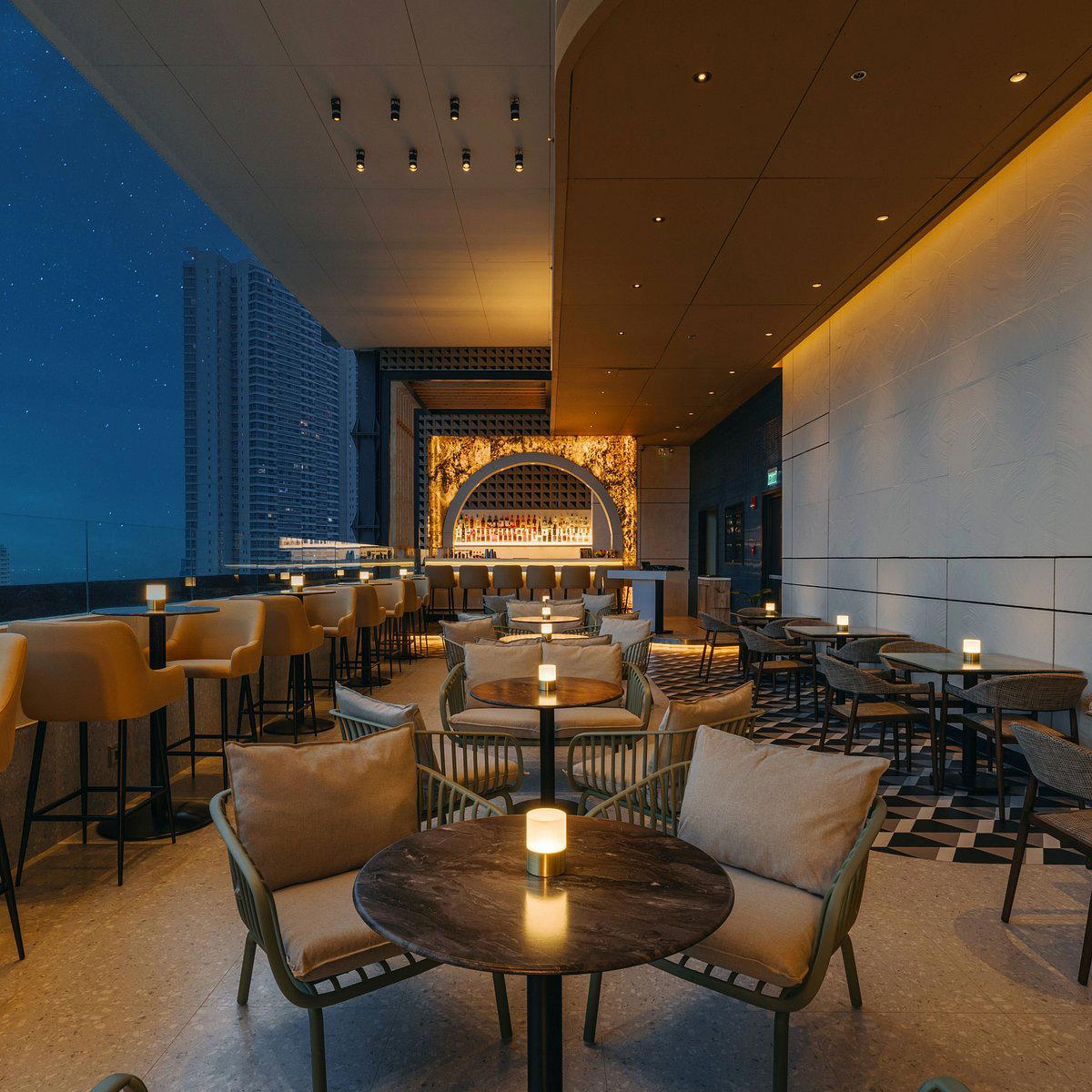
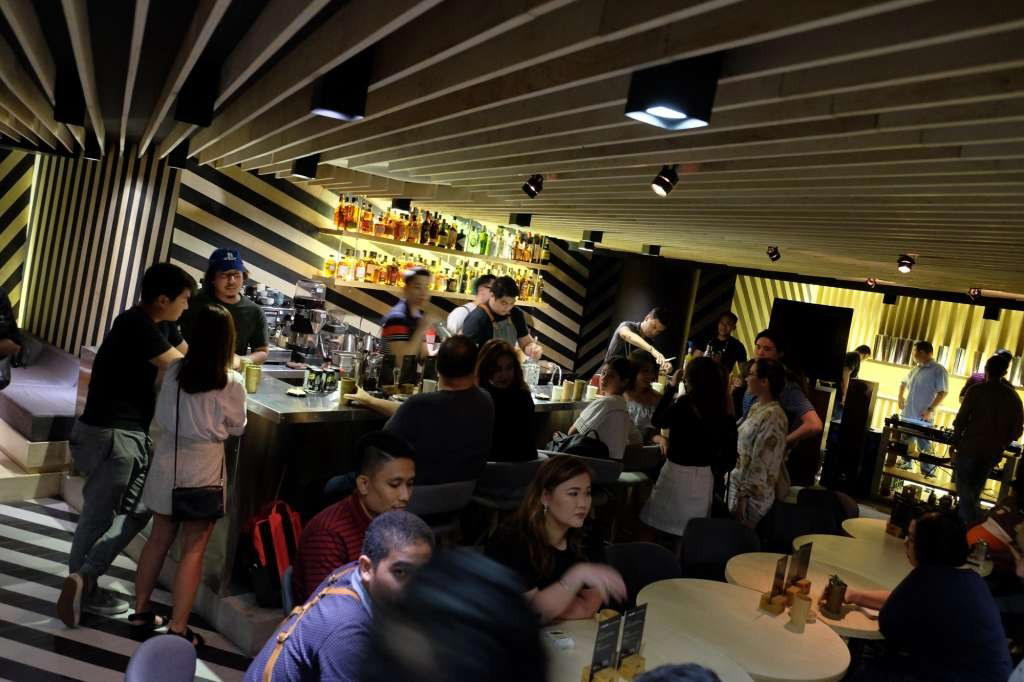
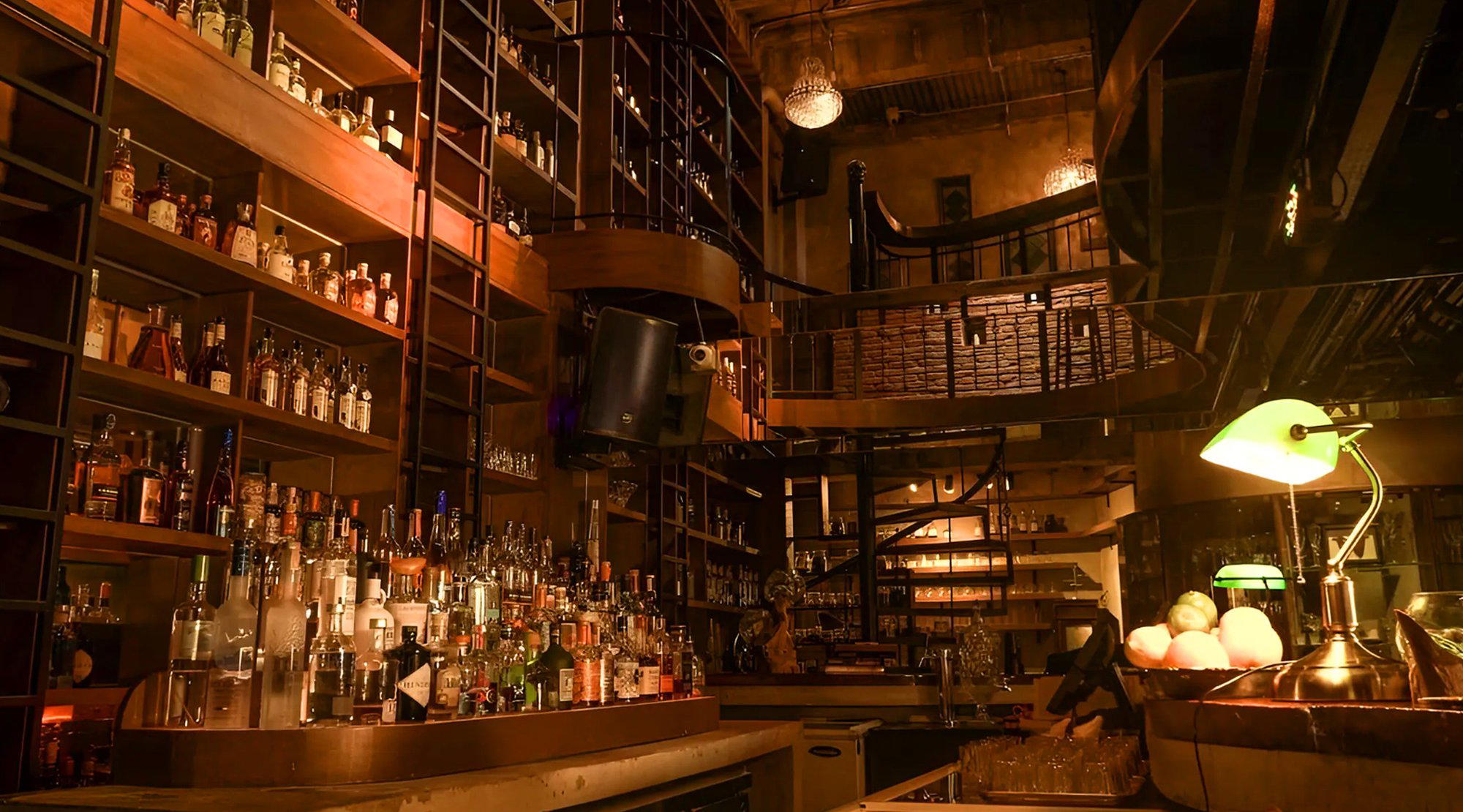
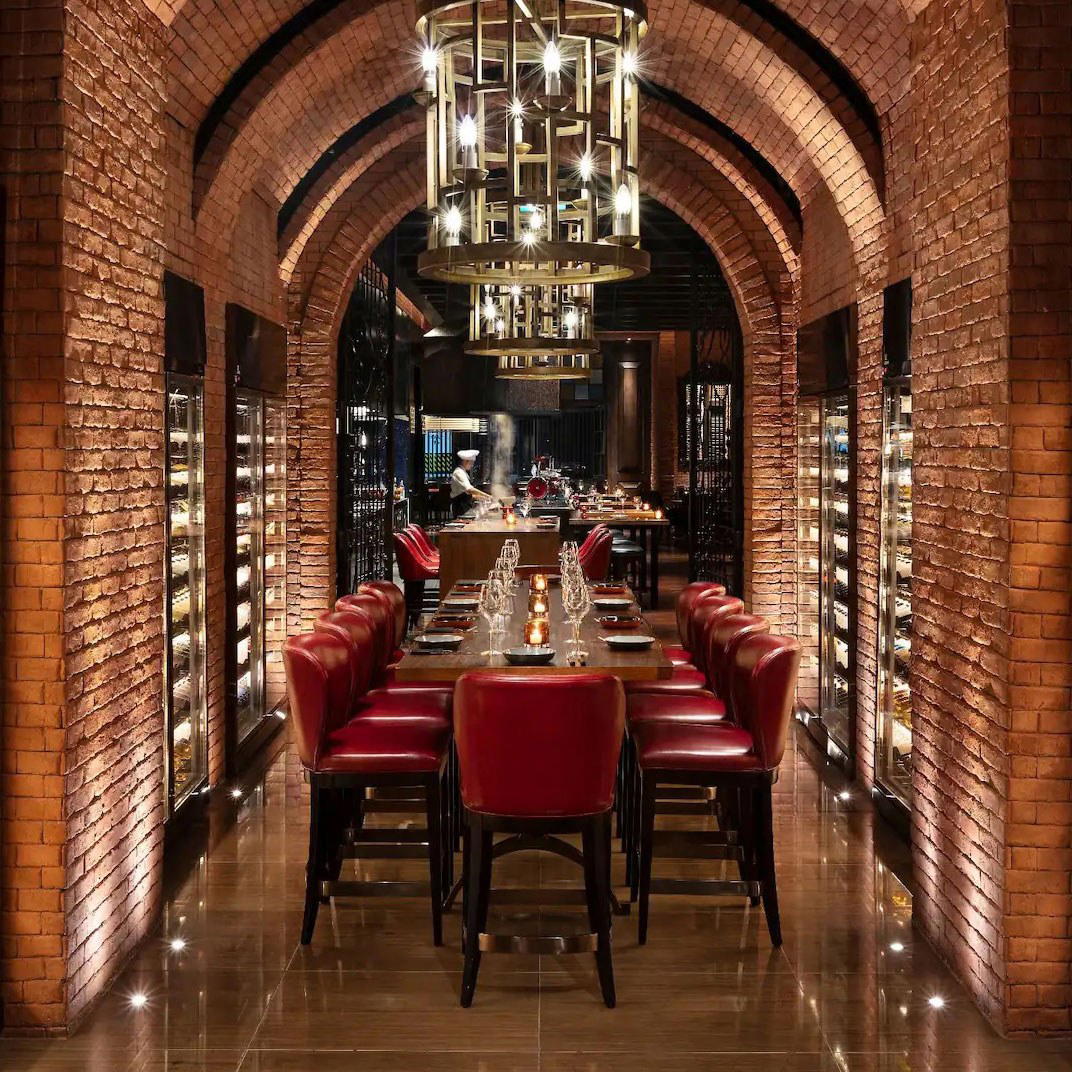
Casual yet intimate with dimly romantic lighting, warm wood textures, and minimalist decor.