Pares Batchoy Food House

A Michelin Bib Gourmand recipient in Cebu's Capitol Site neighbourhood, Pares Batchoy Food House earns its recognition through the kind of focused, disciplined cooking that defines the Bib Gourmand category globally: serious food at accessible prices. The address on C. Rodriguez Street places it squarely within reach of the city centre, making it a practical anchor for any serious eating itinerary in Cebu.
Pearl is the En Primeur Club membership app — saves, bookings, and concierge access live there. Same editors, same standards.
- Address
- 12 C. Rodriguez Street, Capitol Site, Cebu City, 6000 Cebu, Philippines
- Phone
- +63 919 009 0707
- Directions
- Get directions
 Saves & bookings on Pearl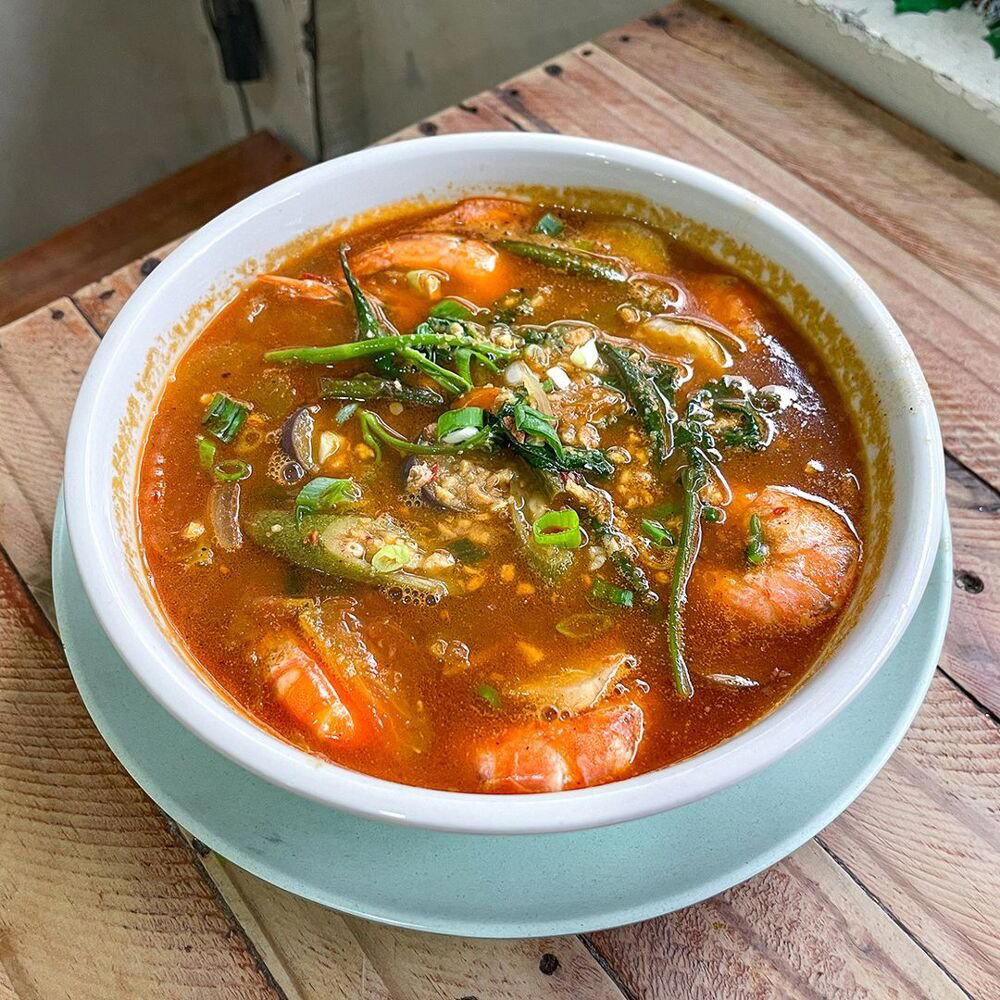
Where Cebu's Street Food Tradition Meets Michelin Recognition
The Michelin Bib Gourmand designation, introduced globally to flag cooking that delivers quality above its price point, tells a particular story when it lands in the Philippines. Cebu's food culture has long operated on a different register from Manila's dining scene: less concerned with fine-dining ceremony, more focused on the kind of bowl-and-broth cooking that accumulates loyal followings over years. Pares Batchoy Food House, at 12 C. Rodriguez Street in Capitol Site, is the Cebu entry that earned that designation in 2026, and the address itself signals something about the city's culinary priorities.
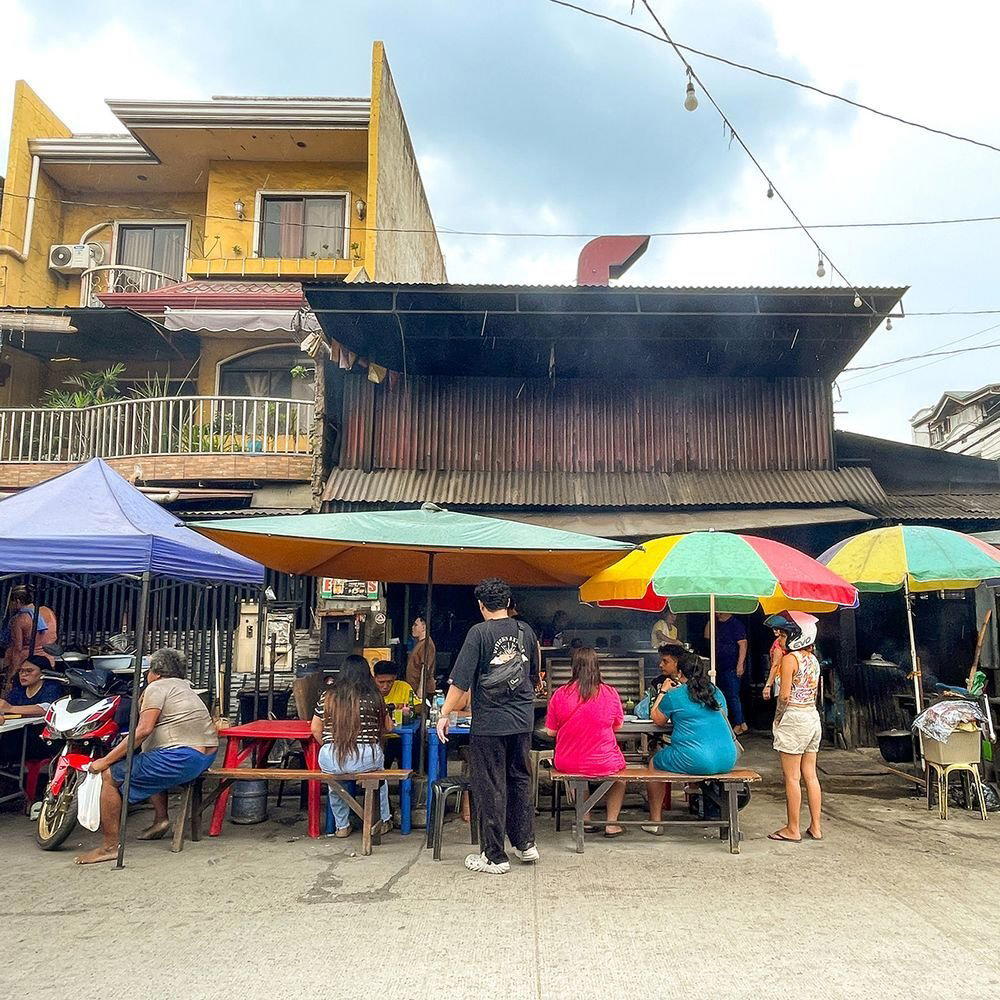
Capitol Site is not the address you'd associate with destination dining in most cities. It's a working neighbourhood, administratively central, practical rather than fashionable. The Bib Gourmand category increasingly rewards the kind of cooking that exists outside the formal restaurant circuit.
The Two Dishes in the Name
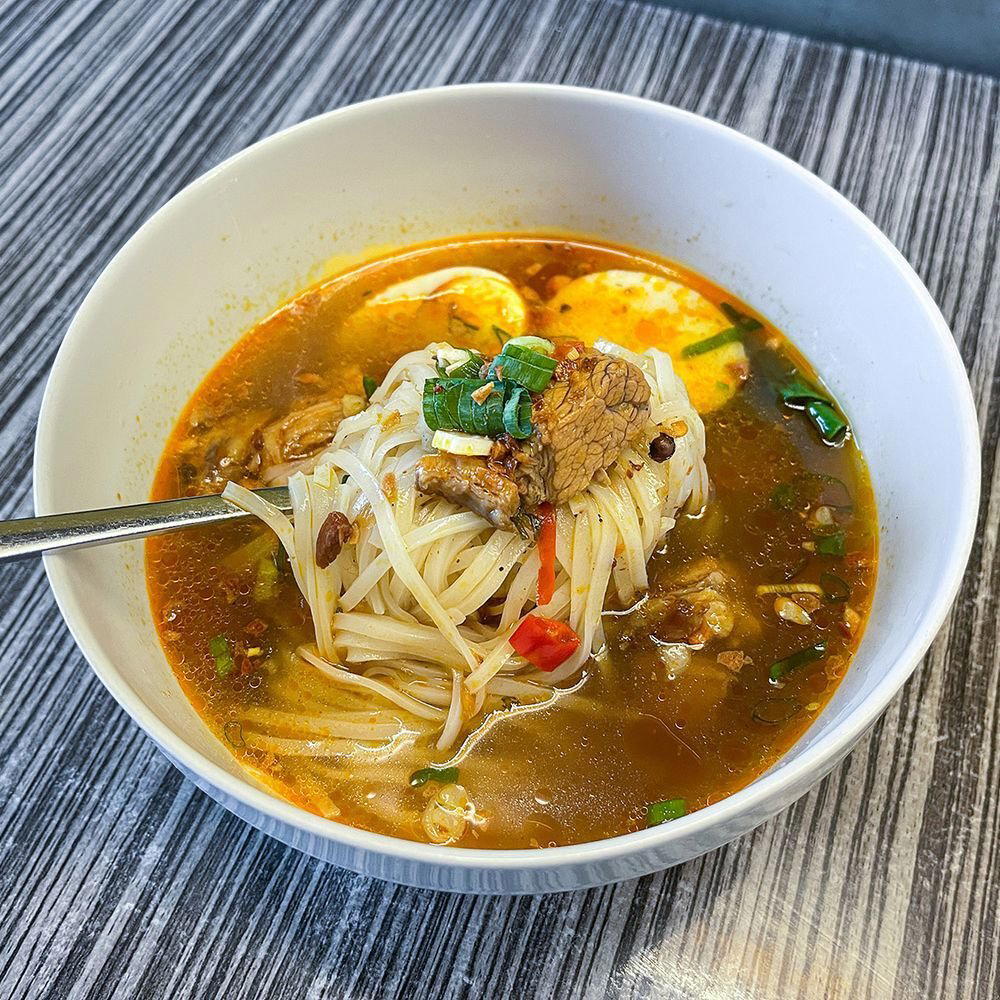
The venue's name combines two distinct Philippine comfort-food traditions. Pares, associated most strongly with Metro Manila, is a braised beef dish served over rice with broth on the side, a combination built for long hours and low prices. Batchoy is Visayan and Ilonggo in origin, a noodle soup typically built on pork offal, crushed chicharon, and a deep pork-bone broth. The pairing of these two dishes under one roof is itself an editorial statement about the food culture of the Visayas: confident in its local references, unconcerned with the Manila-centric assumptions that dominate Philippine food media.
Batchoy in particular has a serious regional pedigree. The dish's origins in Iloilo have generated fierce local debate about who makes the definitive version, and the tradition has spread through the Visayas with variations that locals read as carefully as Neapolitans read a pizza. That a batchoy house in Cebu should draw Michelin recognition in 2026 says something about how the guide's Southeast Asian coverage has matured: there is less interest in novelty and more in tracing the depth of regional traditions on their own terms.
On the Absence of a Wine List
The beverage list is simple and informal, matching the restaurant's casual format. The category of cooking that earns Bib Gourmand recognition in Southeast Asia does not intersect with sommelier-driven programs. The beverages at a batchoy house are more likely to be softdrinks, calamansi juice, or local beer. This is not a limitation; it is a definition. The Bib Gourmand exists precisely to assess cooking on its own terms, without the layered hospitality infrastructure that surrounds fine dining. For wine-focused dining in the Philippines, venues like Gallery By Chele in Manila or Celera in Makati operate in an entirely different register.
Cebu's Eating Scene and Where This Fits
Cebu's restaurant culture in recent years has diversified considerably. The city now supports a range of formats, from contemporary Filipino cooking with international technique to the kind of casual, neighbourhood-anchored places that have always defined how Cebuanos actually eat. The latter category is where Pares Batchoy Food House sits, and it shares the recognition tier with the Bib Gourmand as a signal that Cebu's less formal food culture has arrived at a point of international legibility.
For comparison, other Cebu venues covered on this platform operate in distinct registers. CUR8 and COCO represent the city's more considered, dining-room-oriented end, while Abli and ATO-AH each bring their own interpretive frames to local ingredients. Abaseria Deli and Cafe anchors a different neighbourhood dynamic altogether. None of them are doing what Pares Batchoy Food House does, which is the point: the city's eating scene is not a single tier but a set of parallel traditions operating simultaneously.
In the wider Philippine context, the Bib Gourmand network includes places like Linamnam in Paranaque and Asador Alfonso in Cavite, each rooted in specific regional or culinary traditions. Bolero in Taguig and Blackbird Makati in Manila represent still other versions of what the Philippine dining scene can produce. The restaurant occupies the distinctly Visayan corner of that broader map.
Planning a Visit
The address is 12 C. Rodriguez Street, Capitol Site, Cebu City, 6000. No phone number or website is listed in the public record at time of writing, which is consistent with the kind of operation that built its reputation before digital infrastructure became standard for casual dining. The practical implication: walk-in visits are the default approach, and the absence of an online booking system is not unusual for this category in Cebu. Timing matters less in terms of reservation windows and more in terms of when the kitchen is likely to be running at full capacity; for broth-based dishes, lunch service in Philippine food culture tends to be when these kitchens are most active.
Budget and Context
Comparable venues nearby, for context on price, style, and recognition.
| Venue | Cuisine | Price | Awards | Notes |
|---|---|---|---|---|
| Pares Batchoy Food HouseThis venue — the venue you are viewing | Capitol Site, Filipino Comfort Food | $ | Bib Gourmand | Not listed |
| Pares Pares (N. Escario Street) | Escario, Filipino Beef Pares | $ | Michelin Plate | Not listed |
| Lasa | Busay, Contemporary Filipino | $$ | Bib Gourmand | Not listed |
| Abaseria Deli & Cafe | Not listed | $$ | Bib Gourmand | Kasambagan, Filipino Home-Cooked Comfort Food |
| Abli | Capitol Site, Modern Cebuano | $$ | Michelin Plate | Not listed |
| Zubuchon | Cebu City, Cebu Lechon | $$ | Not listed | Not listed |
Recognition history
Dated appearances from independent guides and award organizations, with the underlying list record or original source where available.
Michelin Bib Gourmand
Michelin
Continue exploring
More in Cebu
Restaurants in Cebu
Browse all →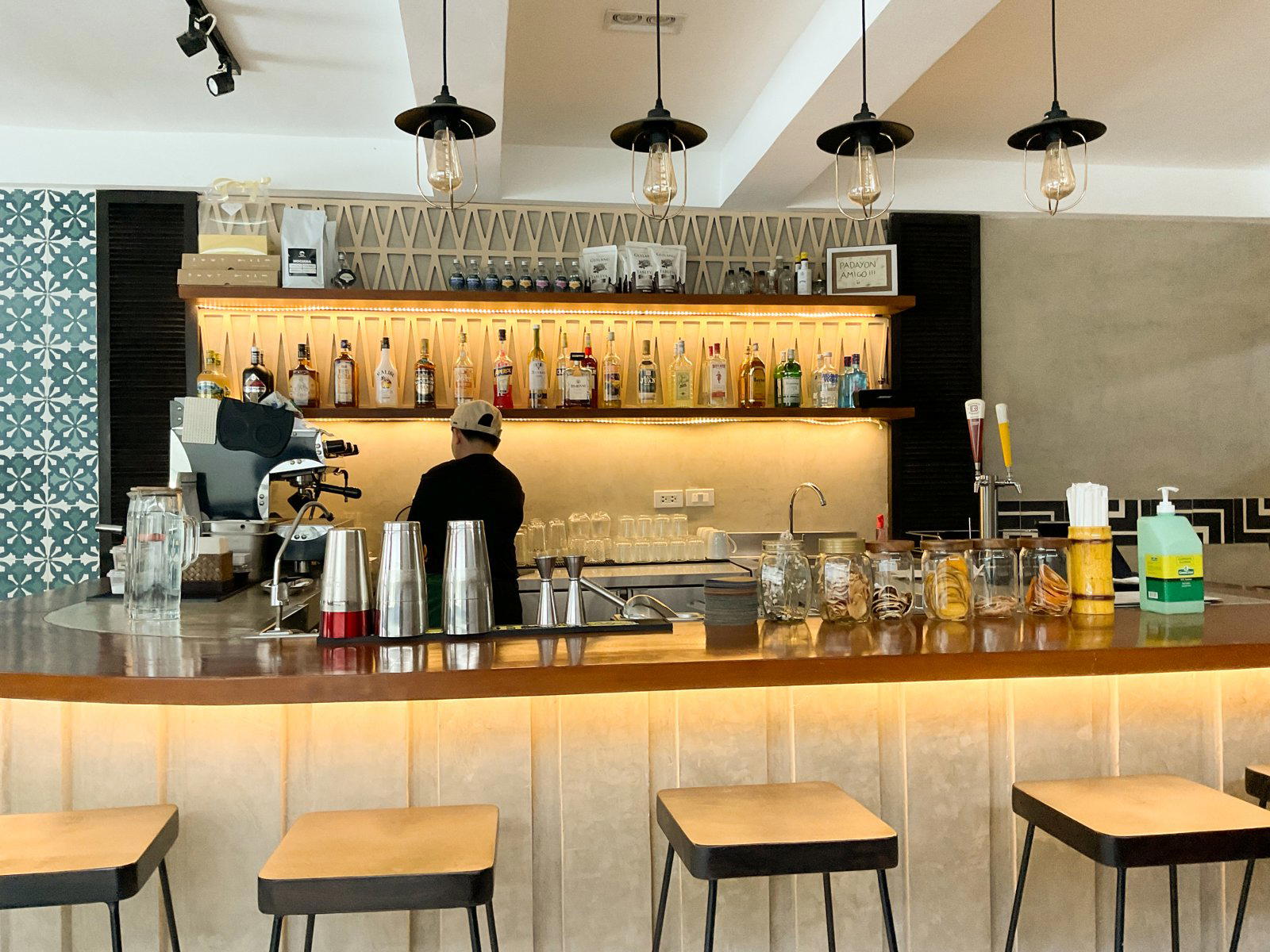


At a Glance
- Cozy
- Rustic
- Group Dining
- Family
- Casual Hangout
- Standalone
Current opening hours
- Monday
- 9 AM–9 PM
- Tuesday
- 9 AM–9 PM
- Wednesday
- 9 AM–9 PM
- Thursday
- 9 AM–9 PM
- Friday
- 9 AM–9 PM
- Saturday
- 9 AM–9 PM
- Sunday
- Closed
Hours can change for holidays and private events. Last verified .
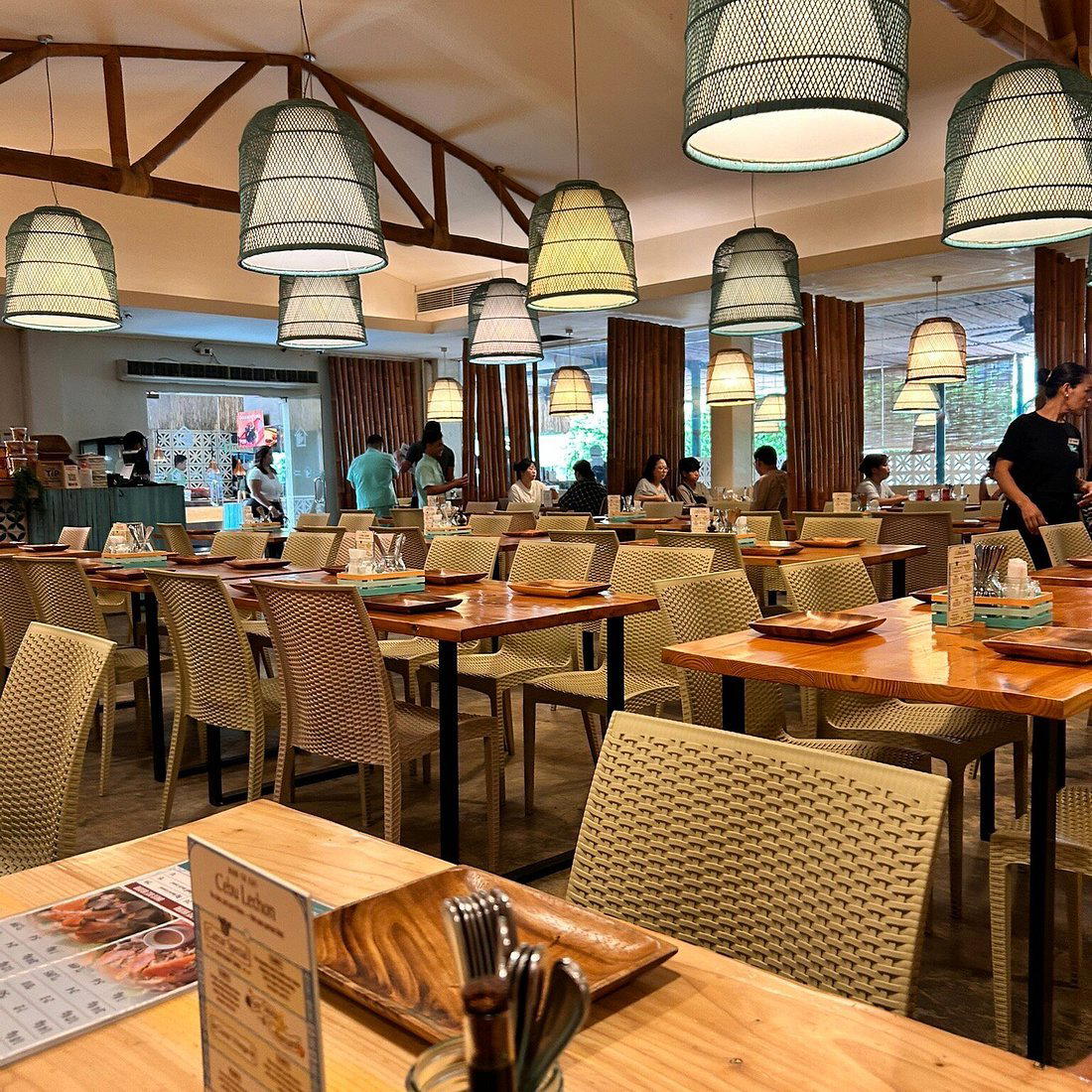
Casual atmosphere with wooden tables, photo-lined walls, and functional lighting focused on the food.