CIBO

A homegrown Filipino Italian chain founded by Margarita Fores, CIBO at Alimall in Cubao brings accessible modern Italian to one of Quezon City's most trafficked commercial corridors. Its 31st-place ranking in the 50 Top World Artisan Pizza Chains 2025 signals a kitchen that takes its craft more seriously than the casual setting might suggest.
Pearl is the En Primeur Club membership app — saves, bookings, and concierge access live there. Same editors, same standards.
- Address
- J2QW+JQH Service Delivery Alimall, Cubao, Quezon City, 1109 Metro Manila, Philippines
- Phone
- 639992242426
- Website
- cibo.ph
- Directions
- Get directions
 Saves & bookings on Pearl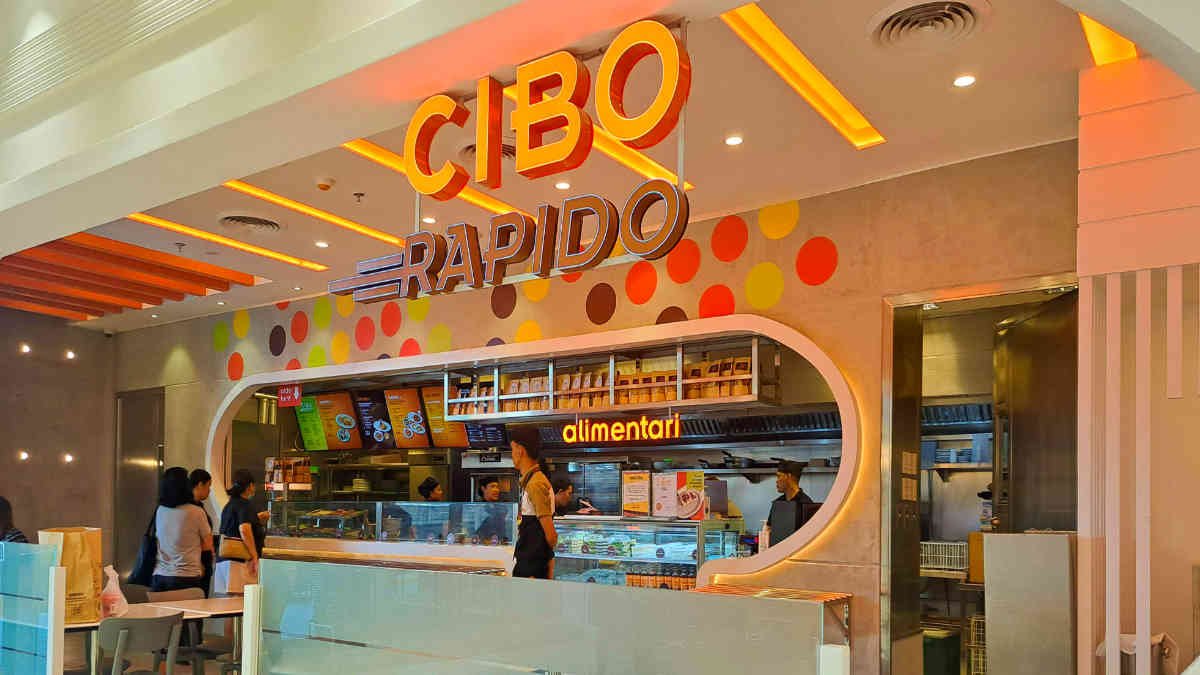
Where Cubao Meets the Italian Table
Cubao is not where most Manila food writers go looking for serious pizza. The district's commercial density, its layered malls and transit hubs, and the relentless foot traffic of Alimall position it firmly as a functional eating destination rather than a destination dining one. That context makes CIBO's placement here more interesting than it first appears. Filipino Italian restaurants in this tier of the market tend to default to crowd-pleasing approximations, dishes calibrated to move quickly rather than to reflect any real engagement with Italian culinary tradition. CIBO, founded by Margarita Fores, has operated differently from that model, and its 31st-place ranking in the 50 Leading World Artisan Pizza Chains 2025 provides external confirmation that the kitchen's approach to its core product holds up against an international reference point.
Fores is among the Philippines' most recognised figures in Italian cooking, a chef whose engagement with Italy has been long, direct, and ingredient-focused rather than conceptual. That background shapes the entire CIBO chain's positioning: not a localised Italian-ish menu, but a genuine attempt to bring the discipline of Italian ingredients and preparation to a Filipino audience at accessible price points. The Cubao location sits within that broader chain identity, making it part of a larger story about how modern Filipino dining has absorbed and adapted European culinary traditions without simply copying them.
The Italian Sourcing Question in a Tropical City
Italian cooking's claim to quality rests almost entirely on ingredient provenance. The argument for San Marzano tomatoes, for 00-flour, for Fior di Latte over substitutes, is not aesthetic preference but the measurable difference those inputs produce in the finished dish. Translating that principle to Metro Manila involves real logistical pressure: import costs, supply chain reliability, and the practical question of whether a casual-format restaurant can justify sourcing at a level that fine dining operations routinely absorb into refined price points.
That tension is precisely what makes CIBO's international pizza recognition worth examining. The 50 Leading World Artisan Pizza Chains ranking assesses consistency, dough technique, and topping quality across chain operations globally, categories where corner-cutting on ingredients shows quickly. A 31st-place position in that list, across a global field of chains, suggests the kitchen is making decisions about flour, fermentation time, and raw material quality that go beyond what the Alimall foot-traffic context would strictly demand.
Pizza and Pasta in the Philippine Chain Context
The Philippine dining market supports a wide range of Italian-format concepts, from hotel restaurants with imported Italian chefs to the fast-casual pizza chains that occupy mall food courts. CIBO sits in neither of those slots exactly. Its menu of pizza, pasta, and broader casual Italian fare targets the middle register: table service, composed dishes, and a kitchen sensibility inherited from Fores's Italian training, but priced and formatted for regular use rather than occasion dining.
That middle register is a genuinely difficult position to maintain. The pressure from below, fast-casual chains with lower price points and faster throughput, is constant. The pull from above, tasting menus and chef-driven concepts like Cantabria by Chele Gonzalez in Mandaluyong or Celera in Makati, draws the food-engaged audience away. What keeps the middle viable is consistency and a clearly legible reason for return visits.
Elsewhere in Metro Manila's casual-to-mid dining tier, comparison points like Blackbird Makati and Bolero in Taguig each occupy adjacent positions in slightly different cuisine formats. The Italian space CIBO holds, as a Filipino-founded chain with verifiable international recognition, remains relatively uncrowded at this quality tier.
The Alimall Setting and What It Signals
Alimall in Cubao is part of the Araneta City complex, one of Metro Manila's most historically significant commercial and entertainment clusters. The address is a transit hub as much as a shopping destination, which means CIBO here draws a different cross-section of diners than the chain's locations in more residential or business-district settings. The environment is functional rather than atmospheric, mall-format seating, shared foot-traffic corridors, the ambient noise of a working commercial centre.
That context is worth stating plainly because it calibrates expectations. Visitors arriving for a leisurely multi-course Italian experience will find a different register here than at destination restaurants like Asador Alfonso in Cavite or Deo Gracias in Quezon. What the Cubao location offers instead is reliable Italian cooking in a high-accessibility location, the kind of restaurant that earns its place in a neighbourhood by performing consistently for a broad audience across lunch and dinner without requiring advance planning or occasion-framing.
Planning a Visit
Quick Comparison
Comparable venues nearby, for context on price, style, and recognition.
| Venue | Cuisine | Price | Awards | Notes |
|---|---|---|---|---|
| CIBOThis venue — the venue you are viewing | Italian Pasta & Pizza | $$ | Not listed | Not listed |
| Dampa | Filipino Seafood Paluto | $$ | Not listed | Libis |
| Frankie's New York Buffalo Wings - SM City Fairview | American Buffalo Wings | $$ | Not listed | SM City Fairview |
| Morning Sun Eatery | Authentic Ilocano Comfort Food | $ | Bib Gourmand | Project 4, Quezon City |
| Lydia's Lechon Fairview - The Lechon in Manila | Filipino Lechon Specialist | $$ | Not listed | Fairview |
| Esmeralda Kitchen | Modern Filipino | $$ | Michelin Plate | Santa Mesa Heights |
Recognition history
Dated appearances from independent guides and award organizations, with the underlying list record or original source where available.
50 Top Pizza 50 Top World Artisan Pizza Chains #23
50 Top Pizza
Continue exploring
More in Quezon City
Restaurants in Quezon City
Browse all →
Bars in Quezon City
Browse all →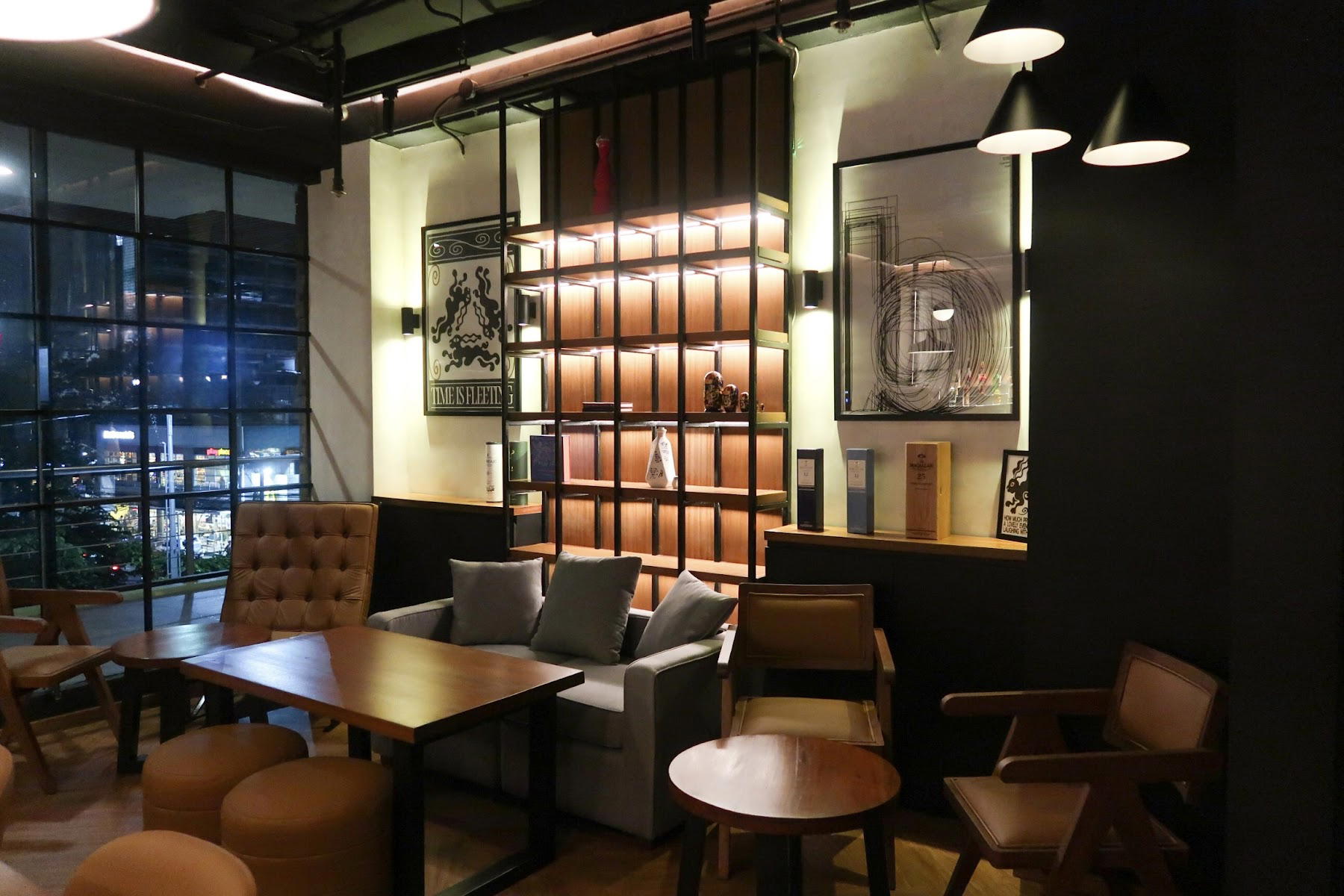

At a Glance
- Modern
- Business Dinner
- Family
- Open Kitchen
- Street Scene
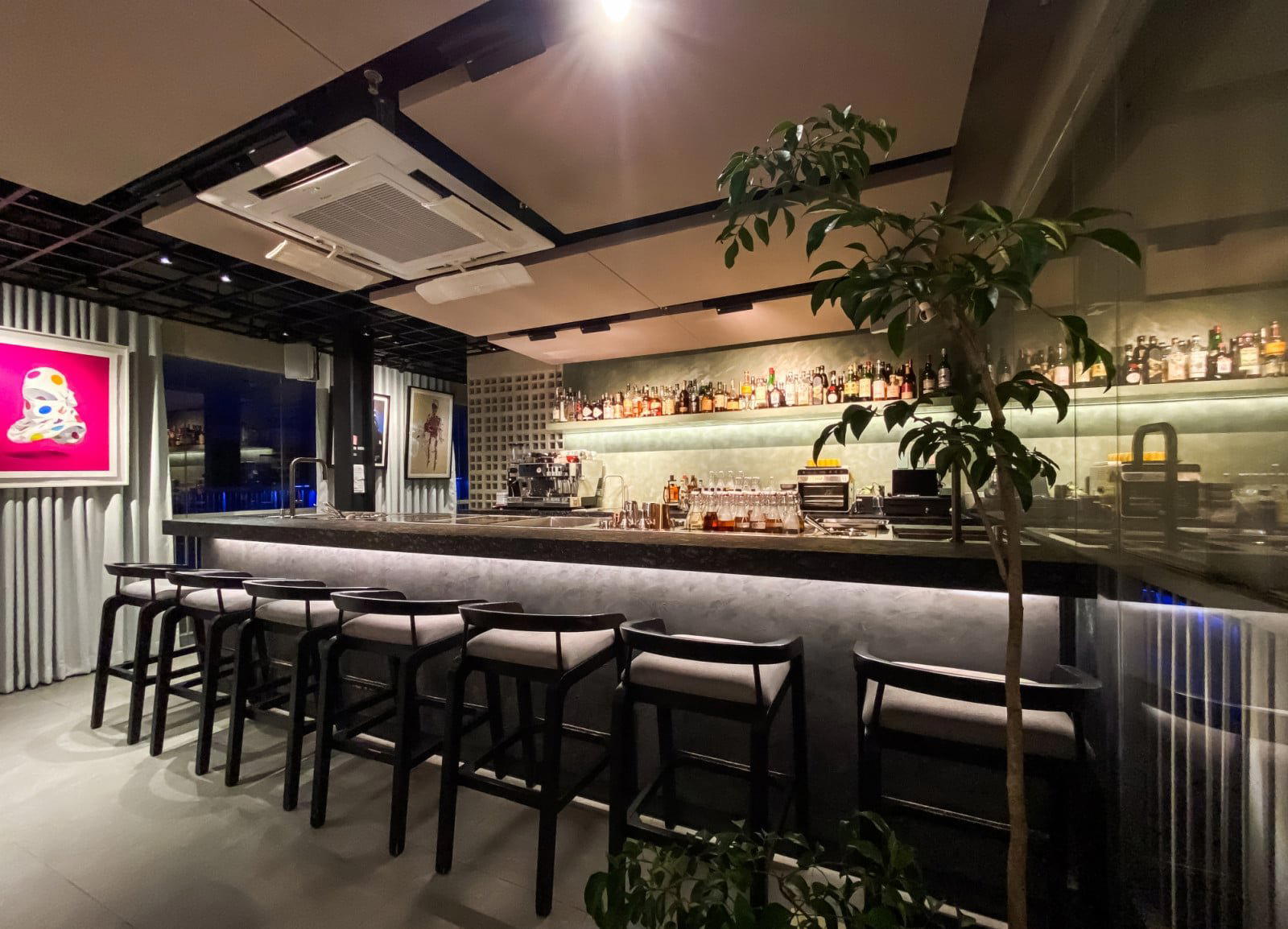
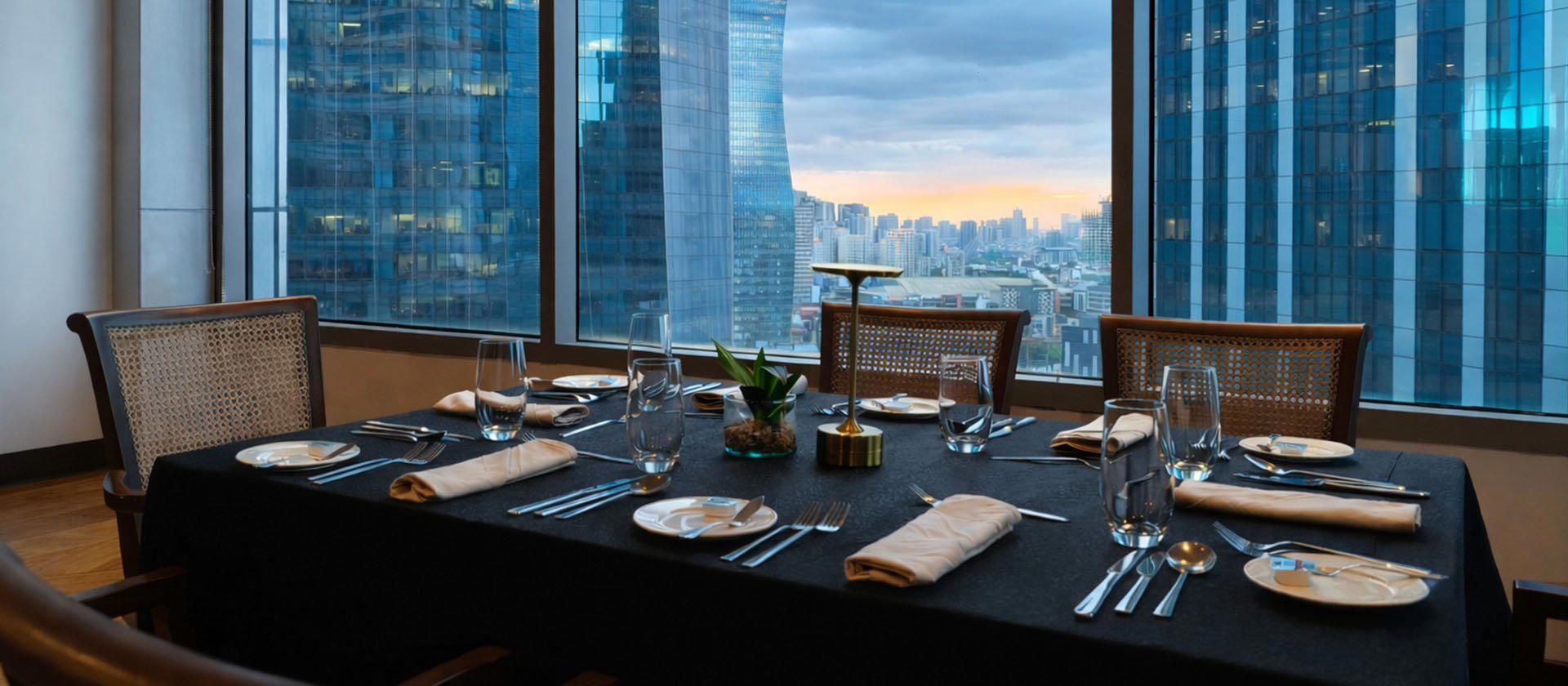
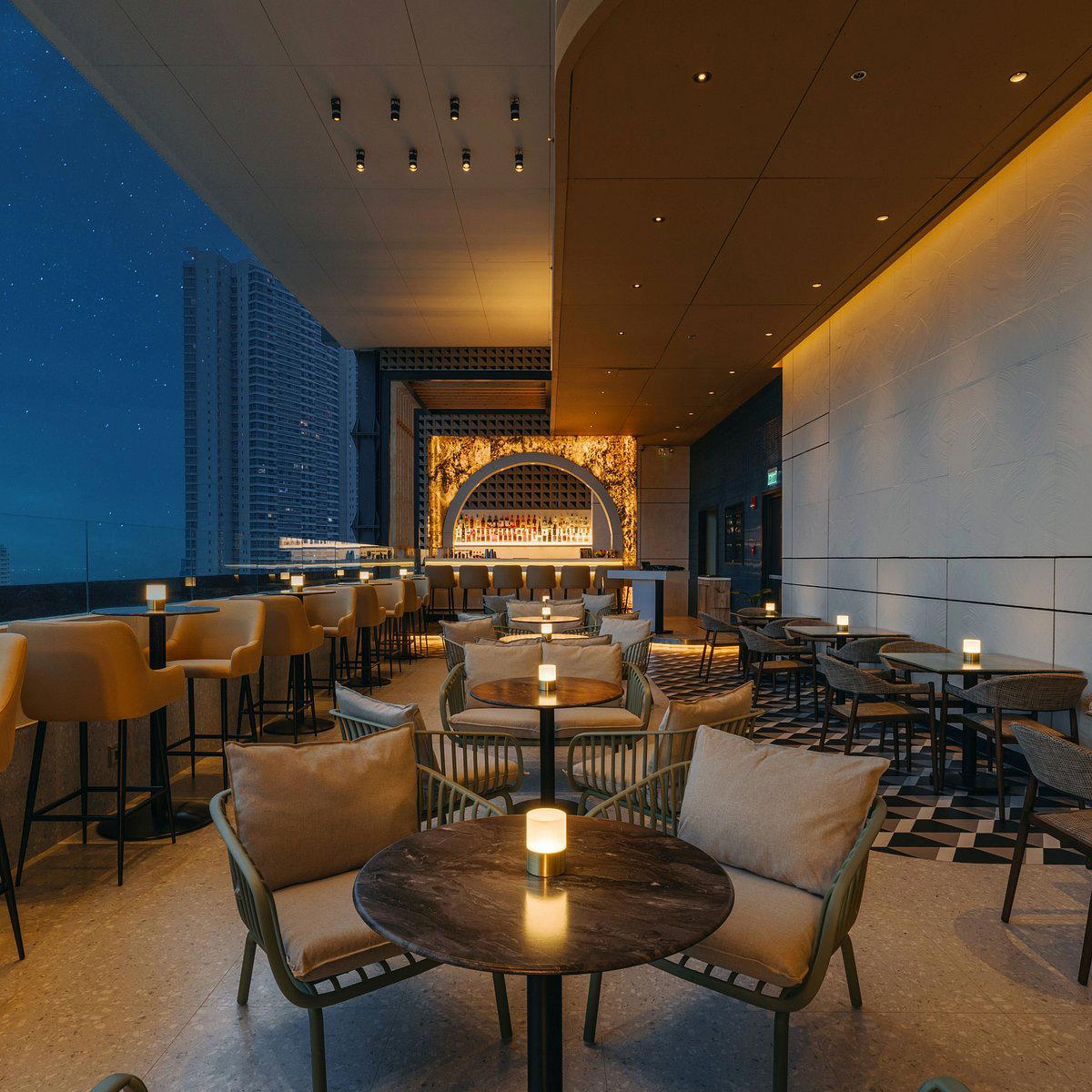
Plain cafe-style interior with some dark areas, open and noisy due to mall location near escalators.