Lola Helen

Lola Helen sits on J. P. Rizal Street in Marikina, a city better known for its shoe industry than its dining scene, and holds a Michelin Plate recognition from the 2026 guide. The restaurant points to a broader shift: Michelin's expanded Metro Manila coverage is pulling attention east of Makati and BGC, toward neighbourhoods where kitchen ambition and local sourcing have been quietly developing on their own terms.
Pearl is the En Primeur Club membership app — saves, bookings, and concierge access live there. Same editors, same standards.
- Address
- 425 J. P. Rizal St, Marikina, 1800 Metro Manila, Philippines
- Phone
- +63 927 547 0111
- Website
- facebook.com
- Directions
- Get directions
 Saves & bookings on Pearl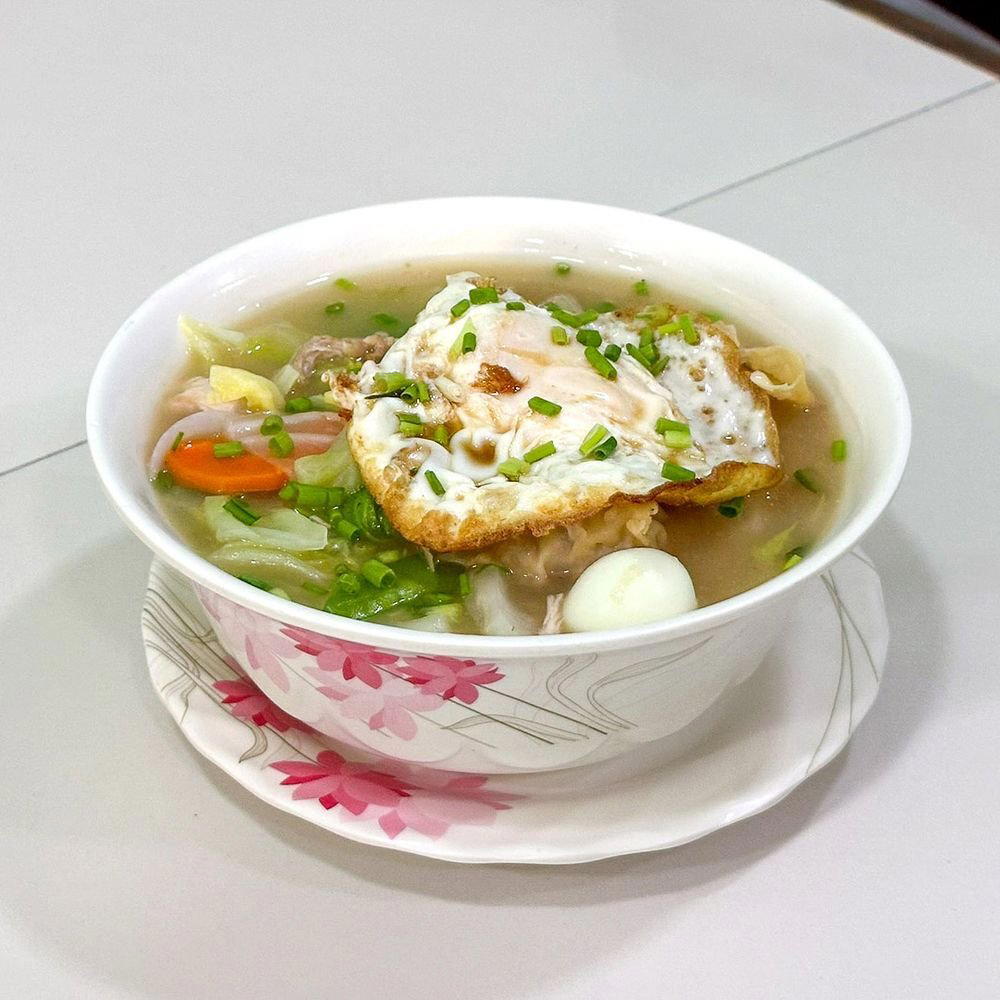
Marikina's Place in the Metro Manila Dining Map
For most of the past decade, Metro Manila's restaurant conversation stayed anchored in Makati, BGC, and the Poblacion strip. Marikina occupied a different role in the city's imagination: a river city associated with footwear manufacturing, barangay festivals, and a kind of unhurried domesticity that the denser commercial districts had long since traded away. What that geography also preserved, however, was a food culture built around neighbourhood permanence rather than trend cycles. Places here earn regulars, not Instagram traffic. Lola Helen is a Filipino-Chinese panciteria at 425 J. P. Rizal St, Marikina, Metro Manila, and it holds a 2026 Michelin Plate.
The 2026 Michelin Plate awarded to Lola Helen is not a footnote. The Michelin Plate designation signals that inspectors found cooking worth recommending, a distinction that in Metro Manila's still-developing guide puts Lola Helen in documented company with restaurants operating across a much larger infrastructure and publicity budget. The significance is structural: it shows that serious cooking in Metro Manila is no longer exclusively a BGC or Makati proposition.
The Physical Approach and What It Signals
J. P. Rizal Street is a main artery through Marikina's older commercial core, lined with the kind of mid-century shophouses and modest storefronts that characterise the city's built character. Arriving here by car or ride-share from central Manila typically takes thirty to fifty minutes depending on traffic crossing into the east side of the metropolis. The address sits in a stretch where the street is functional rather than polished, which in the context of Philippine dining often indicates that a kitchen's confidence rests on what comes out of it rather than on the surrounding design envelope. That dynamic has become a recurring feature of Michelin-recognised restaurants across Southeast Asia: the guide has shown consistent willingness to separate setting from cooking quality, and Marikina's inclusion in the guide reinforces that tendency.
Ingredient Sourcing and the Logic Behind Lola Helen's Recognition
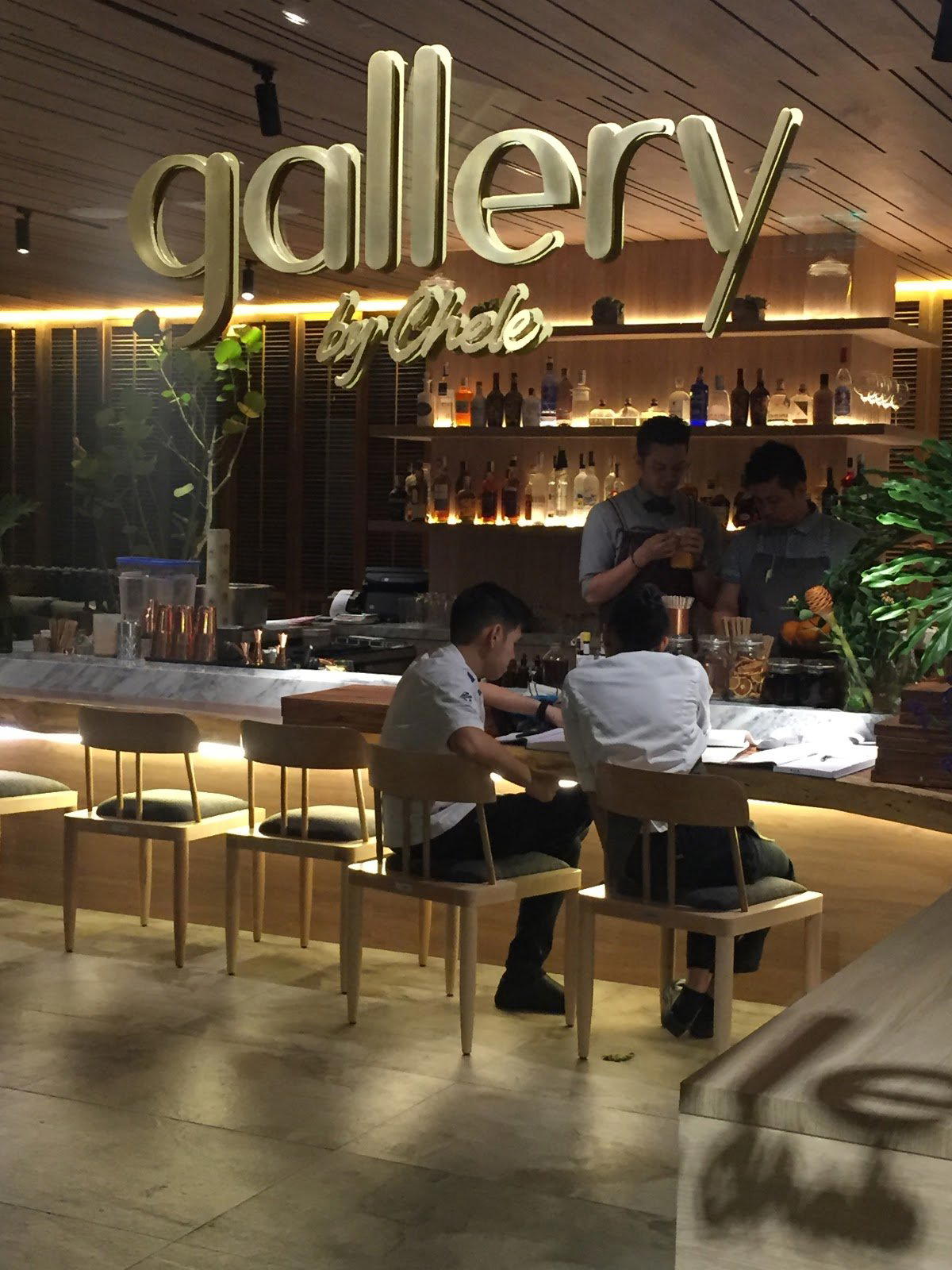
What matters most in the restaurant's Michelin Plate is the sourcing and cooking framework behind it. Filipino cuisine's most serious current practitioners, from Gallery By Chele in Manila to Linamnam in Parañaque, share a preoccupation with Philippine-origin ingredients as the primary argument of the menu. The conversation is not new, but its institutional recognition through Michelin is recent, and the restaurant's inclusion in that recognition places it within the same current.
Restaurants earning Michelin attention in the Philippines in this period tend to demonstrate one of two sourcing commitments: either a rigorous regional specificity (drawing from a defined province or island group) or a broader native-ingredient consciousness that prioritises Philippine-grown produce, proteins, and fermented condiments over imported substitutes. Either framework is a departure from the earlier Metro Manila dining model, where imported ingredients carried status value regardless of what domestic alternatives existed. The shift matters because it changes what a kitchen is optimising for: flavour authenticity rooted in local soil and season, rather than replication of a European or Japanese reference point.
Marikina's position in Metro Manila gives it proximity to the supply chains feeding the city's wet markets, and the city's own food culture has historically been shaped by home cooking rather than restaurant culture, meaning the ingredients of reference are domestic by default. A restaurant emerging from that context and earning Michelin notice is drawing on a different set of raw materials, both literally and culturally, than a Makati fine-dining address building its supply chain around imported protein. That distinction is worth holding when you sit down at the restaurant.
For context, Asador Alfonso in Cavite and Deo Gracias in Quezon represent parallel commitments operating from different regional bases.
Where Lola Helen Sits Among Metro Manila's Michelin-Recognised Addresses
Metro Manila's Michelin selection includes addresses operating at different price points, capacities, and ambition levels. At the upper register, tasting-menu restaurants like Celera in Makati and Bolero in Taguig build around extended multi-course formats with corresponding price structures. Cantabria by Chele Gonzalez in Mandaluyong and Blackbird Makati occupy mid-tier positions with broader menus. China Blue in Pasay and CIBO in Quezon City demonstrate that Michelin recognition in the Philippines is now distributed across cuisines and formats rather than concentrated in a single style.
The restaurant's position in Marikina, away from the commercial districts where most recognised restaurants cluster, makes it structurally comparable to neighbourhood-rooted addresses that earn guide attention precisely because inspectors are now visiting places that weren't previously on the circuit. The guide's geographic expansion is the mechanism, and the restaurant is among its first-wave beneficiaries in the eastern Metro Manila corridor.
Le Bernardin in New York City and Atomix in New York City show how sustained Michelin recognition can anchor a restaurant's identity across guide cycles.
Planning a Visit
The restaurant is located at 425 J. P. Rizal St, Marikina, 1800 Metro Manila. The restaurant is walk-in friendly and priced at about $5 per person, with hours from 9:30 AM to 9:30 PM Monday through Thursday, 9 AM to 10 PM on Friday through Sunday. Its Michelin Plate recognition from 2026 means demand may be higher than before, but the walk-in friendly policy still makes spontaneous visits practical. The Marikina area is worth pairing with other neighbourhood exploration. Abaseria Deli and Cafe in Cebu offers a useful regional comparison for those travelling across the archipelago.
Comparable Spots, Quickly
Comparable venues nearby, for context on price, style, and recognition.
| Venue | Cuisine | Price | Awards | Notes |
|---|---|---|---|---|
| Lola HelenThis venue — the venue you are viewing | Filipino-Chinese Panciteria | $ | Michelin Plate | Not listed |
| Man Ho | Refined Cantonese | $$$ | Michelin Plate | Pasay |
| China Blue | Modern Chinese | $$$ | Michelin Plate | Pasay |
| Summer Palace | Cantonese Dim Sum and Fine Chinese Dining | $$$ | Michelin Plate | Mandaluyong |
| Super Uncle Claypot | Cantonese Claypot Rice | $$ | Michelin Plate | Poblacion |
| Taiwan Kitchen | Taiwanese Fast Food | $$ | Not listed | San Lorenzo |
Recognition history
Dated appearances from independent guides and award organizations, with the underlying list record or original source where available.
Michelin Plate
Michelin
At a Glance
- Cozy
- Family
- Casual Hangout
- Group Dining
- Open Kitchen
Current opening hours
- Monday
- 9:30 AM–9:30 PM
- Tuesday
- 9:30 AM–9:30 PM
- Wednesday
- 9:30 AM–9:30 PM
- Thursday
- 9:30 AM–9:30 PM
- Friday
- 9 AM–10 PM
- Saturday
- 9 AM–10 PM
- Sunday
- 9 AM–10 PM
Hours can change for holidays and private events. Last verified .
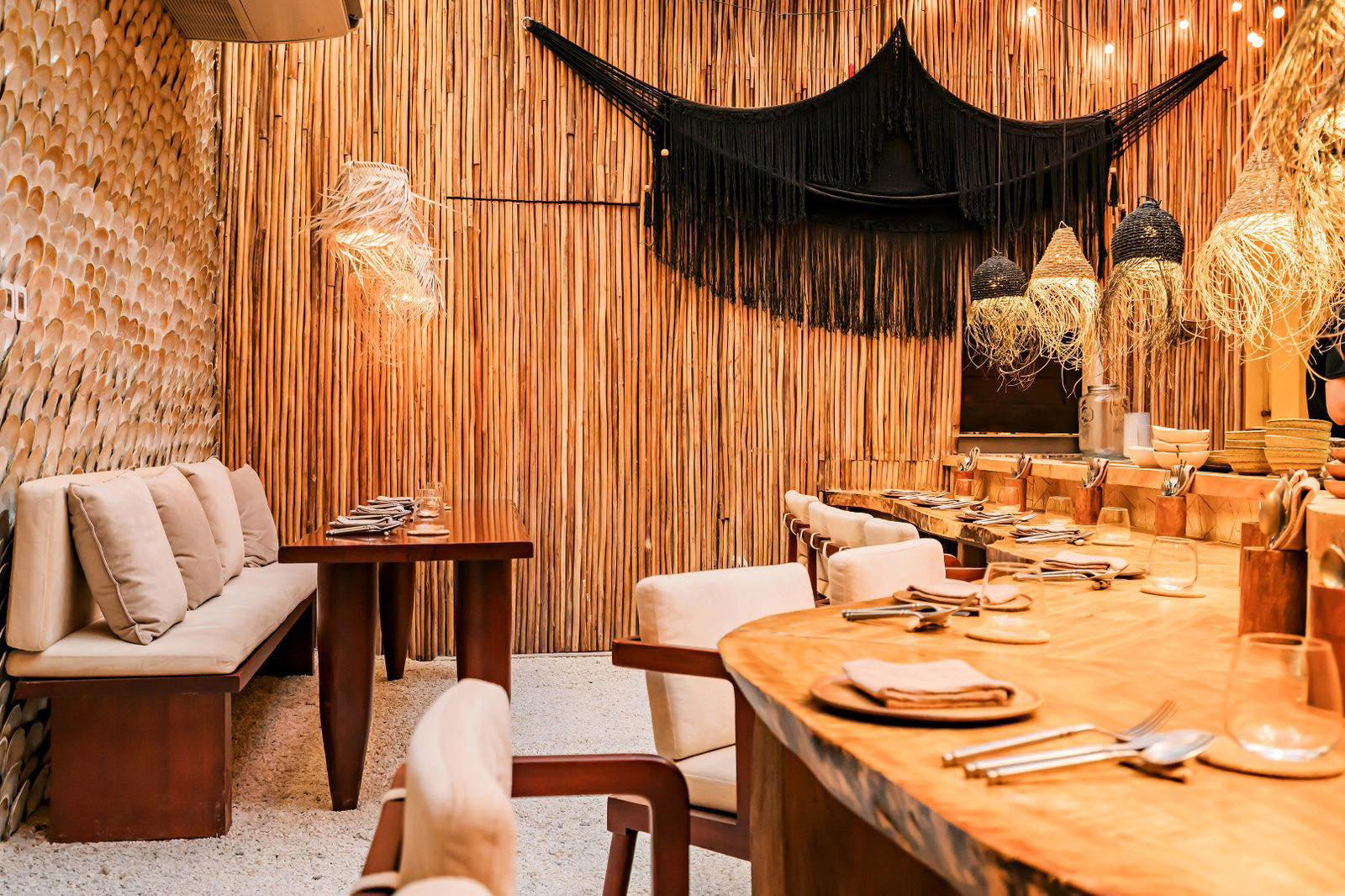
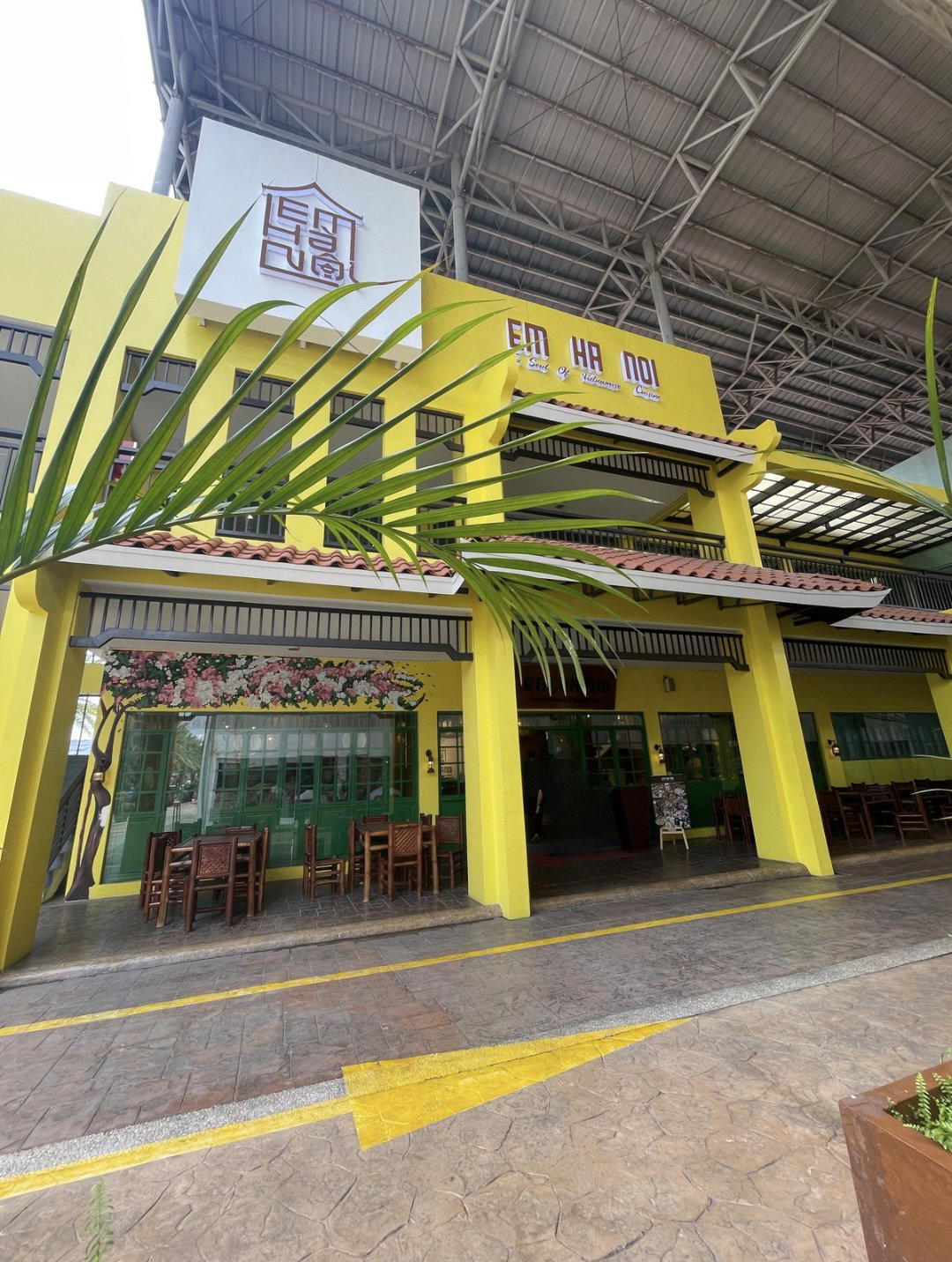
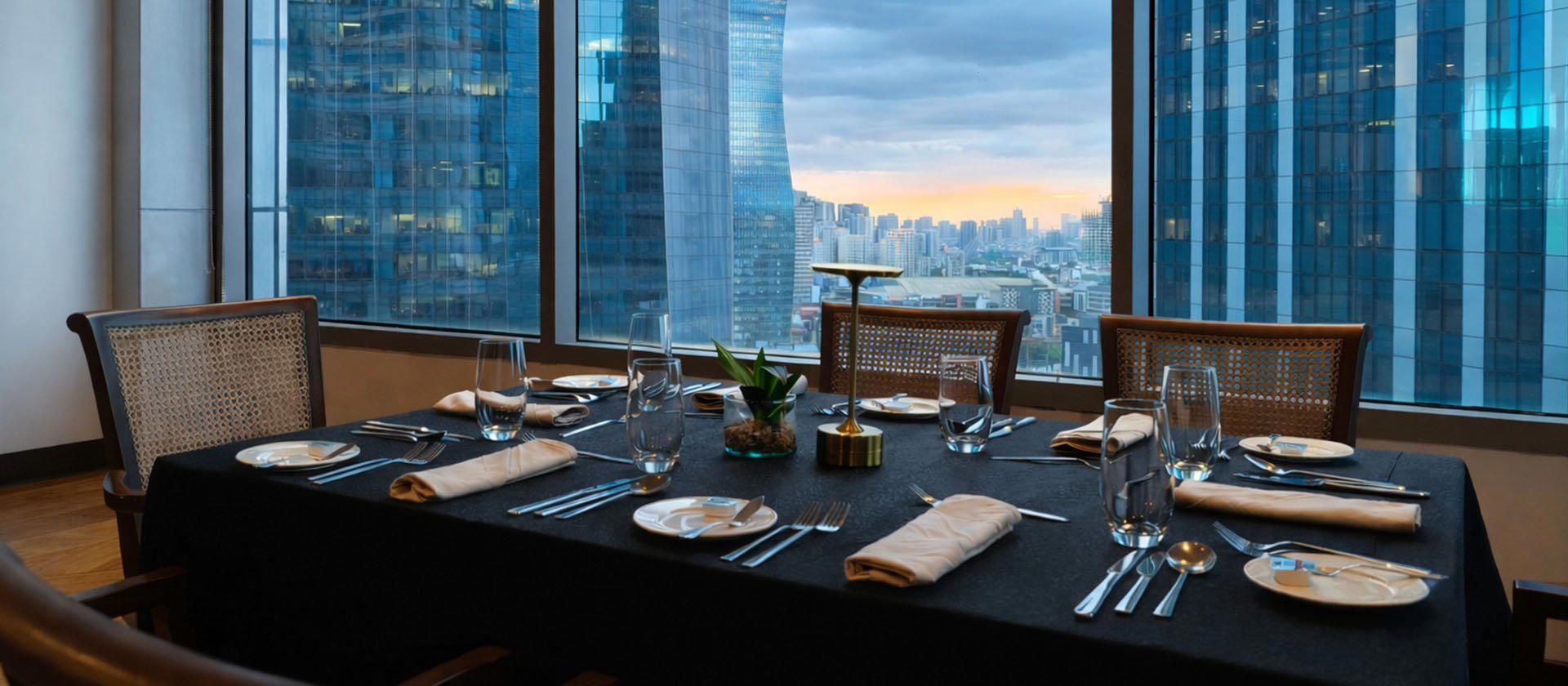
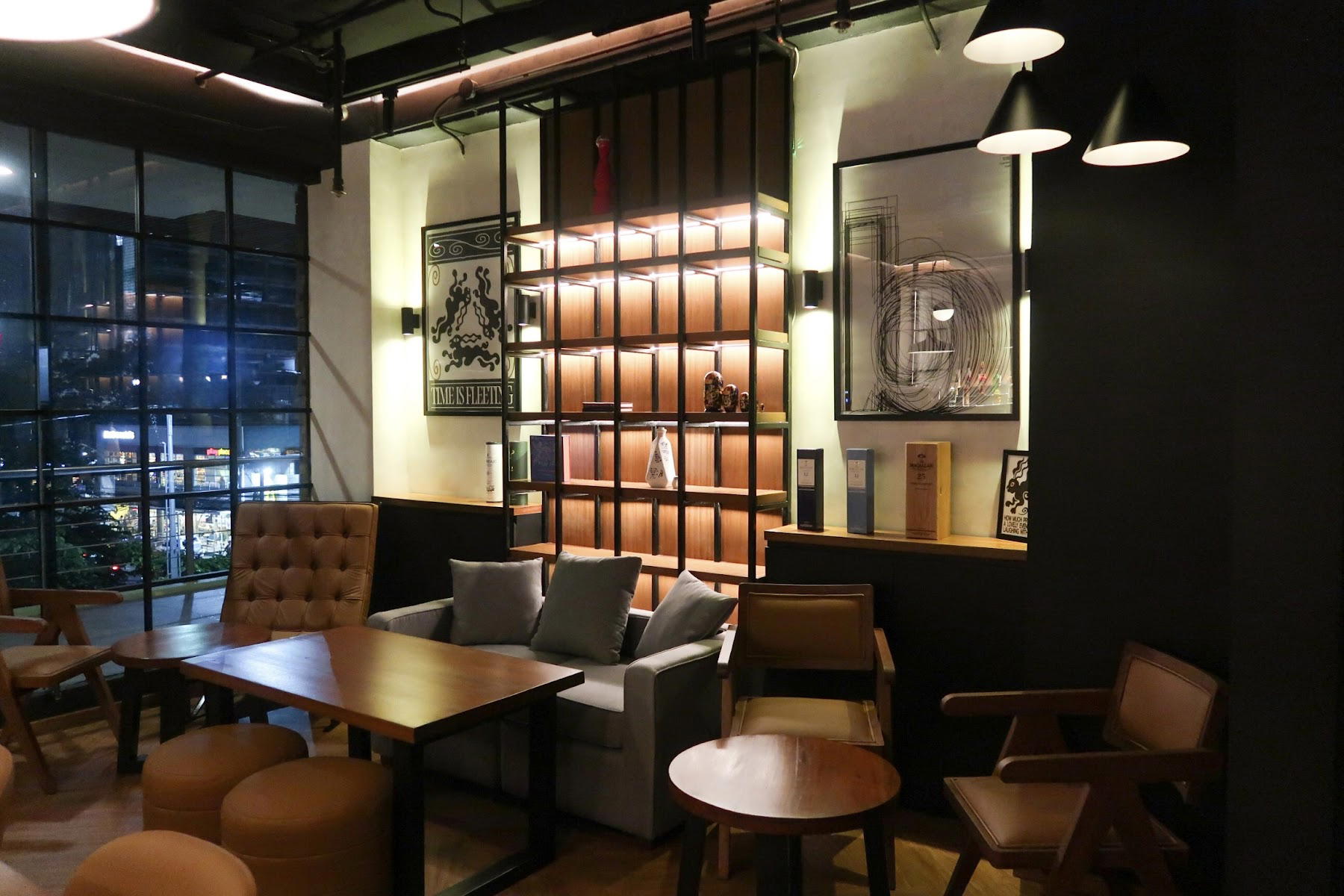
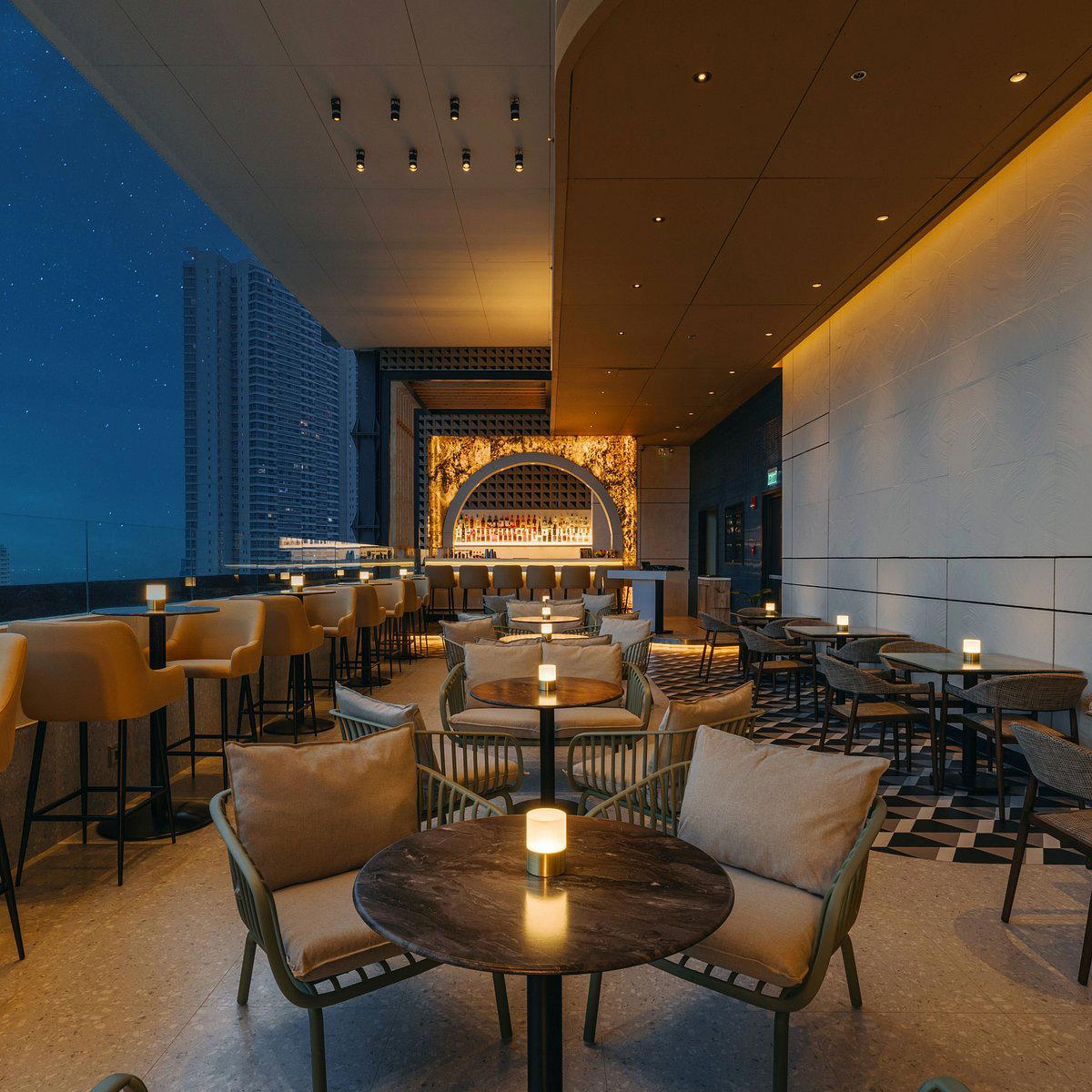
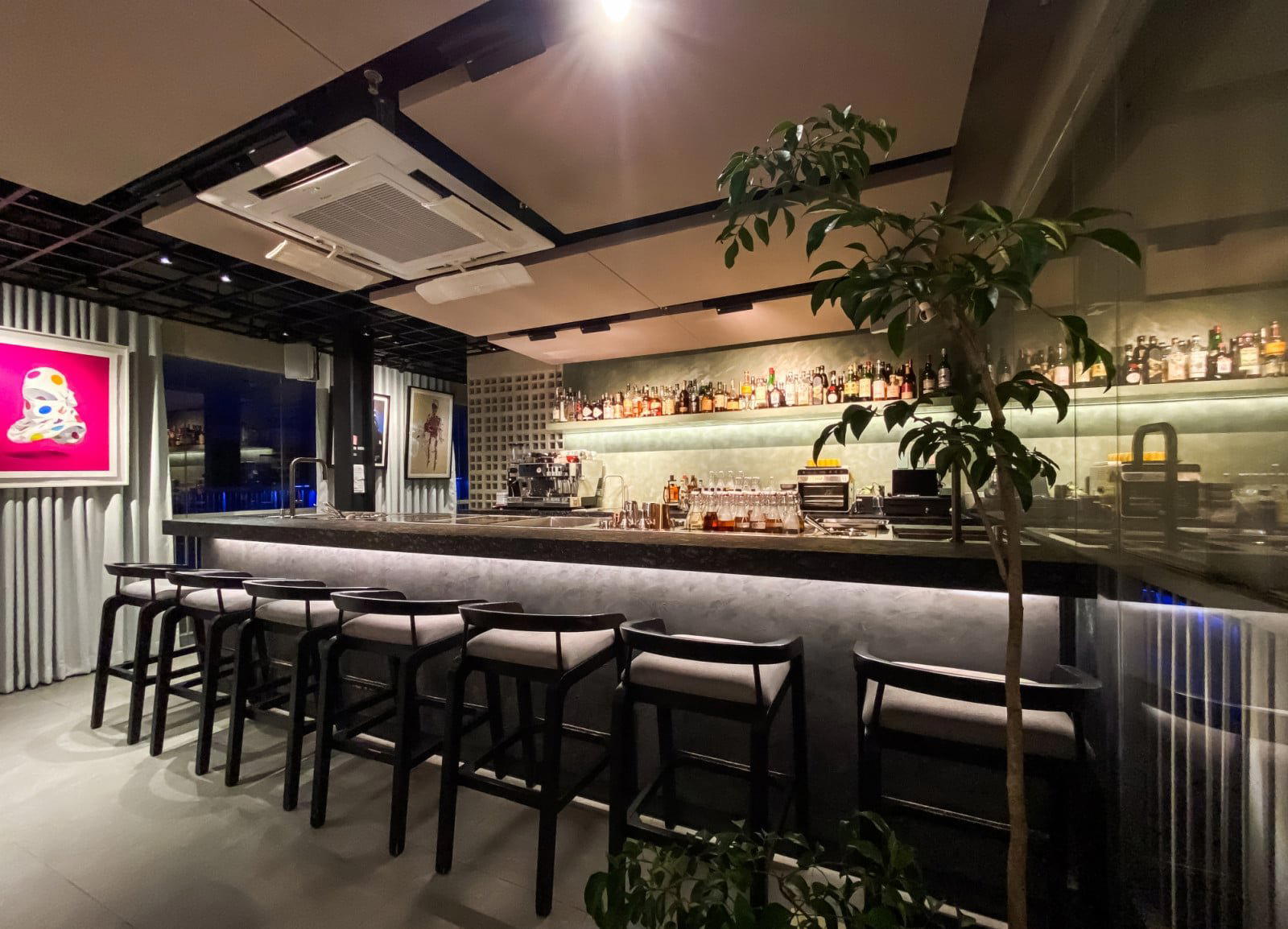
Humble, homey space with bright green and white interiors, functional lighting, close-knit tables, open kitchen view, and well-ventilated upstairs seating for a neighborhood feel.