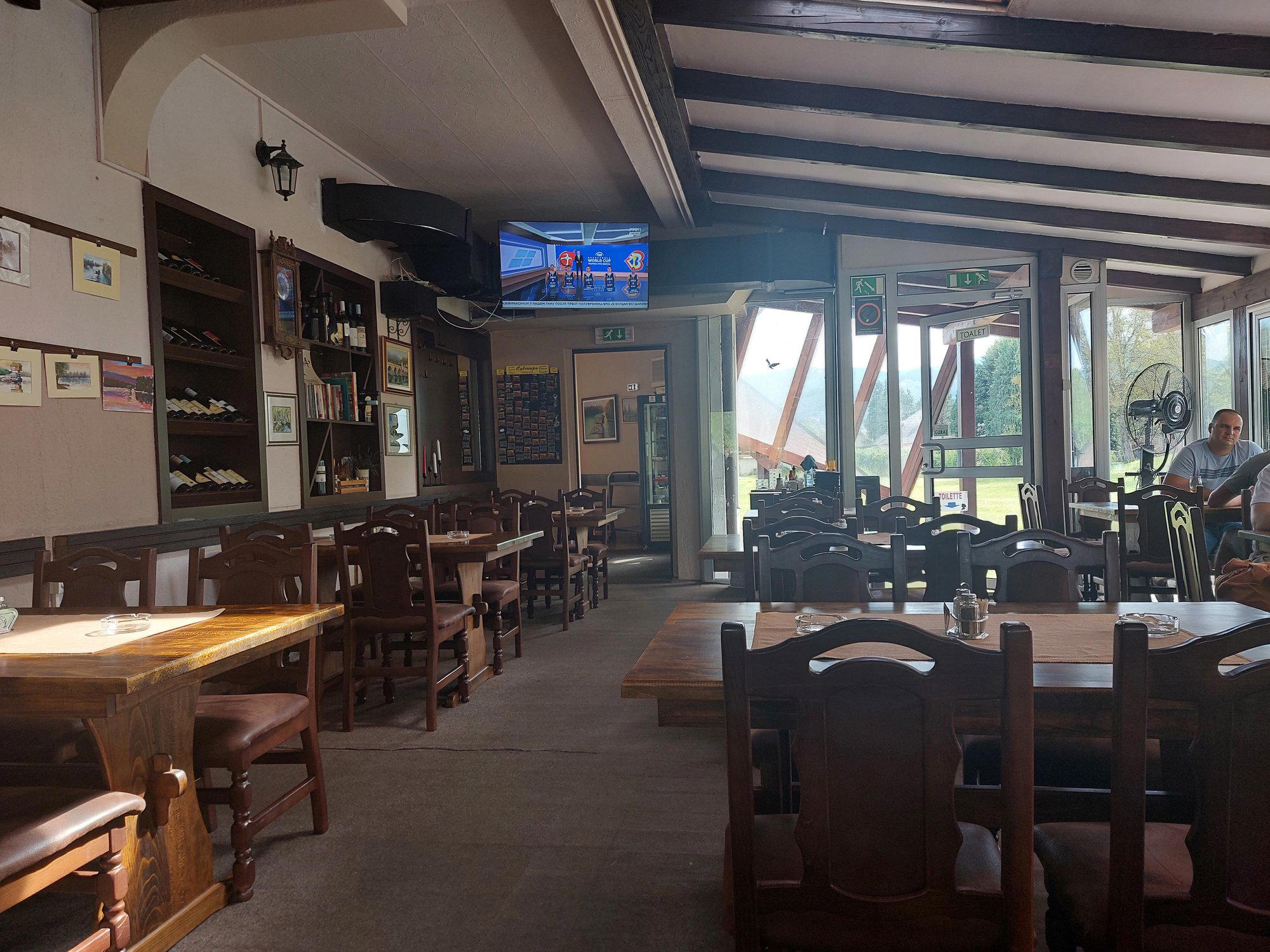
On Majora Ilića in the heart of Valjevo, Zdravljak occupies the kind of address that locals return to by habit rather than occasion. The room and the menu speak to the Serbian kafana tradition, direct, unpretentious, and rooted in the rhythms of a mid-sized provincial city. For visitors working through western Serbia, it sits naturally alongside the other established addresses on the Valjevo dining circuit.
Pearl is the En Primeur Club membership app — saves, bookings, and concierge access live there. Same editors, same standards.
- Address
- Majora Ilića 74, Valjevo 14000, Serbia
- Phone
- +38162204504
- Website
- inpark.rs
- Directions
- Get directions
 Saves & bookings on Pearl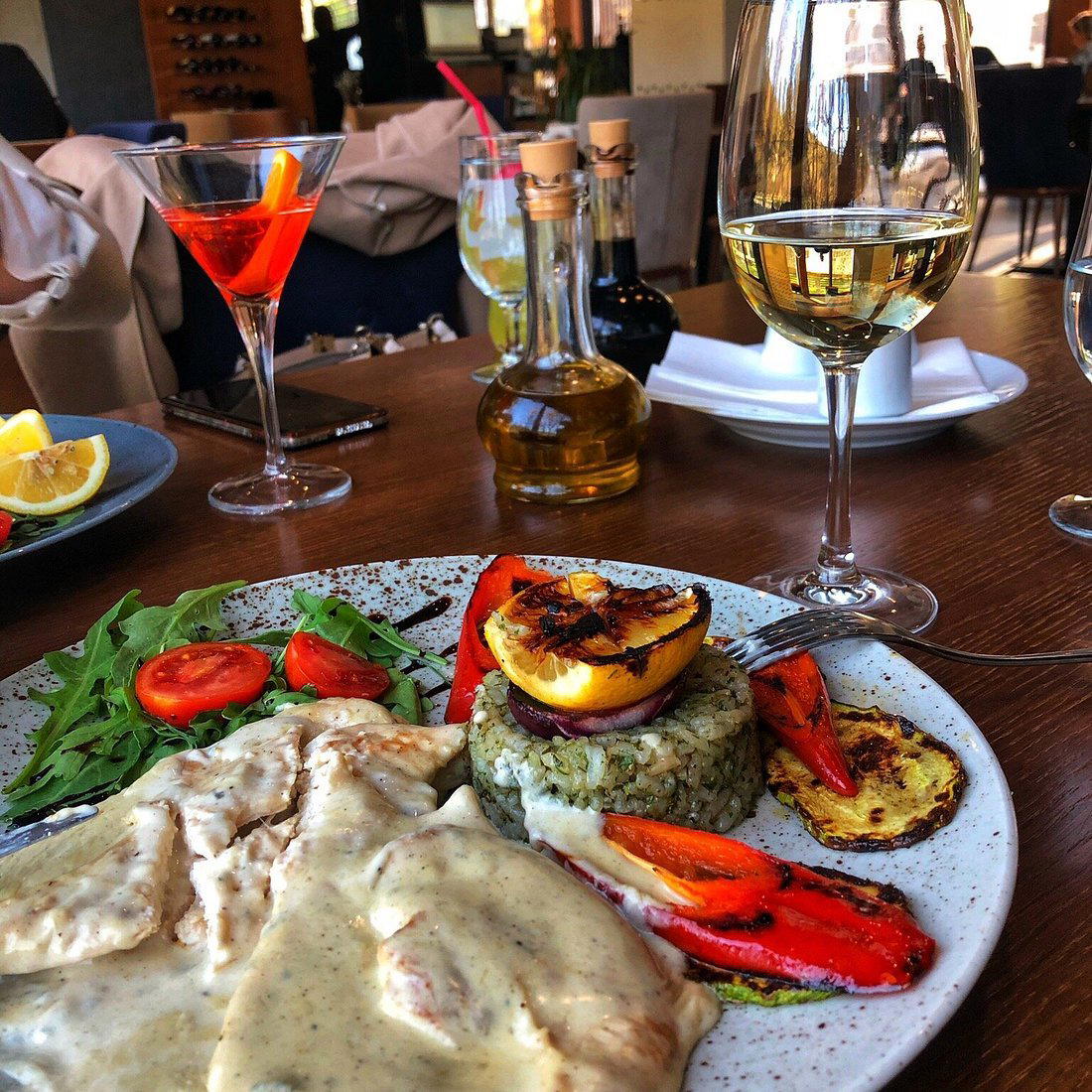
Majora Ilića and the Logic of the Provincial Kafana
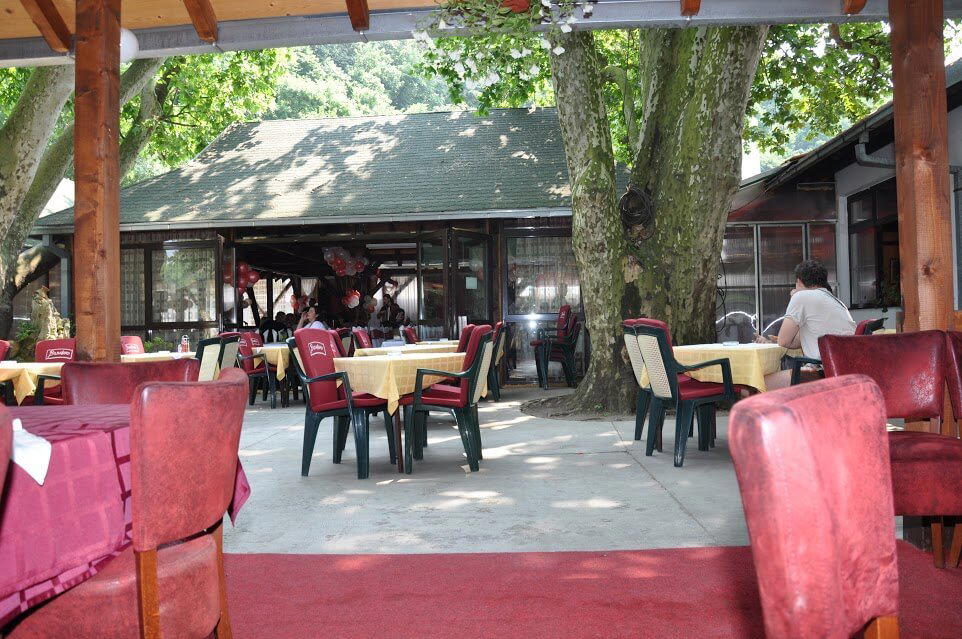
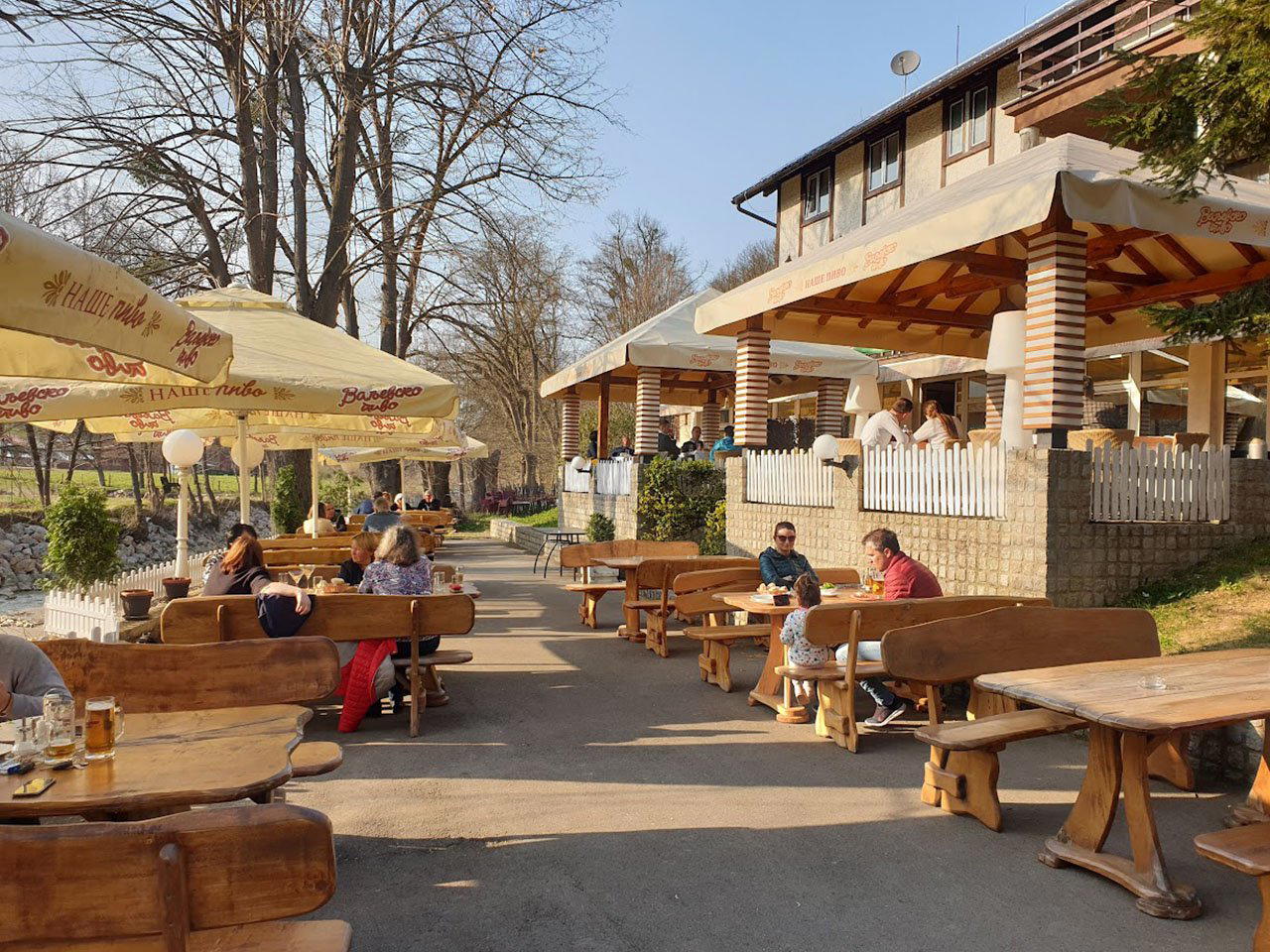
ZDRAVLJAK is a restaurant in Valjevo, Serbia, serving Italian-Serbian Fusion at Majora Ilića 74, with a casual dress code and reservations recommended. The kafana in this context is not a heritage prop or a themed revival, it is the default social infrastructure, the place where lunch extends into conversation and the afternoon finds its own pace. Valjevo, a city of roughly 60,000 in the Kolubara district of western Serbia, maintains this tradition more intact than most, and Zdravljak at Majora Ilića 74 sits inside that unbroken continuum.
Majora Ilića is a central street, close enough to the pedestrian core of Valjevo to be genuinely walkable from the city's main square and commercial artery, Tešnjar. That proximity matters: the address puts Zdravljak in the category of places locals reach on foot, without planning, which shapes the room's character more than any design decision. Restaurants in that position tend to develop a regulars culture that is difficult to manufacture deliberately.
Where Zdravljak Sits in Valjevo's Dining Circuit
Valjevo's restaurant scene is compact but layered. At the more traditional end, kafanas anchor the social calendar for older residents and workers; at the other end, newer formats have appeared along the riverfront and in the city's developing leisure areas. Zdravljak occupies established middle ground: a place with enough history in the local consciousness to function as a reference point, rather than a discovery.
The city's dining geography rewards those who understand the distinction between the kafana format and the restoran format. Kafanas like Kafana Kod Laze operate on the logic of the long table and the shared carafe; restaurants like Kod Bore and Lovački dom often layer grilled-meat traditions with more structured service. Zdravljak reads as a participant in that broader Valjevo circuit rather than an outlier within it. For anyone building an itinerary around the city, our full Valjevo restaurants guide maps these distinctions across the whole scene.
The Serbian Grill Tradition as Context
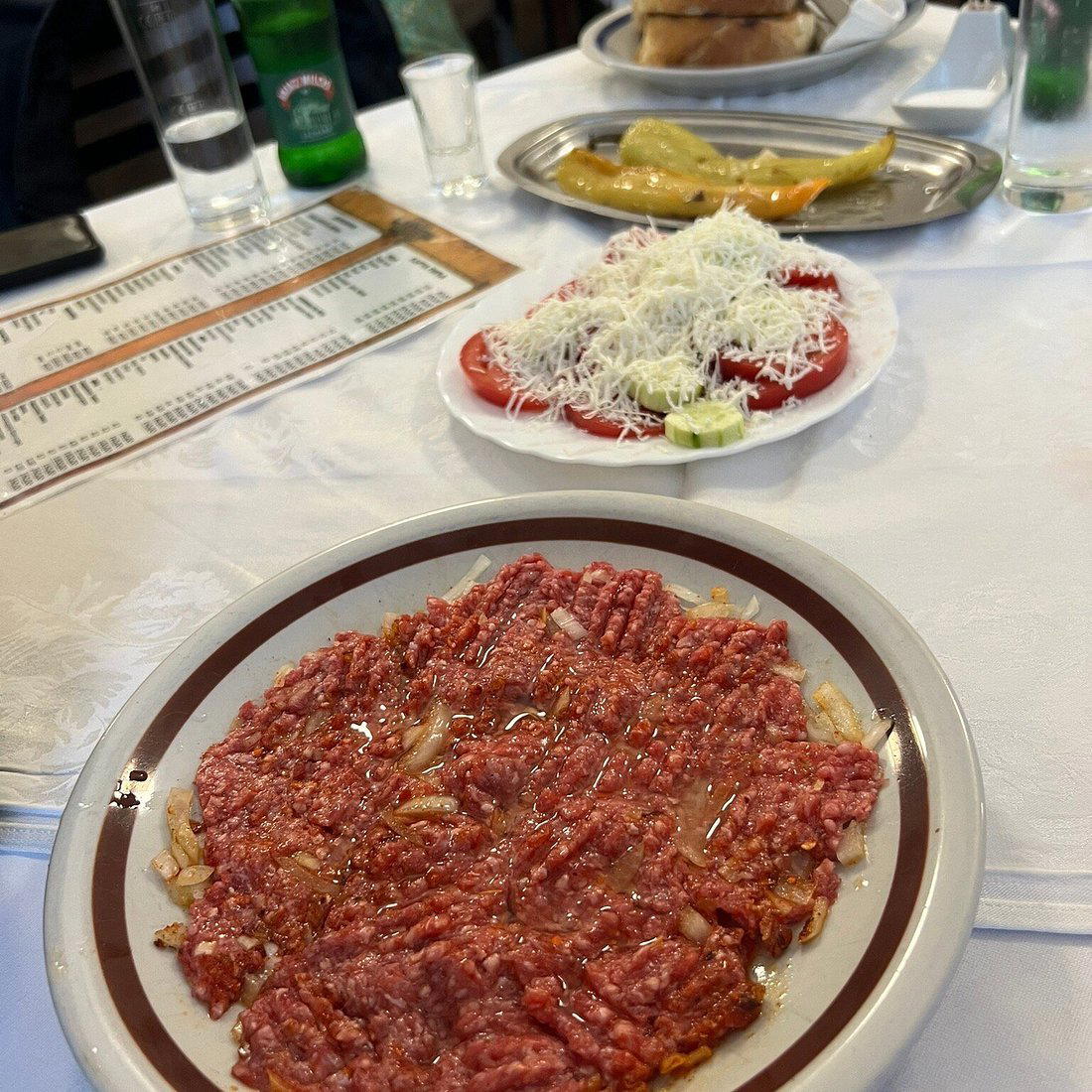
Serbian grilled meat culture has its own internal hierarchy, and understanding it reframes what a place like Zdravljak is doing. Ćevapi, pljeskavica, roštilj in its various forms, these are not simplified dishes but a technically specific tradition with strong regional variation. The version practiced in western Serbia shares roots with the broader Balkans grill canon but carries local preferences around fat content, spicing, and accompaniment. Lepinja sourced from a baker rather than a supplier, kajmak at the right temperature, and ajvar with some residual texture are the details that separate a kitchen with standards from one without them.
This same tradition runs through comparable venues across provincial Serbia. Kod Brana in Cacak and Kafana Pećinar Ljubiš in Cajetina operate within the same culinary framework, each inflected by the specific agricultural and social character of their respective towns. Kafana Studenac in Bajina Basta, further south toward the Drina, shows how the tradition adapts to a more rural, tourism-adjacent context. Zdravljak's version in Valjevo reflects the priorities of an industrial and administrative city: hearty, affordable, and calibrated for people who eat here on a Tuesday as readily as a Saturday.
The Etno and Čarda Register Elsewhere in Serbia
Serbia's dining geography outside Belgrade includes several sub-genres worth distinguishing. The etno format, rural-aesthetic restaurants emphasising local ingredients and traditional presentation, is represented across the country by places like Etno Kuća Dinar in Vrsac and the riverine čarda tradition found at Čarda Zlatna Kruna in Apatin. These formats lean into landscape and occasion; the kafana format in a town like Valjevo leans into frequency and familiarity. They are answering different questions.
Further afield, KAFANA DUKAT in Pirot shows how the form translates to eastern Serbia's distinct culinary register, where the influence of Bulgarian and Macedonian cooking is more pronounced. Aleksandar Gold in Uzice operates in a city with economic and cultural similarities to Valjevo, providing a useful comparison point for what the mid-tier provincial dining experience looks like in this part of the country.
Planning a Visit
Valjevo is approximately 90 kilometres southwest of Belgrade by road, accessible via the E763 highway with a journey time of around 90 minutes under normal conditions. The city is also served by regular bus connections from Belgrade's BAS station, making it a viable day-trip or overnight destination for visitors using the capital as a base. Zdravljak's address on Majora Ilića 74 places it within easy walking distance of the city centre. Evening service in provincial Serbian kafanas tends to be more relaxed in pacing and often more atmospheric in character.
The Quick Read
Comparable venues nearby, for context on price, style, and recognition.
| Venue | Cuisine | Price | Notes |
|---|---|---|---|
| ZDRAVLJAKThis venue — the venue you are viewing | Valjevo, Italian-Serbian Fusion | $$ | Not listed |
| Kod Bore | Valjevo, Traditional Serbian BBQ | $ | Not listed |
| Lovački dom | Not listed | $$$ | riverside, Traditional European Game Meat |
| Kafana Kod Laze | Dolici, Serbian Kafana | $ | Not listed |
| Viv Pizza & Gelato Sladoled Zlatibor | Zlatibor, Italian Pizza & Artisan Gelato | $$ | Not listed |
| Campania Pizza Gourmet | Novi Beograd, Neapolitan Pizza Gourmet | $$ | Not listed |
Continue exploring
More in Valjevo
At a Glance
- Cozy
- Family
- Casual Hangout
- Hotel Restaurant
Current opening hours
- Monday
- 7 AM–11 PM
- Tuesday
- 7 AM–11 PM
- Wednesday
- 7 AM–11 PM
- Thursday
- 7 AM–11 PM
- Friday
- 7 AM–11 PM
- Saturday
- 7 AM–11 PM
- Sunday
- 7 AM–11 PM
Hours can change for holidays and private events. Last verified .
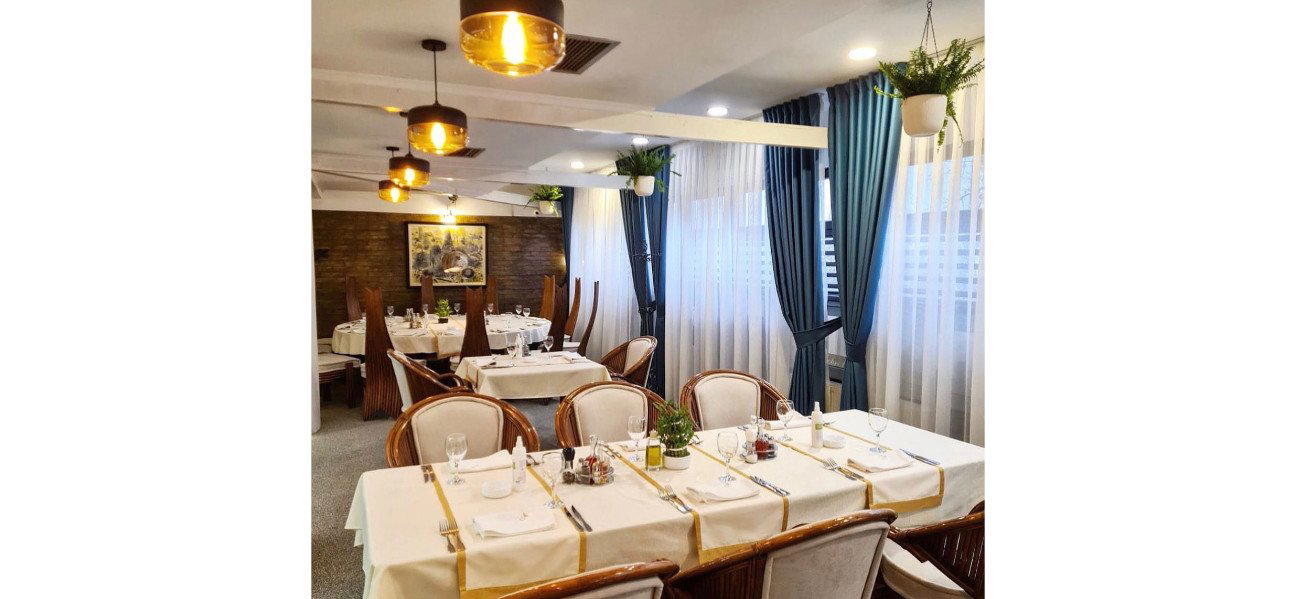
Cozy hotel restaurant atmosphere with focus on sensory culinary experiences.