Our verdict
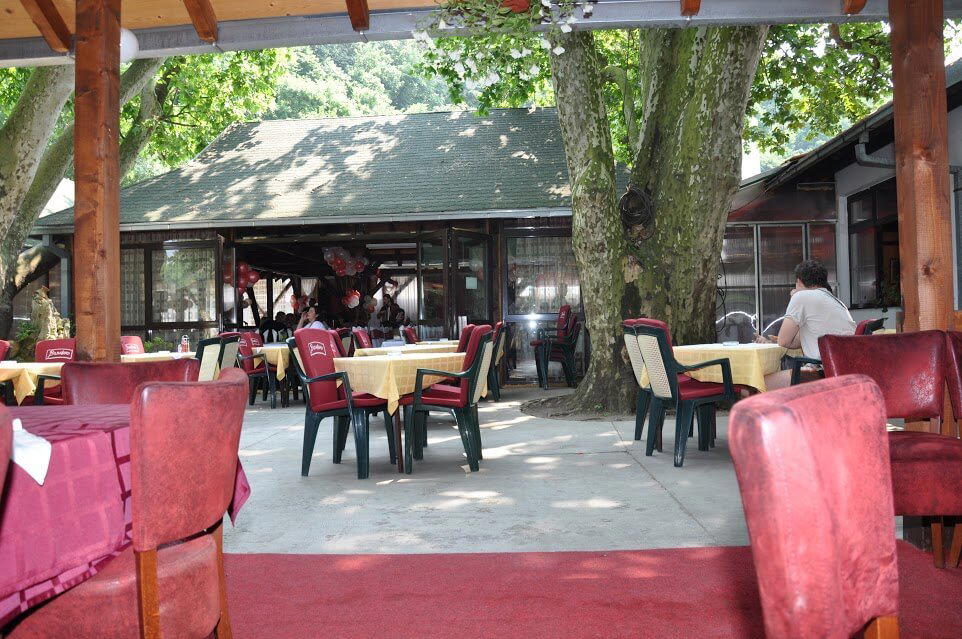
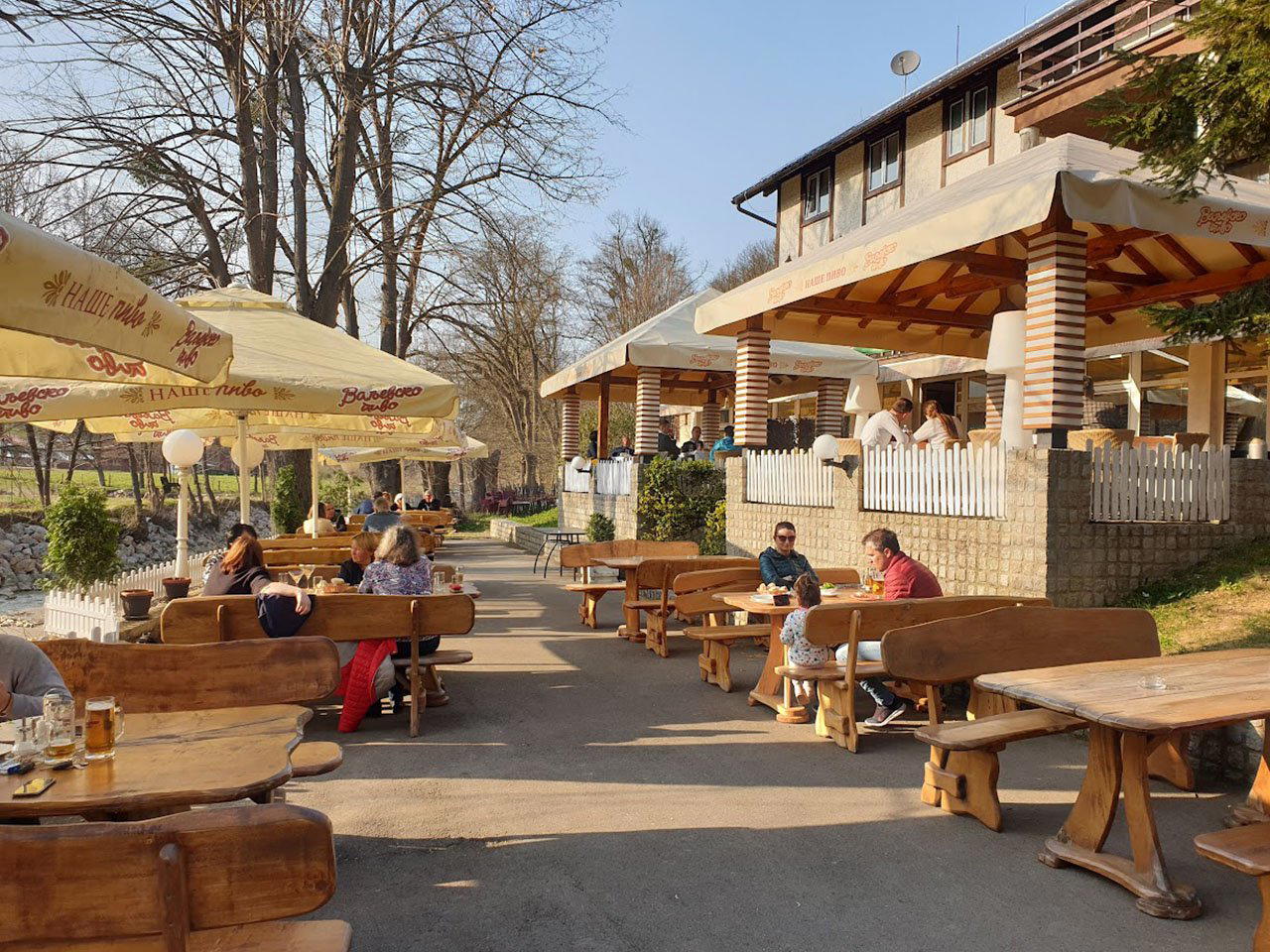
A traditional Serbian kafana on Birčaninova street in Valjevo, Kafana Kod Laze represents the kind of neighbourhood institution that anchors local social life in provincial Serbian cities. The format — long tables, domestic cooking, unhurried service — follows a template that has defined Serbian hospitality for generations. For travellers passing through western Serbia, it reads as a practical and culturally grounded stop.

Pearl is the En Primeur Club membership app — saves, bookings, and concierge access live there. Same editors, same standards.
- Address
- Birčaninova 149, Valjevo, Serbia
- Phone
- +381143522991
- Hours
- Daily Open 24 hours
- Directions
- Get directions
The menu
What to order
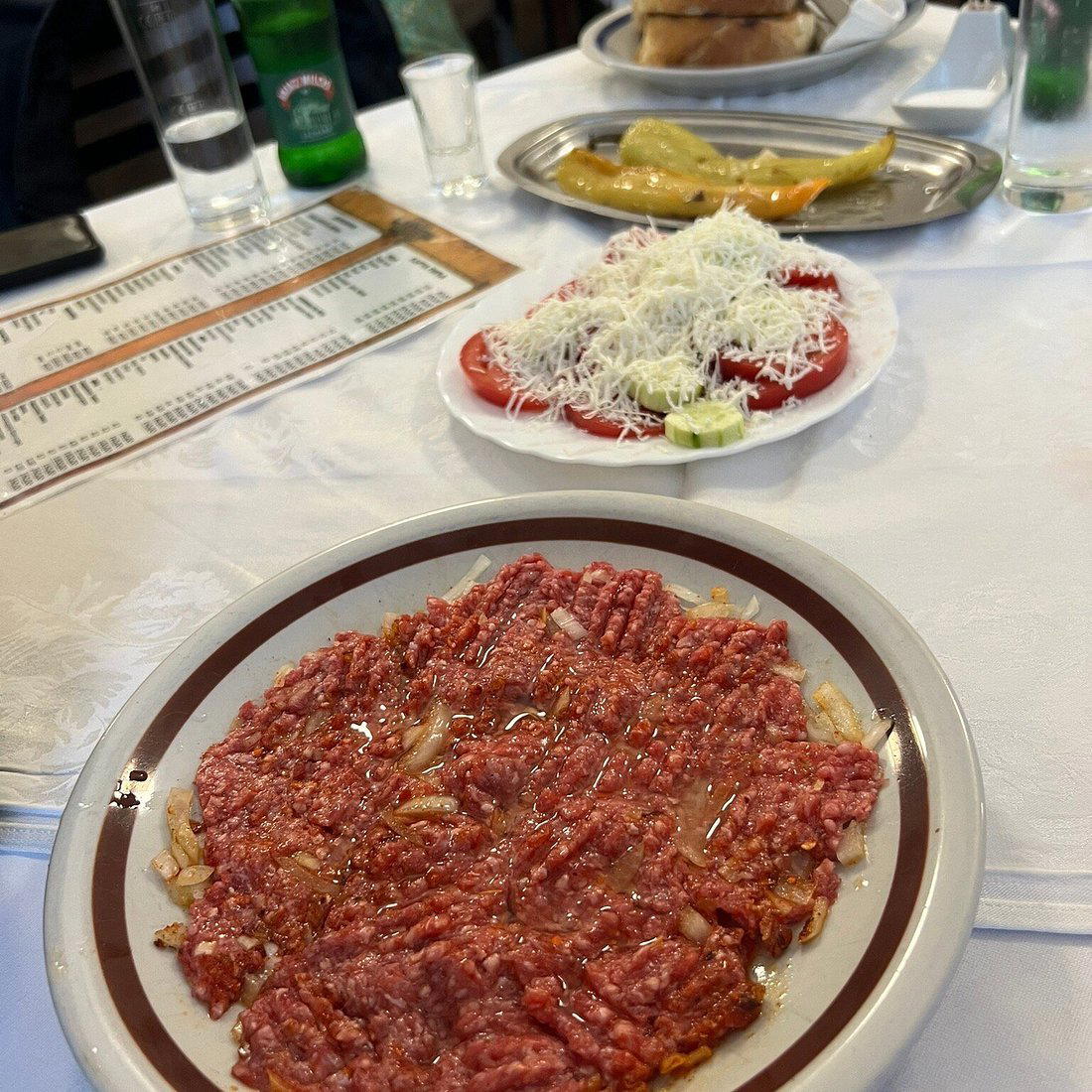
- Pljeskavica
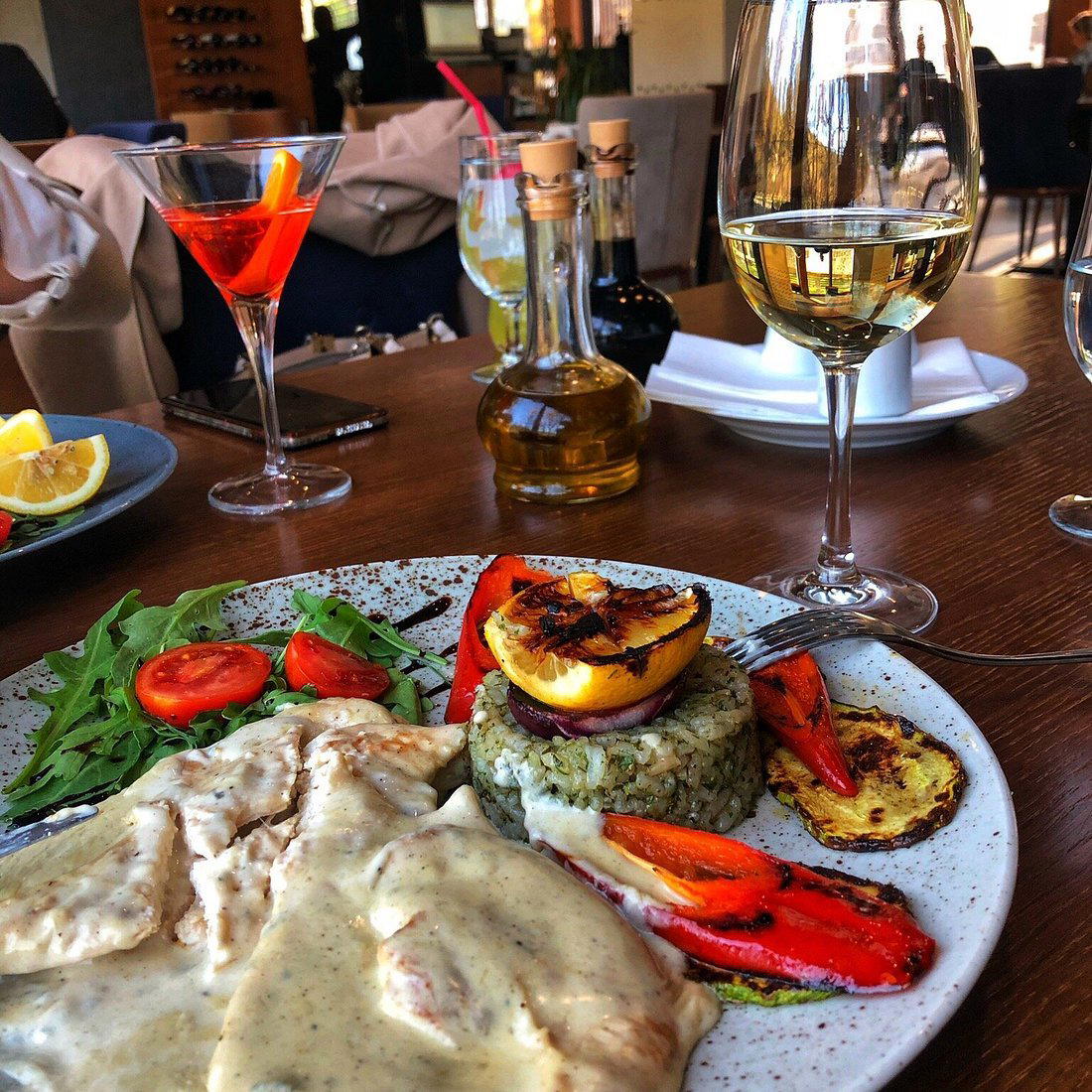
- Pork loin
The Kafana as a Serbian Institution
Walk into almost any Serbian town of consequence and you will find at least one kafana that functions less as a restaurant and more as a civic room. These are places where tables fill by early afternoon and stay occupied through the evening, where the food is secondary to the gathering, and where the menu reflects whatever the surrounding region grows, raises, or ferments. Kafana Kod Laze, on Birčaninova 149 in Valjevo, operates within that tradition. The name itself follows a pattern common across Serbia — kafane named after a proprietor or founding figure, the possessive suffix marking a kind of inherited ownership that passes through reputation rather than deed.
Valjevo sits in western Serbia, roughly midway between Belgrade and the Drina river corridor, in a region defined by the Kolubara river basin and the mountain terrain that rises toward Divčibare and Maljen. The city is not a tourist destination in any structured sense, which means its kafane serve locals first and travellers incidentally. That ordering matters: a kafana that depends on a regular clientele operates differently from one angling for passing trade. The food tends toward what the regulars expect rather than what might photograph well.
What the Kafana Format Means at the Table
The Serbian kafana evolved from Ottoman-era coffee houses, absorbing over two centuries the social functions of tavern, meeting hall, and neighbourhood club. By the late twentieth century, the format had stabilised around a recognisable template: grilled meats (roštilj), slow-cooked stews (čorbe, pasulj, podvarak), bread arrived without being asked, a house wine or domestic rakija at accessible prices, and service that does not rush. The kitchen relies on technique that prioritises depth of flavour through time rather than elaboration through technique.
In Valjevo and the wider Kolubara region, the culinary signatures lean toward meso sa žara (grilled meat), pljeskavica (spiced ground-meat patty), ćevapi, and seasonal vegetable preparations that shift with what the market holds. This is not a cuisine that varies dramatically season to season in its core offerings, but the quality of ingredients — particularly the sourcing of pork and lamb from local farms, makes a material difference to what arrives on the plate. Kafane in smaller Serbian cities tend to have shorter supply chains than their Belgrade counterparts, which often works in their favour.
For comparative context across the Serbian kafana tier, properties like Kafana Studenac in Bajina Basta and Kafana Pećinar Ljubiš in Cajetina operate in similar mountain-adjacent towns with broadly comparable menus. Further afield, KAFANA DUKAT in Pirot represents the same format in southeastern Serbia, where the flavour profile shifts toward Nišlija-style spicing. Each of these establishes a useful baseline for understanding what Kafana Kod Laze represents within a national category.
Valjevo's Dining Scene in Context
Valjevo supports a modest but functional dining scene for a city of its size. Within the city, Kod Bore, Lovački dom, and ZDRAVLJAK cover a range of formats from traditional Serbian to more casual eating. The full Valjevo restaurants guide maps these options across the city's main dining areas. Kafana Kod Laze, positioned on Birčaninova, sits within a residential and commercial mix typical of Serbian provincial cities where eating establishments are distributed through neighbourhoods rather than concentrated in a single dining district.
For travellers arriving from Belgrade, the capital's kafana tier, including the more polished end of the spectrum represented by establishments near Skadarlija, sets one reference point. But the provincial kafana operates under a different set of pressures and expectations. Langouste in Belgrade illustrates how the capital's dining scene has moved toward more technique-focused cooking, while places like Kafana Kod Laze hold the traditional template without apology. That division is not a quality judgment; it reflects the different social roles these venues serve.
Across provincial Serbia, the etno-kafana format, which blends traditional architecture and folk-cultural decoration with the standard kafana menu, has become increasingly common as a way of differentiating from competitors. Etno Kuća Dinar in Vrsac represents that strand. Kafana Kod Laze's address on Birčaninova suggests a more straightforwardly neighbourhood-facing operation than the heritage-tourism tier.
Planning Your Visit
Valjevo is accessible by road from Belgrade in approximately two hours via the A4 motorway toward Čačak and the regional road network west. Bus connections from the Belgrade BAS terminal run regularly through the day. Within Valjevo, Birčaninova 149 is reachable on foot from the town centre. For visitors spending time in western Serbia, Valjevo functions as a logical base for day trips toward Divčibare, Lelić, and the Kolubara river valley.
Serbian kafane at this tier typically do not require advance booking except for large groups or private events, and the rhythm of service suits drop-in dining during standard meal windows. Lunch tends to be the primary service in this format, with dinner variable depending on local custom and day of the week.
For broader travel planning in the region, the dining context extends to Kod Brana in Cacak to the south, Aleksandar Gold in Uzice further southwest, and Grand in Kopaonik for mountain-resort dining at a different price tier. For Vojvodina comparisons, ČARDA ZLATNA KRUNA in Apatin represents the Danube riverside kafana variant, while Kafe Restoran Maša in Novi Sad and Windmill in Pancevo cover the northern dining corridor. At the far end of the reference spectrum, Le Bernardin in New York City and Atomix in New York City mark what the international fine-dining tier looks like for readers calibrating across different categories. Kod poštara in Aran Đelovac rounds out the central Serbian kafana peer group for closer geographic comparison.
Frequently asked questions
What's the address for Kafana Kod Laze?
Kafana Kod Laze is located at Birčaninova 149, Valjevo, Serbia, Valjevo.
Is Kafana Kod Laze a good option for visitors travelling from Belgrade to Valjevo?
Valjevo sits roughly two hours from Belgrade by road via the A4 motorway, making it a feasible day-trip destination for anyone interested in western Serbian cuisine outside the capital. Kafana Kod Laze, located on Birčaninova 149, represents the kind of neighbourhood kafana that does not appear in international guides but functions as part of the everyday civic fabric of a mid-sized Serbian city. Travellers looking to experience the kafana tradition beyond the tourist-facing venues of Belgrade will find Valjevo's dining scene, including addresses like Kod Laze, considerably less curated and more locally oriented.
What's the must-try dish at Kafana Kod Laze?
That said, the kafana format in Serbia reliably centres on grilled meats, slow-cooked bean soups, and seasonal vegetable sides — the kind of food that has anchored this dining tradition for two centuries. Ordering from whatever the kitchen signals as the day's preparation is consistent with how regulars approach any kafana in Valjevo. Check the venue's official channels for the latest details.
How far ahead should I plan for Kafana Kod Laze?
Kafana Kod Laze operates at Birčaninova 149 in Valjevo, and no booking platform or advance reservation policy is currently documented. Serbian kafanas of this type typically operate on a walk-in basis, with tables turning through the day and evening without formal reservations. Arriving outside the midday or early evening peak is the most practical approach for securing a seat without waiting.
Pricing, Compared
Comparable venues nearby, for context on price, style, and recognition.
| Venue | Cuisine | Price | Notes |
|---|---|---|---|
| Kafana Kod LazeThis venue — the venue you are viewing | Serbian Kafana | Not listed | Not listed |
| Kod Bore | Traditional Serbian BBQ | $10–20 | Valjevo, Traditional Serbian BBQ |
| ZDRAVLJAK | Italian-Serbian Fusion | $10–20 | Valjevo, Italian-Serbian Fusion |
| Lovački dom | Traditional European Game Meat | $20–30 | riverside, Traditional European Game Meat |
| Kod Brana | Traditional Serbian Grill & Roast House | $10–20 | Bulevar Oslobođenja, Traditional Serbian Grill & Roast House |
| Avala | Traditional Serbian | $20–30 | Savski Venac, Traditional Serbian |
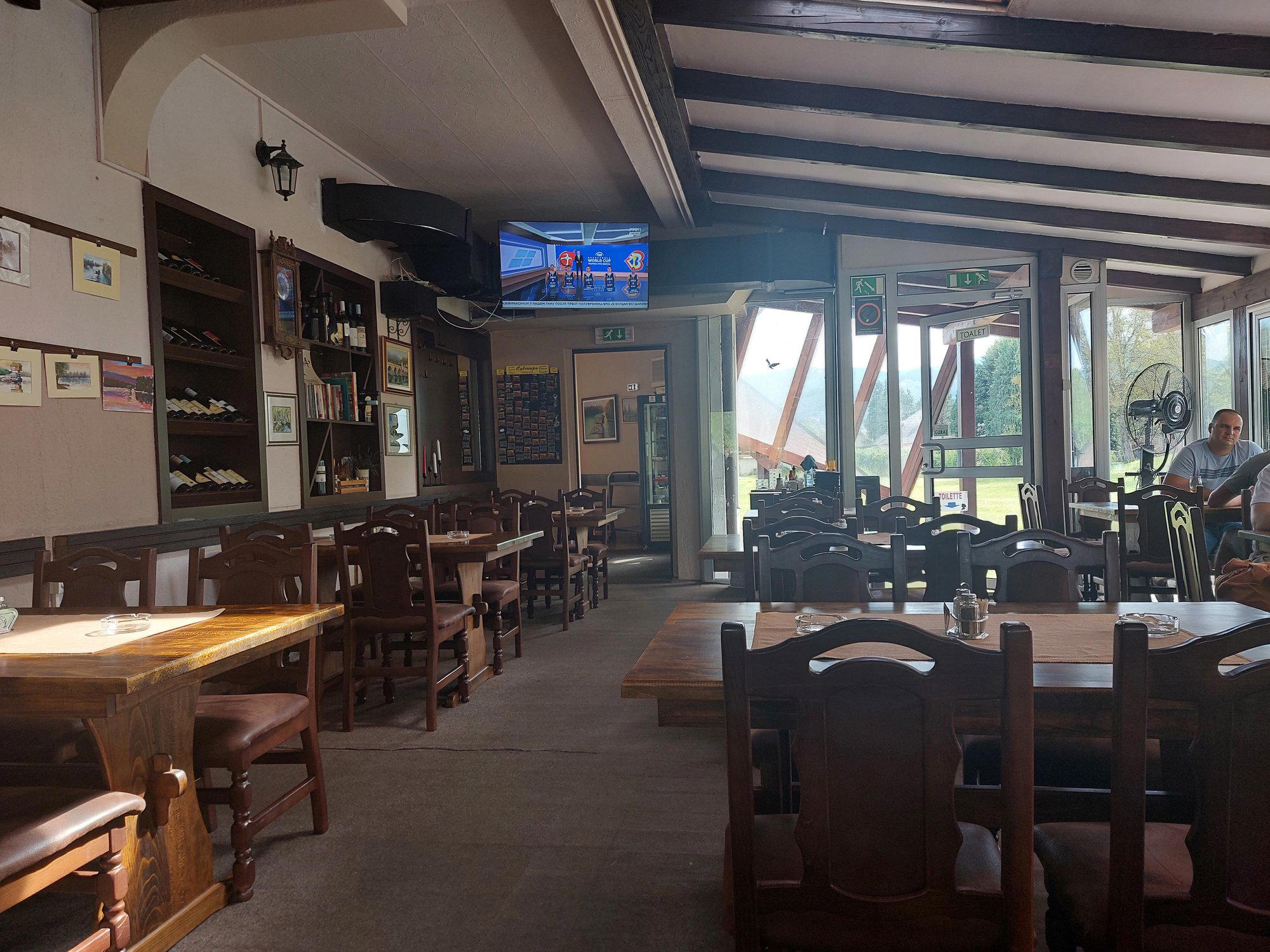
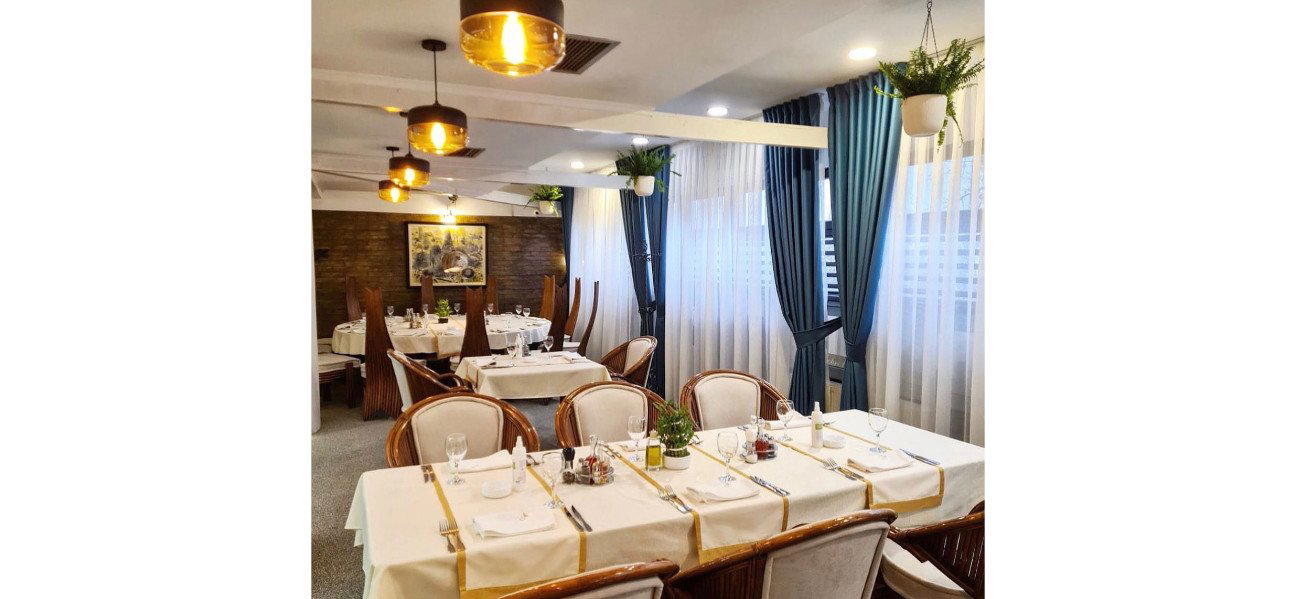

Details
- Minimalist
- Cozy
- Casual Hangout
- A La Carte
- Beer
Current opening hours
- Monday
- Open 24 hours
- Tuesday
- Open 24 hours
- Wednesday
- Open 24 hours
- Thursday
- Open 24 hours
- Friday
- Open 24 hours
- Saturday
- Open 24 hours
- Sunday
- Open 24 hours
Hours can change for holidays and private events. Last verified .
Minimalist with friendly atmosphere.