Our verdict
Kod Bore occupies a spot on Birčaninova Street in central Valjevo, operating within the kafana tradition that defines Serbian provincial dining. The address places it among a compact cluster of local establishments where unhurried meals and table-side conversation remain the organizing principles of an evening out.

Pearl is the En Primeur Club membership app — saves, bookings, and concierge access live there. Same editors, same standards.
- Address
- 63 BIRCANINOVA, 14000, Valjevo, Kolubarski county, Valjevo 14000, Serbia
- Phone
- +381143510900
- Hours
- Mon–Thu 8 AM–11 PMFri ClosedSat 8 AM–11 PMSun Closed
- Directions
- Get directions
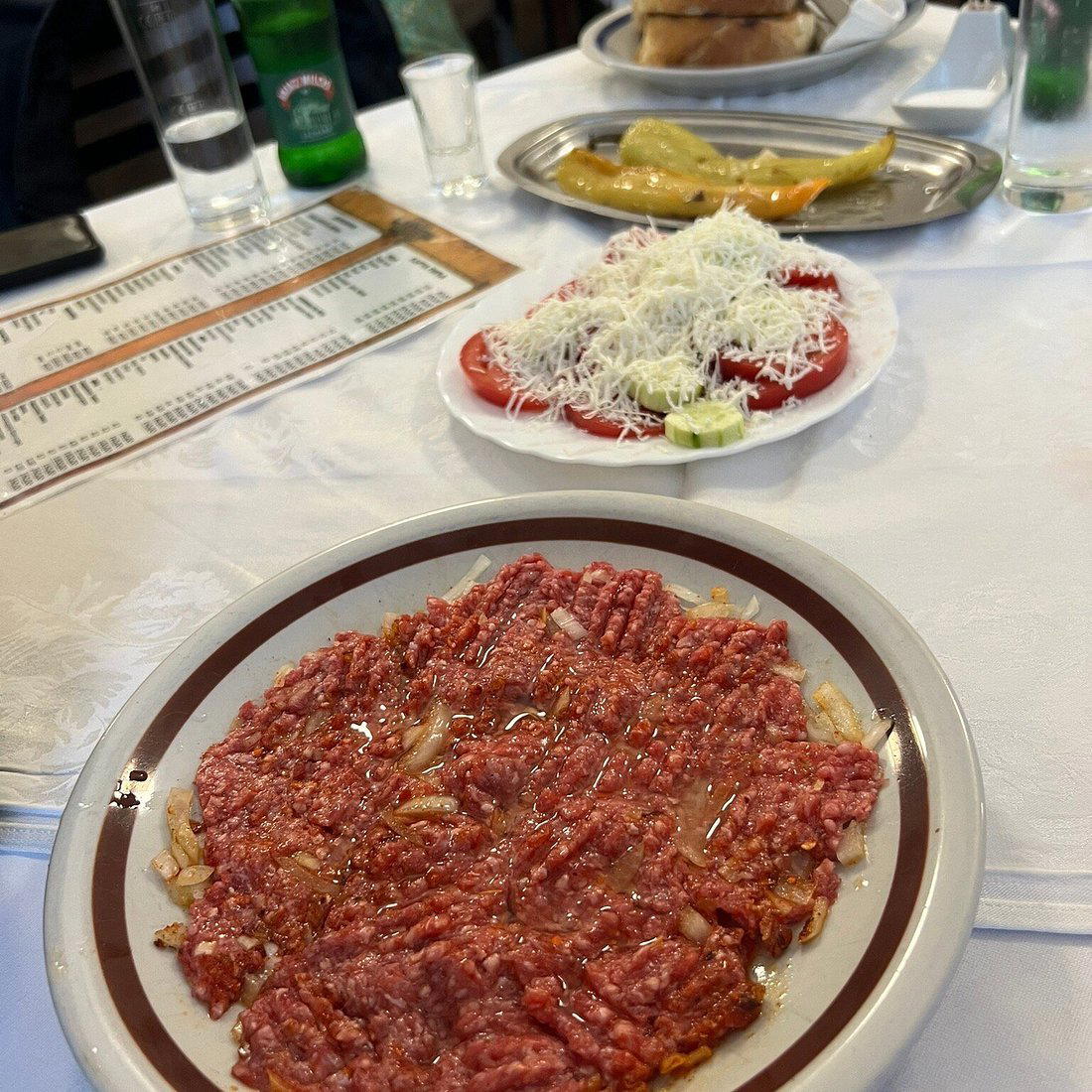
The menu
What to order
- Ćevapi
- Mixed grill
The Kafana as Format: How Valjevo Eats
In Serbian provincial towns, the kafana is not simply a restaurant category — it is a social architecture. Tables are held for hours, not turned. Rakija arrives before menus do. Conversation is the main event, and the kitchen operates in support of it rather than as the reason for the visit. Valjevo, a mid-sized city in the Kolubarski district roughly 100 kilometres southwest of Belgrade, maintains this tradition with particular fidelity. The town's dining scene runs on a short list of neighbourhood establishments where regulars know the staff and strangers are absorbed quickly into the rhythm of the room. Kod Bore, addressed at 63 Birčaninova in the town centre, sits inside this pattern.
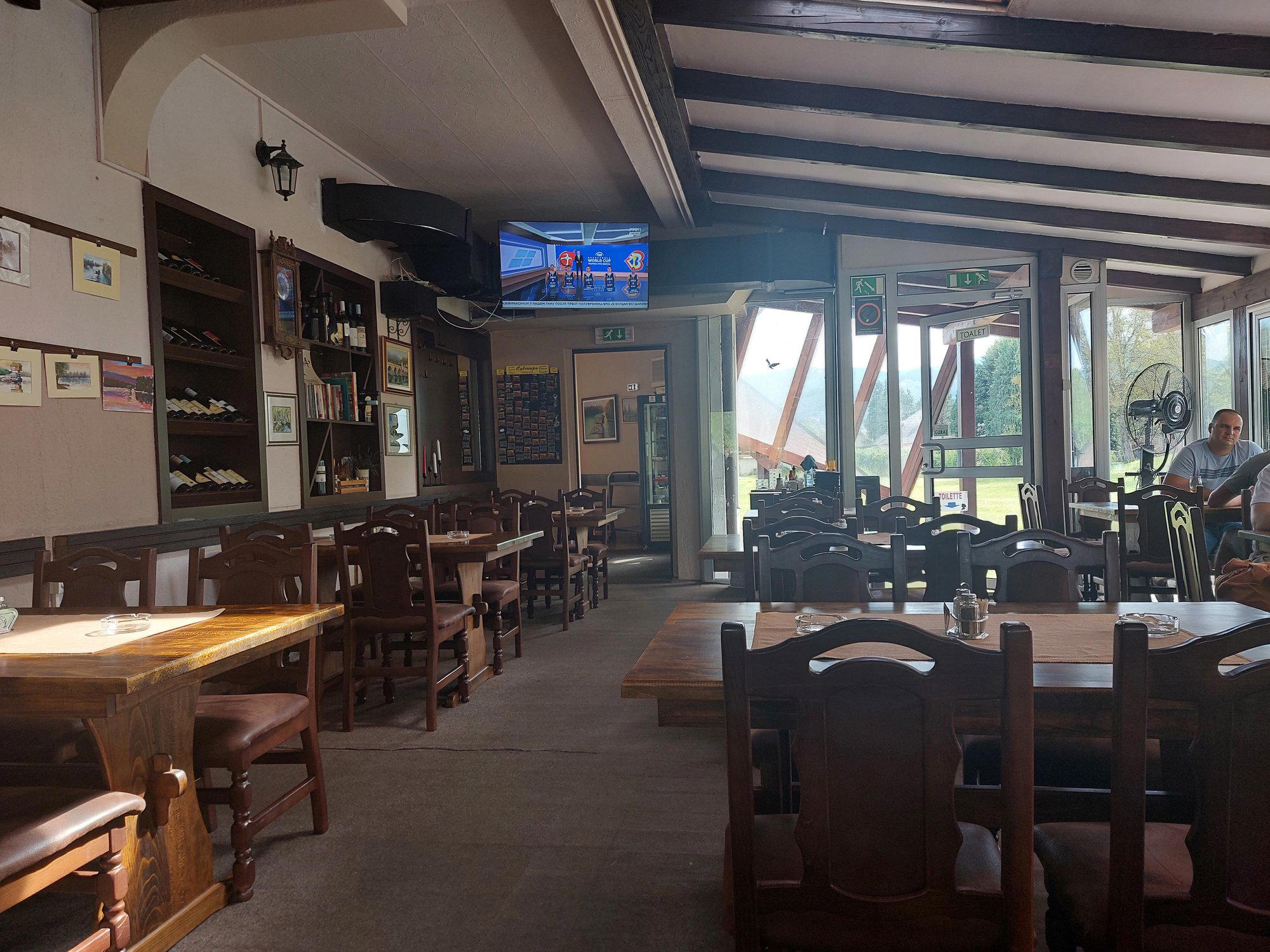
Birčaninova is the kind of street that rewards slow walking: a mix of low-rise commercial buildings, modest shopfronts, and the occasional kafana facade that signals its purpose through sound before it signals it through signage. Approaching Kod Bore in the early evening, you are more likely to hear the room before you see the interior clearly — the low register of multiple conversations, the scrape of chairs, the particular ambient warmth that comes from a space used daily rather than dressed for occasional guests. This is not a dining room designed for photographs. It is designed for sitting, and it does that job without apology.
The Ritual of the Serbian Table
The meal at a Valjevo kafana like Kod Bore follows a pacing that diverges sharply from the timed-course logic of urban restaurant culture. There is no expediter sending dishes in calibrated intervals. Bread appears early and stays. Cold starters, typically a combination of cured meats, cheeses, and pickled or fresh vegetables, anchor the first stretch of the meal and are treated as a sustained opening rather than a prelude to be cleared. The transition to hot dishes is negotiated at the table, not managed by the kitchen.
This approach to sequencing reflects a broader Serbian dining etiquette in which the meal is understood as a shared time rather than a sequence of products. Ordering is frequently collective, plates are placed at the centre, and the idea of a personal entrée arriving untouched by anyone else at the table is slightly foreign to the spirit of the room. Grilled meats, ćevapi, pljeskavica, mixed skewers, are the structural centre of most orders at establishments in this register, supplemented by roasted vegetables, ajvar, and whatever the kitchen is turning out of the wood fire or open grill that day. The proximity to the Kolubara River valley means that freshwater fish occasionally appears on menus at this tier, though meat dominates.
For visitors more familiar with urban dining in Belgrade, where places like Langouste in Belgrade operate in an entirely different register of formality and precision, the Valjevo kafana format requires a deliberate recalibration. The value is not in the complexity of the cooking. It is in the density of the social occasion and the competence of execution within a narrow, well-understood repertoire.
Where Kod Bore Sits in the Valjevo Scene
Valjevo's restaurant scene is small enough that a handful of addresses account for most of the serious local dining. Kafana Kod Laze and Lovački dom represent the broader field of kafana-style dining in the town, while ZDRAVLJAK adds another point of reference. Within this compact set, Kod Bore's position on Birčaninova places it in accessible central territory, the kind of address that draws both residents and the occasional traveller passing through the Kolubarski corridor between Belgrade and the western mountain areas.
The comparison that matters for visitors is not with the high-end Serbian dining found further afield, the mountain lodge tradition exemplified by places like Kafana Pećinar Ljubiš in Cajetina or the Zlatibor-adjacent restaurants, or the riverside čarda format represented by ČARDA ZLATNA KRUNA in Apatin. The comparison is with other central-town kafanas in similar-sized Serbian cities: the meat-forward, spirits-forward, conversation-forward format that places like KAFANA DUKAT in Pirot or Kod Brana in Cacak also occupy. At this tier, consistency of execution and reliability of atmosphere matter more than innovation.
The Wider Serbian Dining Context
Serbia's provincial dining has received less international attention than its mountain resort culture or its urban nightlife, but the kafana network that connects smaller cities like Valjevo, Čačak, Pirot, and Bajina Bašta represents one of the country's most intact culinary traditions. The format predates the country's socialist period, absorbed it, and emerged from it largely unchanged in social function. Dinner at a provincial kafana is a primary leisure institution, not a secondary one. Understanding this is essential to reading the room correctly at a place like Kod Bore.
For travellers building a broader itinerary through Serbia's interior, Valjevo functions as a logical stop between Belgrade and the western mountain routes. Kafana Studenac in Bajina Bašta and Kod poštara in Aran Elovac anchor the further western arc of this route. Aleksandar Gold in Uzice sits at a slightly different point on the format spectrum, as does the mountain dining represented by Grand **** in Kopaonik. Our full Valjevo restaurants guide maps the local scene in more detail for those spending time in the region.
For reference points in other Serbian cities at a comparable format tier, Kafe Restoran Maša in Novi Sad and Windmill in Pancevo offer useful points of contrast. Etno Kuća Dinar in Vrsac tilts toward the ethnographic-restaurant format that occasionally overlaps with the kafana tradition. For those arriving from or departing to New York, the distance from the city dining culture of Le Bernardin or Atomix is not merely geographic, the organizing philosophy of the meal is different at its foundation.
Planning Your Visit
Kod Bore is located at 63 Birčaninova in central Valjevo, a walkable address from the town's main commercial zone. No website or phone number is currently listed in public directories, which is consistent with the operating style of many kafanas at this level, walk-in is the standard approach, and the lunch and dinner hours that govern most Serbian provincial restaurants (roughly midday through late evening) apply here without confirmed exceptions. Booking, where it happens at all, tends to be handled by phone or in person. Arriving without a reservation on a weekday is generally low-risk; weekend evenings in a town of Valjevo's size can fill the better-known local tables earlier than visitors might expect. Dress expectations are informal. The meal will proceed at whatever pace the table sets.
Frequently asked questions
Would Kod Bore be comfortable with kids?
The kafana format in Serbian provincial towns is built around multi-generational gatherings by default. In Valjevo, where dining out is a family activity rather than a couples-only occasion, venues like Kod Bore at 63 Birčaninova tend to absorb children as part of the room rather than as a logistical challenge. Expect a tolerant, unhurried environment rather than a dedicated kids menu.
How would you describe the vibe at Kod Bore?
Kod Bore operates within the core Serbian kafana register: tables held for hours, conversation as the main event, and no ambient pressure to clear the bill. Valjevo is a provincial town rather than a tourist hub, which means the room runs on local rhythms — expect Serbian being spoken at most tables and a pace set by the guests, not the kitchen.
Is Kod Bore a good option for visitors passing through Valjevo rather than staying overnight?
Valjevo sits along routes connecting Belgrade to western Serbia, making it a plausible mid-journey stop. Kod Bore's address at 63 Birčaninova places it in central Valjevo, walkable from the main commercial zone — practical for a longer lunch rather than a rushed roadside meal. The kafana format rewards at least ninety minutes at the table, which fits a deliberate stop more than a quick break.
What do regulars order at Kod Bore?
Across the kafana format in central Serbian towns, the consistent anchors are grilled meats such as ćevapi and pljeskavica, slow-cooked bean dishes, and cold starters alongside house rakija. That framework applies broadly in Valjevo, though Kod Bore's specific offering should be confirmed on arrival.
What part of town is Kod Bore in?
Kod Bore is located at 63 BIRCANINOVA, 14000, Valjevo, Kolubarski county, Valjevo 14000, Serbia, Valjevo.
What's the best way to book Kod Bore?
For provincial kafanas of this type in Serbia, walk-in is the standard approach — reservation culture is less formalised than in urban settings, and tables are rarely held to strict time slots. Arriving in person remains the most reliable method until contact details become publicly available.
Cuisine and Awards Snapshot
Comparable venues nearby, for context on price, style, and recognition.
| Venue | Cuisine | Price | Notes |
|---|---|---|---|
| Kod BoreThis venue — the venue you are viewing | Traditional Serbian BBQ | $10–20 | Not listed |
| Lovački dom | Traditional European Game Meat | $20–30 | riverside |
| Kafana Kod Laze | Serbian Kafana | Not listed | Dolici |
| ZDRAVLJAK | Italian-Serbian Fusion | $10–20 | Valjevo |
| Šadrvan | Kod Jonuza | Traditional Balkan Grilled Meat | $1–10 | city center |
| Kod Brana | Traditional Serbian Grill & Roast House | $10–20 | Bulevar Oslobođenja |

Details
- Rustic
- Cozy
- Group Dining
- Family
- Casual Hangout
- Open Kitchen
- Beer Program
- A La Carte
- Beer
- Rakija
Current opening hours
- Monday
- 8 AM–11 PM
- Tuesday
- 8 AM–11 PM
- Wednesday
- 8 AM–11 PM
- Thursday
- 8 AM–11 PM
- Friday
- Closed
- Saturday
- 8 AM–11 PM
- Sunday
- Closed
Hours can change for holidays and private events. Last verified .
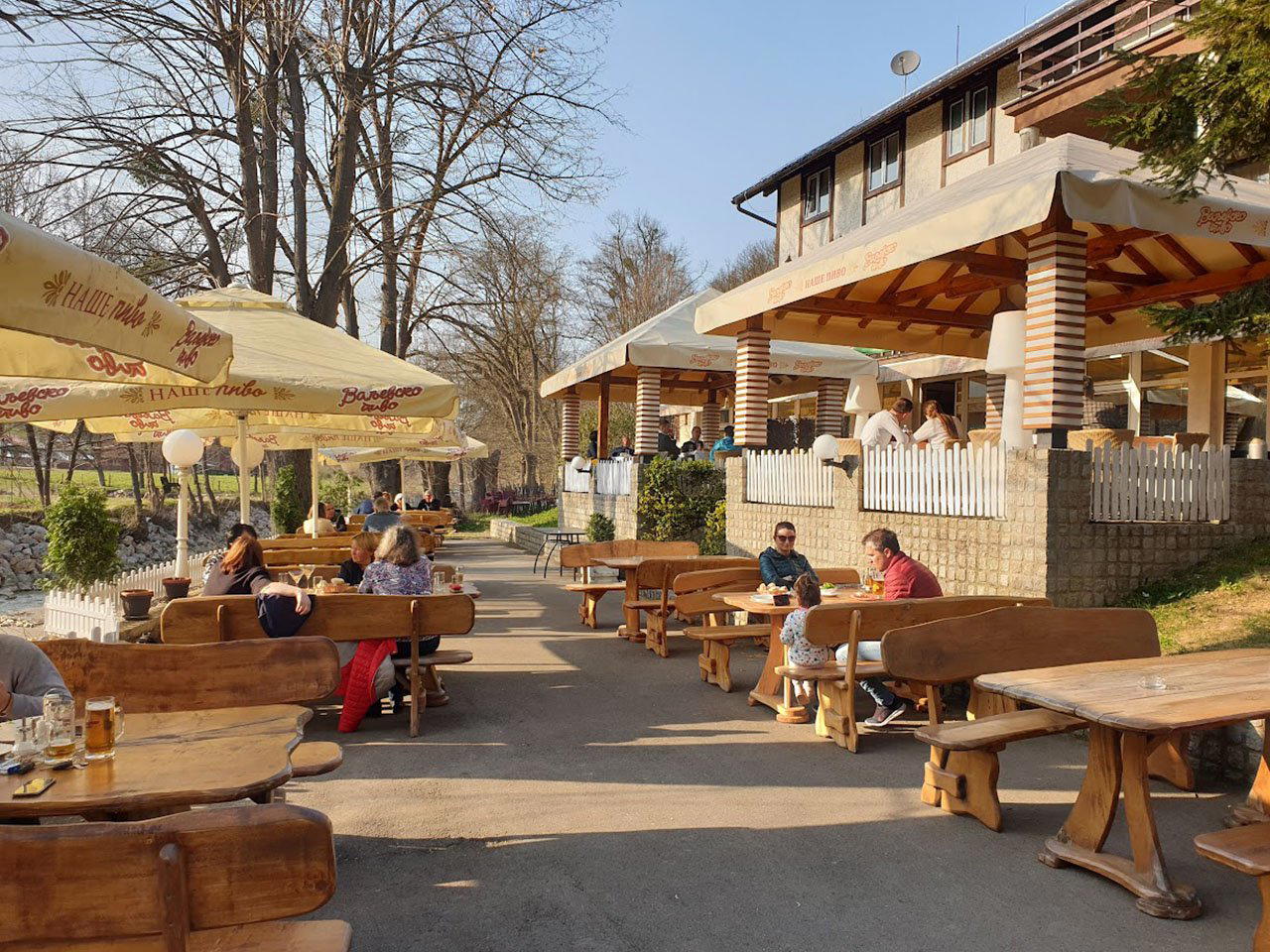
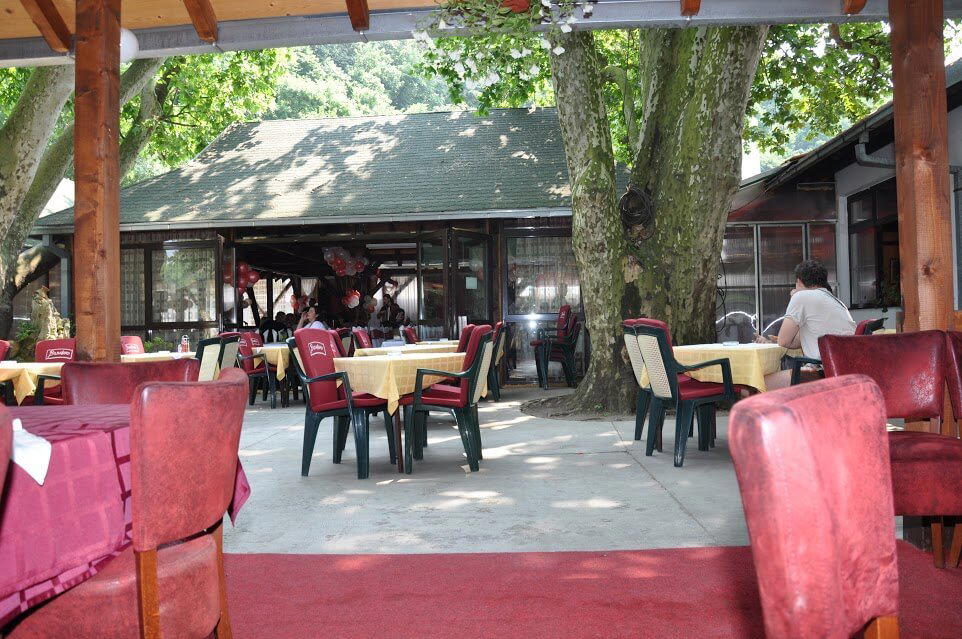
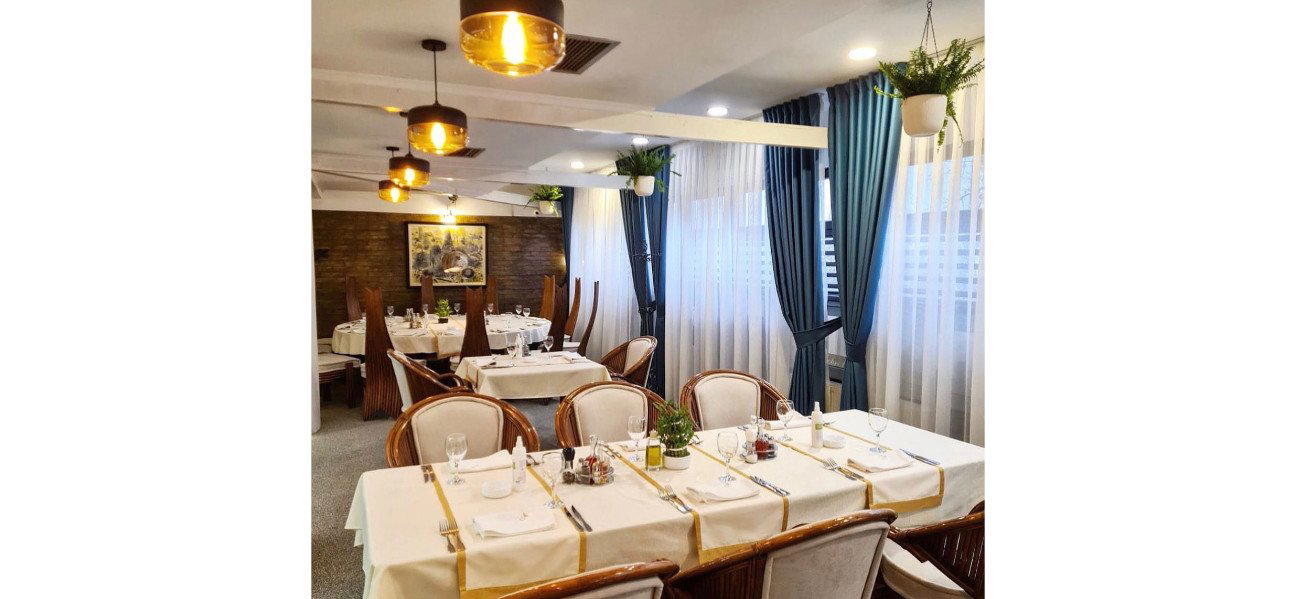
Casual rustic atmosphere with indoor and outdoor seating options, featuring a traditional, no-frills dining experience.