
Yukimoto occupies Nagano's more considered dining tier, where the city's alpine setting and proximity to notable seasonal produce shape what reaches the table. Booking logistics place it firmly in the plan-ahead category, and the restaurant draws a clientele that treats the reservation itself as part of the experience. For those already planning a trip through the Japan Alps corridor, it belongs on the itinerary alongside the prefecture's other serious dining options.
Pearl is the En Primeur Club membership app — saves, bookings, and concierge access live there. Same editors, same standards.
- Address
- 2 Chome-21 Towacho, Iida, Nagano 395-0086, Japan, Nagano, Chūbu, Japan
- Phone
- +81 265-23-5210
- Website
- yukimoto-hanare.com
 Saves & bookings on Pearl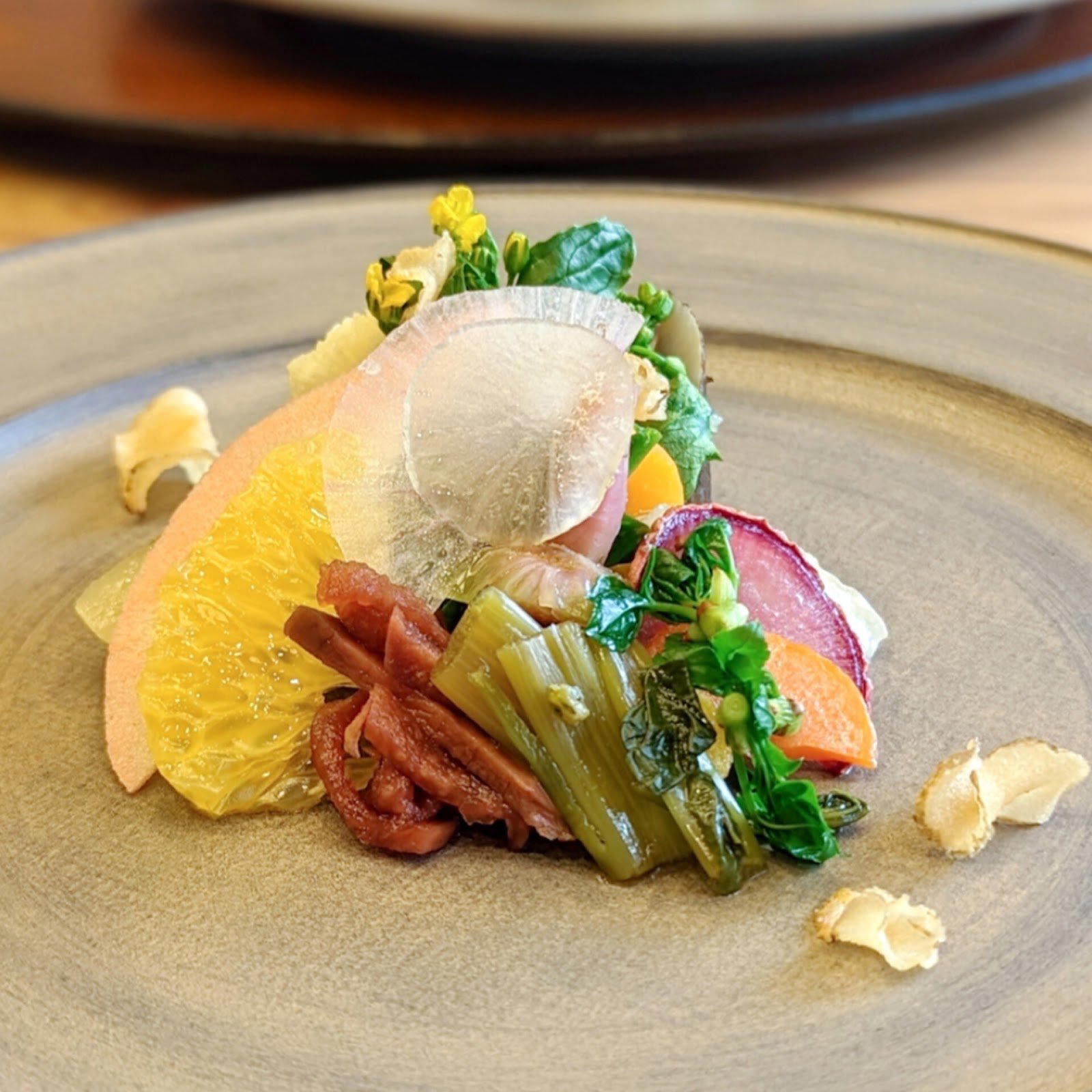
Arriving in Nagano's Dining Scene
The approach to serious dining in Nagano carries a different rhythm than Tokyo or Osaka. The city sits at altitude, surrounded by mountain terrain that dictates both the produce calendar and the pace of a meal. Restaurants at this tier operate as destinations in themselves, drawing visitors who have built itineraries around a reservation rather than fitting dinner into an existing schedule. Yukimoto is a Nagano restaurant serving wild game kaiseki, priced at about USD 350 per person.
Nagano's dining scene has developed a coherent identity over the past decade, shaped by the prefecture's agricultural depth: wasabi cultivated in cold mountain streams, soba grains grown at altitude, wild vegetables foraged across the surrounding forests, and freshwater fish from rivers that feed into the Japan Alps watershed. The restaurants that handle this produce with precision have attracted attention well beyond regional audiences, placing Nagano alongside Kyoto and Kanazawa as a prefecture where serious eaters plan dedicated visits.
The Booking Architecture
At counters and intimate dining rooms operating at this level, securing a table requires lead time, linguistic fluency, or the mediation of a concierge with existing relationships. Yukimoto's booking logistics reflect the broader pattern across Japan's smaller-city fine dining circuit: demand from domestic travellers and international visitors who route through Nagano for skiing, temple circuits, or the Snow Monkey Park area compresses availability, particularly across winter and autumn peak periods.
Unlike the capital's high-profile counters, which increasingly operate through third-party reservation platforms with English-language interfaces, Nagano's more intimate establishments often require direct contact, patience, and flexibility on dates. The reward for that effort is access to a dining format where the room is smaller, the interaction more direct, and the distance from Tokyo filters out the category of diner who books a name without engaging with the food. Comparable dynamics apply at places like Gion Sasaki in Kyoto and akordu in Nara, where operating outside the primary metropolitan circuit imposes its own set of booking disciplines.
Timing matters in a different sense as well. Nagano's produce calendar shapes what is available on a given visit more directly than in urban settings with access to national distribution networks. Winter brings the logic of preservation and root vegetables; spring introduces the mountain vegetables that define Japanese kaiseki's most photographed months; autumn concentrates the peak of mushroom and game availability. Planning a visit around seasonal alignment is not sentimentality, it is the difference between a meal that reflects where you are and one that could have been assembled anywhere.
Where Yukimoto Sits in Nagano's Dining Order
Nagano's restaurant community spans a wider range of registers than the city's size might suggest. At the more accessible price points, places like Chinese Sai Muen, with lunch pricing in the JPY 3,000 to JPY 4,999 range, serve a local clientele alongside visitors. At the other end of the spectrum, Bleston Court Yukawatan operates within a hotel context in the Karuizawa area, offering a different kind of destination dining built around resort infrastructure. Fogliolina della Porta Fortuna represents the Italian current that runs through provincial Japanese fine dining, a format that has proved durable across smaller cities. ca'enne and Aoitou add further range to what is, for a prefecture of this scale, a genuinely varied upper tier.
Yukimoto occupies the more considered register within that tier, the type of establishment where the format and the produce sourcing are taken seriously in ways that require both investment and attention from the diner. The peer comparison extends beyond Nagano's city limits. Across Japan's provincial fine dining circuit, analogous establishments include Goh in Fukuoka, which operates at a high level outside the Tokyo-Kyoto axis, and 三本木 石川製 in Nanao, which draws on Noto Peninsula produce in a similarly regional key. Further afield, 鶴羽屋 in Nishikawa Machi and 湖麺屋ロータス in Takashima reflect the same appetite for serious dining rooted in specific prefectural landscapes. For those calibrating expectations against major urban benchmarks, HAJIME in Osaka and Harutaka in Tokyo represent the ceiling of the Japanese fine dining tier, against which Nagano's offerings occupy a distinct but legitimate position. Internationally, the precision cooking tradition that informs this kind of restaurant has parallels at Le Bernardin in New York City and the Korean-inflected fine dining of Atomix in New York City.
Planning Your Visit
Nagano city is about 90 minutes from Tokyo by Shinkansen. For those routing through the Tohoku or Hokuriku corridors, connections through Nagano fit naturally into a multi-city Japan itinerary. Confirm details directly before you go, as hours are not published in the record and reservation is essential. Visitors should also be aware that Nagano's tourism peaks, particularly the winter ski season centred on Hakuba and Shiga Kogen and the autumn foliage period, create compression in dining availability across the city's better rooms simultaneously. Those peaks also coincide with the seasons when the produce calendar is most interesting, which means the trade-off between availability and timing is a genuine planning variable rather than a footnote.
Side-by-Side Snapshot
Comparable venues nearby, for context on price, style, and recognition.
| Venue | Cuisine | Price | Notes |
|---|---|---|---|
| YukimotoThis venue — the venue you are viewing | Wild Game Kaiseki | $$$$ | Not listed |
| すし崇 | Edomae Sushi | $$$$ | Zenkoji |
| Suki Tei Honten | Traditional Sukiyaki & Shabu-Shabu with Shinshu Beef | $$$ | near Nagano Prefectural Office |
| Uzura Ya | Traditional Togakushi soba restaurant | $$ | Togakushi |
| Aoitou | Japanese Sauce Katsudon | $$ | 西箕輪 |
| Obusedo | Traditional Japanese Chestnut Cuisine | $$ | Obuse-machi |
Recognition history
Dated appearances from independent guides and award organizations, with the underlying list record or original source where available.
Opinionated About Dining Top Restaurants in Japan Ranked #6
Opinionated About Dining
Continue exploring
More in Nagano
Restaurants in Nagano
Browse all →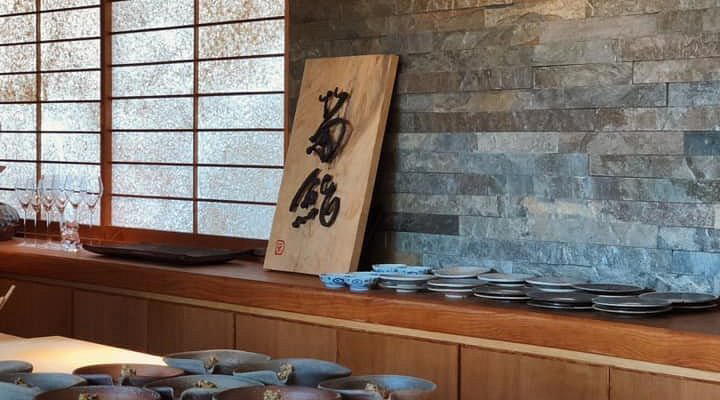
Hotels in Nagano
Browse all →
Wineries in Nagano
Browse all →
At a Glance
- Elegant
- Cozy
- Sophisticated
- Intimate
- Scenic
- Special Occasion
- Date Night
- Business Dinner
- Private Dining
- Sake Program
- Local Sourcing
- Mountain
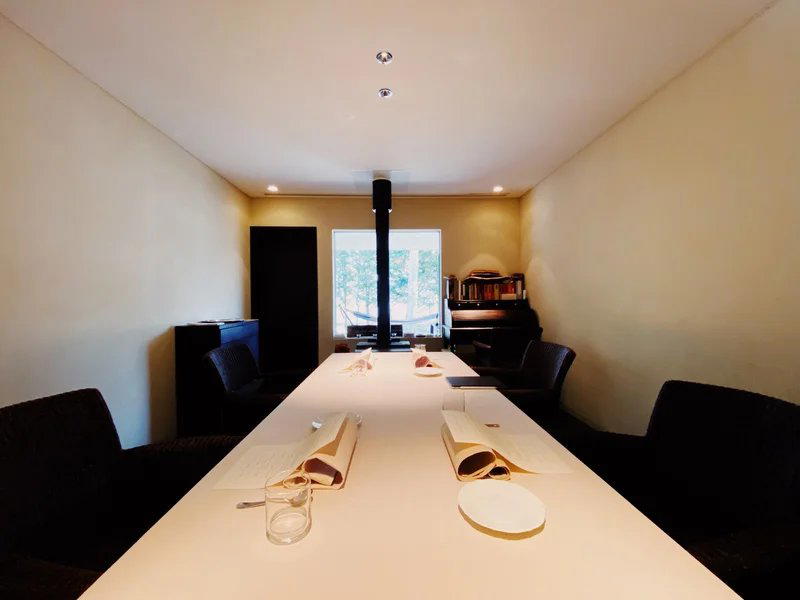
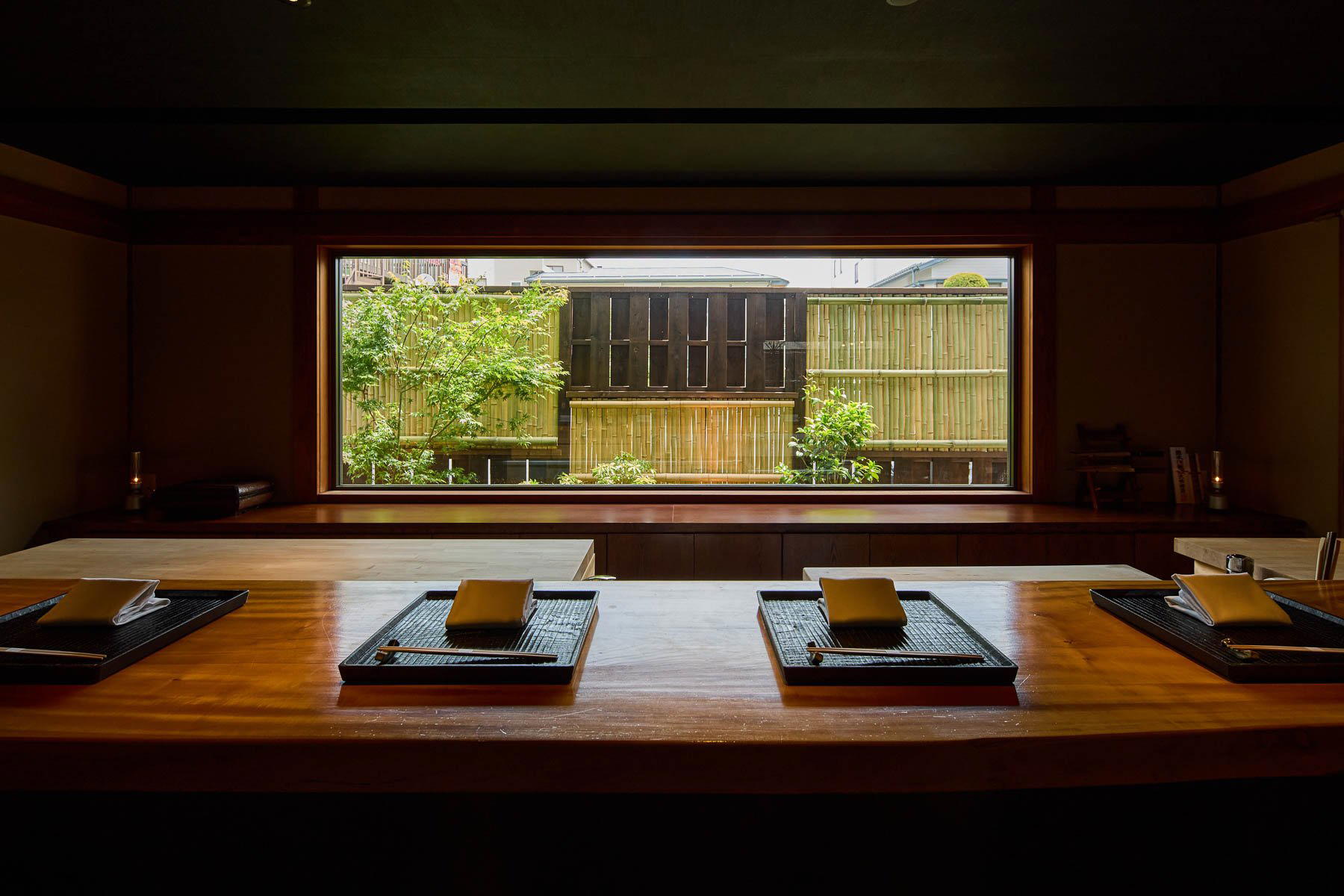
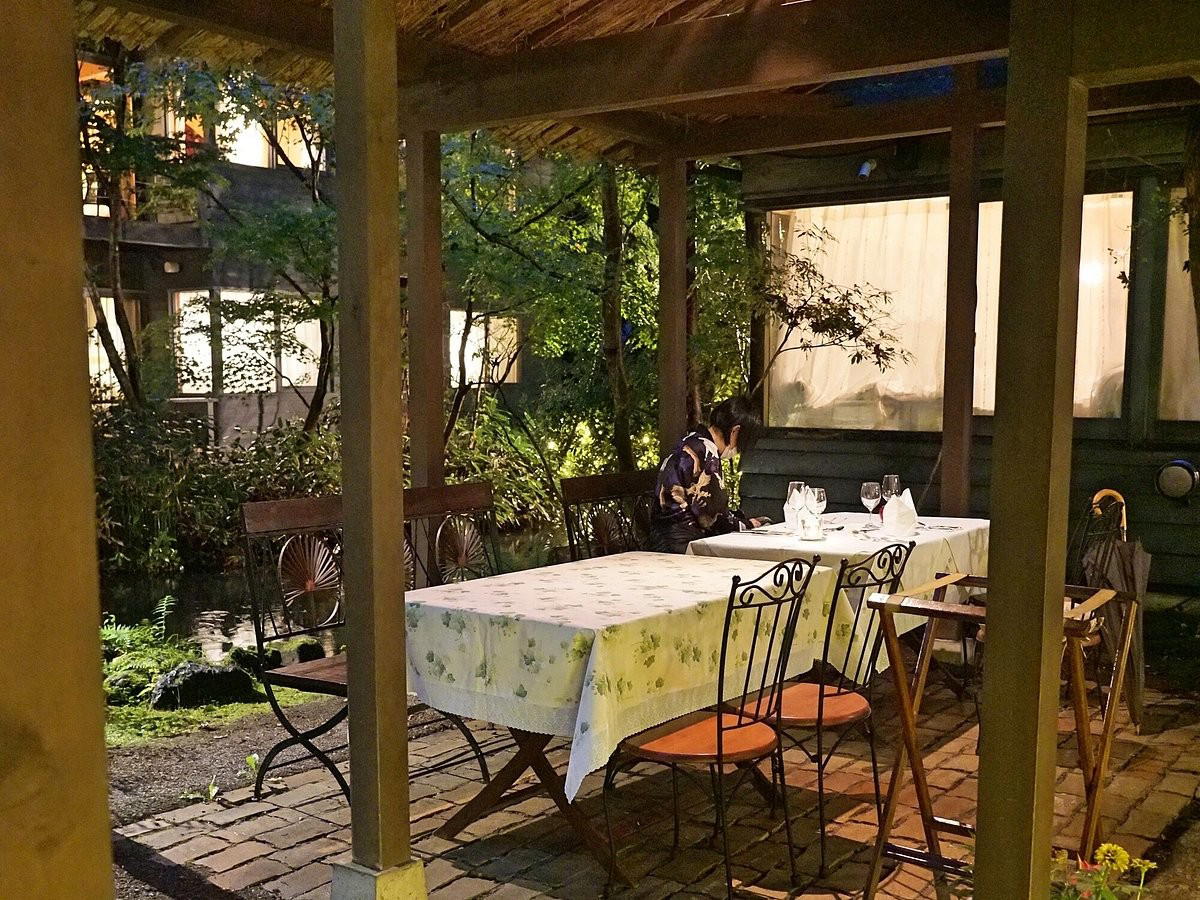
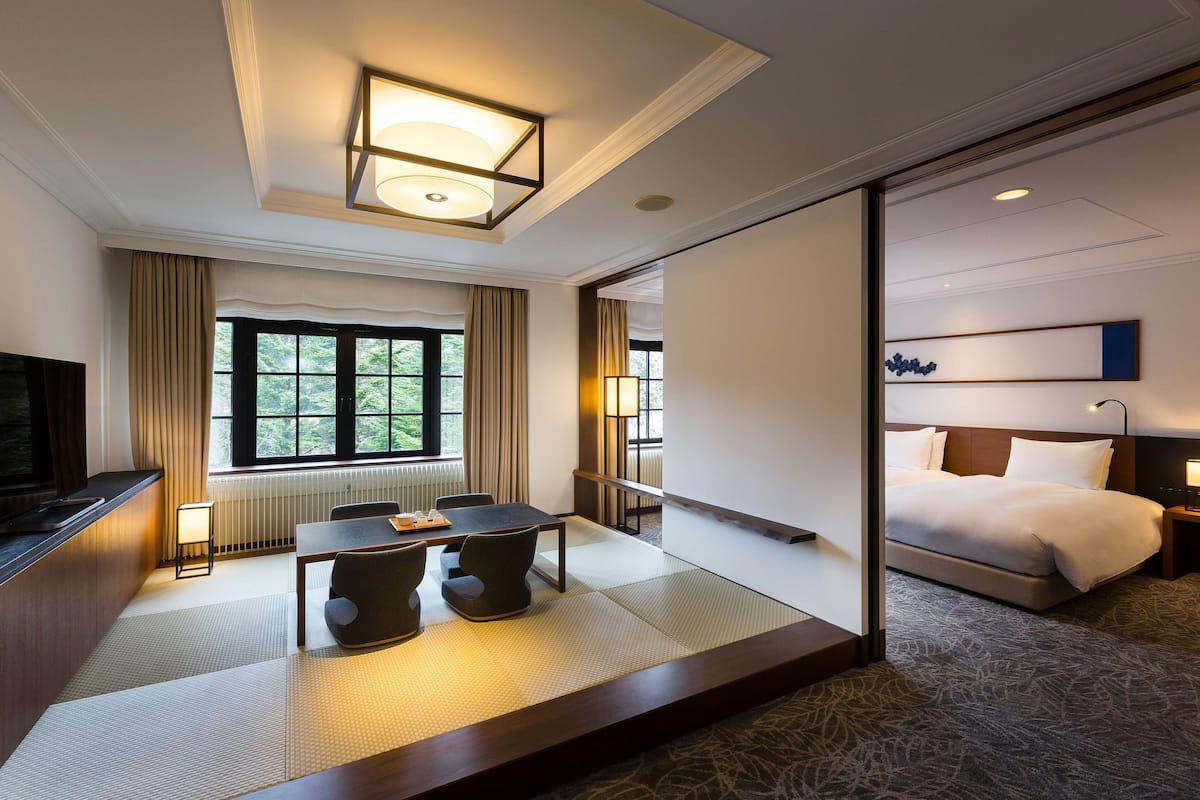
Converted residential house with tatami private rooms, low ceilings, tables and chairs for comfort, blending traditional aesthetics with contemporary architecture in a quiet, relaxed setting.