
Uzura Ya gives Nagano’s Togakushi soba tradition a clear editorial reason to travel: buckwheat, mountain setting, and a no-reservations rhythm that belongs to the area rather than to metropolitan tasting-menu culture. Its Tabelog Soba EAST 100 selection in 2025 places it among Japan’s closely watched soba specialists, while the experience remains grounded in a house-restaurant format with tempura and nihonshu alongside the noodles.
Pearl is the En Primeur Club membership app — saves, bookings, and concierge access live there. Same editors, same standards.
- Address
- 長野県長野市戸隠3229
- Phone
- +81262542219
- Website
- uzuraya.nagano.jp
 Saves & bookings on Pearl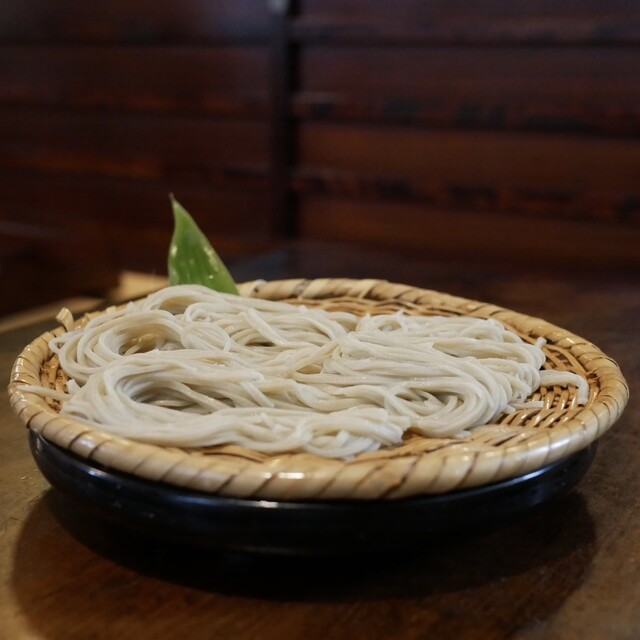
Approaching Togakushi for soba is not the same proposition as crossing town for noodles in a station district. The setting changes the meal before the first tray arrives: mountain air, shrine-country pacing, and a village built around buckwheat rather than around restaurant spectacle. In Nagano, that matters. Soba here is not a neutral carbohydrate; it is an agricultural product, a local craft, and a reason people build a day around one lunch.
Uzura Ya sits squarely inside that tradition. Its place on the Tabelog Soba EAST 100 list for 2025 is useful not as a trophy line, but as a sorting signal: this is a soba house being measured against serious regional specialists, not against general Japanese restaurants. The category is narrow, and that narrowness is the point. Togakushi soba is judged on buckwheat character, noodle handling, dipping balance, and the surrounding ritual of condiments, tempura, and sake, rather than on luxury cues borrowed from kaiseki or sushi counters.
Togakushi soba is a sourcing story before it is a noodle style
Nagano’s soba reputation begins with geography. Buckwheat tolerates cooler upland conditions, and Togakushi has long treated the crop as both staple and craft material. The area’s soba culture is tied to shrine visits, mountain routes, and small restaurants where the meal is direct: noodles, dipping sauce, seasonal accompaniments, and enough restraint to keep the grain in view. That puts a different pressure on a restaurant than a broader Japanese menu would. There is less room to hide behind variety.
The useful comparison is not with high-spend Nagano dining such as Suki Tei Honten, where the decision often centers on beef, private occasion, and a higher bill. It is closer to the specialist lane occupied by soba names such as 蕎麦 ふじおか, where the reader is choosing depth in one craft rather than range across many. In that frame, Uzura Ya’s categories, soba, tempura, and Japanese sake, read as a coherent local meal rather than a mixed-format menu.
Tempura matters in this context because it gives contrast without shifting the restaurant away from soba. Sake does similar work, especially in a region where nihonshu can turn a midday noodle stop into a slower mountain lunch. The house-restaurant setting and tatami-room note also matter editorially: this is not a minimalist urban counter trying to aestheticize rusticity. It belongs to a regional mode where families, friends, and soba pilgrims share the same dining grammar.
The room favors patience over performance
The practical rhythm shapes the experience. Reservations are unavailable, and the presence of a registration desk before opening tells the reader more than any atmospheric adjective could. Demand is managed by queue discipline, not by concierge channels. That makes the meal feel democratic by Japanese destination-dining standards, but it also rewards planning. The serious move is to treat the restaurant as part of a Togakushi day rather than as a casual add-on squeezed between city appointments.
Capacity is larger than the tiny-counter model that dominates much of Japan’s prestige dining conversation: 70 seats changes the mood. It allows families and groups of friends to fit into the room’s rhythm, and the children-welcome policy reinforces that this is a regional soba institution rather than a hushed special-occasion chamber. The non-smoking policy and private-room unavailability keep the format simple. The experience is communal without being chaotic, structured without becoming formal.
Payment is another part of the old-school frame. Cash planning matters because credit cards, electronic money, and QR code payments are not accepted. For travelers moving through Nagano by rail and bus, that detail is not cosmetic; it determines whether a carefully timed lunch runs smoothly. The Alpico Transportation Togakushi Line from Nagano Station reaches Togakushi Nakasha, followed by a short walk, with buses running at intervals that make timing part of the meal’s architecture.
How to place it within a Nagano itinerary
Nagano rewards travelers who separate restaurant types rather than ranking them on one scale. A soba lunch in Togakushi answers a different question from a polished resort-area meal at Bleston Court Yukawatan, a contemporary regional table such as ca’enne, or the city dining track represented by Aoitou. The appeal here is specificity: a mountain soba house selected in a national soba category, operating at a price level that keeps the focus on craft rather than ceremony.
That makes it a strong anchor for visitors who want Nagano’s food culture to feel local rather than imported. The surrounding itinerary can move in several directions: shrine country, hot-spring towns, ski-area dining, or a broader look at the prefecture’s producers. For wider planning, see Our full Nagano restaurants guide, Our full Nagano hotels guide, Our full Nagano bars guide, Our full Nagano wineries guide, and Our full Nagano experiences guide.
Readers mapping Japanese regional dining beyond Nagano can use this soba stop as a counterpoint to other single-theme or city-specific venues, from Chamonix and Chinese Sai Muen (Chinese, Sichuan, Dim sum & Yum cha) to -Grilled beef Sukiyaki- KAMAKURA TANUKIAN 鎌倉 たぬき庵 in Kamakura,. 鮪と炭火焼き うお炭 秋葉原店 in Tokyo,.cafe in Osaka,.know in Kumamoto, (Shoku) Vietnam in Kawasaki, and [Curry Senmon Ten] Maruyama Kyoju. in Sapporo. For sake-led and Japanese-casual references outside Japan, Jōdo Saké Bar in Los Angeles and Onigiri Time in Pasadena show how narrower formats travel, even when the agricultural context cannot be replicated.
Fast Comparison
Comparable venues by cuisine and price in the same metro.
| Venue | Cuisine | Price | Awards | Notes |
|---|---|---|---|---|
| Uzura YaThis venue — the venue you are viewing | Traditional Togakushi soba restaurant | $$ | , | |
| Grill The Butcher Nagano (グリル ザ ブッチャー 長野) | Shinshu Beef Steakhouse | $$ | , | Nagano Station |
| すし築地日本海 長野駅前店 | Authentic Edomae Sushi & Izakaya | $$ | , | Nagano Station (Zenkokuji-guchi) |
| Sobanomi | Togakushi Soba | $$ | , | Togakushi |
| Aoitou | Japanese Sauce Katsudon | $$ | , | 西箕輪 |
| いろは堂 | Nagano Oyaki (Stuffed Dumplings) | $$ | , | Oniyari |
Continue exploring
More in Nagano
Restaurants in Nagano
Browse all →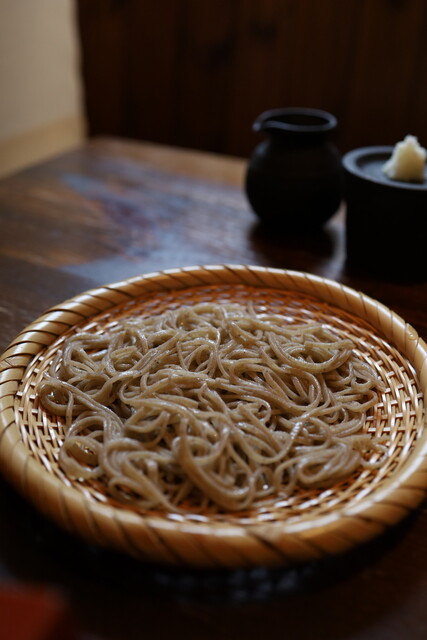
Hotels in Nagano
Browse all →
Wineries in Nagano
Browse all →
At a Glance
- Classic
- Rustic
- Scenic
- Iconic
- Cozy
- Family
- Group Dining
- Casual Hangout
- Solo
- Special Occasion
- Historic Building
- Standalone
- Sake Program
- Beer Program
- Local Sourcing
- Mountain
- Garden
The restaurant feels like a traditional mountain soba house, with a warm and bustling atmosphere, simple wooden interiors, and views of the surrounding Togakushi forest and shrine area; long waits and a name-registration system contribute to an energetic yet welcoming vibe focused on heartfelt hospitality.