1 Michelin Star
Our verdict
A Michelin-starred small-plates restaurant in Taipei's Songshan District, T+T works Asian pantry staples — miso, Dang Gui, Shaoxing wine, red bean — into a tasting format that shifts every three to four months. The OAD ranking and bistronomy-meets-Asian-ingredient approach place it in a distinct tier among Taipei's contemporary dining options, with value credentials that stand apart from the city's $$$$ bracket.

Pearl is the En Primeur Club membership app — saves, bookings, and concierge access live there. Same editors, same standards.
Where the Pantry Becomes the Argument
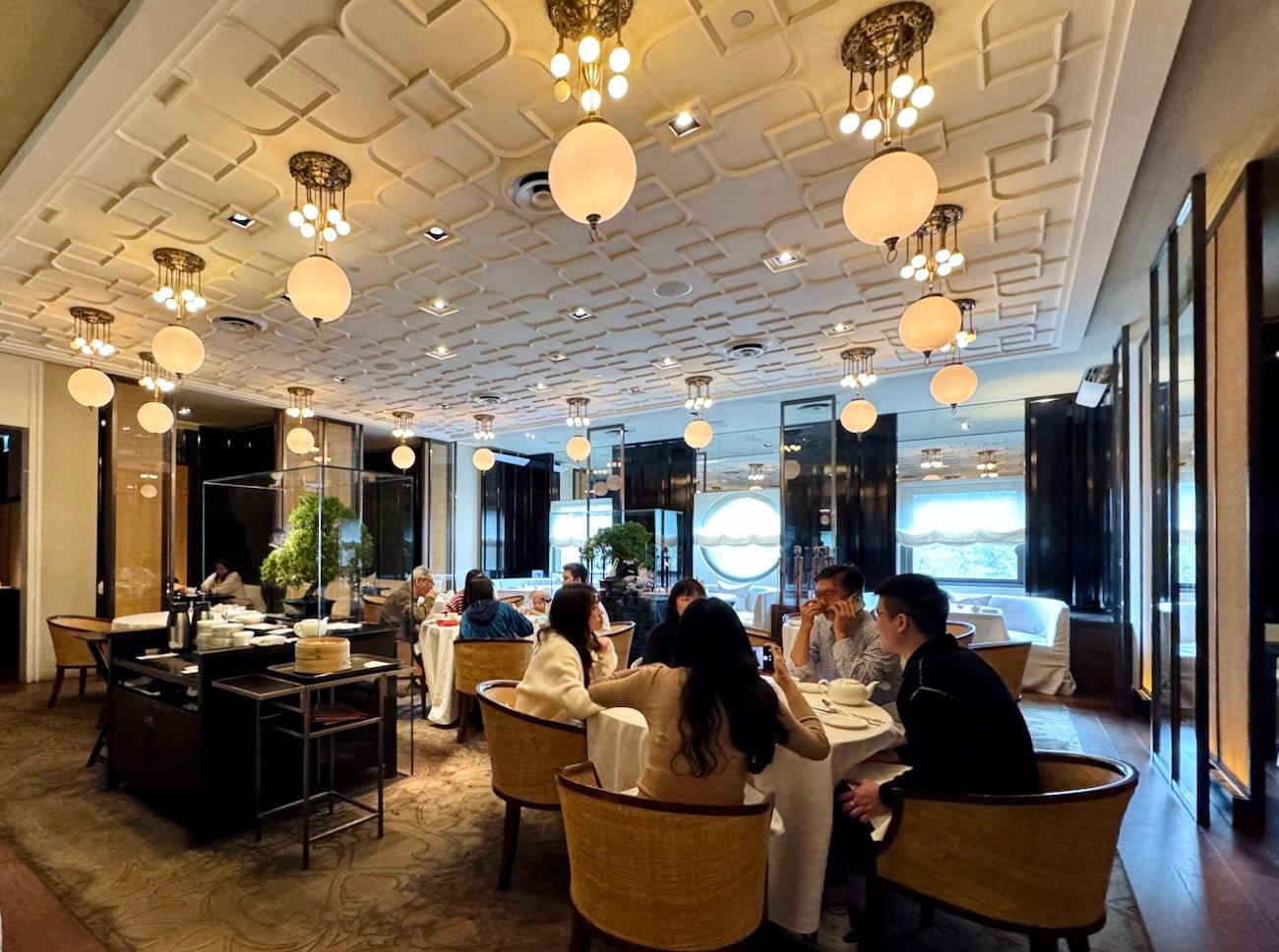
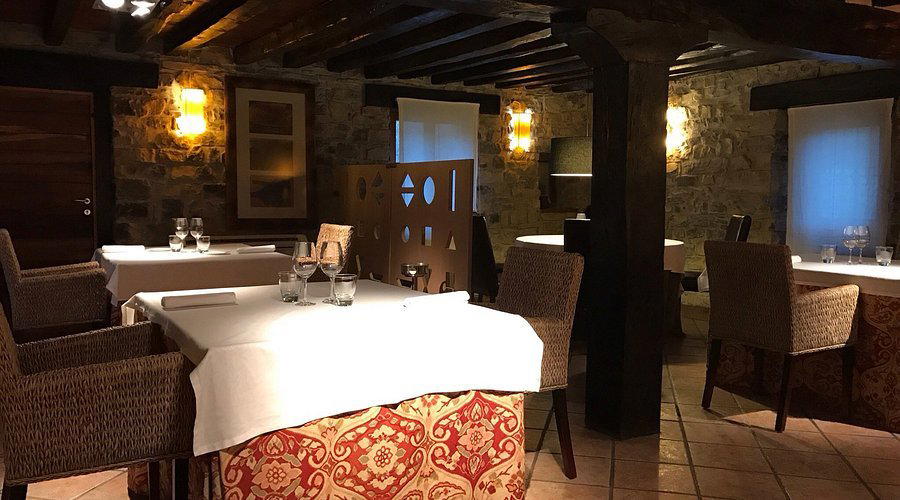
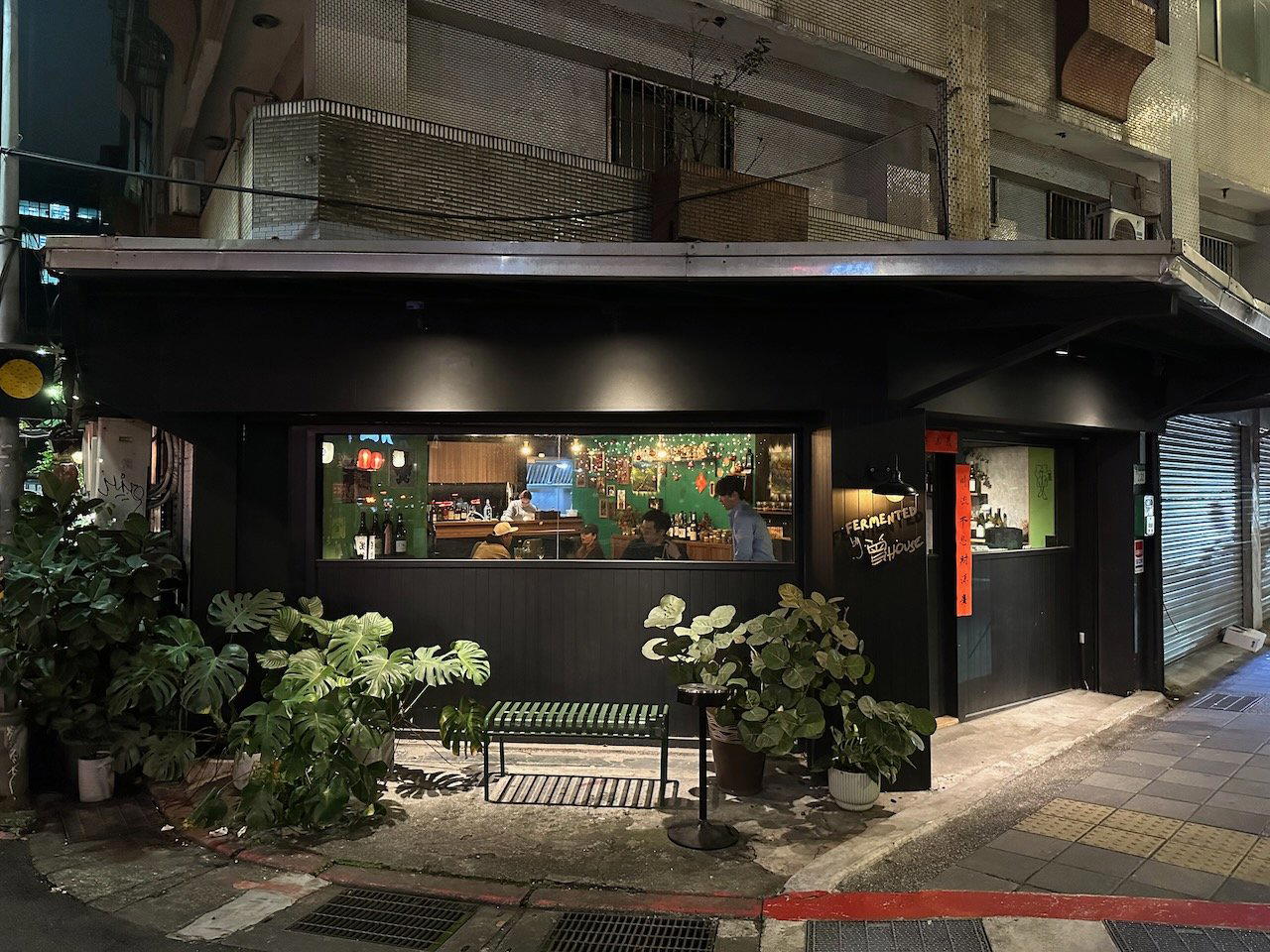
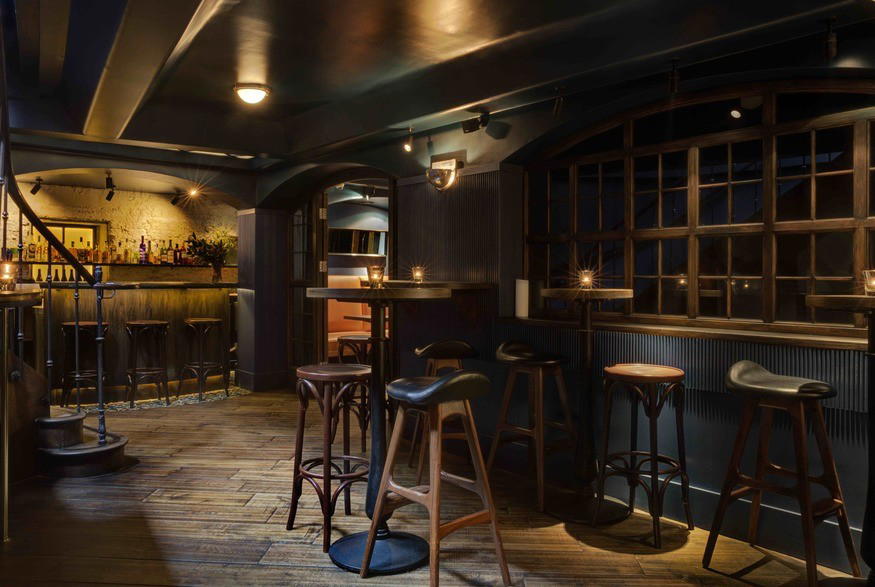
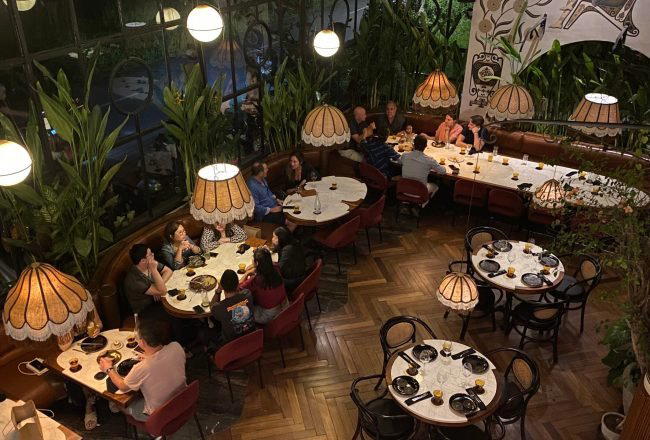
Lane 165 off Dunhua North Road is not the kind of address that announces itself. Songshan District runs quieter than the Da'an cluster that anchors much of Taipei's fine-dining map, and the approach to T+T — a low-key entrance on a residential lane — signals the format before you sit down. The room reads as French bistronomy translated into a Taipei register: spare, unhurried, the kind of modern restraint that lets the food carry the editorial weight. There is no attempt at grandeur. The point, clearly, is the plate.
That physical modesty is worth noting because it frames what T+T is doing conceptually. A significant portion of Taipei's contemporary dining scene operates at a visual and ceremonial register borrowed from European fine dining, the long tasting menus, the formal service choreography, the wine programs built around Burgundy and Bordeaux. T+T sidesteps most of that. The bistronomy reference in the Opinionated About Dining notes is not incidental: it describes a European movement that insisted technique and ingredient quality could coexist with relaxed surrounds and accessible pricing, and T+T applies that logic to an Asian-ingredient framework.
The Ingredient Logic at the Core of the Menu
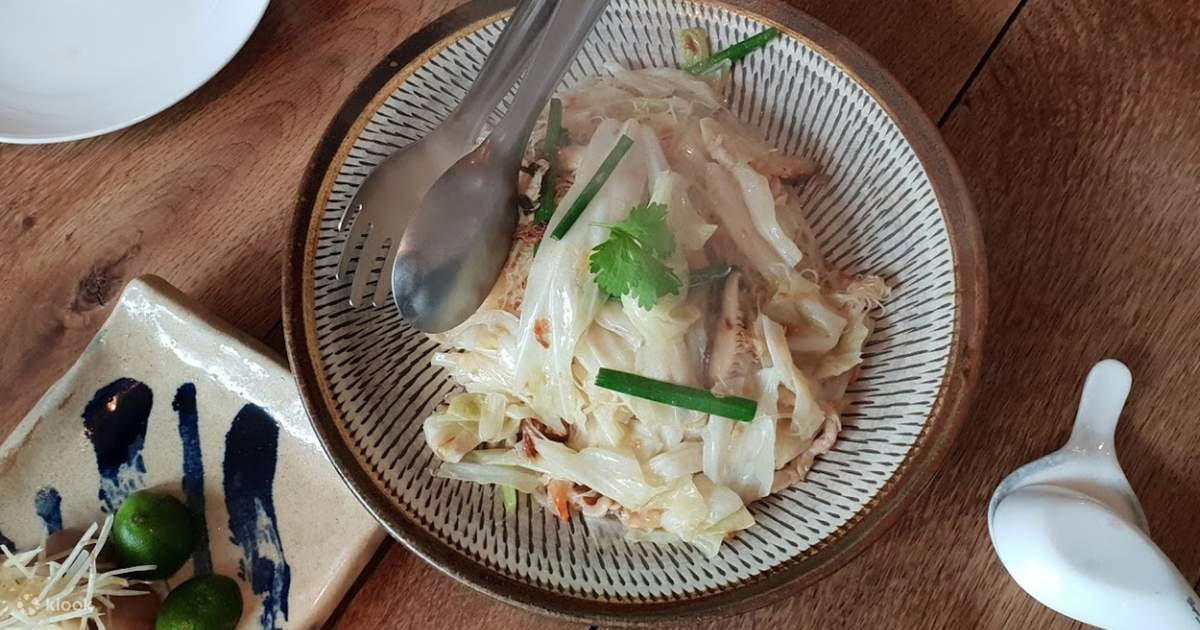
The name abbreviates "tapas tasting," which gestures at Spanish small-plate structure, but the pantry is emphatically Asian. Miso, ginseng, Dang Gui, Shaoxing wine, and red bean cake are the documented reference points, a selection that spans fermented soy traditions, Chinese medicinal herbalism, aged rice wine, and Taiwanese confectionery. What the OAD notes call "gustatory nuances" are the result of placing these ingredients in unexpected proximity rather than in their conventional roles.
That kind of sourcing argument matters in the current context of Taiwanese contemporary dining. Across the island, the more interesting kitchens are asking a version of the same question: what does it mean to cook with specifically Asian, and specifically Taiwanese, ingredient histories, rather than importing European frameworks wholesale and decorating them with local product? Taïrroir addresses it through a French-Taiwanese hybrid lens. logy approaches it through a modern European discipline filtered through deep engagement with Taiwanese produce. T+T's answer is structurally lighter, the bistronomy format deliberately reduces the formality, but the ingredient sourcing argument is no less considered.
Dang Gui (angelica root) is a case in point. In traditional Chinese medicine, it appears in tonic soups and herbal formulations. In a contemporary tasting format, deploying it as a flavor agent rather than a medicinal one requires a decision about context and audience, the diner needs enough cultural fluency to read the reference, or enough curiosity not to require it. The same applies to Shaoxing wine, which carries decades of umami depth and aromatic complexity from its fermentation process but is rarely centered in fine-dining applications outside specialized regional Chinese kitchens. When it appears here alongside miso, another fermented pantry item with its own long Northeast Asian history, the combination is genuinely cross-traditional, not just multi-ingredient.
Tasting Menu Cadence and the Value Position
The tasting menu rotates every three to four months, which is a meaningful commitment in a city where menus at comparable venues sometimes shift more slowly. Seasonality is partly the driver, but so is the logic of a small-plates format: when the kitchen is working with intense, concentrated Asian ingredients, the sourcing relationships and available product windows matter more than they might in a broader European-influenced menu. The OAD citation specifically notes "great value," which in the context of a Michelin-starred Taipei tasting restaurant is a differentiating credential rather than a default expectation.
Priced at $$$, T+T sits one tier below the $$$$ bracket that includes Le Palais, L'Atelier de Joël Robuchon, and Molino de Urdániz. For a restaurant holding a Michelin star and a 2025 OAD Asia ranking of #471 (up from #371 in 2024, suggesting increased visibility), that pricing signals a deliberate position rather than a market constraint. The bistronomy logic extends to the commercial structure: the format is designed to make the ingredient quality and tasting depth accessible at a price point that doesn't require the occasion-dining calculus that $$$$-tier restaurants demand.
The wine list is described by OAD as "eclectic" with "interesting choices", language that typically marks a list built around discovery rather than prestige labels. In the context of a menu drawing on fermented and herbaceous Asian flavors, a conventional Burgundy-dominant list would create pairing friction. An eclectic list built with those flavor profiles in mind is a more defensible editorial decision, even if the specifics aren't publicly documented.
Taipei's Contemporary Dining Tier: Where T+T Fits
Taipei's Michelin-starred contemporary dining cohort now spans a wide range of culinary orientations, from the Cantonese classicism of Le Palais to the European-Asian synthesis of logy and the French-Taiwanese register of Taïrroir. T+T under chef Johnny Tsai occupies a specific sub-tier within that group: lower price point, shorter format, bistronomy-inflected atmosphere, and a sourcing philosophy centered on Asian medicinal and fermentation pantry items rather than luxury product. It is not competing for the same diner decision as a three-hour $$$$ tasting at Molino de Urdániz.
The OAD movement from #371 to a 2025 ranking reflects continued critical attention, and the Michelin star (2024) confirms the kitchen's technical consistency. For a restaurant in this format and price tier, holding both credentials simultaneously is not common. It positions T+T as an entry point into Taipei's serious contemporary dining circuit for travelers who want Michelin-level sourcing and execution without the full commitment of a $$$$-bracket evening.
Planning a Visit
T+T operates lunch and dinner seven days a week, with lunch running 12:00 PM to 2:30 PM and dinner from 6:00 PM to 10:00 PM. The Songshan District address, Lane 165, Dunhua North Road, is accessible from the Da'an and Songshan commercial corridors. Booking in advance is advisable given the OAD and Michelin recognition driving consistent demand.
| Venue | Cuisine | Price Tier | Format | Recognition |
|---|---|---|---|---|
| T+T | Asian Contemporary | $$$ | Small plates / tasting menu | Michelin 1 Star; OAD Asia #471 (2025) |
| logy | Modern European, Asian Contemporary | $$$$ | Tasting menu | Michelin-recognized |
| Taïrroir | Taiwanese/French Contemporary | $$$$ | Tasting menu | Michelin-recognized |
| Le Palais | Cantonese | $$$$ | À la carte / tasting | Michelin-recognized |
| Molino de Urdániz | Spanish Contemporary | $$$$ | Tasting menu | Michelin-recognized |
For a broader picture of where T+T sits in the city's dining circuit, see our full Taipei restaurants guide. Travelers combining a Taipei visit with stops elsewhere in Taiwan will find relevant reference points at GEN in Kaohsiung and A Cun Beef Soup in Tainan. For accommodation, bars, and experiences around the visit, see our Taipei hotels guide, bars guide, and experiences guide. Those extending their Taiwan itinerary into the mountains should note Volando Urai Spring Spa and Resort in Wulai District as a contrast to the urban tasting-menu format. International comparisons that share T+T's interest in cross-cultural ingredient sourcing include Atomix in New York City and, for a different register of Asian-Western intersection, Le Bernardin. Those drawn to regional American dining traditions can look at Emeril's in New Orleans as a reference for how ingredient provenance has been made central to a restaurant's identity over time. For winery options in the region, our Taipei wineries guide covers what's available locally.
What Dish Is T+T Famous For?
T+T does not maintain a fixed signature dish in the conventional sense: the tasting menu rotates every three to four months, which means no single preparation defines the kitchen's identity over time. What the restaurant is consistently associated with, documented in its Opinionated About Dining citation and Michelin recognition, is the combination of Asian pantry ingredients (miso, Dang Gui, Shaoxing wine, red bean) deployed in unexpected configurations within a small-plates tasting format. The "tapas tasting" structure means the menu delivers multiple courses at a pace and scale that allows each ingredient combination to register individually. The rotating format, rather than any single dish, is the mechanism through which chef Johnny Tsai builds the restaurant's culinary argument across each three-to-four-month cycle.
Frequently asked questions
What distinctions does T+T have?
T+T has received recognition including: Opinionated About Dining Top Restaurants in Asia Ranked #471 (2025); The modern and simple design of T+T exudes relaxed chic, à la French bistronomy. The name is an abbreviation of ‘tapas tasting’, but rather than Spanish in origin, the sma….
Is T+T more mid-range or high-end?
Pricing at T+T is listed as $$$.
What dish is T+T famous for?
T+T does not maintain a fixed signature dish: the tasting menu rotates every three to four months, which means no single preparation anchors the menu across seasons. The kitchen's identity is instead built around pantry logic, pairing ingredients such as miso, ginseng, Dang Gui, Shaoxing wine, and red bean cake in combinations that carry strong Asian roots despite the Spanish small-plate format the name references. Opinionated About Dining, which ranked T+T #371 in Asia for 2024, specifically cites these ingredient juxtapositions as the venue's defining characteristic.
What kind of cuisine does T+T serve?
What are T+T's hours?
Hours at T+T: Monday 12 PM-2:30 PM 6 PM-10 PM Tuesday 12 PM-2:30 PM 6 PM-10 PM Wednesday 12 PM-2:30 PM 6 PM-10 PM Thursday 12 PM-2:30 PM 6 PM-10 PM Friday 12 PM-2:30 PM 6 PM-10 PM Saturday 12 PM-2:30 PM 6 PM-10 PM Sunday 12 PM-2:30 PM 6 PM-10 PM.
What's the address for T+T?
T+T is located at No. 11號, Lane 165, Dunhua N Rd, Songshan District, Taipei City, Taiwan 105, Taipei.
Is T+T chef-led?
The chef associated with T+T is Johnny Tsai.
A Tight Comparison
| Venue | Cuisine | Price | Awards | Notes |
|---|---|---|---|---|
| T+TThis venue (the venue you are viewing) | Asian Contemporary Tapas Tasting | Not listed | 1 Michelin Star | Not listed |
| logy | Modern Japanese-Taiwanese Fusion Omakase | $100–150 | 2 Michelin Stars · World's 50 Best #22 | Modern European, Asian Contemporary |
| Le Palais | Fine Dining Cantonese | $150–200 | 3 Michelin Stars · La Liste Top Restaurants | Cantonese |
| Taïrroir | Taiwanese-French Fusion Fine Dining | $150–200 | 3 Michelin Stars · La Liste Top Restaurants | Taiwanese/French, Taiwanese contemporary |
| Mudan Tempura | Michelin-Starred Tempura | Not listed | 2 Michelin Stars · La Liste Top Restaurants | Tempura |
| de nuit | Contemporary French | $150–200 | 1 Michelin Star · Star Wine List | French Contemporary |
Recognition history
Dated appearances from independent guides and award organizations, with the underlying list record or original source where available.
Michelin 1 Star
Michelin
Opinionated About Dining Top Restaurants in Asia Ranked #471
Opinionated About Dining
Full recognition history (5 entries)
Michelin 1 Star
Michelin
Michelin 1 Star
Michelin
Opinionated About Dining Top Restaurants in Asia Ranked #371
Opinionated About Dining