

1 Michelin Star
Our verdict
Among Taipei's top-tier Cantonese houses, Ya Ge holds a Michelin star and consistent placement on Opinionated About Dining's Asia rankings, operating from a classically appointed dining room inside a luxury hotel on Dunhua North Road. The lunch dim sum and the autumn hairy crab menu represent two distinct reasons to visit, and the gap between the two services is wider than it first appears.

Pearl is the En Primeur Club membership app, where members save venues, book tables and use the concierge.
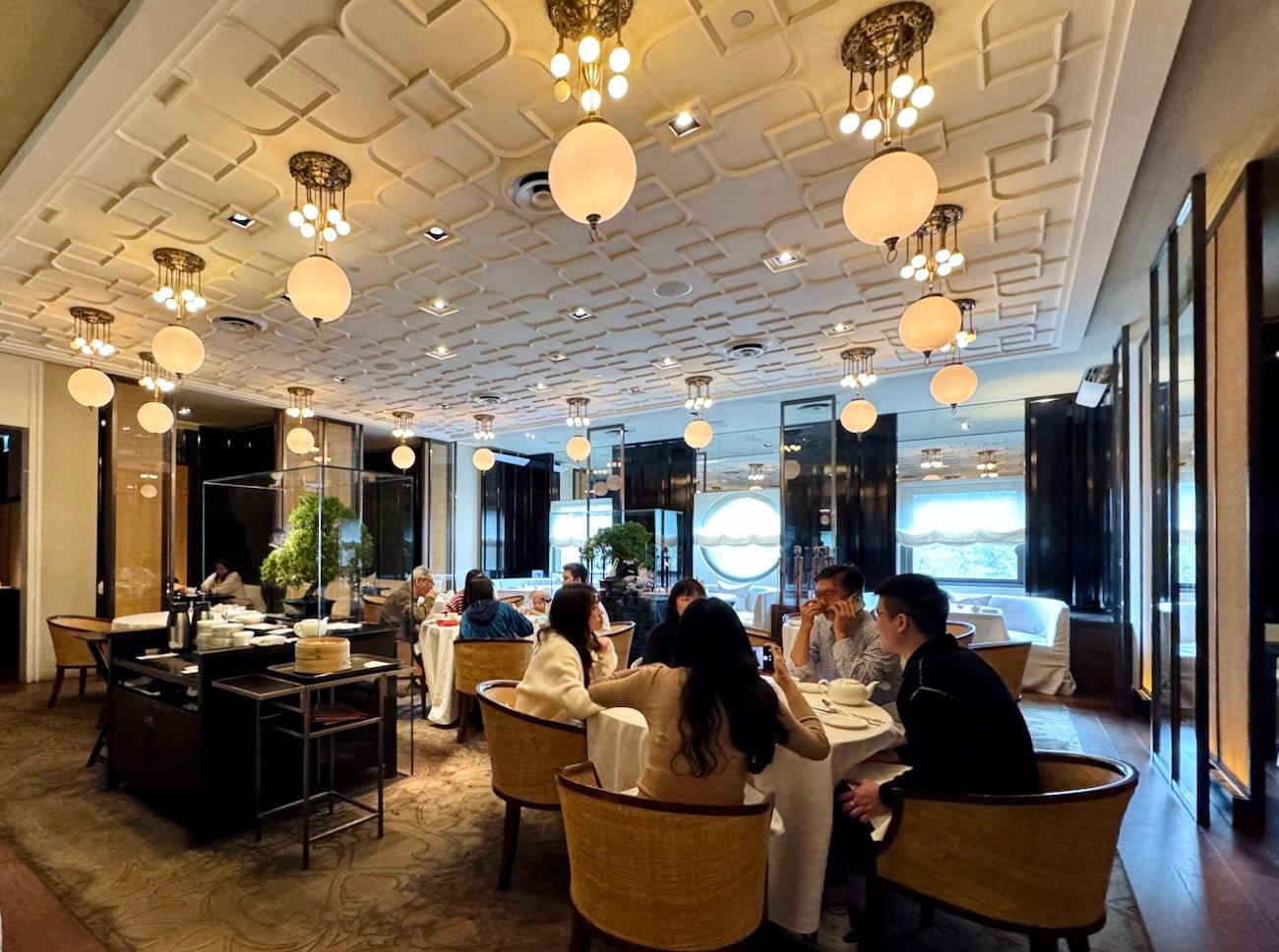
Antiques in the Corridor, Precision on the Plate
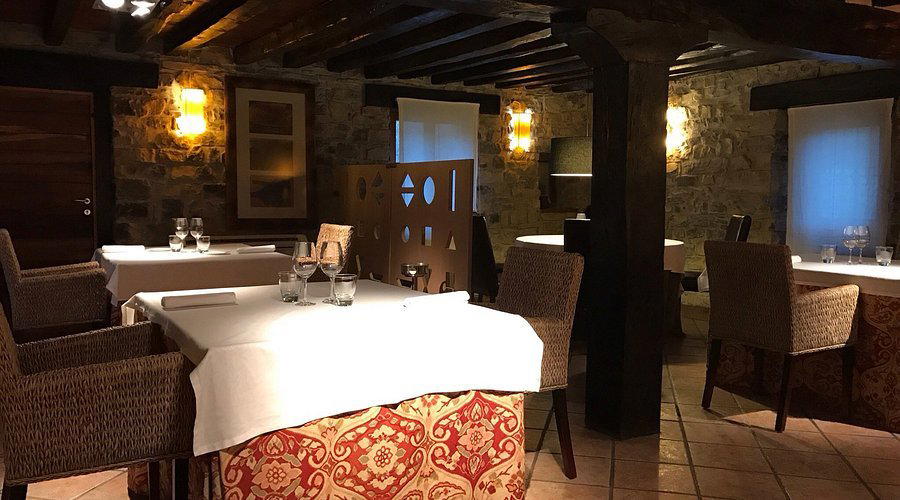
The approach to Ya Ge sets a tone that the dining room then maintains. A corridor lined with Chinese antiques leads into a square room that reads as deliberately formal: the proportions, the appointments, the quiet, all calibrated to signal that this is Cantonese cooking taken seriously inside a luxury hotel setting. In a city where the highest-end Chinese dining has increasingly competed for the same Michelin-chasing clientele as French and modern European rooms, the classical register here is a deliberate editorial choice, not inertia. The room tells you exactly what the kitchen intends before a single dish arrives.
That context matters when positioning Ya Ge within Taipei's $$$$ tier. Le Palais sits at the top of the Cantonese bracket in the city, carrying multiple Michelin stars and a longer local pedigree. Ya Ge, holding one Michelin star since 2024 and appearing on Opinionated About Dining's Leading Restaurants in Asia list at #421 in 2024 and #458 in 2025, occupies a different but credible position: technically accomplished, hotel-rooted, and oriented around a classical Hong Kong-trained approach rather than any attempt at reinterpretation. Where some Cantonese rooms in Taipei have softened their edges for a broader audience, Ya Ge operates closer to the discipline of its source tradition.
Two Services, Two Different Restaurants
The editorial angle that matters most at Ya Ge is the one that most diners overlook: the lunch and dinner services are not simply the same menu at different hours. They represent meaningfully different propositions in terms of mood, format, and what the kitchen chooses to prioritize.
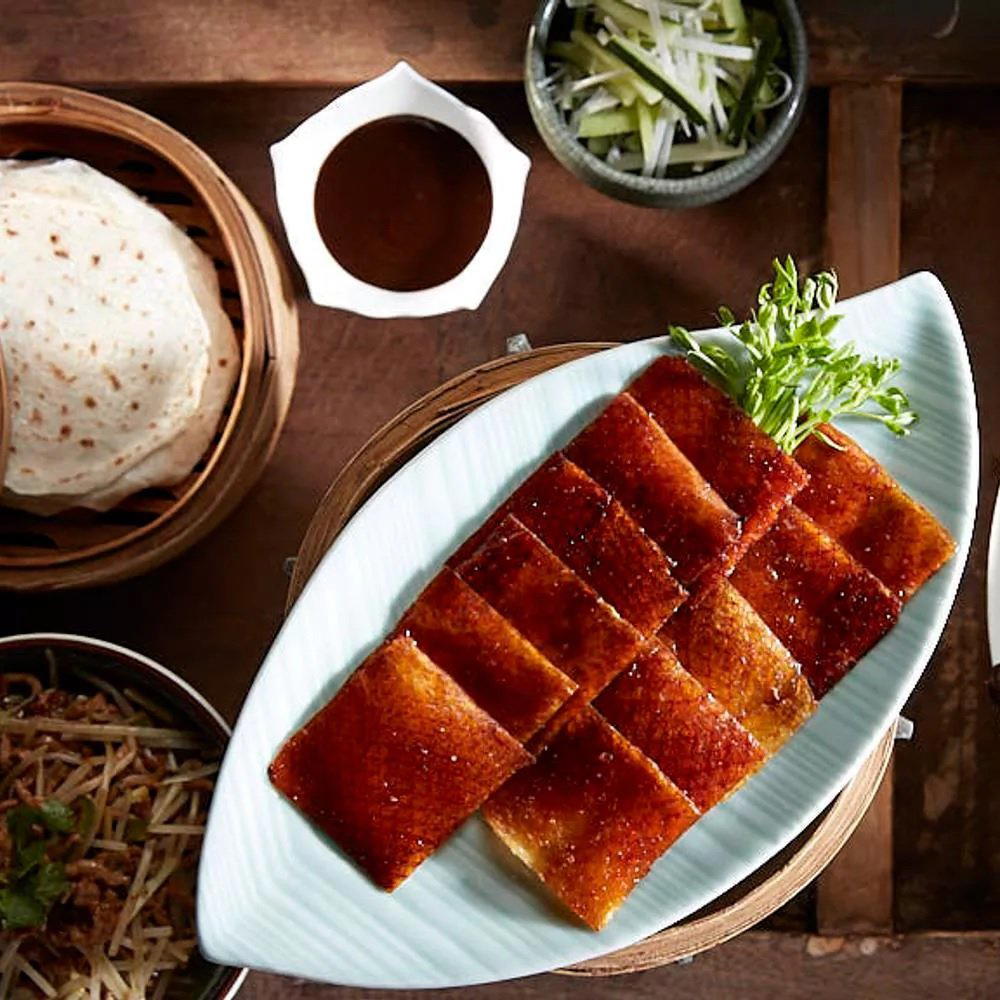
Lunch runs from midday to 2:30 PM on weekdays, with a slightly earlier 11:30 AM start on weekends, a shift that signals the kitchen's awareness of the dim sum crowd, which skews toward longer, more leisurely weekend tables. The dim sum program is, by OAD's published assessment, the reason to make the midday reservation. Cantonese dim sum at this level operates on a logic of accumulated precision: each basket, each fold, each ratio of wrapper to filling tested against a standard that most casual yum cha culture never approaches. A hotel dining room with a Hong Kong-trained team running the kitchen means the reference points are serious ones. The atmosphere at lunch carries the particular energy of a room that has settled into its rhythm, less ceremonial than dinner, more transactional in the leading sense, where the food is the conversation.
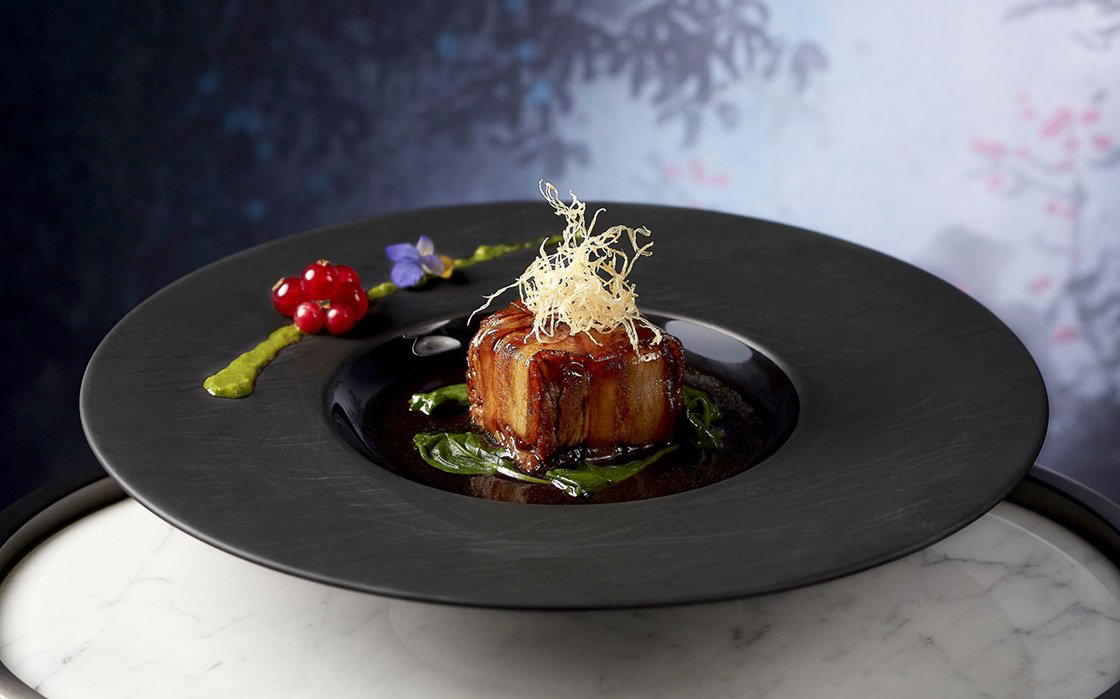
Dinner runs 6 PM to 10 PM across the full week, and the room shifts register. The antique corridor feels more considered at night, the lighting more deliberate, the pacing slower. This is where the kitchen moves into the terrain of braised dishes and longer preparations. OAD's reviewers specifically cite braised Australian abalone with goose web as a reference point for the team's technical range, a dish that requires both sourcing discipline and the kind of controlled, time-intensive cooking that is difficult to shortcut. Abalone at this grade, braised with the gelatinous richness of goose web, belongs to the repertoire of Cantonese banquet cooking at its most committed. It is the sort of dish that separates a kitchen with genuine Cantonese depth from one performing the aesthetics of the tradition without the underlying craft.
For readers deciding between the two services: lunch offers the better value entry point and the dim sum program as primary draw; dinner is the format for those who want the full scope of the kitchen's classical range. Both services operate under the same Michelin-recognized team, but the experience they deliver is distinct enough that treating them as interchangeable would be a planning error.
The Autumn Window
Seasonal Cantonese cooking has a single high-water mark on the calendar: hairy crab season, which runs roughly from October through December, peaking in November when female crabs are at their densest with roe. Ya Ge runs a dedicated hairy crab menu during this period, which positions it in a specific tier of Taipei dining, not every Cantonese room here commits the sourcing and logistics required to offer the dish at a level worth the price. The hairy crab's culinary value lies in the roe and milt, consumed simply, often steamed, the sweetness of the crabmeat acting as a foil to the intensely savoury fat. Preparing the surrounding menu to complement rather than compete with it takes a kitchen that understands the dish's logic rather than simply its prestige. If the autumn timing aligns with a visit to Taipei, the hairy crab menu here represents the most seasonally specific reason to book Ya Ge over its peers at the same price level.
Where Ya Ge Sits in Taipei's Cantonese Scene
In Taipei, the top-tier Cantonese bracket is narrower. Le Palais holds the apex position. Ya Ge, with its OAD ranking trajectory moving from Recommended in 2023 to #421 in 2024, represents a kitchen on an upward credibility arc within that smaller field.
For readers exploring Cantonese dining across the region, Chef Tam's Seasons in Macau and 102 House in Shanghai provide useful comparison points for how the tradition is being interpreted at the high end across different cities. Within Taipei's broader $$$$ dining circuit, the conversation extends beyond Cantonese: JUNTO, Lin Ju, and Longyue represent different vectors of serious cooking in the city, while 85TD occupies a distinct position in the local dining mix. For readers building a full Taipei itinerary, our complete Taipei restaurants guide maps the broader scene, with companion guides covering hotels, bars, wineries, and experiences.
Taiwan's dining geography extends well beyond Taipei: JL Studio in Taichung represents a compelling case for the island's second city, GEN in Kaohsiung anchors the south, and further afield A Cun Beef Soup in Tainan, Volando Urai Spring Spa and Resort in Wulai District, and Akame in Wutai Township illustrate the range of serious food and hospitality across the island.
The Beverage Program
An extensive list spanning wines, teas, and other beverages is available across both services. The tea program at a classical Cantonese room of this standing carries particular relevance: in the dim sum context, tea selection and pacing is as much a part of the service logic as the food itself, and a hotel dining room with the resources to maintain a serious beverage list can meaningfully deepen the lunch experience. Wine pairings are available for dinner service, though the classical Cantonese framework tends to reward considered tea selection at least as much as wine for those unfamiliar with the pairing conventions here.
Know Before You Go
- Address: No. 158, Dunhua North Road, Songshan District, Taipei
- Lunch hours: Mon–Fri 12:00 PM–2:30 PM; Sat–Sun 11:30 AM–2:30 PM
- Dinner hours: Daily 6:00 PM–10:00 PM
- Price range: $$$$ (top-tier; comparable to Le Palais and Taipei's other premium Cantonese rooms)
- Awards: Michelin 1 Star (2024); OAD Leading Restaurants in Asia #421 (2024), #458 (2025)
- Seasonal note: Hairy crab menu available in autumn (approximately October–December); advance booking advisable during this window
- Dim sum: Available at lunch service, the primary draw for midday visits
- Beverages: Extensive wine, tea, and drinks list across both services
Frequently asked questions
What is the signature dish at Ya Ge?
Cantonese kitchens at this level tend to anchor their reputation in a small number of technically demanding preparations rather than a single signature. At Ya Ge, the braised Australian abalone with goose web is the dish most consistently cited by serious reviewers, including OAD's published assessment of the restaurant, as evidence of the Hong Kong-trained team's precision. Abalone braised at this grade requires long preparation and sourcing discipline; goose web contributes a gelatinous richness that reflects classical Cantonese banquet technique. For the autumn visit specifically, the hairy crab menu displaces that calculus: during October through December, the seasonal crab preparations become the primary culinary argument for a booking. The dim sum program at lunch is a separate and equally compelling draw, operating under the same Michelin-recognised kitchen across a different format entirely.
At a Glance
A quick snapshot of similar venues for side-by-side context.
| Venue | Cuisine | Price | Awards | Notes |
|---|---|---|---|---|
| Ya GeThis venue (the venue you are viewing) | Michelin-starred Cantonese | $50–100 | 1 Michelin Star | Not listed |
| logy | Modern Japanese-Taiwanese Fusion Omakase | $100–150 | 2 Michelin Stars · World's 50 Best #22 | Modern European, Asian Contemporary |
| Le Palais | Fine Dining Cantonese | $150–200 | 3 Michelin Stars · La Liste Top Restaurants | Cantonese |
| Taïrroir | Taiwanese-French Fusion Fine Dining | $150–200 | 3 Michelin Stars · La Liste Top Restaurants | Taiwanese/French, Taiwanese contemporary |
| Mudan Tempura | Michelin-Starred Tempura | Not listed | 2 Michelin Stars · La Liste Top Restaurants | Tempura |
| de nuit | Contemporary French | $150–200 | 1 Michelin Star · Star Wine List | French Contemporary |
Recognition history
Dated appearances from independent guides and award organizations, with the underlying list record or original source where available.
Michelin 1 Star
Michelin
Opinionated About Dining Top Restaurants in Asia Recommended
Opinionated About Dining
Full recognition history (7 entries)
Michelin 1 Star
Michelin
Opinionated About Dining Top Restaurants in Asia Ranked #458
Opinionated About Dining
Michelin 1 Star
Michelin
Opinionated About Dining Top Restaurants in Asia Ranked #421
Opinionated About Dining
Opinionated About Dining Top Restaurants in Asia Recommended
Opinionated About Dining
Continue exploring
More in Taipei
More from Chef Various
Browse all →
Restaurants in Taipei
All restaurants in Taipei →
Bars in Taipei
All bars in Taipei →
Hotels in Taipei
All hotels in Taipei →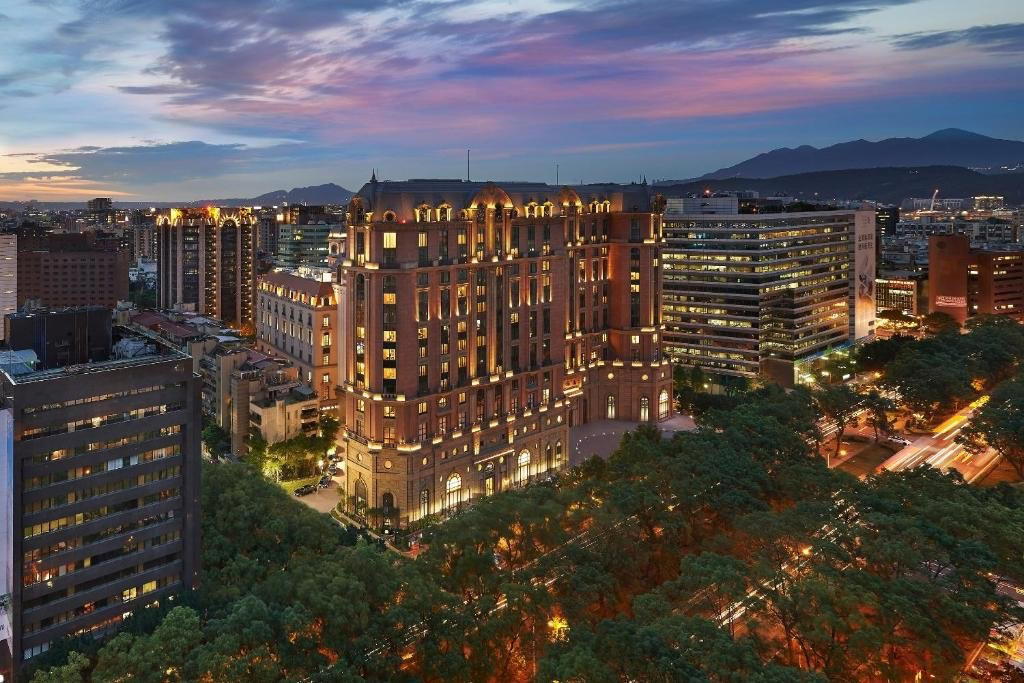
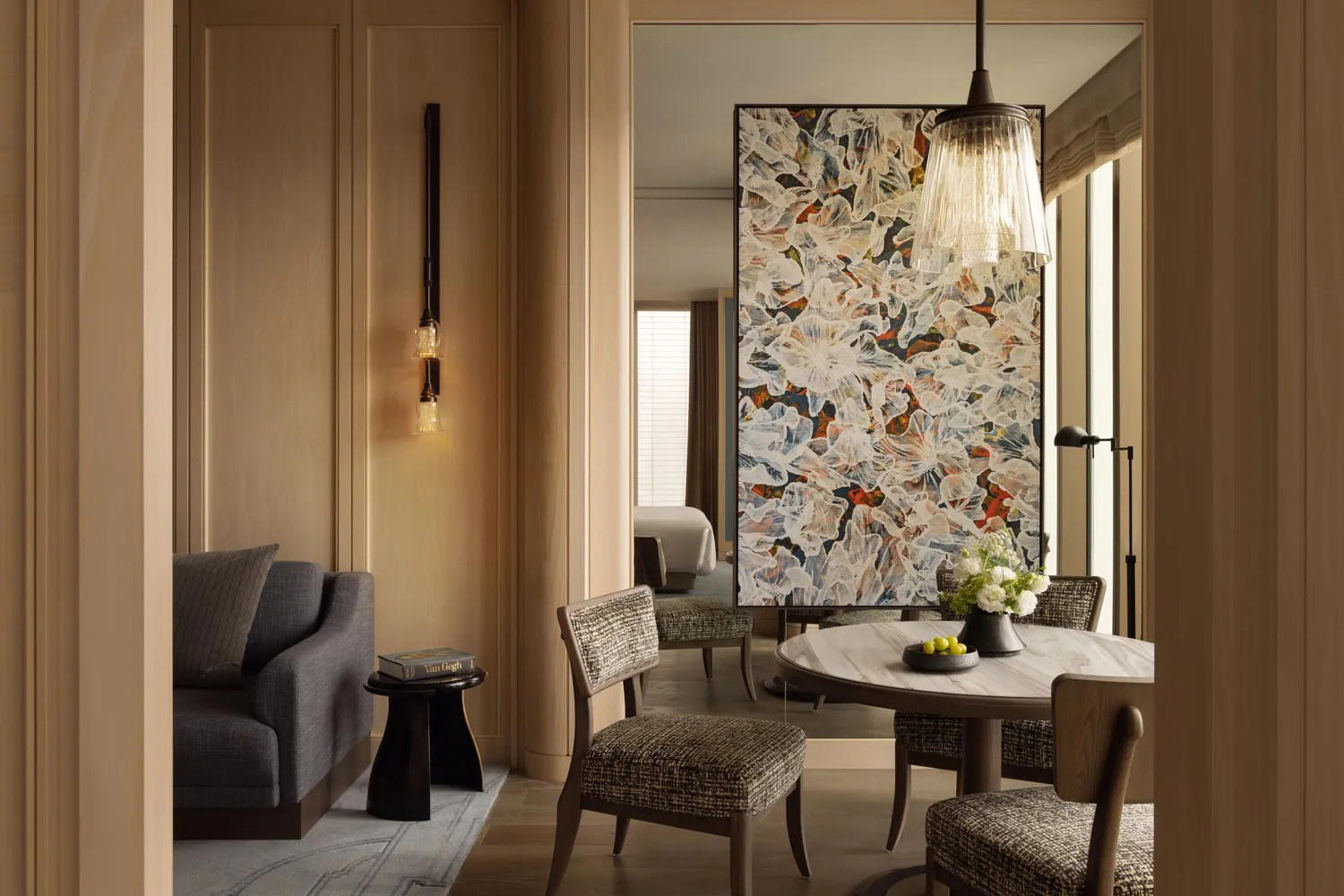
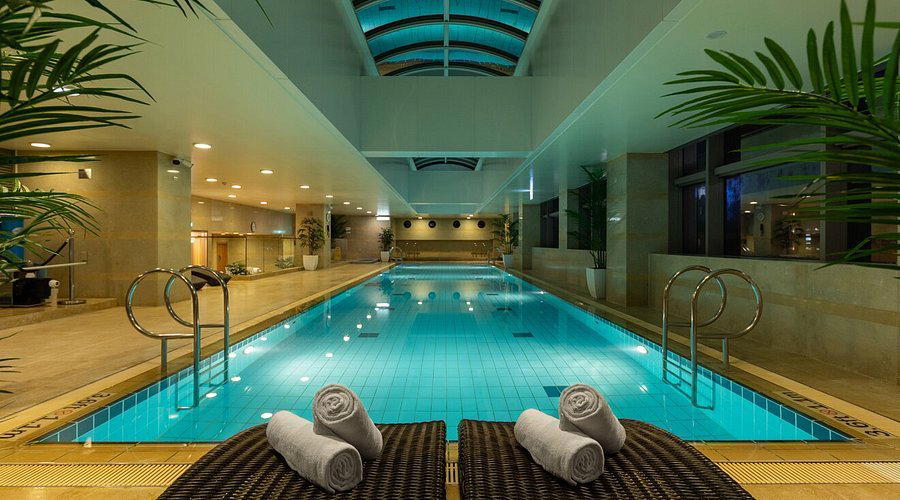
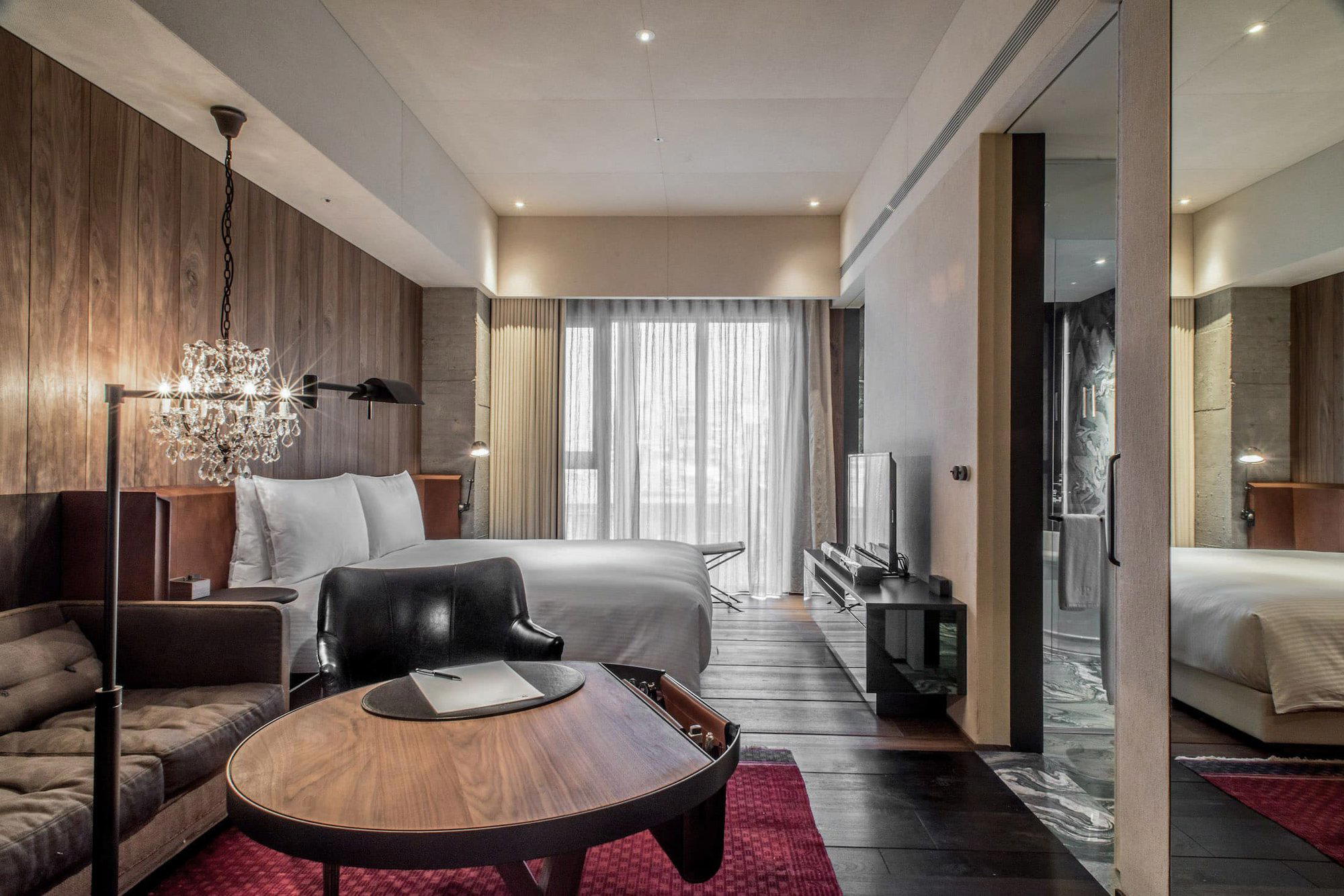
Wineries in Taipei
Browse all →
Details
- Elegant
- Sophisticated
- Classic
- Business Dinner
- Celebration
- Special Occasion
- Group Dining
- Hotel Restaurant
- A La Carte
- Tasting Menu
Current opening hours
- Monday
- 12–2:30 PM, 6–10 PM
- Tuesday
- 12–2:30 PM, 6–10 PM
- Wednesday
- 12–2:30 PM, 6–10 PM
- Thursday
- 12–2:30 PM, 6–10 PM
- Friday
- 12–2:30 PM, 6–10 PM
- Saturday
- 11:30 AM–2:30 PM, 6–10 PM
- Sunday
- 11:30 AM–2:30 PM, 6–10 PM
Hours can change for holidays and private events. Hours as of .
Classically styled and refined, with an elegant hotel-restaurant atmosphere and Asian-antiques decor.