
Michelin Bib Gourmand
Our verdict
Yu Cheng holds a Michelin Bib Gourmand (2025) for its Huaiyang cooking in Yangzhou, the cuisine's historic heartland. Priced at the accessible mid-range (¥¥), it represents the kind of technically grounded, ingredient-led cooking that has defined this region's culinary identity for centuries. For anyone in Yangzhou to understand what Huaiyang cuisine actually means at table level, this is a reference point.

Pearl is the En Primeur Club membership app, where members save venues, book tables and use the concierge.
The menu
What to order
- Air-dried goose
- Salted duck
- House-cured sausages
- Cured pork face
- Braised pork with salted fish
- Salted pork ribs with winter melon in claypot
Huaiyang at the Source: What Cooking in Yangzhou Actually Means
There is a particular weight to eating Huaiyang food in Yangzhou itself. This is the city where the cuisine consolidated its identity during the Qing dynasty, when imperial canal trade made it one of the wealthiest and most culturally active cities in China. The cooking that developed here, precise in its knife work, restrained in its seasoning, and deeply reliant on the freshwater produce of the Huai River delta, became one of the four canonical schools of Chinese cuisine. Eating it anywhere else, however well executed, involves a degree of translation. In Yangzhou, the context is load-bearing.
Yu Cheng sits on Baocheng Road in the Weiyang district, and its 2025 Michelin Bib Gourmand recognition places it in a specific bracket within the city's Huaiyang offer: technically serious, ingredient-focused, and priced at the mid-range (¥¥) rather than the banquet-hall tier. The Bib Gourmand designation, which Michelin awards for quality cooking at moderate price, is a meaningful signal here. It suggests a kitchen where craft is not being subsidised by ceremony.
The Ingredients-First Logic of Huaiyang Cooking
Huaiyang cuisine's reputation rests on a deceptively simple proposition: the quality of the ingredient determines the quality of the dish. Technique exists to clarify and enhance, not to disguise or transform. That philosophy makes it demanding in a way that richly spiced regional traditions are not, because there is nowhere to hide. The braised tofu has to taste of tofu. The river fish has to be fresh enough that cooking it plainly is an argument, not a compromise.
This ingredient-led logic connects to a broader tension visible across Chinese fine dining in the 2020s. Chefs trained in French kitchens or exposed to Japanese product obsession have returned to classical Chinese frameworks and applied different vocabularies of sourcing and execution. The result, in cities like Shanghai, Beijing, and Hangzhou, is a generation of restaurants that treat Chinese culinary tradition as a living methodology rather than a heritage display. Places like 102 House in Shanghai and Ru Yuan in Hangzhou operate in this space, as do Xin Rong Ji (Xinyuan South Road) in Beijing and Xin Rong Ji in Chengdu, all working within Chinese culinary lineages but with an approach to sourcing and precision that reflects exposure to global technique.
Yu Cheng operates within Huaiyang's own discipline rather than that imported framework, but the underlying argument is comparable: the cuisine's highest expression depends on what arrives at the kitchen door. In Yangzhou, that means proximity to the lakes and rivers that supply the region's signature ingredients, the seasonal tofu skin, the hairy crab in autumn, the spring bamboo shoots, and the soft-water fish that Huaiyang knife technique was partially developed to serve.
Where Yu Cheng Sits in Yangzhou's Huaiyang Scene
Yangzhou's restaurant scene has a clear stratification. At the leading sits the formal banquet tier, represented by places like Shang Palace, which operates in the ¥¥ bracket with a more ceremonial orientation. Below that, accessible neighbourhood dining at the ¥ level includes Cai Gen Xiang Xiao Guan, which represents Huaiyang cooking in a casual, everyday register. Hu Yuan Mei Shi and Mountain Restaurant extend that local dining map further, while Quyuan Plus offers a different angle on the city's culinary offer. Yu Cheng's Bib Gourmand positions it as the credentialed mid-range option, a kitchen that has attracted Michelin scrutiny without moving into high-ticket territory.
For comparison, Huaiyang cooking in other cities tends to come with higher price points and more elaborate formats. The Huaiyang Garden in Macau and Huaiyang Fu (Dongcheng) in Beijing both serve the cuisine in settings aimed at a different spending tier. In Yangzhou itself, the cuisine's presence in the mid-range is a function of local demand: this is the food the city eats, not a heritage offering packaged for visitors.
The Michelin Bib Gourmand Signal
Michelin's China guide has expanded steadily since its Shanghai launch, and its recognition of restaurants outside the major commercial centres carries a specific editorial implication. When Michelin awards a Bib Gourmand in Yangzhou, it is doing so against a standard applied across the guide's full geographic range. The 2025 designation for Yu Cheng means inspectors found cooking here that meets that threshold: good ingredients, capable technique, fair pricing. It does not imply the formality or the price level of a starred kitchen, but it does signal a floor of quality that distinguishes this address from the broader market.
The broader context for Huaiyang's Michelin footprint is instructive. At the more elaborate end, restaurants like Chef Tam's Seasons in Macau and Imperial Treasure Fine Chinese Cuisine in Guangzhou operate in the starred tier, showing where Michelin places the ceiling of Chinese classical cooking in the region. Yu Cheng occupies a different position in that hierarchy, one defined by accessibility rather than ambition, but within a cuisine where the accessible tier can be as technically demanding as the expensive one.
Planning a Visit
Yu Cheng is located on Baocheng Road in the Weiyang district of Yangzhou, a city reachable by high-speed rail from both Nanjing and Shanghai. The mid-range price point (¥¥) makes it accessible for most travel budgets, and the Bib Gourmand recognition means it attracts attention beyond purely local diners, so booking ahead is advisable, particularly at weekends or during peak travel seasons in autumn, when the regional ingredient calendar is at its most interesting. For broader orientation, our full Yangzhou restaurants guide covers the city's dining map in detail. Those staying in the city can also consult our full Yangzhou hotels guide, and for other dimensions of the city, our bars guide, wineries guide, and experiences guide are available.
Frequently asked questions
Is Yu Cheng suitable for children?
Yes. At the ¥¥ price point, Yu Cheng sits in Yangzhou's accessible mid-range tier, and Huaiyang cuisine's mild, technique-focused flavour profile, built around gentle braising and freshwater ingredients rather than heat or bold spicing, tends to suit younger diners well. The neighbourhood-oriented dining culture in Yangzhou makes family visits the norm rather than the exception at this level.
What's the vibe at Yu Cheng?
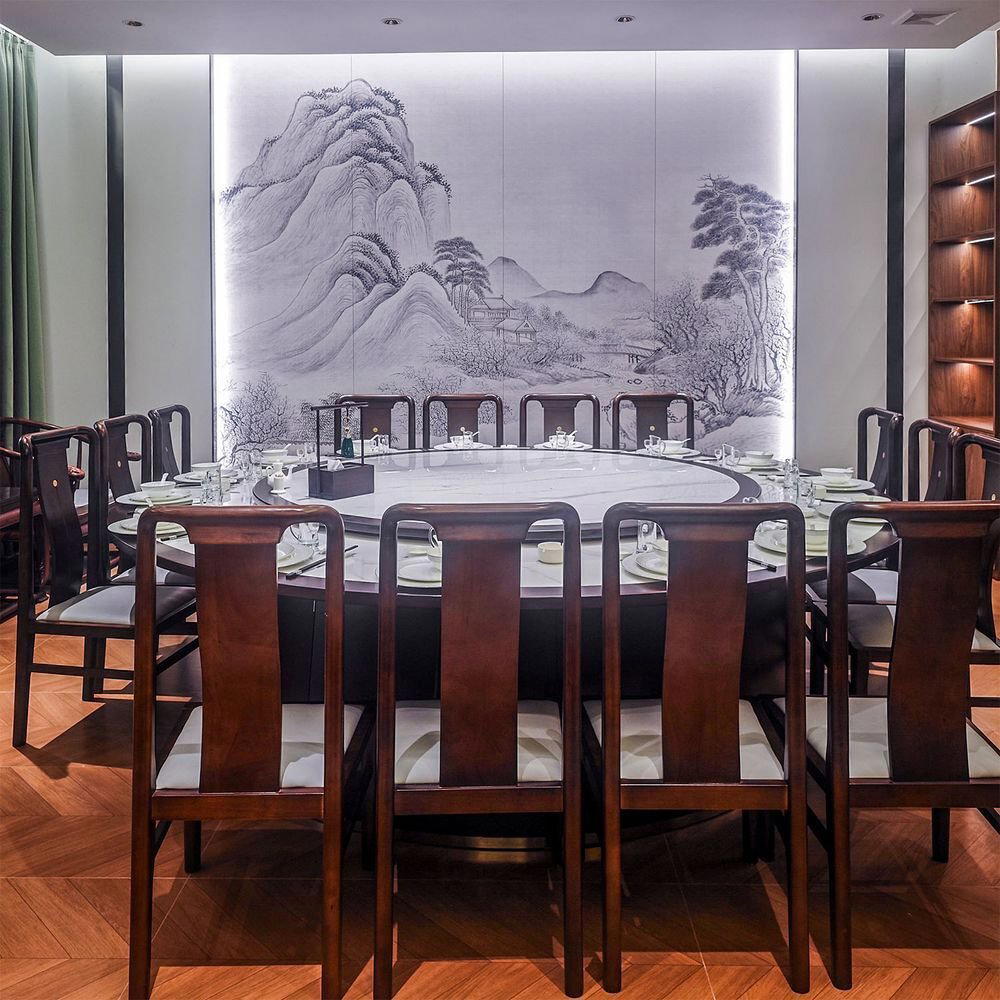
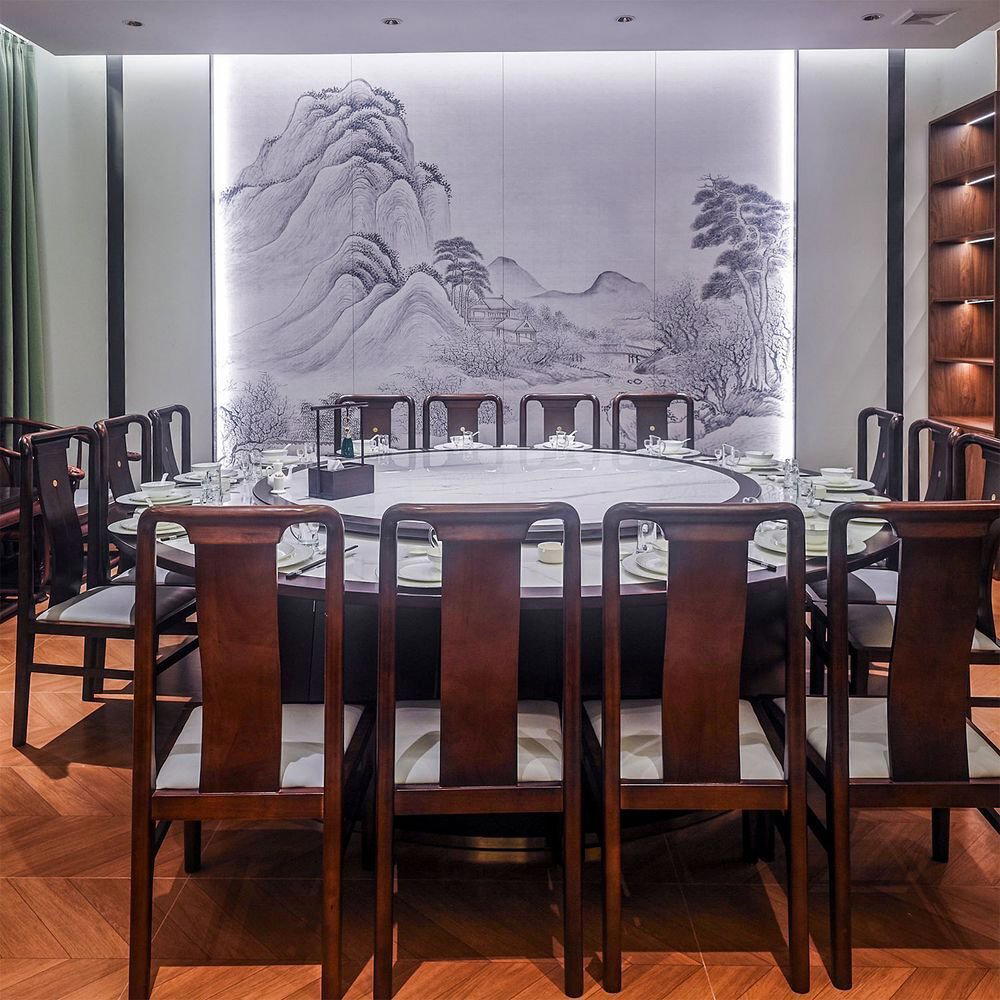
Unfussy and neighbourhood-oriented: the ¥¥ pricing and Weiyang district address put Yu Cheng squarely in Yangzhou's everyday dining tier rather than the formal banquet category. The 2025 Michelin Bib Gourmand recognises good cooking at accessible prices, which typically correlates with a relaxed, no-ceremony atmosphere rather than a performance-dining setting.
What awards or recognition does Yu Cheng have?
Yu Cheng has received recognition including: Michelin Bib Gourmand (2025).
What do people recommend at Yu Cheng?
Huaiyang cuisine's canonical repertoire centres on braised preparations, freshwater fish and crab, and knife-work-intensive dishes such as Yangzhou fried rice and lion's head meatballs, these are the reference points against which any serious Yangzhou kitchen is measured. The Michelin Bib Gourmand (2025) indicates the kitchen is delivering on at least some of that tradition at the ¥¥ price point.
Price and Positioning
Comparable venues nearby, for context on price, style, and recognition.
| Venue | Cuisine | Price | Awards | Notes |
|---|---|---|---|---|
| Yu ChengThis venue (the venue you are viewing) | Rustic Huaiyang Farm-Style Cuisine | $20–30 | Michelin Bib Gourmand | Not listed |
| Cai Gen Xiang Xiao Guan | Huaiyang | Not listed | Michelin Bib Gourmand | Guangling, Huaiyang |
| Liu She Ji | Handmade Noodles (Huaiyang Style) | $1–10 | Michelin Bib Gourmand | Guangling, Handmade Noodles (Huaiyang Style) |
| Hu Yuan Mei Shi | Huaiyang | Not listed | Michelin Bib Gourmand | Guangling, Huaiyang |
| 扬州狮子楼大酒店(邗江店) - Yangzhou Lion Pavilion Hotel | Traditional Huaiyang Cuisine | $20–30 | La Liste Top Restaurants | 邗江区, Traditional Huaiyang Cuisine |
| Yi Yuan (Siwangting Road) | Huaiyang Cuisine | Not listed | Michelin Plate | Huaiyang |
Recognition history
Dated appearances from independent guides and award organizations, with the underlying list record or original source where available.
Michelin Bib Gourmand
Michelin
Full recognition history (2 entries)
Michelin Bib Gourmand
Michelin
Continue exploring
More in Yangzhou
Details
- Rustic
- Elegant
- Sophisticated
- Cozy
- Group Dining
- Special Occasion
- Casual Hangout
- Standalone
- Local Sourcing
- Farm To Table
- Family Style
- A La Carte
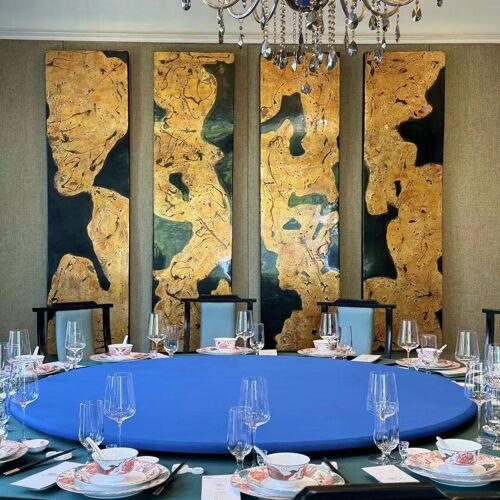
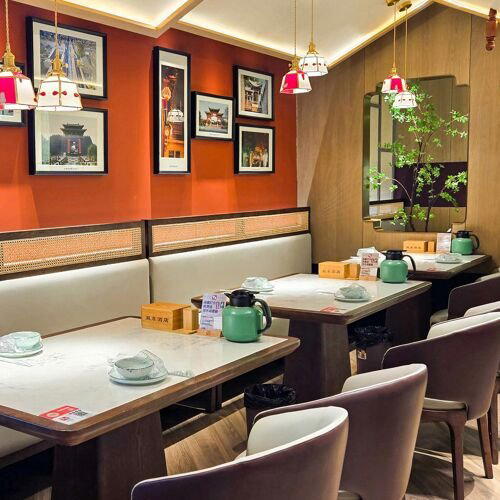
Understated textures, warm hues, and soft lighting that creates a quiet, confident atmosphere focused on the food.