
Michelin Bib Gourmand
Our verdict
Cai Gen Xiang Xiao Guan on Guoqing Road is one of Yangzhou's most accessible entries into serious Huaiyang cooking, earning a Michelin Bib Gourmand in 2025 at prices that sit firmly in the budget tier. The kitchen draws on the Huai-Yang tradition of seasonal, river-sourced ingredients prepared with technical precision, without the ceremony or cost of the city's formal dining rooms.

Pearl is the En Primeur Club membership app, where members save venues, book tables and use the concierge.
The menu
What to order
- Blanched shredded dried tofu
- Sautéed pork intestine
Huaiyang Cooking at Street Level
Yangzhou has a longer claim to culinary identity than almost any city in China. As one of the two regions whose cooking defines the Huaiyang canon, the other being Huaian, to the north, the city has spent centuries refining a style built on freshwater produce, knife discipline, and restraint in seasoning. The tradition sits at the heart of what became Jiangsu cuisine, one of the Eight Great Traditions of Chinese cooking, and it produced dishes now reproduced across Chinese banquet tables worldwide: lion's head meatballs, the paper-thin cuts of wen si tofu soup, beggar's chicken from the broader Jiangnan region. Yangzhou fried rice, whatever its street-food ubiquity elsewhere, traces its logic to the same principle: quality base ingredients handled without excess.
Cai Gen Xiang Xiao Guan, at 119 Guoqing Road in the Guangling District, occupies the neighbourhood-restaurant tier of this tradition rather than the formal one. Its 2025 Michelin Bib Gourmand recognition places it in the category the guide reserves for kitchens delivering high-quality cooking at moderate prices, a designation that carries more editorial weight in a city with serious culinary history than in a market where the Bib merely reflects novelty. At ¥ pricing, it sits well below the ¥¥ bracket occupied by Shang Palace, Yangzhou's Michelin-starred Huaiyang table, and the ¥¥¥ tier represented by Quyuan Plus. The Bib here is an argument that serious technique does not require a formal dining room.
Where Huaiyang Ingredients Begin
The sourcing logic behind Huaiyang cooking is geographic before it is philosophical. The cuisine developed along the Grand Canal and the lakes and waterways of the Jianghuai plain, and its identity is inseparable from that hydrology. Freshwater fish from the Yangtze and its tributaries, mandarin fish, silver carp, whitebait, are the protein backbone. Seasonal vegetables, particularly bamboo shoots in spring and water chestnuts through autumn, define the calendar more than any tasting-menu format could. The Yangcheng Lake hairy crab, while associated more closely with Suzhou to the south, exerts influence across the broader Jiangnan eating year; in Yangzhou kitchens, crab roe appears as a sauce base and flavour accent well into winter.
In neighbourhood restaurants at this price point, that sourcing logic is less about premium provenance marketing and more about practical proximity. Yangzhou's wet markets and canal-adjacent supply networks still function as they have for generations. The discipline in a kitchen like this is not in sourcing from named suppliers but in knowing the seasonal window, when the river fish run lean or fat, when the bamboo shoots are young enough to need minimal cooking, when the tofu produced locally has the silken consistency that makes wen si preparation viable. These are judgements that come from decades of operating inside a specific food geography, not from a sourcing manifesto.
For visitors comparing this kitchen to Huaiyang presentations elsewhere in China, the contrast with major-city transplants is instructive. The Huaiyang Garden in Macau and Huaiyang Fu in Beijing's Dongcheng district operate in markets where the cuisine is positioned as regional and slightly refined, the distance from the source is part of the presentation. In Yangzhou itself, Huaiyang cooking is simply local cooking, and the neighbourhood register at a place like Cai Gen Xiang Xiao Guan reflects that without apology.
The Guangling District Context
Guangling District sits within the older residential and commercial fabric of Yangzhou, east of the canal-lined historic core. The dining character here is less tourist-facing than the areas immediately around Slender West Lake or the restored lanes near the He Garden. Guoqing Road functions as a working neighbourhood street, which shapes the restaurant's atmosphere: expect a dining room calibrated for local regulars rather than out-of-town visitors seeking atmosphere curation. The cooking is the point.
The Michelin recognition provides the more reliable external benchmark.
Placing It in the Yangzhou Dining Picture
Yangzhou's restaurant options span from street-level noodle counters to full banquet-format hotel dining. For Huaiyang specifically, the formal tier includes Shang Palace and the broader classical operators in the city. The neighbourhood tier, where Cai Gen Xiang Xiao Guan operates, provides a different kind of access to the same tradition, less ceremony, lower cost, and an audience that treats this cooking as everyday rather than occasional. For visitors building a complete picture of what Yangzhou eats, moving between these tiers is more instructive than staying within one. Hu Yuan Mei Shi and Mountain Restaurant offer further reference points across the city's mid-range, and Quyuan Teahouse on Changchun Road extends the picture into the tea-house dining format that runs parallel to Yangzhou's restaurant culture.
For readers tracking Huaiyang across the wider region, Xin Rong Ji on Xinyuan South Road in Beijing, 102 House in Shanghai, and Xin Rong Ji in Chengdu represent how the cuisine performs in higher-budget, transplanted contexts. Chef Tam's Seasons in Macau and Imperial Treasure Fine Chinese Cuisine in Guangzhou show how classic Chinese regional cooking operates at the formal end of the southern China market. The neighbourhood Yangzhou original, priced at ¥ and Bib-recognised, sits at the opposite end of that spectrum, closer to the source in every sense.
Planning Your Visit
Cai Gen Xiang Xiao Guan is at 119 Guoqing Road, Guangling District, Yangzhou. The ¥ price point means a full meal is accessible without pre-planning a budget, though as with most neighbourhood kitchens in this tier, arriving early or at off-peak hours reduces wait times during popular service windows. Yangzhou is most rewarding to visit during spring, when bamboo shoots are at their seasonal peak and the city's gardens are in full form, the timing aligns well with what a kitchen rooted in seasonal Huaiyang produce would be doing at its finest. See our full Yangzhou restaurants guide for a broader map of the city's dining, and our full Yangzhou hotels guide, bars guide, wineries guide, and experiences guide for planning the rest of your stay.
Frequently asked questions
Is Cai Gen Xiang Xiao Guan suitable for children?
The ¥ price point and casual format at this Guangling District restaurant make it a practical choice for families. Huaiyang cooking at this register, braises, rice dishes, and mild-seasoned preparations, tends to be accessible across age groups rather than challenging in heat or technique.
What should I expect atmosphere-wise at Cai Gen Xiang Xiao Guan?
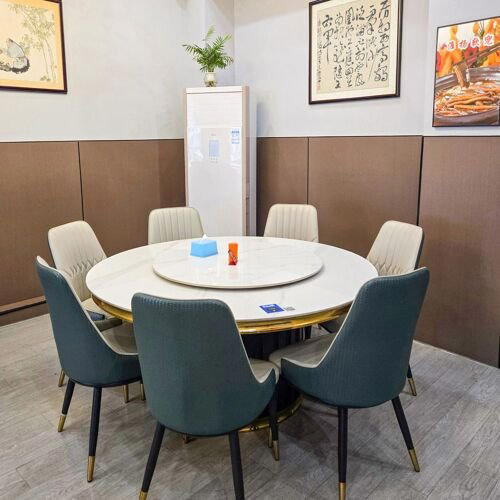
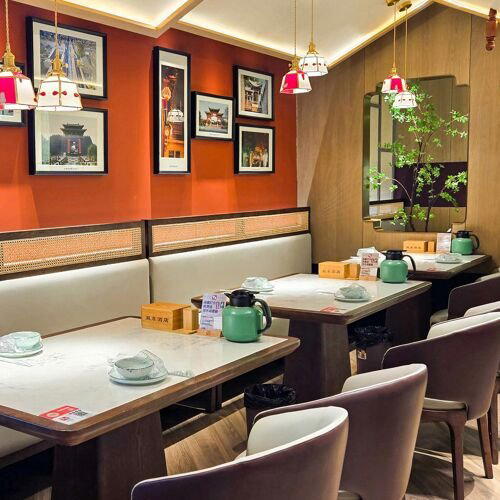
The xiao guan designation signals a small, informal restaurant rather than a banquet hall. Expect close seating, a local clientele, and the kind of no-ceremony service common to Yangzhou's neighbourhood dining fabric, the Michelin Bib Gourmand recognition in 2025 is for cooking quality, not room ambience.
What's Cai Gen Xiang Xiao Guan known for in terms of accolades?
Cai Gen Xiang Xiao Guan has received recognition including: Michelin Bib Gourmand (2025).
What do people recommend at Cai Gen Xiang Xiao Guan?
Ordering along those lines is the logical approach.
What should I budget for a meal at Cai Gen Xiang Xiao Guan?
Pricing at Cai Gen Xiang Xiao Guan is listed as ¥.
Where exactly is Cai Gen Xiang Xiao Guan?
Cai Gen Xiang Xiao Guan is located at 119 Guoqing Rd, Guangling District, Yangzhou, Jiangsu, China, 225002, Yangzhou.
Quick Comparison
Comparable venues nearby, for context on price, style, and recognition.
| Venue | Cuisine | Price | Awards | Notes |
|---|---|---|---|---|
| Cai Gen Xiang Xiao GuanThis venue (the venue you are viewing) | Huaiyang | Not listed | Michelin Bib Gourmand | Not listed |
| Liu She Ji | Handmade Noodles (Huaiyang Style) | $1–10 | Michelin Bib Gourmand | Guangling |
| Fan Shui Chang Yu Mian (North Jiefang Road) | Yangzhou Noodles | Not listed | Michelin Bib Gourmand | North Jiefang Road |
| Yu Cheng | Rustic Huaiyang Farm-Style Cuisine | $20–30 | Michelin Bib Gourmand | Hanjiang |
| shan restaurant | Huaiyang Cuisine | Not listed | Black Pearl 1 Diamond | Slender West Lake Tourist District |
| Yangzhou Yan (38 Changchun Road) | Huaiyang Cuisine | Not listed | Michelin Bib Gourmand | Yangzhou |
Recognition history
Dated appearances from independent guides and award organizations, with the underlying list record or original source where available.
Michelin Bib Gourmand
Michelin
Continue exploring
More in Yangzhou
Details
- Quiet
- Elegant
- Cozy
- Intimate
- Classic
- Family
- Special Occasion
- A La Carte
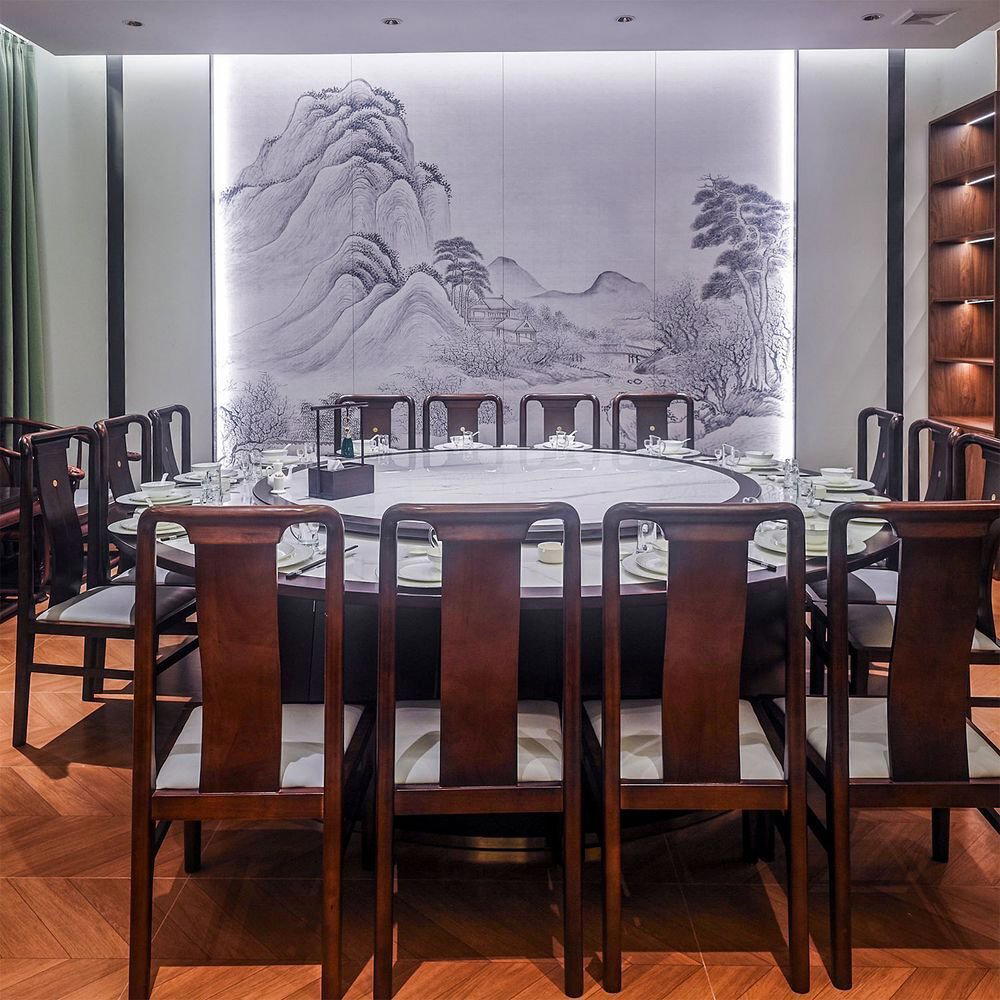
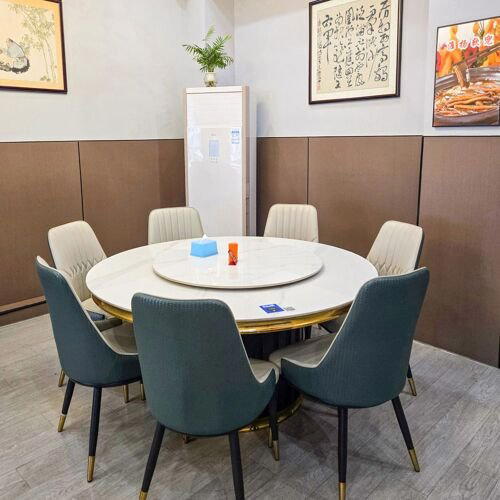
Understated warmth with muted tones, clean lines, and gentle wood glow, offering serene and discreet elegance.