
Michelin Selected
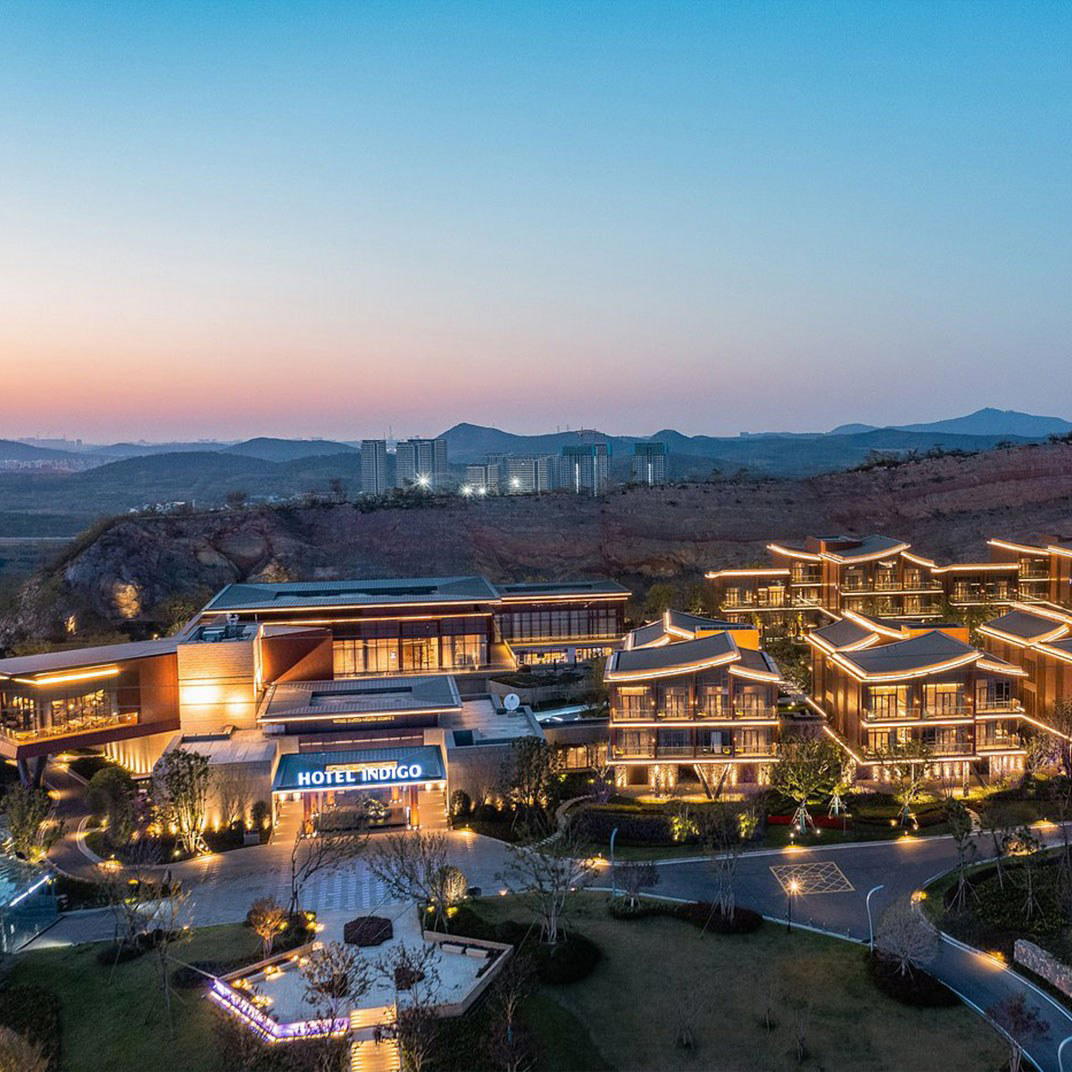
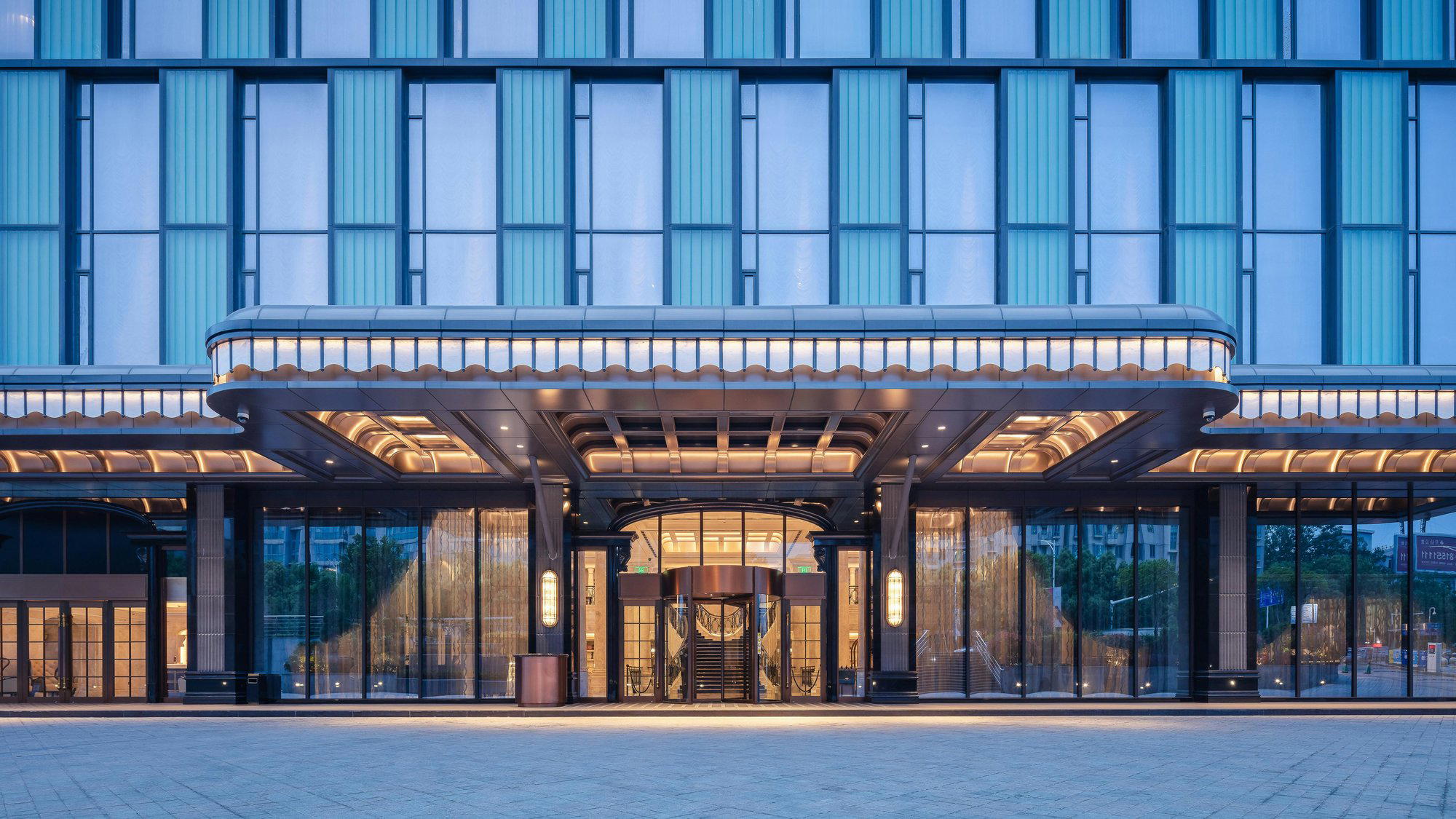
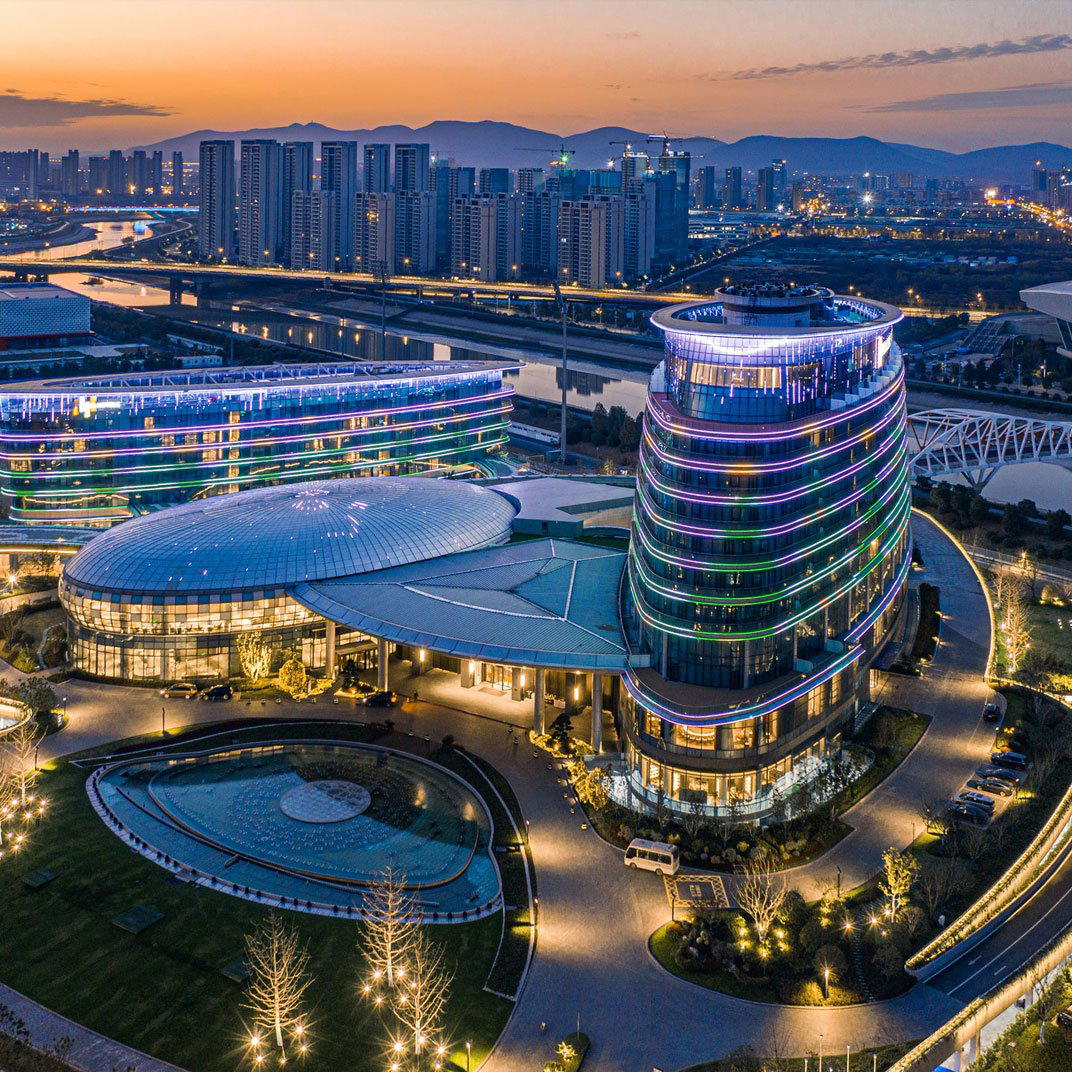
A Michelin Selected hotel positioned within Nanjing's Garden Expo landscape, Hotel Indigo Nanjing Garden Expo translates the IHG brand's neighbourhood-storytelling design language into a setting shaped by parkland, water, and the thermal heritage of Tangshan. For travellers seeking design-conscious accommodation outside the city's central hotel corridor, it occupies a distinct position in Nanjing's accommodation tier.

Pearl is the En Primeur Club membership app — saves, bookings, and concierge access live there. Same editors, same standards.
- Address
- Linxiu Road, No. 8, 汤山街 Nanjing, Jiangsu, China, 211131
- Phone
- +86 25 8713 0000
- Directions
- Get directions
Where Nanjing's Hotel Scene Steps Outside the City Centre
Nanjing's premium hotel market has long concentrated around Xinjiekou and the Hexi CBD, where properties like Andaz Nanjing Hexi and HUALUXE Nanjing Yangtze River compete for business and leisure travellers on familiar urban terms. The city's eastern fringe, anchored by the Tangshan hot spring district and the Garden Expo Park, operates on a different logic: lower density, visible greenery, and a guest profile drawn less by proximity to commerce than by the draw of the landscape itself. Hotel Indigo Nanjing Garden Expo sits within that eastern corridor, at No. 8 Linxiu Road in Tangshan Street, and its address is itself an editorial statement about what kind of stay it offers.
The Hotel Indigo brand, within the IHG portfolio, is built around a specific design premise: each property is meant to reflect the stories of its immediate neighbourhood rather than project a uniform international aesthetic. In Nanjing, that means engaging with a site defined by two overlapping identities — the curated horticultural scale of the Garden Expo Park, and Tangshan's longer history as a thermal bathing destination. Where a generic upper-midscale property might treat its surroundings as backdrop, the Indigo formula requires the architecture and interiors to metabolise them as content.
Design Language and Physical Context
The relationship between Chinese mid-range and upper-midscale hotels and their natural settings has shifted considerably over the past decade. Earlier waves of resort development tended toward the monumental — lobbies scaled to impress on arrival, with the landscape visible but kept at a certain remove. More recent properties in scenic zones, including those in the Yangtze Delta and around Nanjing's outer districts, have moved toward spatial integration: buildings that step down toward water, corridors that open onto gardens, materials drawn from the surrounding geology. Hotel Indigo's brand design guidelines push in this direction, and the Garden Expo site gives the Nanjing property the raw material to work with.
Garden Expo Park itself is a significant civic project, one of China's National Garden Expo sites, which means the scale of the surrounding landscape is not incidental. Hotels positioned within or adjacent to these expo grounds occupy a different spatial register than urban properties, the sense of arrival is determined by parkland rather than streetscape, and the typical urban hotel legibility cues (density, signage, adjacent commercial activity) are replaced by something quieter. For guests used to reading The Ritz-Carlton, Nanjing or Nanjing, Jiangning, Autograph Collection against an urban backdrop, the Garden Expo address recalibrates expectations immediately.
Michelin Selected designation for 2025 places Hotel Indigo Nanjing Garden Expo within a recognised tier of accommodation quality across the Michelin Hotels guide. Michelin's hotel selection process assesses comfort, service, and setting coherence rather than awarding stars as in its restaurant guide, and the Selected designation functions as a quality floor rather than a ceiling distinction, it confirms the property meets the standard for inclusion alongside other curated Nanjing properties, including peers like Yihe Mansions and New Jingli Hotel.
Nanjing's Eastern Districts as a Hotel Market
Tangshan Street and the wider Jiangning District have attracted hotel investment precisely because they offer what central Nanjing cannot easily replicate: land at a scale that permits resort-format layouts, proximity to thermal spring infrastructure, and adjacency to the Garden Expo Park's green space. The thermal bathing tradition in Tangshan predates the hotel development by centuries, lending the district an identity that isn't manufactured for tourism but is simply being addressed by contemporary hospitality. For a brand like Indigo, which is required to find genuine neighbourhood stories rather than invent them, this is productive ground.
Within Nanjing's broader accommodation spectrum, the eastern resort corridor functions as a counterweight to the central urban properties. Travellers choosing between this corridor and the Hexi riverfront or the Xuanwu lakeside zone, where Hyatt Place Nanjing Xuanwu operates at a midscale price point, are making a trade between access and environment. The Garden Expo position trades transport convenience for spatial quality, and guests who make that trade knowingly tend to orient their Nanjing visit differently, more time in the district, fewer day trips into central city circuits.
This pattern appears across Chinese cities where scenic zone hotels have matured. In Suzhou, properties like The Hanyu Garden Reserve Suzhou operate on a similar premise: the landscape is load-bearing, and the hotel is designed to serve guests who are there for the setting. In Hangzhou, Hangzhou Muh Shoou Xixi Hotel sits within the Xixi wetland zone on comparable terms. Nanjing's Garden Expo corridor is a younger market, but it follows the same structural logic.
Positioning Within China's Design-Led Hotel Tier
Across China, the design-conscious upper-midscale and upscale segment has expanded rapidly, with brands competing less on facilities arms races and more on spatial identity and placemaking. The Indigo brand sits within this conversation, though it operates at a different price register than properties like Mandarin Oriental Qianmen in Beijing or InterContinental Chongqing Raffles City. The proposition is design intentionality at an accessible rate rather than luxury at a premium one. In scenic corridor locations, that positioning often lands well because the setting does a significant amount of the experiential work that expensive interiors do in urban luxury properties.
For context outside China, the structural logic of Indigo's neighbourhood-design approach echoes what boutique properties have done in markets from New York City to Monte Carlo, the difference being that Chinese scenic-zone properties often operate at larger physical scales with more programmatic space for outdoor activity and thermal facilities, rather than the boutique-scale intimacy that defines Western design hotels.
Planning Your Stay
Hotel Indigo Nanjing Garden Expo sits in Tangshan Street in the Jiangning District, east of Nanjing's urban core. Guests arriving from Nanjing South Railway Station, the primary high-speed rail hub, face a drive into the eastern districts rather than a direct metro connection, factoring in journey time is relevant for those combining a Garden Expo stay with city centre visits. The Tangshan hot spring district makes the property well suited to a two-night minimum, allowing time to use the thermal facilities and engage with the park without rushing back to central Nanjing daily. Our full guide to Nanjing's hotels and dining is available at our full Nanjing restaurants guide, with further comparative options including The Ritz-Carlton, Xi'an and Conrad Xiamen for those building wider China itineraries through the Yangtze Delta and beyond.
How It Stacks Up
| Venue | Price | Awards |
|---|---|---|
| Hotel Indigo Nanjing Garden ExpoThis venue — the venue you are viewing | $1–100 | Michelin Selected |
| Yihe Mansions | $100–200 | 1 Michelin Key · Relais Chateaux Award |
| Nanjing, Jiangning, Autograph Collection | Not listed | Michelin Selected |
| Andaz Nanjing Hexi | Not listed | Michelin Selected |
| New Jingli Hotel | $1–100 | Small Luxury Hotels of the World Member |
| The Ritz-Carlton, Nanjing | Not listed | Michelin Guide New Hotels New Hotel · Michelin Selected |
Recognition history
Dated appearances from independent guides and award organizations, with the underlying list record or original source where available.
Michelin Selected
Michelin
Details
- Modern
- Scenic
- Elegant
- Romantic Getaway
- Weekend Escape
- Garden
- Terrace
- Panoramic View
- Pool
- Fitness Center
- Spa
- Wi Fi
- Room Service
- Concierge
- Restaurant
- Garden
- Elevator
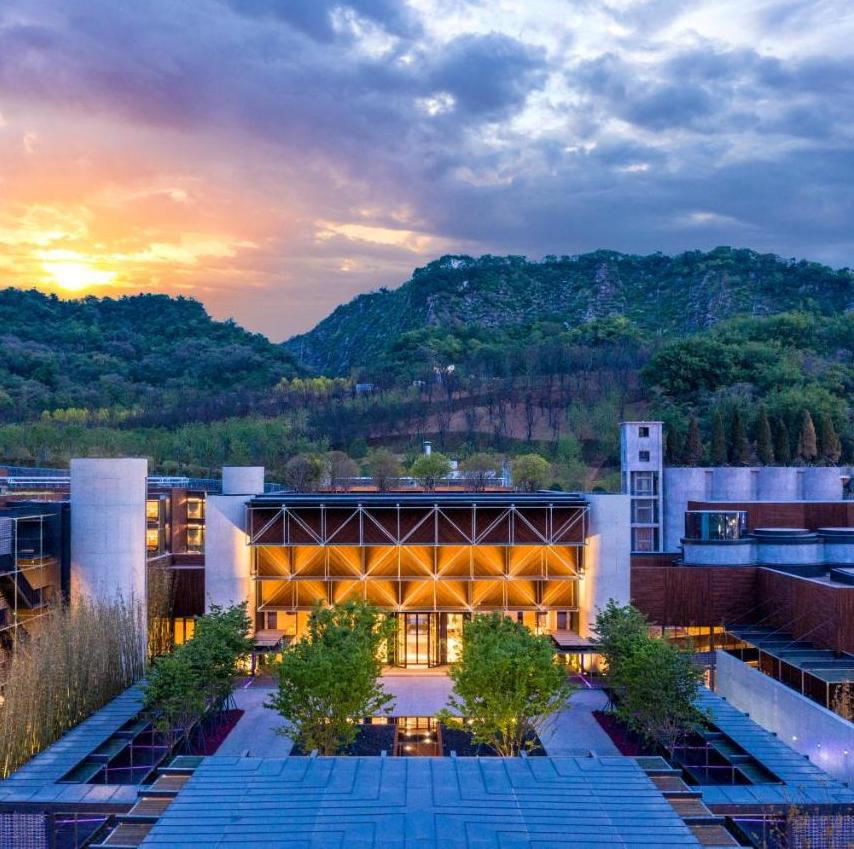
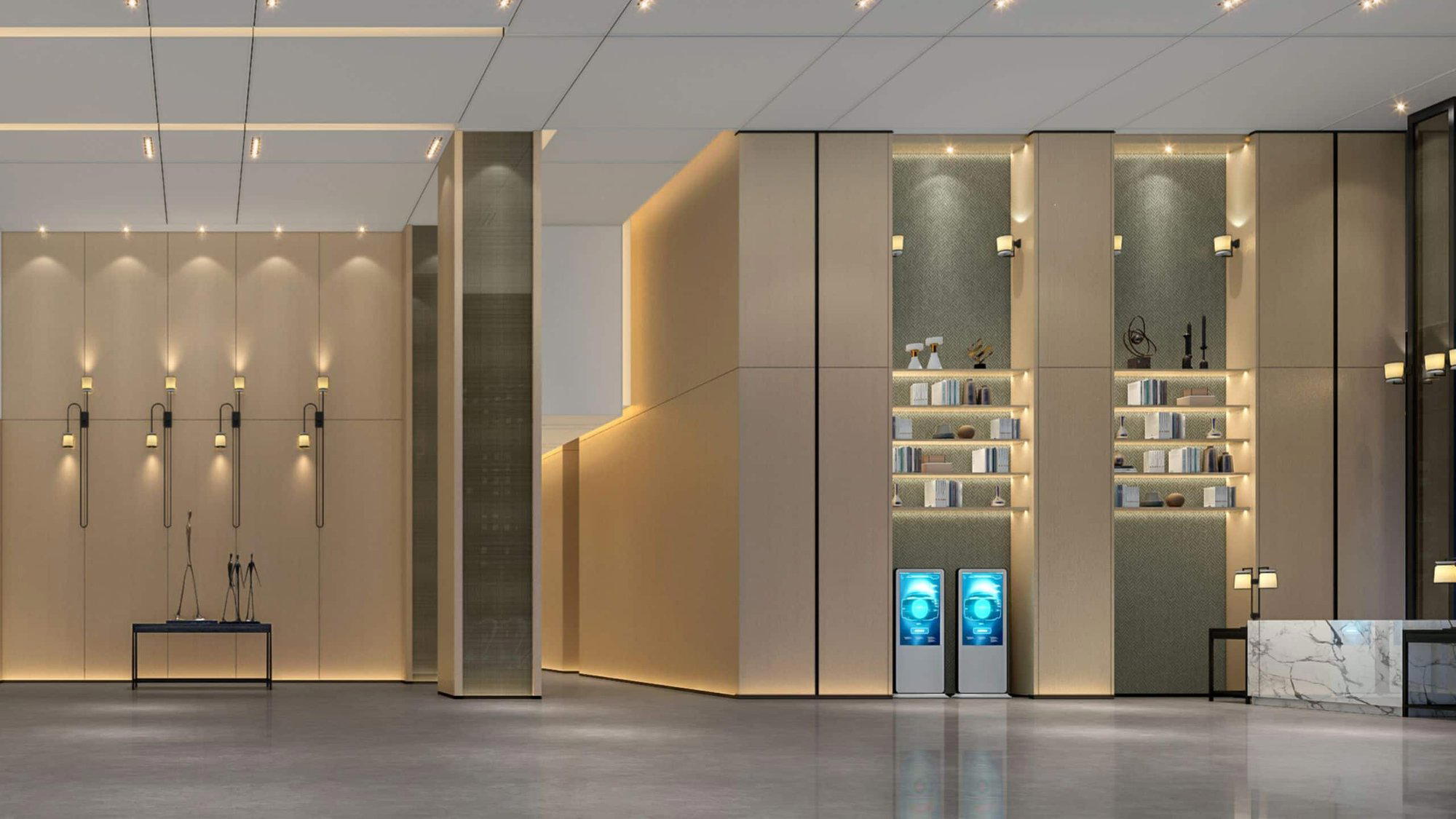
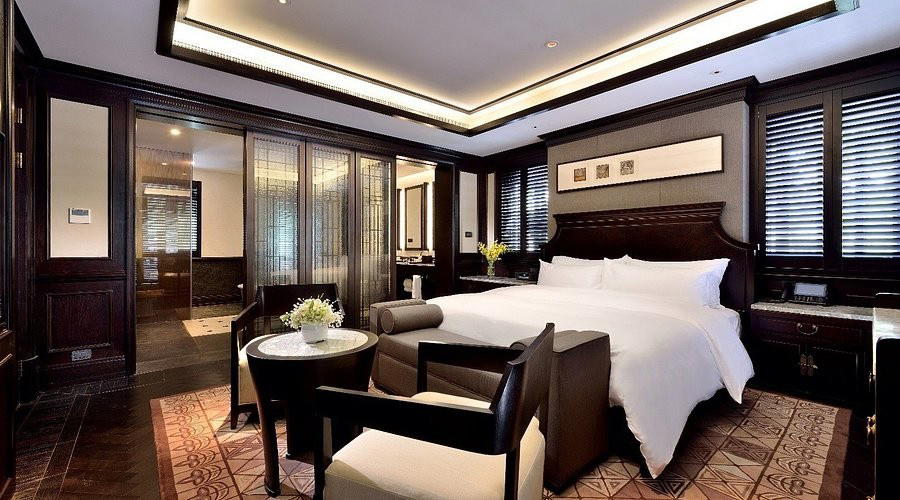
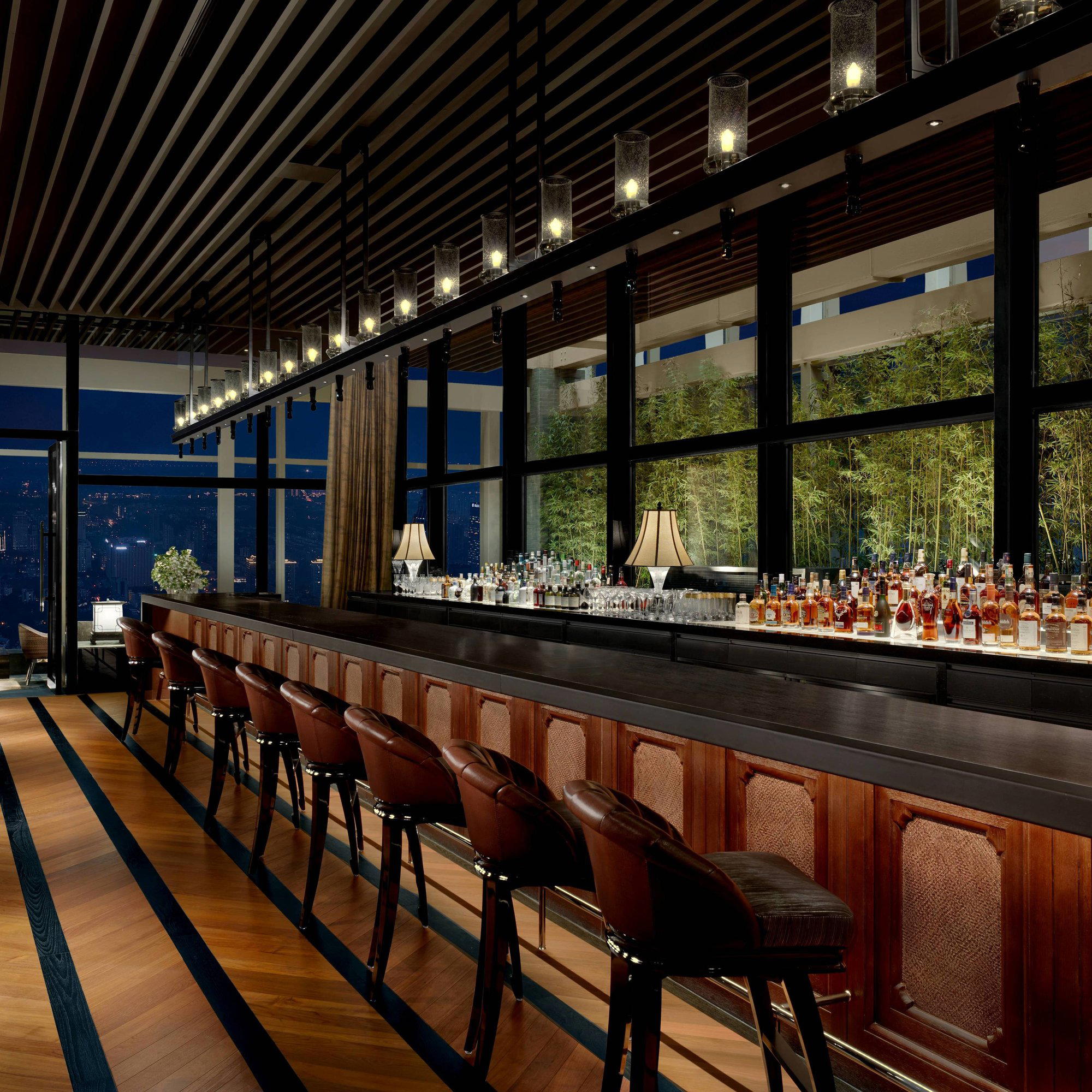
Contemporary lighting with stone textures and metallic accents creating a lively yet elegant atmosphere opening to birdsong and natural valley scenery.