Huyuan Food sits on Dongquanmen in Yangzhou's Guangling District, operating within a city whose Huaiyang cooking tradition ranks among China's most technically demanding. The address places it close to the canal-era quarters that shaped the local palate over centuries, making it a practical and culturally grounded choice for anyone tracing the region's ingredient-led cuisine.
 Discover on Pearl
Pearl is the En Primeur Club membership app — saves, bookings, and concierge access live there. Same editors, same standards.
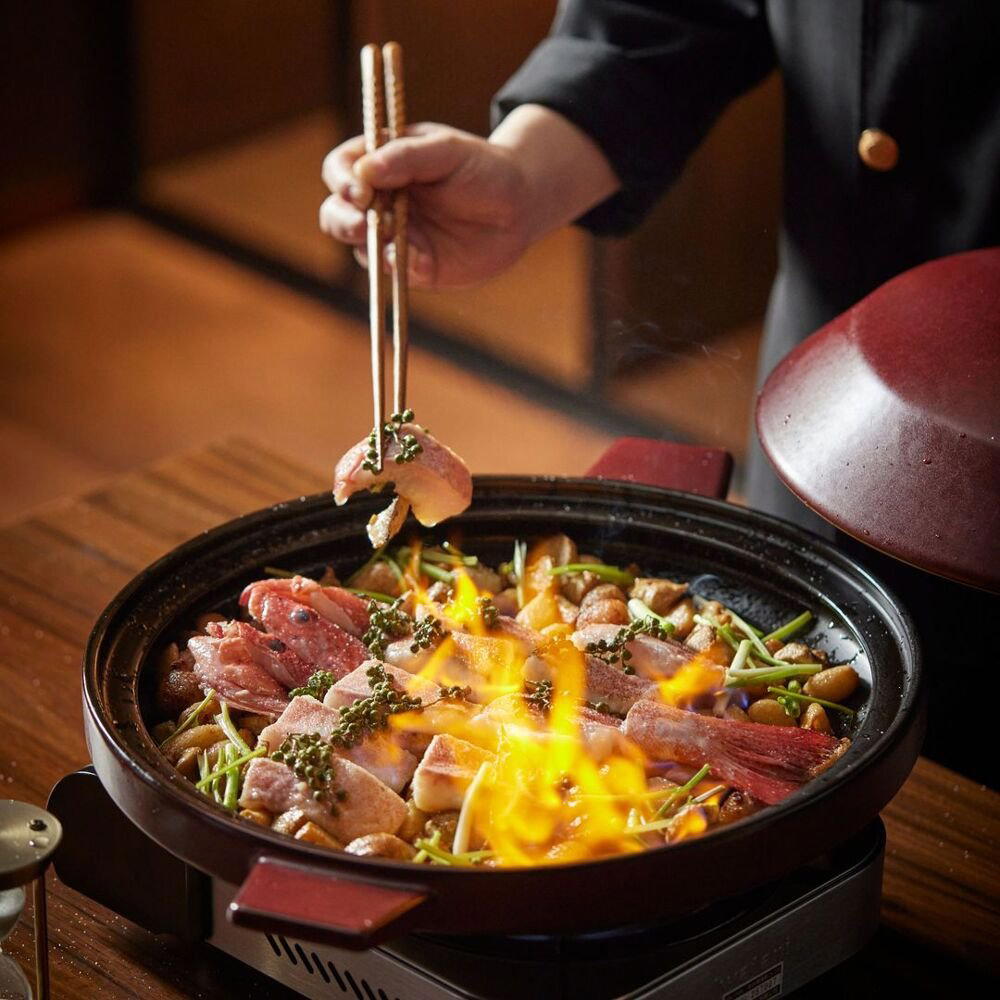
Where the Canal Quarter Shapes the Plate
Yangzhou's Guangling District is not a neighbourhood you pass through by accident. The canal-era streets around Dongquanmen carry a specific culinary gravity: this is the quarter where Huaiyang cooking, one of China's four classical cuisine traditions, took its most refined local form. The Huai River and Grand Canal system historically delivered freshwater fish, soft-shell turtle, tofu pressed with mineral-rich local water, and seasonal river vegetables directly into the city's kitchens. That supply logic shaped how Guangling's cooks worked, and it continues to define what appears on plates in the area today. Huyuan Food, at 52 Dongquanmen, sits inside that tradition rather than adjacent to it.
The address alone signals something about the kitchen's orientation. Streets this close to the old canal quarter tend to source from markets that have operated on the same morning schedules for generations, pulling from the same Yangtze Delta growing regions that supplied Yangzhou's imperial-era banquet tables. This is not local sourcing as a marketing position. It is simply how cooking in this part of Jiangsu has always worked.
Huaiyang as a Sourcing Philosophy
To understand what Huyuan Food likely puts in front of you, it helps to understand what Huaiyang cooking demands of its ingredients. The tradition is built around a principle of restraint that places enormous pressure on raw material quality. Unlike Sichuan cuisine, which can deploy spice to reshape a mediocre ingredient, or Cantonese roasting, which transforms protein through high-heat technique, Huaiyang cooking typically applies gentle knife work and light braising that leave the ingredient almost nowhere to hide. The tofu skin rolls, the lion's head meatball, the steamed fish preparations that define the canon here all depend on the baseline quality of what enters the kitchen.
Yangzhou's position within the Yangtze Delta gives its cooks a genuine advantage in this respect. The city sits roughly equidistant from the freshwater lake systems to the west and the estuary fisheries to the east, which means the seasonal ingredient calendar is particularly wide. Spring delivers river shrimp and bamboo shoots. Autumn brings crab from the lakes near Gaoyou and Baoying, both within the Huai River basin. The dried and preserved goods that anchor the cooler-month menus come from established suppliers across Jiangsu and Anhui. A kitchen on Dongquanmen, drawing from these supply lines, operates within one of the most ingredient-rich regional traditions in Chinese cooking.
For comparison, restaurants working in the same register elsewhere in the Yangtze Delta include Ru Yuan in Hangzhou, which applies similar restraint principles to West Lake ingredients, and Dai Yuet Heen in Nanjing, which bridges Huaiyang and Cantonese sourcing logic. Both demonstrate how the ingredient-first approach reads differently when the supply geography shifts even slightly.
Yangzhou's Dining Tiers and Where Local Tables Fit
Yangzhou's restaurant scene operates across a wider price range than its relatively modest profile among international visitors might suggest. At the formal end, venues like Shang Palace present Huaiyang cooking in a hotel context with corresponding pricing. At the neighbourhood end, addresses like Cai Gen Xiang Xiao Guan and Fan Shui Chang Yu Mian on North Jiefang Road serve the everyday Yangzhou palate at low-cost entry points. The contemporary tier, represented by Cheng Yuan, moves the same culinary vocabulary into a more intentionally designed environment at higher price points.
Huyuan Food's position on Dongquanmen places it within the neighbourhood-embedded tier of this spectrum, where the audience is primarily local and the menu logic follows what the market delivered that morning rather than a fixed seasonal rotation engineered for dining tourism. That is not a diminishment. In Huaiyang cooking, the most technically skilled meals often happen at exactly this scale, where the kitchen is small enough to execute the knife-work traditions, the braising times, and the seasonal substitutions that larger banquet operations sometimes compress under volume pressure. A similar dynamic applies at Hu Yuan Mei Shi, another Guangling-area address working in the same register.
Across China, the restaurants most associated with regional cooking integrity often occupy this middle tier. Xin Rong Ji in Beijing and Xin Rong Ji in Chengdu have formalised this neighbourhood-embedded approach into recognisable brand formats, while 102 House in Shanghai applies a similar sourcing logic to a broader regional canvas. At the more international end, Imperial Treasure Fine Chinese Cuisine in Guangzhou and Chef Tam's Seasons in Macau demonstrate how Huaiyang-adjacent cooking reads when positioned for an international dining audience. The contrast is instructive: Huyuan Food operates at the opposite end of that visibility spectrum, with a local address and a local audience, which is precisely what makes it worth seeking out for anyone mapping the full range of the tradition.
Planning a Visit to Dongquanmen
The Guangling District is most accessible from Yangzhou's historic centre on foot or by short taxi ride. Dongquanmen sits within walking distance of several of the city's main canal-era heritage sites, which makes Huyuan Food a practical lunch stop during a day spent in the old quarter rather than a dedicated evening destination requiring advance logistical planning. Given the venue's neighbourhood profile, walk-in dining is likely the operative mode, though arriving outside peak midday and early-evening windows reduces uncertainty. For visitors building a broader Yangzhou itinerary, the full Yangzhou restaurants guide maps the city's dining options across cuisine types and price tiers. Yangzhou is most rewarding in late September through November, when the hairy crab season from the nearby lake districts brings the region's most celebrated autumn ingredient to menus across the city.
For context on how similar regional cooking traditions translate into formal dining environments elsewhere in China, Dingshan·Jiangyan in Suzhou offers a useful comparison point, as does Jiangnan Wok·Rong in Fuzhou. Further afield, Fleurs Et Festin in Xiamen shows how Southern Chinese cooking traditions handle a similar ingredient-first discipline in a coastal context. For international reference points on how sourcing discipline shapes a restaurant's identity at the highest level, Le Bernardin in New York City and Atomix in New York City both demonstrate the same principle applied through entirely different culinary traditions.
Comparison Snapshot
These are the closest comparables we have in our database for quick context.
| Venue | Cuisine | Price | Awards | Notes |
|---|---|---|---|---|
| Huyuan Food | This venue | |||
| Shang Palace | Huaiyang | ¥¥ | Michelin 1 Star | Huaiyang, ¥¥ |
| Cai Gen Xiang Xiao Guan | Huaiyang | ¥ | Huaiyang, ¥ | |
| Cheng Yuan | Chinese Contemporary | ¥¥¥ | Chinese Contemporary, ¥¥¥ | |
| Fan Shui Chang Yu Mian (North Jiefang Road) | Noodles | ¥ | Noodles, ¥ | |
| 扬州狮子楼大酒店(邗江店) - Yangzhou Lion Pavilion Hotel | Chinese Cuisine | Chinese Cuisine |
Continue exploring
More in Yangzhou
Restaurants in Yangzhou
Browse all →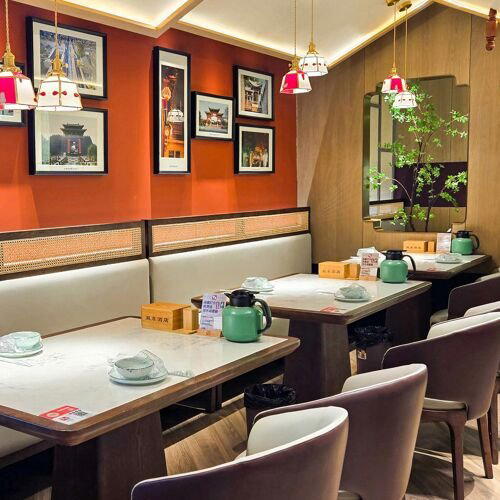
At a Glance
- Classic
- Cozy
- Rustic
- Casual Hangout
- Family
- Group Dining
- Standalone
- Local Sourcing
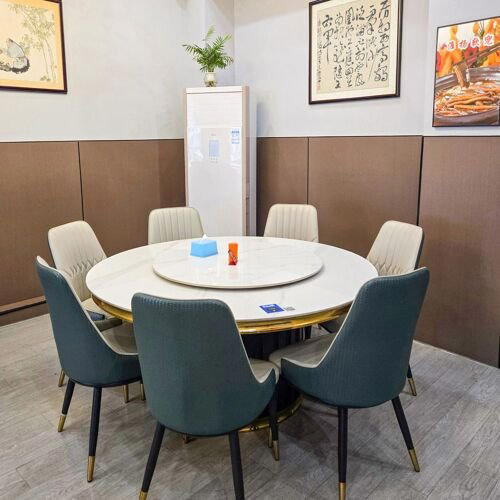
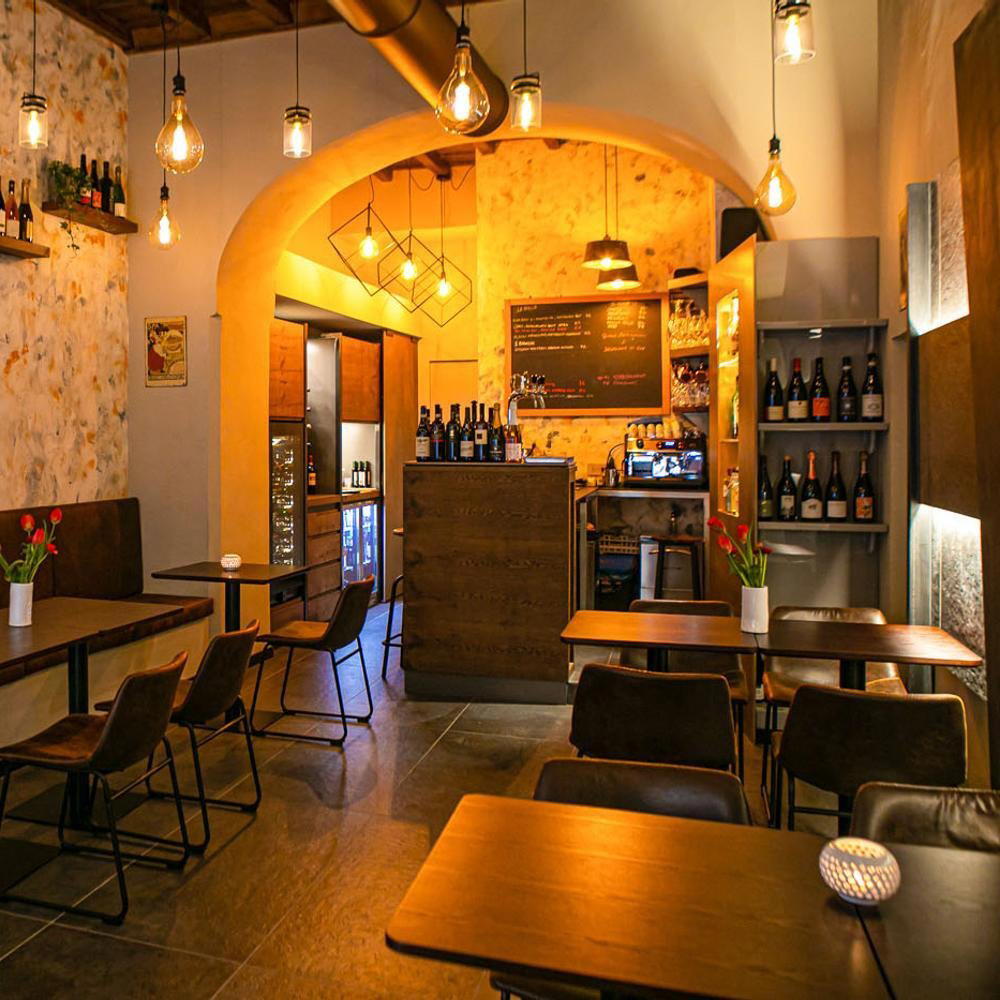
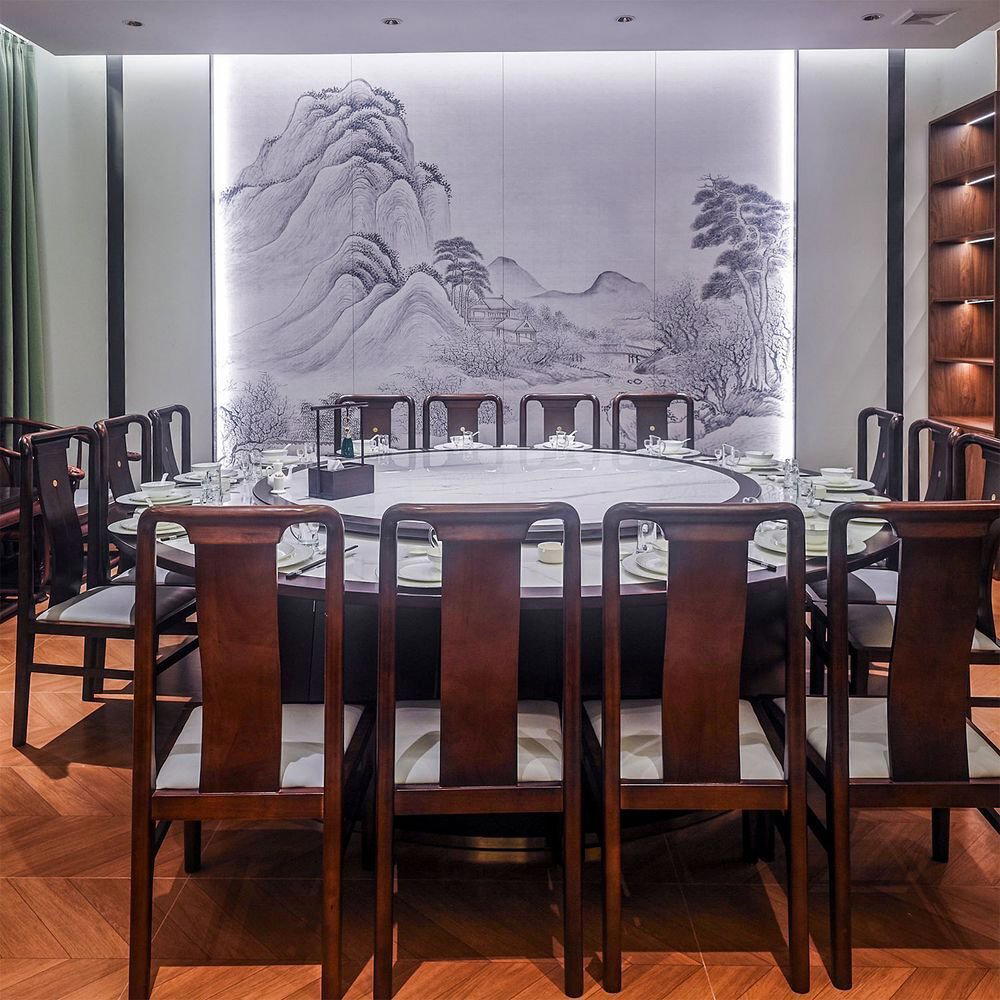
Casual, unpretentious home-style dining environment with warm, welcoming atmosphere focused on traditional comfort.