
Qu Yuan Cha She occupies a listed address in Yangzhou's Hanjiang District and holds back-to-back La Liste recognition, 89.5 points in 2025 and 88 points in 2026, placing it among a small cohort of Chinese teahouse-restaurants earning serious international attention. The setting frames the food: classical garden architecture, the cadence of a tea service, and a kitchen rooted in the Huaiyang canon.
Pearl is the En Primeur Club membership app — saves, bookings, and concierge access live there. Same editors, same standards.
- Address
- 1 Changchun Rd, Hanjiang District, Yangzhou, Yangzhou, Jiangsu, China, 225002
- Website
- laliste.com
- Directions
- Get directions
 Saves & bookings on Pearl
Where the Teahouse Tradition Does the Talking
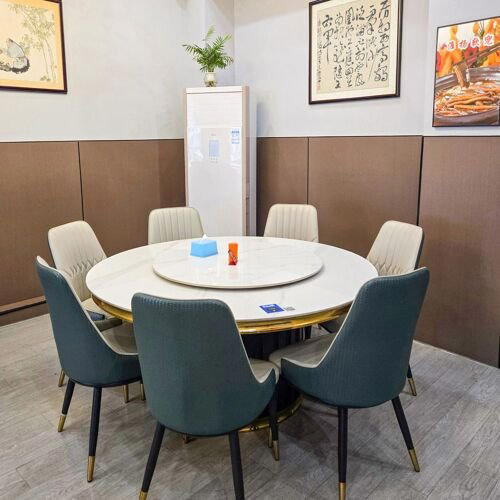
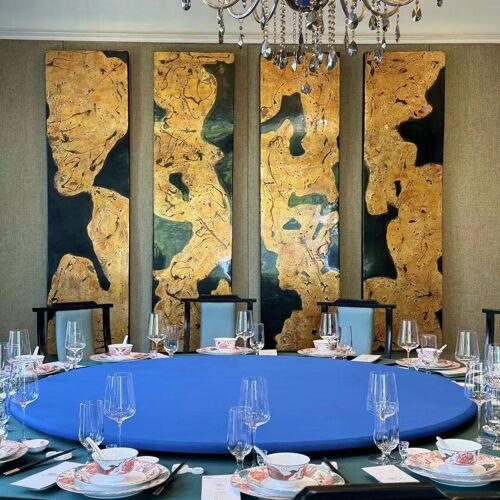
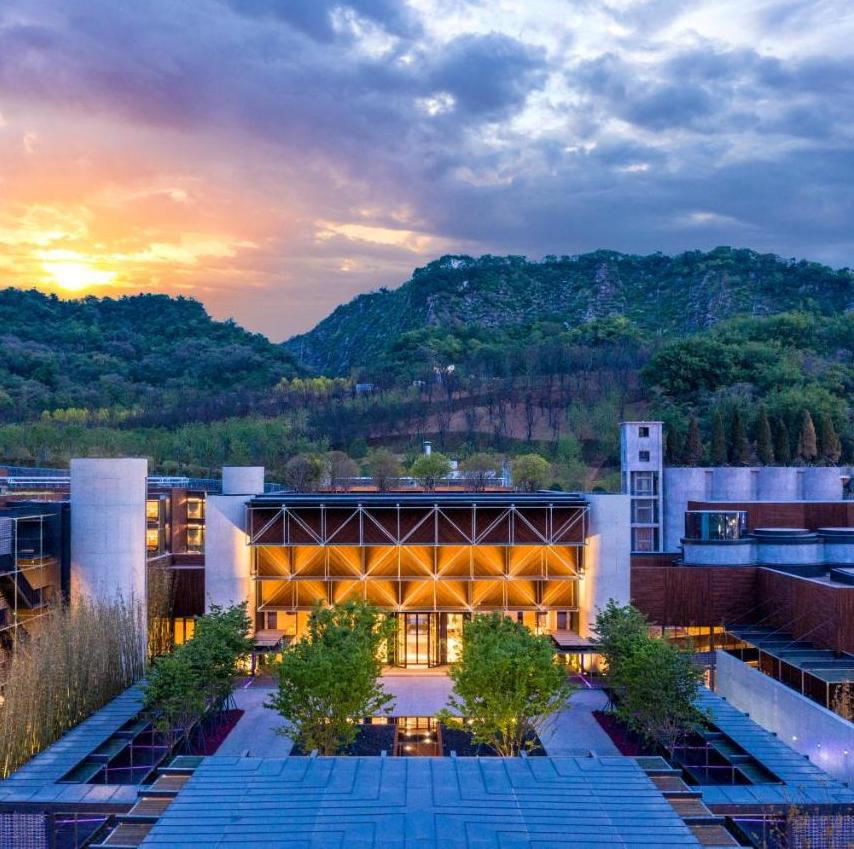
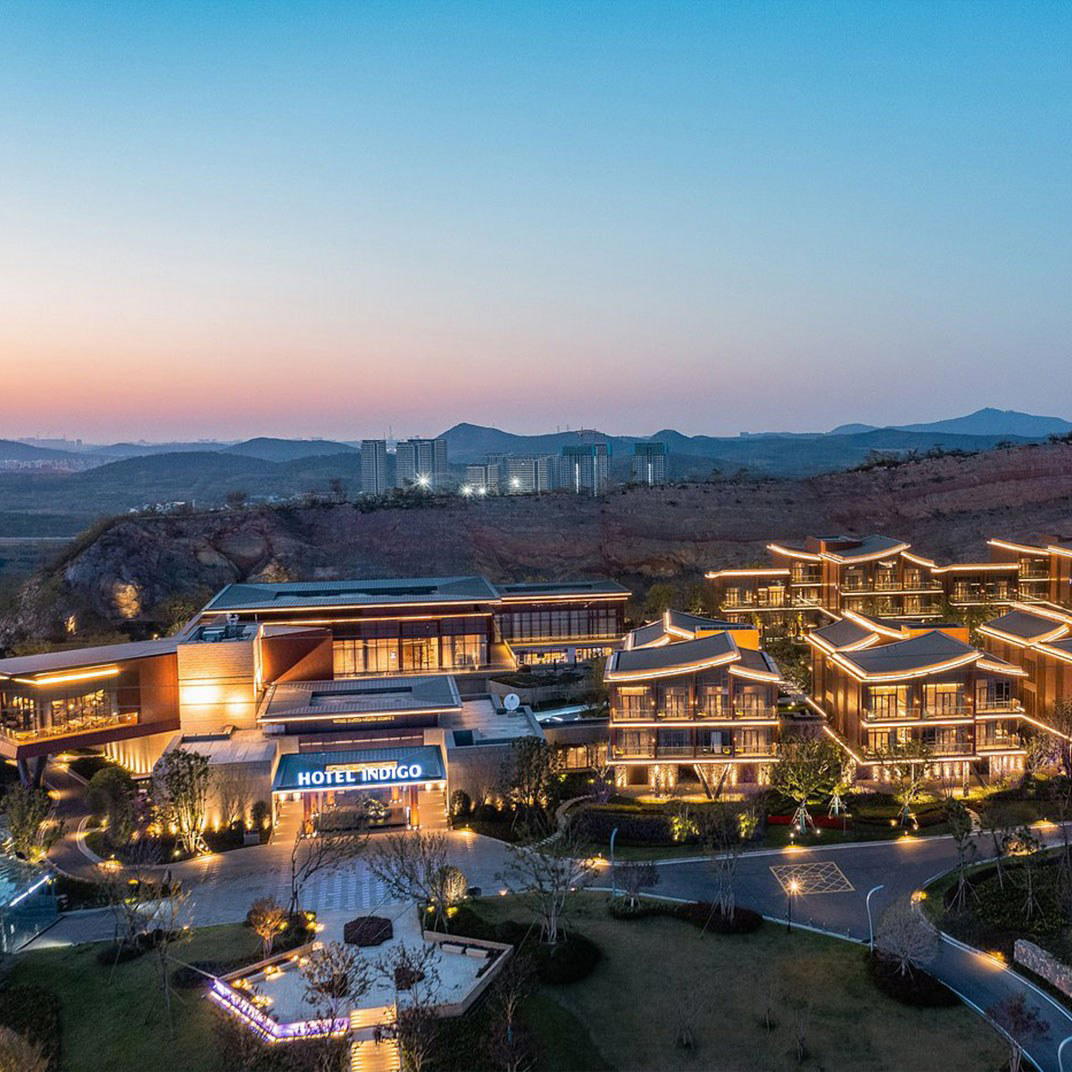
Yangzhou has been serious about its morning tea culture, the local zaochazaodian ritual, for centuries, and the city's leading teahouse-restaurants carry that weight visibly. Qu Yuan Cha She is a Traditional Huaiyang Cuisine Tea House in Yangzhou, Jiangsu, with a recommended reservation policy and a smart casual dress code. Approaching Qu Yuan Cha She on Changchun Road in the Hanjiang District, the architecture does what good classical garden design is supposed to do: it slows you down. Covered walkways, courtyard proportions, and the particular quiet that comes from layered greenery and stone create a transition between the city outside and the register of the meal ahead. This is not incidental to the experience, in the Huaiyang tradition, setting and food are understood as continuous, not separate.
Huaiyang Cuisine and the Yangzhou Context
Yangzhou sits at the crossroads of two of China's most formally studied culinary traditions. Huaiyang cuisine, one of the Eight Great Cuisines of China, shaped by the Huai and Yangtze river regions, is defined by technical precision, gentle seasoning, and an almost architectural attention to knife work and texture. The city's position as a historical salt-trade capital meant centuries of wealth directed toward refined domestic cooking, and that legacy continues to define the upper tier of Yangzhou's restaurant scene today.
Within that scene, there is a meaningful distinction between venues that perform the tradition for tourists and those that maintain it as a living, technically demanding practice. Qu Yuan Cha She's consecutive La Liste scores, 89.5 points in 2025 and 88 points in 2026, place it in the latter category.
Qu Yuan Cha She occupies a different position: a teahouse format with serious kitchen credentials, where the ceremony of the tea service is not decorative but structural to how the meal is paced and experienced.
The Sensory Architecture of a Garden Teahouse
The sensory logic of a classical Chinese teahouse-restaurant operates differently from a standard dining room. Sound is managed by courtyard walls and water features rather than acoustic panels. Light changes with the time of day and the season in ways that a controlled interior cannot replicate. The smell of a garden in the lower Yangtze region, damp stone, osmanthus where the season allows, the faint mineral note of old masonry, precedes the food and frames it.
In this format, the tea service is not an afterthought or a hospitality gesture. In the Yangzhou zaochazaodian tradition, tea and food arrive in a specific choreography: the pot opens the conversation, and the kitchen follows in courses calibrated to the tea's progression rather than to a Western tasting-menu logic. Diners who understand this rhythm, who allow the pacing rather than working against it, encounter a different eating experience from those treating it as a restaurant with an unusual setting.
The Huaiyang kitchen tradition rewards this kind of attention. Dishes in this canon depend on subtlety: braised preparations where collagen and fat have been worked over long periods, tofu dishes where the quality of the water and the pressing technique determine everything, seasonal vegetables treated with restraint rather than augmentation. The sensory impact is cumulative rather than immediate, a structure that suits the teahouse format precisely because neither is trying to make an impression in the first thirty seconds.
Qu Yuan Cha She in the Wider Chinese Dining Picture
La Liste recognition at this score level connects Qu Yuan Cha She to a tier of Chinese regional restaurants that have moved beyond domestic recognition into the international critical conversation. Comparable regional addresses carrying La Liste scores include Ru Yuan in Hangzhou, which operates in a similar classical-setting register, and 102 House in Shanghai, which represents the metropolitan end of serious Chinese dining. In the more formal hotel-kitchen tier, Xin Rong Ji (Xinyuan South Road) in Beijing and Xin Rong Ji in Chengdu demonstrate how regional Chinese cooking can operate at a high technical and reputational level outside the Cantonese axis. Further afield, Chef Tam's Seasons in Macau and Imperial Treasure Fine Chinese Cuisine in Guangzhou represent the southern Chinese fine-dining conversation, while Oyster Talks in Beijing and Chaoshan Taste Zhuhai show how regional specificity continues to drive serious dining recognition across China. Qu Yuan Cha She's position in this picture is defined by geography and format: it is the Huaiyang teahouse tradition, in the city most historically associated with it, carrying scores that hold up against that national comparable set.
Planning a Visit
The address is 1 Changchun Road, Hanjiang District, Yangzhou, an area of the city associated with classical garden culture rather than the newer commercial districts. Given the venue's La Liste recognition and the relatively contained size typical of garden teahouse formats, securing a reservation in advance is advisable; this is not a walk-in address for a table at peak hours. The Huaiyang teahouse tradition is most fully experienced at the morning service, Yangzhou's zaochazaodian culture begins early, and the morning meal carries more ceremonial weight here than in most Chinese cities. Visitors combining the restaurant with the city's classical gardens (the Slender West Lake and the He Garden are both within reach) will find the rhythm of a morning tea session a coherent way to begin that kind of day.
The Essentials
Comparable venues nearby, for context on price, style, and recognition.
| Venue | Cuisine | Price | Notes |
|---|---|---|---|
| 趣园茶社 - Qu Yuan Cha She | Not listed | $$$ | :null, Traditional Huaiyang Cuisine Tea House |
| æ¬å·ç®å楼大é åº(éæ±åº) | Slender West Lake, Chinese Restaurant | Not listed | Not listed |
| Yu Cheng | Not listed | $$ | Hanjiang, Rustic Huaiyang Farm-Style Cuisine |
| 扬州狮子楼大酒店(邗江店) - Yangzhou Lion Pavilion Hotel | 邗江区, Traditional Huaiyang Cuisine | $$ | Not listed |
| Mountain Restaurant | Not listed | $$$ | Slender West Lake Tourist District, Huaiyang Cuisine |
| Quyuan Teahouse (Changchun Road) | Hanjiang, Traditional Huaiyang Dim Sum | $$$ | Not listed |
Recognition history
Dated appearances from independent guides and award organizations, with the underlying list record or original source where available.
La Liste Top Restaurants
La Liste
La Liste Top Restaurants
La Liste
Continue exploring
More in Yangzhou
Restaurants in Yangzhou
Browse all →
At a Glance
- Classic
- Elegant
- Historic
- Intimate
- Special Occasion
- Family
- Garden
- Historic Building
- Sake Program
- Garden
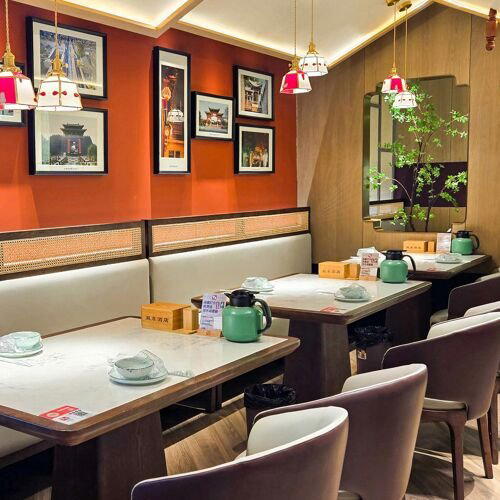
Serene garden setting with quiet, elegant atmosphere well-suited for leisurely dim sum breakfasts.