
Set within Nashan Geological Park on Yangzhou's fringes, Mountain Restaurant brings Huaiyang cooking to an unlikely address. A 2025 Michelin Plate recognition places it among the city's considered dining options, at mid-range pricing that sits comfortably within Yangzhou's broader Huaiyang dining tier. The setting alone separates it from the canal-district restaurants that define most visitors' itineraries.
Pearl is the En Primeur Club membership app — saves, bookings, and concierge access live there. Same editors, same standards.
- Address
- China, 1, Yizheng, CN 江苏省 扬州市 Nashan Geological Park 邮政编码: 211412
- Phone
- +86 514 8780 0010
- Directions
- Get directions
 Saves & bookings on Pearl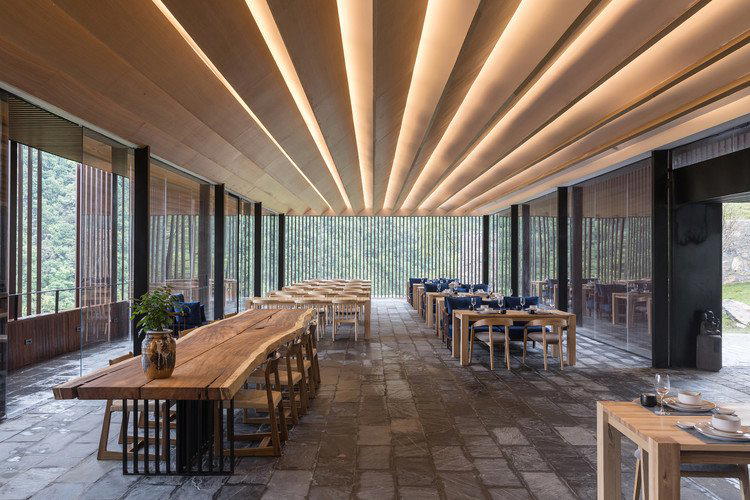
Where the Geology Meets the Cooking Tradition
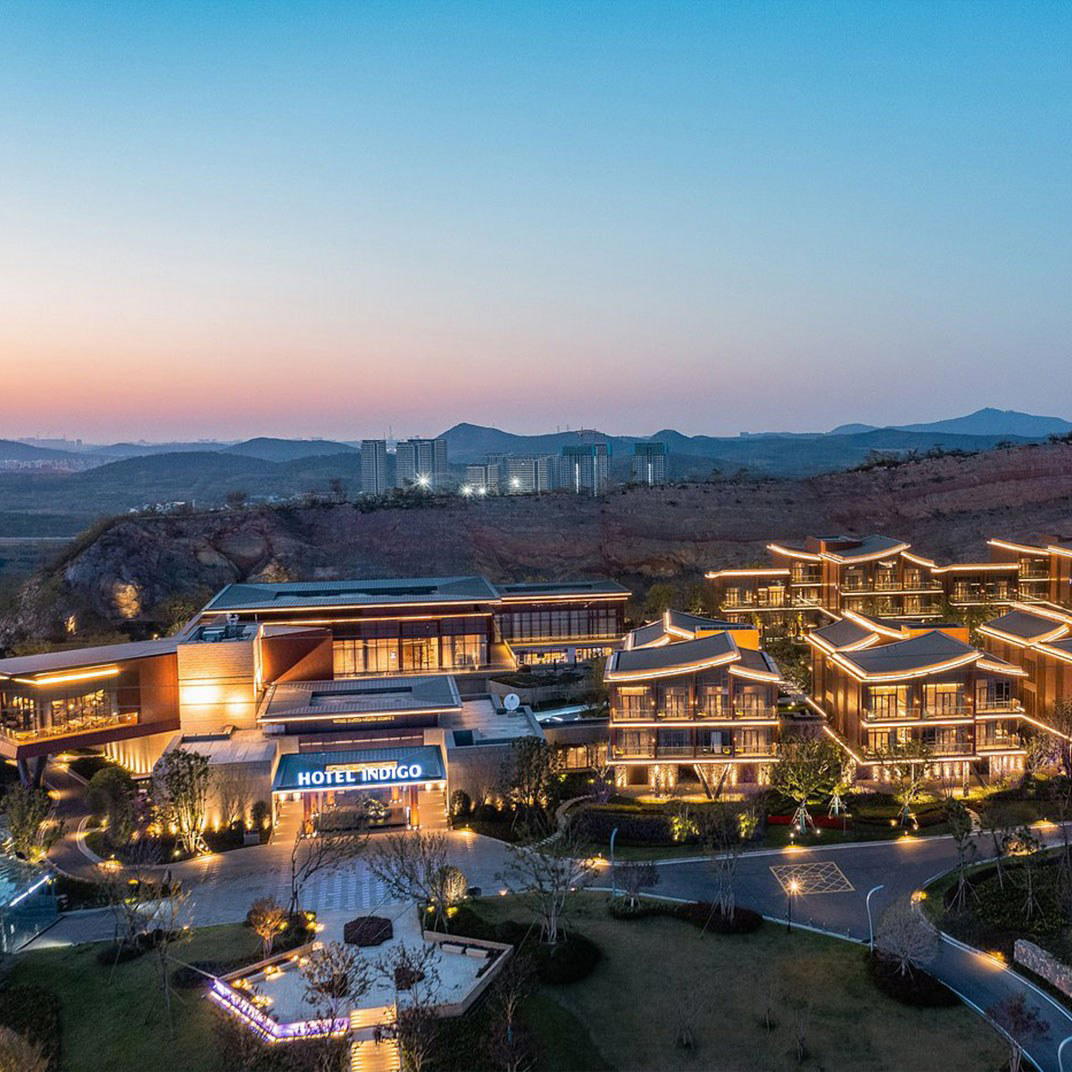
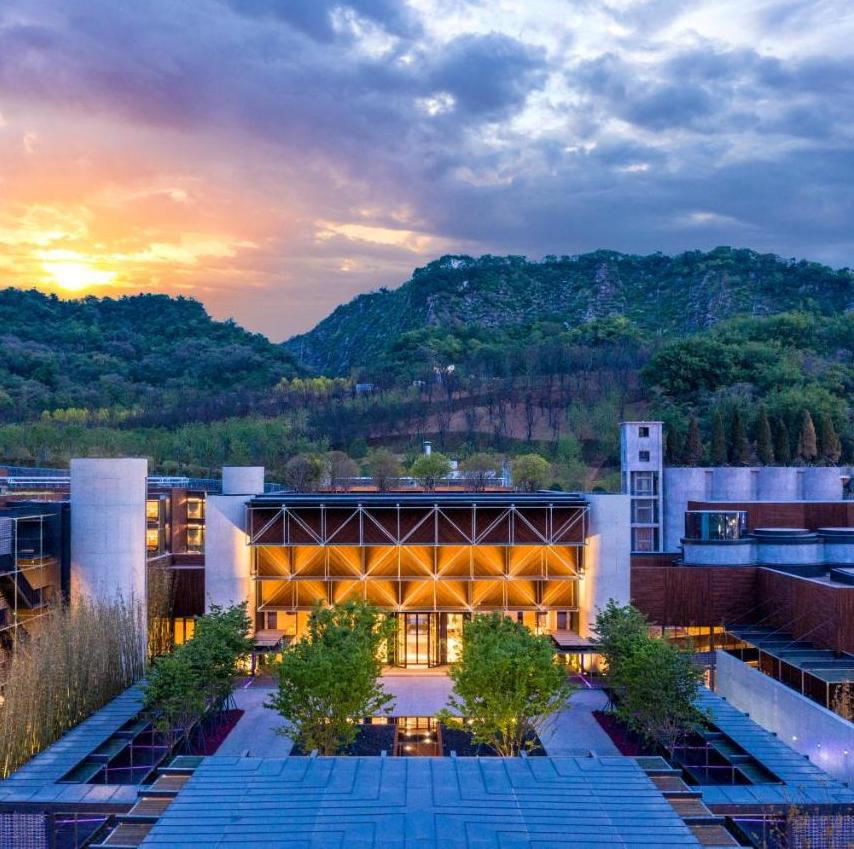
The approach to Mountain Restaurant already frames the meal. Nashan Geological Park, in Yizheng on Yangzhou's outer edge, is not a dining district. There are no competing awnings, no street-food carts, no cluster of restaurants sharing a lane. The building sits inside park terrain, which means the physical environment before you enter — rock formations, tree cover, the absence of city noise — does something that most Yangzhou restaurants cannot replicate regardless of interior budget. That separation from the urban dining circuit is, for a certain kind of visitor, exactly the point.
Huaiyang cuisine has a longer written history than almost any other regional Chinese tradition. Dating to the imperial kitchens of the Sui and Tang dynasties, it developed along the stretch of the Grand Canal that runs through Yangzhou, Huai'an, and the surrounding Jiangsu lowlands, drawing on freshwater fish, seasonal vegetables, and a knife technique specific enough that it became its own area of culinary study. The cuisine's working vocabulary, lion's head meatballs, crystal pork, braised tofu skin, whole fish steamed with ginger and scallion, was codified over centuries rather than invented by any single kitchen. Mountain Restaurant operates within that tradition, and the setting outside the city reinforces a tone of remove and restraint that Huaiyang cooking has always theoretically aspired to.
The Menu Structure and What It Signals
Huaiyang menus have a characteristic architecture that differs from, say, Cantonese tasting formats or Sichuan small-plate progression. The emphasis falls on a small number of principal dishes, typically a braised preparation, a steamed fish or protein, a knife-cut vegetable dish, and a soup, rather than on volume or variety. Saucing is restrained; the cuisine's signature technique of pai (knife-slapping vegetables into irregular shapes to accept seasoning) and its preference for clear broths over enriched stocks means the menu communicates through subtlety rather than intensity.
At the ¥¥ price tier, Mountain Restaurant sits in the same broad bracket as Shang Palace in Yangzhou, which represents the more formal, hotel-anchored end of mid-range Huaiyang. The contrast is instructive: where hotel-based Huaiyang restaurants typically operate inside polished banquet-ready interiors and serve visiting groups alongside individual covers, a park-based address like Mountain Restaurant functions with different assumptions about who is arriving and why. The demographic skews toward visitors to Nashan rather than business diners or tour groups moving through the city's central sites. That distinction shapes menu design, pacing, and the implicit contract between kitchen and guest.
Compared with the more casual format at Cai Gen Xiang Xiao Guan, which operates at the ¥ tier and represents Huaiyang cooking in its neighbourhood, everyday register, Mountain Restaurant's mid-range positioning implies a more deliberate presentation. Nor is it in the contemporary-Chinese tier occupied by higher-spend Yangzhou options. It holds a middle ground: recognisably traditional in cuisine type, moderately priced, and operating in an environment that carries its own experiential logic separate from the food itself.
The Michelin Plate in Context
The 2025 Michelin Plate is a meaningful signal, if a modest one. Within the Michelin framework, a Plate designation indicates that a restaurant produces cooking good enough to warrant attention, without meeting the additional criteria, consistency, overall experience, service standard, creative vision, required for a Star. In a city where Huaiyang cooking is the dominant culinary register and many restaurants serve essentially the same repertoire, the Plate places Mountain Restaurant above the general noise without positioning it among the city's highest-rated addresses.
For Huaiyang cuisine specifically, Michelin recognition carries particular weight because the tradition has been slower to attract international critical attention than Cantonese or Shanghainese cooking. Restaurants like Huaiyang Fu (Dongcheng) in Beijing and The Huaiyang Garden in Macau represent higher-end diaspora expressions of the tradition, while a Plate-level restaurant in Yangzhou itself, the cuisine's originating city, carries a different kind of authority. The cooking here draws directly from the geography and ingredient sourcing that the tradition was built around, which is something no transplant kitchen in Beijing or Macau can fully replicate.
For comparison across other Chinese regional traditions, see how Huaiyang technique is interpreted at restaurants like 102 House in Shanghai or observe how peer fine-Chinese contexts handle related classical formats at Ru Yuan in Hangzhou and Xin Rong Ji in Chengdu.
Placing Mountain Restaurant in Yangzhou's Dining Circuit
Yangzhou's central dining options are concentrated around the old canal quarters and near Slender West Lake, with restaurants like Hu Yuan Mei Shi, Quyuan Plus, and Quyuan Teahouse (Changchun Road) all drawing on the pedestrian and tourist flow that defines that neighbourhood. Mountain Restaurant, at Nashan Geological Park in Yizheng, operates entirely outside that circuit. It is not a restaurant you pass on the way to something else; it requires a deliberate decision to travel to a park on the city's edge.
That deliberateness is, in some ways, built into the Huaiyang tradition itself. The cuisine's historical identity was always tied to leisure: imperial pleasure grounds, canal-side garden pavilions, the slow meal taken outside the pressures of court or commerce. A restaurant inside a geological park carries forward that spatial logic more directly than any urban address can. The landscape does not just provide a view; it supplies the conditions under which the food is meant to be eaten.
Practical planning note: the Yizheng address means Mountain Restaurant works well as a destination meal rather than part of an evening hop between venues. Visitors covering central Yangzhou's dining and drinking options, or looking for further context on the city's broader visitor offer, can reference our full Yangzhou restaurants guide, alongside our full Yangzhou hotels guide, our full Yangzhou bars guide, our full Yangzhou wineries guide, and our full Yangzhou experiences guide.
How Mountain Restaurant Yangzhou compares with similar nearby venues.
| Venue | Cuisine | Price | Awards |
|---|---|---|---|
| Mountain Restaurant | Huaiyang | ¥¥ | Michelin Plate (2026) |
| Shang Palace | Huaiyang | ¥¥ | Not listed |
| Cai Gen Xiang Xiao Guan | Huaiyang | ¥ | Not listed |
| Longyin Shanfang (Jiangning) | Huaiyang | ¥¥¥ | Not listed |
| Yi Yuan (Siwangting Road) | Huaiyang | ¥¥ | Not listed |
| Yu Cheng | Huaiyang | ¥¥ | Not listed |
Recognition history
Dated appearances from independent guides and award organizations, with the underlying list record or original source where available.
Michelin Plate
Michelin
Michelin Plate
Michelin
At a Glance
- Elegant
- Scenic
- Classic
- Special Occasion
- Business Dinner
- Group Dining
- Garden
- Hotel Restaurant
- Garden
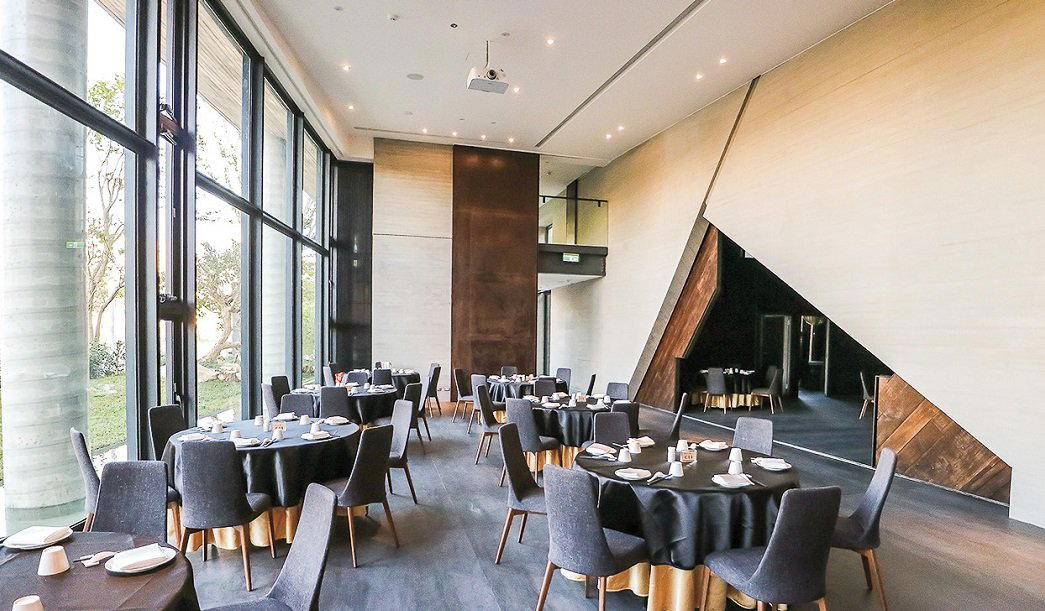
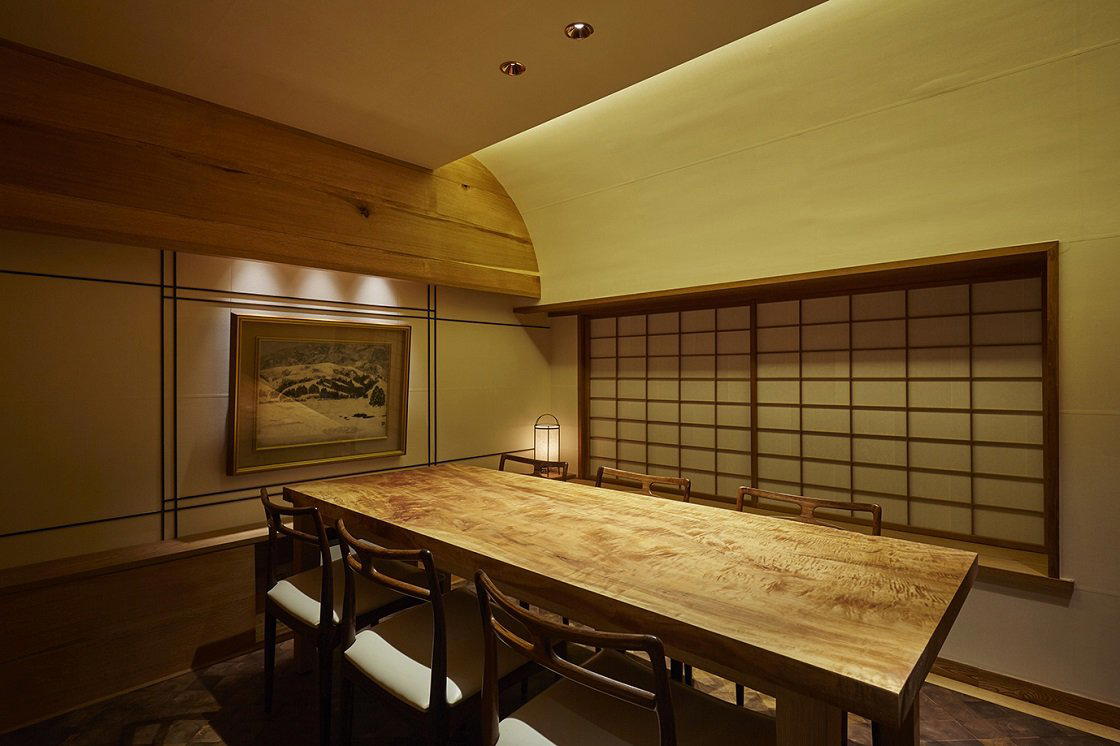
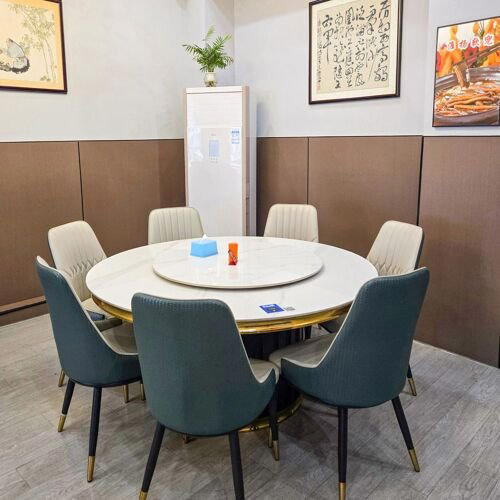
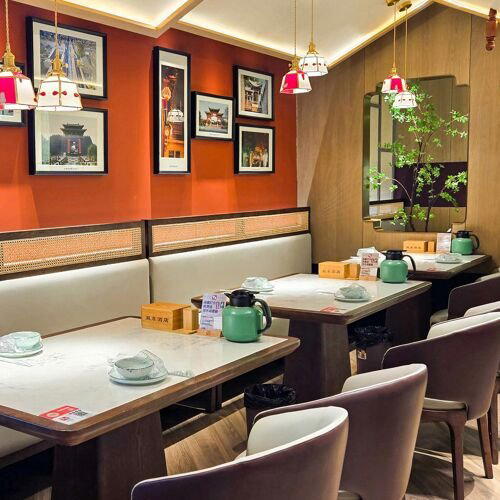
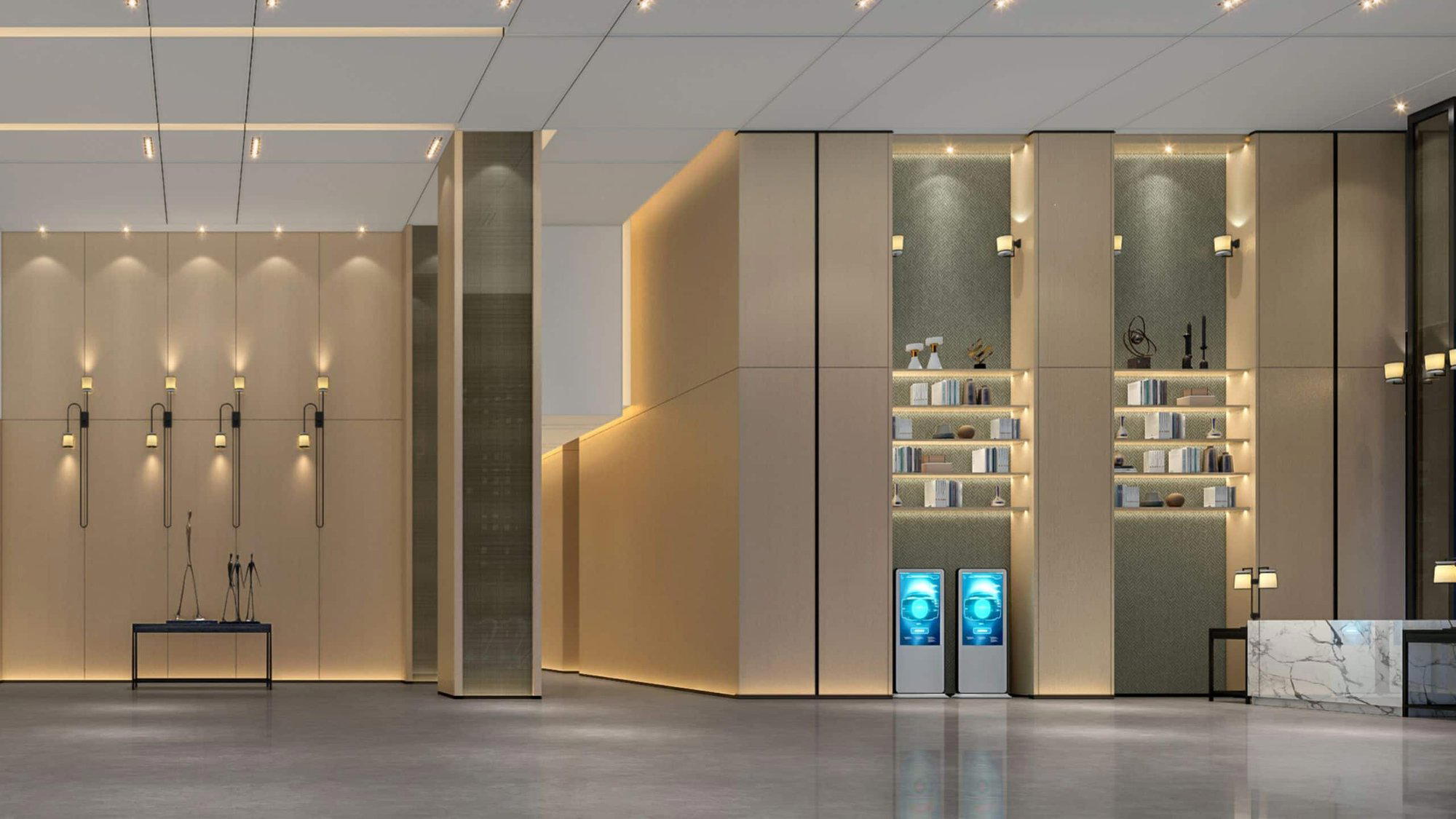
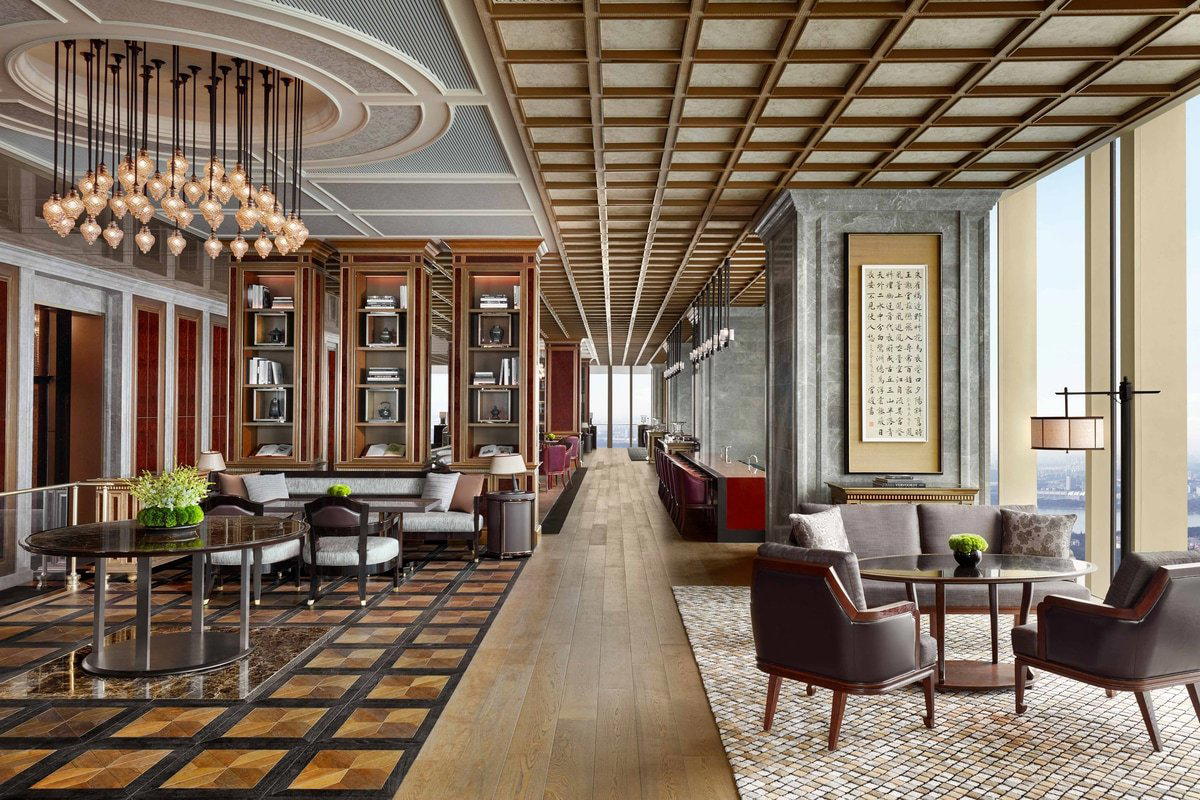
Elegant garden design with comfortable banquet hall environment.
Know Before You Go
- Getting there
- China, 1, Yizheng, CN 江苏省 扬州市 Nashan Geological Park 邮政编码: 211412