
Quyuan Teahouse on Changchun Road holds a 2025 Michelin Plate, placing it among the recognised Huaiyang dining addresses in Yangzhou at the mid-range price tier. The teahouse format channels the city's long tradition of deliberate, ingredient-led cooking in a setting where the pace of service is part of the proposition. For visitors orienting around the Hanjiang District, it operates as a reference point for Yangzhou cuisine at an accessible price.
Pearl is the En Primeur Club membership app — saves, bookings, and concierge access live there. Same editors, same standards.
- Address
- CC5H+55M, Changchun Rd, Hanjiang District, Yangzhou, Yangzhou, Jiangsu, China, 225002
- Directions
- Get directions
 Saves & bookings on Pearl
Where the Teahouse Tradition Meets Huaiyang Recognition
Changchun Road in Yangzhou's Hanjiang District carries the unhurried quality that defines the city's relationship with food and time. Yangzhou has long resisted the pace of China's faster-moving dining cities, and the streets around this part of Hanjiang reflect that — the rhythm is slower, the signage less aggressive, and the expectation on arrival is that a meal will take as long as it takes. Quyuan Teahouse sits within that register. The teahouse format is not incidental to the experience here; it is the frame through which Huaiyang cuisine is presented, and the two traditions reinforce each other in ways that a standard restaurant setting would not.
In 2025, the Michelin Guide awarded the venue a Plate, the guide's recognition that a kitchen is producing food worth noting — distinct from a star but meaningful as an external signal that the cooking clears a threshold of consistency and intent. For a mid-range address in a secondary Chinese city, that recognition places Quyuan Teahouse in a narrow peer group. Yangzhou is not short of Huaiyang cooking, but Michelin-acknowledged Huaiyang at the ¥¥ price tier is a specific intersection.
Huaiyang Cuisine and What Yangzhou Actually Represents
To understand why a Michelin Plate at this address carries weight, it helps to understand Huaiyang cooking's position in Chinese culinary history. The cuisine originates in the Huai River and Yangtze River delta region, with Yangzhou and Huai'an as its twin centers. It is one of the eight recognised schools of Chinese cuisine, and its defining characteristics are restraint in seasoning, precision in knife work, and a preference for fresh seasonal ingredients over preserved or heavily spiced preparations. Braised dishes, knife-cut tofu, and slow-cooked river fish represent the tradition at its most technically demanding.
Yangzhou itself is where that tradition is most directly legible, this is not a city serving a regional style at a remove, but the source city where the techniques and ingredients developed. That context changes how a venue like Quyuan Teahouse should be read. In Beijing, a Huaiyang restaurant is making an argument about provenance and regional authenticity. In Yangzhou, the argument is simpler: how well does the cooking execute what the city already knows? For comparison, Huaiyang Fu (Dongcheng), Huaiyang in Beijing and The Huaiyang Garden, Huaiyang in Macau operate in markets where the cuisine requires cultural translation. Quyuan Teahouse does not.
The Michelin Plate in Context: What It Signals About the Yangzhou Scene
The 2025 Michelin Plate positions Quyuan Teahouse within a recognisable tier of Yangzhou dining, serious enough to receive external validation, accessible enough to sit at the ¥¥ price range rather than the premium bracket occupied by venues like Shang Palace. The Plate is not a star, but its inclusion in the guide signals kitchen consistency across multiple visits by anonymous inspectors.
The broader Michelin-recognised Huaiyang scene in China is relatively concentrated. Venues such as Xin Rong Ji (Xinyuan South Road) in Beijing and Xin Rong Ji in Chengdu sit at the premium end of this category, with price points and service registers well above the ¥¥ tier. 102 House in Shanghai and Ru Yuan in Hangzhou represent contemporary Chinese fine dining in larger, more competitive markets. Quyuan Teahouse's value proposition is different: Michelin-noted Huaiyang cooking in its home city, at a price point that does not require a special-occasion commitment.
Within Yangzhou itself, the competitive set for Huaiyang at ¥¥ includes Cai Gen Xiang Xiao Guan at the lower ¥ tier and Hu Yuan Mei Shi at a comparable price level. Mountain Restaurant and Quyuan Plus round out the broader cluster of venues worth considering on the same visit.
The Teahouse Format as Dining Architecture
The teahouse setting shapes how a meal at this address is paced and experienced. In Chinese dining culture, the teahouse is not simply a cafe variant, it is a venue type with specific social functions, built around slow time, extended conversation, and food served in rhythm with tea rather than in structured courses. Yangzhou has a particularly strong teahouse culture, and the city's breakfast tradition, centred on dim sum-style morning spreads at teahouses, is arguably more important to local culinary identity than any dinner service.
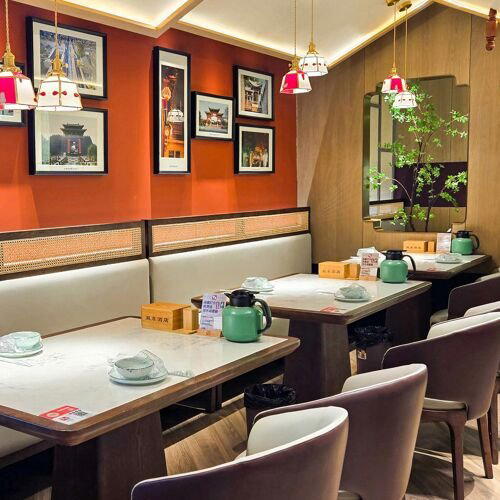
Applying that format to Huaiyang cuisine means the experience is shaped by deliberate pacing. The kitchen here is not designed for table-turn efficiency. Dishes arrive when they are ready, portions are calibrated for sharing and grazing over time, and the surrounding architecture, whether traditional or contemporary in execution, signals that sitting for an extended period is expected rather than discouraged. For visitors who have experienced Huaiyang cooking at faster-paced restaurants in Shanghai or Beijing, the teahouse context in Yangzhou changes the register significantly.
Planning a Visit: Practical Orientation
Quyuan Teahouse sits in the Hanjiang District on Changchun Road, in a part of the city that is residential and local in character rather than tourist-facing. This is not a venue that has positioned itself for passing international traffic. The ¥¥ price point means the bill for two will remain in an accessible range by any measure, and the venue's Michelin Plate gives visitors a reliable basis for confidence in the kitchen's consistency. Phone and booking details are not publicly confirmed in available data, so arriving in person or asking at the hotel concierge for current contact information is the practical approach for first-time visitors.
For visitors building a wider Yangzhou itinerary, the city's dining options extend well beyond Huaiyang restaurants. See [our full Yangzhou restaurants guide]() for the complete picture, and [our full Yangzhou hotels guide]() for accommodation options that put you close to the city's main dining districts. [Our full Yangzhou bars guide](), [our full Yangzhou wineries guide](), and our full Yangzhou experiences guide complete the city overview for those spending more than a single meal in the city. For comparable Huaiyang cooking at the fine dining tier in other cities, Chef Tam's Seasons in Macau and Imperial Treasure Fine Chinese Cuisine in Guangzhou represent the upper bracket of Chinese classical cuisine in their respective markets.
How Quyuan Teahouse (Changchun Road) Yangzhou Review compares with similar nearby venues.
| Venue | Cuisine | Price | Awards |
|---|---|---|---|
| Quyuan Teahouse (Changchun Road) | Huaiyang | ¥¥ | Michelin Plate (2025) |
| Quyuan Plus | Huaiyang | ¥¥ | Not listed |
| Hu Yuan Mei Shi | Huaiyang | ¥ | Not listed |
| Longyin Shanfang (Jiangning) | Huaiyang | ¥¥¥ | Not listed |
| Cai Gen Xiang Xiao Guan | Huaiyang | ¥ | Not listed |
| Yi Yuan (Siwangting Road) | Huaiyang | ¥¥ | Not listed |
Recognition history
Dated appearances from independent guides and award organizations, with the underlying list record or original source where available.
Michelin Plate
Michelin
Continue exploring
More in Yangzhou
Restaurants in Yangzhou
Browse all →
At a Glance
- Classic
- Scenic
- Elegant
- Cozy
- Family
- Casual Hangout
- Historic Building
- Garden
- Waterfront
- Garden
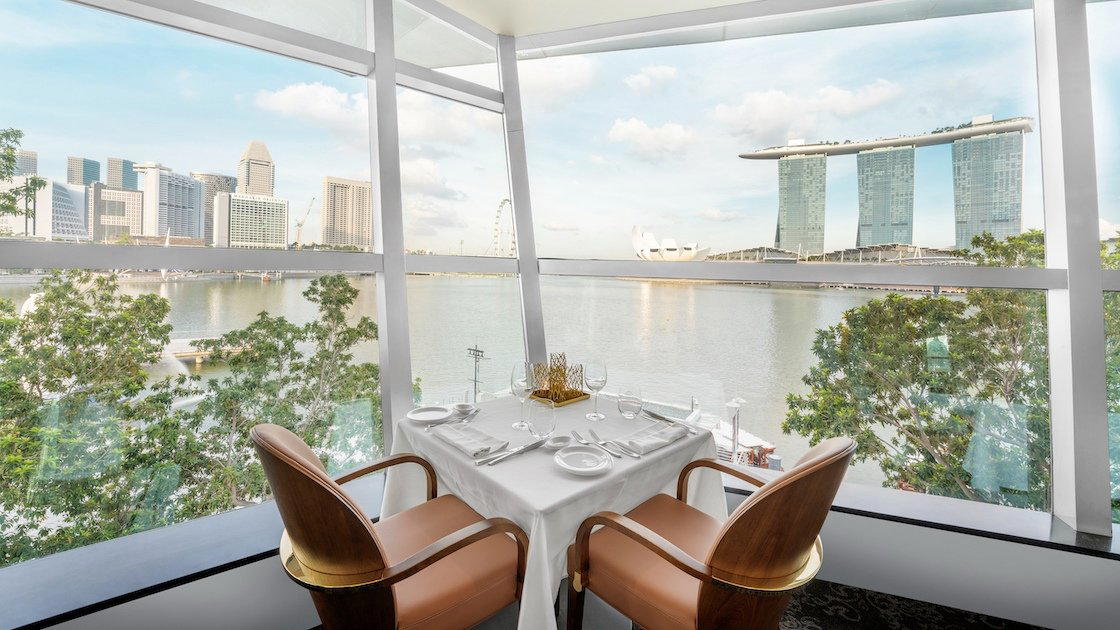
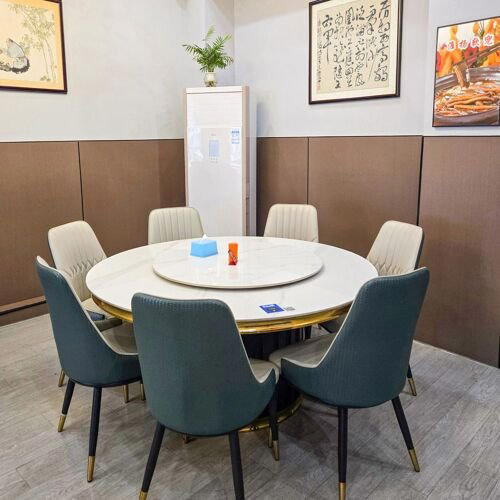
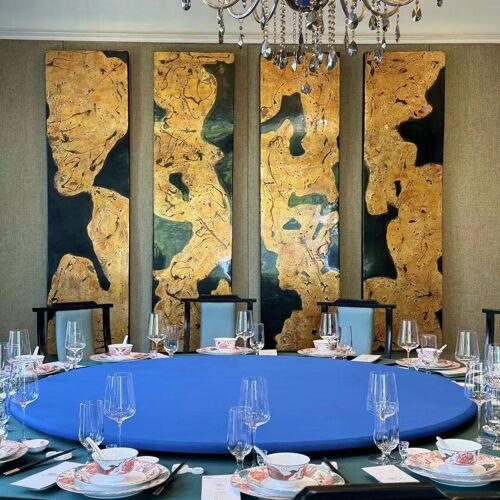
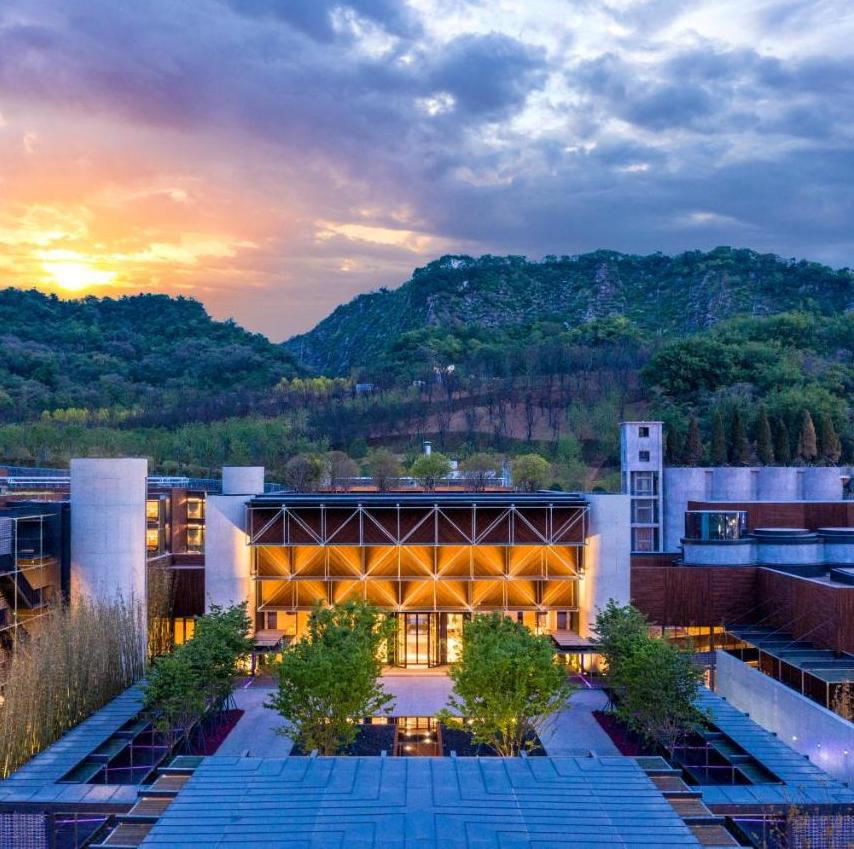
Serene and elegant with lush greenery, lake views, and traditional Chinese garden atmosphere evoking poetic tranquility.
Know Before You Go
- Getting there
- CC5H+55M, Changchun Rd, Hanjiang District, Yangzhou, Yangzhou, Jiangsu, China, 225002