Yongfu
Yongfu sits in Songjiang District, on Shanghai's southwestern fringe, where the city's appetite for regionally specific Chinese cooking meets a quieter, less touristed setting. The restaurant draws on the ingredient traditions of its cuisine's origin region, positioning it within a small tier of Shanghai venues that prioritise sourcing provenance over spectacle. For those willing to travel beyond the Bund, it rewards the detour.
Pearl is the En Primeur Club membership app — saves, bookings, and concierge access live there. Same editors, same standards.
- Address
- Songjiang District, Shanghai, China, 201608
- Directions
- Get directions
 Saves & bookings on Pearl
Songjiang and the Case for Eating at the Edge of Shanghai
Shanghai's most-discussed restaurants cluster along a predictable axis: the Bund, Xintiandi, Jing'an. The dining conversation rarely reaches Songjiang District, the city's southwestern fringe, where older neighbourhood rhythms persist and the restaurant scene answers to local regulars rather than hotel concierges. That geography matters when understanding what Yongfu is and who it is for. Venues that operate here are not making a compromise; they are making a statement about where their priorities lie.
Approaching Songjiang, the density of central Shanghai gives way to a different scale of urban life. The district carries traces of its history as a separate county seat, and that relative autonomy shows in how its food culture has developed, less shaped by international tourism, more anchored to the preferences of the surrounding residential population. Restaurants here often have a cleaner relationship with regional sourcing because the supply lines are shorter and the clientele is less interested in performance than in substance.
Ingredient Provenance as the Central Argument
One instructive way to read the premium end of Chinese regional dining in Shanghai is through the question of where ingredients come from and how much a kitchen is willing to pay for the right ones. This is the axis on which the city's better regional Chinese rooms now compete, particularly as the category has professionalised over the past decade. Menus at this tier are increasingly built around seasonal produce sourced from specific growing areas, freshwater fish from named lake systems, and preserved or aged ingredients that arrive with documented origin rather than anonymous wholesale provenance.
Yongfu operates within that framework. The restaurant's positioning in Songjiang, closer to the agricultural networks of the Yangtze Delta than a Jing'an address would allow, is not incidental. The broader Yangtze Delta region, encompassing Jiangsu, Zhejiang, and Shanghai's outskirts, is one of China's most productive zones for the kinds of freshwater, seasonal, and fermented ingredients that define refined Jiangnan and surrounding cuisines. Proximity to those networks shapes what a kitchen can offer and at what quality level.
Comparable sourcing logic applies at Ru Yuan in Hangzhou, where proximity to West Lake and the surrounding tea-growing hills informs the menu's seasonal structure. Further along the coast, Fleurs Et Festin in Xiamen demonstrates how regional ingredient identity can anchor a premium dining format in a city not traditionally associated with fine dining. The pattern repeats across China's secondary and tertiary cities: the restaurants making the strongest argument are those whose sourcing is inseparable from their location.
Where Yongfu Sits in Shanghai's Regional Chinese Tier
Shanghai's premium regional Chinese category now spans a wide range of formats, price points, and regional traditions. At one end, vegetable-forward rooms like Fu He Hui have built international recognition around a specific dietary and philosophical framework. At another, Taizhou specialists like Xin Rong Ji in Chengdu and Xin Rong Ji on Xinyuan South Road in Beijing have shown how a single regional tradition can scale into a recognisable premium brand across multiple cities.
Yongfu does not belong to the branded multi-city tier. Its Songjiang address keeps it in a more localised, less visible bracket, which, depending on what you are looking for, is either a limitation or precisely the point. Venues in this bracket tend to have fewer resources directed at international press outreach and more directed at the kitchen itself. The trade-off is that they require more effort to find and assess, but that effort is often where the more interesting eating happens.
For comparison across the region, the Cantonese end of China's premium dining spectrum operates on a different set of assumptions: Imperial Treasure Fine Chinese Cuisine in Guangzhou and Dai Yuet Heen in Nanjing both illustrate how Cantonese technique travels, but in each case the sourcing logic is distinct from what the Jiangnan delta tradition demands. Chef Tam's Seasons in Macau represents yet another inflection of southern Chinese fine dining, where the gaming economy and the city's colonial dining history create a different set of competitive pressures.
Planning the Visit: What the Songjiang Location Requires
Getting to Songjiang from central Shanghai takes commitment. Metro Line 9 connects the district to the city centre, with the journey from People's Square running roughly 40 to 50 minutes depending on the station. Taxis and ride-hailing apps are the practical choice for the final stretch if the restaurant's address sits away from a direct metro stop. That journey time is worth factoring into an evening: arriving tense after a cross-city commute is not the right condition for this kind of meal. Building in buffer time, or timing the visit around a daytime or early-evening sitting rather than a late dinner, improves the experience materially.
The broader Shanghai regional Chinese scene rewards planning in any case. Venues like Pingjiangsong in Suzhou and Shang Palace in Yangzhou, both within day-trip range of Shanghai, operate in the same culinary tradition and are worth combining into a longer itinerary focused on Jiangnan cuisine's regional variations. For those curious about how ingredient-led Chinese cooking plays out in entirely different regional traditions, Wenru No.9 in Fuzhou, Antstory in Quanzhou, and Blue Kylin in Changsha each represent distinct regional expressions worth comparing. Further afield, Cai Feng Lou in Xi'an and Ensue in Shenzhen sit at the opposite end of the spectrum, one rooted in northern grain-based tradition, the other in a Western-influenced Shenzhen luxury format. Even restaurants with a completely different cultural reference point, like Le Bernardin in New York City or Lazy Bear in San Francisco, share the same foundational argument: that sourcing specificity, when it is genuine, is legible on the plate.
- 18-cut drunken blue swimmer crab
- Ningbo razor clams
- baby taro thick soup
- stir-fried chopped swimmer crabs
- tangyuan sweet dumplings
- mud crab with mashed ginger
- braised fish head with chili sauce
- yellow croaker roe aspic
- handmade glutinous rice balls
Comparison Snapshot
Comparable venues nearby, for context on price, style, and recognition.
| Venue | Cuisine | Price | Notes |
|---|---|---|---|
| YongfuThis venue — the venue you are viewing | Authentic Ningbo Cuisine | $$$ | Not listed |
| Dong Yu | Modern Shandong fine dining | $$$ | :null |
| Hokkien Huay Kuan | Fujian Fine Dining | $$$ | Xuhui District |
| Social Restaurant | Asian Fusion & Cantonese | $$$ | Chengguan District |
| Lynn | Modern Shanghai Cuisine | $$$ | Jing'an |
| MINHENANHUANXI | Min Cuisine | $$$ | Fuzhou |
Continue exploring
More in Shanghai Shi
Restaurants in Shanghai Shi
Browse all →
Bars in Shanghai Shi
Browse all →
At a Glance
- Elegant
- Classic
- Sophisticated
- Business Dinner
- Special Occasion
- Celebration
- Group Dining
- Date Night
- Hotel Restaurant
- Private Dining
- Historic Building
- Extensive Wine List
- Sommelier Led
- Sustainable Seafood
- Local Sourcing
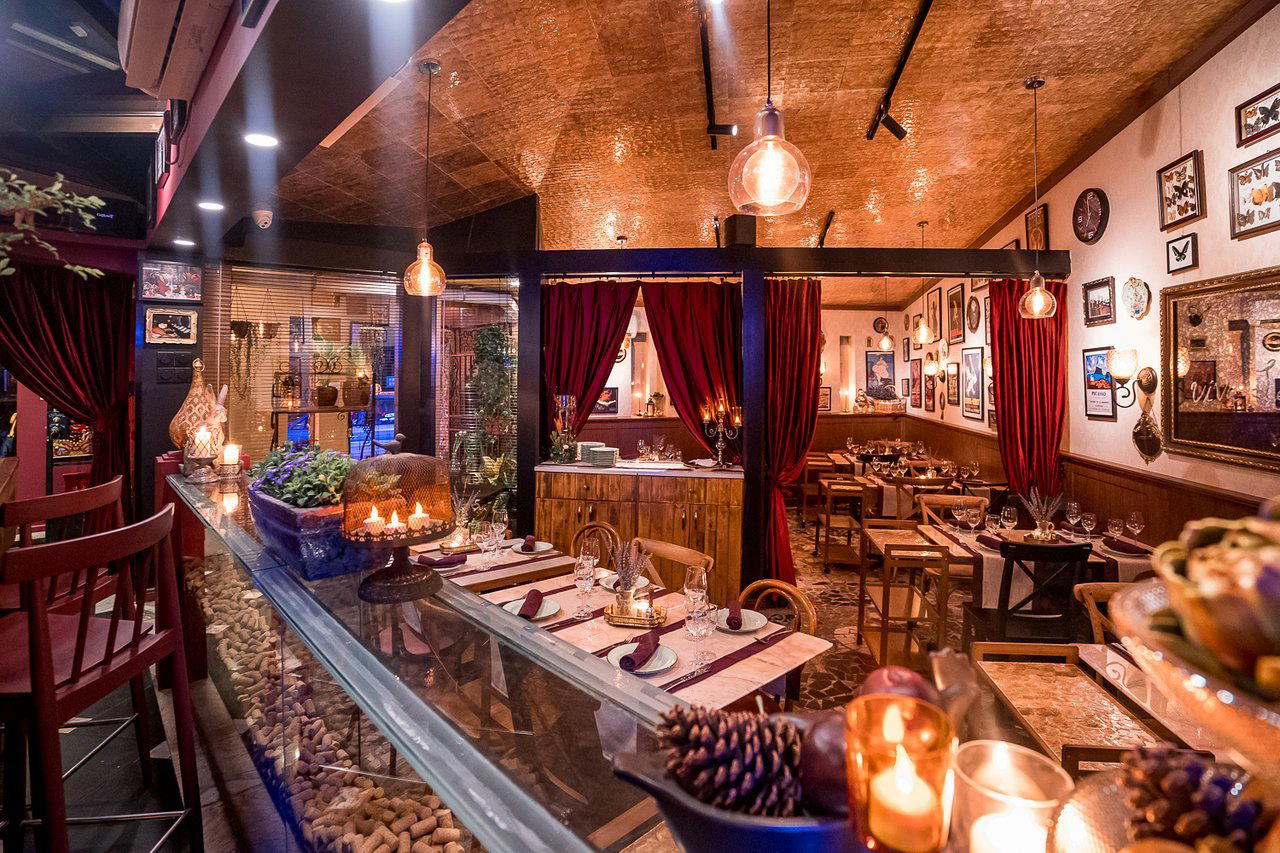
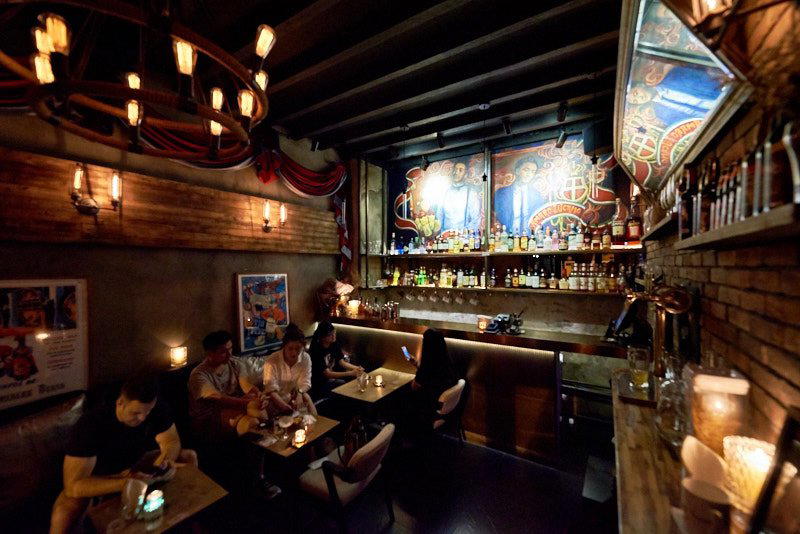
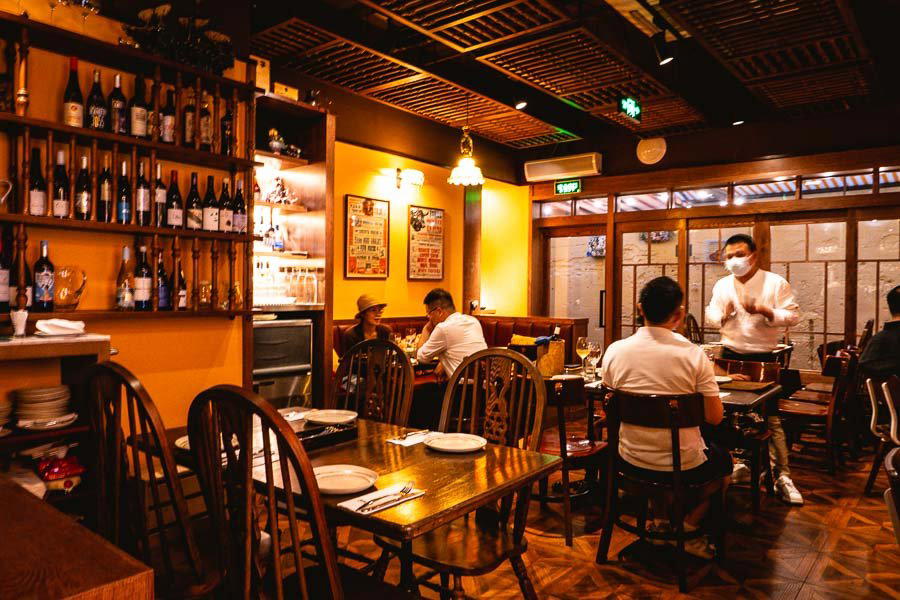
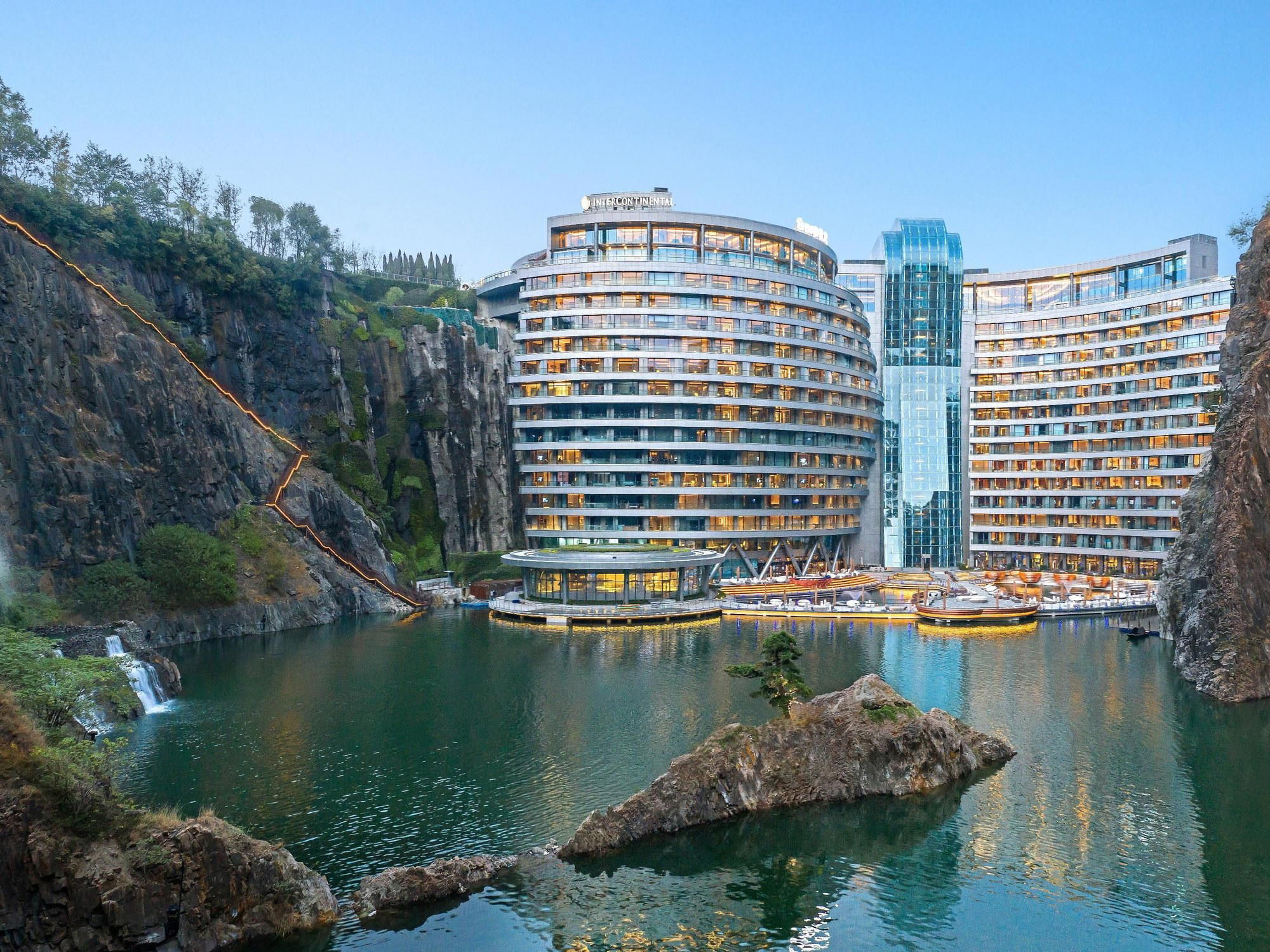
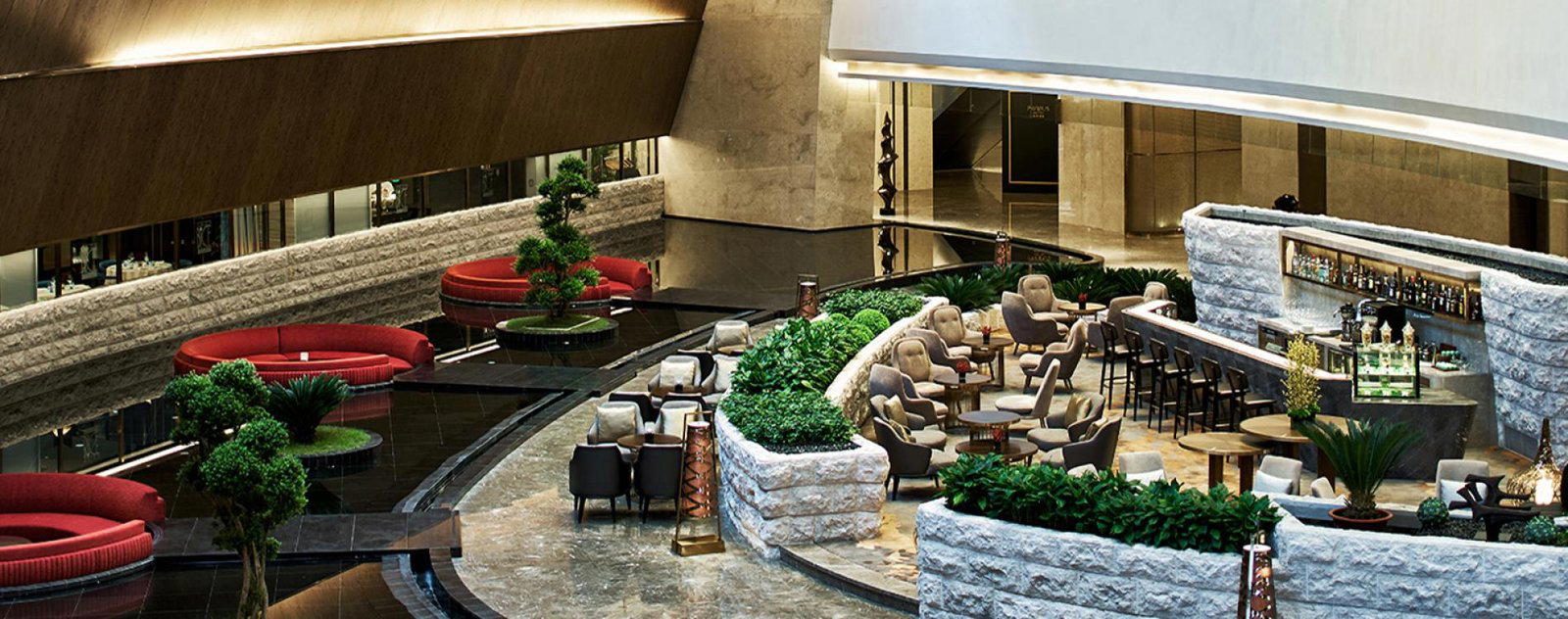
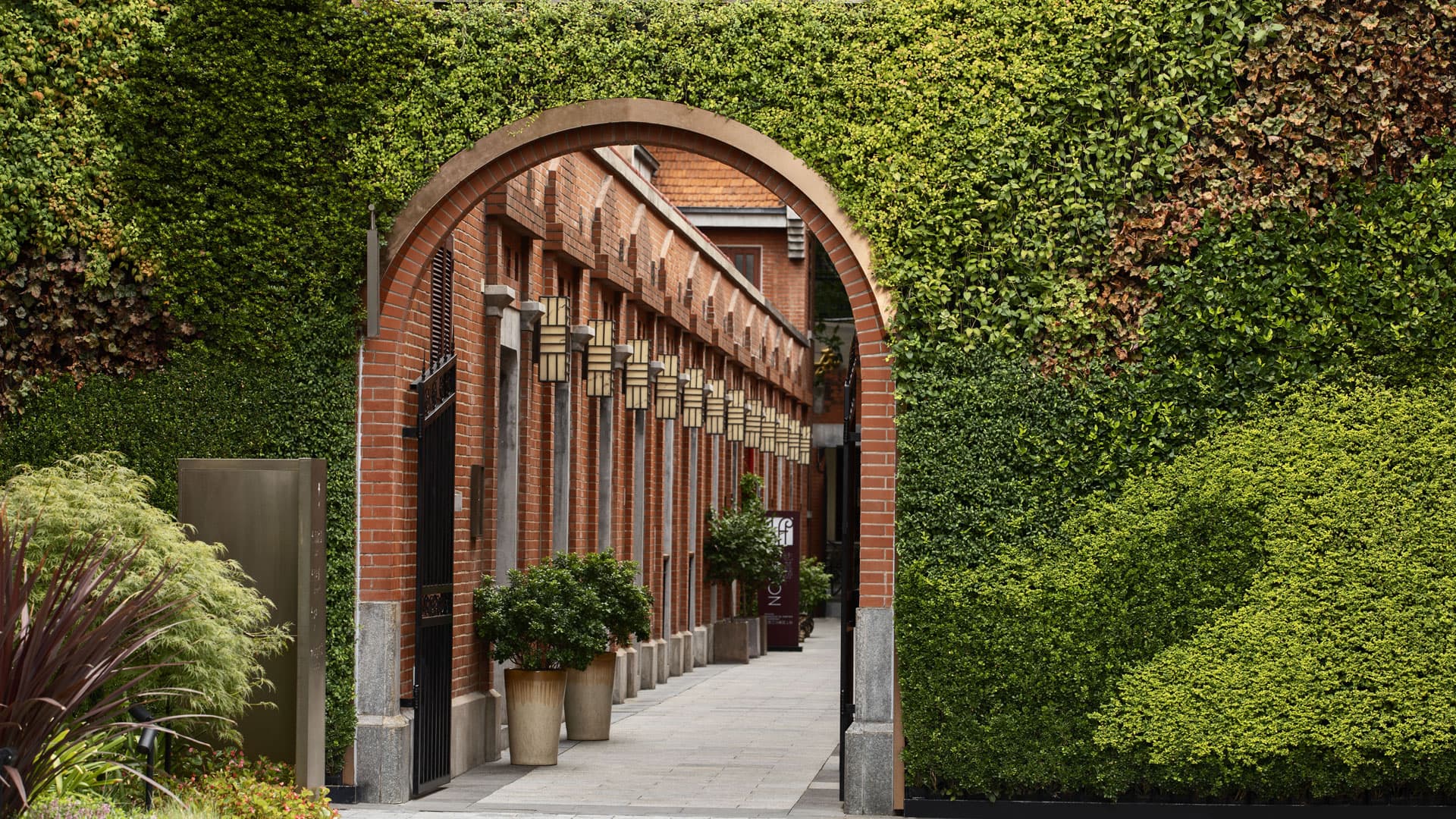
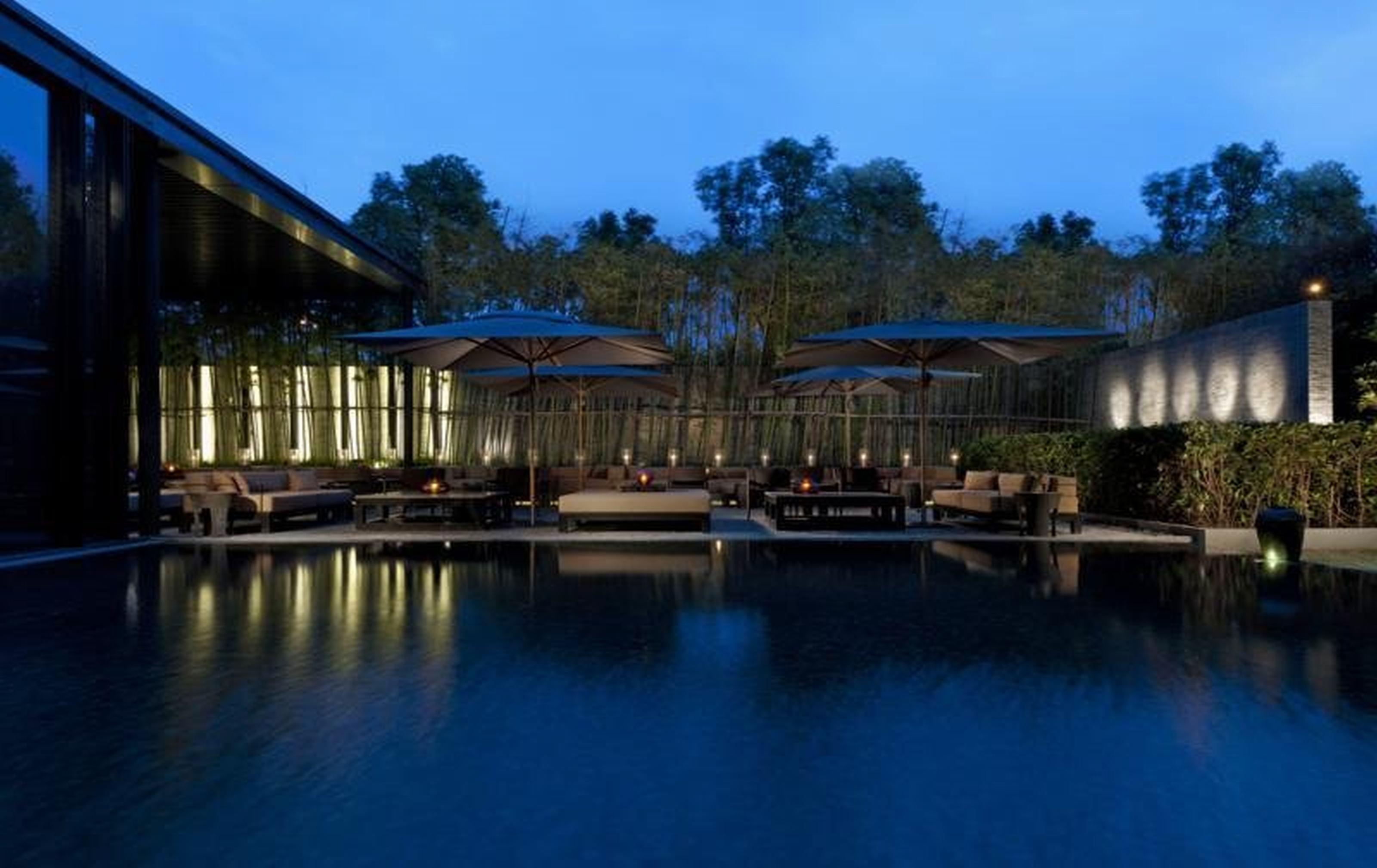
Retro and elegant with aubergine-colored walls, creamy linen, chandelier lighting, and understated sophistication evoking 1930s Shanghai aesthetics.