
yokoyama belongs to Kobe’s small-format creative dining tier: an 8-seat counter working across Innovative, French and Chinese categories, with fish and wine flagged as core strengths. Its 2025 Tabelog 100 selection for Innovative / Creative cuisine gives it a clear credential in a city better known internationally for beef than for hybrid counter cooking.
Pearl is the En Primeur Club membership app — saves, bookings, and concierge access live there. Same editors, same standards.
- Address
- 兵庫県神戸市中央区下山手通4-13-5 三木ビル 1F
- Phone
- +81783316698
- Website
- tabelog.com
 Saves & bookings on Pearl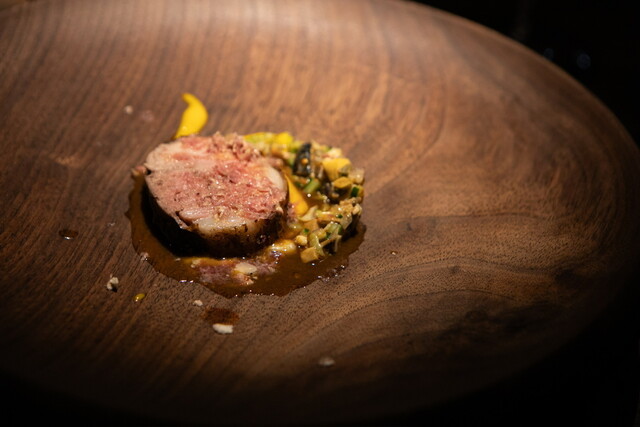
Approaching a small counter restaurant in Kobe changes the rhythm of the meal before the first course appears. The city’s dining identity is often flattened into beef, port-city nostalgia and polished hotel restaurants, yet its more interesting current runs through compact rooms where French technique, Chinese references and Japanese produce share the same stage. yokoyama sits in that current rather than in the familiar steakhouse script, which makes the booking feel less like a luxury errand and more like a decision about what kind of Kobe dinner the night should become.
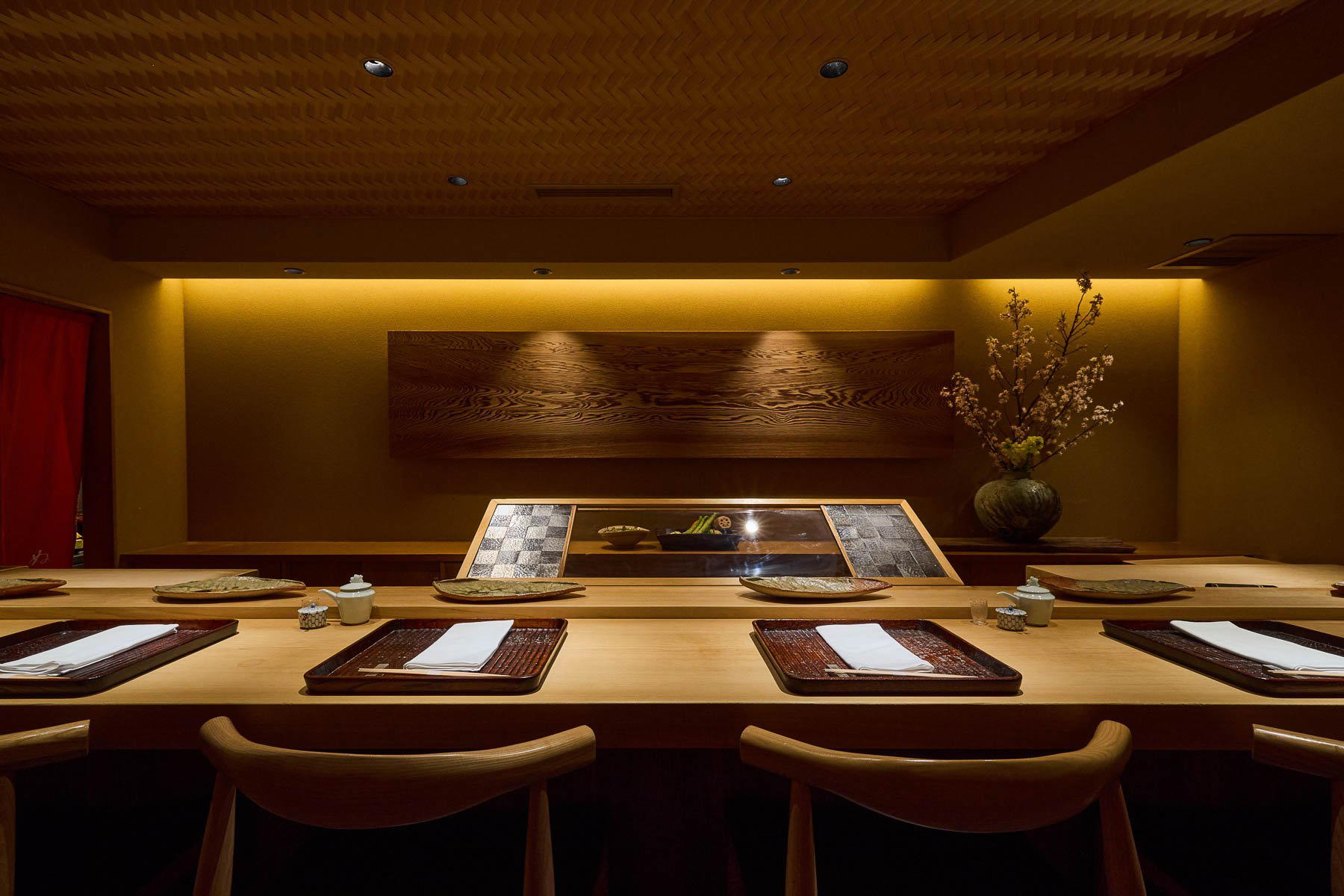
The format matters. An 8-seat room has no slack: pacing, menu sequence and the relationship between kitchen and guest all become part of the experience. Kobe can offer larger, easier tables for visitors moving through Sannomiya, Motomachi and Kitano, but this is the opposite end of the spectrum: a small-capacity creative counter where planning ahead is part of the value. The 2025 Tabelog 100 selection for Innovative / Creative cuisine places it in a national category built for restaurants that do not fit neatly into washoku, French or Chinese boxes.
A Kobe counter built around creative cuisine, not the beef cliché
Kobe’s international reputation still pulls diners toward wagyu, but the city’s local dining culture is broader than that. Port history, Chinatown influence around Nankinmachi, old-school yoshoku and Kansai’s produce networks have made the city unusually comfortable with culinary borrowing. In that context, the Innovative, French and Chinese classification is not a gimmick; it reflects a Kobe tendency to absorb outside languages without treating them as imported theatre.
The stronger comparison is not with grand tasting-menu rooms in Tokyo or Kyoto, but with Kobe’s own divided dining map. Yoshoku GURa and Shinshin occupy lower everyday price bands in the city’s Western-influenced comfort-food lane, while La Pierre Blanche Motomachi ten signals the casual French patisserie and bistro-adjacent side of Motomachi. fuxing and Fushin point toward another part of the city’s Chinese conversation. Against that local spread, yokoyama reads as a narrower, more deliberate proposition: fewer seats, creative-course logic and a wine-aware format rather than a broad à la carte night out.
That distinction is useful for travellers deciding how to spend one serious dinner in Kobe. A beef specialist gives the city’s famous export in concentrated form. A creative counter gives a different read: Kobe as a port city with technique moving across borders. The restaurant’s Tabelog score of 3.73 and its 2025 Hyakumeiten selection are not substitutes for taste, but they do confirm that the room is being judged inside a competitive national frame rather than only by neighbourhood loyalty.
Why the reservation shapes the meal
Small counters are unforgiving for casual planning. With 8 seats, the difference between a confirmed place and a vague intention is the difference between dinner and a missed opportunity. That is especially true for restaurants in Japan’s creative-category tier, where the kitchen is usually built around a fixed sequence rather than a flexible menu designed for walk-in turnover. The experience works when the guest accepts the structure: arrive ready for the room’s pace, the chef’s ordering of courses and the wine conversation implied by the restaurant’s drink focus.
There is also a social dimension to the counter. A compact Kobe room is not the right setting for a loud, sprawling group trying to turn dinner into the background for another event. It suits diners who want to watch a kitchen think through fish, sauce, heat and service rhythm at close range. Solo dining is flagged as a common use case, which says a lot about the format: this is not dining as spectacle for a large table, but as concentration.
Lunch and dinner sit in different price bands, which also changes the decision. In Kobe, lunch can be a practical way to access serious cooking without surrendering the evening to a long-format meal, while dinner tends to carry the fuller sense of occasion. The cash-only note at lunch is the kind of small logistical detail that separates a smooth meal from an avoidable distraction. The room also has no private rooms, so anyone seeking a closed-door business meal should choose another category of restaurant.
How to place it in a wider Kobe itinerary
The strongest Kobe itineraries do not reduce the city to a single meal type. A visitor can read the city through beef, coffee culture, Chinatown-adjacent Chinese cooking, port-era Western dishes and compact contemporary counters. For beef-focused planning, compare the city’s grill tradition through Aburi Niku Kobo Wakkoku Shinkobe ten and Aburi Niku Kobo Wakkoqu Kitano Sakamoto Ten. For an older Kobe café rhythm, Akaneya Coffee Ten belongs in a different part of the day. Akari and Ali's Halal Kitchen show how varied the city’s restaurant map becomes once the itinerary moves beyond steak.
For broader planning, use our full Kobe restaurants guide alongside our full Kobe hotels guide, our full Kobe bars guide, our full Kobe wineries guide and our full Kobe experiences guide. Regional context also helps: compare Japanese dining formats through -Grilled beef Sukiyaki- KAMAKURA TANUKIAN 鎌倉 たぬき庵 in Kamakura. 鮪と炭火焼き うお炭 秋葉原店 in Tokyo.cafe in Osaka.know in Kumamoto, (Shoku) Vietnam in Kawasaki and [Curry Senmon Ten] Maruyama Kyoju. in Sapporo. For Japanese food culture abroad, Jōdo Saké Bar in Los Angeles and Onigiri Time in Pasadena extend the conversation beyond Japan.
The editorial case for yokoyama is clear: it gives Kobe a serious creative counter that does not lean on the city’s usual export image. The limited seat count, Tabelog 100 recognition and cross-category cooking make it a planning-first dinner, better for diners who want focus than for those seeking a flexible, casual night. In a city where many visitors default to beef, this is the reservation that changes the frame.
Cuisine-First Comparison
Comparable venues in the metro at similar price points.
| Venue | Cuisine | Price | Notes |
|---|---|---|---|
| yokoyamaThis venue — the venue you are viewing | Modern Innovative Fusion | $$$ | Not listed |
| Mamounia | Seasonal dessert & omelet-rice café with French–Moroccan influences | $$ | Chūō |
| Kanetatsu | Traditional Yakitori | $$$ | Chūō |
| Sumiyaki Niku Ishidaya. Hanare | Kobe beef charcoal-grilled yakiniku | $$$ | Chūō |
| Tonkatsu to Wine Nichigetsu | Tonkatsu and Wine | $$$ | Chūō |
| Toten Kaku Koube honten | Traditional Chinese (Beijing) in historic Western-style mansion | $$$ | Chūō |
Recognition history
Dated appearances from independent guides and award organizations, with the underlying list record or original source where available.
Tabelog 100 #65 · No. 65
Tabelog · Tabelog 100 - Innovative / Creative cuisine - 2025
Continue exploring
More in Kobe
Restaurants in Kobe
Browse all →
Bars in Kobe
Browse all →
Hotels in Kobe
Browse all →


At a Glance
- Cozy
- Sophisticated
- Intimate
- Modern
- Special Occasion
- Date Night
- Solo
- Celebration
- Private Event
- Chefs Counter
- Open Kitchen
- Standalone
- Extensive Wine List
- Sommelier Led
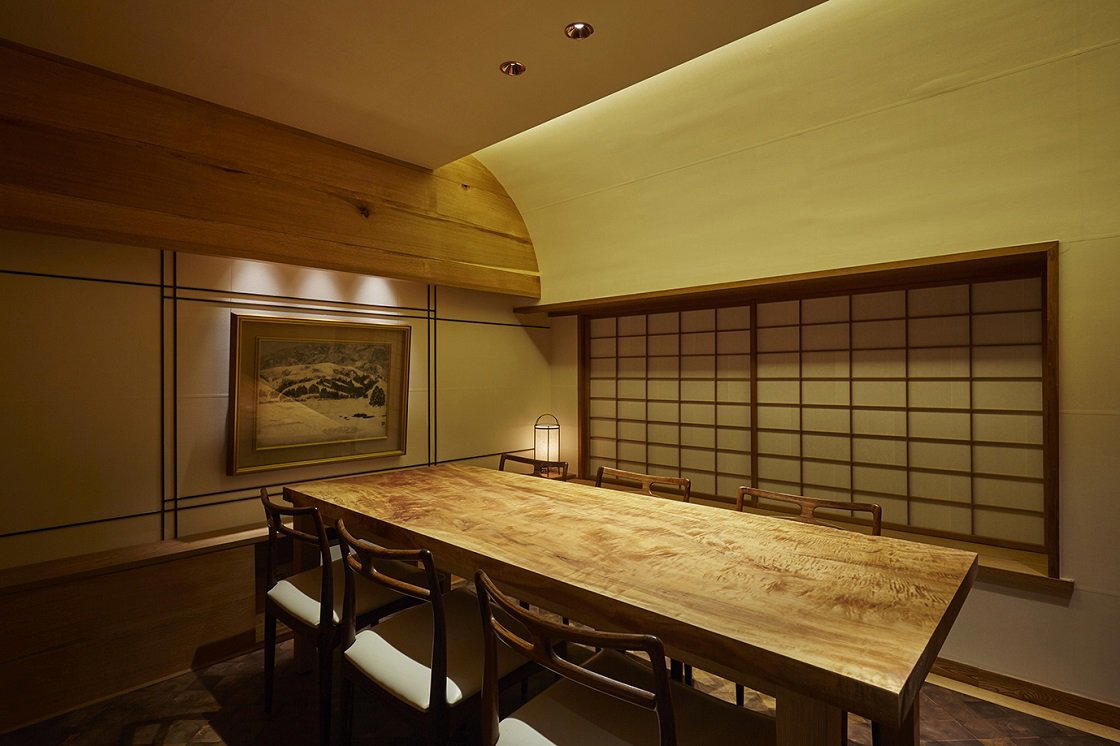
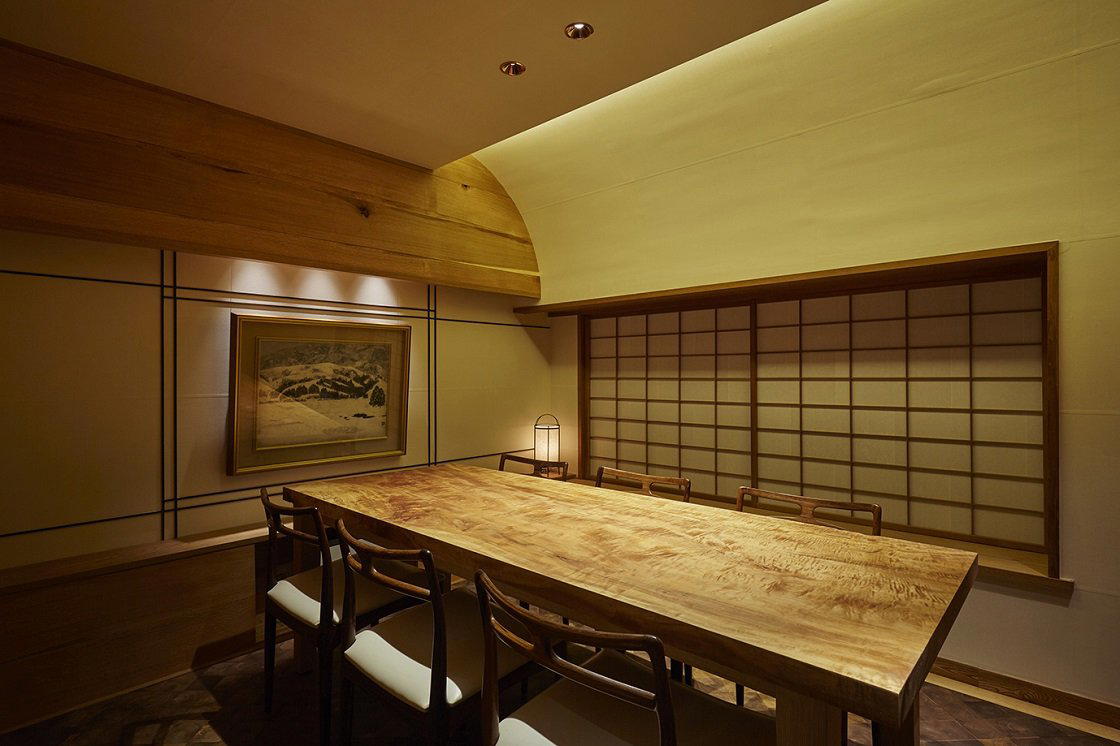
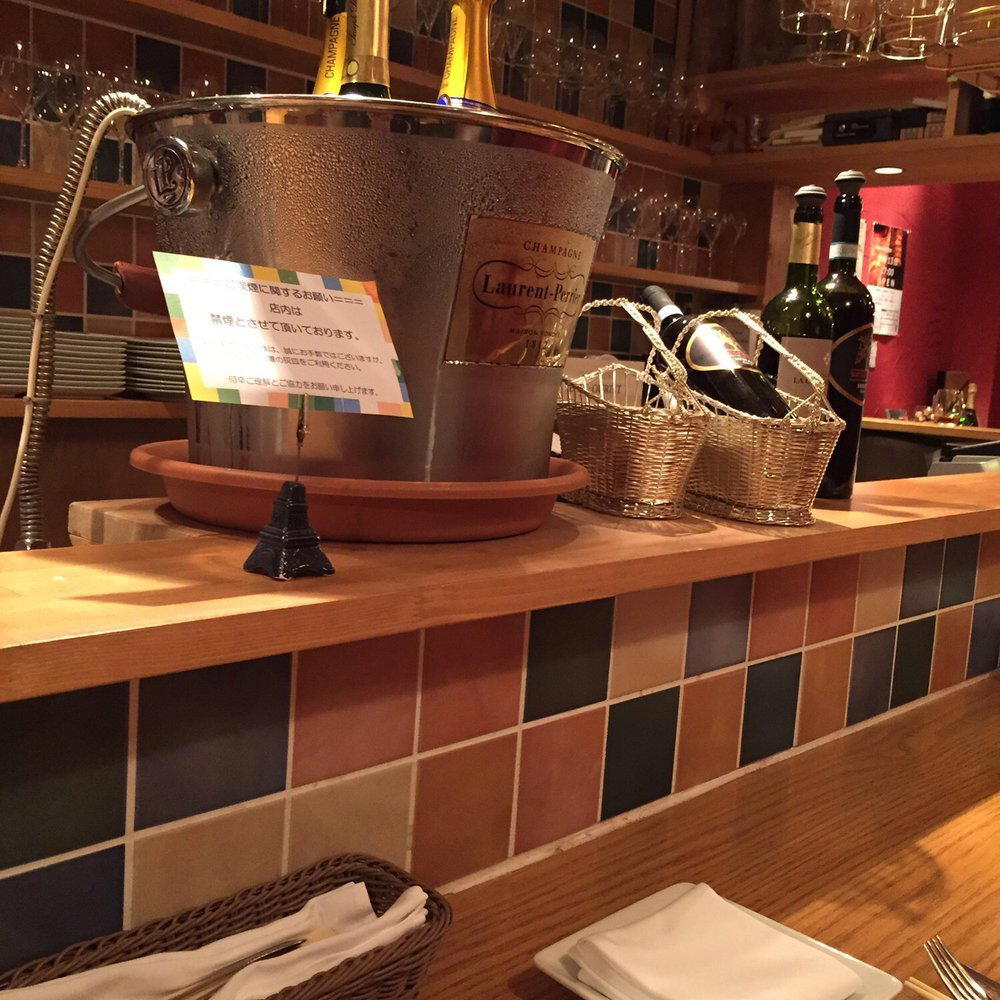
Warm, wooden, and healing, with a stylish hideaway feel; the counter seating and open kitchen create a lively but intimate dining atmosphere.