
Mamounia places Kobe’s café culture in a compact, design-led register: cake, café cooking and pasta in a non-smoking second-floor room near Motomachi. Its selection for Tabelog 100 Cafe WEST 2025 gives the address a clear signal in a city where casual rooms often compete as much on atmosphere and pacing as on price.
Pearl is the En Primeur Club membership app — saves, bookings, and concierge access live there. Same editors, same standards.
- Address
- Japan, 〒650-0012 Hyogo, Kobe, Chuo Ward, Kitanagasadori, 3 Chome−2−16 ハット・トリックビル 2F
- Phone
- +81 78-332-2837
- Website
- mamounia-kobe.com
 Saves & bookings on Pearl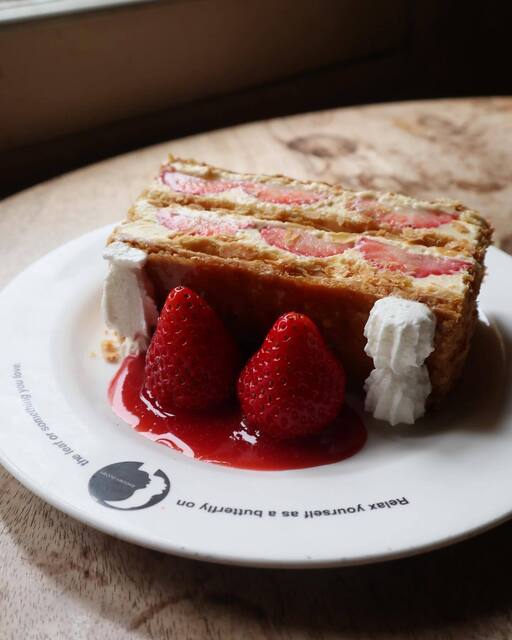
Second-floor cafés matter in Kobe. Around Motomachi and Sannomiya, the city’s smaller rooms often sit above street level, reached after a quick climb from shopping arcades, station exits and side streets where the mood changes by the block. Mamounia belongs to that urban rhythm: a 45-seat café above Kitanagasadori, built around cake, café dishes and pasta rather than the formal meal structure that defines Kobe’s beef counters and Chinese dining rooms.
The distinction is useful. Kobe’s dining identity can lean expensive quickly, especially when beef or private-room Chinese cooking enters the conversation. Canton Ryori Chinese Shuka Toa rodo ten occupies a higher dinner bracket, while terzo prices itself well above the casual café range. Mamounia sits in a lighter category, with listed lunch and dinner budgets of JPY 1,000 to JPY 1,999 and a Tabelog score of 3.59. That combination puts the café in the practical middle of the city: serious enough to be selected for Tabelog 100 Cafe WEST 2025, but not structured as a destination tasting-menu room.
A Motomachi café where the room is part of the point
Kobe has a long habit of absorbing outside influences without turning every meal into a grand statement. Port-city history, department-store sweets culture and kissaten habits all feed into the local café scene. In that context, design carries weight. A café can be judged not only by what lands on the table, but by how long the room encourages people to stay, how seats are arranged, and whether the space can handle friends, families and solo stops without feeling improvised.
Mamounia’s listed categories, café, cake and pasta, point to that flexible Japanese café format: part dessert stop, part casual lunch, part late-afternoon refuge. Sofa seating and a non-smoking policy reinforce the room’s intended use as a lingerable interior rather than a quick counter. The private-use range, from smaller gatherings to 20–50 people, also says something about scale. This is not a tiny kissaten built around one master and a few stools; it is a compact but event-capable room where layout does part of the hospitality work.
The Tabelog 100 Cafe WEST 2025 selection is the main trust signal here. Hyakumeiten recognition in the café category does not mean the same thing as Michelin dining; it is a different kind of filter, one that favors consistency, local affection and category clarity across western Japan. For a traveler, that matters because café listings in Japan can be noisy. A named selection narrows the field without forcing the day into a luxury itinerary.
Where it fits beside Kobe's heavier dining habits
The city’s restaurant map is easier to read when grouped by meal weight. Beef rooms such as Aburi Niku Kobo Wakkoku Shinkobe ten and Aburi Niku Kobo Wakkoqu Kitano Sakamoto Ten anchor a richer, reservation-driven version of Kobe dining. Chinese addresses such as Juntoku and Rakkanki occupy another local lane, with lunch pricing that overlaps casual cafés while dinner moves higher. Motomachi Kissa sits at the cheaper end of the café spectrum. Mamounia lands between these poles: lower-commitment than dinner-led rooms, more decorated by recognition than a basic coffee stop.
That middle position is its editorial value. It suits a Kobe day that has already asked for walking: Kitano slopes, Motomachi shopping, the waterfront, or a cross-town itinerary that needs a sit-down pause without a full restaurant reset. The food categories are broad rather than chef-branded, and that broadness is the point. Japan’s café culture often works because it refuses to specialize too narrowly; cake, pasta and coffee-adjacent pacing can share the same table without apology.
The room’s family-friendly listing and friends-oriented occasion tags also help define the experience. Kobe has plenty of adult, counter-led rooms, but a good café must absorb mixed use. Children are welcome, private rooms are not listed, and the space is described through comfort rather than formality. Those signals tell the traveler to read the venue as social and accessible, not hushed or ceremonial.
How to place it in a Kobe day
Mamounia works better as a planned pause than as a grand finale. Its hours cover the middle of the day into early evening, and the no-reservations policy makes timing part of the decision. The Motomachi location is useful for travelers moving between central Kobe neighborhoods, especially when the day needs an indoor reset rather than another full meal. Payment is cash-oriented, with cards, electronic money and QR payments not accepted, so the logistics reward a little preparation.
For a wider read on the city, pair this café lens with Akaneya Coffee Ten, Akari or Ali's Halal Kitchen, each pointing to a different version of Kobe’s casual dining map. The broader planning pages are useful when the trip stretches beyond one room: Our full Kobe restaurants guide, Our full Kobe hotels guide, Our full Kobe bars guide, Our full Kobe wineries guide and Our full Kobe experiences guide map the surrounding options.
Readers comparing Japanese casual formats beyond Kobe can look at -Grilled beef Sukiyaki- KAMAKURA TANUKIAN 鎌倉 たぬき庵 in Kamakura. 鮪と炭火焼き うお炭 秋葉原店 in Tokyo.cafe in Osaka.know in Kumamoto, (Shoku) Vietnam in Kawasaki, [Curry Senmon Ten] Maruyama Kyoju. in Sapporo, Jōdo Saké Bar in Los Angeles and Onigiri Time in Pasadena. The useful comparison is not cuisine alone, but how casual rooms organize time, seating and appetite.
The verdict is compact: Mamounia is for travelers who care about café culture as part of Kobe’s urban fabric. The award recognition gives it credibility, the room gives it a reason to linger, and the price band keeps it aligned with everyday city eating rather than special-occasion dining.
Same-City Peers
Comparable venues at a glance for context.
| Venue | Cuisine | Price | Notes |
|---|---|---|---|
| MamouniaThis venue — the venue you are viewing | Seasonal dessert & omelet-rice café with French–Moroccan influences | $$ | Not listed |
| Akari | Creative Japanese-inspired fusion | $$ | Chūō |
| Shinshin | Traditional Cantonese rice porridge & dim sum | $$ | Chūō |
| Grill Ippei Shinkaiti honten | Yoshoku (Japanese-Style Western Cuisine) | $$ | Hyōgo |
| Yoshokuya Yuuki | Japanese yoshoku (Western-style comfort food) | $$ | Hyōgo |
| QUATTRO | Kobe yoshoku (Japanese-style Western) | $$ | Chūō |
Recognition history
Dated appearances from independent guides and award organizations, with the underlying list record or original source where available.
Tabelog 100 #6 · No. 6
Tabelog · Tabelog 100 - Cafe - WEST - 2025
Continue exploring
More in Kobe
Restaurants in Kobe
Browse all →
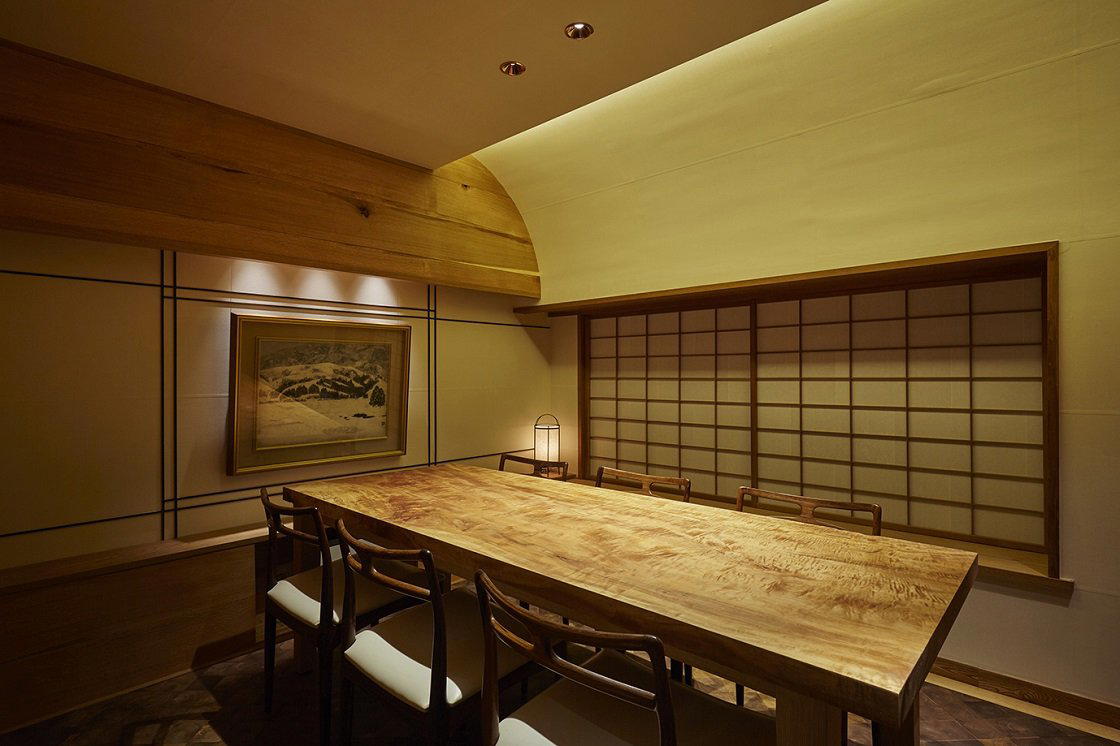
Bars in Kobe
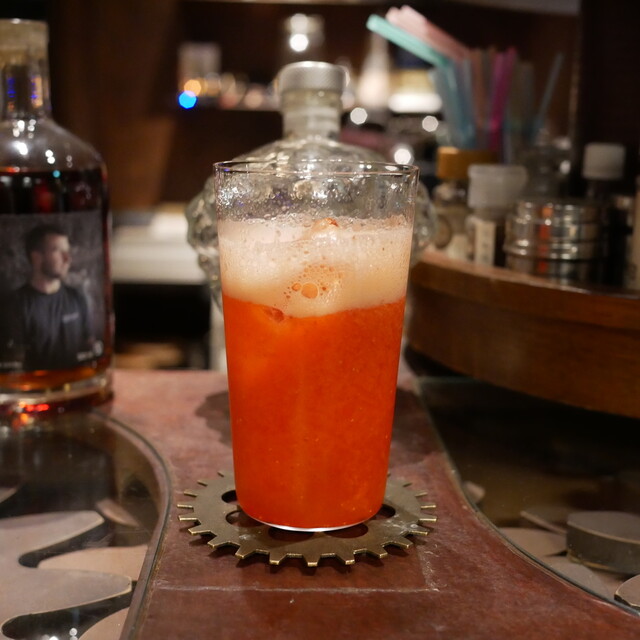
Browse all →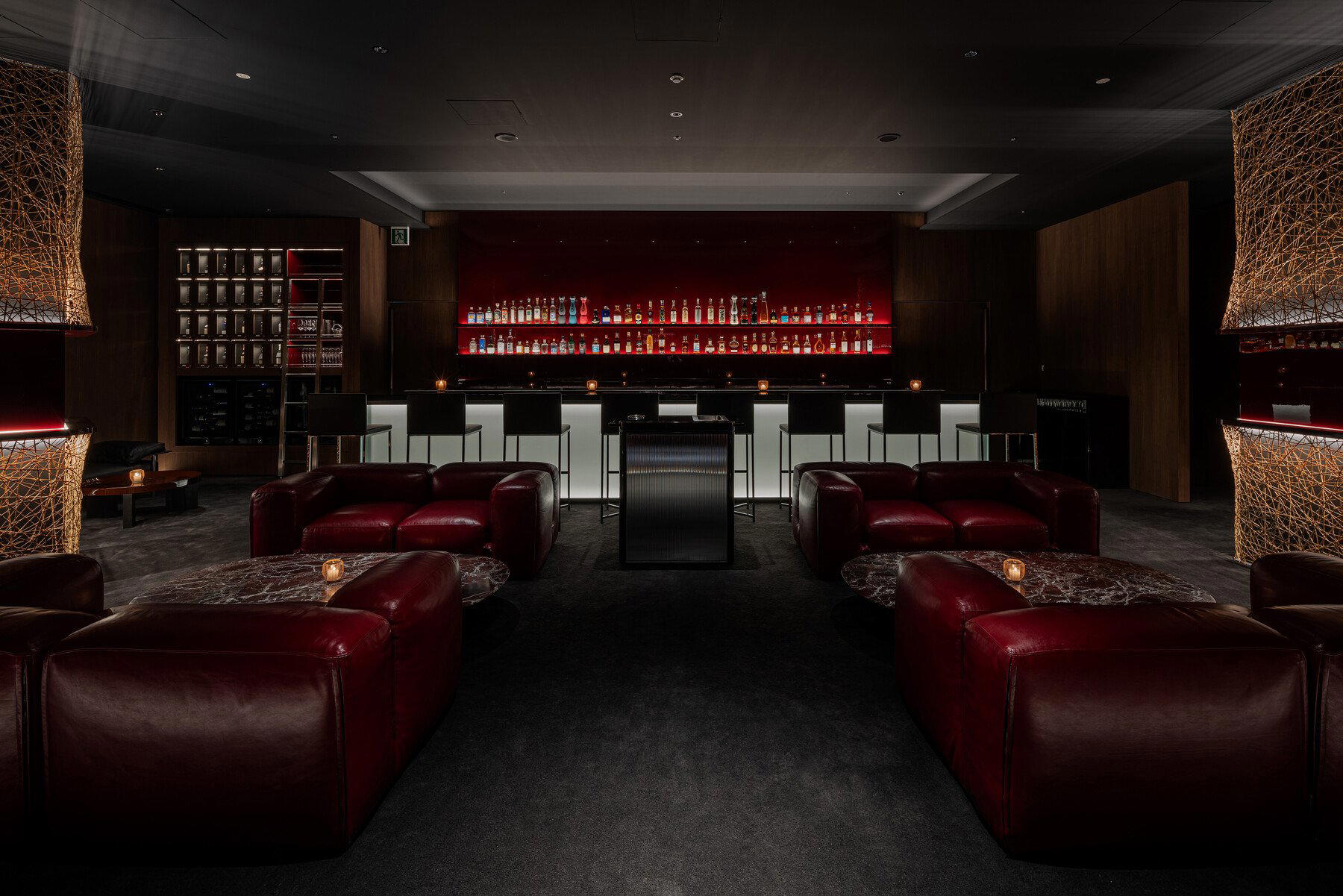



Hotels in Kobe
Browse all →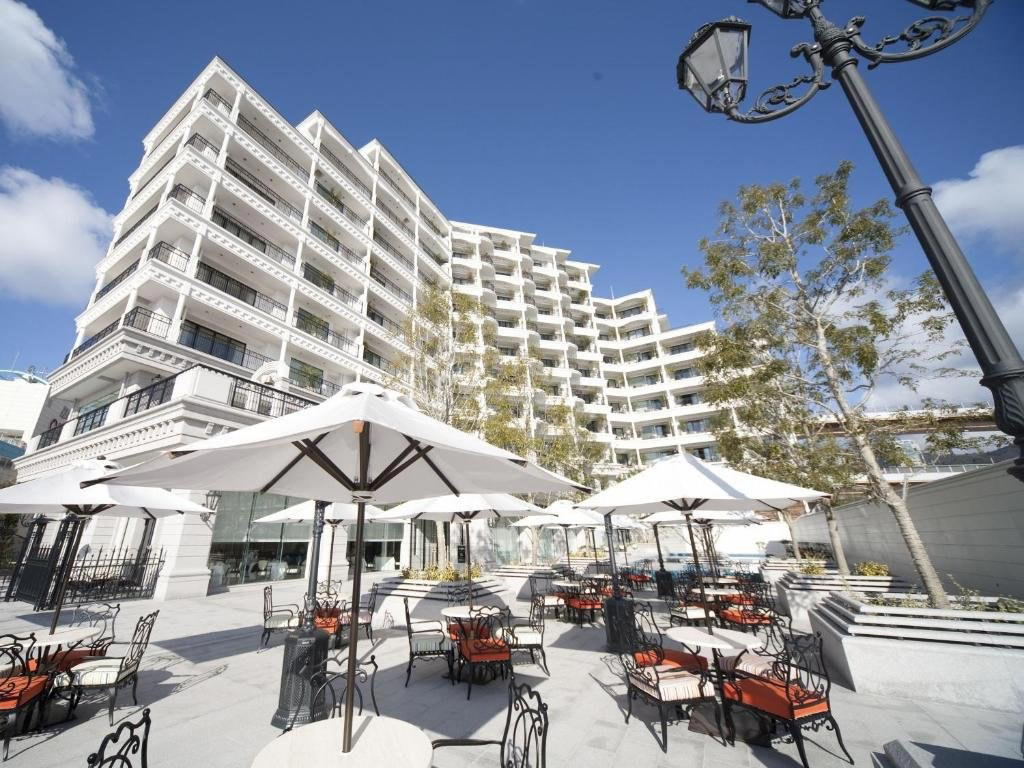


At a Glance
- Cozy
- Classic
- Scenic
- Romantic
- Casual Hangout
- Date Night
- Solo
- After Work
- Celebration
- Design Destination
- Panoramic View
- Standalone
- Street Scene
Current opening hours
- Monday
- 12–7 PM
- Tuesday
- 12–7 PM
- Wednesday
- 12–7 PM
- Thursday
- 12–7 PM
- Friday
- 12–7 PM
- Saturday
- 12–7 PM
- Sunday
- 12–7 PM
Hours can change for holidays and private events. Last verified .
The atmosphere is relaxed and nostalgic, with antique furniture, warm café lighting, and a slightly romantic, hideaway feel overlooking the Toa West street from an upper floor.