
Sumiyaki Niku Ishidaya. Hanare sits in Kobe’s beef culture through the ritual of yakiniku rather than the performance of teppanyaki. Its Tabelog 100 Yakiniku WEST 2025 selection, all-table format, and Sannomiya setting place it in the city’s serious grill category, with the meal shaped by pacing, smoke control, shared ordering, and careful attention to the grill.
Pearl is the En Primeur Club membership app — saves, bookings, and concierge access live there. Same editors, same standards.
- Address
- Japan, 〒650-0012 Hyogo, Kobe, Chuo Ward, Kitanagasadori, 1 Chome−21−2 TAKAIビル 7F
- Phone
- +81 78-335-2009
- Website
- kobe-ishidaya.com
 Saves & bookings on Pearl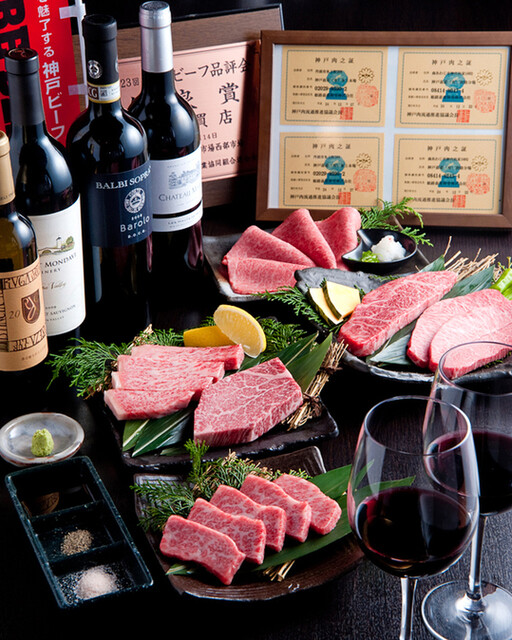
Serious yakiniku in Kobe is less ceremonial than the city’s steakhouse tradition, but it has its own code. The room is built around tables, not a chef-facing counter, so the drama moves to the grill between diners: who turns the meat, how long each cut rests, when rice or drinks enter the rhythm, and how the table manages heat without rushing. Sumiyaki Niku Ishidaya. Hanare belongs to that Kobe category, where beef is not a plated monument but cooked through small decisions across the meal.
Kobe’s beef reputation often sends visitors toward teppanyaki, where the chef controls pace and the diner watches. Yakiniku demands different attention: social, technical, and more revealing of a group’s habits than steak dinner. Wine, cocktails, sake, and shochu reinforce the format. This is not a quick grill-and-go room, but a place where the table can stretch the meal while staying focused on charcoal and meat.
Yakiniku in Kobe works by rhythm, not spectacle
The defining idea is Japanese BBQ in a city where beef carries unusual cultural weight. Kobe has long turned cattle provenance into dining theatre, but yakiniku translates that prestige into a more democratic ritual. Instead of one steak as centrepiece, the meal is built from successive plates, controlled heat, and shared responsibility. For travellers comparing Kobe beef formats, the distinction matters: teppanyaki is kitchen-led performance and precision; yakiniku is table-led pacing and judgement.
The Tabelog 100 Yakiniku WEST 2025 selection is a meaningful trust signal within western Japan’s grill category. The restaurant was also selected for Tabelog’s yakiniku or grill lists in 2020, 2022, 2023, and 2024, suggesting sustained recognition rather than a single-year spike. A Tabelog score of 3.68 places it in the platform’s serious user-rated tier, especially where local repeat dining often matters more than destination tasting-menu acclaim.
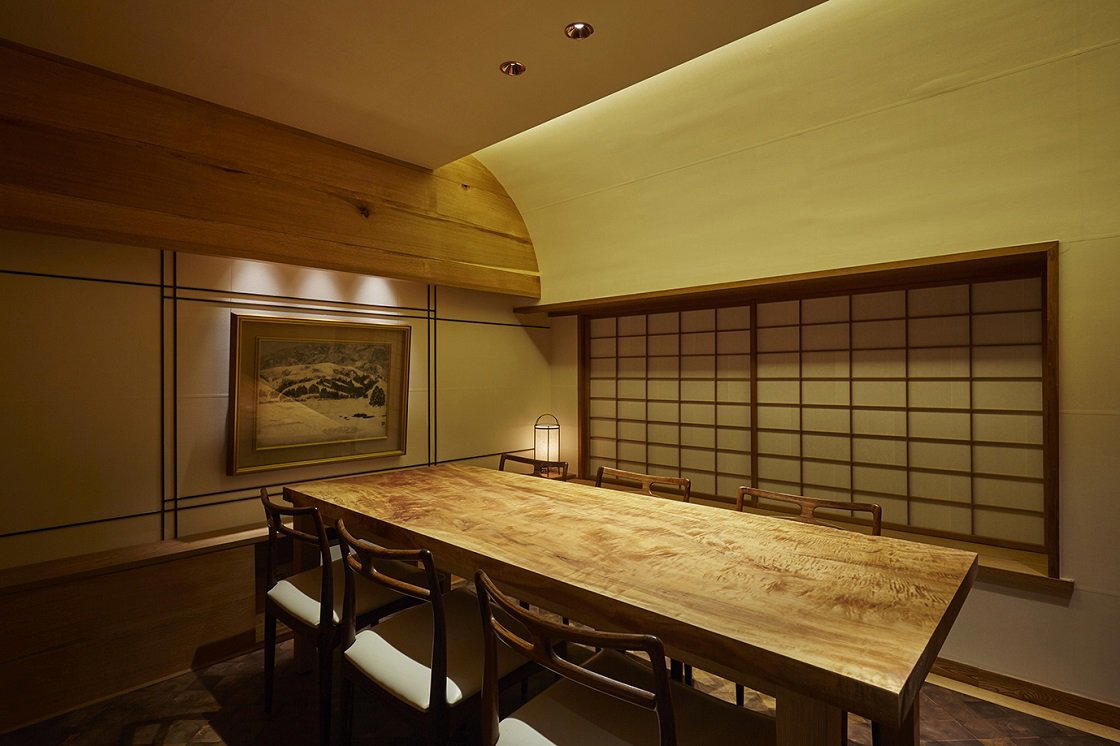
All-table, 50-seat layout also defines the experience. This is neither the micro-counter model that dominates high-end sushi discourse nor the chef-led steakhouse format associated with Kobe beef tourism. It is a dining room for groups, pairs, and repeat meals, closer to the city’s after-work and weekend grilling culture. The format makes sense for friends, the occasion most visibly attached to the restaurant’s public listing, and suits diners who want conversation to run beside the cooking rather than pause for staged presentation.
Where Hanare sits among Kobe's beef options
In Kobe, beef dining splits into several lanes: teppanyaki rooms built around chef control, casual grill shops built around price and speed, and yakiniku restaurants aiming for a composed evening without fine-dining theatre. Sumiyaki Niku Ishidaya. Hanare sits in the premium-casual middle: more structured than a low-cost neighbourhood grill, less formal than a steak counter, and driven by the table’s ability to manage pace.
That position is clearer against local peers. Yakiniku Horumon Kopu appears in the same JPY 6,000 to JPY 7,999 dinner band, a relevant comparison for diners choosing within Kobe’s grill category. Rojiura Stand Abec and Misaku Kobe kitano ten occupy lower published bands, answering a different question: casual drinking food or lighter spending rather than a fuller yakiniku evening. Kobe Kikusui Teppanyaki Restaurant belongs to another beef grammar, with teppanyaki’s chef-led structure shaping the meal from the opposite direction.
The Ishidaya name also matters in a city where repeatable meat sourcing, smoke management, and service rhythm separate competent yakiniku from destination-worthy yakiniku. The point is consistency, not biography. A grill room with repeated Tabelog 100 recognition must perform across ordinary services, not only for special-occasion diners. In yakiniku, that means enough guidance for the table to cook well while retaining the relaxed autonomy that makes the genre appealing.
Readers mapping a wider Kobe itinerary can use Our full Kobe restaurants guide for context beyond beef, while hotel planning sits separately in Our full Kobe hotels guide. For a different Kobe beef expression, compare the teppanyaki-adjacent formats at Aburi Niku Kobo Wakkoku Shinkobe ten and Aburi Niku Kobo Wakkoqu Kitano Sakamoto Ten. For a broader day in the city, Akaneya Coffee Ten, Akari, and Ali's Halal Kitchen show how varied the city’s dining map becomes once the beef narrative loosens.
The table has responsibilities
Yakiniku rewards diners who treat the grill as part of the meal, not background equipment. The etiquette is practical: order in waves, cook a few pieces at a time, avoid crowding the grate, and let richer cuts set the pace rather than chasing volume. In a beef city, the temptation is to over-order early. Better meals build gradually, with drinks and rice acting as structure rather than distraction.
The no-private-room, all-table format is part of the ritual. The setting is sociable, not secluded. It suits diners comfortable with the sound and movement of a shared grill room, and less anyone seeking the hush of a tasting counter. Non-smoking policy and broad electronic payment acceptance add modern convenience, but the meal remains rooted in an older Japanese habit: the group gathers around heat, cooks together, and lets conversation follow the grill.
For visitors extending the night, Kobe’s bar, winery, and experience coverage sits in Our full Kobe bars guide, Our full Kobe wineries guide, and Our full Kobe experiences guide. Travellers comparing Japanese beef and grill traditions elsewhere can look at -Grilled beef Sukiyaki- KAMAKURA TANUKIAN 鎌倉 たぬき庵 in Kamakura. 鮪と炭火焼き うお炭 秋葉原店 in Tokyo.cafe in Osaka.know in Kumamoto, (Shoku) Vietnam in Kawasaki, [Curry Senmon Ten] Maruyama Kyoju. in Sapporo, Jōdo Saké Bar in Los Angeles, and Onigiri Time in Pasadena.
The editorial case is clear: choose this restaurant for Kobe beef culture in participatory form. The reward is not theatrical plating or chef biography, but the discipline of the grill, the social tempo of the table, and a recognised place within western Japan’s yakiniku conversation.
Cuisine and Awards Snapshot
Comparable venues in the metro at similar price points.
| Venue | Cuisine | Price | Notes |
|---|---|---|---|
| Sumiyaki Niku Ishidaya. HanareThis venue — the venue you are viewing | Kobe beef charcoal-grilled yakiniku | $$$ | Not listed |
| Sumiyaki Shio Horumon 『A』 Kobe Sakaba | Charcoal-grilled Tajima beef & offal yakiniku | $$$ | Chūō |
| Yuzaburo | Japanese Yakiniku & Wagyu Steak | $$$ | Chūō |
| éº¤ç® | Traditional Japanese Kaiseki | $$$ | Chūō |
| Shizune | Yakitori Omakase with Local Jidori Chicken | $$$ | Chūō |
| Teppanyaki Kokoro | Luxury Kobe Beef Teppanyaki | $$$$ | Chūō |
Recognition history
Dated appearances from independent guides and award organizations, with the underlying list record or original source where available.
Tabelog 100 #7 · No. 7
Tabelog · Tabelog 100 - Yakiniku - WEST - 2025
Continue exploring
More in Kobe
Restaurants in Kobe
Browse all →
Bars in Kobe
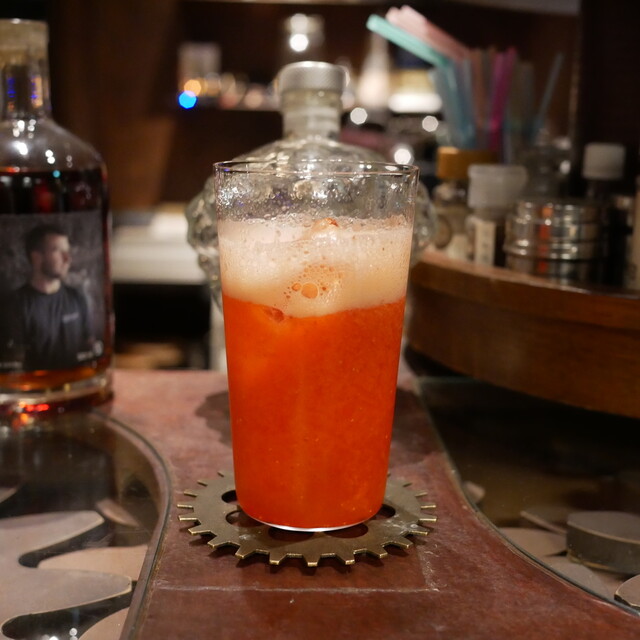
Browse all →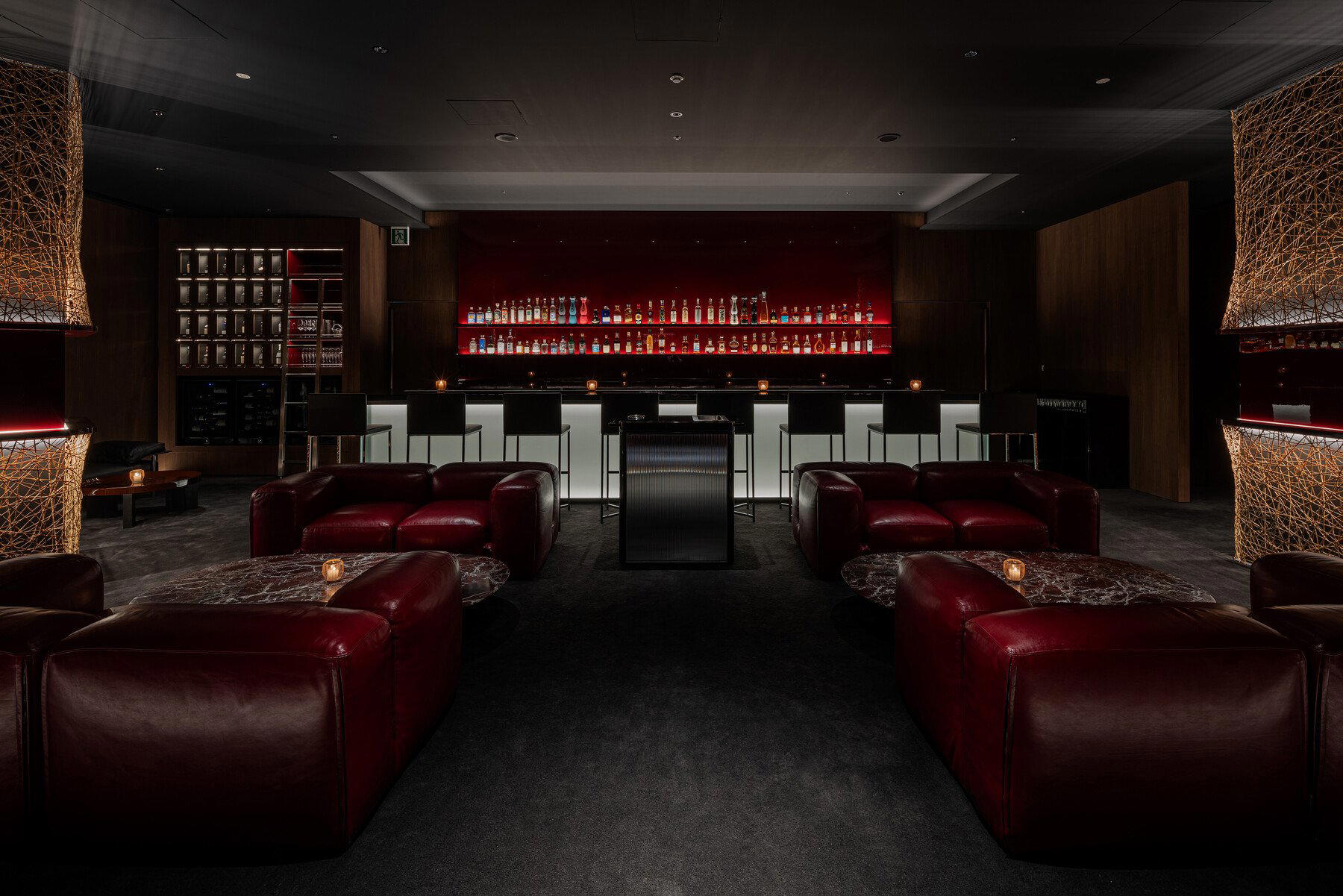



Hotels in Kobe
Browse all →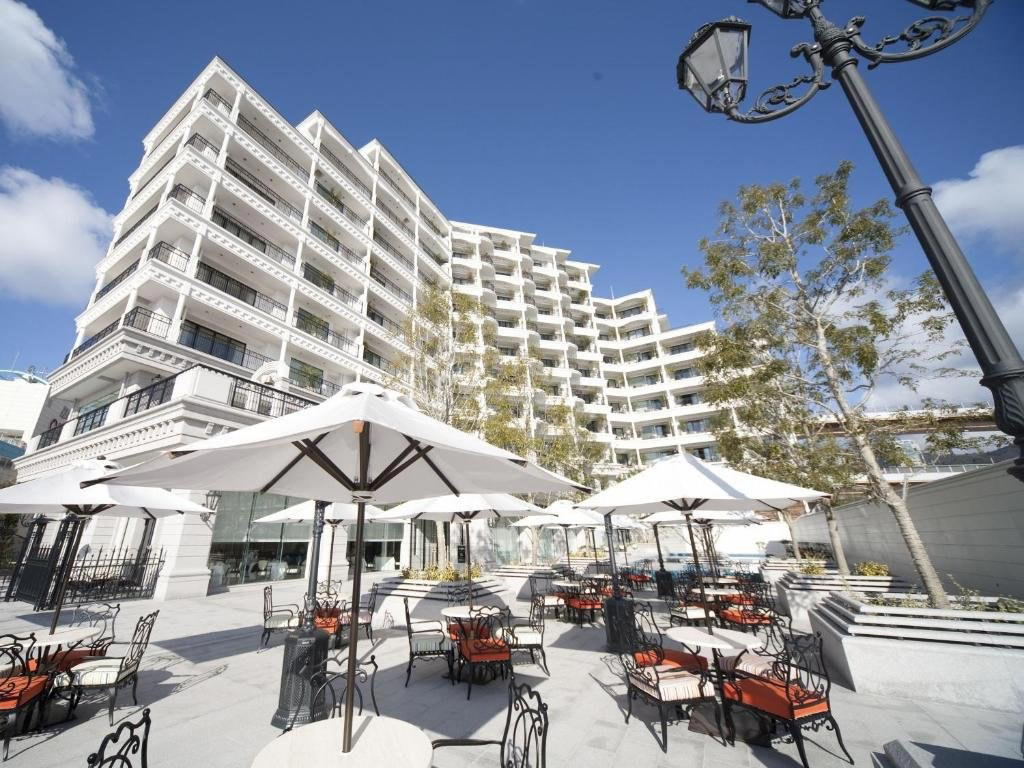


At a Glance
- Modern
- Cozy
- Intimate
- Elegant
- Date Night
- Business Dinner
- Group Dining
- Celebration
- After Work
- Private Dining
- Standalone
- Local Sourcing
Current opening hours
- Monday
- 5–10:30 PM
- Tuesday
- 5–10:30 PM
- Wednesday
- Closed
- Thursday
- 5–10:30 PM
- Friday
- 5–10:30 PM
- Saturday
- 12–2 PM, 4:30–9:30 PM
- Sunday
- 12–2 PM, 4:30–9:30 PM
Hours can change for holidays and private events. Last verified .
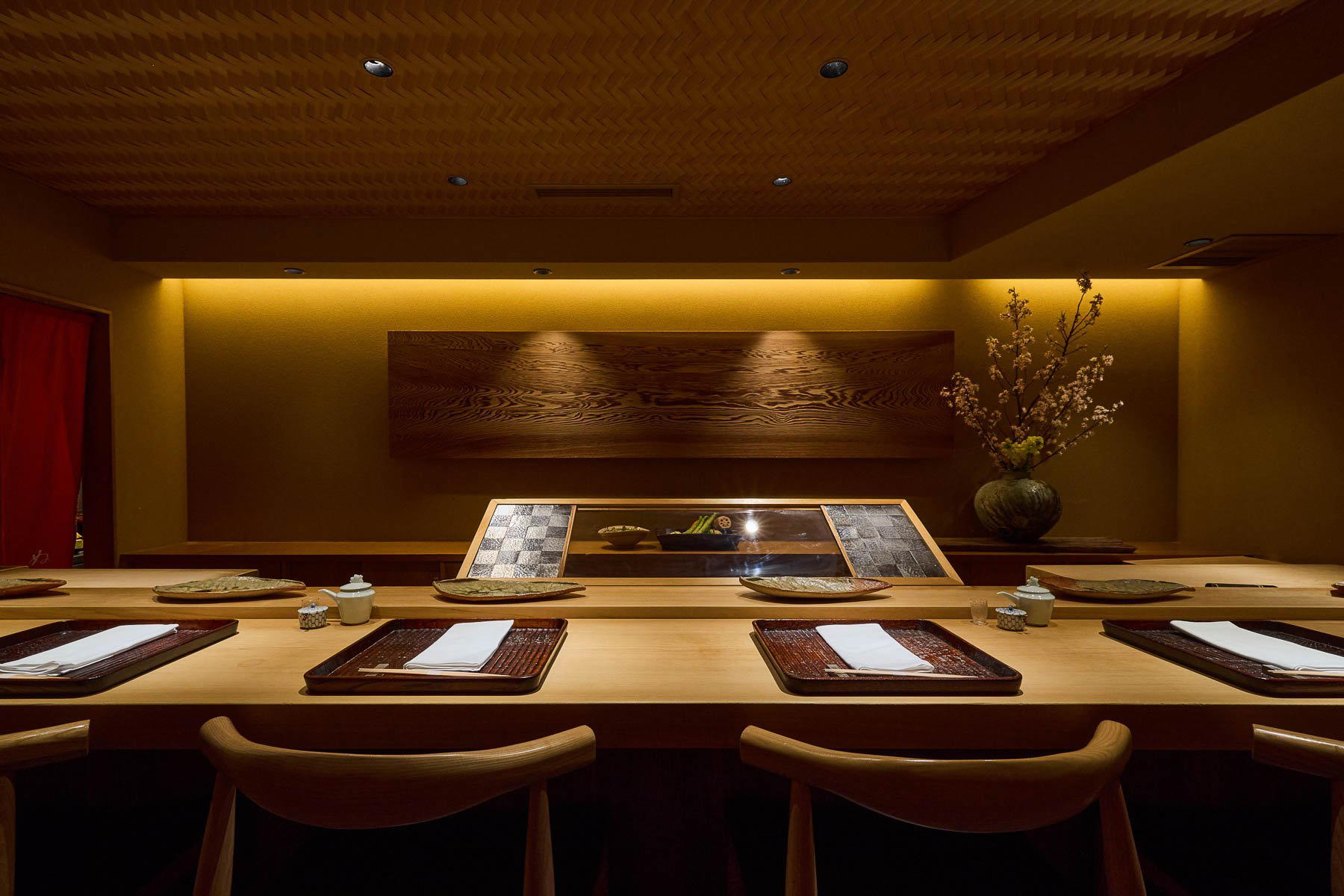
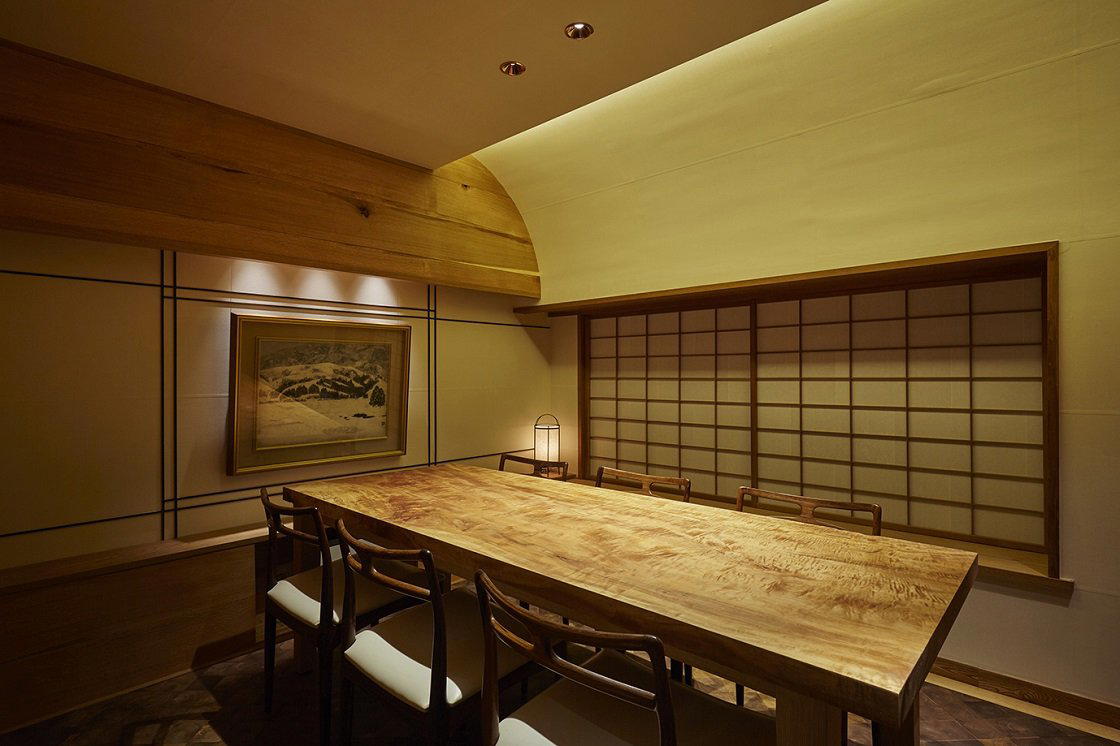
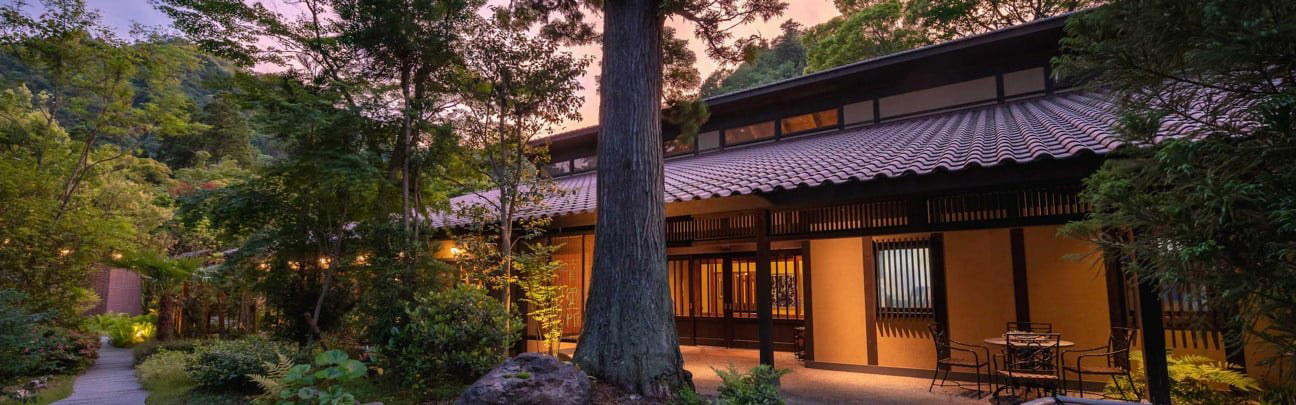
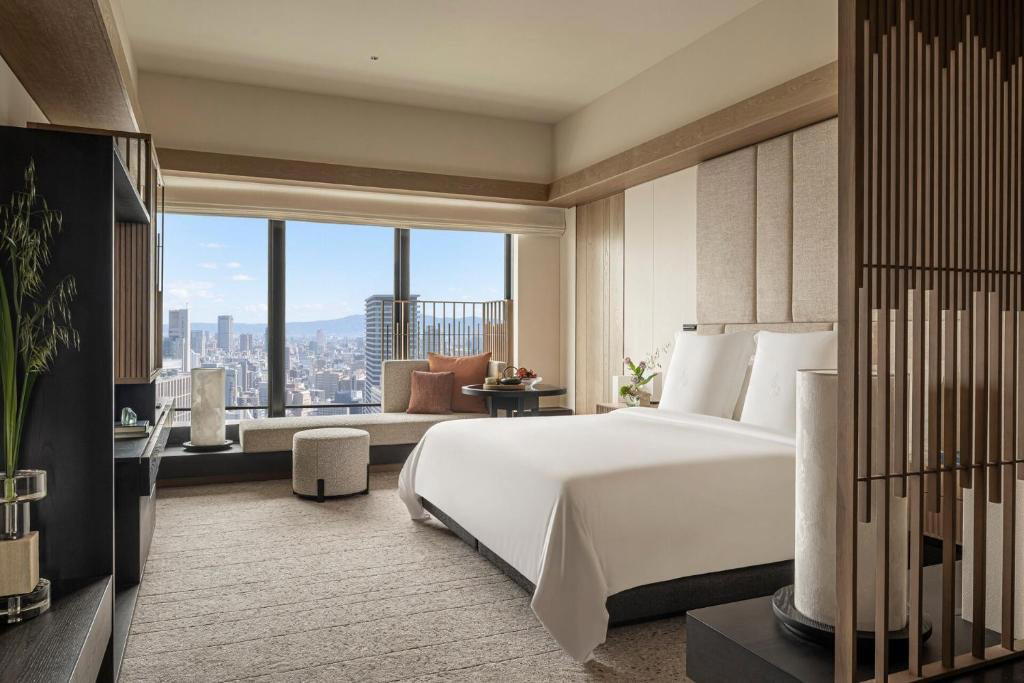
A calm, modern Japanese interior with soft indirect lighting, creating a relaxed and comfortable atmosphere suitable for business dinners, dates, and small gatherings.