
In Kitano-Yamamoto-dori, Kobe’s old foreign-settlement geography gives Chinese dining a different frame from the city’s steakhouse shorthand. Toten Kaku Koube honten belongs to that older Kobe story: a house-restaurant setting, Chinese cooking, private-room scale, and repeated selection for Tabelog’s Chinese WEST 100 list in 2021, 2023, and 2026.
Pearl is the En Primeur Club membership app — saves, bookings, and concierge access live there. Same editors, same standards.
- Address
- 兵庫県神戸市中央区山本通3-14-18
- Phone
- +81782311351
- Website
- totenkaku.com
 Saves & bookings on Pearl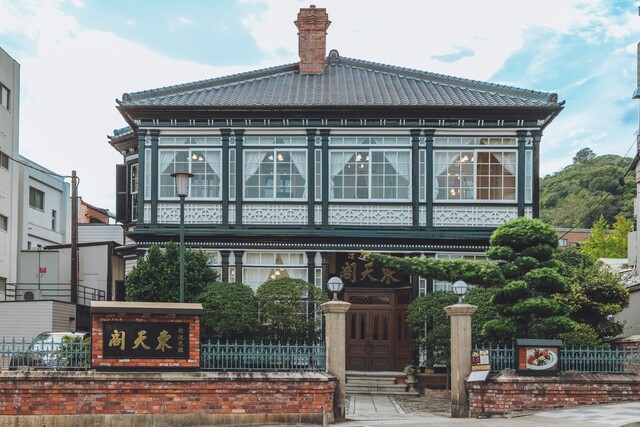
Approaching Yamamoto-dori shifts Kobe’s dining register. The slope north of Sannomiya has a quieter, residential tempo than the station-side grill rooms and shopping arcades below, with the Ijinkan area close enough to keep the city’s treaty-port past in view. In that context, Chinese dining reads less like a category imported for convenience and more like part of Kobe’s long habit of absorbing outside influences, formalising them, and giving them a local address.
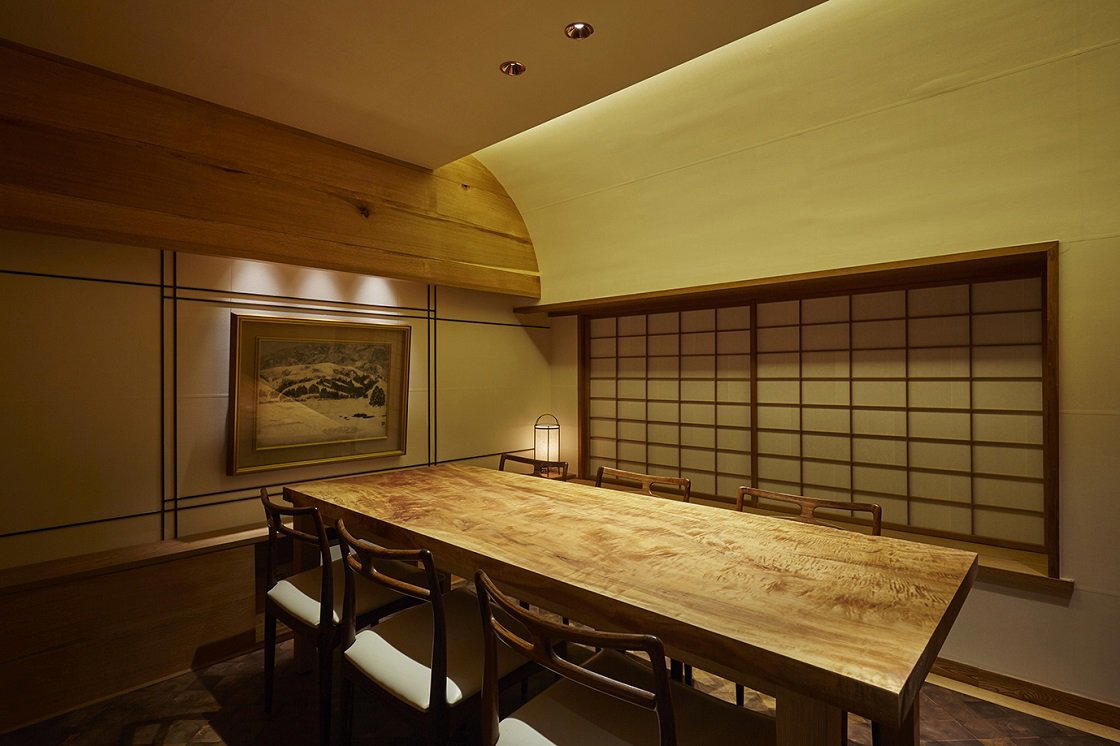
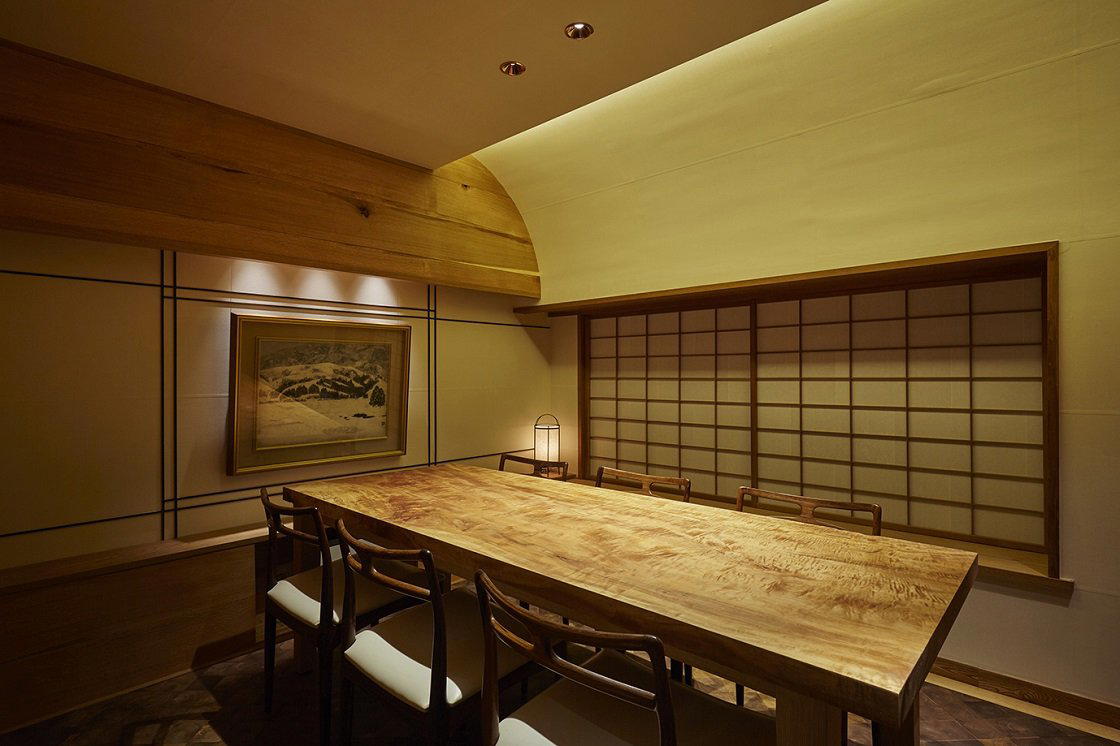
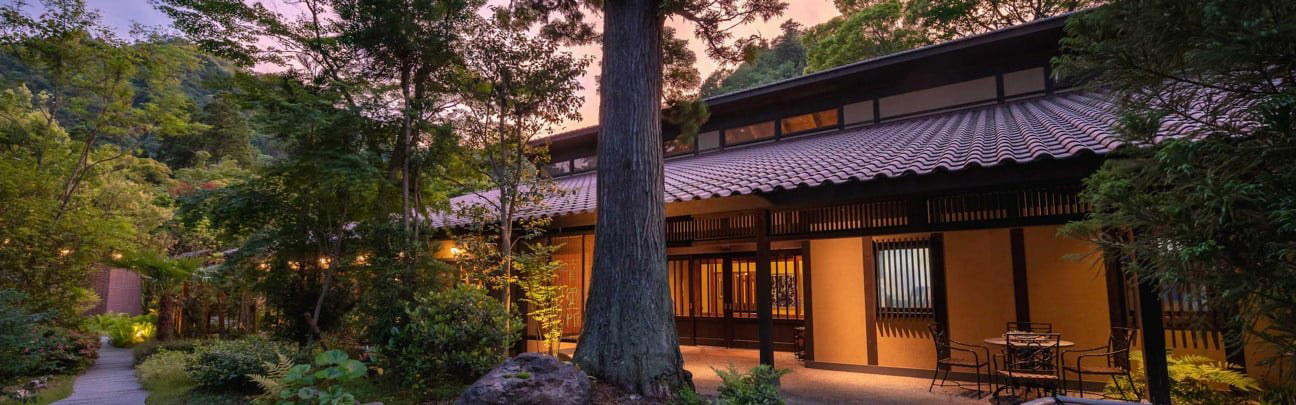
Toten Kaku Koube honten fits that geography. The house-restaurant format matters because Kobe’s Chinese dining tradition is not only about what appears on the table; it is also about occasion, privacy, and the way older rooms handle groups without turning the meal into hotel-banquet anonymity. The restaurant’s scale, with 120 seats and private rooms for parties from two to 30, places it in a different lane from counter-led modern Chinese or compact bistro-style rooms. This is Chinese dining as Kobe has often understood it: social, slightly ceremonial, and tied to neighbourhood memory.
Kitano gives Kobe Chinese dining a formal setting
Kobe is often reduced to beef in travel shorthand, but that misses the city’s broader appetite. Port history, foreign residences, and a merchant culture made Western pastry, coffee, Indian food, and Chinese cooking part of the local grammar earlier than in many Japanese cities. Kitano and Yamamoto-dori sharpen that point. The area’s older houses and uphill streets create a slower prelude to dinner than the commercial blocks around Sannomiya, and the meal feels aligned with that pace.
The 1945 opening date gives the restaurant a postwar depth that newer destination dining cannot claim. That date is not decoration; it explains why the room can function as a family occasion restaurant as much as a critic-noted address. In Japanese cities, Chinese restaurants with longevity often carry multiple roles at once: celebration venue, business table, multigenerational lunch, and local reference point. Here, the private-room infrastructure reinforces that role, especially for diners who want Chinese food in Kobe without the informality of a quick Chinatown stop.
Recognition helps define the competitive tier. Selection for Tabelog Chinese WEST “Tabelog 100” in 2021, 2023, and 2026 places the restaurant inside a regional list rather than a purely local Kobe conversation. The Tabelog score of 3.58 signals a respected address in a category where long-running rooms and newer technical kitchens are judged side by side. That does not make the experience experimental; it makes it a traditional-format Chinese restaurant still visible in a more crowded western Japan field.
The appeal is old Kobe occasion dining, not trend-chasing
The useful comparison is not with every high-price restaurant in the city, but with the ways Kobe divides special-occasion dining. Steak remains the obvious route for visitors, and nearby beef rooms such as Aburi Niku Kobo Wakkoku Shinkobe ten and Aburi Niku Kobo Wakkoqu Kitano Sakamoto Ten speak to that expectation. Chinese cooking in this setting offers a different kind of formality: shared courses, private rooms, and a room built for conversation rather than performance.
That distinction matters for planning a Kobe itinerary. A visitor can spend the afternoon reading the city through coffee and sweets, with places such as Akaneya Coffee Ten, Akari, or the Kitano confectionery circuit represented by comparison names such as Caffarel Cioccolate Kobe kitano honten and L'AVENUE. Dinner here then extends the same neighbourhood logic rather than abruptly switching to a purely touristic beef script. Pizzeria Azzurri, Ca marche, and Ash Restaurant also show how Kitano and its edges support a broad dining mix, from casual bakery culture to destination dinners.
The price tier confirms that this is not an everyday Chinese canteen. Dinner sits in the JPY 15,000 to JPY 19,999 range, while lunch is listed at JPY 6,000 to JPY 7,999. Those figures put the restaurant above the casual Kobe lunch circuit and below the highest-spec tasting-menu economy. It is a sensible bracket for a private-room meal, family celebration, or business dinner where setting carries weight. A 10% charge applies to food and beverage bills for private-room use, so the room choice is part of the cost calculation rather than a decorative add-on.
How to place it in a Kobe itinerary
The strongest use case is a meal that benefits from privacy and continuity with the neighbourhood. Families are explicitly accommodated, including babies, preschoolers, school-age children, and strollers, which is not always the case at higher-priced Japanese dining rooms. Non-smoking status inside, with an outdoor smoking area, also makes the format more flexible for mixed-age groups. Drinks cover sake, shochu, and wine, a practical signal that the meal is set up for Japanese dining habits as much as Chinese banquet convention.
Logistically, the restaurant sits in Yamamoto-dori in Chuo-ku, with Sannomiya as the nearest station and the Ijinkan area forming the natural walking frame. Parking is limited to four on-site spaces and cannot be reserved, so rail or taxi planning is cleaner for larger groups. Reservations are available, and the award history plus private-room demand make advance planning sensible, especially for weekends, family gatherings, and year-end dining.
For broader context, use Our full Kobe restaurants guide to compare the city’s beef, Chinese, pastry, and coffee addresses, then pair the meal with Our full Kobe hotels guide, Our full Kobe bars guide, Our full Kobe wineries guide, and Our full Kobe experiences guide. The wider Japanese directory is useful for comparing formats beyond Kobe, from Ali's Halal Kitchen in the city to -Grilled beef Sukiyaki- KAMAKURA TANUKIAN 鎌倉 たぬき庵 in Kamakura. 鮪と炭火焼き うお炭 秋葉原店 in Tokyo.cafe in Osaka.know in Kumamoto, (Shoku) Vietnam in Kawasaki, and [Curry Senmon Ten] Maruyama Kyoju. in Sapporo. For a transpacific sake-and-Japanese-food comparison, Jōdo Saké Bar in Los Angeles and Onigiri Time in Pasadena show how Japanese dining ideas change once removed from their original city context.
At a Glance
Nearby venues at a similar price tier for orientation.
| Venue | Cuisine | Price | Notes |
|---|---|---|---|
| Toten Kaku Koube hontenThis venue — the venue you are viewing | Not listed | $$$ | Not listed |
| Shukeien | Not listed | $$$ | Chūō, Cantonese Chinese with panoramic Kobe night views |
| Fushin | Chūō, Traditional Chinese | $$$ | Not listed |
| Ngam Ngam Hou | Not listed | $$$ | Nada, Creative Cantonese & Sichuan Chinese |
| fuxing | Chūō, Modern Chinese Fine Dining | $$$ | Not listed |
| Rakkanki | Chūō, Chinese Xiaolongbao | $$ | Not listed |
Recognition history
Dated appearances from independent guides and award organizations, with the underlying list record or original source where available.
Tabelog 100 #77 · No. 77
Tabelog · Tabelog 100 - Chinese cuisine - WEST - 2026
Continue exploring
More in Kobe
Restaurants in Kobe
Browse all →
Bars in Kobe
Browse all →



Hotels in Kobe
Browse all →


At a Glance
- Classic
- Elegant
- Sophisticated
- Well Known
- Business Dinner
- Group Dining
- Family
- Celebration
- Special Occasion
- Private Event
- Private Dining
- Historic Building
- Design Destination
- Standalone
A stately, historic mansion-like space that blends Chinese and European design, with formal table settings and private rooms, creating an elegant but comfortable atmosphere suited to business entertainment and celebratory gatherings.