
Tabelog 100 #66
Our verdict
Yaoki places Kobe’s soba ritual in a compact Sannomiya room with counter seating, Japanese dishes, and a drinks register that includes nihonshu, shochu, and wine. Its selection for Tabelog 100 Soba WEST in 2024 and 2025 gives it a clear credential within western Japan’s buckwheat-noodle circuit, while the small format keeps the meal closer to a neighbourhood evening stop than a formal tasting-menu event.

Pearl is the En Primeur Club membership app, where members save venues, book tables and use the concierge.
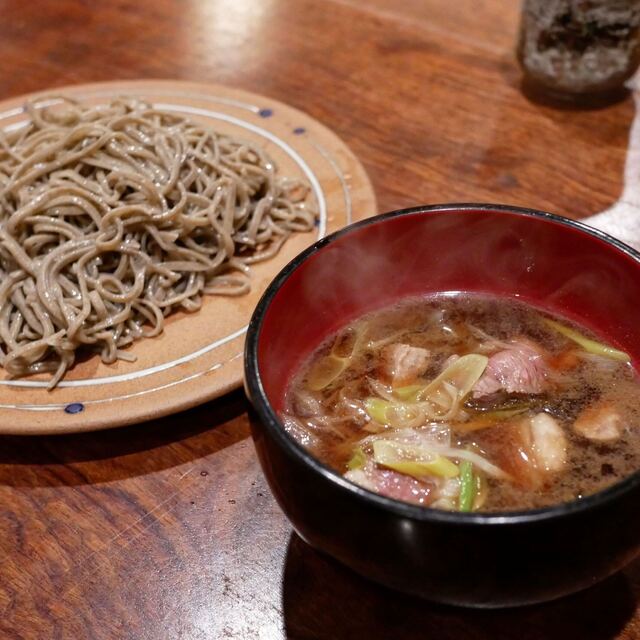
The menu
What to order
- Soba (buckwheat noodles)
- Tempura soba
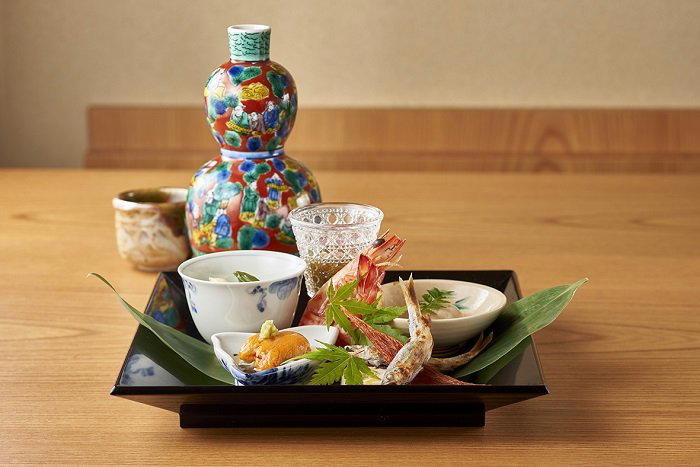
- Soba appetizers
In Kobe, the city can shift quickly from station movement into tighter night geography: small buildings, close-set signs, and restaurants revealed at short range rather than across an avenue. Here, soba is not spectacle. The ritual is quiet: choose the noodles, pace the meal, keep the table uncluttered, and end before it becomes a banquet. Yaoki belongs to that compact Kobe register, where buckwheat noodles and Japanese cuisine give dinner structure without the ceremonial weight of a grand occasion.
Kobe is often read through beef, port-city cafés, and polished dining rooms, yet smaller noodle addresses explain another appetite. Soba works differently from ramen or udon in urban Japan: it rewards restraint, temperature, texture, and timing. A good soba meal is built around sequence, not abundance. The rhythm matters because soba shops can also function as focused meal stops, placing this kind of room in the adult-dining lane, not only the fast-lunch lane.
Soba as an evening ritual in Kobe
Read Yaoki through custom, not novelty. The experience is close-range in spirit: orders should be considered, lingering has limits, and solo diners need not feel like an afterthought. Soba has its own natural rhythm, especially in a city where late meals compete with beef counters, izakaya, cocktail bars, and coffee houses for the same compact urban attention.
Public recognition gives the address a firmer regional place. Selection for Tabelog Hyakumeiten in 2025 signals quality in a category where western Japan’s soba culture is less internationally legible than Tokyo’s famous noodle circuits. The listing score, 3.68, is not the point alone; the stronger signal is category recognition.
Price band matters too. Dinner is listed at JPY 1,000 to JPY 1,999, while lunch is listed at JPY 2,000 to JPY 2,999. That inversion is unusual, underlining the need to think by format rather than assume lunch is cheaper and dinner dearer. Kobe has higher-spend meat rooms in the broader comparison set, including SAVOY KITANOZAKA and Yakiniku Horumon Kopu. Against that set, soba offers a leaner, more precise evening, with less theatre and lower cash commitment.
What the small format changes
A focused soba room in Kobe requires different planning from a large casual restaurant. The best approach is to treat it as a deliberate stop rather than a vague backup, especially for travellers building one Kobe night around multiple meals. Small specialist restaurants can be less forgiving than larger dining rooms, so the practical rhythm is to check current details before going and keep the itinerary flexible.
Payment, timing, and arrival logistics should be treated as part of the plan, not footnotes. For a compact noodle meal, the smartest expectation is to keep the experience simple: arrive prepared, order with purpose, and avoid turning the visit into a drawn-out banquet. This is a Kobe meal suited to a short, focused arc rather than a heavily staged destination dinner.
The atmosphere should be understood in the context of Japanese evening dining rather than through a fine-dining filter. Kobe’s dining culture includes spaces where noodles and neighborhood habits overlap, and soba specialists in this mode can feel closer to a local everyday meal than to the polished restraint international travellers often project onto Japanese cuisine. The point is not spectacle; it is pace, texture, and the discipline of a smaller meal.
For a broader Kobe food itinerary, Yaoki counterweights the city’s beef identity. Travellers comparing meat-focused addresses might look within the local set to KOKUBU Steak House, kobe-Beef Steak Ishida.sannomiya-Shop, or other Kobe dining rooms. The soba choice says something different about Kobe: less export-ready, more local in cadence, and better for a focused evening of noodles and a shorter arc.
How to place it in a Kobe itinerary
Kobe rewards sequencing. Coffee before dinner, a casual Japanese meal on another night, or a higher-spend beef dinner can all sit around a smaller soba stop without turning the trip into a single-theme checklist. The city is not a single-cuisine destination, which is why a compact soba address carries editorial weight: it cuts through the predictable Kobe script and gives the itinerary a quieter center.
Readers building a fuller route should use Our full Kobe restaurants guide alongside Our full Kobe hotels guide, Our full Kobe bars guide, Our full Kobe wineries guide, and Our full Kobe experiences guide. For cross-city context on how Japanese casual dining travels across formats, compare Yaoki with unnamed noodle rooms, casual counters, and specialist Japanese restaurants elsewhere rather than treating it as a grand regional trophy meal.
The editorial case is clear: this is not the grand Kobe dinner. It is the smaller, more revealing one, anchored by soba, Japanese cuisine, Tabelog Hyakumeiten recognition in 2025, and the discipline of a meal that asks diners to respect pace over display.
Frequently asked questions
How much does it cost to eat at Yaoki?
Pricing at Yaoki is listed as Dinner: JPY 1,000 - JPY 1,999; Lunch: JPY 2,000 - JPY 2,999.
Where do I go for Yaoki?
Kobe.
How far ahead should I plan for Yaoki?
Plan as you would for a focused specialist meal in Kobe: check current details before going, especially if Yaoki is central to the day’s itinerary.
What makes Yaoki worth seeking out?
Yaoki carries Tabelog Hyakumeiten recognition for 2025, with a listed score of 3.68. Its focus on soba and Japanese cuisine gives it the tight, specialist feel that makes it a useful counterpoint to Kobe’s better-known beef dining.
What It’s Closest To
Comparable venues by cuisine and price in the same metro.
| Venue | Cuisine | Price | Awards | Notes |
|---|---|---|---|---|
| YaokiThis venue (the venue you are viewing) | Traditional Soba & Japanese Small Plates | $30–50 | Tabelog 100 #66 | Not listed |
| 植月 | Japanese Kaiseki | Not listed | Not listed | Hyōgo |
| Tachinomi ZUTTO | Japanese Tachinomi Izakaya | $20–30 | Tabelog 100 #72 | Chūō |
| European Ryori Mon | Classic Yoshoku (Japanese Western-style) | $30–50 | Tabelog 100 #4 | Chūō |
| SAVOY | Japanese Curry | $1–10 | Tabelog 100 #58 | Chūō |
| 老虎菜 本店 | japanese | Not listed | Tabelog 100 #65 | Higashinada |
Recognition history
Dated appearances from independent guides and award organizations, with the underlying list record or original source where available.
Tabelog 100 #66 · No. 66
Tabelog · Tabelog 100 - Soba - WEST - 2025
Continue exploring
More in Kobe
Restaurants in Kobe
All restaurants in Kobe →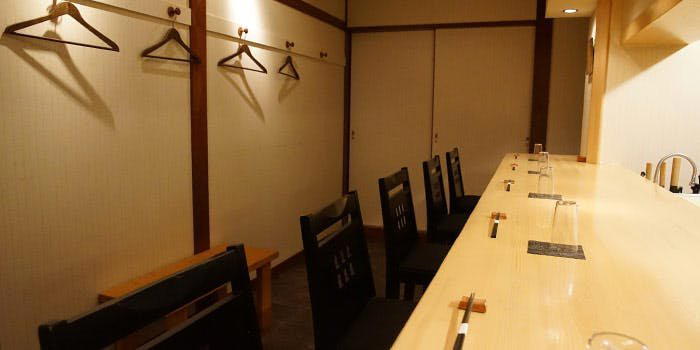

Bars in Kobe
Browse all →





Details
- Cozy
- Classic
- Intimate
- After Work
- Casual Hangout
- Solo
- Date Night
- Standalone
- Sake Program
- A La Carte
- Counter Dining
- Small Plates
- Sake
- Shochu
- Wine
A small, stylish but low-key hideaway with counter and a few table seats, relaxed lighting, and the feel of an adult-oriented neighborhood soba and sake spot where guests linger over appetizers before finishing with noodles.