
Tabelog 100 #72
Our verdict
Tachinomi ZUTTO places Kobe’s standing-bar culture in a compact Motomachi setting: fish-led Japanese cooking, sake and shochu, counter seating, and a no-reservations rhythm. Its selection for Tabelog 100 - Tachinomi - 2025 gives it a clear credential in a category where speed, price discipline, and drink pairing matter more than ceremony.

Pearl is the En Primeur Club membership app, where members save venues, book tables and use the concierge.
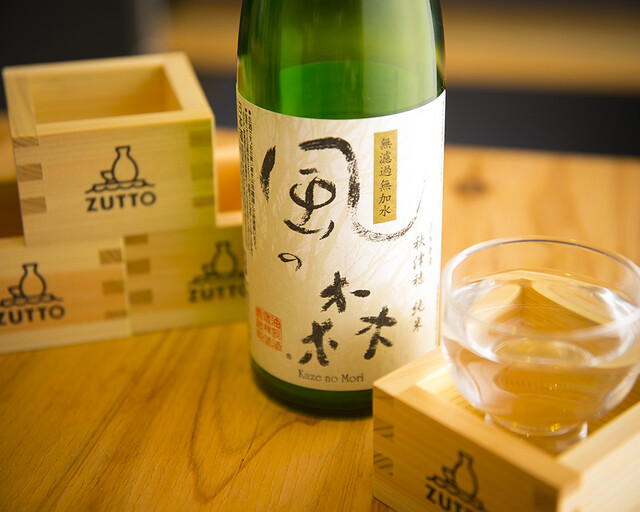
Kobe’s eating culture works at street level: railway exits, shopping arcades, compact counters, and rooms designed for a glass before the evening moves elsewhere. In that setting, tachinomi is not a diluted version of izakaya dining. It is a different social contract: shorter stays, tighter menus, less furniture, more focus on the immediate exchange between kitchen, drink, and customer.
Tachinomi ZUTTO belongs to that Kobe register rather than the city’s steakhouse mythology. Its place in Kobe puts it within a city where everyday eating can carry serious local weight, and its selection for Tabelog 100 - Tachinomi - 2025 places it inside a national conversation around standing bars, not merely casual drinking. That distinction matters. Tabelog’s tachinomi category rewards a format often overlooked by visitors who read Kobe only through beef, harbor views, and hotel dining rooms.
Kobe tachinomi, treated as a serious format
The standing-bar tradition in Japan is built on compression. Space is compressed, time is compressed, and the menu has to justify itself quickly. A compact, counter-focused standing-bar format leaves little room for theatrical service; the value sits in turnover, proximity, and a kitchen that can carry the evening without a long formal sequence.
That is why the category is useful for travelers who already understand Japan’s dining hierarchy. Kobe has polished Western-style yoshoku, beef counters, Chinese-influenced eating, and coffee rooms with deep local habits. Tachinomi cuts across those modes. It is less about occasion dining than about calibration: a Japanese standing-bar and izakaya vocabulary, a concise food identity, and a room where solo dining can feel like part of the culture rather than an accommodation.
Within Kobe, the price band also clarifies the role. Grill Ippei Motomachi ten occupies a comparable evening budget while leaning into Kobe’s yoshoku current; Gyoza Daigaku sits in a lower, faster dumpling lane; legno moves into a different tariff and pacing altogether. Tachinomi ZUTTO’s position is narrower and more Japanese in format: a compact standing-bar meal where the drink decision is as consequential as the food order.
Drinks, small plates, and the Kobe counter habit
Kobe’s everyday Japanese dining has a broader claim than many first-time visitors expect. The city is often sold through beef, but its everyday tables also draw from the habit of pairing small plates with alcohol. Here, the listed categories of stand-up bar, izakaya, and Japanese cuisine place the venue closer to a grown-up izakaya vocabulary than a generic snack-and-beer stop.
The open, standing-bar nature is part of the format, not a shortcoming. Tachinomi relies on visibility: orders move across the counter, choices become part of the room’s tempo, and solo customers do not have to perform the rituals required by a full restaurant booking. For visitors used to tasting menus and reservation platforms, this is a useful corrective. Japan’s serious food culture is not confined to linen, fixed courses, or chef biographies. It also exists in small rooms where category discipline is the point.
The Tabelog 100 - Tachinomi - 2025 selection is the main trust signal here, supported by a listed Tabelog score of 3.56 and an evening budget of JPY 2,000 - JPY 2,999. It does not turn the room into a destination restaurant in the Michelin sense, and it should not be read that way. It signals that the standing-bar format has registered beyond neighborhood habit. In Kobe, where casual categories can be as competitive as formal ones, that is a meaningful distinction.
How to place it in a Kobe eating day
Most intelligent use of this address is as a Kobe anchor rather than a full-evening plan. Pairing a tachinomi stop with another Kobe meal makes more sense than forcing it into a long-form dinner itinerary. Travelers building around beef, coffee, casual Japanese cooking, or other Kobe dining rooms can use Tachinomi ZUTTO as a shorter counterpoint rather than the whole night. For a broader read on the city, keep Our full Kobe restaurants guide, Our full Kobe hotels guide, Our full Kobe bars guide, Our full Kobe wineries guide, and Our full Kobe experiences guide in the same planning frame.
Its usefulness also becomes clearer when viewed against smaller Japanese formats elsewhere. Other Kobe dining rooms show how the city’s casual map stretches beyond one dining identity, while broader national comparisons underline how tightly Japanese dining categories define expectation. Standing bars, izakaya, yoshoku counters, dumpling rooms, cafés, and more formal restaurants all ask the diner to understand the rules of the format before judging the meal. For sake-minded readers outside Japan, diaspora examples can be useful context, but Kobe’s tachinomi culture remains rooted in local tempo rather than exportable polish.
The editorial verdict is simple: this is a focused Kobe standing bar with a credible national category signal, a Japanese izakaya and stand-up-bar center of gravity, and a format that rewards travelers who value local rhythm over ceremony. It belongs on an itinerary for readers trying to understand how Kobe eats between its more familiar dining narratives.
Frequently asked questions
Where exactly is Tachinomi ZUTTO?
Tachinomi ZUTTO is located in Kobe.
How much does it cost to eat at Tachinomi ZUTTO?
Pricing at Tachinomi ZUTTO is listed as JPY 2,000 - JPY 2,999 for dinner.
What days is Tachinomi ZUTTO closed?
Specific closing days are not provided in the available listing for Tachinomi ZUTTO.
What's Tachinomi ZUTTO best at?
It is strongest as a Kobe tachinomi, supported by its Tabelog 100 - Tachinomi - 2025 selection. The stand-up bar and izakaya format suits quick drinks and a focused, no-frills stop in Kobe.
Is Tachinomi ZUTTO good for vegetarians?
It may be a mixed fit for vegetarians. The venue is categorized as a stand-up bar, izakaya, and Japanese cuisine venue, so vegetarian suitability should be checked directly before visiting.
Price Lens
Comparable venues to calibrate price, style, and recognition.
| Venue | Cuisine | Price | Awards | Notes |
|---|---|---|---|---|
| Tachinomi ZUTTOThis venue (the venue you are viewing) | Japanese Tachinomi Izakaya | $20–30 | Tabelog 100 #72 | Not listed |
| Yaoki | Traditional Soba & Japanese Small Plates | $30–50 | Tabelog 100 #66 | Chūō, Traditional Soba & Japanese Small Plates |
| Kitanosaka Kobayashi | Traditional Soba (Buckwheat Noodles) | $20–30 | Tabelog 100 #35 | Chūō, Traditional Soba (Buckwheat Noodles) |
| CAFE KESHiPEARL | Chūō, Cheesecake & coffee café | $10–20 | Tabelog 100 #84 | Not listed |
| Grill Suematsu | Classic Yoshoku (Japanese‑style Western) Grill | $20–30 | Tabelog 100 #16 | Chūō, Classic Yoshoku (Japanese‑style Western) Grill |
| Yoshoku SAEKI | Japanese Western-style yoshoku (hamburger steak & curry) | $10–20 | Tabelog 100 #10 | Nada, Japanese Western-style yoshoku (hamburger steak & curry) |
Recognition history
Dated appearances from independent guides and award organizations, with the underlying list record or original source where available.
Tabelog 100 #72 · No. 72
Tabelog · Tabelog 100 - Tachinomi - 2025
Continue exploring
More in Kobe
Restaurants in Kobe
All restaurants in Kobe →
Bars in Kobe
Browse all →





Details
- Lively
- Cozy
- Trendy
- Energetic
- After Work
- Solo
- Casual Hangout
- Late Night
- Standalone
- Sake Program
- Beer Program
- Street Scene
- Small Plates
- Counter Dining
- A La Carte
- Sake
- Beer
- Shochu
Current opening hours
- Monday
- 4–10:30 PM
- Tuesday
- 4–10:30 PM
- Wednesday
- 4–10:30 PM
- Thursday
- 4–10:30 PM
- Friday
- 4–10:30 PM
- Saturday
- 4–10:30 PM
- Sunday
- 4–10:30 PM
Hours can change for holidays and private events. Hours as of .
Casual, standing-only izakaya with a lively after-work atmosphere, compact counter-focused space, and a stylish yet relaxed feel typical of contemporary tachinomi bars.