
Tabelog 100 #4
Our verdict
European Ryori Mon sits in Kobe’s Sannomiya orbit, where yoshoku reads less as nostalgia than as a living urban dining habit. Its Tabelog 100 Yoshoku WEST 2025 selection, 3.71 score, wine listing, and large multi-floor format place it in a rarer category: accessible Japanese-style Western cooking with enough recognition to matter beyond the neighbourhood.

Pearl is the En Primeur Club membership app, where members save venues, book tables and use the concierge.
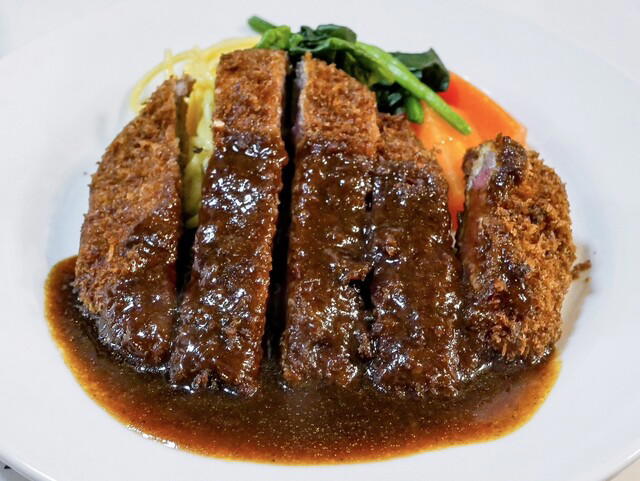
Approaching Kobe for yoshoku is not like arriving for Kobe beef. The cues are quieter: city foot traffic, old dining-room rhythms, frying oil, and sauce culture rather than grill theatre. European Ryori Mon belongs to Kobe’s tradition of Western technique absorbed into Japanese lunch-and-dinner habits until the category no longer feels imported. In a city often reduced to beef counters and port-city romance, yoshoku gives a sharper reading of everyday appetite: cutlets, European inflection, rice-friendly sauces, and rooms built for repeat use, not ceremony.
The trust signal is not a tasting-menu accolade or chef mythology. It is Tabelog Hyakumeiten recognition in 2025, with a Tabelog score of 3.71. That matters in a broad, crowded field where recognition tends to reward memory and consistency. European Ryori Mon is listed for yoshoku, European cooking, and tonkatsu, a combination that says more about Kobe’s dining habits than any single dish name. The city’s Western-facing history made this cooking feel natural; the local test is whether it works as a regular meal, not culinary theatre.
Yoshoku in Kobe is a dining-room language, not a retro costume
Yoshoku is often misunderstood by visitors. It is not simply Western food translated into Japanese, or a museum of imported influence. At its strongest, it is practical cuisine built on texture and sauce: breaded cutlets, European formats adjusted to Japanese pacing, generous rice compatibility, and comfort that does not collapse into fast food. Kobe gives the genre charge because the city has long been fluent in outside influence while keeping a strong preference for approachable dining rooms.
That makes the comparison with Kobe’s beef-focused dining useful. Other Kobe dining rooms sit closer to the city’s premium meat narrative, while European Ryori Mon occupies a broader civic register. The point is not which meal is more luxurious; Kobe’s food identity has more than one frequency. Beef speaks to destination dining. Yoshoku speaks to the city’s middle register, where families, friends, solo diners, and regulars can share a room without the meal becoming an event staged for outsiders.
The format reinforces this. This is not best understood through scarcity or chef mythology. In Japan, a familiar room can signal dilution, but in yoshoku it can also signal discipline: keeping recognizable dishes moving while preserving the reassuring cadence the genre needs. The public listing points to a restaurant defined by yoshoku, European cooking, and tonkatsu rather than by a rarefied counter format or a private-club atmosphere.
The sensory register is sauce, cutlet, and Kobe motion
The menu categories give the clearest frame. Yoshoku, European cooking, and tonkatsu create a room where the emphasis is not minimalism. It is cutlery against plates, the appetite triggered by frying, the gleam of sauce, and the low collective noise of a dining room built for turnover but not haste. Specific dishes should not be invented where they are not listed, but the category carries expectations: crisp coating, savory depth, warm plates, and Western-derived forms made comfortable for Japanese dining patterns.
That does not make it a formal European restaurant; it places the room in a hybrid lane where a cutlet or European-style plate can sit without forcing fine-dining codes. In Kobe, that hybrid sensibility has texture. Nearby café culture appears at Akaneya Coffee Ten, while casual city dining extends through other Kobe rooms and everyday local addresses. Kobe rewards range: coffee rooms, yoshoku rooms, meat counters, and other dining formats sit close enough in the city’s imagination that the place feels layered, not single-purpose.
European Ryori Mon’s role is clear. It suits travelers who want Kobe’s Western-influenced dining history without a luxury beef bill or chef-led tasting format. Teppan Dining Hoki represents a different format decision in Kobe. Akaneya Coffee Ten occupies a café lane. This yoshoku address sits between those poles: more meal-driven than coffee, less ceremonial than premium teppan, and more historically specific to Japanese urban dining than a generic European label suggests.
For readers mapping a day around Kobe, this also means not planning Kobe only through restaurants. The broader city edit matters: Our full Kobe restaurants guide gives the dining spread, while Our full Kobe hotels guide, Our full Kobe bars guide, Our full Kobe wineries guide, and Our full Kobe experiences guide place the meal inside a wider itinerary. The strongest use case is lunch or an unfussy evening meal in Kobe, especially when the goal is to understand Kobe’s dining habits rather than check off luxury signifiers.
How it fits a Japan dining itinerary
Within a national itinerary, yoshoku in Kobe counters the specialized meals travelers often chase. Beef-focused dining elsewhere in Japan tells one story about ritual and appetite; seafood rooms, cafés, and regional comfort-food stops tell others. European Ryori Mon places Western-derived Japanese cooking in the itinerary without treating it as novelty. Its value is not in claiming a rare format, but in showing how a familiar category can carry local history and everyday usefulness at the same time.
That category helps travelers moving between Japanese comfort formats. Other urban dining in Japan reflects the everyday diversity of the country, while curry shops, cafés, and regional set-meal rooms sit in adjacent comfort-food lanes with their own local logic. Overseas Japanese-adjacent references show how these categories travel and mutate, but Kobe’s yoshoku has context. It belongs to the city rhythm and Kobe’s long habit of making outside influence feel local.
Frequently asked questions
Is European Ryori Mon expensive?
Pricing at European Ryori Mon is listed as JPY 2,000 - JPY 2,999 JPY 2,000 - JPY 2,999 View spending breakdown.
How do I find European Ryori Mon?
European Ryori Mon is located in Kobe.
How hard is it to get a table at European Ryori Mon?
The public record supplied here does not provide a specific seat count or booking policy. Its Tabelog Hyakumeiten 2025 recognition suggests it is a recognized Kobe yoshoku address, so check the venue’s current channels for availability before planning around peak meal times.
What's European Ryori Mon best at?
The clearest read from the public record is yoshoku, with European cooking and tonkatsu also listed as core categories. Its Tabelog Hyakumeiten 2025 recognition in Kobe points to a house that is taken seriously for that style rather than for fine-dining theater. Check the venue's official channels for the latest details.
Fast Comparison
Nearby venues at a similar price tier for orientation.
| Venue | Cuisine | Price | Awards | Notes |
|---|---|---|---|---|
| European Ryori MonThis venue (the venue you are viewing) | Classic Yoshoku (Japanese Western-style) | $30–50 | Tabelog 100 #4 | Not listed |
| Kobe Onsen Sosaku Dining So | Creative Japanese set meals in an onsen complex | $10–20 | Tabelog 100 #14 | Kita |
| Tori Yoshi | Traditional Yakitori / Chicken Dishes | $30–50 | Tabelog 100 #65 | Higashinada |
| QUATTRO | Kobe yoshoku (Japanese-style Western) | $20–30 | Tabelog 100 #25 | Chūō |
| Yakiniku Possam Chip | Kobe beef & offal yakiniku with Korean-style cold noodles | $50–100 | Tabelog 100 #33 | Hyōgo |
| Banshu Jizake Hino | Japanese Izakaya | $30–50 | Tabelog 100 #43 | Chūō |
Recognition history
Dated appearances from independent guides and award organizations, with the underlying list record or original source where available.
Tabelog 100 #4 · No. 4
Tabelog · Tabelog 100 - Yoshoku - WEST - 2025
Continue exploring
More in Kobe
Restaurants in Kobe
All restaurants in Kobe →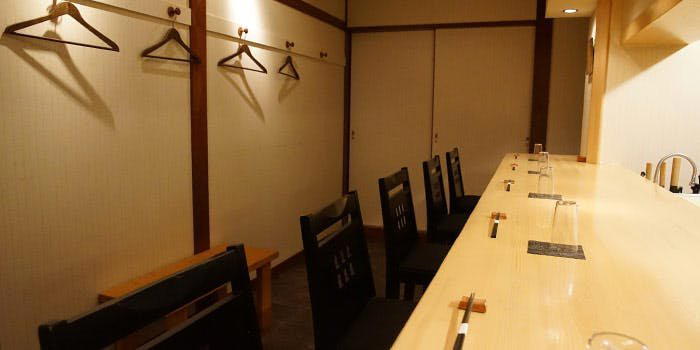

Bars in Kobe
Browse all →




Details
- Classic
- Lively
- Well Known
- Family
- Group Dining
- Casual Hangout
- Solo
- After Work
- Celebration
- Standalone
- A La Carte
- Set Menu
- Counter Dining
- Beer
- Wine
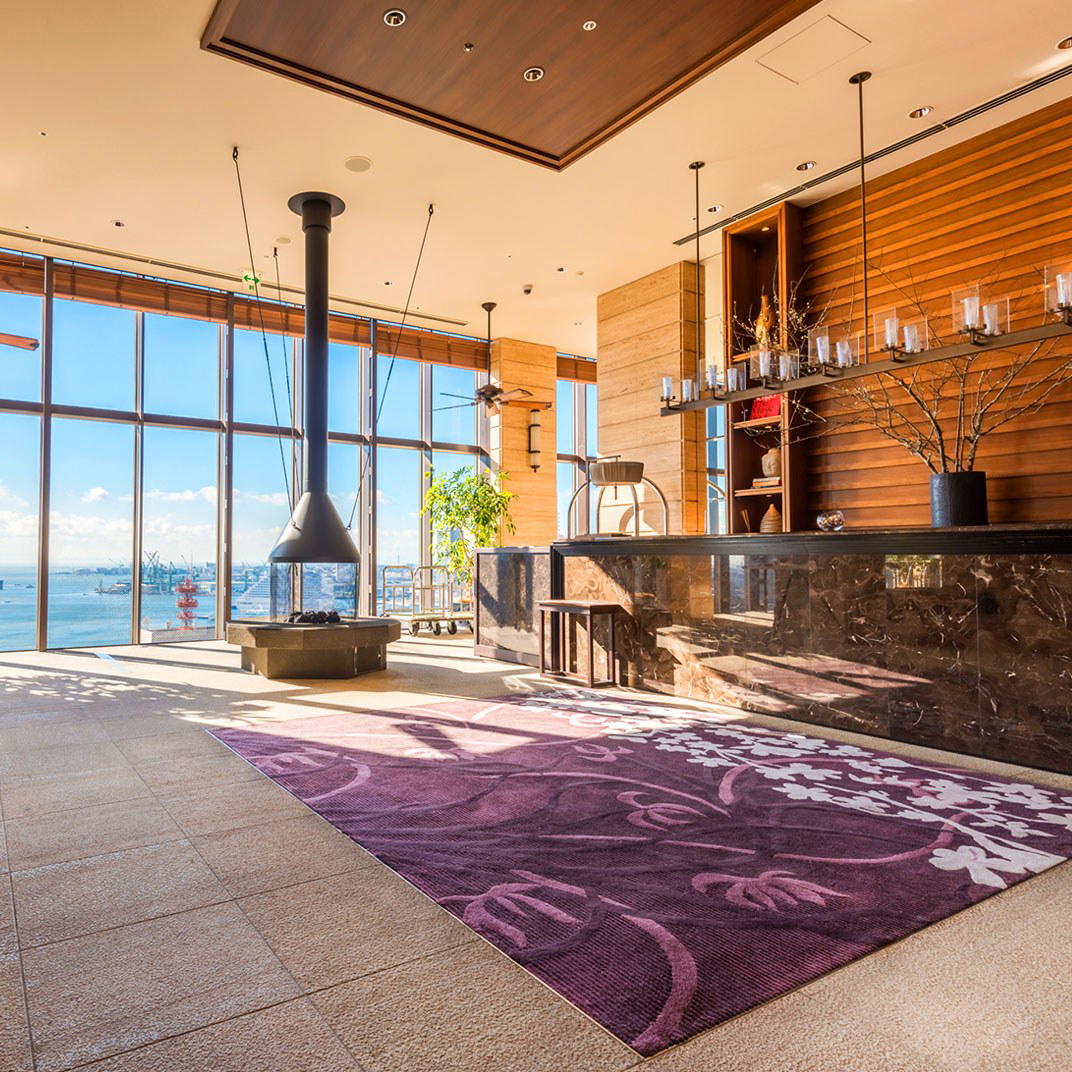
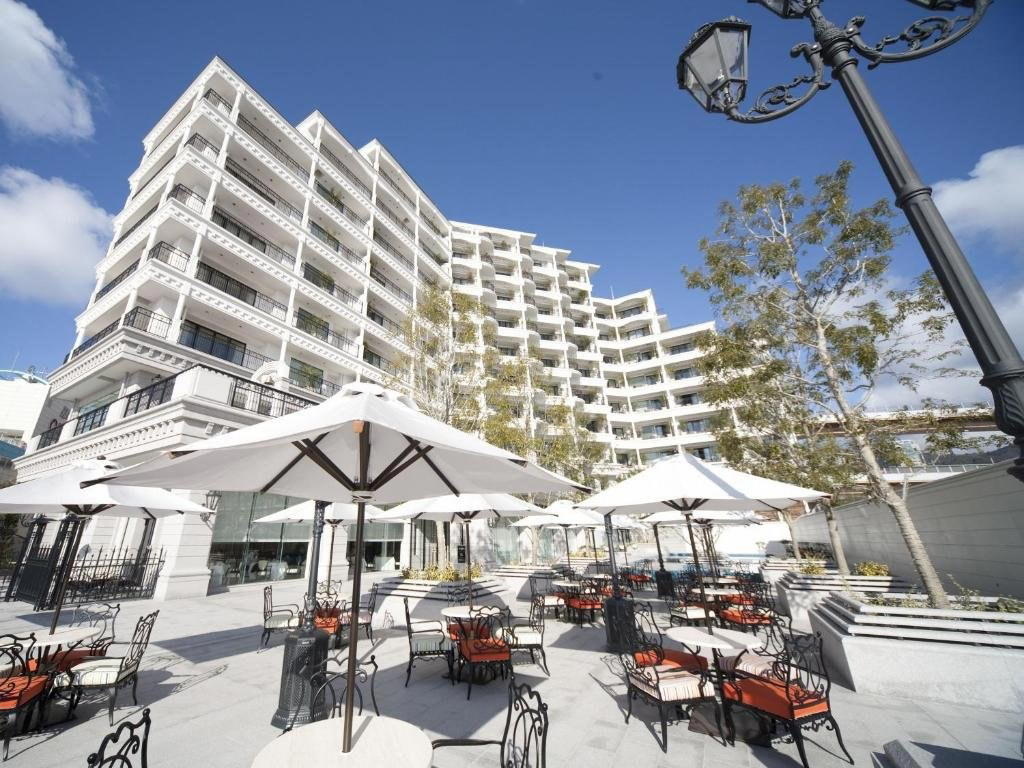
Bustling, nostalgic Western-style Japanese restaurant with bright, casual dining rooms spread over several floors, counter and table seating, and a relaxed, family-friendly atmosphere rather than an intimate or design-driven setting.