Goya sits within Miyakojima's small but serious dining scene, drawing on the island's distinct Ryukyuan food traditions at a remove from Okinawa's main island. The name references the bitter melon that runs through local cooking, signalling a kitchen grounded in place rather than trend. For visitors working through the island's restaurants, Goya offers a specifically local register that complements the casual options elsewhere on Miyakojima.
 Request Booking on Pearl
Pearl is the En Primeur Club membership app — saves, bookings, and concierge access live there. Same editors, same standards.
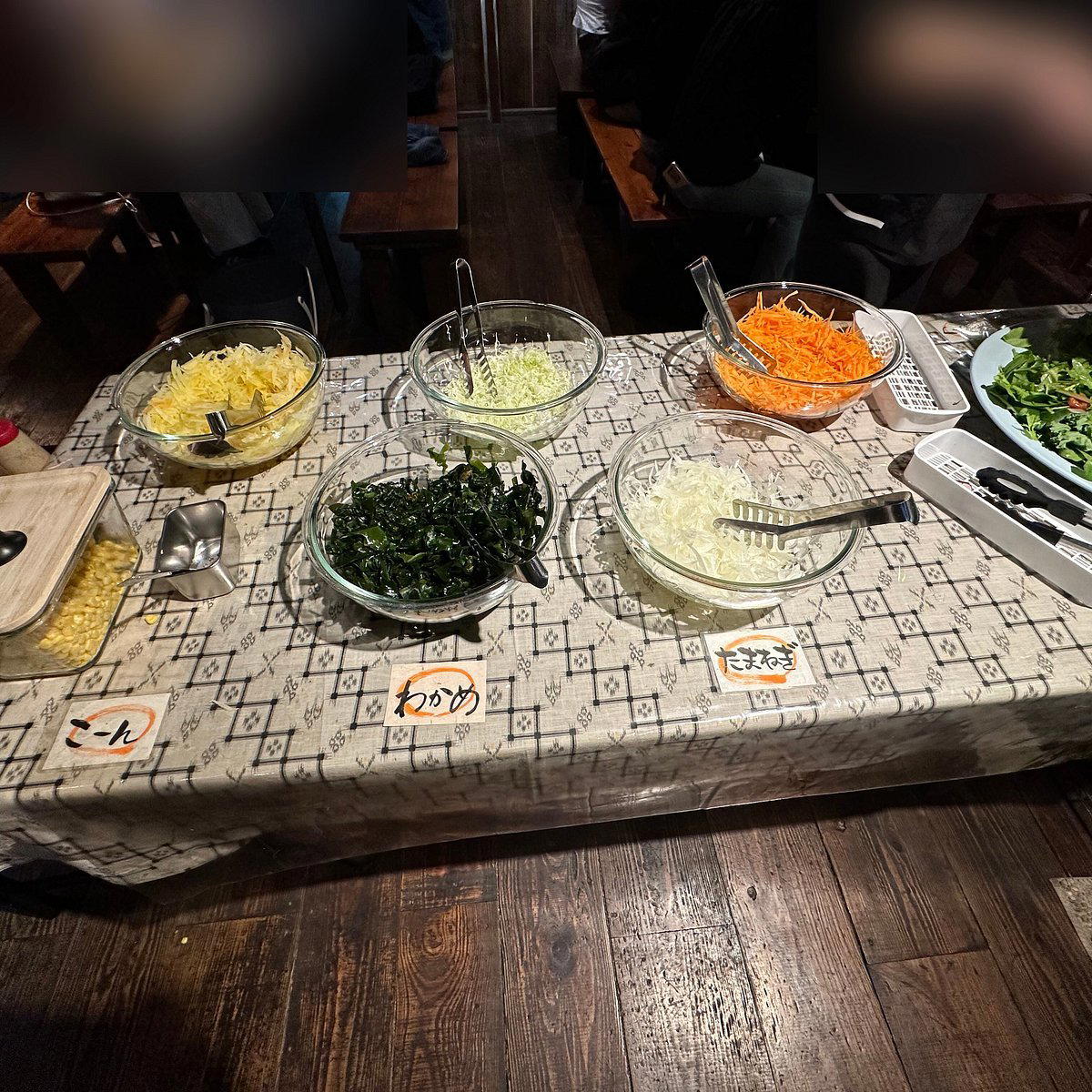
Dining at the Edge of the Ryukyu Chain
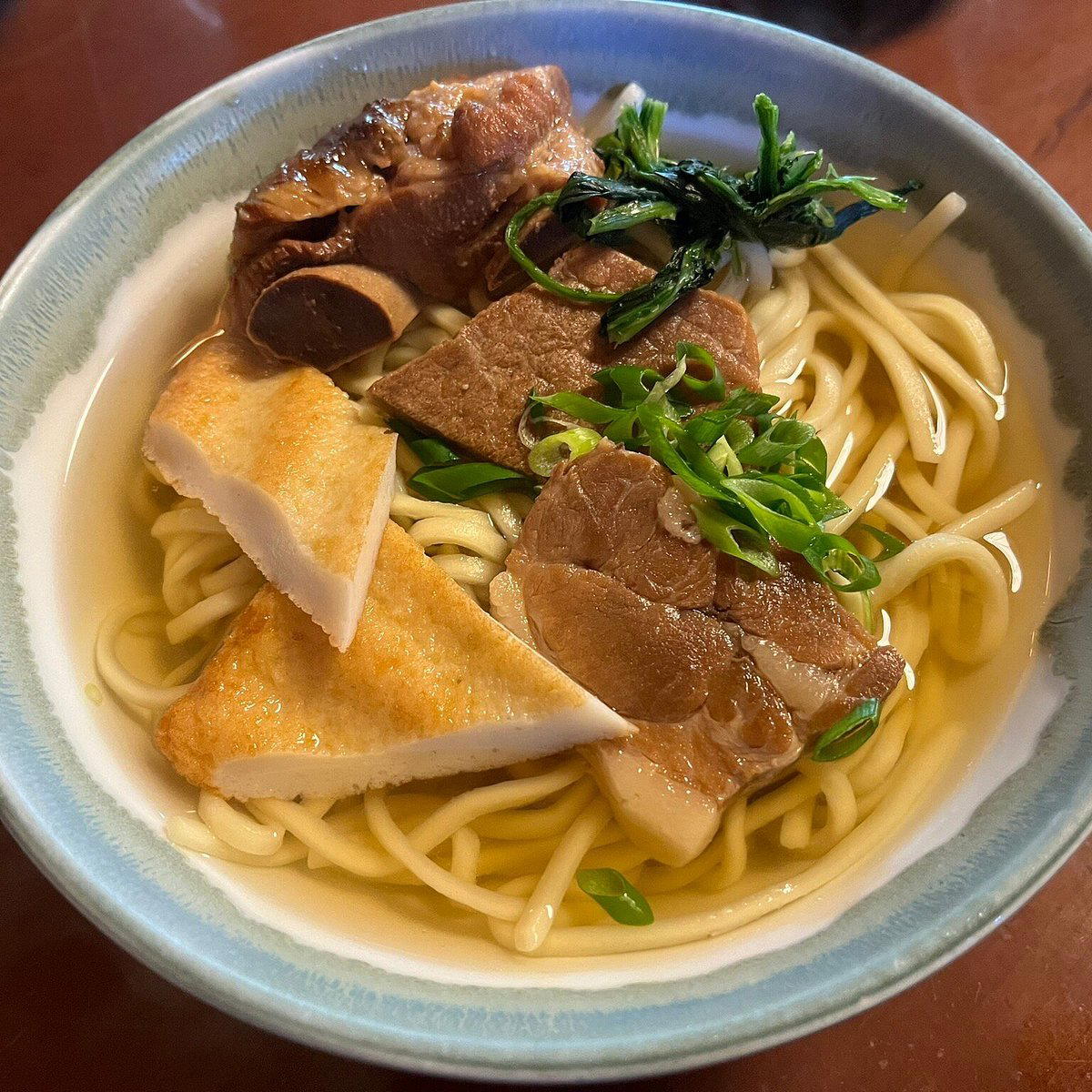
Miyakojima sits roughly 300 kilometres southwest of Okinawa's main island, and the distance is felt at the table as much as on the map. The food traditions here are Ryukyuan in origin but inflected by the island's own agricultural rhythms: bitter melon, sea grapes, island tofu, Miyako soba with its thicker, wheaten noodles, and pork preparations that carry the influence of both Chinese cooking and centuries of local adaptation. Restaurants on Miyakojima tend to read as distinctly local rather than as outposts of broader Japanese dining trends, and that insularity is a quality rather than a limitation. Goya is an Okinawan izakaya in Miyakojima, with casual service and a recommended reservation policy. Goya, named for the island's characteristic bitter melon, positions itself squarely within that tradition.
The name alone establishes an editorial stance. Goya (bitter melon) is not a concession to tourist palates, it is one of the more demanding flavours in the Ryukyuan kitchen, and calling a restaurant after it signals a kitchen comfortable with its own reference points. In a dining scene that includes direct options like Doug's Burger and the soba-focused Koja Sobaya, Goya occupies a slightly different register: the kind of place that asks the diner to follow the kitchen's lead rather than arrive with a fixed order in mind.
The Ritual of an Island Meal
Ryukyuan dining has its own pacing, distinct from the omakase formality of Tokyo counters like Harutaka or the multi-course kaiseki progression found at Kyoto institutions like Gion Sasaki. Here, the meal tends to arrive in clusters rather than in strict sequence, with small dishes accumulating on the table over the course of an evening. The etiquette is communal and unhurried. Awamori, the distilled spirit made from long-grain indica rice and particular to the Ryukyu islands, is the expected pairing; it is typically served mizuwari (diluted with water) or on the rocks, and a table that arrives knowing this reads as more engaged than one that requests beer by default.
This cluster-and-share format is worth understanding before you sit down. At places grounded in local tradition, ordering a single dish and waiting for it in isolation misreads the rhythm of the meal. The convention is closer to Spanish bar eating than to formal Japanese service: dishes arrive when they are ready, the table fills gradually, and the evening extends according to appetite and conversation rather than a fixed menu endpoint. The drill, for first-timers, is to order broadly at the start, let the kitchen set the pace, and resist the impulse to rush toward a main course that may not be framed as such.
That rhythm distinguishes Miyakojima's more locally oriented restaurants from the deliberate formalism visible at higher-end Japanese destinations elsewhere in the country. At HAJIME in Osaka or akordu in Nara, the sequencing is the point. On Miyakojima, the sequencing is secondary to the accumulation of flavour and the social dynamic at the table.
What the Kitchen Draws From
The culinary logic of Ryukyuan cooking is built around preservation, pork, bitter vegetables, and the sea. Rafute (braised pork belly simmered in awamori and soy) and champuru (stir-fry incorporating tofu and seasonal vegetables, with goya champuru being the most recognised variant) are the genre's load-bearing preparations. Neither is complicated in technique, but both are sensitive to ingredient quality and timing. The goya in a champuru should retain its bite and bitterness; when it softens into the surrounding ingredients, something has been lost.
Sea grape (umi-budo), a type of seaweed cultivated in the warm waters around Miyakojima, appears frequently in the island's restaurants and provides a textural counterpoint to heavier pork dishes, the small green spheres burst on the tongue with a mild salinity. Island tofu is denser and less processed than the silken varieties common on the main island, and it holds up to frying and braising in ways that mainland tofu does not. These are the building blocks a kitchen like Goya works with, and understanding them in advance makes the meal more legible.
For reference points at a different scale, the concentrated local-ingredient focus visible in Miyakojima's dining scene has parallels in how producers and chefs across Japan have increasingly framed regional specificity as a value in itself, a tendency visible in places as different as Goh in Fukuoka and 一本杉川嶋 in Nanao, both of which use geography as a primary editorial frame for the menu.
Miyakojima's Dining Scene in Context
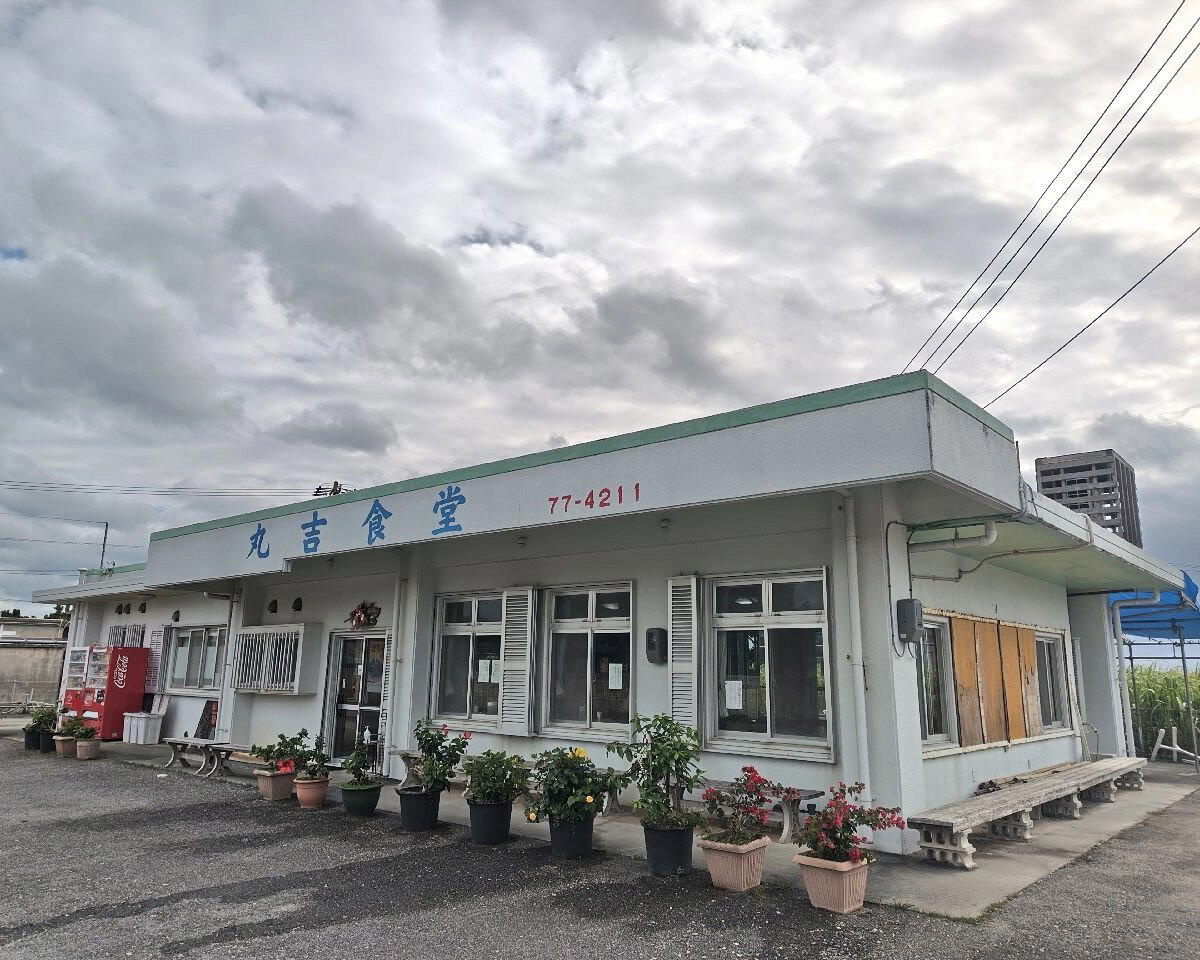
Miyakojima is a small island, and its restaurant supply reflects that. The options divide roughly between casual local shokudo, tourist-facing operations near the resort clusters, and a smaller tier of places oriented toward Okinawan and Ryukyuan food with more intention. Maruyoshi Shokudo represents the shokudo end of the spectrum: unpretentious, affordable, built around the daily rhythms of local eating. Goya sits in a different register, one where the emphasis on island-specific ingredients and the name's self-declaration create a somewhat more considered frame.
Compared to dining in Japan's larger cities, local reputation and repeat visitor word-of-mouth function as the primary trust signals. This is not unusual for remote island dining anywhere in Japan; the same pattern holds in comparable island contexts across the country. For visitors arriving from Tokyo or Kyoto, the recalibration required is significant, the reference points are different, and the meal asks to be read on its own terms rather than against a metropolitan benchmark. Globally recognised fine-dining reference points like Le Bernardin in New York City or Atomix operate in an entirely separate category; the value of a place like Goya lies in geographic and cultural specificity rather than technical scale.
Elsewhere in Japan, regional dining that prioritises local identity over metropolitan credentialing has produced notable results at venues like 夕来山乃 in Sapporo, 湖畔荘 in Takashima, and 鷹羽荘 in Nishikawa Machi, all operating outside the major-city awards circuits with a similar logic of place-first identity.
Planning Your Visit
Miyakojima's restaurant infrastructure is modest enough that arriving without a reservation at smaller, locally oriented places during peak season carries real risk of finding no space. The island is accessible by direct flight from Naha or from Tokyo Haneda, with Miyako Airport as the only commercial gateway. For context on related dining approaches across Japan's smaller cities and towns, venues like Bistro Ange in Toyohashi, Birdland in Sakai, and Blue Ocean Steak in Nakagami District illustrate how regional Japan's mid-tier dining operates outside the major-city frame.
Cuisine-First Comparison
Comparable venues nearby, for context on price, style, and recognition.
| Venue | Cuisine | Price | Awards | Notes |
|---|---|---|---|---|
| GoyaThis venue — the venue you are viewing | Okinawan Izakaya | $$ | , | |
| Koja Sobaya | Authentic Miyako Soba | $ | , | Hirara |
| Maruyoshi Shokudo | Traditional Miyako Soba | $$ | , | Gusukube |
| Doug's Burger | American Gourmet Burger | $$$ | , | Hirara |
| Jiyuken | Japanese Izakaya with Western Fusion | $$ | , | Motomachi |
| Yakitori Shokudo | Yakitori & Izakaya | $$ | , | Kita |
Continue exploring
More in Okinawa (Miyakojima)
Restaurants in Okinawa (Miyakojima)
Browse all →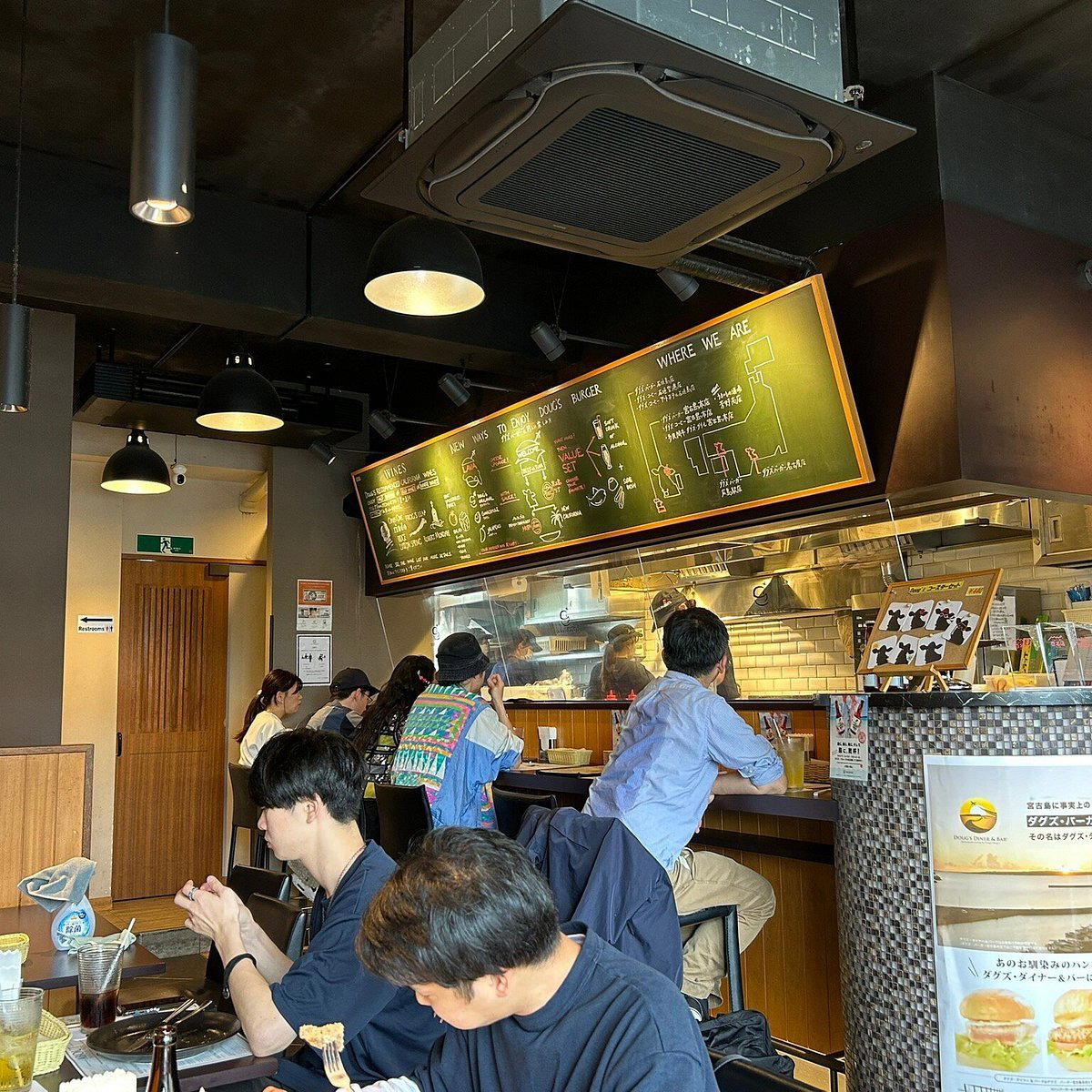
At a Glance
- Lively
- Cozy
- Casual Hangout
- Late Night
- Live Music
- Sake Program
- Local Sourcing
Lively atmosphere enhanced by evening live Okinawan music and traditional sanshin performances in a cozy local setting.