GUUUT

GUUUT places Thai cooking and wine-bar discipline inside a small kominka restaurant in Minowa, Nagano, with a fish-led kitchen and a six-seat scale that changes the rhythm of dinner. Its Tabelog 100 selection for Asian and ethnic cuisine in East Japan in 2023 and 2024 puts it in a serious regional conversation rather than a novelty category.
Pearl is the En Primeur Club membership app — saves, bookings, and concierge access live there. Same editors, same standards.
- Address
- Nakaminowa, Minowa, Kamiina District, Nagano 399-4601, Japan
- Website
- sadakichi-693.com
 Saves & bookings on Pearl
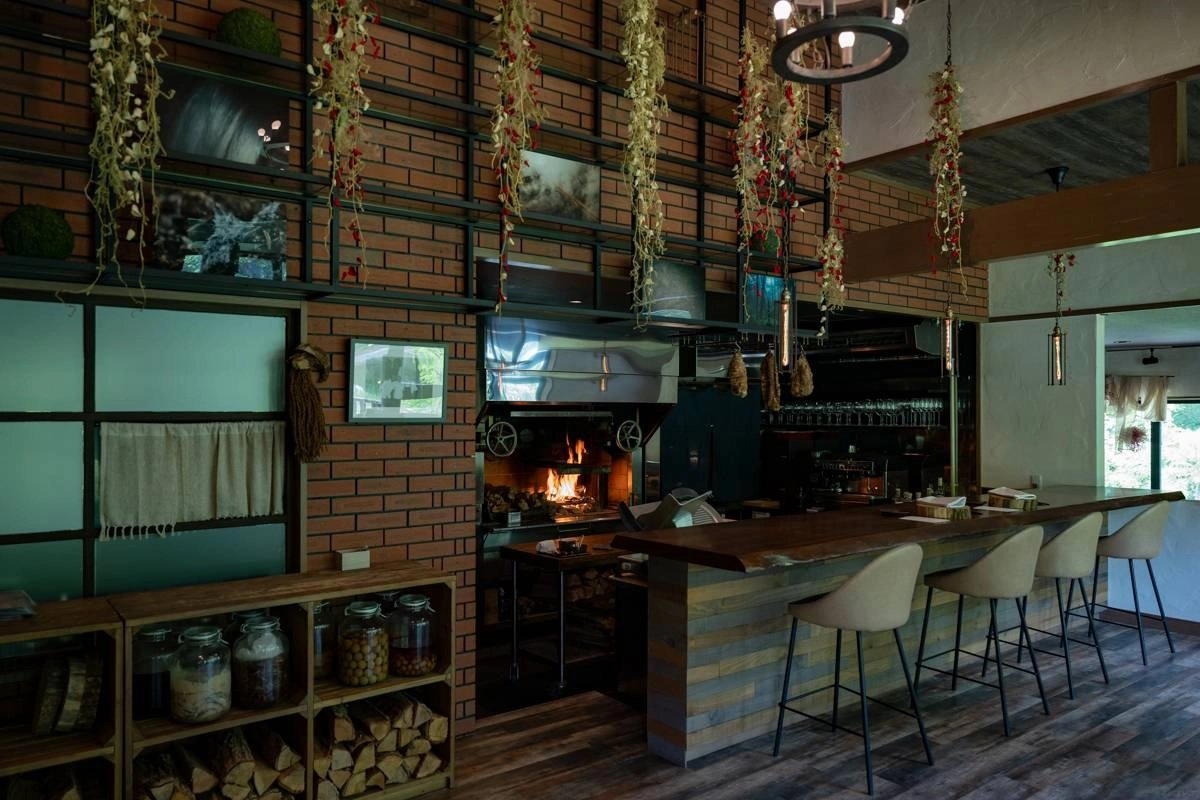
Approaching a kominka restaurant in Minowa shifts the expectations around Thai cooking in Japan. The usual urban cues, counter traffic, station-side neon, late-night turnover, fall away. What remains is a small-room format where a fish-led Thai kitchen can behave less like casual ethnic dining and more like a controlled dinner salon, with wine and sake treated as part of the structure rather than an afterthought.
That matters in Nagano. Inland Japanese dining often gets flattened into soba, mountain vegetables, and ryokan set meals, but the stronger story is how small operators use regional quiet to build formats that would be harder to sustain in dense city competition. GUUUT belongs to that smaller category: Thai cooking, wine-bar logic, and a house-restaurant setting compressed into six seats. The scale is not decoration. It defines the evening.
Thai cooking in Nagano, framed through fish and the cellar
Japan’s serious Thai restaurants tend to split into two camps. One chases heat, street-food familiarity, and fast recognition; the other treats Thai technique as a framework for produce, acidity, herbs, seafood, and drink pairing. The latter camp is where GUUUT is more interesting. Its public category is Thai and wine bar, while the kitchen is described as particular about fish. That combination points away from generic curry-and-noodle comfort and toward a more ingredient-specific reading of Thai food.
Fish is a useful signal because Thai cooking depends on balance more than luxury coding. Sweetness, salt, lime acidity, chile, herbs, smoke, and fermented depth can make inexpensive ingredients feel vivid, but they can also expose weak sourcing. In a small dinner-only room, the constraint works in the kitchen’s favor: fewer covers allow tighter purchasing and a more deliberate relationship between the plate and the bottle. Sake and wine both appear in the drink program, which gives the meal a broader pairing vocabulary than the beer-forward model still common at many casual Thai restaurants in Japan.
The recognition is also specific. Selection for Tabelog’s Asian cuisine and Ethnic cuisine EAST “Tabelog 100” in both 2023 and 2024 places the restaurant in a regional field that stretches beyond Nagano and includes serious specialists across eastern Japan. That is a more useful trust signal than vague local popularity. It says the restaurant is being judged within a category where technical balance, sourcing, and repeat diner confidence matter.
Compared with nearby out-of-metro dining options, the positioning is clear. Chinese Sai Muen sits in a lower dinner band around JPY 4,000 to JPY 4,999, while Unagi Kobayashi occupies a Japanese eel bracket around JPY 6,000 to JPY 7,999. GUUUT’s dinner range sits above those casual-regional references and below the luxury tasting-menu tier, which makes the value equation depend on intimacy, sourcing, and drink compatibility rather than sheer abundance.
Six seats change the contract between kitchen and diner
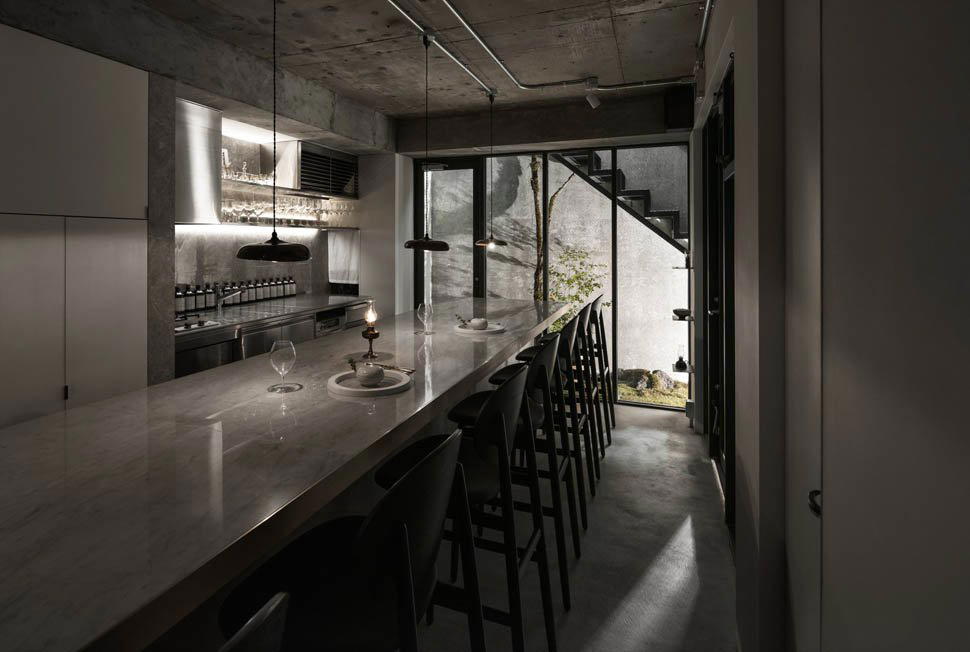
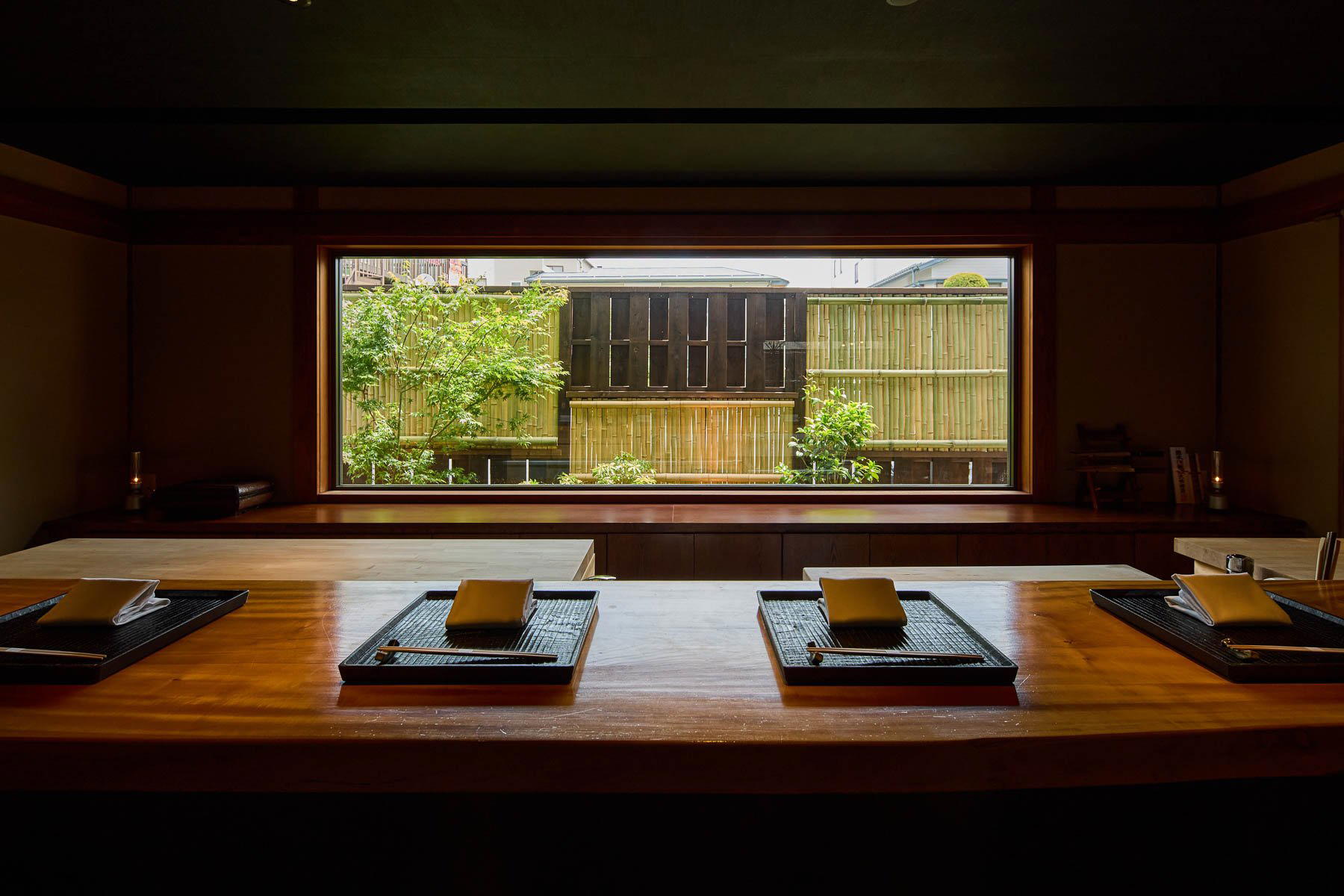
A six-seat restaurant is not merely small; it changes the social mechanics of dinner. Large restaurants can hide uneven pacing inside room energy. Small rooms cannot. Every pause, pour, and course transition becomes visible, which suits a cooking style built on adjustment and balance. In this format, the distinction between restaurant and private dining narrows, especially when private rooms and private use are part of the setting.
The kominka context also matters editorially. Japan’s renovated old-house restaurants often trade on atmosphere, but the stronger examples use the building to slow the meal down. In Minowa, that slower pace gives Thai flavors a different register from the rapid-fire urban version: less about quick appetite, more about sequence, drink, and conversation. The room’s restraint is part of the value, not a backdrop to it.
For travelers building a food itinerary around the Ina Valley or central Nagano, this is a different kind of anchor from a station-area meal. It rewards planning and a clear sense of occasion. Readers comparing broader regional options can place it alongside our full Kamiina-gun restaurants guide, while trip structure may also draw on our full Kamiina-gun hotels guide, our full Kamiina-gun bars guide, our full Kamiina-gun wineries guide, and our full Kamiina-gun experiences guide.
Where it sits in Japan's specialist dining map
The broader Japanese dining scene has become increasingly comfortable with narrow formats: curry specialists, sake bars with food, micro counters, and chef-run rooms that blur restaurant and private salon. GUUUT fits that movement without copying the Tokyo template. Its appeal is not built on metropolitan scarcity or chef mythology; it is built on a tight format, fish-conscious Thai cooking, and a drink program that gives both sake and wine room to operate.
That makes it more comparable to Japan’s specialist addresses than to conventional destination restaurants. For a sense of how narrow categories travel across the country, EP Club’s wider restaurant map includes -Grilled beef Sukiyaki- KAMAKURA TANUKIAN 鎌倉 たぬき庵 in Kamakura, . 鮪と炭火焼き うお炭 秋葉原店 in Tokyo, .cafe in Osaka, .know in Kumamoto, (Shoku) Vietnam in Kawasaki, [Curry Senmon Ten] Maruyama Kyoju. in Sapporo, [ki:] in Kyoto, #肉といえば松田 奈良本店 in Kashihara, 1/3 HAMBURGER FACTORY in Kanazawa, 1000 in Yokohama, and 1000mヒュッテ 1000m Hut in Kutchan. The international Japanese-drink and casual-food thread continues at Jōdo Saké Bar in Los Angeles and Onigiri Time in Pasadena.
The critical read is simple: this is a restaurant for diners who care where the cooking sits within a category. Thai food in a Nagano kominka could easily become a novelty pitch. Here, the more persuasive argument is structural: small capacity, fish emphasis, serious drink alignment, and consecutive Tabelog 100 selections for eastern Japan’s Asian and ethnic cuisine field.
How It Stacks Up
Comparable venues by cuisine and price in the same metro.
| Venue | Cuisine | Price | Awards | Notes |
|---|---|---|---|---|
| GUUUTThis venue — the venue you are viewing | Thai Fusion with Local Ingredients | $$ | , | |
| タイ国専門食堂 | Authentic Thai Specialist Cafeteria | $$ | , | Shibakoen |
| Massaman Thai Kitchen | Authentic Thai & Curry House | $$ | , | Oiso Town, Naka District |
| Sukhontha Nishiki ten | Authentic Thai Restaurant | $$ | , | Naka |
| Soi Gapao Soigapao Thai | Authentic Thai Restaurant | $$ | , | Sagami-Ono |
| ソムタムダー | Authentic Isaan Thai | $$ | , | Shibuya |
Continue exploring
More in Kamiina-gun
Restaurants in Kamiina-gun
Browse all →
Hotels in Kamiina-gun
Browse all →

At a Glance
- Rustic
- Cozy
- Hidden Gem
- Intimate
- Group Dining
- Casual Hangout
- Special Occasion
- Standalone
- Beer Program
- Local Sourcing
- Mountain
A rustic, cozy, intimate atmosphere centered on regional ingredients and a craft-driven Thai concept.