
Yakitori Yamamoto places Tokyo’s skewer tradition in a focused counter format, with selection for Tabelog 100 Yakitori EAST 2025 and a long run of Tabelog yakitori recognition since 2018. The appeal is menu architecture rather than spectacle: a compact sequence built around charcoal, portion control, and the discipline of a 16-seat counter in Mitaka.
Pearl is the En Primeur Club membership app — saves, bookings, and concierge access live there. Same editors, same standards.
- Address
- Japan, 〒180-0006 Tokyo, Musashino, Nakacho, 1 Chome−19−8 シティハイツ武蔵野
- Phone
- +81 422-38-8678
- Website
- ameblo.jp
- Directions
- Get directions
 Saves & bookings on Pearl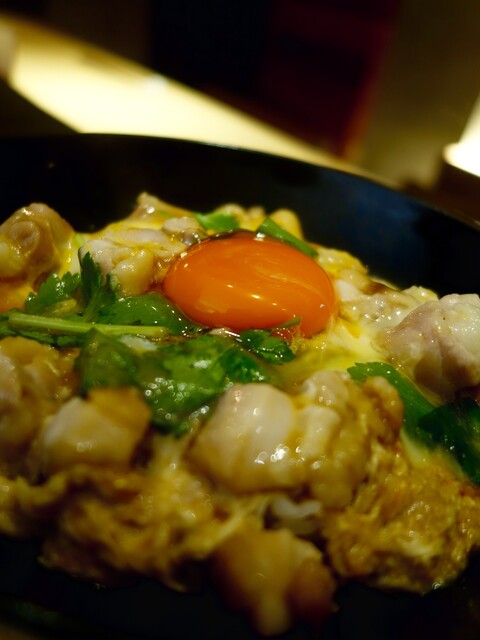
Approaching a serious yakitori counter in Tokyo, the first signal is usually restraint: a narrow entrance, a low-lit room, the rhythm of skewers moving from prep to grill, and a dining room built so the counter carries the evening. Yakitori Yamamoto belongs to that school. Its reputation rests less on theatrical luxury than on the grammar of the format: chicken broken into parts, cooked over charcoal, served in a sequence that makes pacing and heat management the central argument.
Tokyo’s yakitori scene is split between everyday drinking houses and reservation-led counters where the menu reads almost like a tasting progression. The latter category asks diners to pay attention to order, temperature, and cut. A skewer counter is not simply a collection of grilled items; it is a structure. Leaner parts, fattier parts, offal, vegetables, and rice or closing dishes create a rhythm that can make a small room feel more rigorous than a larger restaurant with more visible ceremony. That is the frame in which this Mitaka address makes sense.
A counter format that makes the sequence the point
Yakitori is often misunderstood by visitors as casual food scaled upward. In Tokyo, the serious counters work differently. The cooking is direct, but the sequencing is deliberate: salt or tare decisions, the order of cuts, and the way a chef manages heat across multiple skewers become the meal’s architecture. At Yakitori Yamamoto, the format is especially clear because the room is counter-only, with 16 seats. That scale matters. It keeps the meal close to the grill and turns the counter into the principal stage, not a decorative flourish.
The restaurant’s Tabelog score of 3.79 and selection for Tabelog 100 Yakitori EAST 2025 place it within the city’s competitive yakitori bracket rather than the casual skewer-shop tier. Its earlier Tabelog 100 selections in 2018, 2019, 2021, 2022, 2023, and 2024 give the recognition a longer pattern, not a single-year spike. In a category where reputation can be volatile and highly local, repeated selection is a useful signal: the counter has remained visible to diners who follow yakitori as a craft rather than as a prelude to drinks.
Menu architecture is the useful lens here because yakitori depends on accumulation. No single skewer has to carry the meal. The point is the way a series of small decisions gathers force: the cut selected, the doneness, the seasoning, the pause before the next plate. Tokyo has plenty of low-cost specialists where one dish defines the visit, from ramen counters such as Ramen Sukoyaka to udon specialists such as Udon Stand Gozu. Yakitori at this level plays a different game. It asks diners to read the full sequence, not just the headline item.
Mitaka gives the meal a different center of gravity
Mitaka changes the context. Much of Tokyo’s premium dining attention clusters around Ginza, Roppongi, Ebisu, and the inner wards, where rent, hotel traffic, and international visibility shape the room. A serious yakitori counter in Musashino carries a more local center of gravity. It is not trying to mimic a grand tasting-menu restaurant. The appeal is concentration: a smaller dining room, a single cuisine discipline, and the kind of suburban Tokyo setting where repeat local diners can be as important as visitors crossing town.
That geography also affects how to think about value. The posted dinner range sits far above everyday ramen, curry, or gyoza counters, including lower-priced Tokyo peers such as Shichijo, Ganso Stamina Manten Ramen Suzuki, and Gyoza no Harbin. But the comparison is not dish-for-dish. A yakitori counter in this bracket is priced against labor, sourcing, grill control, and limited seating. For travelers planning a Tokyo dining week, it fits better as a focused craft dinner than as a casual neighborhood add-on.
The menu’s discipline also explains why the room’s limits matter. Private rooms and private use are not part of the offer, and the counter-only setup keeps attention fixed on the grill. That makes it a poor choice for diners seeking a sprawling group meal, but a strong one for those who value a tightly run sequence. Tokyo dining often rewards specialization over breadth; this is the same logic that makes curry specialists such as 3 Chome no Curry Ya San or format-driven rooms such as 124. KAGURAZAKA (Yakitori) useful reference points when building an itinerary around categories rather than neighborhoods alone.
How to place it in a Tokyo dining itinerary
Yakitori Yamamoto is suited to diners who want Tokyo’s charcoal-grill tradition without turning dinner into a luxury performance. The cooking category is humble in origin, but the counter format rewards concentration, and the repeated Tabelog 100 recognition gives the meal a clear trust signal. The better expectation is not abundance; it is progression. Diners who need maximal choice may prefer à la carte izakaya formats, while those interested in a compact, chef-paced skewer sequence will understand why this kind of counter has become one of Tokyo’s defining mid-to-premium dining forms.
For a broader Tokyo plan, use it as one precise evening rather than the whole argument for the city. Pair the category with seafood and charcoal elsewhere, such as . 鮪と炭火焼き うお炭 秋葉原店, or contrast it with more casual visual-culture dining at 2D Cafe. Travelers building a cross-category map can start with Our full Tokyo restaurants guide, then widen the trip through Our full Tokyo hotels guide, Our full Tokyo bars guide, Our full Tokyo wineries guide, and Our full Tokyo experiences guide. For Japanese dining beyond the capital, compare how format and place shift at -Grilled beef Sukiyaki- KAMAKURA TANUKIAN 鎌倉 たぬき庵 in Kamakura.cafe in Osaka.know in Kumamoto, (Shoku) Vietnam in Kawasaki, [Curry Senmon Ten] Maruyama Kyoju. in Sapporo, and [ki:] in Kyoto. For Japanese food culture abroad, Jōdo Saké Bar in Los Angeles and Onigiri Time in Pasadena show how narrow formats travel differently outside Japan. In Tokyo itself, 12/10 Shinjuku ten offers another way to read the city through a specific room and format.
Pricing, Compared
Comparable venues at the same tier for side-by-side context.
| Venue | Cuisine | Price | Notes |
|---|---|---|---|
| Yakitori YamamotoThis venue — the venue you are viewing | Not listed | $$$ | Not listed |
| Yakitori shira | Not listed | $$$ | Setagaya, Yakitori & Wine-focused Izakaya |
| Kourai Tei | Not listed | $$$ | Shibuya, Korean-style Yakiniku (Japanese BBQ) |
| Igarashi | Not listed | $$$ | Shibuya, Traditional Japanese Fugu Kaiseki |
| Tori Nago Ebisu ten | Shibuya, Duck hot pot & chicken izakaya | $$$ | Not listed |
| EUREKA! | Minato, Modern sake-focused izakaya | $$$ | Not listed |
Recognition history
Dated appearances from independent guides and award organizations, with the underlying list record or original source where available.
Tabelog 100 #96 · No. 96
Tabelog · Tabelog 100 - Yakitori - EAST - 2025
Continue exploring
More in Tokyo
Restaurants in Tokyo
Browse all →
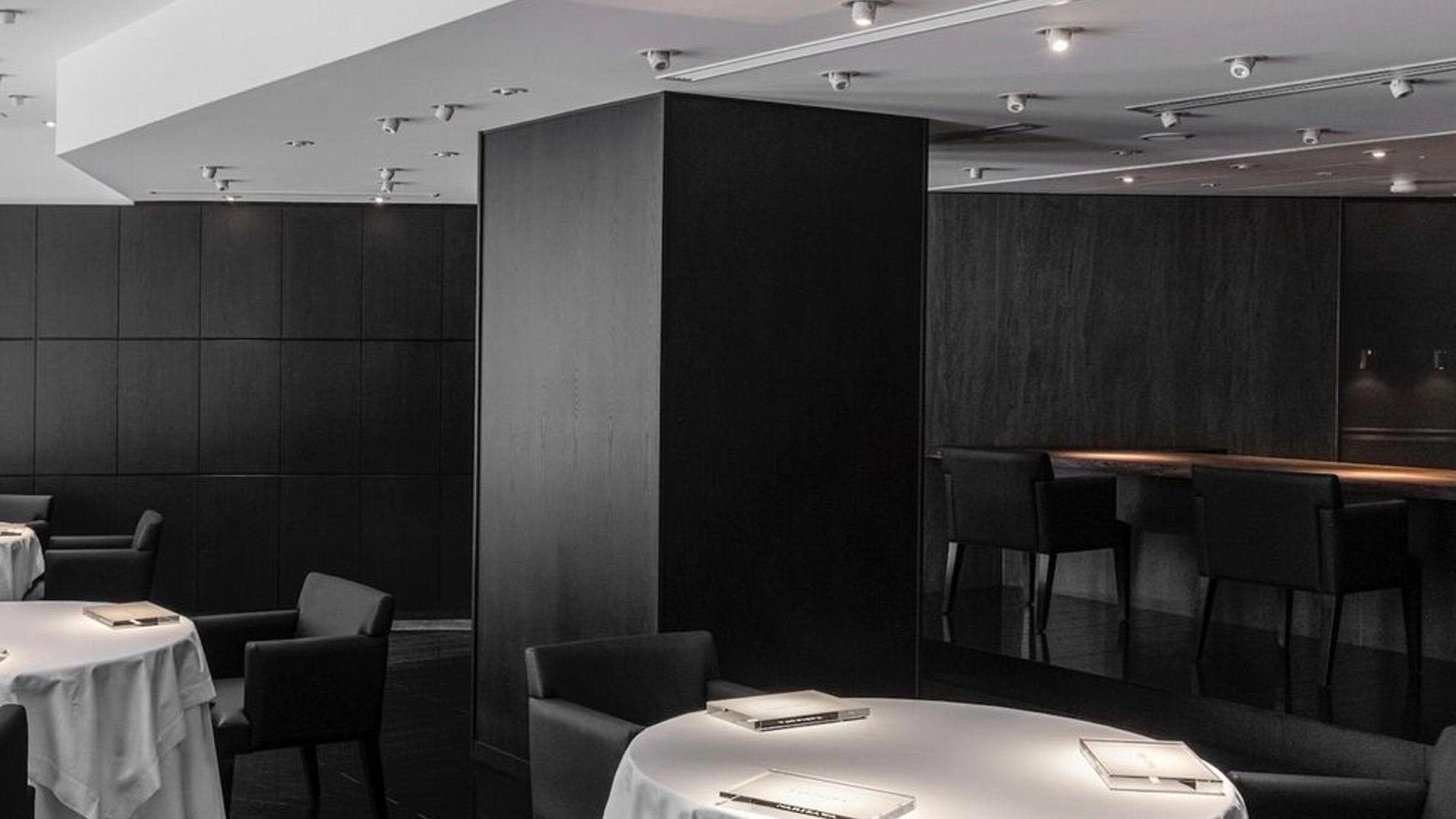



Bars in Tokyo
Browse all →

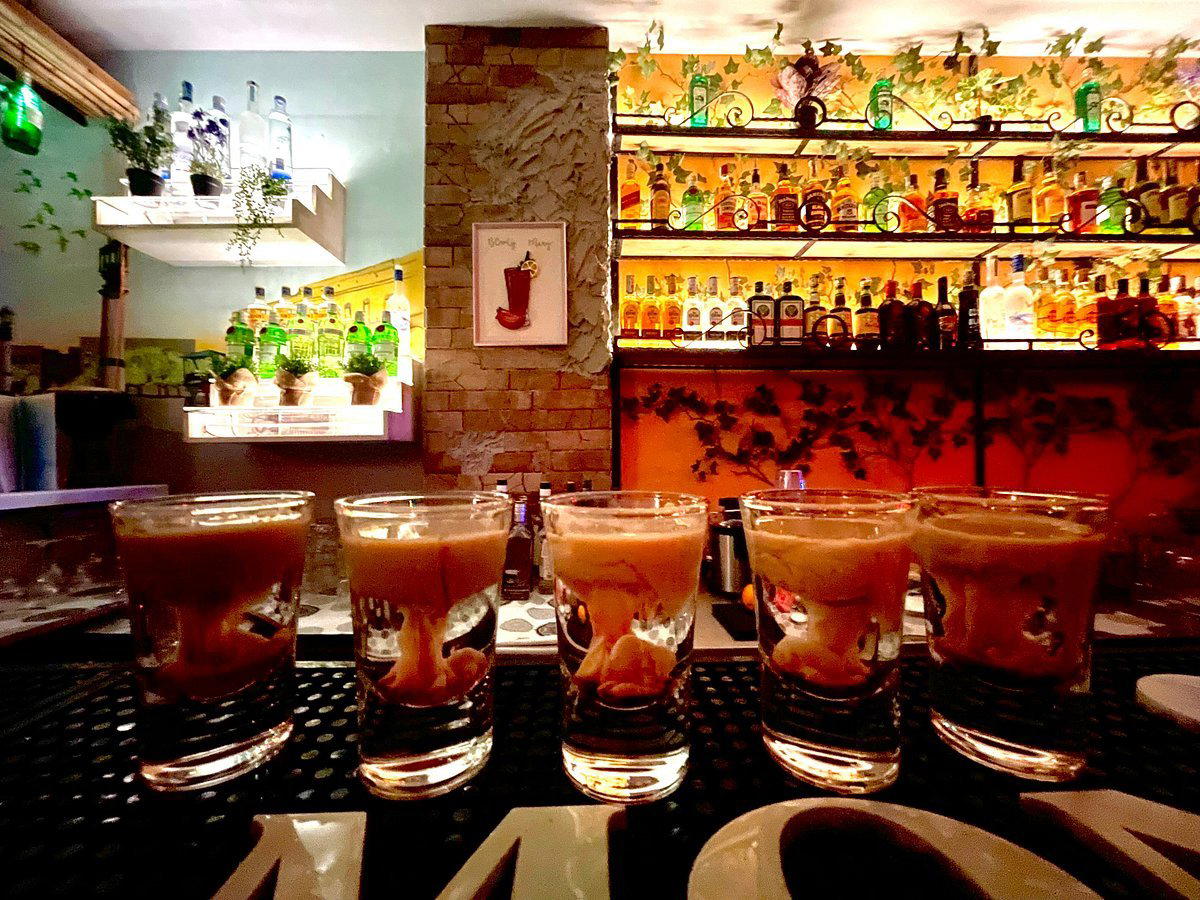


Hotels in Tokyo
Browse all →




Wineries in Tokyo
Browse all →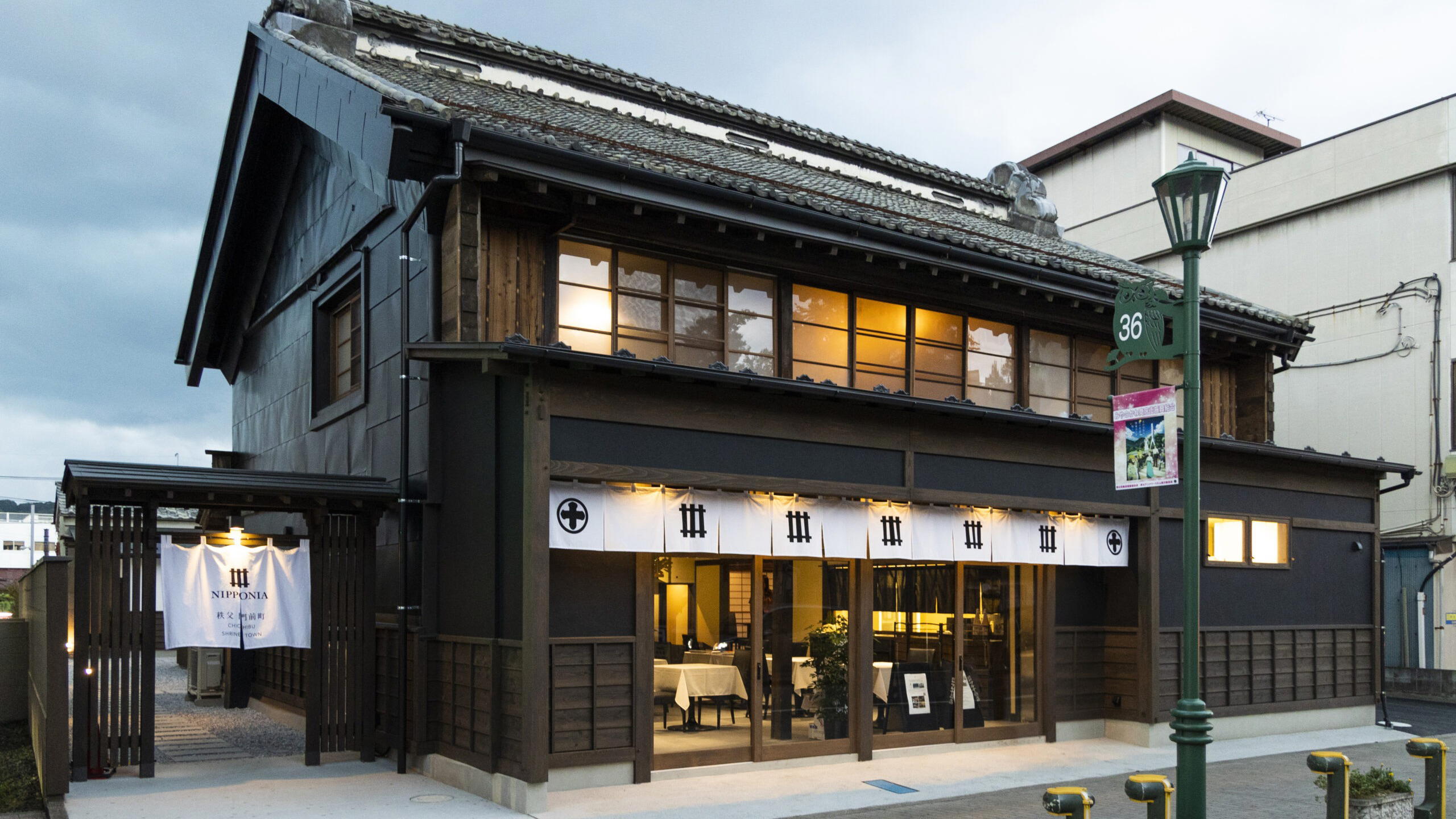
At a Glance
- Intimate
- Cozy
- Rustic
- Date Night
- After Work
- Casual Hangout
- Solo
- Chefs Counter
- Standalone
- Sake Program
Current opening hours
- Monday
- 6–11 PM
- Tuesday
- 6–11 PM
- Wednesday
- 6–11 PM
- Thursday
- 6–11 PM
- Friday
- 6–11 PM
- Saturday
- 6–11 PM
- Sunday
- Closed
Hours can change for holidays and private events. Last verified .
Small basement counter with only 16 seats, an intimate and relaxed atmosphere focused on the grill; feels like a cozy neighborhood low-profile address rather than a formal destination restaurant.