
Tori Nago Ebisu ten sits in Tokyo’s chicken-dining lane rather than the city’s sushi-and-tempura luxury circuit, with nabe, chicken dishes, and izakaya pacing built for groups as much as counter regulars. Its Tabelog 100 Chicken Cuisine 2025 selection and JPY 6,000–7,999 dinner range place it in a serious but accessible bracket for Ebisu dining.
Pearl is the En Primeur Club membership app — saves, bookings, and concierge access live there. Same editors, same standards.
- Address
- 東京都渋谷区恵比寿3-7-3 大倉ビル 1F
- Phone
- +81354201075
- Website
- torinago.com
- Directions
- Get directions
 Saves & bookings on Pearl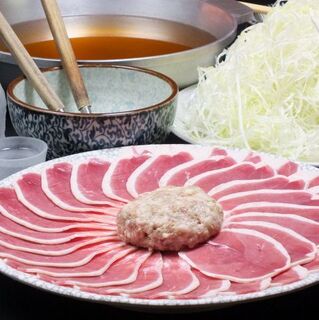
Ebisu’s restaurant streets change register quickly after the station: glass-fronted wine rooms, compact counters, izakaya signs, and quieter side lanes where dinner is less about spectacle than rhythm. In that setting, chicken cuisine has its own grammar. It is not the yakitori-only script many visitors expect from Tokyo, nor the formal kaiseki progression built around seasonal plating. The menu architecture here points toward a broader Japanese pattern: poultry, hot pot, drinks, and group pacing arranged as a full evening rather than a quick grill stop.
Tori Nago Ebisu ten belongs to that middle tier of Tokyo dining that often rewards planning better than price escalation. The spend sits at JPY 6,000–7,999 for dinner, which puts it below the city’s luxury tasting-menu bracket and above casual station izakaya territory. The useful comparison is not with French rooms such as La maison finistère or higher-ticket dining like MANSALVA; it is with Tokyo restaurants where format, drinking culture, and a defined specialty carry the night. For readers mapping the wider city, Our full Tokyo restaurants guide gives the broader field, while Our full Tokyo bars guide explains why Ebisu remains a strong after-dinner district.
Chicken, nabe, and izakaya pacing rather than a tasting-menu script
Tokyo’s poultry restaurants split into several lanes. Yakitori counters focus attention on cut-by-cut grilling and the timing of skewers. Mizutaki and nabe specialists turn dinner into a shared-table format. Izakaya with serious sourcing use chicken as the anchor but keep the room flexible, with sake, shochu, and wine doing as much work as the food. This address sits in the third category, with listed categories of chicken dishes, nabe, and Japanese-style tavern dining.
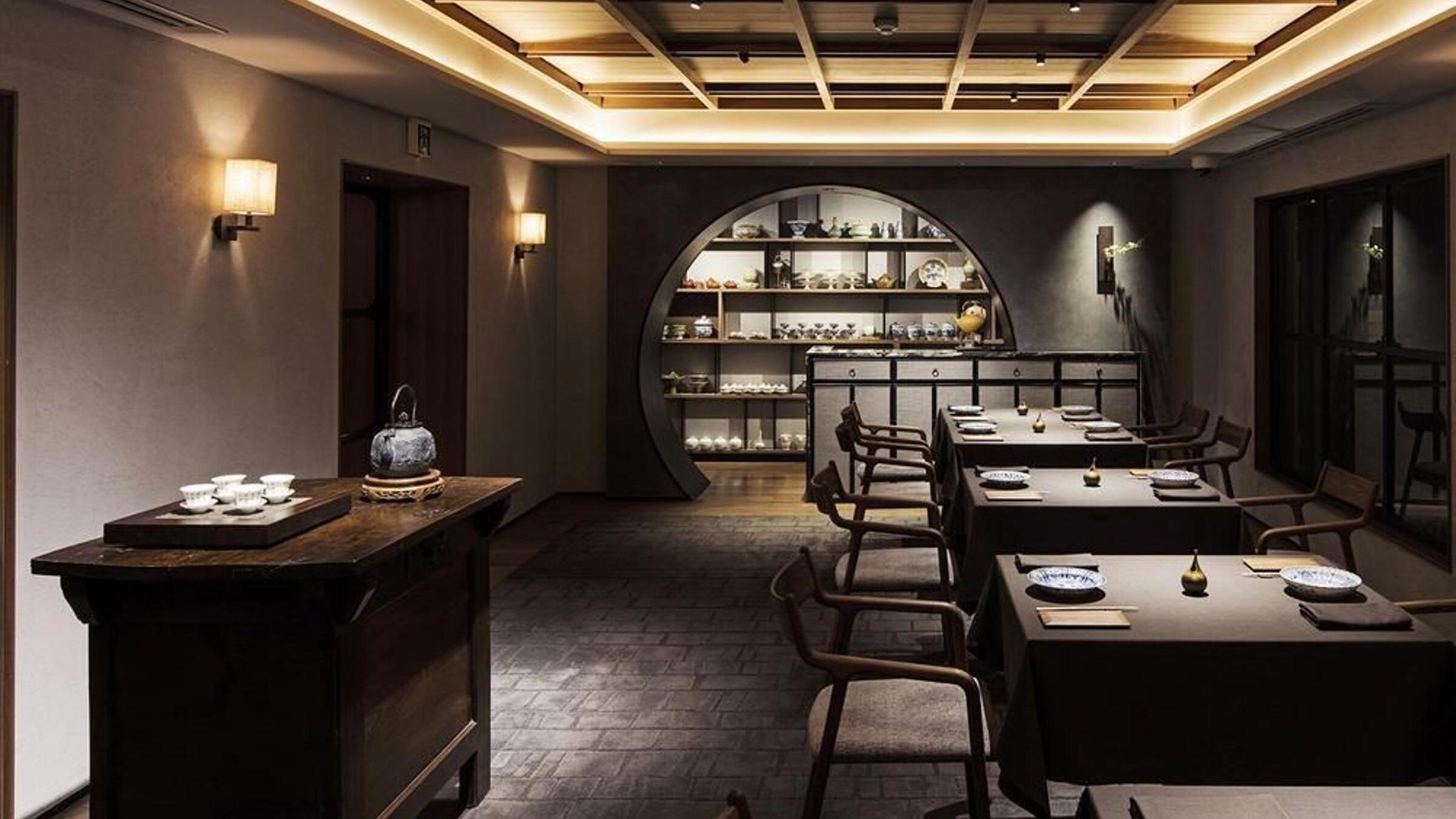
That structure matters. A chicken-and-nabe menu changes how a table orders, especially in Ebisu, where business dinners, friends’ gatherings, and late evening meals overlap. Instead of a chef-controlled procession, the meal can move between shared dishes, hot pot, and drinks. The presence of sake, shochu, and wine is not decorative; it signals a restaurant built around repeated rounds and conversation, not a silent counter performance. The format also explains why semi-private seating has value here. Tokyo’s compact dining rooms often force a choice between intimacy and capacity; a 78-seat plan with counter seats, tables, and partitioned semi-private areas gives the restaurant more range than the usual small specialty shop.
The Tabelog 100 Chicken Cuisine 2025 selection is the key trust signal. Tabelog’s category lists are useful in Japan because they capture specialist genres that overseas award systems often flatten. Chicken cuisine rarely receives the same international attention as sushi, ramen, or wagyu, yet it is one of Tokyo’s deep comfort registers. A 3.62 Tabelog score, in this category, places the restaurant in a credible local conversation rather than a tourist-facing hype cycle.
What the Ebisu location reveals about Tokyo's mid-priced serious dining
Ebisu has a particular advantage for this kind of restaurant: it absorbs both destination diners and neighbourhood regulars without becoming a single-note dining district. Compared with the formality found around Ginza or the nightlife density of Shinjuku, Ebisu is better at the long dinner that begins with food and ends with a second drink nearby. That is why chicken nabe and izakaya formats feel natural here. They do not require ceremony, but they do require appetite, time, and a table that can handle sharing.
The restaurant’s origin story, founded in Fukuchiyama in Kyoto Tanba and later established in Ebisu in 2011, is best read as context rather than mythology. Kyoto Tanba carries associations with rural produce, poultry, and inland food traditions; Ebisu turns that vocabulary into an urban dinner format. The point is not nostalgia. It is a practical translation: regional chicken cooking, adapted to a Tokyo room with groups, counter diners, and drink-led pacing.
Within the immediate Tokyo comparison set, Toranoana Ebisu Ten and Eiki point to the neighbourhood’s dense, varied local restaurant ecosystem, while Oryori Ichiho sits in a more explicitly Japanese dining lane. The distinction here is menu architecture. Formal Japanese restaurants often control sequence and tone; a poultry-and-nabe izakaya lets the table set the rhythm. That makes the address especially relevant for travellers who have already booked sushi or kaiseki and want a meal that feels closer to how Tokyo actually eats on a weeknight.
For other ways into the city’s dining map, the contrast is instructive. 124. KAGURAZAKA (Yakitori) points toward the skewer counter tradition, while 12/10 Shinjuku ten sits in a different urban rhythm. Casual and genre-specific addresses such as 3 Chome no Curry Ya San, 2D Cafe, and. 鮪と炭火焼き うお炭 秋葉原店 show how Tokyo rewards diners who think by format rather than by cuisine alone.
Know Before You Go
- Category: Chicken dishes, nabe, and izakaya dining.
- Recognition: Selected for Tabelog 100 Chicken Cuisine 2025.
- Dinner spend: JPY 6,000–7,999.
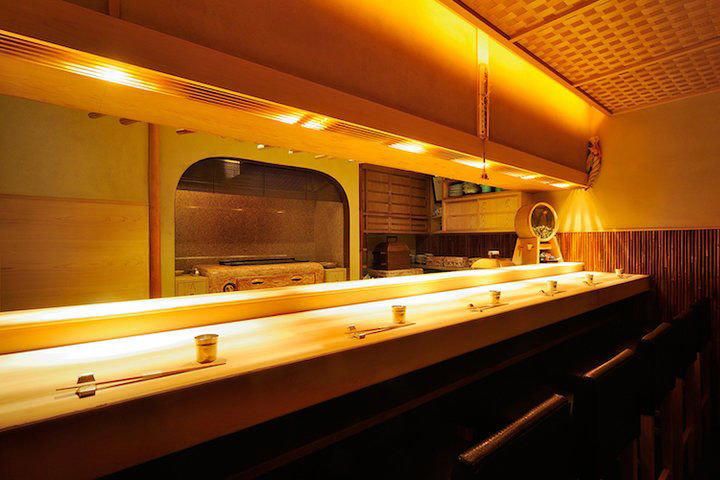
- Room: 78 seats, including counter seating, tables, and semi-private partitioned areas.
- Drinks: Sake, shochu, and wine are part of the listed program.
- Planning note: Reservations are available, and December can involve time restrictions because of demand.
- Access context: The restaurant is in Ebisu, with Ebisu Station listed as the nearest station.
The decision case is clear: choose this for a Tokyo dinner where chicken is the organizing principle and the table, not a tasting menu, controls the evening. It is a stronger fit for friends, family, or a small group than for diners chasing a hushed counter ritual. Travellers extending the trip beyond Tokyo can compare how regional Japanese formats shift at -Grilled beef Sukiyaki- KAMAKURA TANUKIAN 鎌倉 たぬき庵 in Kamakura, [ki:] in Kyoto.cafe in Osaka.know in Kumamoto, (Shoku) Vietnam in Kawasaki, and [Curry Senmon Ten] Maruyama Kyoju. in Sapporo. For a cross-Pacific sake or Japanese casual-food lens, Jōdo Saké Bar in Los Angeles and Onigiri Time in Pasadena make the contrast sharper. For trip planning around the meal, use Our full Tokyo hotels guide, Our full Tokyo wineries guide, and Our full Tokyo experiences guide.
Cuisine Context
Comparable venues by cuisine and category.
| Venue | Cuisine | Price | Notes |
|---|---|---|---|
| Tori Nago Ebisu tenThis venue — the venue you are viewing | Duck hot pot & chicken izakaya | $$$ | Not listed |
| Torafugutei | Premium Tiger Pufferfish (Fugu) Specialist | $$$ | Shinjuku |
| Akasaka Yakiniku Hachimen Roppi | Modern Wagyu Yakiniku | $$$ | Minato |
| Akasaka Totoya Uoshin | Traditional Seasonal Japanese Kaiseki | $$$ | Minato |
| Yakitori Nakamura | Yakitori Omakase | $$$ | Minato |
| Akaoni | Sake Specialist Izakaya | $$$ | Setagaya |
Recognition history
Dated appearances from independent guides and award organizations, with the underlying list record or original source where available.
Tabelog 100 #33 · No. 33
Tabelog · Tabelog 100 - Chicken cuisine - 2025










At a Glance
- Cozy
- Lively
- Classic
- After Work
- Group Dining
- Casual Hangout
- Family
- Celebration
- Standalone
- Sake Program
- Beer Program
- Local Sourcing
A warm, cozy izakaya atmosphere with a classic, lived‑in feel, focused on relaxed group dining over shared duck hot pots and signature fried chicken rather than formality.