
Yakitori shira belongs to Tokyo’s serious neighbourhood yakitori tier: small-format, counter-led, and more aligned with wine-bar discipline than casual skewers after work. Its Umegaoka setting keeps it outside the central luxury circuit, while repeated Tabelog Yakitori EAST 100 selections from 2022 through 2025 place it firmly inside the city’s specialist conversation.
Pearl is the En Primeur Club membership app — saves, bookings, and concierge access live there. Same editors, same standards.
- Address
- Japan, 〒154-0022 Tokyo, Setagaya City, Umegaoka, 1 Chome−22−1 Y’sステート 地下1階
- Phone
- +81 3-5450-8808
- Website
- yakitorishira.favy.jp
 Saves & bookings on Pearl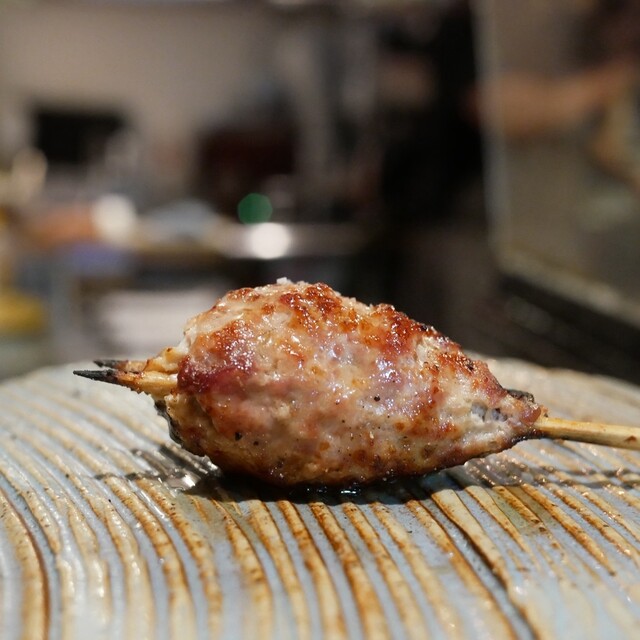
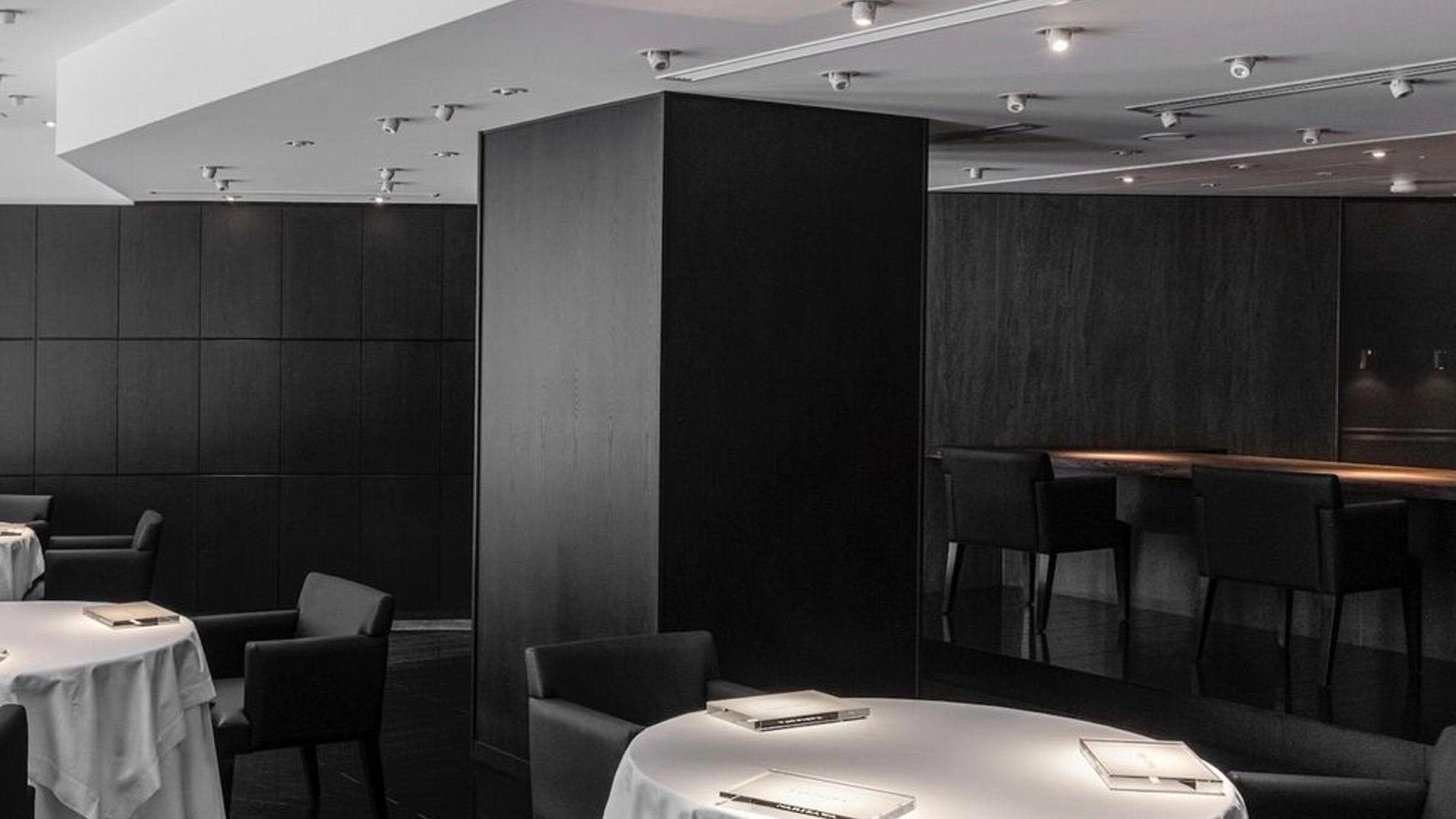
The approach is pure Setagaya rather than central Tokyo theatre: a basement address in Umegaoka, away from the hotel-dining loop and the Ginza counter economy. That matters. Tokyo’s yakitori culture has split into several lanes, from salaryman grill rooms built around beer and smoke to compact counters where chicken provenance, pacing and drink pairing carry the meal. Yakitori shira sits in the latter camp, with a 13-seat room divided between nine counter seats and a four-seat table, a scale that changes the rhythm of dinner before the first skewer arrives.
In a city where sushi and kaiseki often dominate international planning, yakitori remains a sharper test of local dining priorities. The form looks simple from the outside: chicken, charcoal, salt or tare, repeat. The better rooms are not simple at all. They depend on sourcing, cut-by-cut handling, heat control and the sequence of richer and leaner parts. Shira’s public details point to Omi Jidori from Shiga Prefecture and Amagi Shamo from Shizuoka Prefecture, two named birds that signal a more specific sourcing position than generic premium poultry. The restaurant is also listed across yakitori, izakaya and wine bar categories, which places it in a modern Tokyo pattern: grilled chicken as the spine of the meal, sake and wine as serious supporting structures.
Setagaya yakitori, measured against Tokyo's counter economy
Umegaoka gives the restaurant a different read from central trophy dining. The area sits on the Odakyu Line, residential in feel, and the south-exit proximity to the station makes the logistics cleaner than many suburban destination counters. That combination, small room plus easy rail access, is a familiar Tokyo formula for restaurants that draw committed diners without presenting themselves as grand occasions.
The price band, JPY 10,000 to JPY 14,999 for dinner, puts Shira above casual yakitori and below the city’s highest-priced omakase counters. That middle-premium tier is often where Tokyo’s grill specialists are strongest: formal enough to justify planning, not so formal that the meal loses the directness of the genre. The presence of a sommelier and a drinks program spanning sake, shochu and wine further separates it from izakaya drinking-first formats. In practical terms, the room is built for a focused dinner rather than a long, wandering night out.
Recognition has been consistent rather than sudden. Shira was selected for Tabelog’s Yakitori 100 in 2022, then for the Yakitori EAST 100 in 2023, 2024 and 2025. Its Tabelog score is 3.97, a meaningful signal in a category where local user scoring tends to be conservative and where small specialists compete against deeply established counters. The 2025 listing places it among eastern Japan’s yakitori names, not as a tourist-facing novelty but as part of a competitive regional field.
The appeal is planning discipline, not spectacle
The booking experience here is shaped by scale. Thirteen seats leave little slack, and counter seats make up the core of the room. For travellers building a Tokyo food itinerary, that means Shira is not a flexible add-on after a day in Shinjuku or Ginza. It is better treated as the anchor for a Setagaya evening, especially because Sunday is dark and dinner service runs on a fixed weekly pattern. The smart move is to avoid stacking it after another major meal; yakitori at this level depends on pacing and appetite.
The drink structure also affects how to read the restaurant. Tokyo’s newer yakitori counters increasingly borrow from wine-bar logic: better glassware, broader pairings, and a willingness to match grilled poultry with wine rather than leaving sake to carry the entire meal. Shira’s sake, shochu and wine emphasis fits that shift. The point is not fusion. It is a more flexible way of eating yakitori, where the grill remains Japanese and the table can move between rice-based spirits, nihonshu and grape wine depending on cut and seasoning.
Compared with nearby Tokyo dining at a similar spend, the category choice is decisive. OLD NEPAL TOKYO and OLD NEPAL sit in the same broad dinner budget but speak to the city’s growing appetite for regional South Asian cooking. songbook, by contrast, represents a lower-priced French lane. Shira’s case is narrower: it rewards diners who want Tokyo through poultry, charcoal and counter service rather than a broader international table. For a wider view of the city’s dining spread, Our full Tokyo restaurants guide gives the useful context; hotel, bar, winery and experience planning sit separately in Our full Tokyo hotels guide, Our full Tokyo bars guide, Our full Tokyo wineries guide and Our full Tokyo experiences guide.
Where it fits in a Tokyo eating itinerary
Shira is strongest as a focused dinner for travellers who already understand that Tokyo’s serious restaurants are not concentrated in one district. The city’s food map is radial: the meal may be in Umegaoka tonight, Kagurazaka tomorrow, and a counter or curry shop in another ward the next day. That is why cross-city planning matters more than chasing neighbourhood convenience. Within EP Club’s Tokyo pages, yakitori readers can compare the format with 124. KAGURAZAKA (Yakitori), while broader casual and specialist references include 12/10 Shinjuku ten. 鮪と炭火焼き うお炭 秋葉原店, 2D Cafe and 3 Chome no Curry Ya San.
The broader Japan file shows how specific these categories become once the city changes. A sukiyaki-focused meal at -Grilled beef Sukiyaki- KAMAKURA TANUKIAN 鎌倉 たぬき庵 in Kamakura sits in a different tradition;.cafe in Osaka.know in Kumamoto, (Shoku) Vietnam in Kawasaki, [Curry Senmon Ten] Maruyama Kyoju. in Sapporo and [ki:] in Kyoto widen the lens beyond Tokyo. For drink-led Japanese dining abroad, Jōdo Saké Bar in Los Angeles and Onigiri Time in Pasadena show how different the same reference points can feel outside Japan.
The critical case for Yakitori shira is not built on flamboyance. It is built on category clarity: named poultry, a compact counter-forward room, serious drinks, a price point that asks for commitment, and repeated recognition within Japan’s yakitori field. For travellers who plan Tokyo around meals rather than landmarks, that is enough to justify the detour to Umegaoka.
Peers You’d Cross-Shop
Comparable venues for cuisine and category context.
| Venue | Cuisine | Price | Notes |
|---|---|---|---|
| Yakitori shiraThis venue — the venue you are viewing | Yakitori & Wine-focused Izakaya | $$$ | Not listed |
| Takasaki no Okan | Hot Sake Pairing Omakase | $$$ | Ikejiri Ohashi, Meguro |
| Unitora (うに虎) | Sea Urchin Specialty Sushi | $$$ | Tsukiji |
| Kuroda | Yakiniku (Japanese BBQ) | $$$ | Shibuya |
| Sushi Inase | Edomae Omakase Sushi | $$$ | Shibuya |
| Sake Hidejiro | Japanese Sake Omakase Izakaya | $$$ | Shibuya |
Recognition history
Dated appearances from independent guides and award organizations, with the underlying list record or original source where available.
Tabelog 100 #27 · No. 27
Tabelog · Tabelog 100 - Yakitori - EAST - 2025














At a Glance
- Intimate
- Cozy
- Lively
- Date Night
- Casual Hangout
- After Work
- Solo
- Celebration
- Chefs Counter
- Standalone
- Extensive Wine List
- Sommelier Led
- Sake Program
- Local Sourcing
- Farm To Table
Current opening hours
- Monday
- 5 PM–12 AM
- Tuesday
- 5 PM–12 AM
- Wednesday
- 5 PM–12 AM
- Thursday
- 5 PM–12 AM
- Friday
- 5 PM–12 AM
- Saturday
- 5 PM–12 AM
- Sunday
- Closed
Hours can change for holidays and private events. Last verified .
Tiny basement-level counter with one table, creating a warm, cozy, and lively atmosphere that feels like a low-profile address for serious yakitori and wine lovers.