
Arakicho’s yakitori culture sits between neighbourhood izakaya ease and Tokyo’s more formal counter cooking. Yakitori Doromamire Yotsuya honten belongs to the former camp with serious credentials: Tabelog 100 Yakitori EAST selection in 2025 and a format built around grilled chicken, chicken dishes, sake, shochu and wine rather than tasting-menu ceremony.
Pearl is the En Primeur Club membership app — saves, bookings, and concierge access live there. Same editors, same standards.
- Address
- 東京都新宿区荒木町20 ヤカタビル 2F
- Phone
- +81363801197
- Website
- doromamire.co.jp
 Saves & bookings on Pearl
Arakicho suits yakitori: narrow streets, second-floor rooms and a dinner crowd expecting smoke, sake and close-range cooking, not stage-managed theatre. In that setting, Yakitori Doromamire Yotsuya honten sits within a Tokyo tradition that has grown more stratified over the past decade. At one end are rarefied counters treating poultry with sushi-like solemnity; at the other, izakaya-leaning grills built on pace, heat and conversation. The interest here is the middle ground: recognised in Tabelog 100 Yakitori EAST 2025, yet shaped around skewers and drinks rather than the hush of a chef’s counter.
That matters because Tokyo yakitori has never been one category. It can be after-work food, a specialist study of chicken anatomy, a sake bar with charcoal, or a luxury counter built around breed, tare and timing. Doromamire’s public positioning points to chicken and izakaya as much as yakitori, placing it in a more flexible bracket than formal omakase rooms. The drinks focus on nihonshu, shochu and wine, helping readers decide whether the evening is dinner first or drinking first. In Arakicho, it is often both.
Arakicho yakitori with izakaya instincts, not counter theatre
Tokyo’s yakitori boom has sharpened the divide between craft and comfort. The craft side obsesses over binchotan, rare chicken breeds, individual cuts and the sequence of salt, tare and offal. The comfort side keeps the table moving: skewers, vegetable dishes, chicken preparations beyond the grill and enough drink range to extend the meal without ceremony. This room sits closer to the second model, while its Tabelog 100 selection lifts it above casual neighbourhood status.
The venue’s own framing names Hinai Jidori, Tottori Daisen Chicken and Yamanashi Shingen Chicken, a more specific sourcing signal than generic “premium chicken” language. It also cites binchotan charcoal and vegetables from a farm in Saitama. These details matter not because they turn the restaurant into a temple of provenance, but because they show how Tokyo yakitori has absorbed ingredient-sourcing vocabulary while retaining the structure of an izakaya evening. The category reads as grilled chicken, chicken dishes and Japanese tavern cooking, not a fixed-course tasting room.
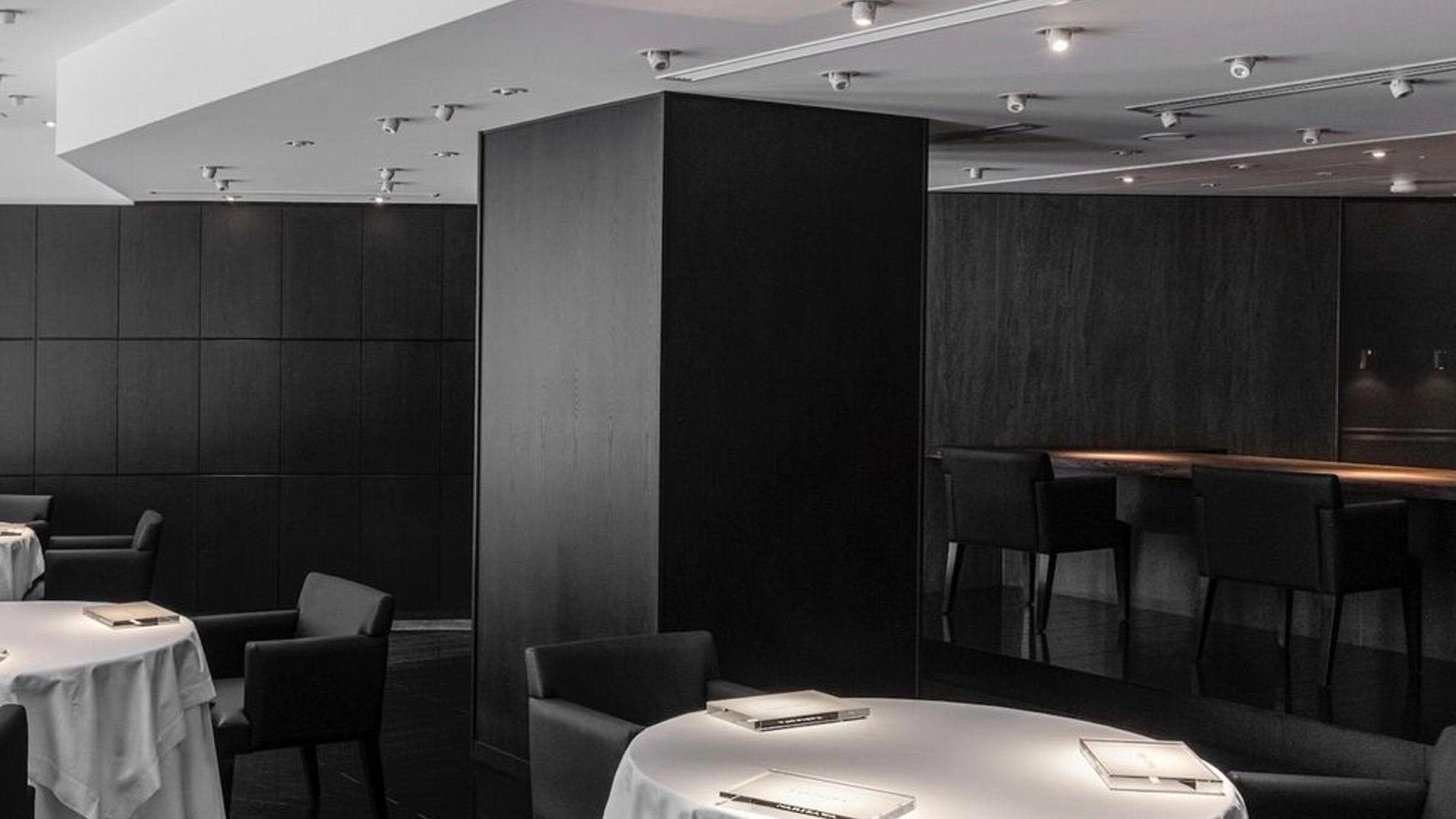
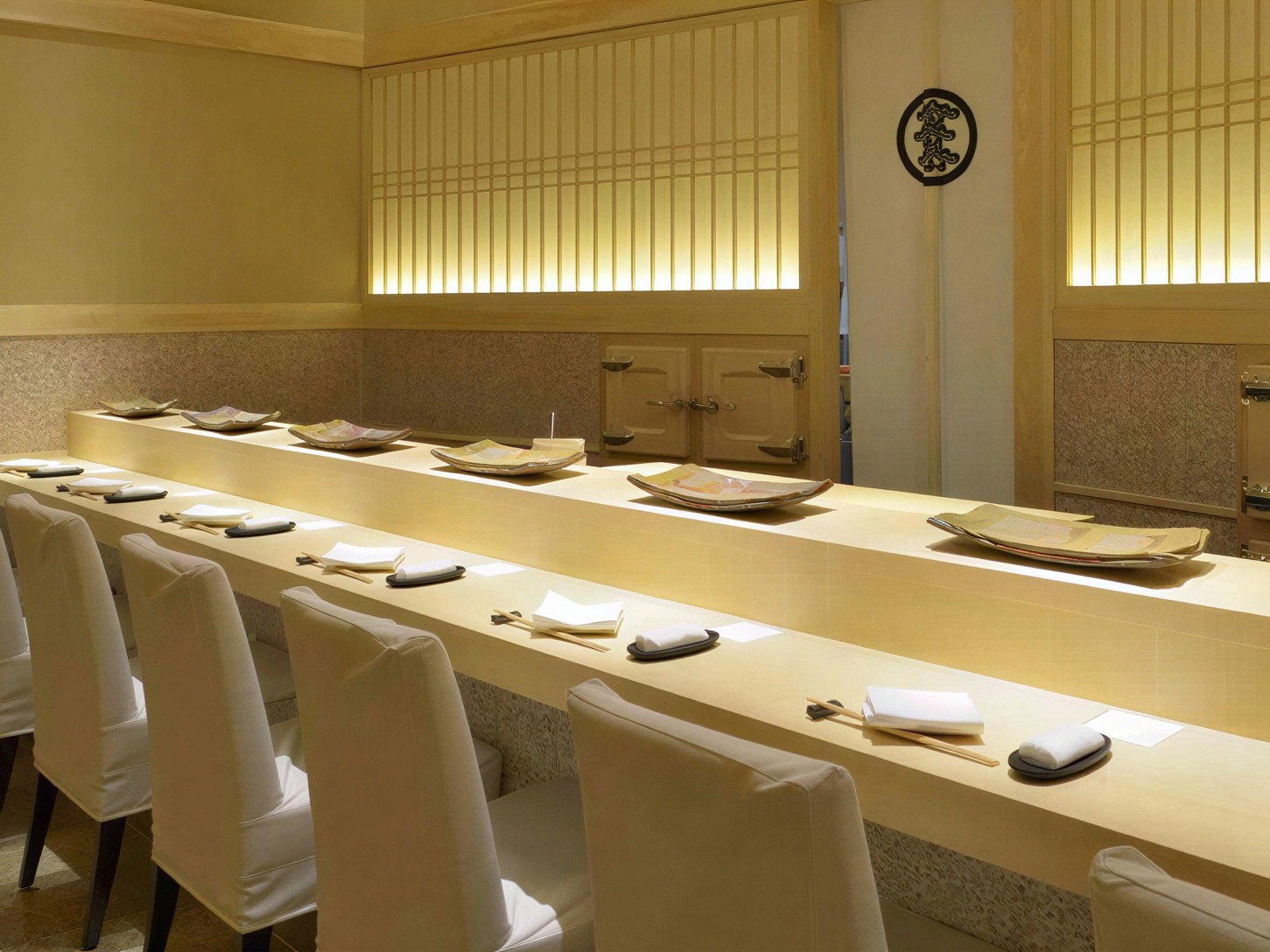
The 30-seat room reinforces that position. It is small enough for cooking to remain the centre of gravity, but not so small that dinner becomes a whisper-level encounter with the grill. Counter seating is part of the format, and tables matter too. That mix broadens the audience: pairs can treat it as a focused yakitori night, while small groups can use it as a polished Arakicho drinking dinner. The absence of private rooms keeps the experience in the shared-room idiom suited to the neighbourhood.
The 2010 opening sits inside yakitori's wider upgrade cycle
Opening in 2010 places the restaurant at an interesting point in Tokyo dining. Yakitori had already moved beyond its older image as cheap beer food, but had not yet been fully absorbed into the international luxury-counter conversation. Since then, the city has watched yakitori acquire markers that transformed sushi and tempura: specialist sourcing, tighter seating, serious drinks and list recognition. Doromamire’s repeated Tabelog 100 selections, including 2019, 2021, 2023, 2024 and 2025, trace that shift without abandoning its tavern DNA.
That evolution makes this address useful for travellers who know Tokyo’s higher-end dining codes but want a less formal night. A Tabelog score of 3.68 is meaningful in Japan’s conservative restaurant ecosystem, where category specialists often cluster in narrow bands. The award record is the stronger signal: Tabelog’s Hyakumeiten lists are category-specific, so selection in yakitori says more about peer recognition than a generic popularity marker.
Arakicho also shapes the meal. This part of Shinjuku does not behave like Kabukicho or station-side department-store floors. It is more local, compressed and dependent on repeat custom. Nearby comparison venues such as 南方中華料理 南三, 荒木町たつや, オガサワラ レストラン, Seika Kobayashi and 青華こばやし show how the neighbourhood supports specialist rooms rather than broad tourist dining. Here, yakitori functions as an anchor cuisine: accessible in form, serious in execution and compatible with the area’s late-evening rhythm.
How to place it within a Tokyo food itinerary
For an itinerary, compare it not with Ginza’s formal counters but with Tokyo restaurants where craft sits inside a relaxed format. Travellers building a Shinjuku and Yotsuya food map might pair it with nearby research into 12/10 Shinjuku ten, then widen the yakitori lens through 124. KAGURAZAKA (Yakitori). For a broader city read, Our full Tokyo restaurants guide is cleaner than chasing isolated award names.
The category benefits from contrast. Tokyo dining is strongest when a yakitori night sits beside other forms of casual precision: curry at 3 Chome no Curry Ya San, charcoal-led seafood at . 鮪と炭火焼き うお炭 秋葉原店, or the visual cafe culture represented by 2D Cafe. The point is not ranking them, but seeing how Tokyo separates specialisation from stiffness.
For readers turning the trip into a wider Japan circuit, the same logic carries beyond the capital. Compare the casual-specialist register with -Grilled beef Sukiyaki- KAMAKURA TANUKIAN 鎌倉 たぬき庵 in Kamakura.cafe in Osaka.know in Kumamoto, (Shoku) Vietnam in Kawasaki, [Curry Senmon Ten] Maruyama Kyoju. in Sapporo and [ki:] in Kyoto. For trip scaffolding around the meal, use Our full Tokyo hotels guide, Our full Tokyo bars guide, Our full Tokyo wineries guide and Our full Tokyo experiences guide. Sake-curious travellers extending the thread overseas can also compare the drinking culture with Jōdo Saké Bar in Los Angeles and the Japanese casual-food register at Onigiri Time in Pasadena.
The editorial verdict is simple: this is not the address for a maximalist Tokyo splurge or a chef-biography pilgrimage. It is sharper for readers wanting yakitori with award-list credibility, a tavern structure, serious chicken sourcing and enough drinks depth to feel local rather than scripted. In a city where charcoal counters can become rigid, that looseness is part of the appeal.
A Quick Peer Check
Comparable venues by price and recognition.
| Venue | Cuisine | Price | Notes |
|---|---|---|---|
| Yakitori Doromamire Yotsuya hontenThis venue — the venue you are viewing | Yakitori & Izakaya | $$ | Not listed |
| Japanese Soba Noodles Tsuta (Japanese Soba Noodles 蔦) | Michelin-Starred Shoyu Soba Ramen | $$ | Yoyogi-Uehara |
| 赤坂 島袋 | Japanese Robatayaki | Not listed | Minato |
| AFURI Harajuku | Yuzu Ramen | $$ | Shibuya |
| WAGYU BURGER HIROKIYA | Japanese Wagyu Burgers | $$ | Minato |
| Gavial | European-style Japanese curry | $$ | Chiyoda |
Recognition history
Dated appearances from independent guides and award organizations, with the underlying list record or original source where available.
Tabelog 100 #66 · No. 66
Tabelog · Tabelog 100 - Yakitori - EAST - 2025












At a Glance
- Cozy
- Lively
- Intimate
- After Work
- Casual Hangout
- Group Dining
- Date Night
- Late Night
- Open Kitchen
- Standalone
- Sake Program
- Beer Program
- Local Sourcing
A wood-forward yakitori dining room with the feel of a lively stadium-like grill counter, combining the coziness of a neighborhood izakaya with the energy of an open charcoal grill.