Tabelog 100 #86
Our verdict
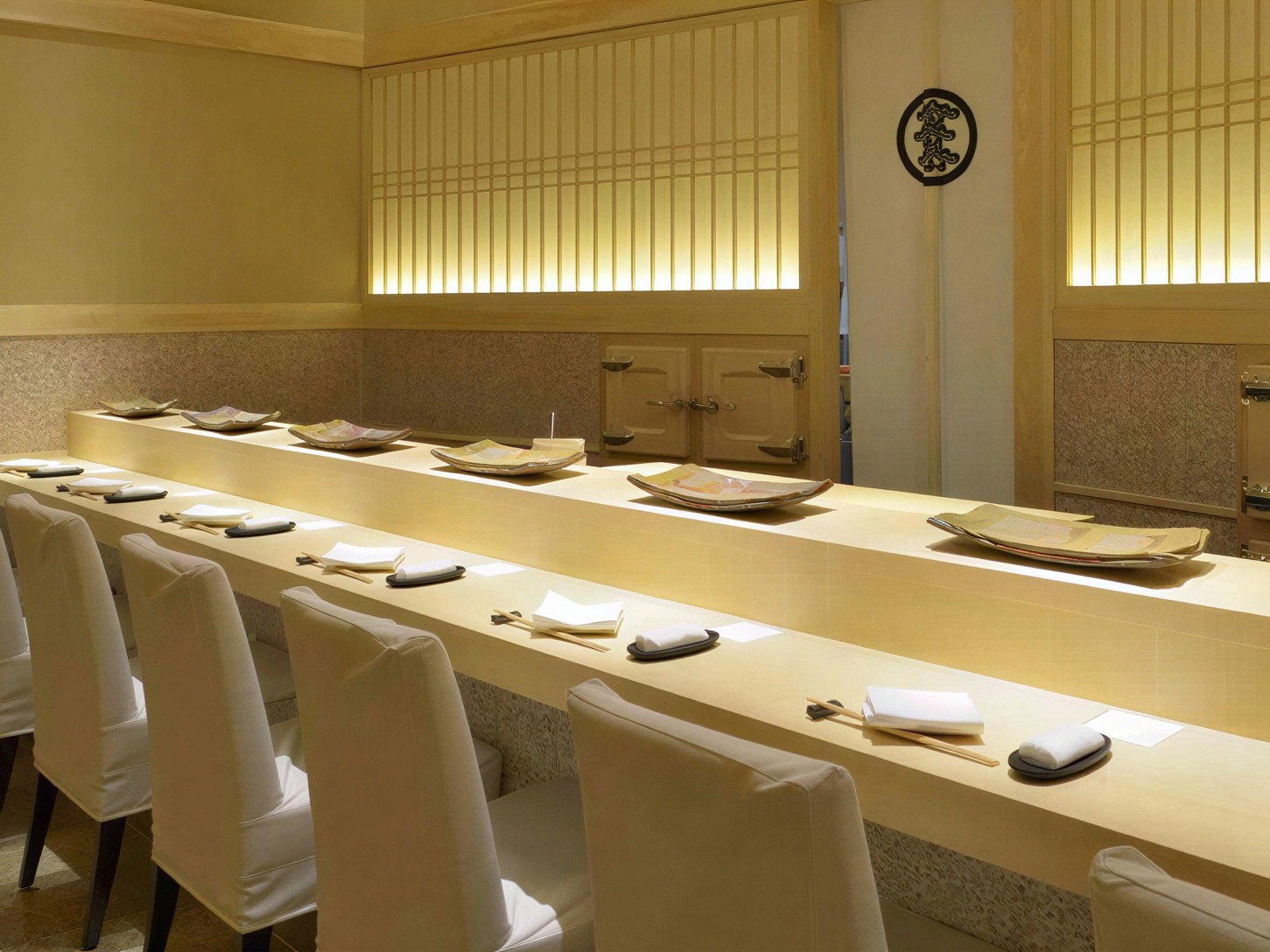
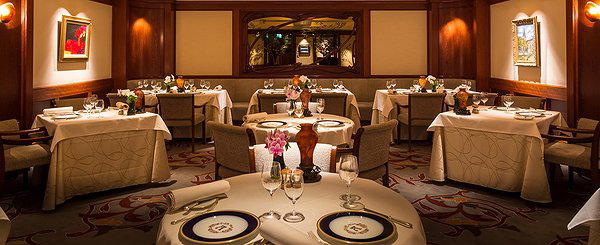
Akasaka's dining scene rewards those who look beyond the obvious flagship addresses. 赤坂離宮 occupies a floor of the Kyuho Building in Minato City, placing it within one of Tokyo's more politically charged neighbourhoods, a district where expense-account kaiseki has long coexisted with quieter, more considered cooking.

Pearl is the En Primeur Club membership app, where members save venues, book tables and use the concierge.
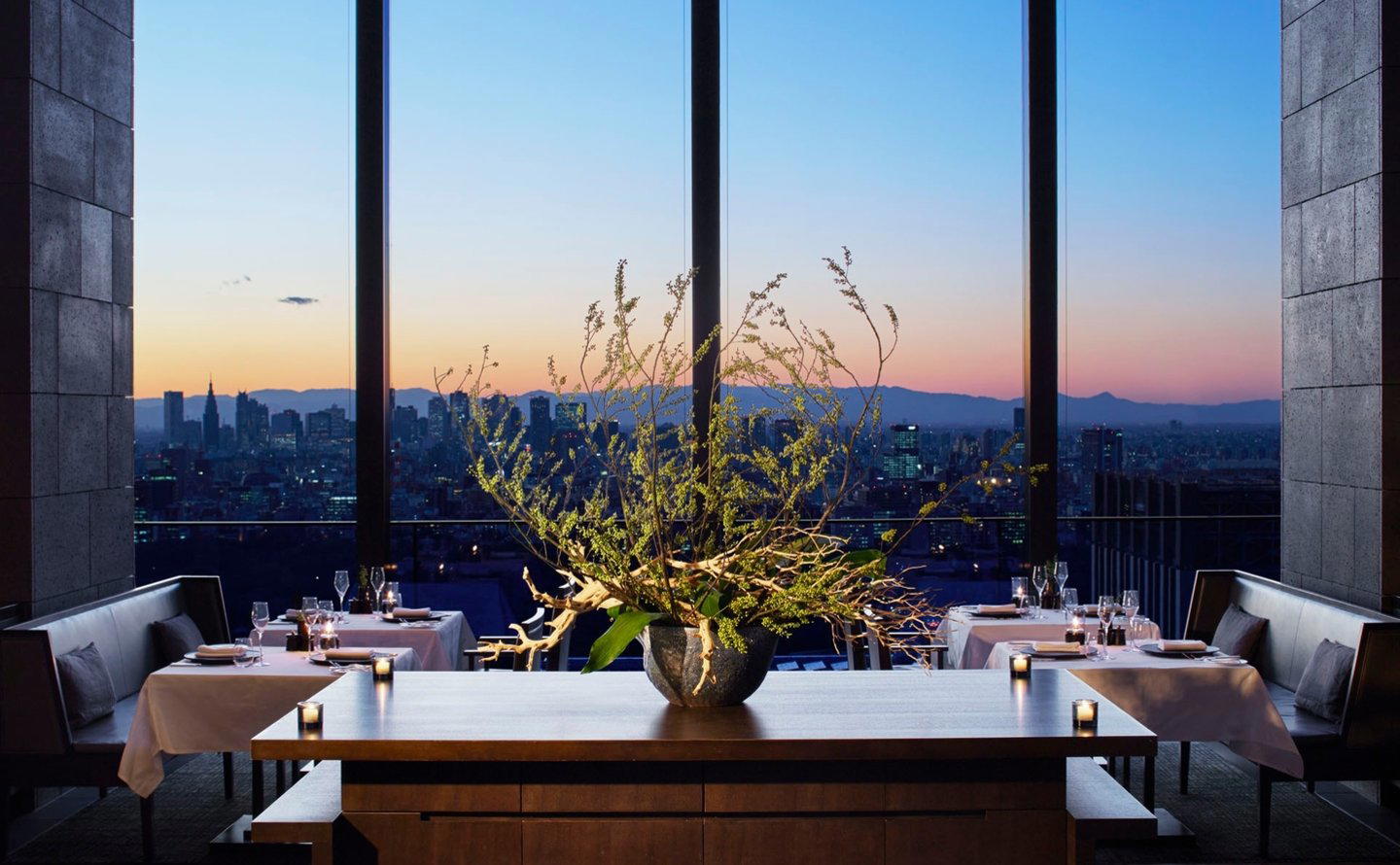
Akasaka and the Architecture of Restraint
Tokyo's Akasaka district has always operated at a remove from the city's noisier dining precincts. Where Shinjuku and Shibuya trade on volume and visibility, Akasaka, flanked by government offices, foreign embassies, and the grounds of the Akasaka Palace, has historically attracted a dining culture built around discretion. The neighbourhood's restaurants have long served a clientele that values privacy over profile, and that pattern has shaped the kind of establishments that endure here. 赤坂離宮, located on a floor of the Kyuho Building in Minato City's Akasaka 3-chome, sits precisely within this tradition.
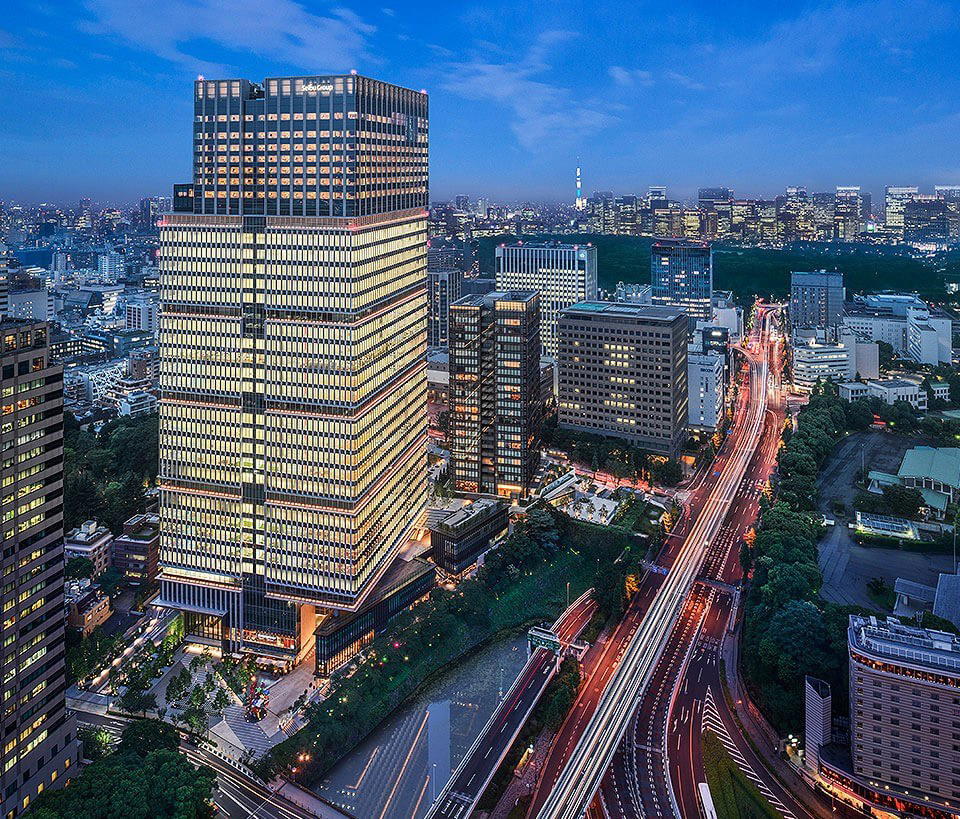
The address itself carries context. Akasaka 3-chome is a few minutes' walk from the Akasaka-mitsuke and Akasaka stations, placing the venue at the quieter residential and diplomatic edge of the district rather than its commercial centre. In a city where floor number and building type communicate as much as a restaurant's name, a venue occupying an upper floor of a low-key office building in this part of Minato City is signalling something specific: it is not chasing foot traffic, and it does not need to.
Sustainability as Operating Logic, Not Marketing
Across Tokyo's serious dining tier, sustainability has shifted from optional credential to baseline expectation. The shift is most visible in kaiseki and kappo traditions, where seasonal constraint has always been structurally embedded, a dish appears when its ingredient is at the correct moment in the growing calendar, then disappears. What has changed is the degree to which chefs now extend that logic into procurement, waste handling, and supplier relationships.
Japan's broader food culture provides structural support for this approach. The concept of mottainai, roughly, the regret of waste, runs through professional kitchens as both ethical stance and practical discipline. Whole-animal and whole-vegetable cookery, long common in traditional Japanese cuisine, aligns naturally with contemporary sustainability frameworks without requiring the kind of retrofitting that Western kitchens sometimes undergo. In restaurants operating at the quieter, lower-profile end of Tokyo's premium dining spectrum, these practices tend to be less publicised and more embedded, part of how the kitchen works rather than a feature of how the restaurant markets itself.
For a venue like 赤坂離宮, where public-facing data is minimal and the positioning appears deliberately low-profile, this matters editorially. The absence of a visible awards trail, a named chef in public circulation, or an active digital footprint places it in a category of Tokyo restaurant that serious diners often seek out precisely because the signal-to-noise ratio is different. These are kitchens where the work is the communication.
Where This Sits in Tokyo's Premium Dining Map
Tokyo's high-end dining market stratifies sharply. At the recognised apex sit venues with Michelin stars and international name recognition: Harutaka for sushi at the ¥¥¥¥ tier, RyuGin for kaiseki with a similarly heavy price point, and L'Effervescence and Sézanne representing the French-in-Tokyo tier that has attracted sustained critical attention. Below that visible layer sits a larger, less documented stratum of restaurants that serve a local clientele, often a repeat, referral-based clientele, without actively pursuing recognition.
赤坂離宮's positioning in Akasaka, a neighbourhood with strong ties to political and diplomatic Tokyo, suggests it operates within this second stratum. The comparison with Crony, which blends French technique with Japanese ingredient consciousness at the ¥¥¥¥ level, is instructive: both address a diner who has already navigated the starred tier and is looking for something less mediated by the awards apparatus.
For readers building a broader picture of serious dining across Japan, comparable positioning and intent can be found at Gion Sasaki in Kyoto, HAJIME in Osaka, and akordu in Nara, each operating in a distinct regional register while sharing a commitment to ingredient-led, low-waste cookery. At the regional level, Goh in Fukuoka, Abon in Ashiya, affetto akita in Akita, Aji Arai in Oita, Ajidocoro in Yubari District, Akakichi in Imabari, and aki nagao in Sapporo each represent the kind of place where serious regional produce and considered technique coexist outside the metropolitan spotlight.
Internationally, the model of the low-profile, technically serious restaurant that operates on reputation rather than visibility has parallels at Le Bernardin in New York City and, in a different register, Lazy Bear in San Francisco, though both carry far more public documentation than most Tokyo equivalents.
Planning Your Visit
Use this as a planning frame rather than confirmed venue data.
| Venue | Cuisine | Price Tier | Booking | Location |
|---|---|---|---|---|
| 赤坂離宮 | Not confirmed | Not confirmed | Not confirmed, contact directly | Akasaka 3-chome, Minato City |
| Harutaka | Sushi | ¥¥¥¥ | Advance reservation required | Ginza |
| RyuGin | Kaiseki | ¥¥¥¥ | Advance reservation required | Roppongi |
| Crony | Innovative, French | ¥¥¥¥ | Advance reservation required | Tokyo central |
Akasaka is accessible via the Tokyo Metro Chiyoda Line (Akasaka station) and the Ginza and Marunouchi lines (Akasaka-mitsuke station). The Kyuho Building on Akasaka 3-chome-21 is a short walk from either. For venues of this type in Tokyo, arriving without a confirmed reservation is rarely advisable, and for a restaurant without a visible public booking channel, contact by telephone or through a hotel concierge familiar with Akasaka's dining scene is the more reliable route.
For a wider view of Tokyo's serious dining options across cuisines and price tiers, see our full Tokyo restaurants guide.
Frequently asked questions
Where is 赤坂 島袋 in Tokyo?
赤坂 島袋 is located at Japan, 〒107-0052 Tokyo, Minato City, Akasaka, 3 Chome−21−8 ä¹ 保ビル 3F, Tokyo.
What's the signature dish at 赤坂離宮?
The district's premium tier, where this address sits in Minato City, tends toward seasonal composition over headline dishes. check the venue's official channels for current course details.
Do I need a reservation for 赤坂 島袋?
Reservations are recommended for 赤坂 島袋 in Tokyo. Confirm current policy via the venue's official channels.
Do I need a reservation for 赤坂離宮?
Given 赤坂離宮's location in Akasaka, a district where high-end dining rooms routinely operate at small capacity and do not accept walk-ins, securing a reservation in advance is the only reliable approach. Akasaka's premium dining addresses, particularly those in quieter residential pockets of Minato City like the 3-chome block where this venue sits, fill weeks ahead. Booking through a hotel concierge with Japanese-language capability is advisable if direct contact proves difficult.
Cuisine-First Comparison
Comparable venues nearby, for context on price, style, and recognition.
| Venue | Cuisine | Price | Awards | Notes |
|---|---|---|---|---|
| 赤坂 島袋This venue (the venue you are viewing) | Japanese Robatayaki | Not listed | Tabelog 100 #86 | Not listed |
| Yamacho (黒うどん 山長) | Black Udon (Kuro Udon) | $10–20 | Not listed | Harajuku |
| Kajitsuen Riberu | Fruit Parlor | $10–20 | Not listed | Meguro |
| 赤坂詠月 | Japanese Tea Ceremony Dining | Not listed | Not listed | Minato |
| Gekko | Traditional Japanese Izakaya & Bar | Not listed | Tabelog 100 #35 | Shinjuku |
| Yakiniku Hiromiya Shin honten | Yakiniku (Japanese BBQ) Omakase | $50–100 | Tabelog 100 #62 | Shinjuku |
Recognition history
Dated appearances from independent guides and award organizations, with the underlying list record or original source where available.
Tabelog 100 #86 · No. 86
Tabelog · Tabelog 100 - Japanese cuisine - TOKYO - 2025