
Tabelog 100 #74
Our verdict
SALT occupies a low-profile address in Urawa Ward, Saitama, operating at a remove from the capital's dining circuit in ways that reward those who seek it out. The venue sits within a broader Saitama dining scene that spans specialist eel houses and handmade ramen counters, positioning it as a distinct entry point into the city's quieter, less-trafficked restaurant culture.

Pearl is the En Primeur Club membership app, where members save venues, book tables and use the concierge.
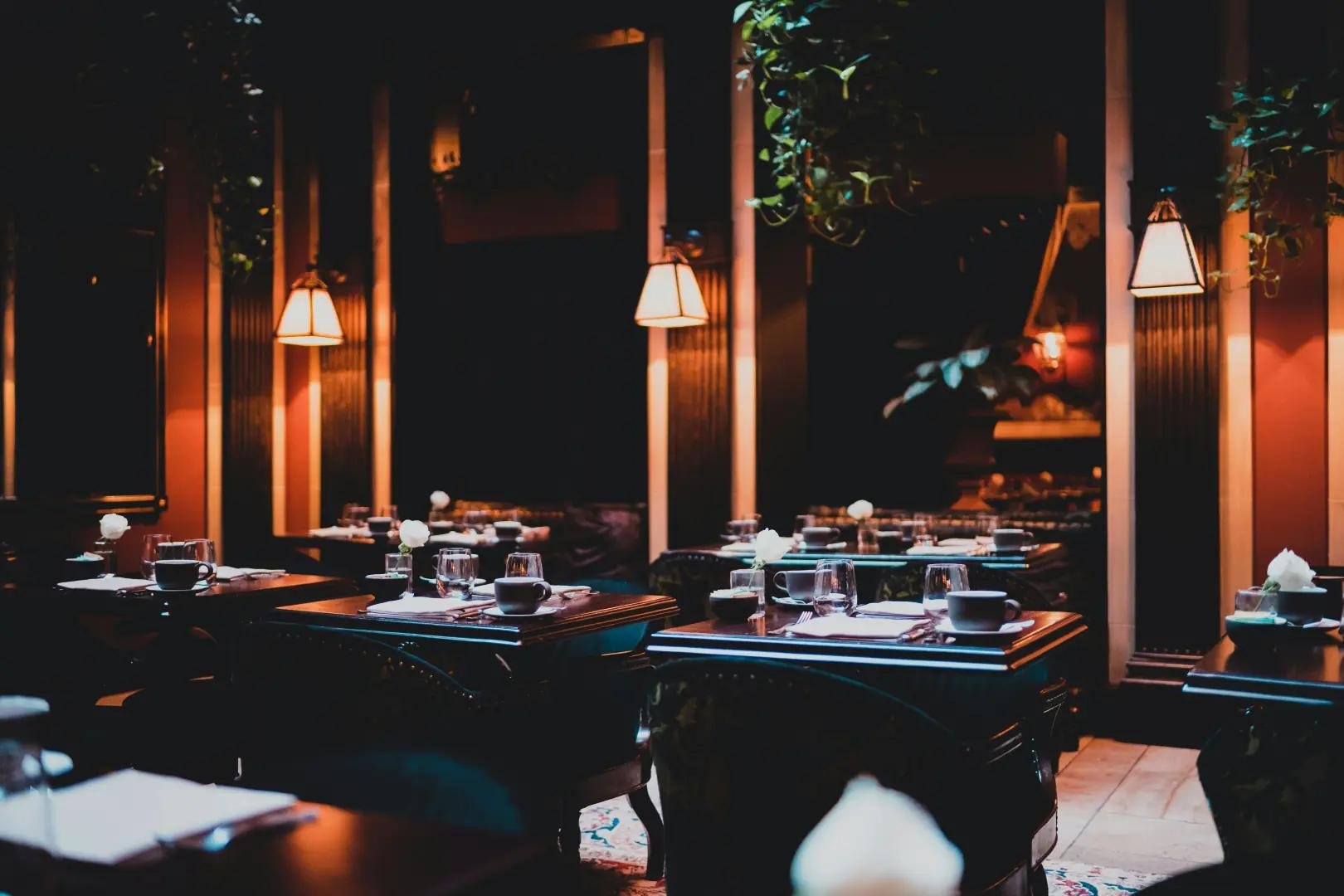
Urawa Ward and the Case for Dining Outside Tokyo
Saitama's dining identity has long been shaped by its proximity to Tokyo rather than despite it. The city sits close enough to the capital that residents commute daily, yet far enough that its restaurants operate under different commercial pressures: lower rents, less tourist foot traffic, and a customer base drawn primarily from local neighbourhoods rather than international itineraries. That context matters when reading a venue like SALT, which occupies a building in Takasago, Urawa Ward, at an address that would be unremarkable in any Japanese mid-sized city but carries a particular meaning here. This is a restaurant built for a local diner, not a destination-seeker, and the distinction shapes everything from how it books to how it prices.
Across Japan, the last decade has seen a quiet proliferation of serious independent restaurants in secondary cities. Goh in Fukuoka made a case for that city's French-influenced fine dining well before the city became a travel story. akordu in Nara showed that a destination-grade wine program could anchor itself in a prefecture better known for deer and temples. Saitama is part of that same dispersal, with venues like SALT sitting inside a dining ecosystem that includes focused specialists such as Unagi Musashino, where the eel counter runs at JPY 5,000 to JPY 7,999 and draws on a tradition with centuries of practice behind it, and handmade noodle houses like Jikasei Temomimen Suzunoki, which reflects the city's appetite for craft in everyday formats.
What the Address Signals
The TAC building on Takasago 4-chome is not a dining address with marquee recognition. There is no cluster of well-reviewed neighbours pulling in a shared audience, no neighbourhood shorthand that translates easily to an overseas reader. What that absence produces, in practice, is a venue that earns its audience through its own terms rather than borrowed neighbourhood credibility. In Japanese dining culture, that pattern has precedent at every level of the market: the tempura counter above a dry cleaner, the kappo room in a residential block, the wine bar accessed through an unmarked door. Location opacity functions as a kind of quality signal in itself, filtering for a customer who came specifically rather than accidentally.
Venues operating in that mode tend to build regulars quickly. The radius of their audience is smaller, but the repeat rate is higher, and the kitchen adjusts to a diner who returns often enough to notice when the menu changes. Whether SALT operates that way is a reasonable inference from its setting, not a confirmed fact, but the structural conditions for it are present in the address.
Saitama's Dining Range: Where SALT Sits
To read SALT in context, it helps to map the city's dining range. Saitama is not a single dining scene: Urawa and Omiya have distinct characters, with Urawa carrying more of the city's quieter, residential dining stock. At the higher end of the national register, venues like HAJIME in Osaka and Harutaka in Tokyo show what Japanese fine dining looks like when it draws an international audience and accumulates formal recognition. At the more focused specialist end, places like Gion Sasaki in Kyoto demonstrate how a single cuisine tradition, executed with precision, can define a restaurant's entire reputation. SALT's data record does not yet include awards, cuisine classification, or pricing, which places it in a different bracket from any of those: a venue where the editorial case rests on context and position rather than accumulated credentials.
That is not a weakness in every reading. Across Japan, restaurants without formal award recognition often occupy a middle tier that serves local diners more directly than any Michelin-listed counter could. They price accessibly, they change menus responsively, and they operate without the booking congestion that turns a three-star reservation into a months-long project. Ishimaru in Saitama sits in that tier alongside SALT, as part of a city dining fabric that functions for residents first. For comparison, internationally recognised venues in other dining cultures, from Le Bernardin in New York City to Atomix in New York City, operate at a level of formal recognition and booking complexity that represents a categorically different kind of experience.
Cultural Roots: Salt in Japanese Cuisine
The name SALT, rendered in Roman letters at a Japanese address, sits inside a long tradition of Japanese restaurants that use elemental ingredients as their guiding concept. Salt is foundational to Japanese cooking in ways that go well beyond seasoning: it preserves, it cures, it draws moisture and concentrates flavour. Shio-based ramen styles compete directly with tonkotsu and shoyu schools for prestige. Salt-grilled fish is a technique that appears across izakaya and kappo alike. Across Japan, restaurants that foreground salt as a concept typically do so to signal precision and restraint rather than intensity, a cooking philosophy that values what the ingredient reveals rather than what it adds.
That framing places SALT, conceptually if not yet verifiably, in a specific register of Japanese culinary thinking: one more interested in clarity than accumulation, in product quality than in sauce complexity. Whether the kitchen follows through on that implication is a question the venue's sparse data record leaves open, but the name is a choice and choices of this kind in Japanese restaurant culture are rarely arbitrary. Venues like 一本木 石川製 in Nanao or 夕月亭 in Sapporo operate within comparable regional frameworks, where local product and technique precision carry more weight than format showmanship.
Planning a Visit
SALT is located in Urawa Ward, Saitama, in the TAC building on Takasago 4-chome-4-19. Urawa Station on the JR Keihin-Tohoku and Takasaki lines connects directly to Tokyo's rail network, making the area accessible from central Tokyo in under an hour in most conditions. Pricing, cuisine format, and seating format remain unconfirmed at this stage. For a fuller picture of what Saitama's restaurant scene currently offers across cuisine types and price tiers, see our full Saitama restaurants guide.
Visitors planning a broader Kanto dining itinerary might consider pairing a Saitama meal with visits to venues in other regional cities, including 羽鳥屋 in Nishikawa Machi or 湖畔荘 in Takashima, to build a picture of how secondary-city dining in Japan varies by region and format.
Frequently asked questions
What's SALT's location?
SALT is located at Japan, 〒330-0063 Saitama, Urawa Ward, Takasago, 4 Chome−4−19 TACビル 1F, Saitama.
Is SALT in Saitama worth the trip from central Tokyo?
Urawa Station on the JR Keihin-Tohoku line connects Saitama to central Tokyo in under 30 minutes, which makes the TAC building address on Takasago 4-chome more accessible than its distance from the capital suggests. Diners already in Saitama for other reasons are better placed to evaluate whether the detour fits their itinerary.
What should I eat at SALT?
The venue is located in Urawa Ward, Saitama, a district whose restaurant culture skews toward neighbourhood regulars rather than destination diners. Visiting without a confirmed menu in hand is reasonable for exploratory diners who treat the address itself as part of the research.
How hard is it to get a table at SALT?
No booking window, published pricing, or awards data exist in EP Club's record for SALT, which makes a precise reservation forecast impossible. What the Urawa Ward address does suggest is that SALT is positioned within Saitama's local dining circuit rather than the destination-reservation tier that attracts cross-city or international traffic. For most visitors, contacting the venue directly ahead of a planned Saitama trip is the practical starting point.
Booking and Cost Snapshot
Comparable venues nearby, for context on price, style, and recognition.
| Venue | Cuisine | Price | Awards | Notes |
|---|---|---|---|---|
| SALTThis venue (the venue you are viewing) | Modern French Innovative | Not listed | Tabelog 100 #74 | Not listed |
| KAM | Garden-to-Table French | $150–200 | Tabelog 100 #96 · We're Smart World 4 Radishes | Kawaguchi, Garden-to-Table French |
| Kojima Ya | Traditional Unagi (Eel) Restaurant | $50–100 | Tabelog 100 #75 | Minami Ward, Traditional Unagi (Eel) Restaurant |
| かねかつ | Ramen & Tsukemen Shop | $10–20 | Tabelog 100 #9 | 北浦和 (Kita-Urawa), Traditional Shoyu Ramen & Abura Soba |
| Komorebi Shokudo + | Healthy Japanese Café & Teishoku | $10–20 | Tabelog 100 #45 | Urawa, Healthy Japanese Café & Teishoku |
| Petit Riche | Dining | Not listed | Tabelog 100 #36 | Not listed |
Recognition history
Dated appearances from independent guides and award organizations, with the underlying list record or original source where available.
Tabelog 100 #74 · No. 74
Tabelog · Tabelog 100 - Innovative / Creative cuisine - 2025
SALT
Featured Guides

Continue exploring
More in Saitama
Restaurants in Saitama
All restaurants in Saitama →



Bars in Saitama
Browse all →





Details
- Modern
- Elegant
- Sophisticated
- Date Night
- Special Occasion
- Open Kitchen
- Local Sourcing
- A La Carte
Current opening hours
- Monday
- 11:30 AM–2:30 PM, 6–10 PM
- Tuesday
- 11:30 AM–2:30 PM, 6–10 PM
- Wednesday
- Closed
- Thursday
- 11:30 AM–2:30 PM, 6–10 PM
- Friday
- 11:30 AM–2:30 PM, 6–10 PM
- Saturday
- 11:30 AM–2:30 PM, 6–10 PM
- Sunday
- 11:30 AM–2:30 PM, 6–10 PM
Hours can change for holidays and private events. Hours as of .
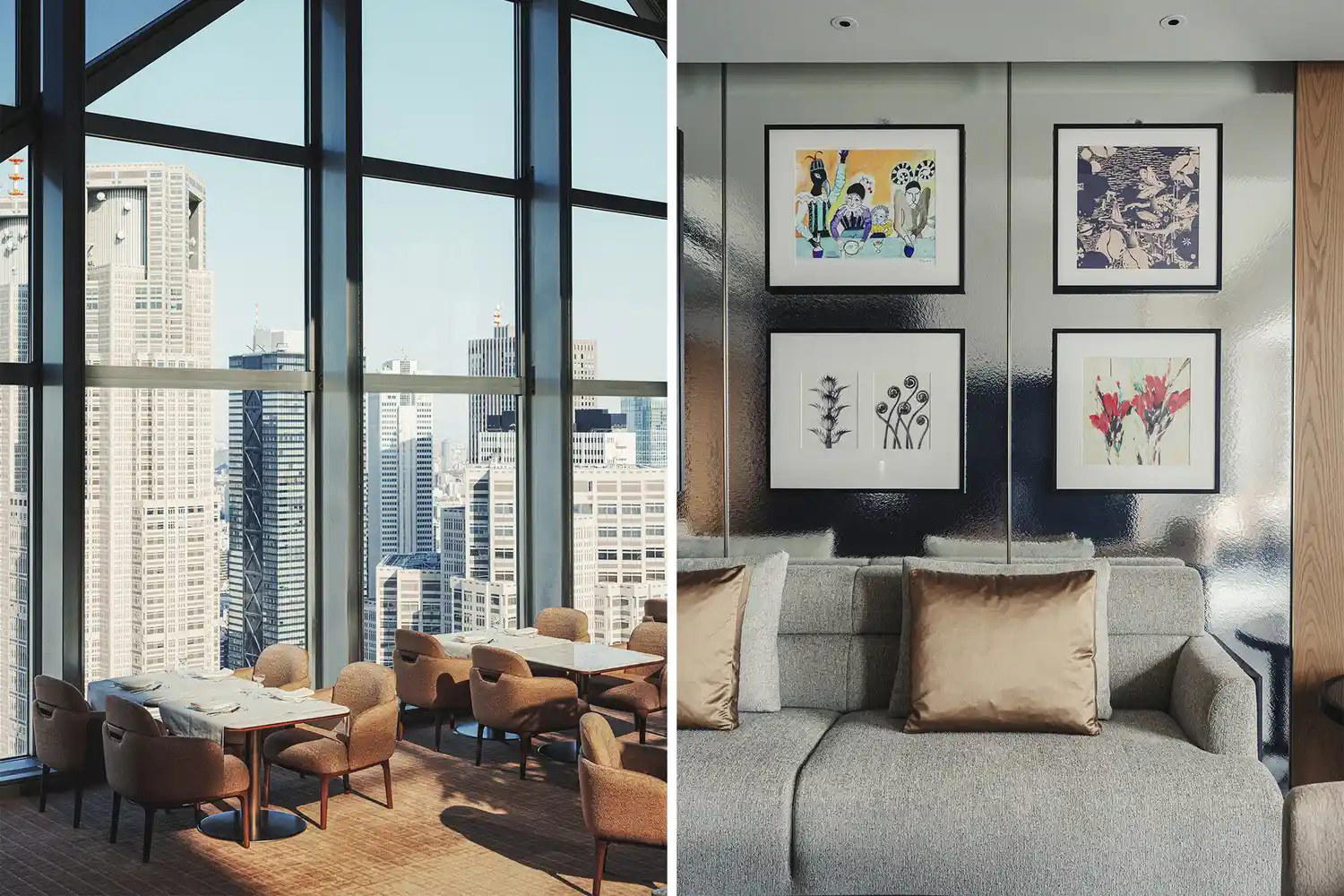
Inviting atmosphere with open kitchen providing live cooking sensation.