Our verdict
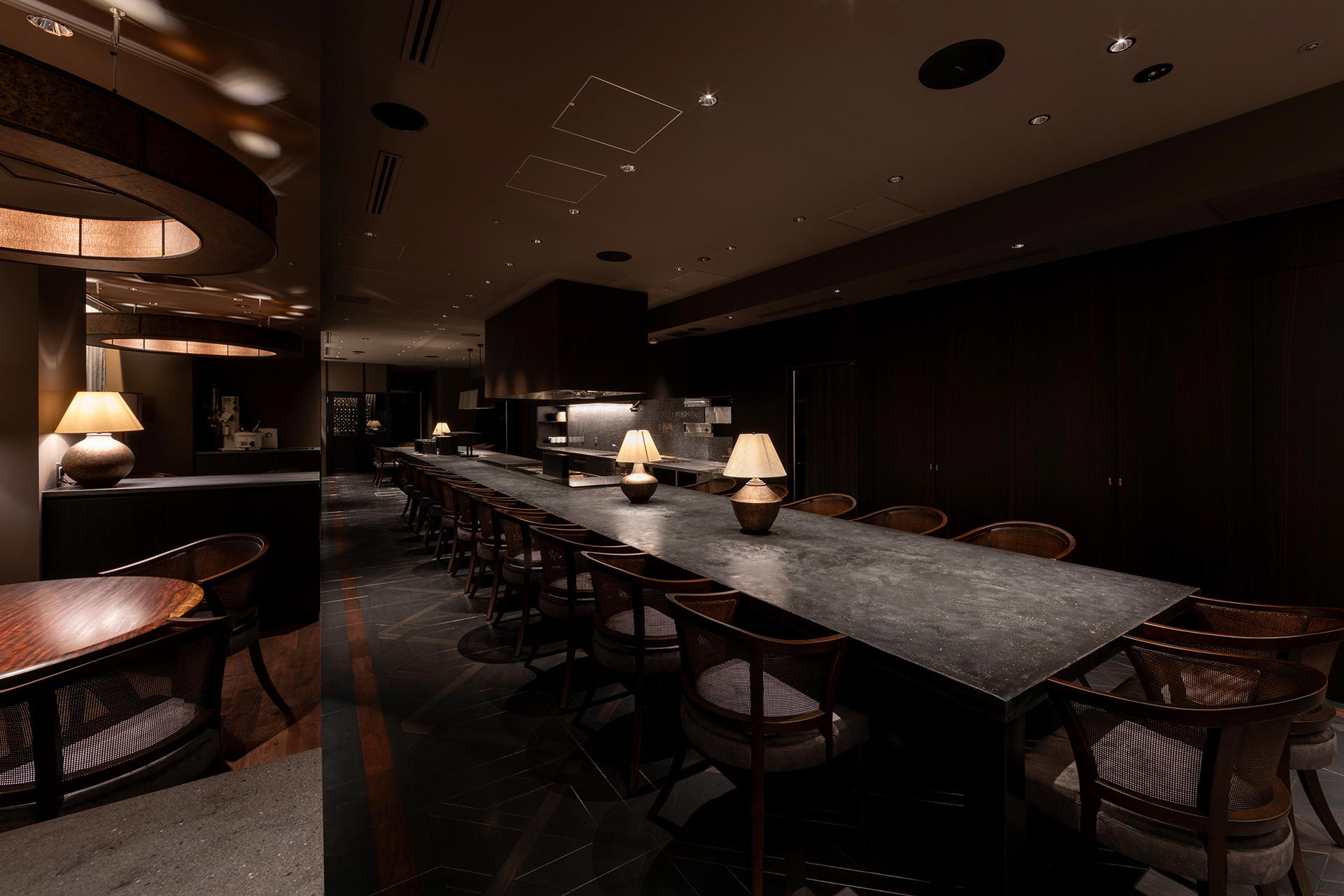
Oboro occupies the second floor of a discreet Akasaka address, positioning itself within one of Tokyo's most concentrated corridors of serious dining. The venue's format and location place it alongside Akasaka's established kaiseki and counter-dining tradition, where pacing and ritual govern the meal as much as ingredient quality does.

Pearl is the En Primeur Club membership app, where members save venues, book tables and use the concierge.
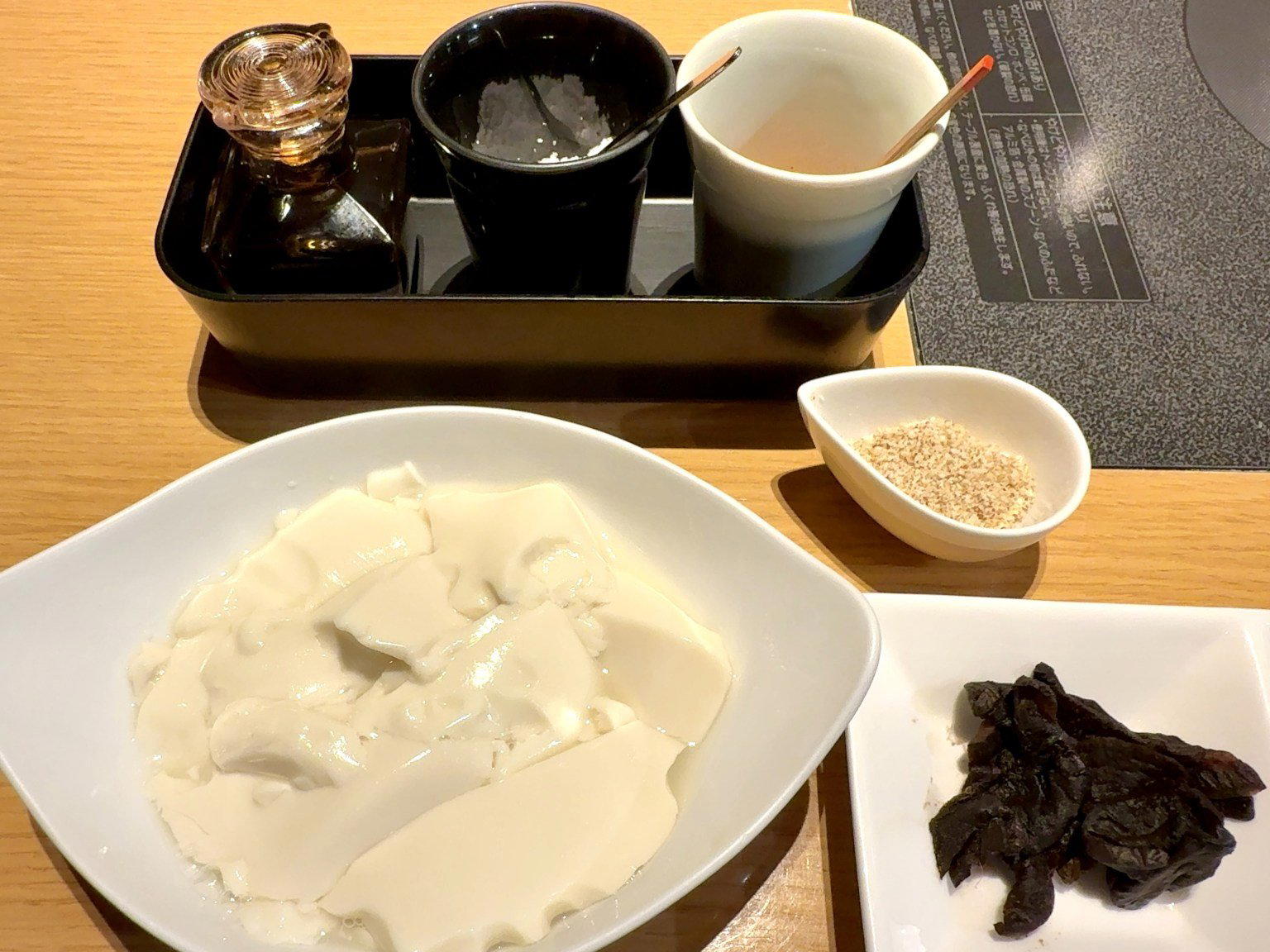
The menu
What to order
- Meat soup
- Stir-fried live jellyfish
Akasaka and the Architecture of a Measured Meal
The second floor of a low-rise building on Akasaka 3-chome is not where you stumble. Tokyo's Minato ward has long organised its dining around intention: you book ahead, you arrive on time, and the meal unfolds on terms set well before you sit down. Akasaka, specifically, carries a different register from Ginza's showcased luxury or Roppongi's international-facing brasseries. The neighbourhood's dining rooms trend quieter, more interior-facing, the kind of spaces where the ritual of the meal is the primary architecture rather than the room itself.
Oboro fits that pattern. The address, MJ Akasaka Building, 2F, signals the spatial logic common to Tokyo's most deliberate dining: accessible by the standards of a dense city ward, yet requiring enough navigation that the arrival itself feels like a threshold crossed. This is not incidental design. Counter-dining culture in Tokyo has always placed weight on the act of finding the room, settling into it, and surrendering the evening's pace to the kitchen.
The Ritual Grammar of Japanese Counter Dining
Tokyo's premium dining tier has developed a remarkably consistent set of customs around pacing and order, regardless of whether the format is sushi omakase, kaiseki, or a more contemporary tasting structure. The counter, where it exists, is not merely a practical arrangement for watching preparation, it is a spatial contract. The guest's role is to receive, observe, and respond without rushing. The kitchen's obligation is to time each course to the exact moment of readiness, not to the convenience of a service rotation.
This is the tradition Oboro operates within. Akasaka has historically hosted the kind of clientele, government adjacency, long-standing corporate accounts, neighbourhood regulars with decades of relationship, who understand that obligation implicitly. The dining customs governing these rooms are less codified in any written policy than they are transmitted through repetition: you do not check the time, you do not prompt the next course, and the conversation, if it happens at all with the kitchen, follows the kitchen's lead.
Contrast this with the more internationally familiar tasting-menu format, where a printed card of courses arrives with the amuse-bouche and the pacing becomes partly predictable. Tokyo counter dining at this level withholds that map deliberately. The progression is something you experience rather than anticipate, which makes the meal a different cognitive exercise than working through a listed menu at a Western fine-dining table. For readers familiar with the counter format at Harutaka or the measured kaiseki rhythms at RyuGin, Oboro's Akasaka setting places it within that same lineage of structured receipt.
Where Oboro Sits in Tokyo's Dining Tier
Tokyo's premium dining options have stratified clearly over the past decade. At the leading, a cluster of counters and intimate dining rooms price against international peer sets and operate with multi-month booking leads. Below that, a broader mid-tier of serious but more accessible rooms serves the neighbourhood's regulars without the ceremonial weight of a full omakase commitment.
Oboro's Akasaka location positions it within a neighbourhood that has historically supported both tiers simultaneously, often within a few streets of each other. The area's proximity to the political and corporate infrastructure of Nagatacho and the Ark Hills development has always meant a resident dining population that values discretion over visibility. This contrasts with Ginza, where dining visibility is partly the point, or with the design-led rooms of Minami-Aoyama, where aesthetic statement competes with culinary weight. In Akasaka, the room tends to recede so the meal can advance.
For comparative orientation: Tokyo's French-inflected tasting rooms, such as L'Effervescence and Sézanne, operate with printed menus and a more Western-facing service register. Akasaka's counter rooms generally do not. The distinction matters if you are calibrating what kind of evening you are booking into. Similarly, Crony's innovative French format in the same city represents the opposite end of the transparency spectrum, where technique is explained and the progression is a shared performance. Oboro's address suggests a more interior, self-contained approach.
Etiquette, Pacing, and What to Expect
The customs around Tokyo's serious dining rooms are worth addressing directly for first-time visitors. Punctuality is not courtesy here, it is structural. Counter dining in particular is sequenced around simultaneous service to all seats, and a late arrival disrupts that sequencing in ways that ripple through the entire meal. Most rooms at this level will have communicated the reservation time clearly and expect guests to arrive a few minutes before, not at the hour.
Photography customs vary by room. Many of Tokyo's more traditional counter rooms have moved away from blanket bans, recognising that international guests have shifted expectations, but the convention remains to follow the kitchen's lead and not photograph preparation unless explicitly encouraged. Conversation volume is self-regulating in these spaces: the acoustics and intimacy of a small counter room make anything above a moderate register immediately apparent to the entire room.
For guests arriving from Japan's regional dining circuit, the transition to an Akasaka room requires minimal adjustment. The same ritual grammar that governs the celebrated kaiseki counter at Gion Sasaki in Kyoto, the precision-led format at HAJIME in Osaka, or the more contemporary approach at Goh in Fukuoka applies here. The physical geography changes; the underlying compact between kitchen and guest does not.
Internationally, the closest structural analogue might be the counter-dining format at Atomix in New York City, where Korean fine dining similarly uses a counter setting to create a directed, unhurried progression. The difference is that Atomix is working to import and explain that ritual grammar for a New York audience, whereas an Akasaka room assumes the guest has already agreed to it by booking.
Planning Your Visit
Oboro is located on the second floor of the MJ Akasaka Building, Akasaka 3-chome 13-2, Minato City, Tokyo 107-0052. The closest metro access is Akasaka-mitsuke or Akasaka stations, both within comfortable walking distance on the Tokyo Metro network. For broader context on Tokyo's dining tier and how to build an itinerary around rooms of this type, see our full Tokyo restaurants guide.
| Venue | Neighbourhood | Format | Price Tier | Booking Lead |
|---|---|---|---|---|
| Oboro | Akasaka, Minato | Counter / intimate dining | Not confirmed | Not confirmed |
| Harutaka | Ginza | Sushi omakase counter | ¥¥¥¥ | Several months |
| RyuGin | Roppongi | Kaiseki counter | ¥¥¥¥ | Several weeks |
| L'Effervescence | Nishi-Azabu | French tasting menu | ¥¥¥¥ | Several weeks |
| Sézanne | Marunouchi | French tasting menu | ¥¥¥¥ | Several weeks |
Frequently asked questions
What is the atmosphere like at Oboro?
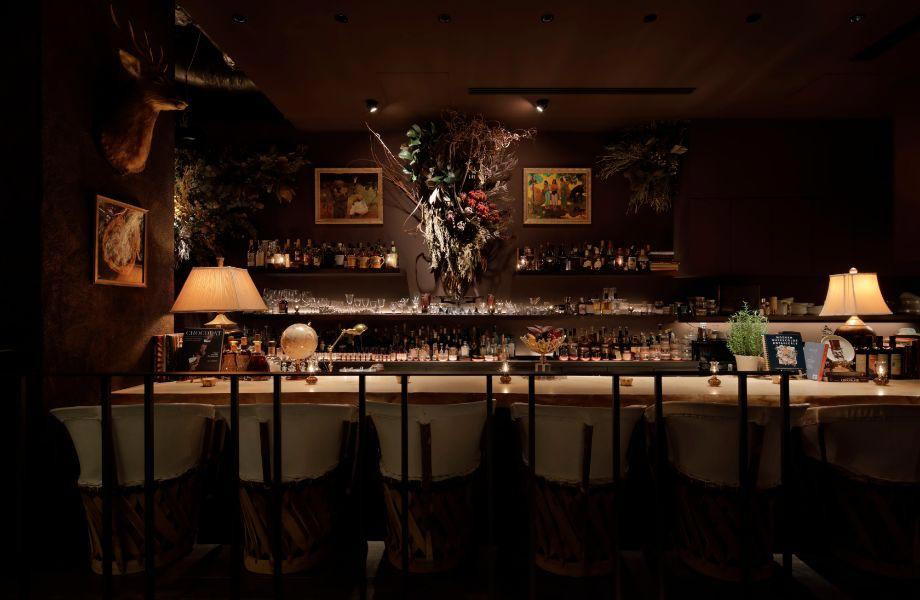
Akasaka's dining rooms tend toward quiet interiority rather than visible spectacle, and Oboro's second-floor position on a residential-scale Akasaka street reinforces that register. The neighbourhood draws a clientele accustomed to discretion, which shapes the ambient tone of the room in ways that pricing or awards data alone cannot capture. For comparison, Tokyo rooms in this ward operate differently from the more tourist-facing dining of Ginza or the design-forward spaces of Aoyama.
What do regulars order at Oboro?
In Tokyo's serious counter-dining rooms, the question of ordering typically does not arise in the way it would at a Western restaurant. The kitchen sets the progression, and the guest receives it. This is the convention that governs omakase and kaiseki counters across the city's premium tier, from sushi specialists like Harutaka to the more technically ambitious rooms.
Do they take walk-ins at Oboro?
Tokyo's serious dining rooms at this neighbourhood level rarely accommodate walk-ins, and Akasaka rooms in particular tend to operate on pre-arranged bookings rather than casual passing trade. For rooms in this tier across the city, the walk-in prospect is low regardless of any formal policy; rooms of this scale fill through direct booking channels.
Is Oboro suitable for guests who have never experienced Japanese counter dining before?
Tokyo's Akasaka dining rooms, like those at comparable addresses across Japan from akordu in Nara to regional specialists like 一本杉川島 in Nanao, operate on conventions that reward prior familiarity but do not strictly require it. The key adjustment for first-timers is attitudinal rather than technical: the pacing is the kitchen's, the progression is set rather than chosen, and the evening is structured as a received experience. Guests who have dined at internationally comparable counter formats, such as Le Bernardin in New York, will find the service register more formal but the underlying logic familiar.
How It Stacks Up
Comparable venues nearby, for context on price, style, and recognition.
| Venue | Cuisine | Price | Awards | Notes |
|---|---|---|---|---|
| OboroThis venue (the venue you are viewing) | Japanese Izakaya | $20–30 | Not listed | Not listed |
| Wakana Sushi | Traditional Japanese Sushi | $20–30 | Not listed | Higashi Nagasaki |
| 暗闇坂 宮下 | Kyoto Izakaya | Not listed | Not listed | Minato |
| Sumatra Curry Kyoei Do | Historic Sumatra-style Japanese curry | $10–20 | Tabelog 100 #99 | Chiyoda |
| Nihonbashi | Traditional Kaiseki Kappo | $150–200 | Not listed | Chūō |
| Muromachi Sunaba Nihonbashi hon ten | Traditional Edo-style soba | $20–30 | Tabelog 100 #67 | Chūō |
Continue exploring
More in Tokyo
Restaurants in Tokyo
All restaurants in Tokyo →
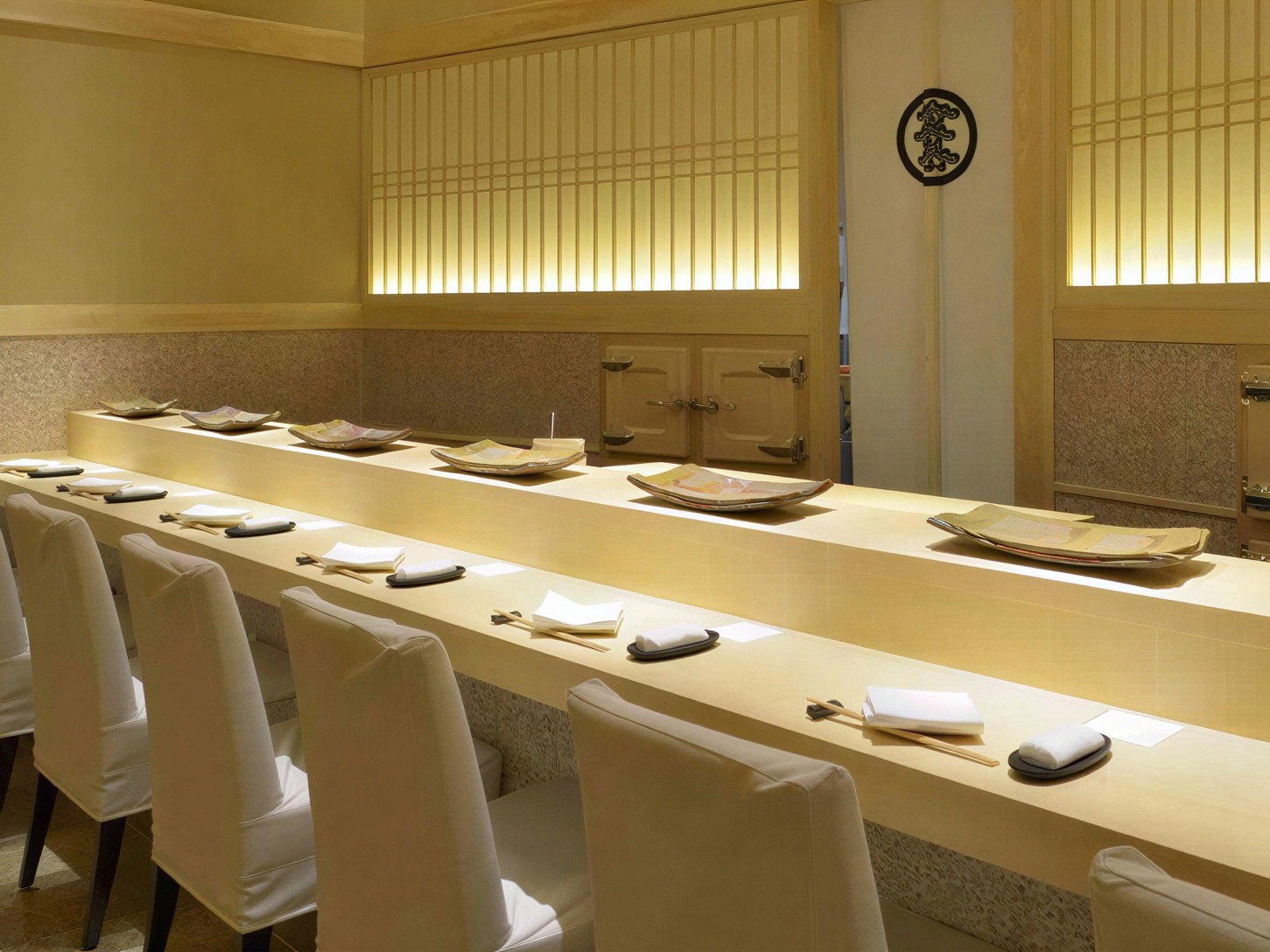
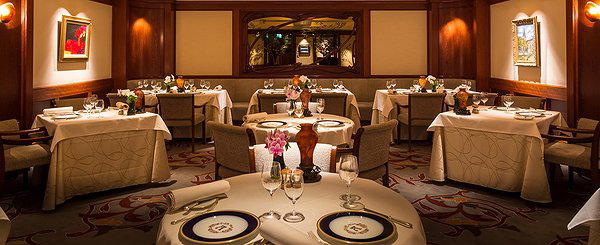
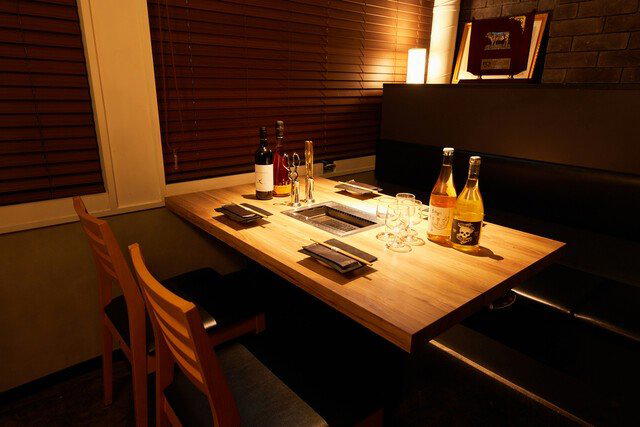
Bars in Tokyo
All bars in Tokyo →



Details
- Lively
- Cozy
- Energetic
- After Work
- Casual Hangout
- Group Dining
- Sake Program
- A La Carte
- Small Plates
- Sake
Current opening hours
- Monday
- 6 PM–3:30 AM
- Tuesday
- 6 PM–3:30 AM
- Wednesday
- 6 PM–3:30 AM
- Thursday
- 6 PM–3:30 AM
- Friday
- 6 PM–3:30 AM
- Saturday
- Closed
- Sunday
- Closed
Hours can change for holidays and private events. Hours as of .
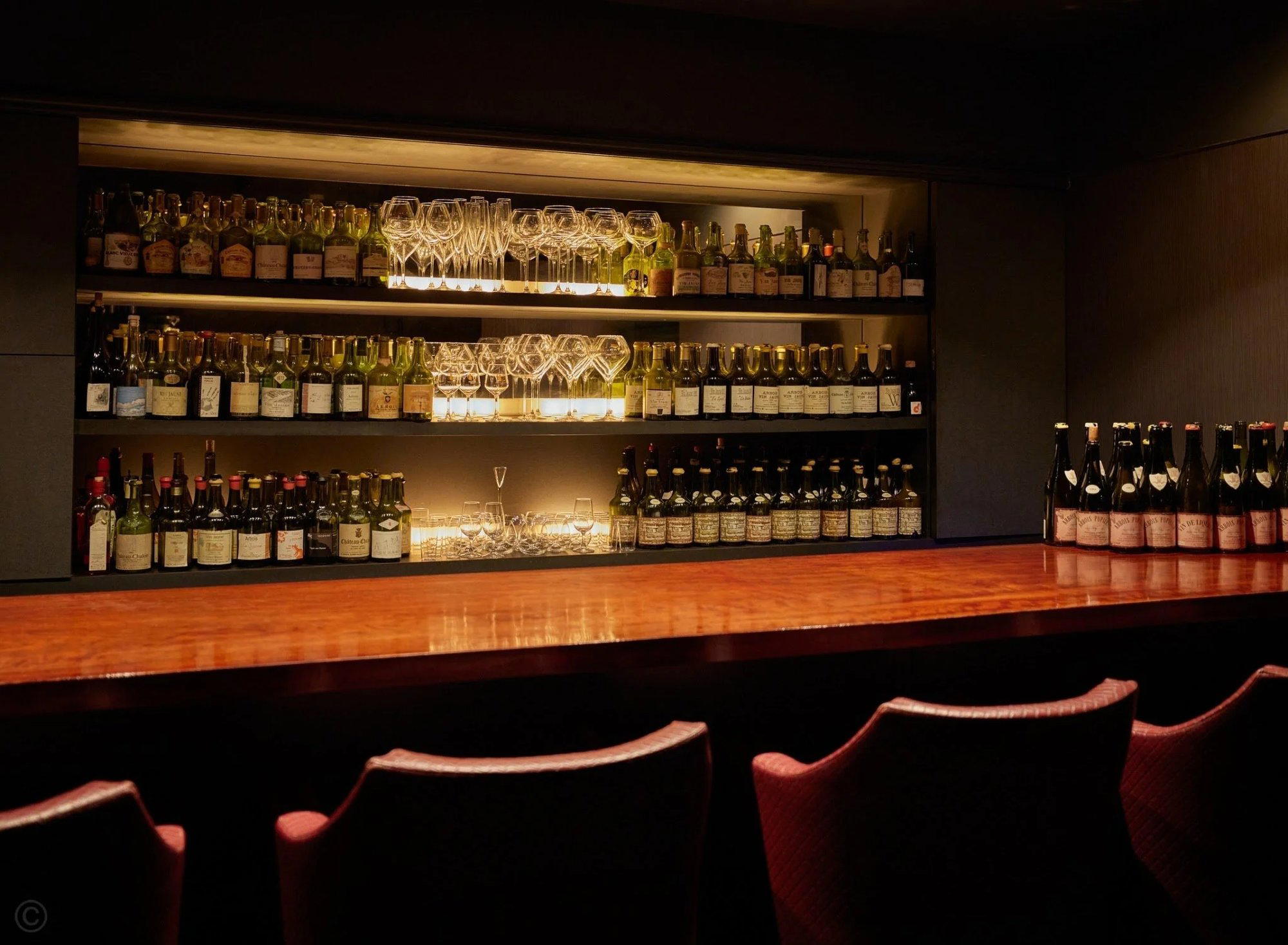
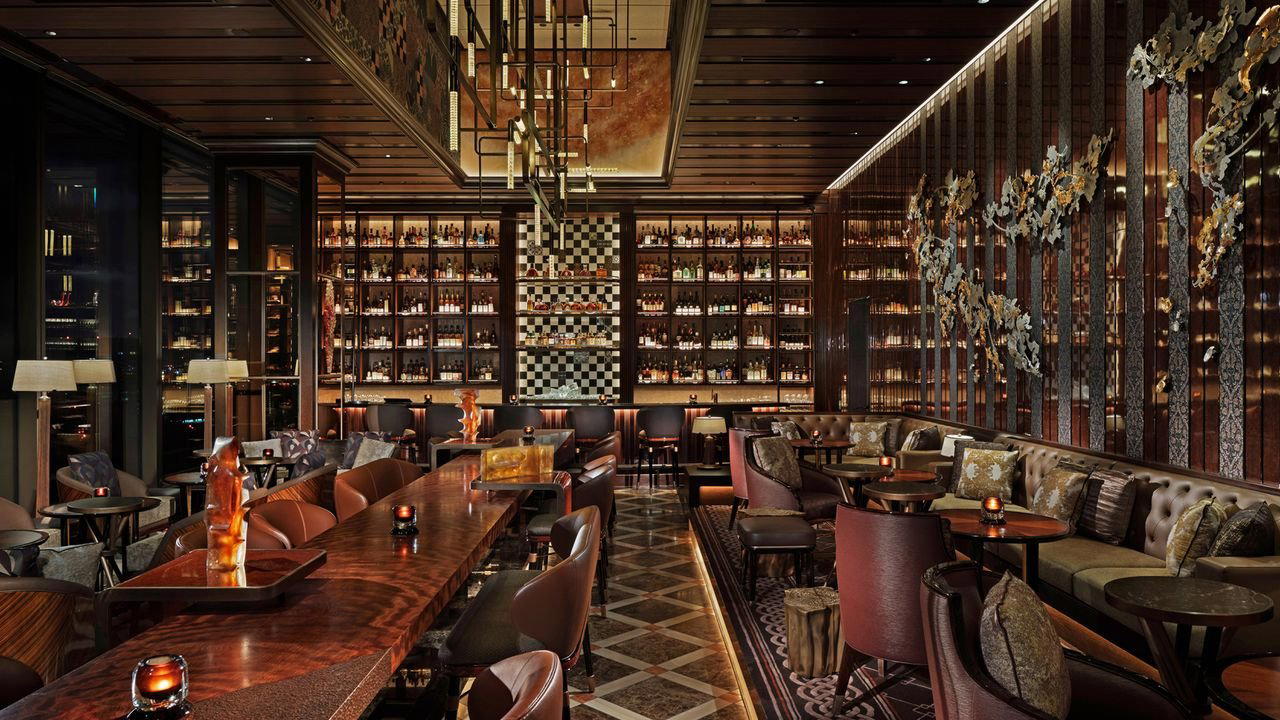
Cozy izakaya atmosphere with casual, lively energy typical of Japanese pub dining.