楼上火锅 sits on Jinxian Road in Shanghai's French Concession, occupying the upstairs format that its name literally announces. The address places it within a neighbourhood where lane houses and plane trees set the physical backdrop for one of China's most socially embedded dining traditions. For visitors planning around the hotpot category, this is a venue to understand before you book.
Pearl is the En Primeur Club membership app — saves, bookings, and concierge access live there. Same editors, same standards.
- Address
- No.120 Jinxian Road, 上海市, 上海市
 Saves & bookings on Pearl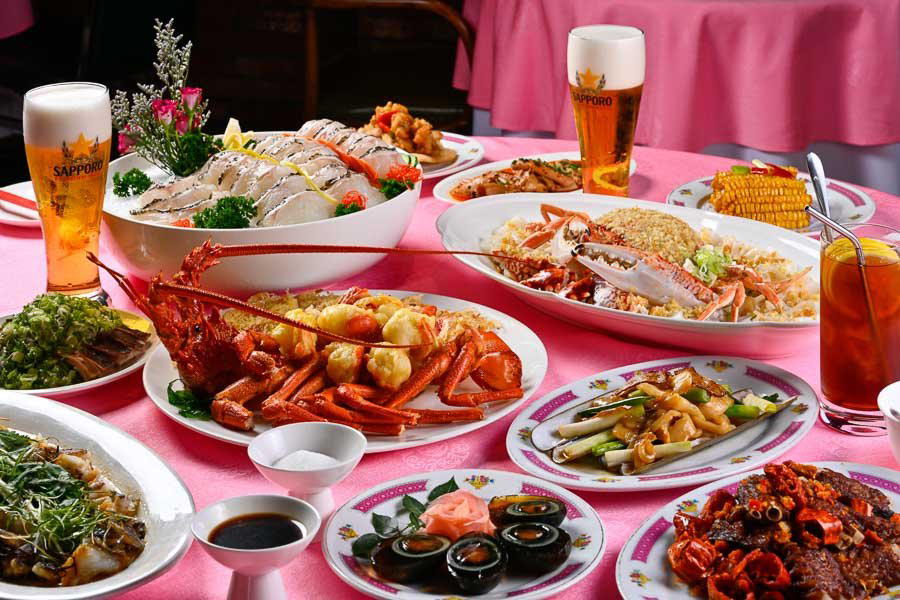
Upstairs on Jinxian Road: What the Address Tells You
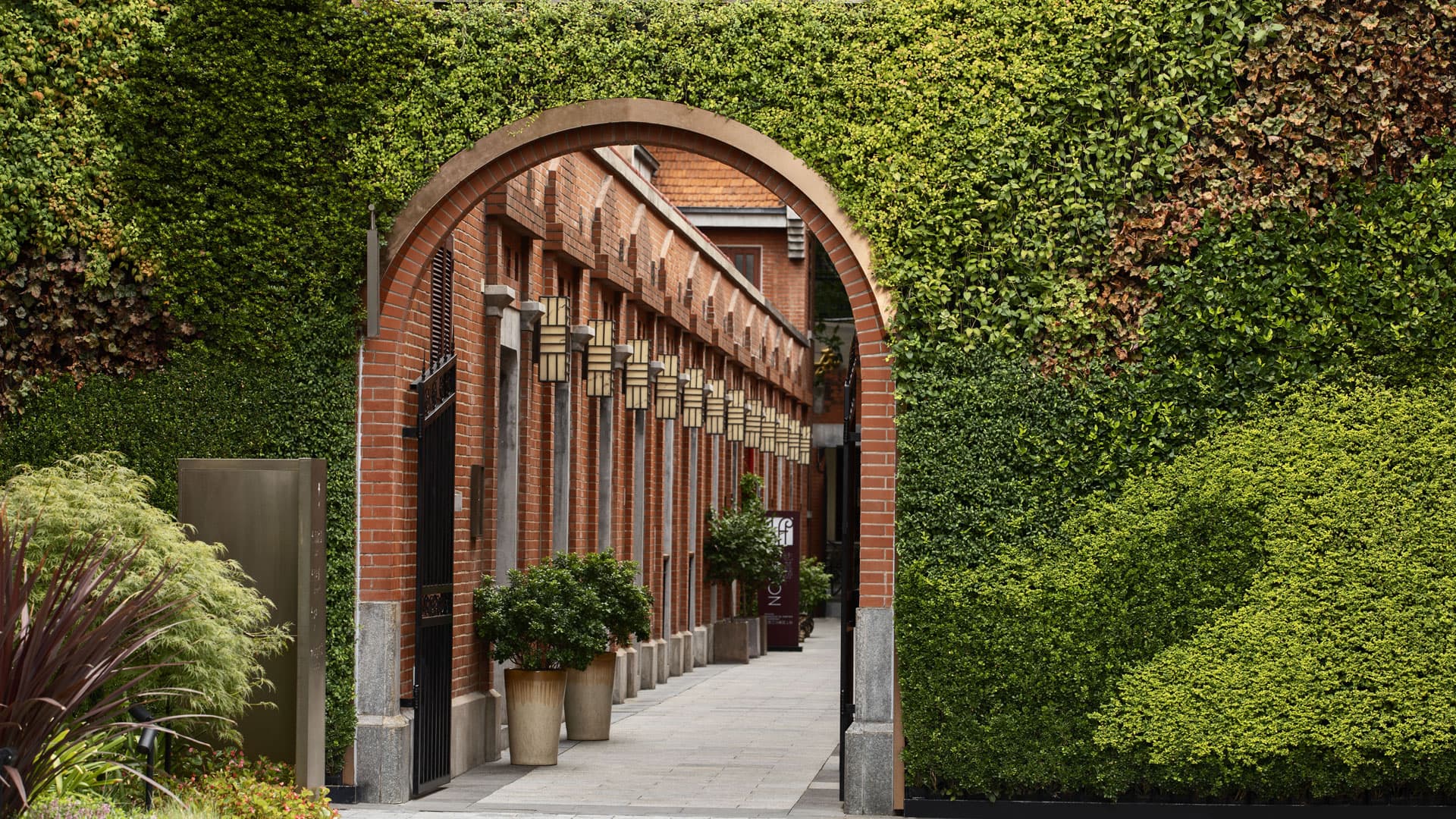
Hotpot in Shanghai occupies a different social register than it does in Chengdu or Chongqing, where the format is louder, spicier, and architecturally indifferent. In Shanghai, particularly in the French Concession, hotpot venues have increasingly moved into lane-house conversions and upper-floor spaces that trade on atmosphere as much as broth. 楼上火锅 (Lóu Shàng Huǒguō, literally "Upstairs Hotpot") at No. 120 Jinxian Road announces its format in its name: the vertical position is the premise. Jinxian Road runs through the heart of the former French Concession, a neighbourhood defined by plane tree canopies, shikumen architecture, and a dining density that rewards exploration beyond ground-floor signage. The venue sits within this context, and understanding what that neighbourhood expects of a dining room is the first step to deciding whether it belongs on your itinerary.
The French Concession Hotpot Bracket
Shanghai's hotpot scene has stratified considerably over the past decade. At one end sit the high-volume chain operators, Haidilao being the globally recognised, where the format is standardised, the wait times are managed by app, and the experience is deliberately consistent across cities. At the other end, a smaller cohort of independent operators has claimed the neighbourhood-specific, atmosphere-led position, particularly in the French Concession where real estate carries a premium and guests are paying partly for the setting. 楼上火锅 belongs to this second cohort by virtue of its address and its name. Jinxian Road venues in this category tend to draw a local professional crowd alongside hotel-based visitors staying near Xintiandi or Jing'an, and they compete less on price and more on the quality of the base broths and the sourcing of proteins and vegetables. That competitive positioning matters when you are deciding how to allocate an evening in a city with as many options as Shanghai. For those working through the broader range of Shanghai's Chinese dining, the contrast with a Cantonese-focused room like 102 House or the vegetarian precision of Fu He Hui is instructive: hotpot is communal and self-directed in a way that chef-led tasting menus are not.
Planning Your Visit: The Booking Logic for Shanghai Hotpot
The editorial angle for 楼上火锅 is necessarily one of logistics. This is not unusual for independent French Concession operators, a number of whom function primarily through WeChat booking or walk-in queues rather than international reservation platforms.
The practical approach for securing a table at venues in this category is threefold. First, WeChat Mini Programs have become the primary booking interface for independent Shanghai restaurants; a local contact or hotel concierge with WeChat access is a material advantage. Second, hotpot venues in the French Concession tend to see peak demand on Friday and Saturday evenings from around 18:30 onward, with the lunchtime slot on weekends drawing a second wave of traffic. Midweek evenings, particularly Tuesday through Thursday, offer the clearest path to a walk-in seat. Third, the lead time required varies by season. Shanghai's winters, when temperatures drop reliably from November through February, push hotpot demand sharply upward across the city, this is the format's meteorological moment, and competition for seats at atmosphere-led venues increases accordingly. Arriving in autumn or spring gives more flexibility.
For Shanghai diners building a multi-venue itinerary, the booking difficulty here contrasts sharply with venues operating on international platforms. Taian Table and 8 1/2 Otto e Mezzo Bombana both operate formal reservation systems with English-language interfaces. Xin Rong Ji on West Nanjing Road sits in the Shanghainese fine-dining bracket with comparable booking infrastructure. 楼上火锅 sits outside that tier operationally, which is part of its character rather than a flaw.
What the Hotpot Format Demands of the Diner
Hotpot is one of the few Chinese dining formats that places active responsibility on the guest. The kitchen delivers ingredients and broth; the table does the cooking. This means that the quality of a hotpot meal is partly a function of how well the diner understands timing, how long thin-sliced beef needs in a rolling boil versus how long a thicker cut of pork belly requires, or when hand-rolled fish paste balls are ready. At atmosphere-led venues like 楼上火锅, where the setting is designed to extend the meal rather than accelerate table turnover, this active engagement is central to the proposition.
Shanghai hotpot typically offers a choice between clear stock bases, often a mild chicken or bone broth, and spicier options influenced by Sichuan mala traditions. The city's own hotpot identity does not carry the extreme heat of Chongqing's classic style, and venues targeting the French Concession demographic tend to calibrate spice levels accordingly. Those seeking the full regional Sichuan hotpot experience may find more authentic expression at dedicated Chengdu-style operators elsewhere in Shanghai; for comparison, the regional dining scene in Sichuan itself is well documented at venues like Xin Rong Ji in Chengdu.
Situating Hotpot Within Shanghai's Wider Chinese Dining Scene
Shanghai operates as among the more competitive Chinese restaurant cities in the world, with representation across virtually every regional cuisine. The hotpot category is strong but internally fragmented: Cantonese-style seafood hotpot, Yunnan mushroom hotpot, Mongolian lamb hotpot, and Sichuan mala hotpot all have dedicated operators within the city. Understanding which tradition a given venue draws from shapes expectations significantly. For those building a broader understanding of Chinese regional dining across cities, the range extends considerably: from the Cantonese focus of Imperial Treasure in Guangzhou to the river-city traditions represented at Jiangnan Wok·Rong in Fuzhou and the refined Zhejiang approach at Ru Yuan in Hangzhou. EP Club's full Shanghai restaurants guide maps this range in detail.
Within Shanghai specifically, the French Concession hotpot bracket where 楼上火锅 operates sits between casual chain dining and the city's Michelin-recognized Chinese restaurants. It is a tier that rewards local knowledge and informal planning over formal reservation systems, and where the atmosphere of the room and the quality of the base stocks tend to differentiate more than any single ingredient or technique.
Planning Details
楼上火锅 is located at No. 120 Jinxian Road in the French Concession district of Shanghai. The name translates directly as "Upstairs Hotpot," indicating an upper-floor dining room within a lane-house or commercial building on Jinxian Road. Peak demand runs through the winter months and on weekend evenings; midweek visits in autumn or spring offer one accessible entry point. Those pairing this with other French Concession dining should note the neighbourhood's high restaurant density along Yongkang Road and Wukang Road, both within walking distance of the Jinxian Road address. For further restaurant planning across the broader Greater China region, EP Club covers venues from Chef Tam's Seasons in Macau to Shang Palace in Yangzhou and Dai Yuet Heen in Nanjing.
Same-City Peers
Comparable venues nearby, for context on price, style, and recognition.
| Venue | Cuisine | Price | Notes |
|---|---|---|---|
| 楼上火锅This venue — the venue you are viewing | Hong Kong-Style Hotpot | $$$ | Not listed |
| Bu Chi Su | Sichuan Chinese | $$$ | Jing'an District |
| Oriental House | Contemporary Shanghainese | $$$ | Yang Jia Du |
| Gongdelin | Shanghainese Vegetarian Mock Meat | $$ | Huangpu |
| House of Rong | Taizhou Seafood / Chinese Fine Dining | $$$$ | Jing'an District |
| 3 Warehouse | Creative Modern Chinese | $$$ | Huangpu |
At a Glance
- Cozy
- Trendy
- Classic
- Group Dining
- Late Night
- Celebration
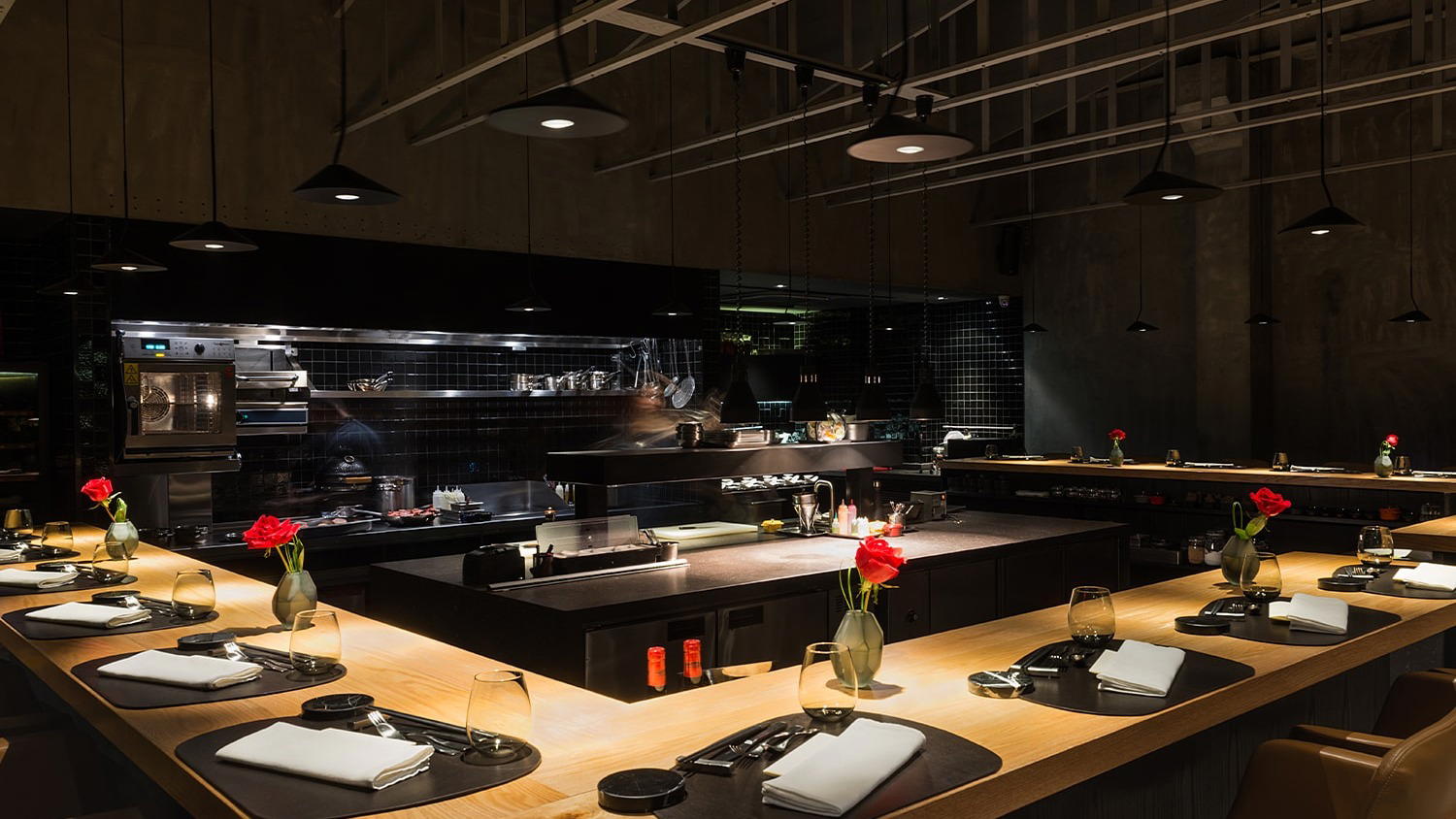
- Open Kitchen
- Sake Program
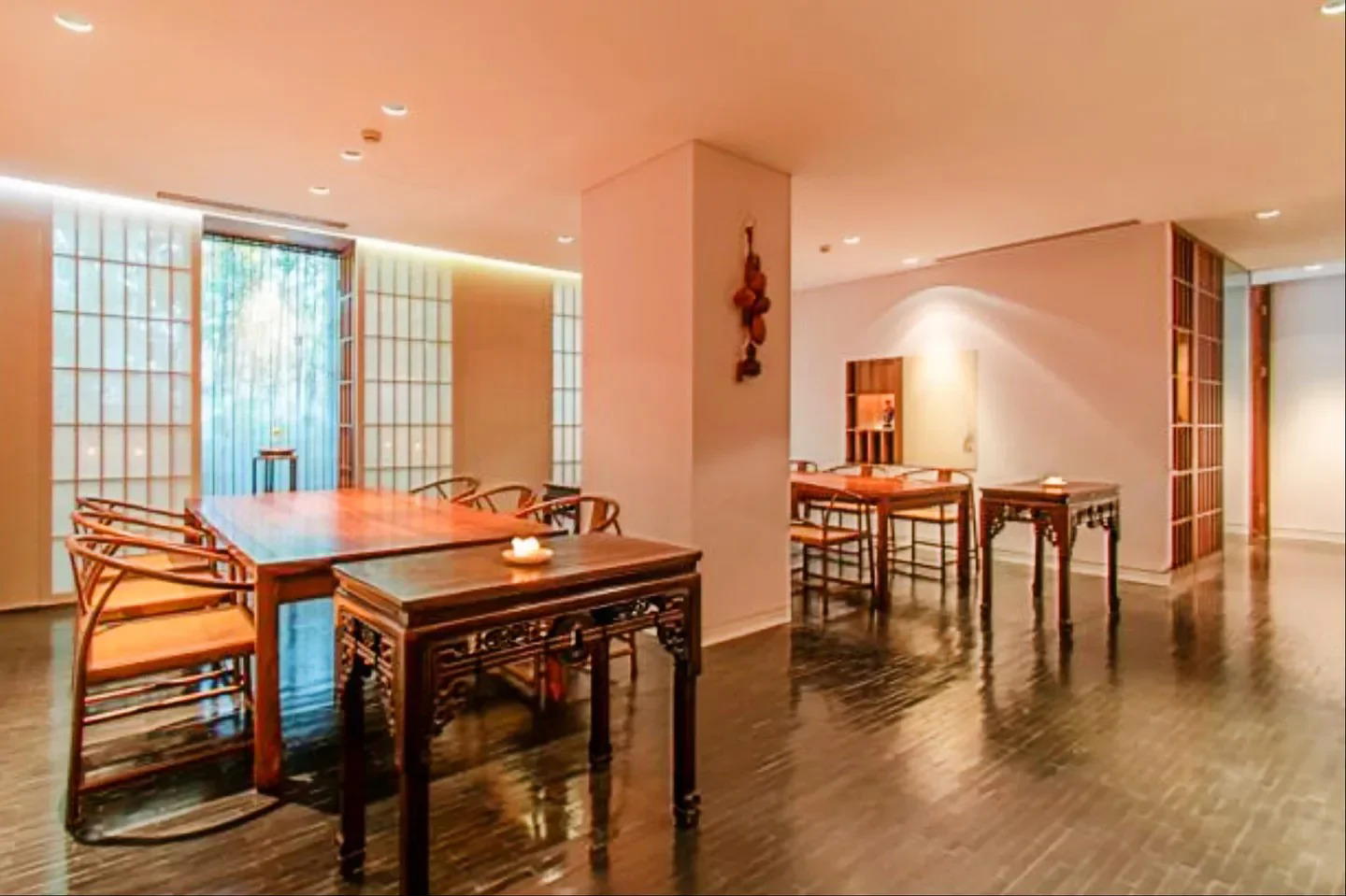
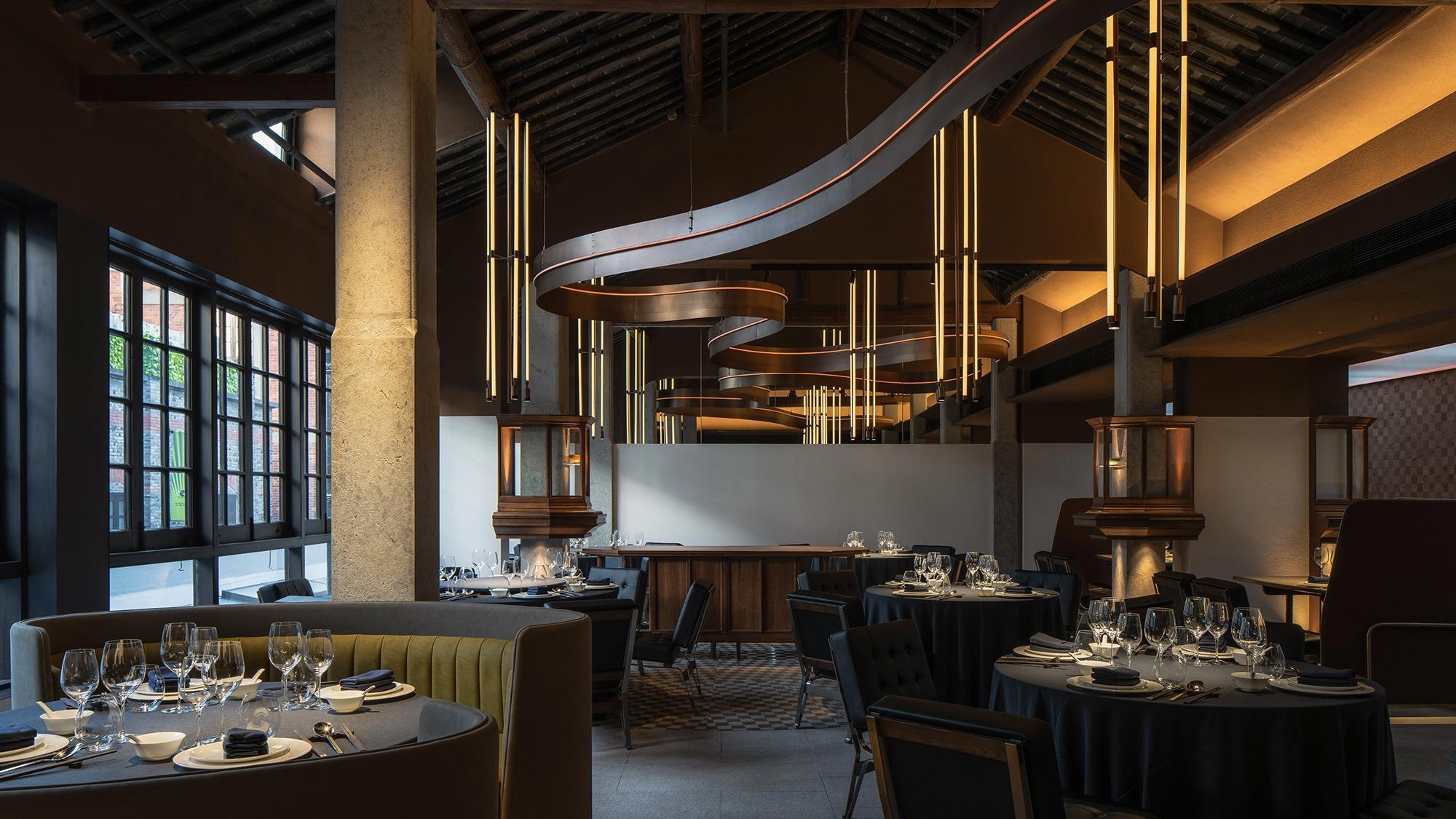
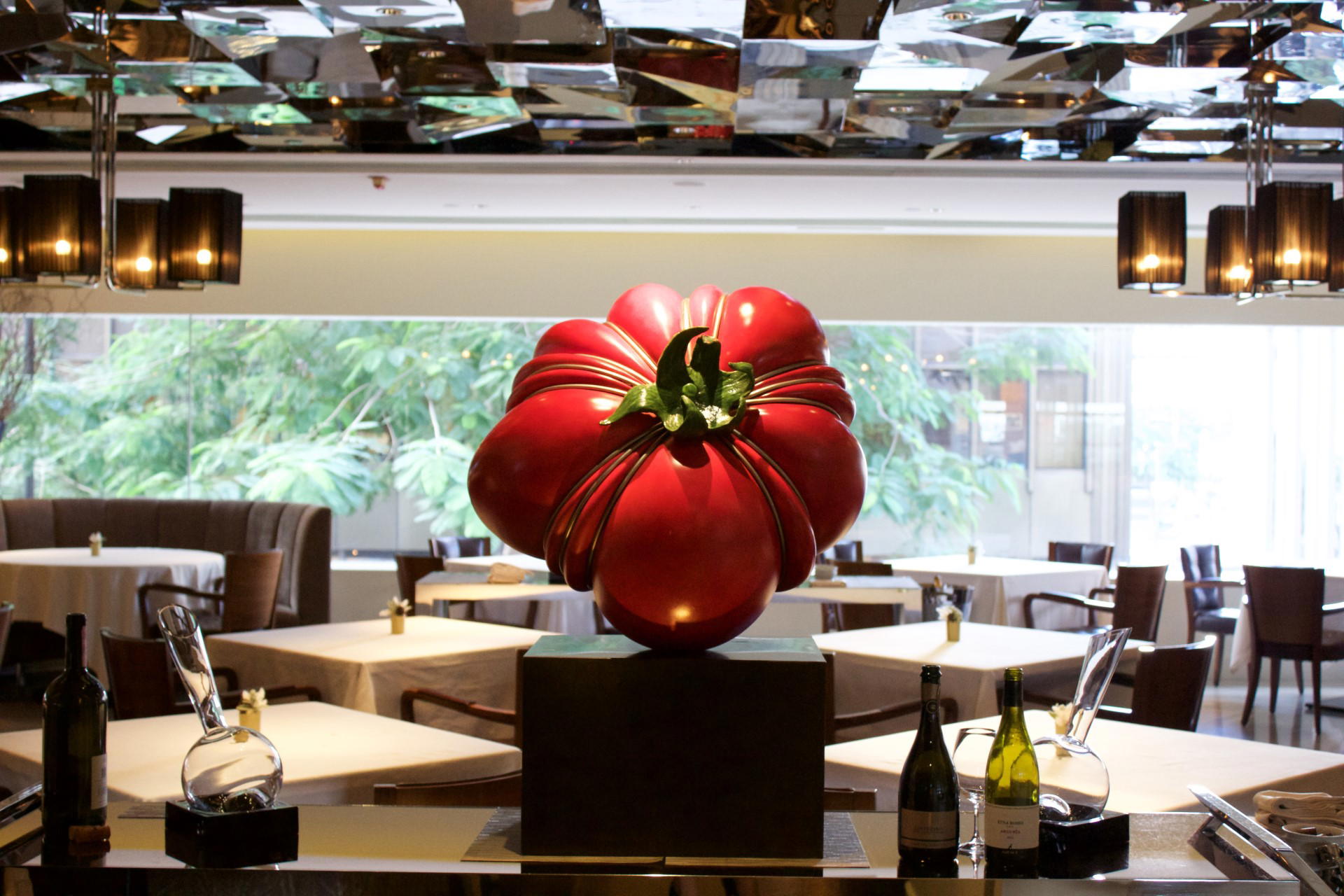
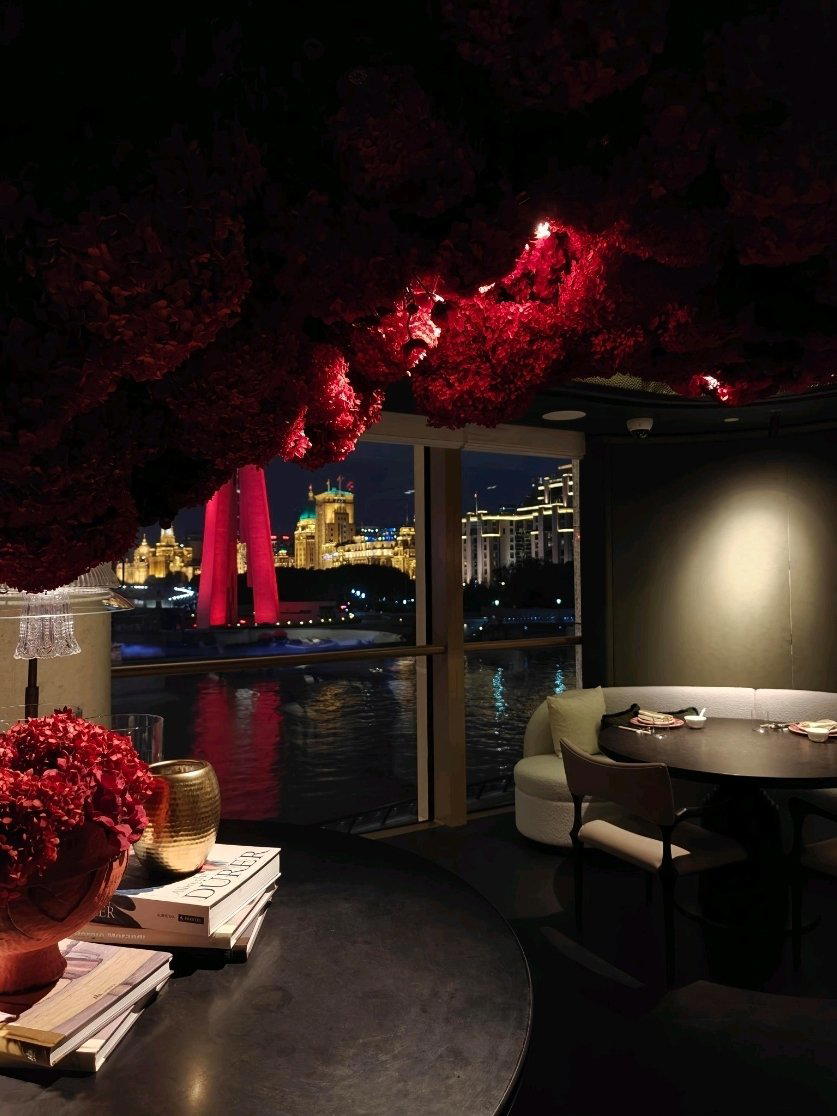
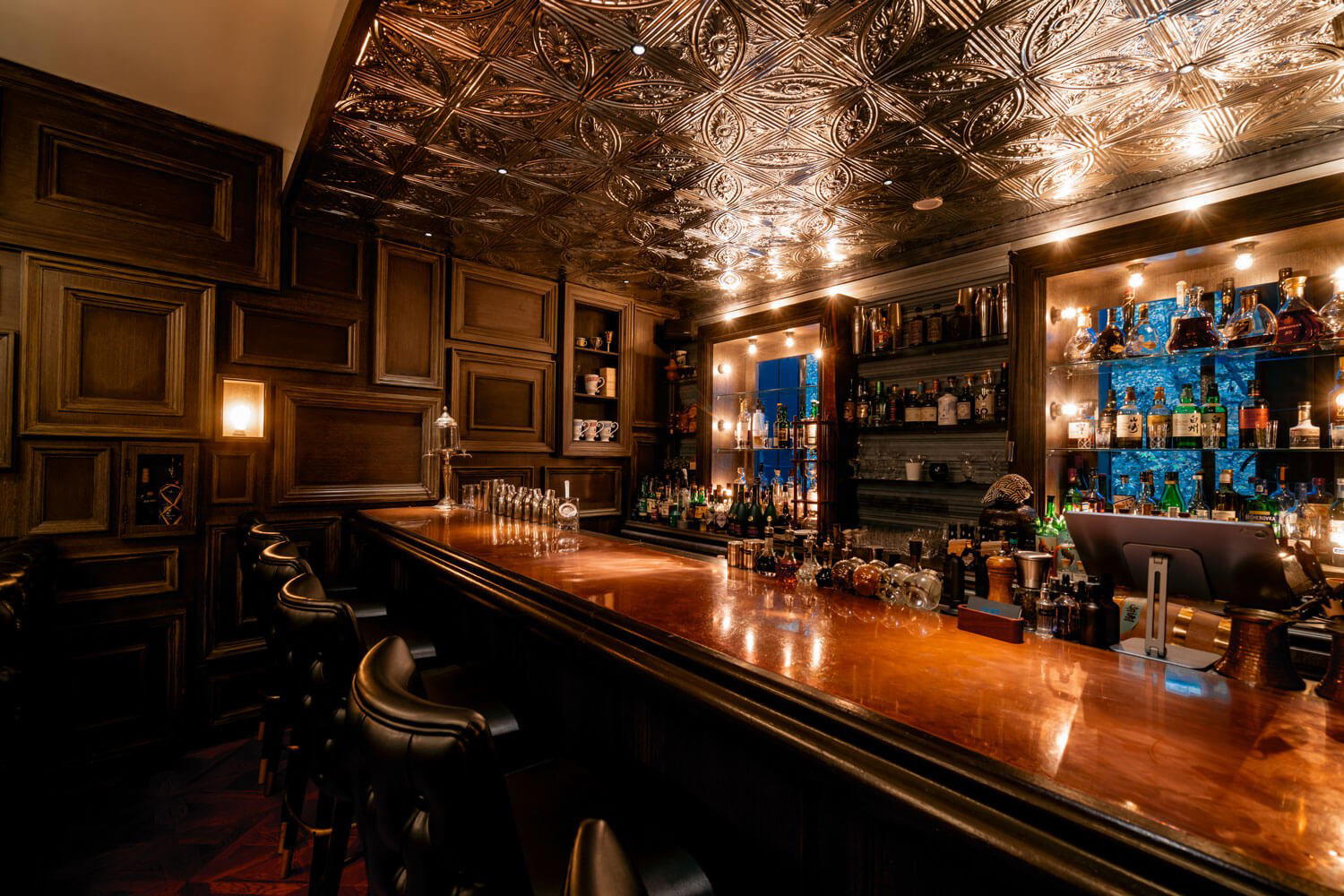
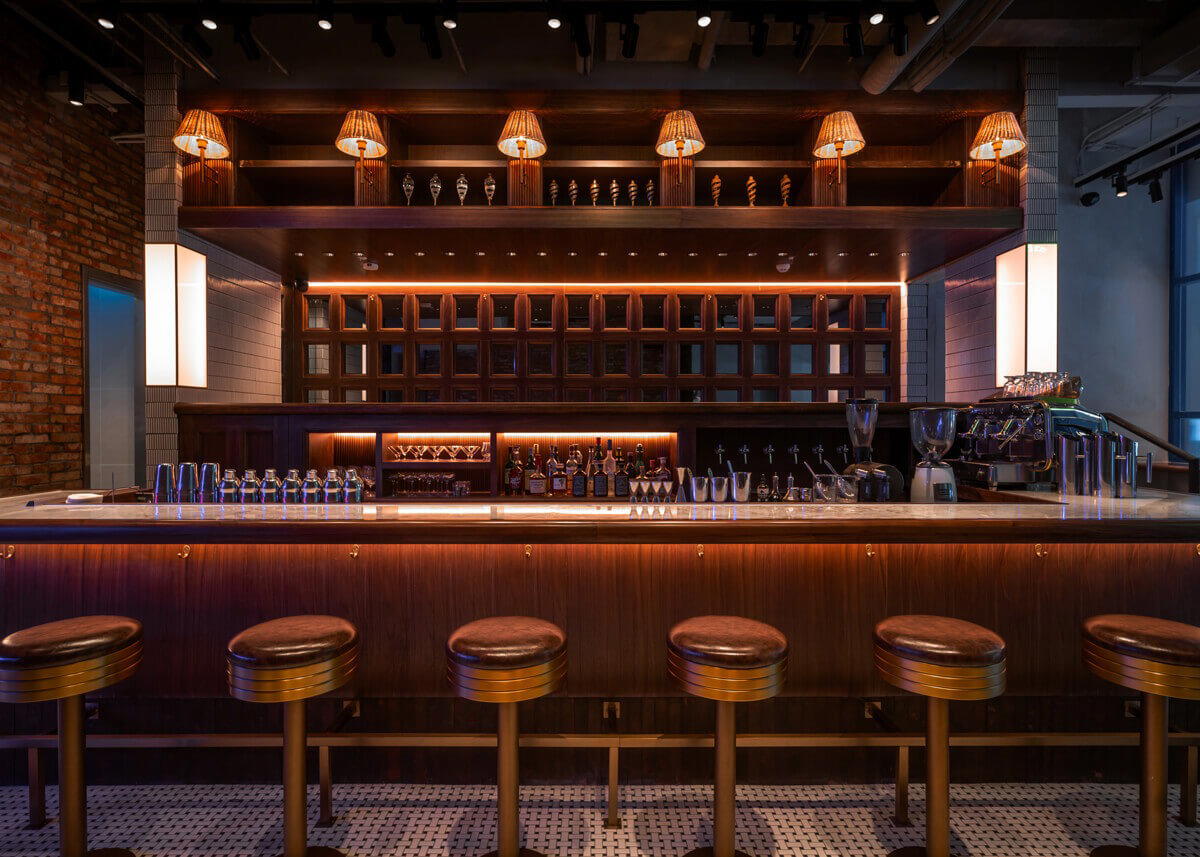
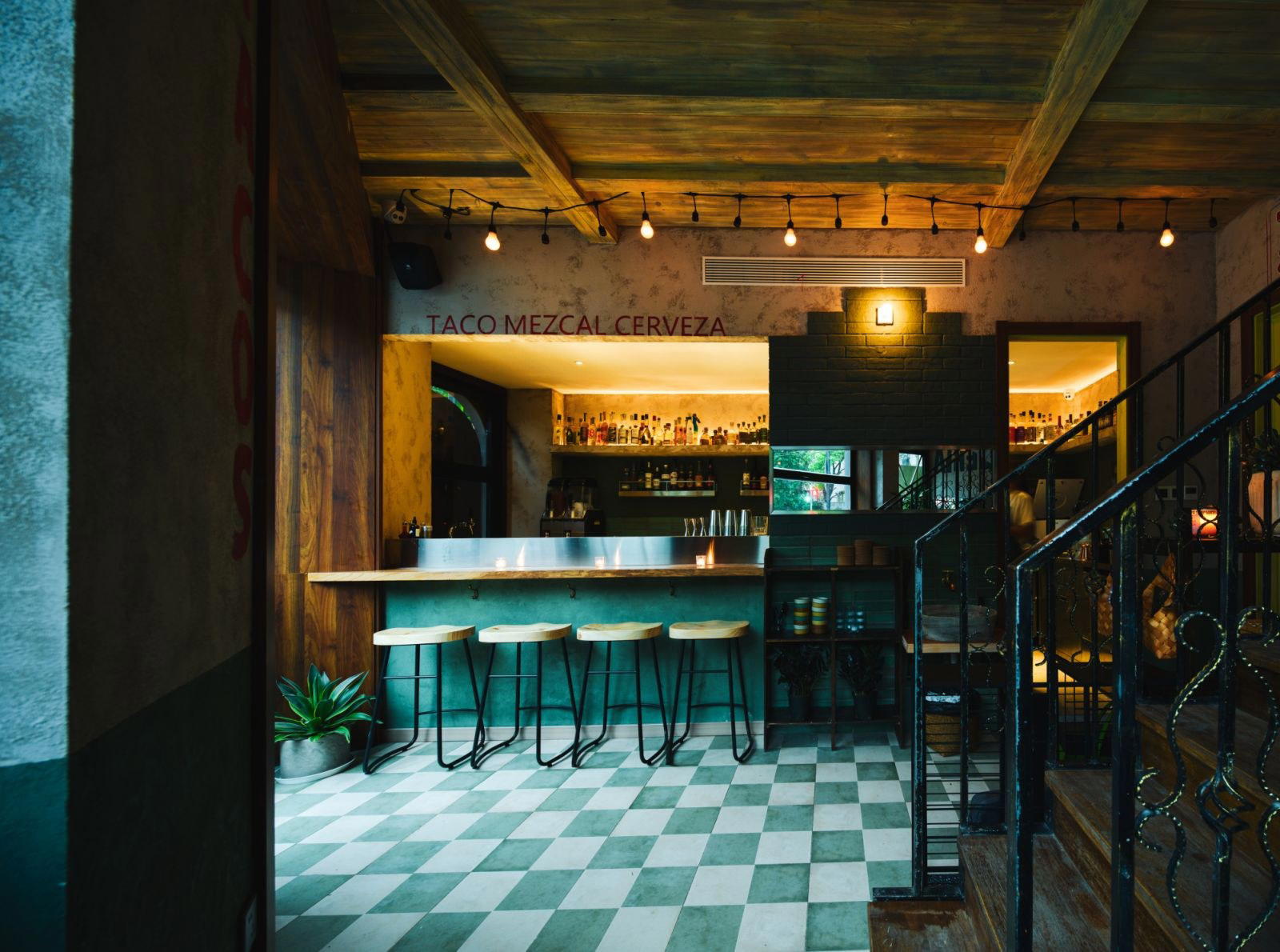
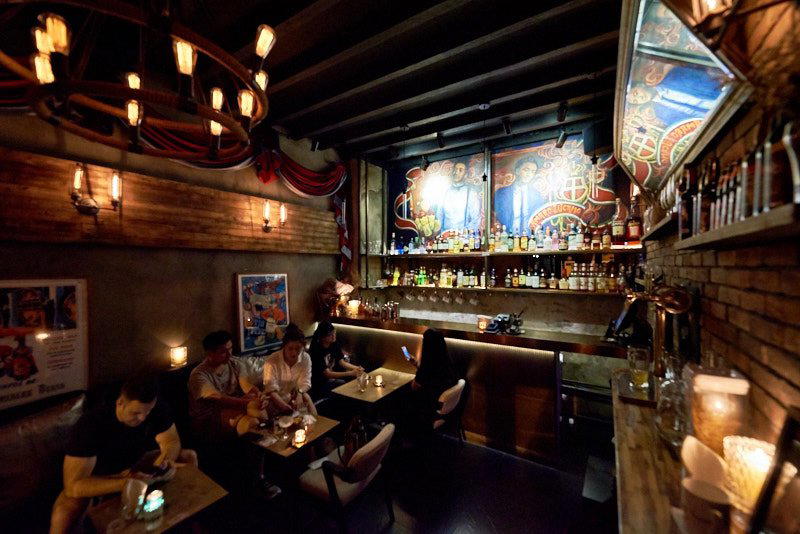
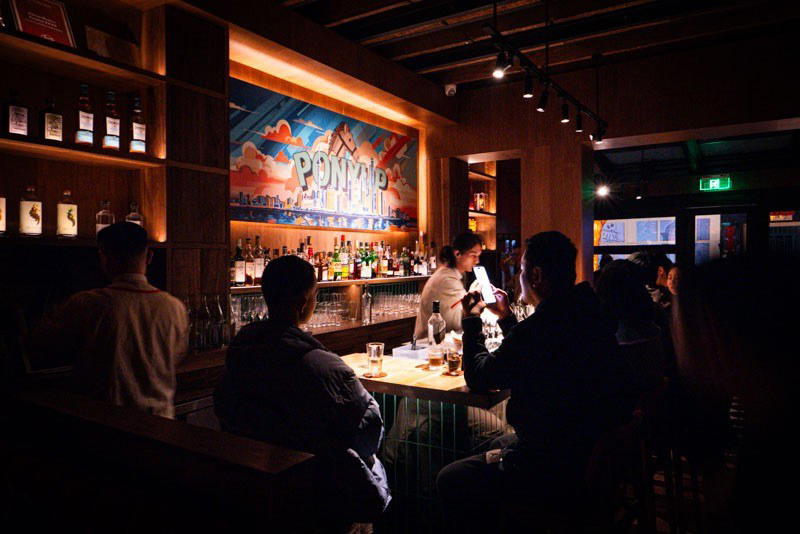
Traditional Chinese red decor creating a festive Hong Kong-style atmosphere with dim lighting.