Linhu Vegetarian occupies a second-floor address on Caoping Road in Shanghai's Xuhui district, positioning itself within a city where plant-based fine dining has moved decisively upmarket. Compared to the well-documented ¥¥¥¥ tier occupied by Fu He Hui, Linhu represents a mid-market entry point into serious vegetarian cooking, drawing a neighbourhood crowd alongside destination diners.
Pearl is the En Primeur Club membership app — saves, bookings, and concierge access live there. Same editors, same standards.
- Address
- China, CN ä¸æµ·å¸ å¾æ±åº ç平路 230 230å·L2å±016/017 é®æ¿ç¼ç
- Phone
- +862133567008
- Directions
- Get directions
 Saves & bookings on Pearl
Caoping Road and the Vegetarian Shift in Xuhui
In Shanghai's Xuhui district, the streets running off Caoping Road carry a particular quality of stillness that the city's central dining corridors rarely offer. The approach to Linhu Vegetarian, on the second floor of a low-rise commercial block at No. 230, follows this pattern: no theatrical entrance, no queuing theatre, no neon. What you find instead is a dining room within Shanghai vegetarian cooking.
Shanghai's plant-based dining scene spans a meaningful price range. At the upper end, Fu He Hui operates at the ¥¥¥¥ tier, drawing international attention and press comparisons with destination vegetarian restaurants in cities like New York and Seoul. Linhu Vegetarian sits in Xuhui rather than a prestige address, drawing local regulars and visitors alike. For the latter group, understanding where Linhu sits relative to peers is as useful as any individual dish description.
What the Location Tells You
The Caoping Road address places Linhu Vegetarian in a part of Xuhui that functions as a working residential and commercial district rather than a curated dining destination. This is not the Former French Concession's plane-tree-lined restaurant mile, and it is not the dense commercial energy of West Nanjing Road, where Xin Rong Ji anchors a more obvious fine-dining parade. Xuhui's southern stretch operates on different terms: the restaurants here tend to serve a repeat-customer base, and the cooking tends toward consistency over spectacle.
For a vegetarian restaurant, that neighbourhood dynamic carries specific implications. The clientele in this part of Xuhui includes a significant proportion of Shanghai residents with Buddhist dietary practice or long-standing vegetarian habits, which shapes the expectations in the room differently from a restaurant that primarily courts curiosity or occasion dining. The L2 position within the building at No. 230 reinforces that positioning: this is not a ground-floor destination designed for passing foot traffic, but a room reached with some intention.
That said, Xuhui as a whole is not an afterthought on Shanghai's dining circuit. The district contains some of the city's most discussed addresses across categories, and its residential density supports a high volume of neighbourhood-loyal spending. Linhu's placement within that structure suggests a restaurant that earns its occupancy through repeat visits rather than one-off marquee bookings.
Vegetarian Cooking in Shanghai: The Wider Picture
Understanding Linhu requires understanding what has happened to vegetarian cooking in Chinese cities over the past fifteen years. The tradition of sù cài, or vegetarian cuisine rooted in Buddhist temple cooking, is centuries old in China, and Shanghai has always had its iteration of it. What changed in the 2010s was the arrival of a generation of restaurants that took that tradition seriously as a gastronomic rather than purely ethical or spiritual framework, investing in kitchen technique, sourcing, and the kind of room design that signals intent to diners accustomed to meat-centred fine dining.
Fu He Hui became the benchmark for that shift in Shanghai, building a reputation that placed it in conversation with upper-tier vegetarian restaurants internationally and drew the kind of critical attention more commonly directed at addresses like Taian Table or 8½ Otto e Mezzo Bombana in the city's broader fine-dining conversation. Below that tier, a second layer of vegetarian restaurants has developed: more accessible in price, more neighbourhood in character, but still operating with a seriousness of purpose that separates them from the buffet-style vegetarian canteens that predate the current generation.
The restaurant belongs to that second layer. Its Caoping Road location and L2 positioning within a mixed-use block place it squarely in the neighbourhood-serious rather than destination-prestige category. That is not a criticism; it is a calibration. The restaurants in this tier often deliver more consistent value than their higher-profile counterparts, and their repeat-customer base tends to generate a more reliable read of what the kitchen is actually capable of on an ordinary Tuesday.
Planning a Visit: Logistics and Practical Notes
The address at 230 Caoping Road, L2, Room 016/017, is in Xuhui district. Advance booking is recommended. For visitors without Mandarin-language booking access, arriving early in a service period reduces wait risk at a restaurant of this neighbourhood type.
For those structuring a broader Shanghai vegetarian or fine-dining circuit, Linhu pairs logically with a visit to Fu He Hui on a separate occasion, giving a useful calibration across the price and ambition spectrum of the city's plant-based cooking. 102 House represents another Cantonese-anchored option for those building a multi-meal Shanghai stay. Beyond Shanghai, the vegetarian and Chinese fine-dining traditions are well-represented at venues including Ru Yuan in Hangzhou and Shang Palace in Yangzhou, both of which carry their own regional cooking logic worth setting against what Shanghai's restaurants offer. For context further afield, Xin Rong Ji in Beijing, Xin Rong Ji in Chengdu, Chef Tam's Seasons in Macau, Imperial Treasure Fine Chinese Cuisine in Guangzhou, Dai Yuet Heen in Nanjing, Dingshan·Jiangyan in Suzhou, Fleurs Et Festin in Xiamen, and Jiangnan Wok·Rong in Fuzhou all map the broader arc of Chinese fine dining across the eastern and southern regions. Our full Shanghai restaurants guide covers the wider field for those building a longer stay.
Just the Basics
Comparable venues nearby, for context on price, style, and recognition.
| Venue | Cuisine | Price | Notes |
|---|---|---|---|
| Linhu VegetarianThis venue — the venue you are viewing | Xujiahui, Modern Vegetarian Chinese | $$ | Not listed |
| Hui Ji | Traditional Anhui Cuisine | $$ | Not listed |
| èæ£å ´èé¦ | Huangpu, Old Zheng Market Vegetable Hall | Not listed | Not listed |
| Guang Dong Lu | Not listed | $$ | Huangpu, Traditional Shanghainese Noodles & Dim Sum |
| MOOSE | Not listed | $$$ | Changning, Michelin-starred Huaiyang & Jiangzhe Banquet Cuisine |
| Gongdelin | Not listed | $$ | Huangpu, Shanghainese Vegetarian Mock Meat |
At a Glance
- Modern
- Cozy
- Casual Hangout
- Family
- Open Kitchen
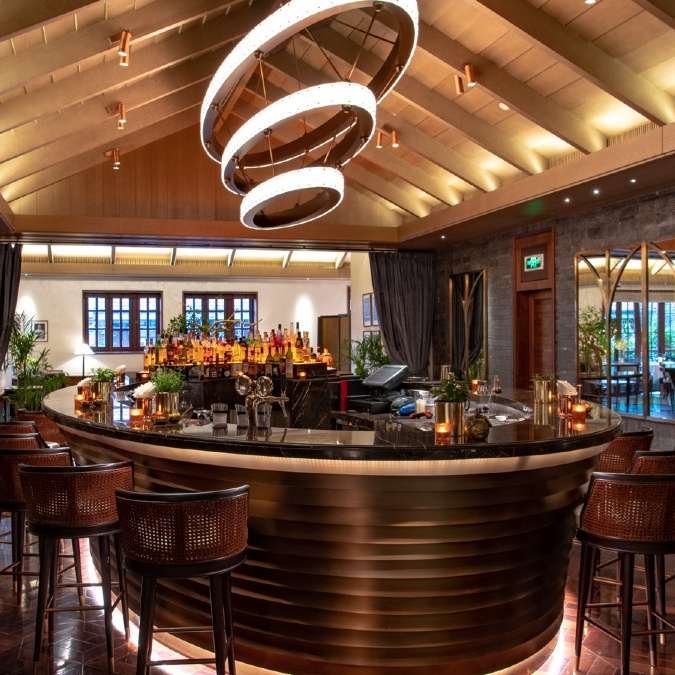
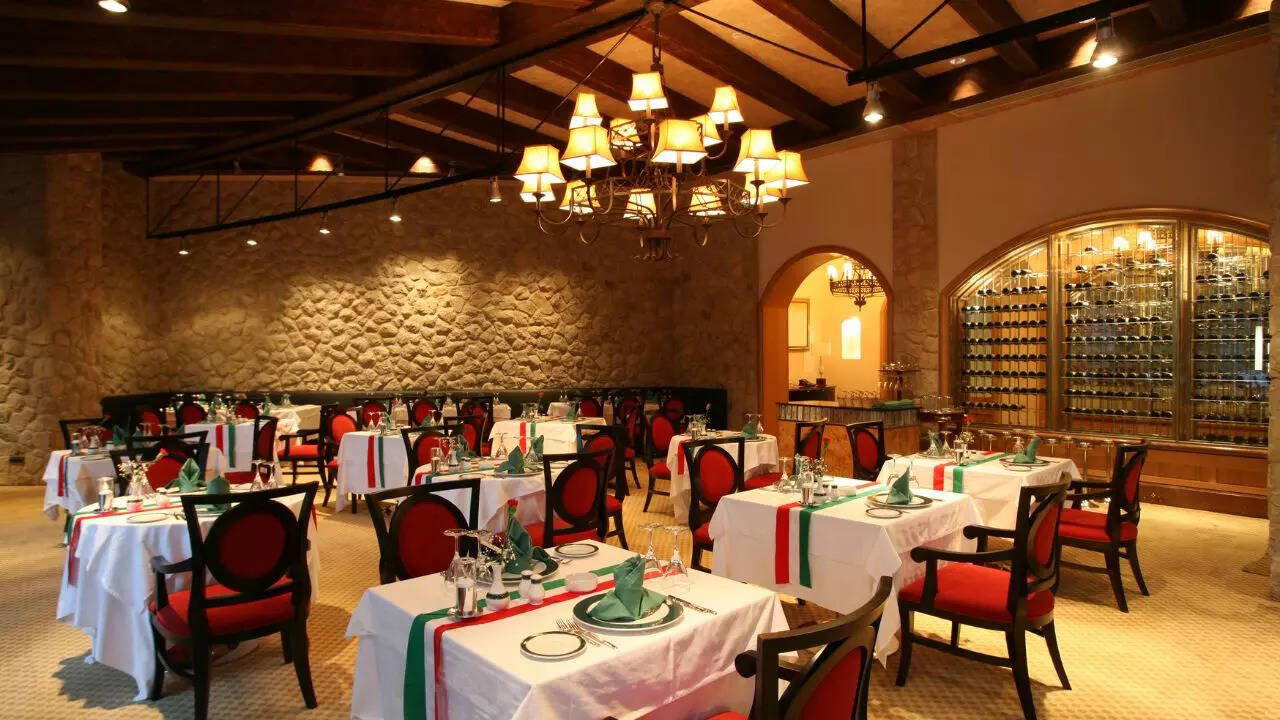
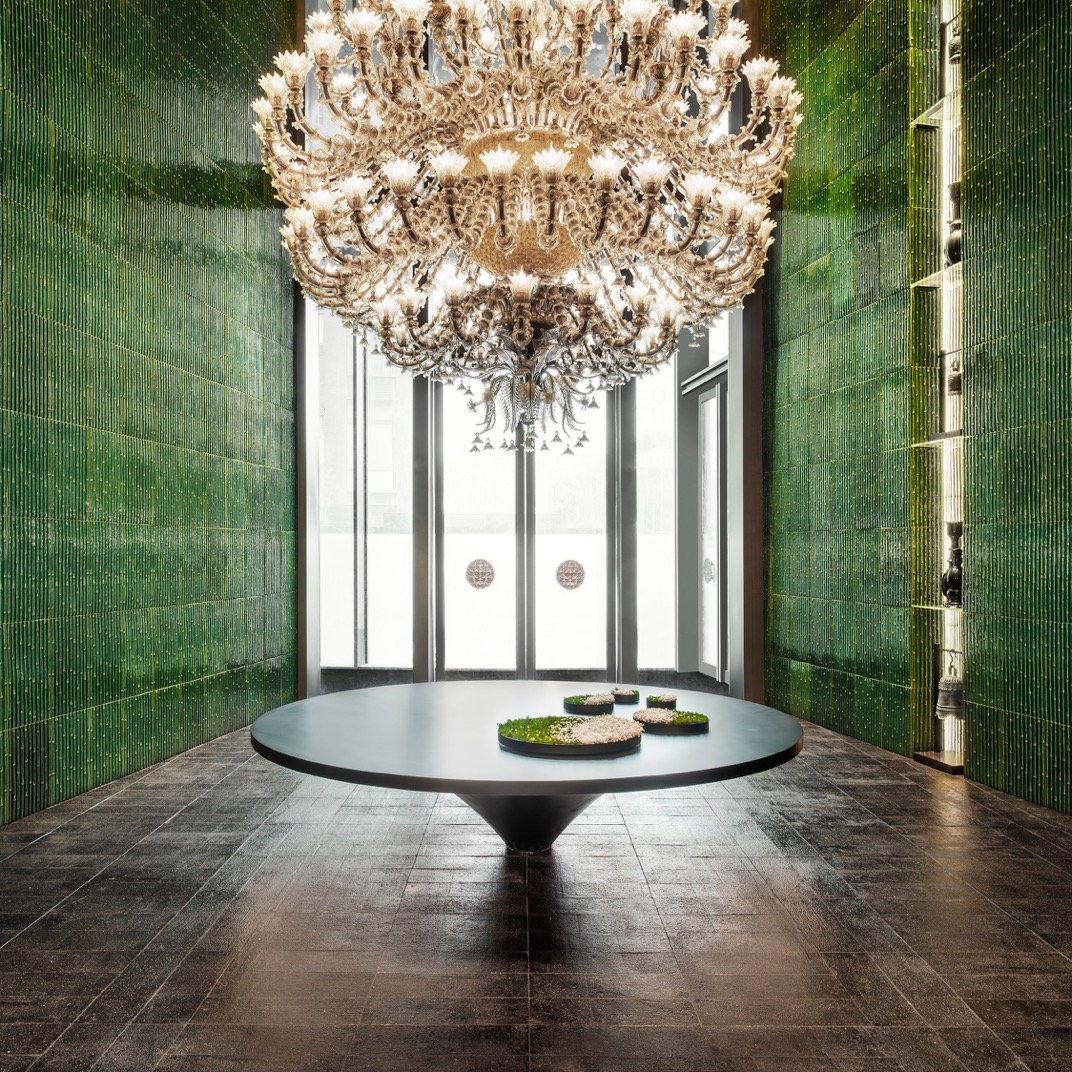
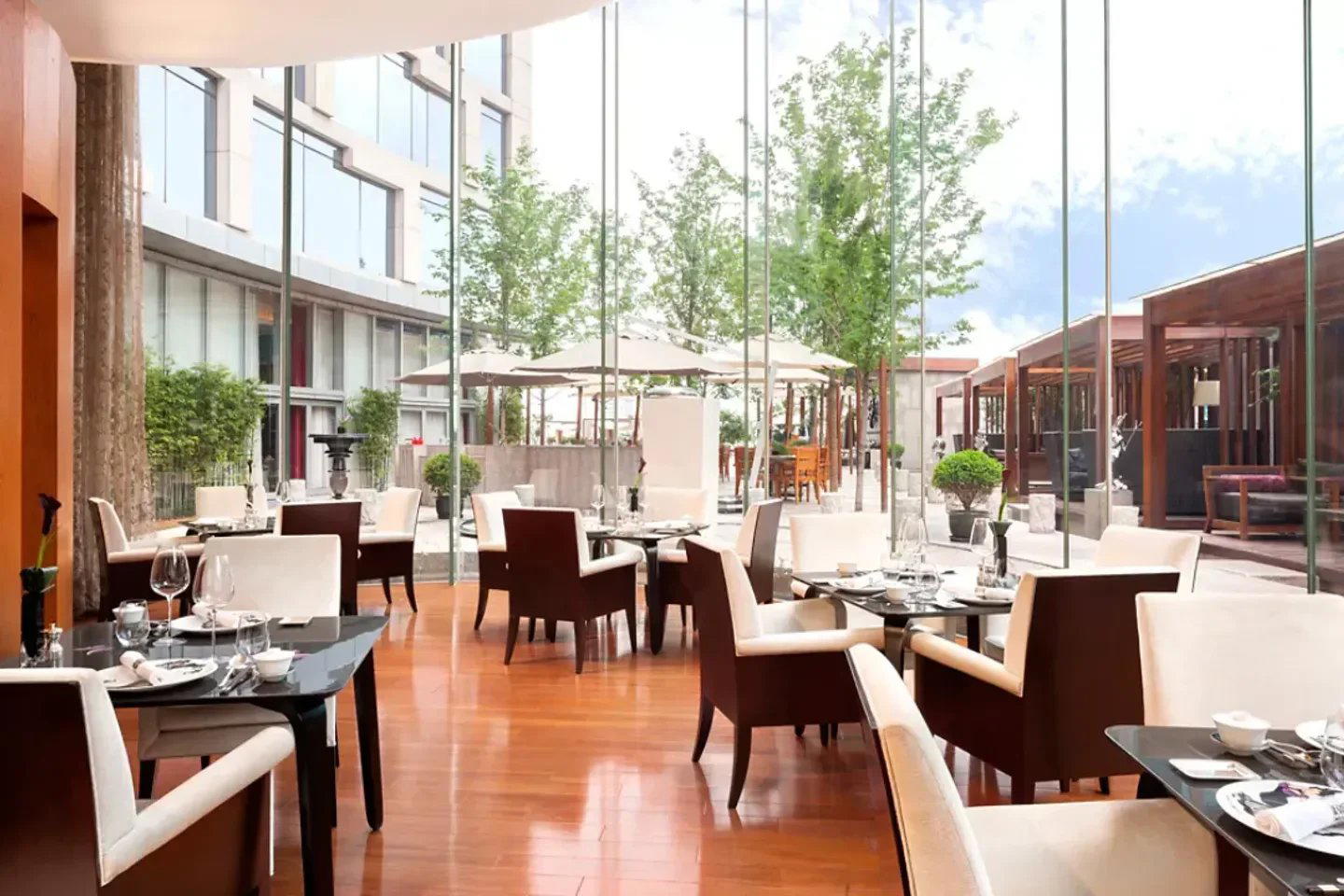
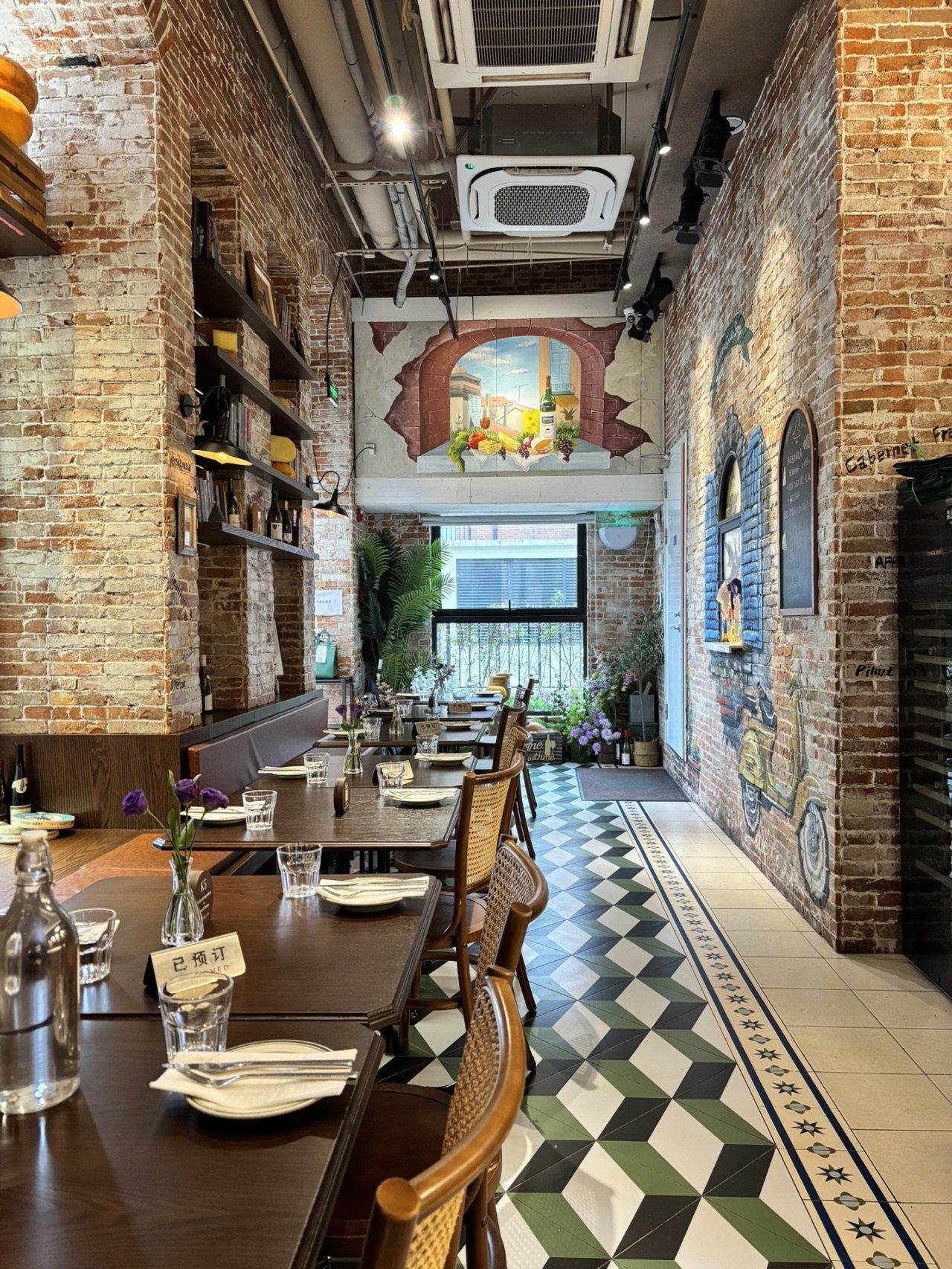
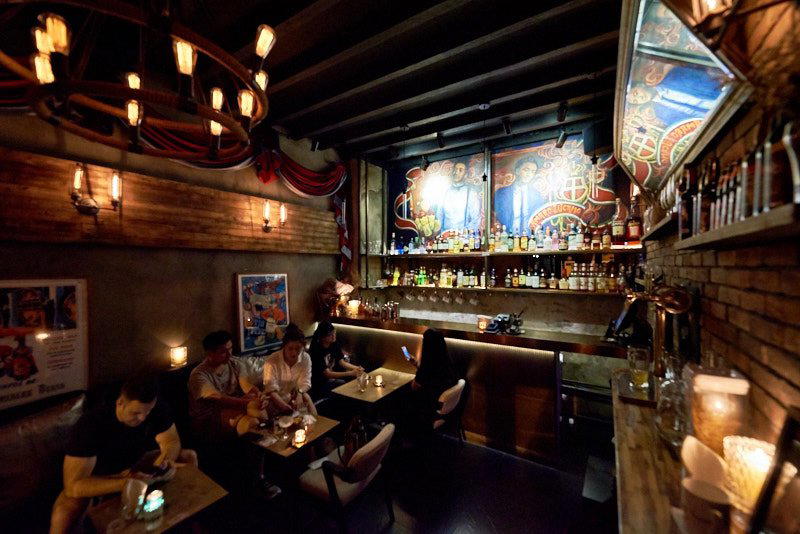
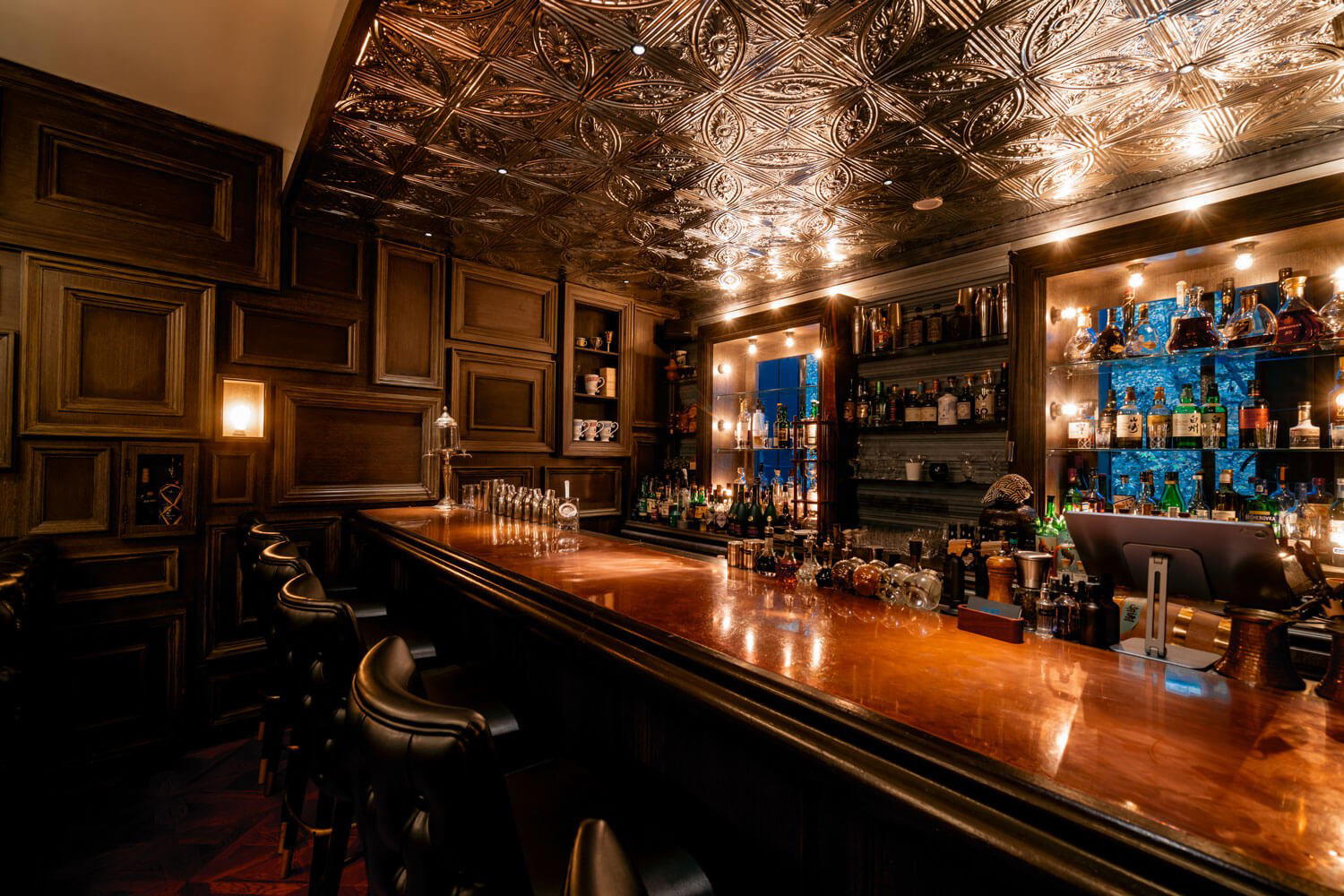
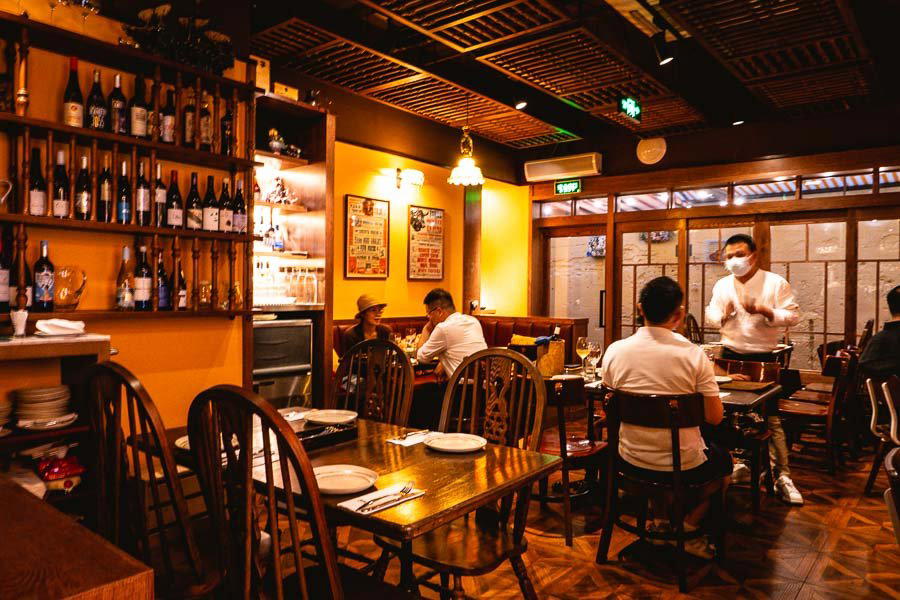
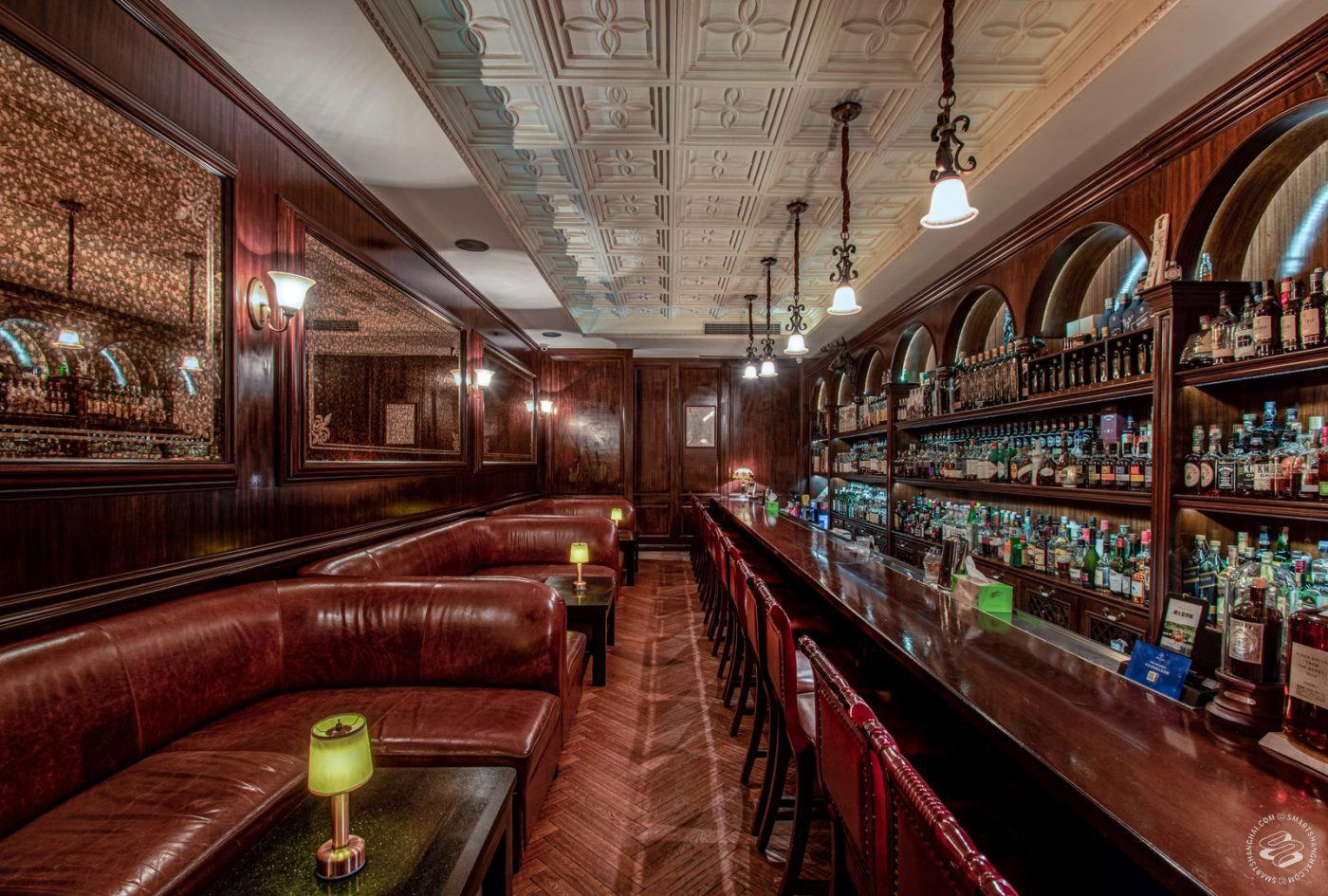
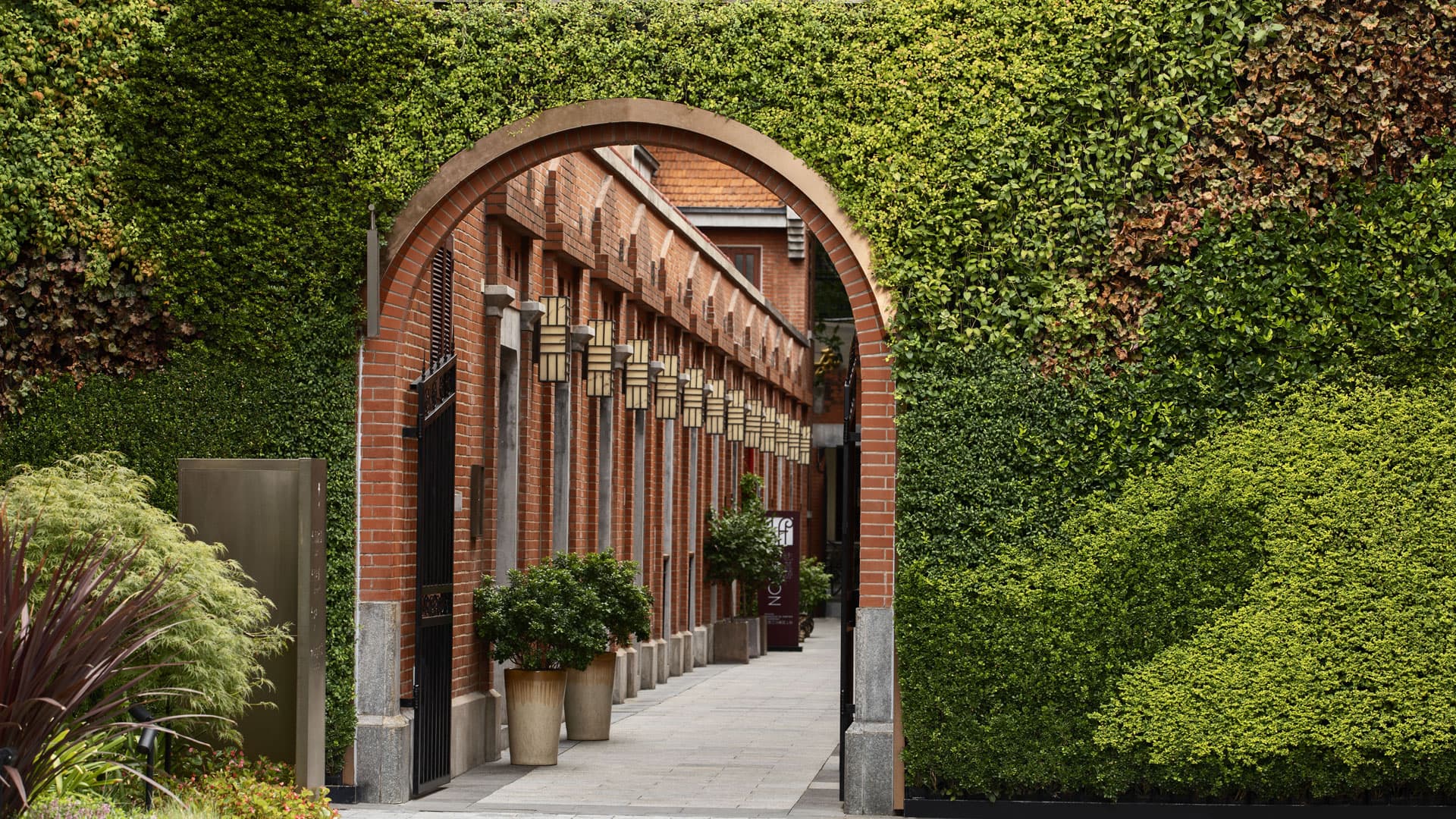
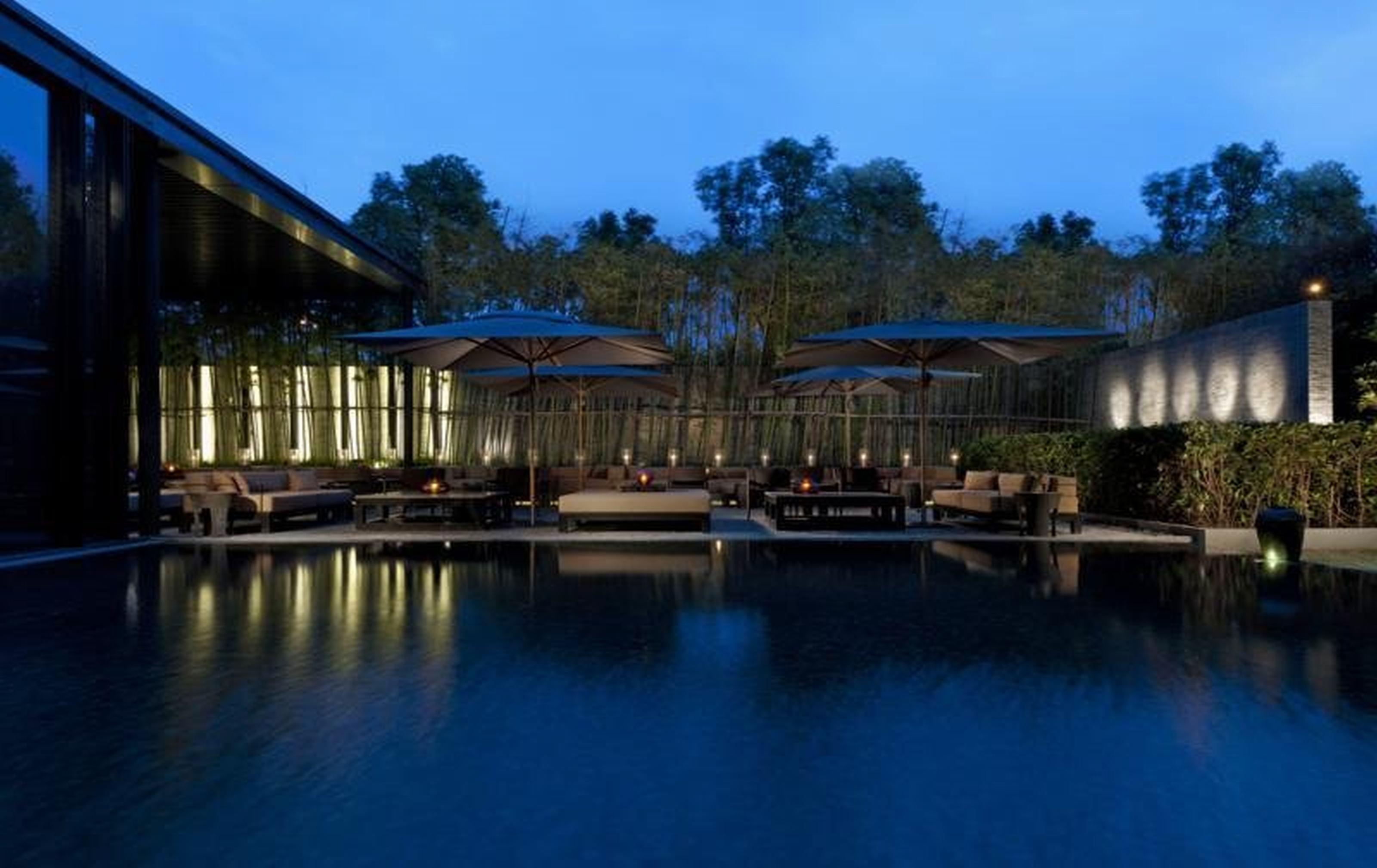
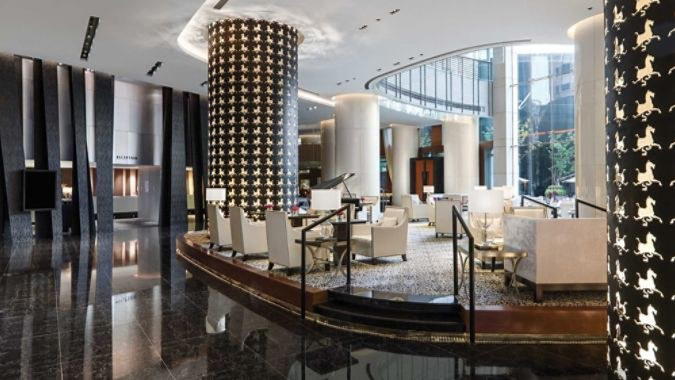
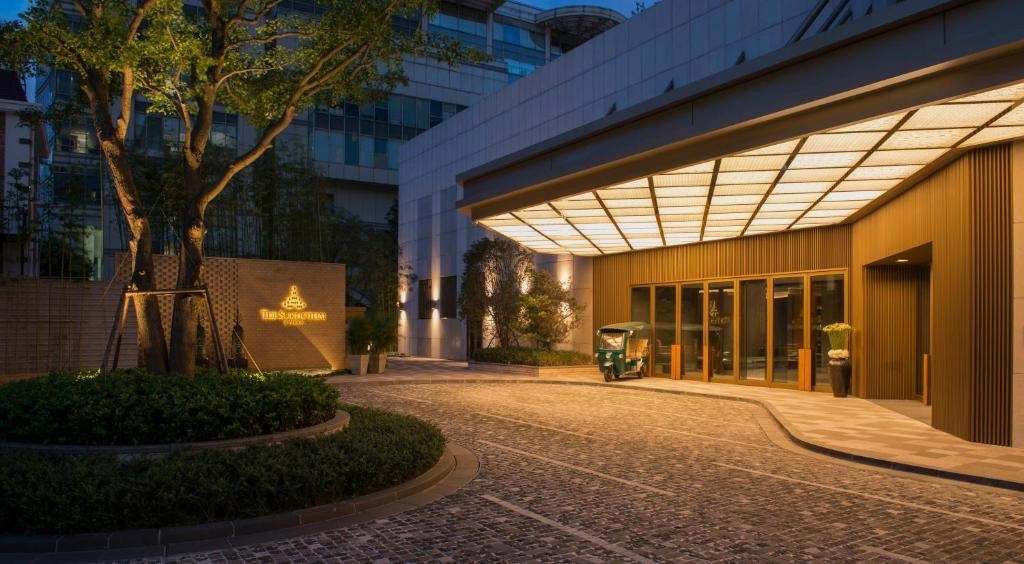
Modern style room with wood and plant decorations, natural light, and a peaceful, calm atmosphere.