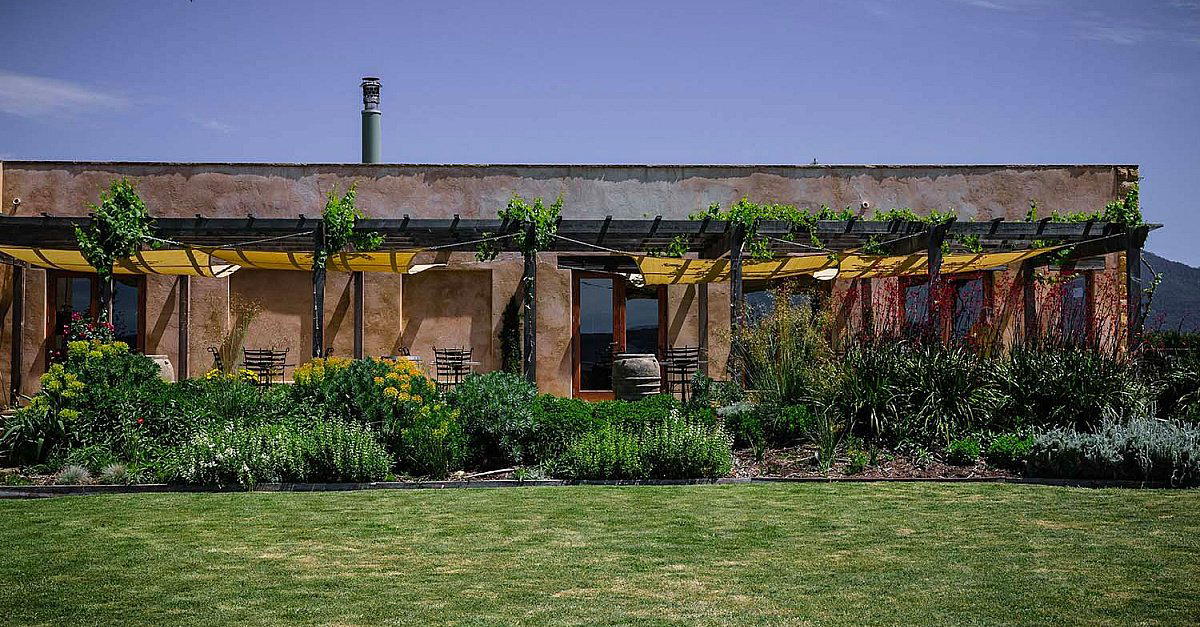
Willie Smith's Apple Shed sits on the Huon Highway in Grove, at the heart of Tasmania's apple-growing country, where the orchard tradition that shaped this valley is the primary frame for what arrives on the plate and in the glass. The venue occupies a working heritage property, and the sourcing logic runs through everything here, cider made from estate fruit, food anchored to the Huon Valley's agricultural calendar, and a setting that makes the provenance argument without needing to say a word.
Pearl is the En Primeur Club membership app — saves, bookings, and concierge access live there. Same editors, same standards.
- Address
- 2064 Huon Hwy, Grove TAS 7109, Australia
- Phone
- +61 3 6266 4345
- Website
- williesmiths.com.au
- Directions
- Get directions
 Saves & bookings on Pearl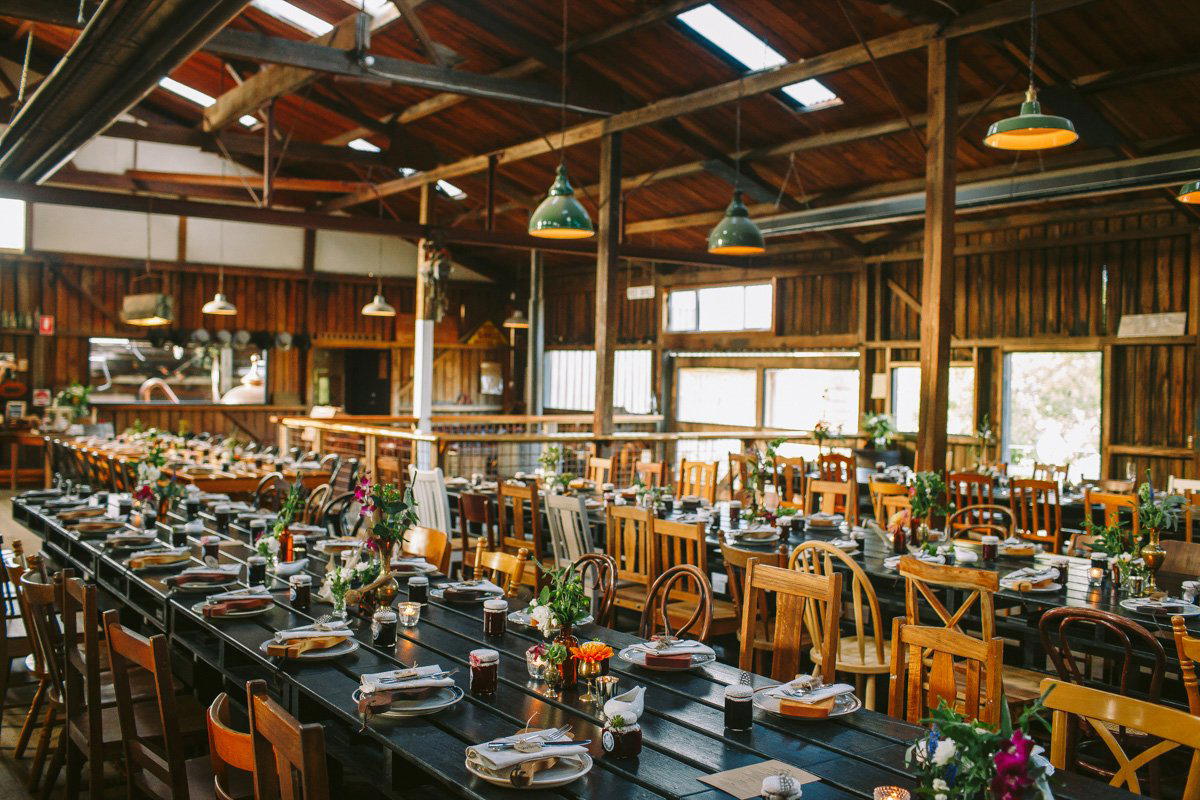
Where the Orchard Is the Menu
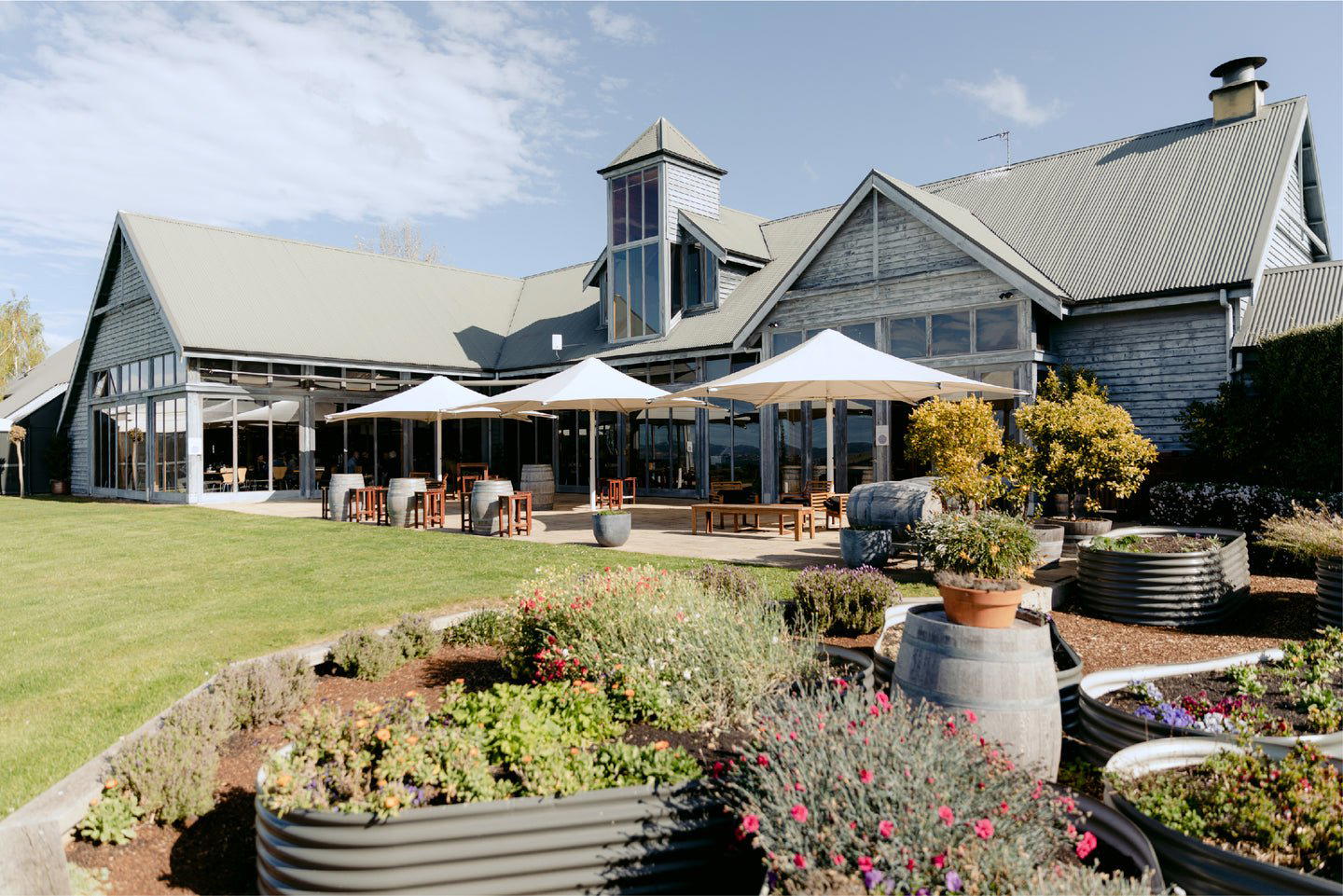
Tasmania's food story is told most clearly not in Hobart's restaurant strips but in the agricultural valleys that feed them. The Huon Valley, running south from the capital along the Huon River, is apple country in the oldest sense: orchards planted by European settlers in the nineteenth century, varieties that disappeared from mainland supermarkets decades ago, and a growing season shaped by cool maritime air and mineral-rich red soil. Willie Smith's Apple Shed, at 2064 Huon Hwy in Grove, is a Tasmanian Cider House with,322 reviews. It sits inside that tradition rather than referencing it from a distance. The corrugated-iron shed, the working orchard beyond the windows, and the cider pressed on-site make the sourcing argument physically present before a single dish arrives.
This is a category of dining experience that Australia's farm-gate and regional-produce movement has expanded considerably over the past decade. Places like Hentley Farm in Seppeltsfield and Wills Domain in Yallingup operate on a similar logic: the property's agricultural identity structures the dining offer, and the kitchen draws credibility from the land it occupies rather than from metropolitan chef pedigree. Willie Smith's belongs to that cohort, with the additional specificity of a single-ingredient focus, the apple, that gives it a tighter editorial frame than most farm-to-table operations manage.
The Sourcing Logic
The apple orchard as a culinary identity is rarer than it might seem. Vineyards have long anchored restaurant programs at estates across Australia and internationally, you find that model at Laura at Pt Leo Estate in Merricks and in dozens of Barossa and McLaren Vale properties. But an orchard-driven operation, where the primary fermented product is cider rather than wine, occupies a different market position. It attracts a visitor who is often curious rather than deeply initiated, which tends to produce a more accessible tone in both the food and the service.
The cider program at Willie Smith's draws on heritage apple varieties that are increasingly difficult to source outside of Tasmania. The island's cool climate preserves the kind of tannic, acid-forward fruit that mainstream apple production in warmer regions bred out of commercial varieties decades ago. Bittersweet and bittersharp apples, the traditional cider-making classifications from English and French traditions, retain significant acidity and complexity in Huon Valley conditions, producing ciders that sit closer to the dry, funky styles of Normandy and Somerset than to the sweet-carbonated category that dominates Australian retail. That positioning matters: it aligns the Apple Shed's cider offer with a more food-serious, lower-intervention fermentation tradition that has found a growing audience among the same consumers who seek out natural wine.
Regional cider operations of this kind face the same structural challenge as any agricultural hospitality venue: the on-site visit is the primary sales and education channel. Grove sits approximately 40 minutes south of Hobart by road, which places it within comfortable day-trip range for visitors staying in the capital, and within the broader Huon Valley trail that tourism operators have developed around the region's food, orchard, and wilderness credentials.
Tasmania's Regional Dining in Context
The wider Tasmanian dining scene has shifted substantially since MONA's opening recalibrated the island's cultural self-image in 2011. Hobart developed a serious restaurant culture in its wake, with venues like Aloft in Hobart representing the more refined, produce-driven end of that evolution. What the city-based venues do is channel the island's agricultural and maritime wealth through technically precise cooking. What regional producers like Willie Smith's do is something different: they keep the product in context, presenting the orchard, the fermentation process, and the seasonal rhythm of growing as part of the experience itself.
That distinction matters for the visitor making itinerary decisions. A day in the Huon Valley is not a substitute for Hobart's restaurant scene any more than a visit to Provenance in Beechworth replaces Melbourne dining. The two propositions address different reader needs: one is about precision and craft in a culinary sense; the other is about understanding where the food and drink come from and what the land looks like that produces it. For a traveller spending more than two or three days in Tasmania, both are worth including in the same trip.
Australia's broader farm-gate dining movement has produced a range of quality levels, and the honest critical position is that not every cellar door or farm shed delivers on the sourcing promise in the kitchen. Particularly credible operations maintain the same rigour in food preparation that they bring to their primary agricultural product. Venues like Pipit in Pottsville and Brae in Birregurra set a high bar for what ingredient-led cooking can achieve at the serious end of the category. Willie Smith's operates at a more informal register, but the premise, that the orchard defines the offer, is consistent with the editorial values that make those venues worth the trip.
Planning the Visit
Grove is most naturally reached by car from Hobart, with the Huon Highway running south through Huonville and continuing into the valley. The drive through apple country is itself part of the experience: the roadside fruit stalls, the orchards on the hillsides, and the scale of the valley make the agricultural context legible before arrival. Visitors combining the Apple Shed with other Huon Valley stops, including the Tahune Airwalk, Hastings Caves, or Geeveston's Forest & Heritage Centre, will find Grove a logical midpoint rather than a destination requiring its own dedicated excursion.
For travellers building a broader Australian regional dining itinerary, the Apple Shed sits at a different point on the spectrum from urban fine-dining destinations. Those researching Attica in Melbourne, Rockpool in Sydney, or Botanic in Adelaide are making a different kind of reservation. Willie Smith's appeal is tied to place and provenance rather than tasting-menu ambition, and it draws a mixed visitor profile: families with children in tow, wine and cider-curious travellers, and Hobart day-trippers exploring the south of the island.
How It Stacks Up
Comparable venues nearby, for context on price, style, and recognition.
| Venue | Cuisine | Price | Notes |
|---|---|---|---|
| Willie Smith's Apple ShedThis venue — the venue you are viewing | Tasmanian Cider House | $$ | Not listed |
| The Whisky Warren | Australian Game Pub Bistro | $$ | Spring Hill |
| Passion Tree | Modern Australian Cafe & Desserts | $$ | Castle Hill |
| Agnii | Modern Sri Lankan | $$$ | Windsor |
| Battambang | Traditional Cambodian (Khmer) noodle house | $ | Cabramatta |
Continue exploring
More in Grove
Restaurants in Grove
Browse all →
Bars in Grove
Browse all →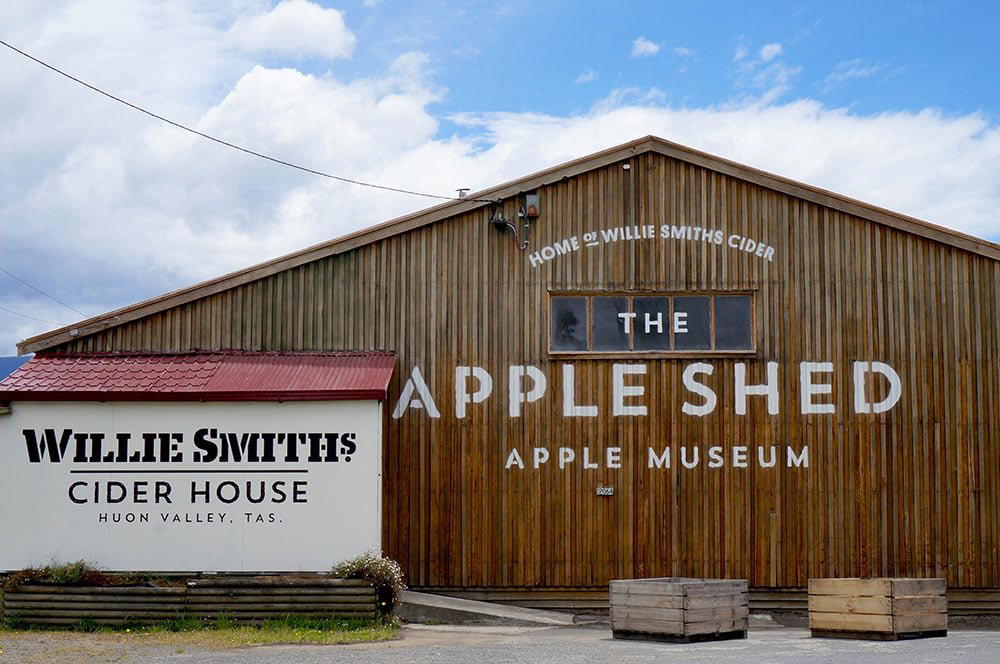
Hotels in Grove
Browse all →

At a Glance
- Rustic
- Scenic
- Cozy
- Family
- Casual Hangout
- Brunch
- Live Music
- Garden
- Historic Building
- Beer Program
- Local Sourcing
- Garden
Current opening hours
- Monday
- 10 AM–4 PM
- Tuesday
- 10 AM–4 PM
- Wednesday
- 10 AM–4 PM
- Thursday
- 10 AM–4 PM
- Friday
- 10 AM–9 PM
- Saturday
- 10 AM–4 PM
- Sunday
- 10 AM–5 PM
Hours can change for holidays and private events. Last verified .
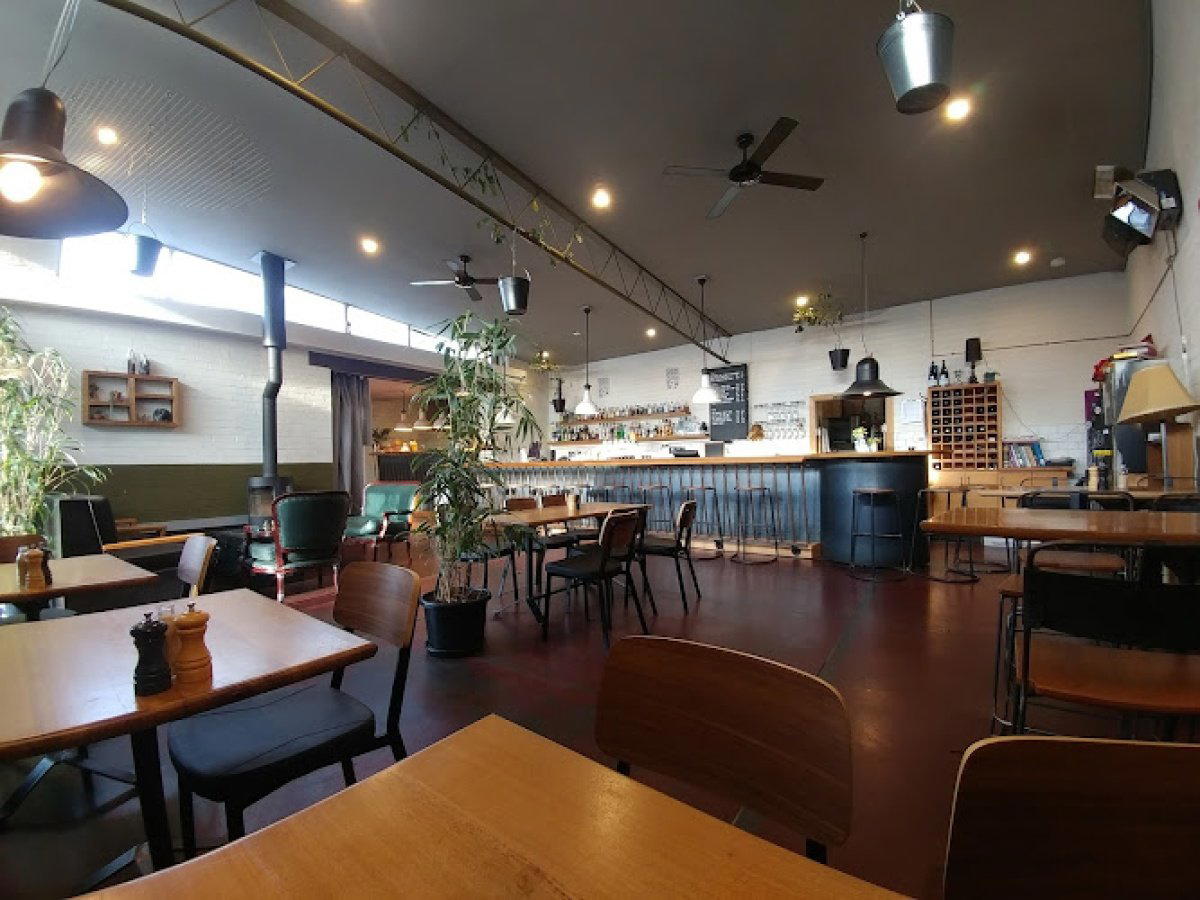
Rustic wooden shed with warm, inviting atmosphere, indoor and outdoor seating in beautiful farm surrounds, lively with live music on Fridays.