Wilde Zwijnen
Wilde Zwijnen sits on Javaplein in Amsterdam's Indische Buurt, a neighbourhood where the farm-to-table commitment runs deeper than most city-centre alternatives. The kitchen draws on seasonal Dutch produce and foraged ingredients, placing it within a tier of Amsterdam restaurants where sourcing discipline is the primary editorial statement. It occupies a mid-market position relative to the city's Michelin-starred creative tier, with a format built around accessible, ingredient-led cooking.
Pearl is the En Primeur Club membership app — saves, bookings, and concierge access live there. Same editors, same standards.
- Address
- Javaplein 23, 1095 CJ Amsterdam, Netherlands
- Phone
- +31 20 463 3043
- Website
- wildezwijnen.nl
- Directions
- Get directions
 Saves & bookings on Pearl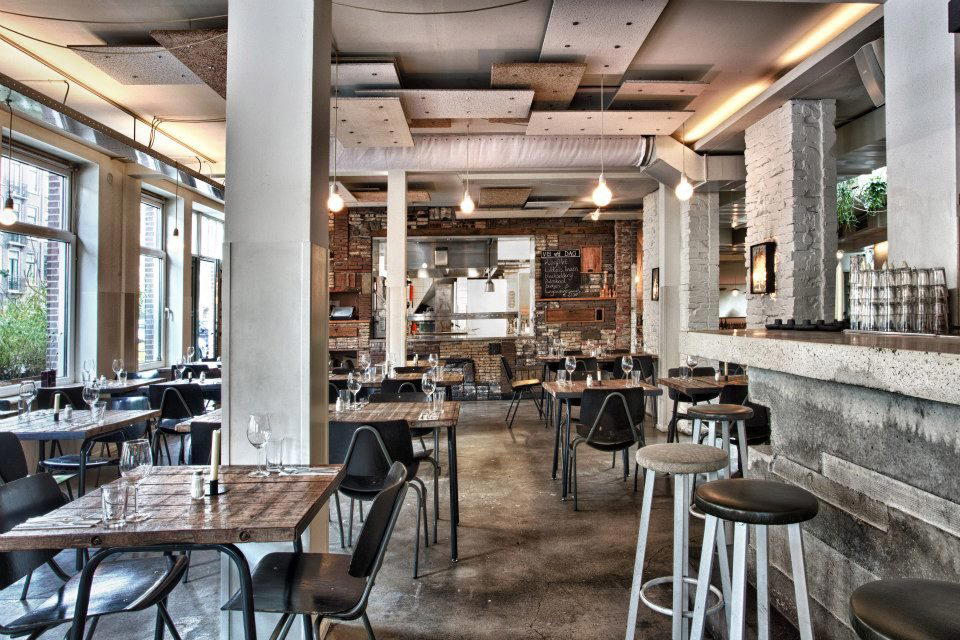
Javaplein and the Indische Buurt: Where the Ingredient Comes First
Wilde Zwijnen is a restaurant in Amsterdam's Indische Buurt serving modern Dutch cooking at a mid-range price point. This is a working neighbourhood, trams, market stalls, a mix of long-term residents and recent arrivals, and Wilde Zwijnen (Dutch for 'wild boars') reads as genuinely embedded in it rather than dropped in for effect. The restaurant occupies a corner position on the square that gives it presence without grandeur, the kind of address that rewards those who arrive with a postcode rather than a pin dropped by an algorithm.
That neighbourhood context matters for understanding what the kitchen is doing. The Indische Buurt sits east of the city centre, beyond the reach of the concentrated fine-dining corridor that runs through the canal ring. Restaurants here tend to answer to local regulars more than to passing hotel guests, and menus reflect that. Wilde Zwijnen has built its reputation on seasonal Dutch produce and foraged ingredients at a price point that keeps the room accessible, a different proposition from the €€€€ creative tier occupied by Ciel Bleu, Flore, Spectrum, and Vinkeles.
Sourcing as the Central Argument
The Dutch farm-to-table movement has developed its own internal hierarchy over the past decade. At one end sit the technically ambitious, award-chasing kitchens that use sourcing as a platform for complex composition. At the other, a smaller number of restaurants treat ingredient provenance as the primary statement, keeping preparation close enough to the source that the produce carries the dish rather than supporting it. The restaurant belongs to the second category.
The name itself signals the kitchen's orientation: wild game, foraged goods, things gathered rather than farmed to specification. This positions it within a Dutch culinary tradition that predates the current locavore moment, the use of seasonal game, regional mushrooms, coastal herbs, and North Sea catches has deep roots in Dutch rural cooking, even if it arrived late to the urban restaurant context. Where De Nieuwe Winkel in Nijmegen pushes plant-based sourcing into three-Michelin-star territory, and where De Librije in Zwolle channels regional ingredients through intensely technical cooking, the restaurant occupies a more direct register, one that prioritises legibility over transformation.
That directness is a coherent editorial choice, not a limitation. In an Amsterdam dining market where the sourcing credential has become expected even at mid-range price points (De Kas, BAK, and Wils all make similar claims), the restaurants that stand out within this tier are those whose sourcing reads as conviction rather than positioning. The wild game and foraged ingredient focus gives the restaurant a more specific identity than the broader organic or farm-to-table framing that competitors use.
Amsterdam's East: A Different Dining Geography
The Indische Buurt's dining character has shifted considerably since the early 2010s, as rising rents pushed creative operators eastward from the Jordaan and De Pijp. The neighbourhood now holds a generation of restaurants that draw on its demographic mix, Indonesian, Dutch, Surinamese, and newer communities, alongside venues like Wilde Zwijnen that anchor around a European seasonal framework. This coexistence gives the area a dining density that rewards an evening spent on foot rather than a single-destination visit.
For visitors arriving from the city centre, Javaplein is reachable by tram from Central Station in under fifteen minutes, making it a manageable detour from the canal ring. The neighbourhood works better as a destination than a stopover: arrive early, explore the square and surrounding streets, then settle in for the evening. The room at the restaurant reflects that unhurried pace.
That positioning separates the restaurant from the more concentrated fine-dining cluster around the Rijksmuseum and the Vondelpark edge, where Bistro de la Mer and others operate in closer proximity to hotel guests. The east of the city has its own rhythm, and the restaurant is best understood as part of that rhythm rather than as an outpost of the canal-ring scene.
Positioning Within the Dutch Fine-Dining Context
The Netherlands has produced a concentrated tier of technically ambitious kitchens that punch above the country's size in international recognition. Inter Scaldes in Kruiningen, De Lindenhof in Giethoorn, Tribeca in Heeze, De Groene Lantaarn in Staphorst, Brut172 in Reijmerstok, De Lindehof in Nuenen, De Bokkedoorns in Overveen, and De Treeswijkhoeve in Waalre all operate in that upper register, typically outside the major cities and drawing destination diners willing to travel for the experience. The restaurant does not compete in that tier. Its comparable set is the Amsterdam mid-market, where the competition for the seasonal-sourcing position is real and growing.
What differentiates the stronger operators in this mid-market tier is specificity. Generic seasonal menus change with the calendar but remain interchangeable; kitchens that name their suppliers, commit to game seasons, and build menus around the actual availability of foraged goods rather than a loosely 'seasonal' aesthetic develop a more durable identity. Internationally, the restaurants that have made this case most forcefully, Lazy Bear in San Francisco at the higher end, with its communal format and sourcing transparency, demonstrate that ingredient provenance can anchor an entire dining proposition when the commitment is genuine. In Europe, the tasting-menu format that venues like Le Bernardin in New York City built around a single ingredient category (in that case, seafood) shows what focus can achieve at scale. The restaurant is operating in a different register, but the underlying logic, commit to a specific source tradition and build identity around it, applies across price points.
Planning Your Visit
The restaurant is located at Javaplein 23, 1095 CJ Amsterdam, in the Indische Buurt. The square is served by tram lines connecting to Central Station, and the neighbourhood is walkable from the Oost area. Given the east-of-centre location and the format built around unhurried dining, an evening visit works better than a quick lunch stop. As with most Amsterdam restaurants in this tier, booking ahead is advisable, particularly on weekends when the neighbourhood draws locals who treat the area as a destination in its own right rather than a transit point.
Accolades, Compared
Comparable venues nearby, for context on price, style, and recognition.
| Venue | Cuisine | Price | Notes |
|---|---|---|---|
| Wilde ZwijnenThis venue — the venue you are viewing | Modern Dutch | $$ | Not listed |
| Omelegg | Omelette Specialists | $$ | Lizzy Ansinghbuurt |
| Bhatti Pasal | Authentic Nepalese | $$ | Begijnhofbuurt |
| La Brasa | Argentine Steakhouse | $$ | Westelijke Eilanden |
| Kartika | Traditional Indonesian Rijsttafel | $$ | Helmersbuurt Oost |
| Café Restaurant Sandberg | Dutch Cafe Fare | $$ | Museumplein |
Continue exploring
More in Amsterdam
Restaurants in Amsterdam
Browse all →
Bars in Amsterdam
Browse all →
Hotels in Amsterdam
Browse all →
Wineries in Amsterdam
Browse all →
At a Glance
- Rustic
- Cozy
- Trendy
- Industrial
- Date Night
- Special Occasion
- Open Kitchen
- Natural Wine
- Local Sourcing
Current opening hours
- Monday
- 6 PM–12 AM
- Tuesday
- 6 PM–12 AM
- Wednesday
- 6 PM–12 AM
- Thursday
- 6 PM–12 AM
- Friday
- 6 PM–12 AM
- Saturday
- 6 PM–12 AM
- Sunday
- 12 PM–12 AM
Hours can change for holidays and private events. Last verified .
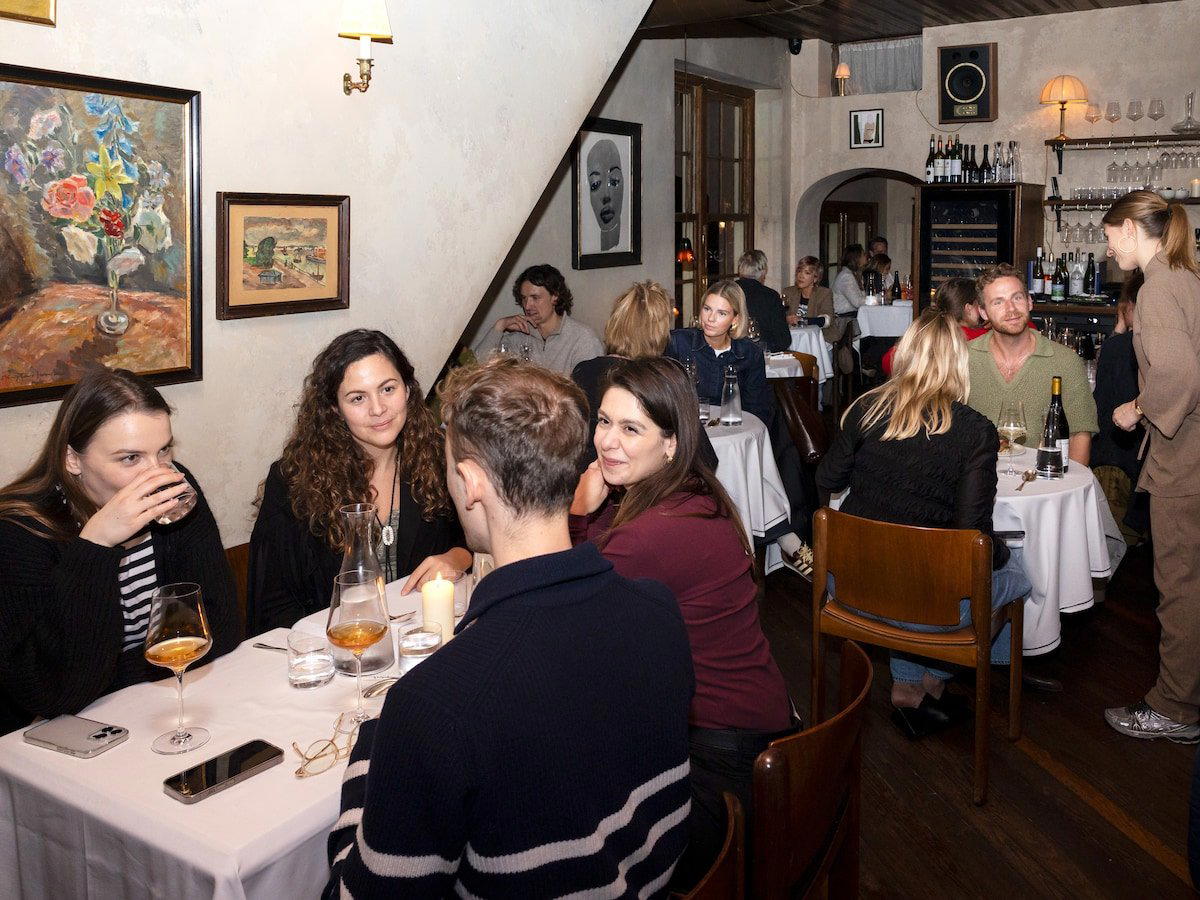
Trendy rustic setting with exposed brick, wood tables, open kitchen, soft candle-style lighting, and industrial chic design.