Foodhallen Rotterdam
Foodhallen Rotterdam occupies the Wilhelminakade waterfront district, slotting into a city that has spent two decades redefining what a post-industrial food destination looks like. Where Rotterdam's fine-dining tier clusters around Michelin-level tasting menus at venues like Parkheuvel and FG, the Foodhallen format operates at a different register: communal, counter-driven, and built for grazing rather than ceremony.
Pearl is the En Primeur Club membership app — saves, bookings, and concierge access live there. Same editors, same standards.
- Address
- Wilhelminakade 58, 3072 AR Rotterdam, Netherlands
- Website
- foodhallen.nl
- Directions
- Get directions
 Saves & bookings on Pearl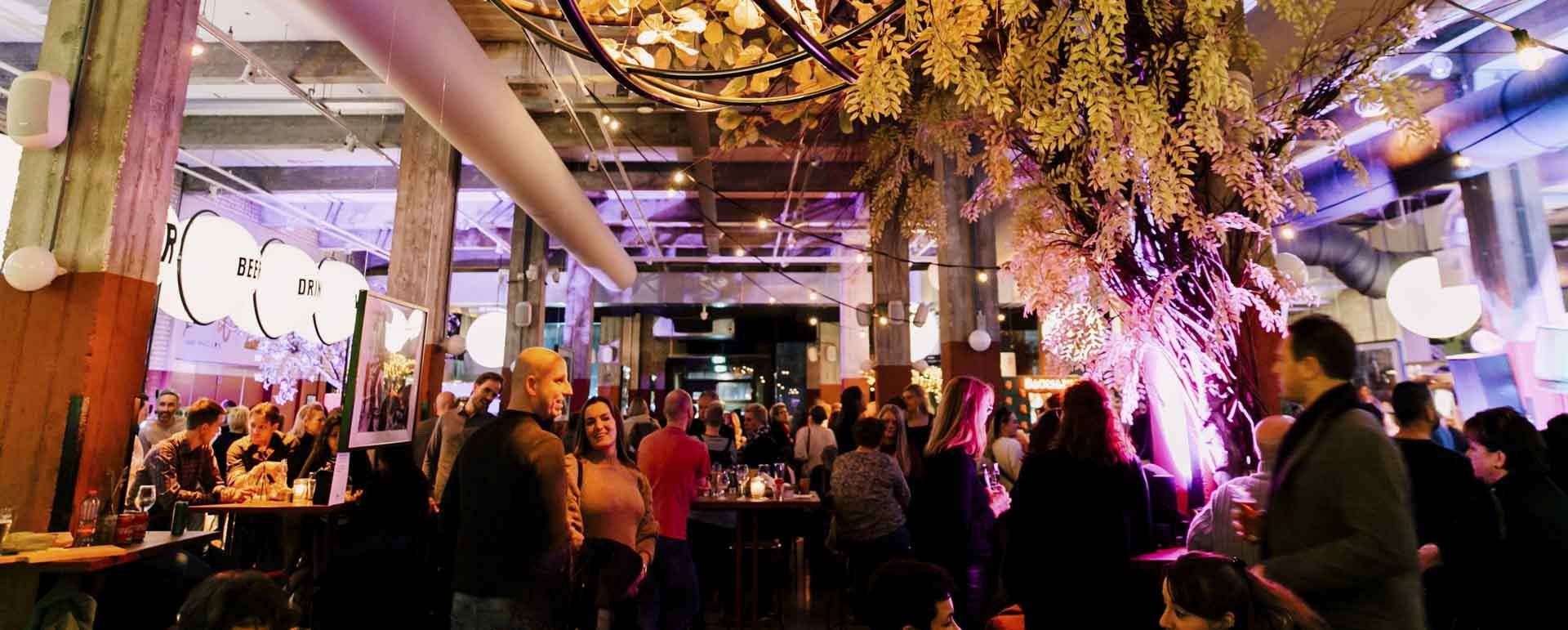
Architecture First: The Container Logic of Rotterdam's Food Halls
Rotterdam builds differently from other Dutch cities, and its food and hospitality spaces reflect that. Where Amsterdam layers new uses into centuries-old canal buildings, Rotterdam's post-war reconstruction left a city comfortable with volume, exposed structure, and repurposed industrial shells. Foodhallen Rotterdam, at Wilhelminakade 58 in the Katendrecht peninsula area, sits within that tradition. The address alone tells you something: Wilhelminakade was once the departure point for Holland America Line ocean liners, and the surrounding buildings carry that maritime industrial weight into their bones.
The food hall format as a spatial typology has matured considerably across European cities over the past decade. Early iterations often felt provisional, as if the tenants hadn't quite committed to the shell they inhabited. The stronger examples that followed learned to treat the architecture as the primary experience, with vendor stalls and counters serving as activated furniture inside a room that already had something to say. Rotterdam's version arrives in a city that has been practicing that discipline in its bar and hospitality scene since the early 2010s.
What the Format Does Differently from Rotterdam's Fine-Dining Circuit
The city's upper dining tier is well-documented. Parkheuvel has held its Michelin position on the Maas riverbank for years; FG - François Geurds operates at the €€€€ tier with a creative format that requires advance planning and a considered evening commitment. Fred and Amarone occupy similar formal registers. These are rooms built for occasions, with pacing, service choreography, and price points to match.
Foodhallen operates on an entirely different premise. The food hall model disaggregates the restaurant experience: you don't commit to a single kitchen or a single menu before you arrive. The physical layout encourages movement across multiple vendors, each running a focused, counter-service offer. That spatial logic, multiple counters inside a shared hall, is what separates this format from both casual restaurants and from the structured tasting-menu tier that Fitzgerald and its peers represent.
For the visitor who has already scheduled a Michelin evening, the food hall fills a different slot in the day. It works as a lunch destination, a pre-drink stop before heading into Katendrecht's bar scene, or a low-commitment way to sample several cuisines across a single sitting without the planning overhead a reservation requires.
Katendrecht and the Broader Wilhelminakade Context
The peninsula district that surrounds this address has undergone a sustained transformation from working port to one of Rotterdam's more characterful dining and nightlife zones. That shift has been gradual enough to preserve some of the rough-edged authenticity that faster gentrification tends to erase. The buildings on Wilhelminakade retain physical mass and scale, and new food and hospitality uses have arrived without entirely smoothing the industrial texture.
This is relevant to how the Foodhallen space reads. Rotterdam's most interesting hospitality openings in recent years have tended to prioritize spatial honesty over polish, which aligns with a broader Dutch design sensibility that prizes functional clarity over decorative excess. The food hall format fits that sensibility: the structure of the building does the work, and the vendor counters provide the detail.
For context on the wider Dutch dining scene, some of the country's most discussed addresses are outside the Randstad entirely. De Librije in Zwolle and Inter Scaldes in Kruiningen represent the formal tasting-menu tier at its most committed. De Nieuwe Winkel in Nijmegen has drawn international attention for its plant-focused format. In that national context, Rotterdam's food hall scene positions the city as the entry point for visitors who want casual access to a city rebuilding its food identity from the ground up.
Planning a Visit: What the Format Requires
Food halls in this format generally operate on a walk-in basis, which is by design. The counter model functions on throughput rather than the table-management systems that structured restaurants rely on, and the absence of a reservation requirement is part of the proposition. Visitors should arrive with that in mind: the experience rewards flexibility and an appetite distributed across several stops rather than a single anchored meal.
The Wilhelminakade address is accessible by water taxi from central Rotterdam, which adds a practical dimension that aligns with the waterfront setting. The surrounding Katendrecht neighbourhood provides an obvious extension to the visit, with bars and smaller restaurants within walking distance that can absorb the evening beyond the food hall's operating window.
Internationally, the food hall format has found its most disciplined expressions at venues like Le Bernardin in New York City or within the broader hospitality ecosystems that include communal-format dining such as Lazy Bear in San Francisco, though both of those operate at higher formality and price levels. The Rotterdam model sits closer to the mid-market food hall tier that has proliferated across European cities, where the spatial ambition exceeds the individual vendor price points.
For visitors building a broader Rotterdam itinerary, our full Rotterdam restaurants guide covers the city's range from Michelin-level counters to neighbourhood addresses worth knowing. Other Dutch destinations worth pairing with a Rotterdam trip include De Lindenhof in Giethoorn, Tribeca in Heeze, De Groene Lantaarn in Staphorst, Brut172 in Reijmerstok, De Lindehof in Nuenen, De Bokkedoorns in Overveen, and De Treeswijkhoeve in Waalre for a fuller picture of the country's dining range.
How Foodhallen Rotterdam compares with similar nearby venues.
| Venue | Cuisine | Price |
|---|---|---|
| Restobar Vista | Modern French | €€€ |
| Putaine | Modern Cuisine | €€€ |
Continue exploring
More in Rotterdam
Restaurants in Rotterdam
Browse all →
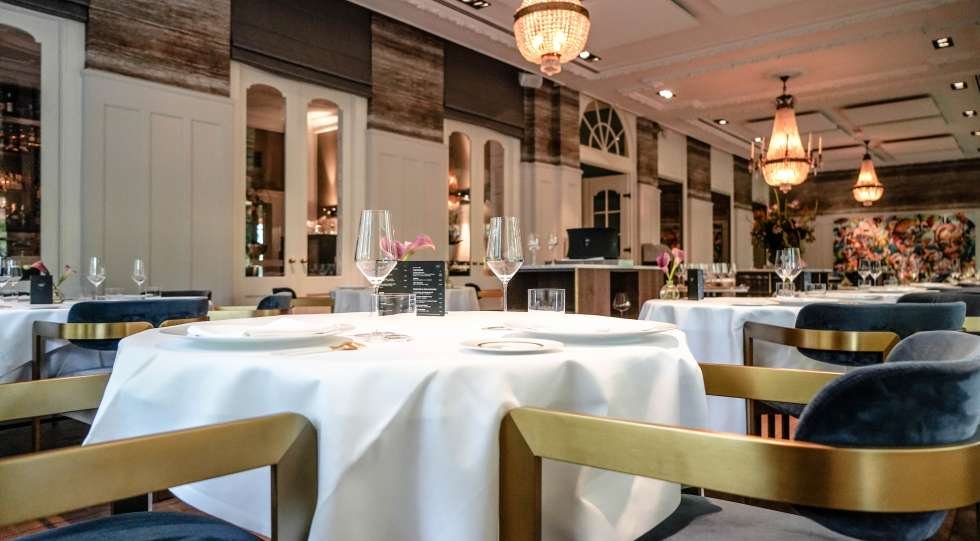
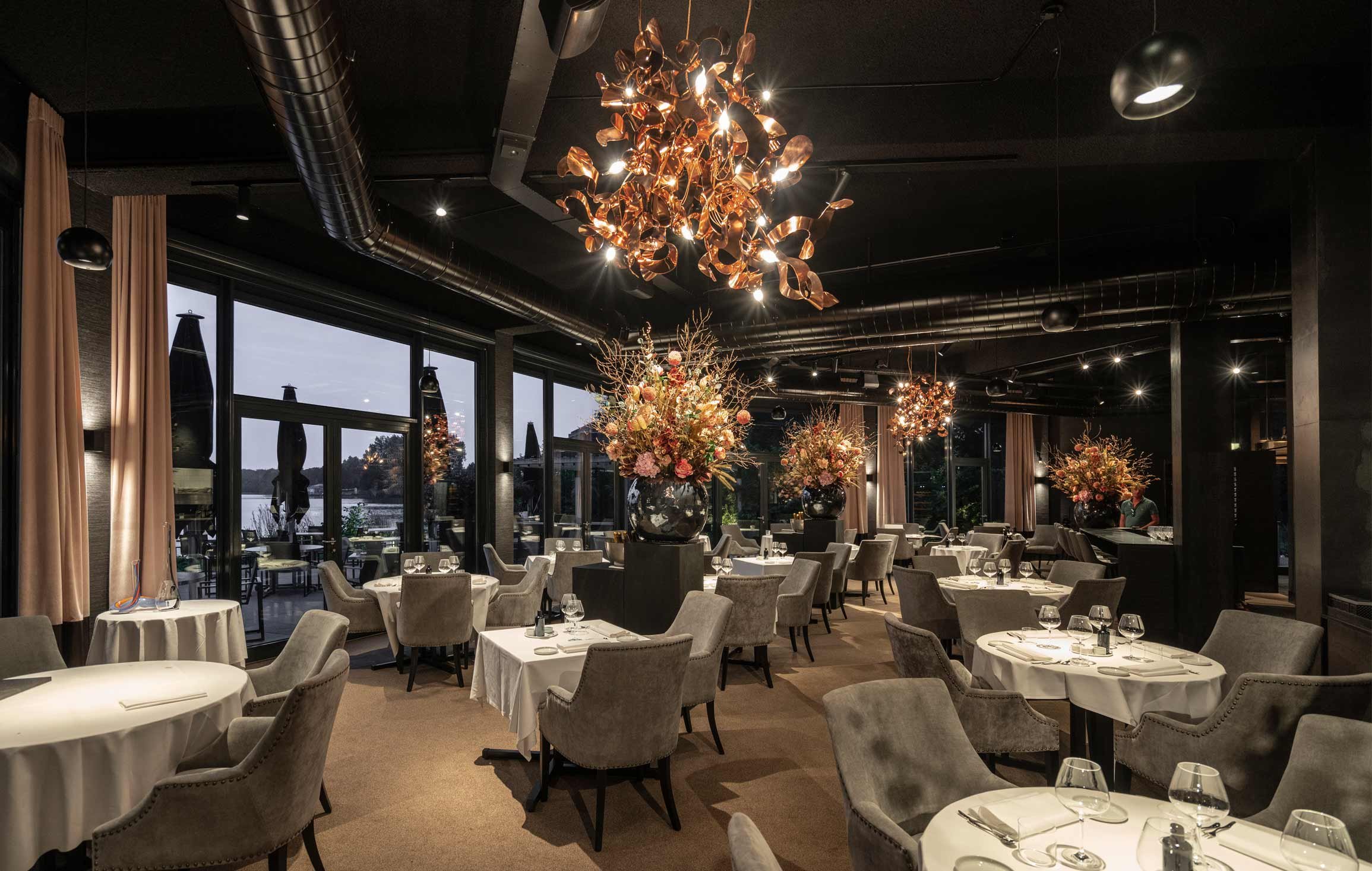
Bars in Rotterdam
Browse all →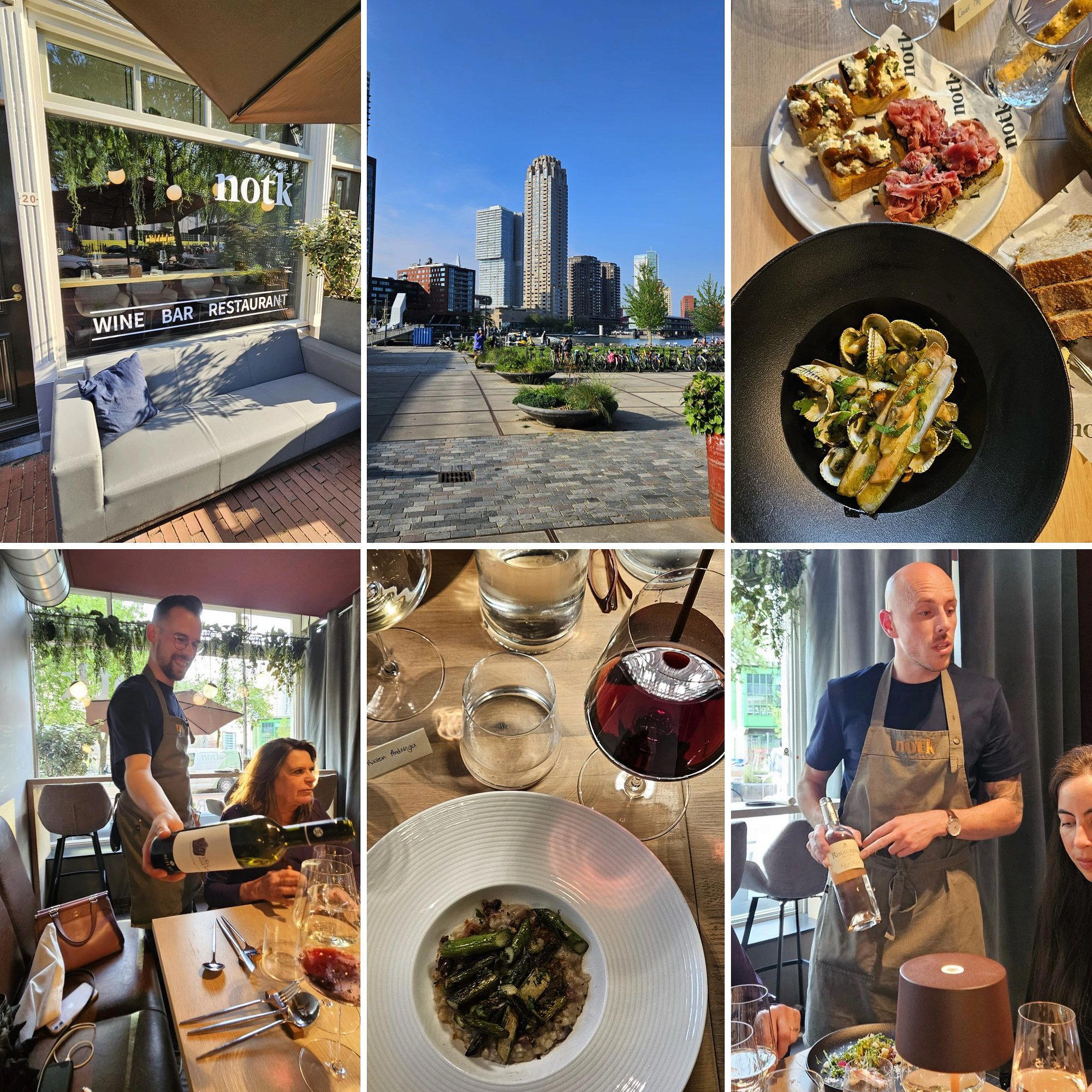
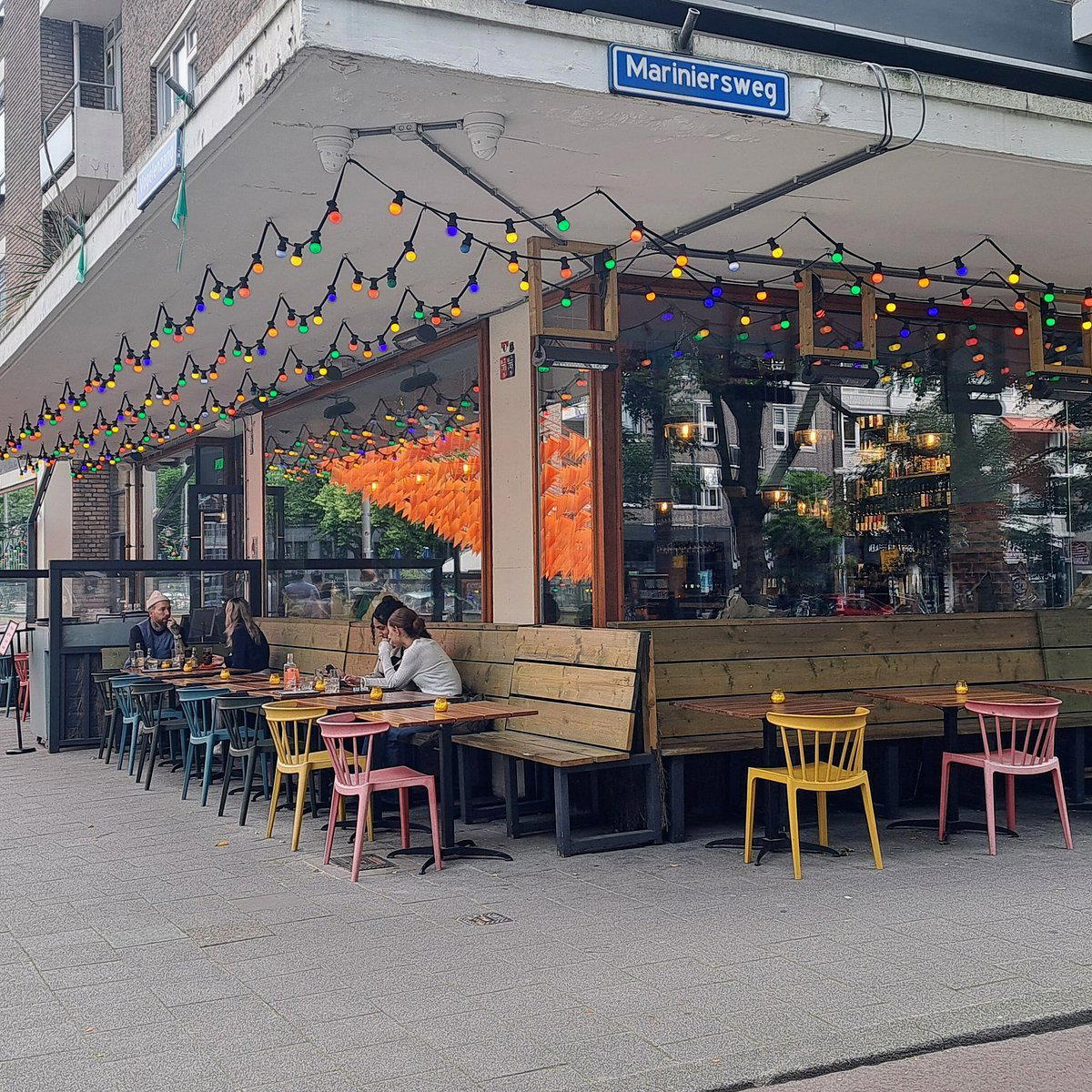
Hotels in Rotterdam
Browse all →
Wineries in Rotterdam
Browse all →
At a Glance
- Lively
- Trendy
- Industrial
- Energetic
- Casual Hangout
- Group Dining
- Late Night
- Open Kitchen
- Beer Program
- Waterfront
Current opening hours
- Monday
- 12 PM–12 AM
- Tuesday
- 12 PM–12 AM
- Wednesday
- 12 PM–12 AM
- Thursday
- 12 PM–12 AM
- Friday
- 12 PM–1 AM
- Saturday
- 12 PM–1 AM
- Sunday
- 12 PM–12 AM
Hours can change for holidays and private events. Last verified .
Industrial urban jungle with high-energy vibe, well-suited for casual dining and socializing.
Know Before You Go
- Getting there
- Wilhelminakade 58, 3072 AR Rotterdam, Netherlands