
Weinstube zur Traube occupies a quietly preserved corner of Hamburg's Ottensen district, where the interior reads like a working piece of early twentieth-century hospitality rather than a reconstruction of one. The wine-restaurant format places it in a category that Hamburg's higher-end dining scene rarely produces: relaxed in register, serious about the glass, and anchored to a neighbourhood character that predates the area's current gentrification.
Pearl is the En Primeur Club membership app — saves, bookings, and concierge access live there. Same editors, same standards.
- Address
- Karl-Theodor-Straße 4, 22765 Hamburg, Germany
- Phone
- +49 40 66977172
- Website
- traube-hamburg.com
- Directions
- Get directions
 Saves & bookings on Pearl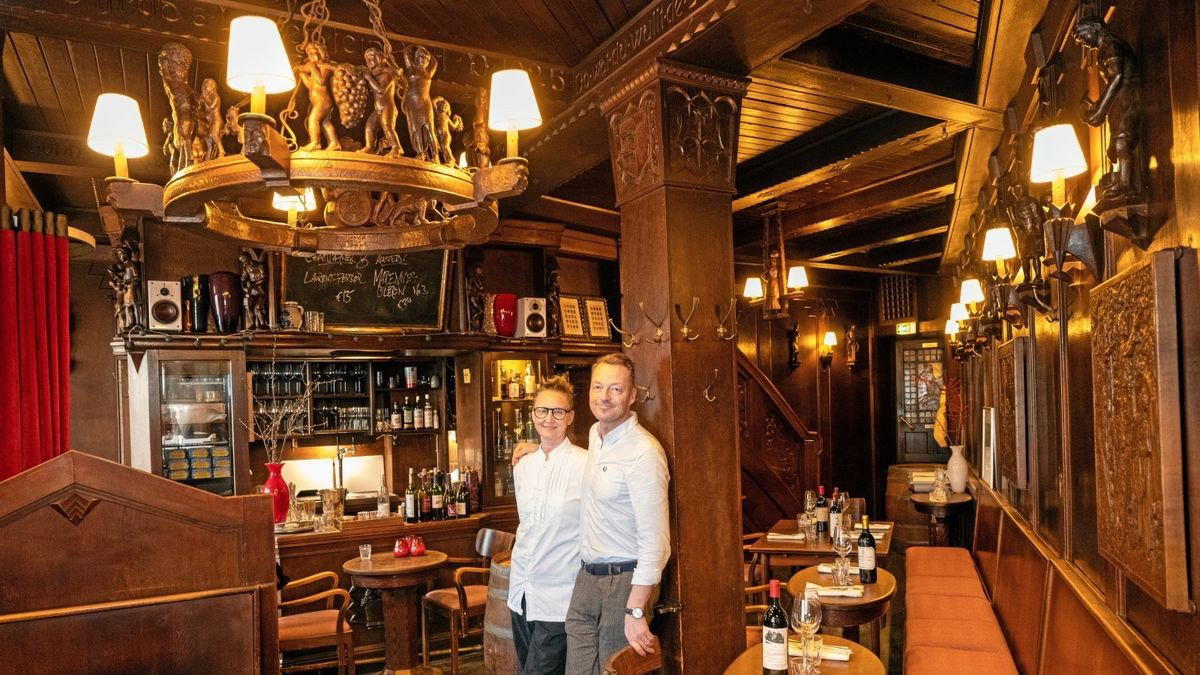
Ottensen and the Wine-Restaurant Tradition
Hamburg's restaurant scene is most frequently discussed through its fine-dining tier: the three-Michelin-star precision of Restaurant Haerlin, the architectural tasting menus at The Table Kevin Fehling, or the creative ambition of 100/200 Kitchen. What gets less coverage is the stratum below that tier, not lesser in hospitality intent, but different in purpose. The German Weinstube format sits in that stratum. Historically, it combined the wine merchant's knowledge with the innkeeper's hospitality: a room where you ate because you were drinking, or drank because the food made it logical. In cities like Stuttgart and Heidelberg, the format survived in recognisable density. In Hamburg, which has never been a wine-producing city and whose port identity pointed toward beer and spirits, the Weinstube is a comparative rarity.
Weinstube zur Traube on Karl-Theodor-Straße in Ottensen occupies that gap. The address places it in Hamburg's western districts, at Karl-Theodor-Straße 4, 22765 Hamburg, Germany, in Ottensen, a neighbourhood known for cafés, independent retail, and a residential demographic that values exactly this kind of room. The building and interior communicate a continuity with an earlier era of Hamburg hospitality, not performed nostalgia, but the kind of architectural patience that comes from a space that has not been renovated into irrelevance.
The Room as Context
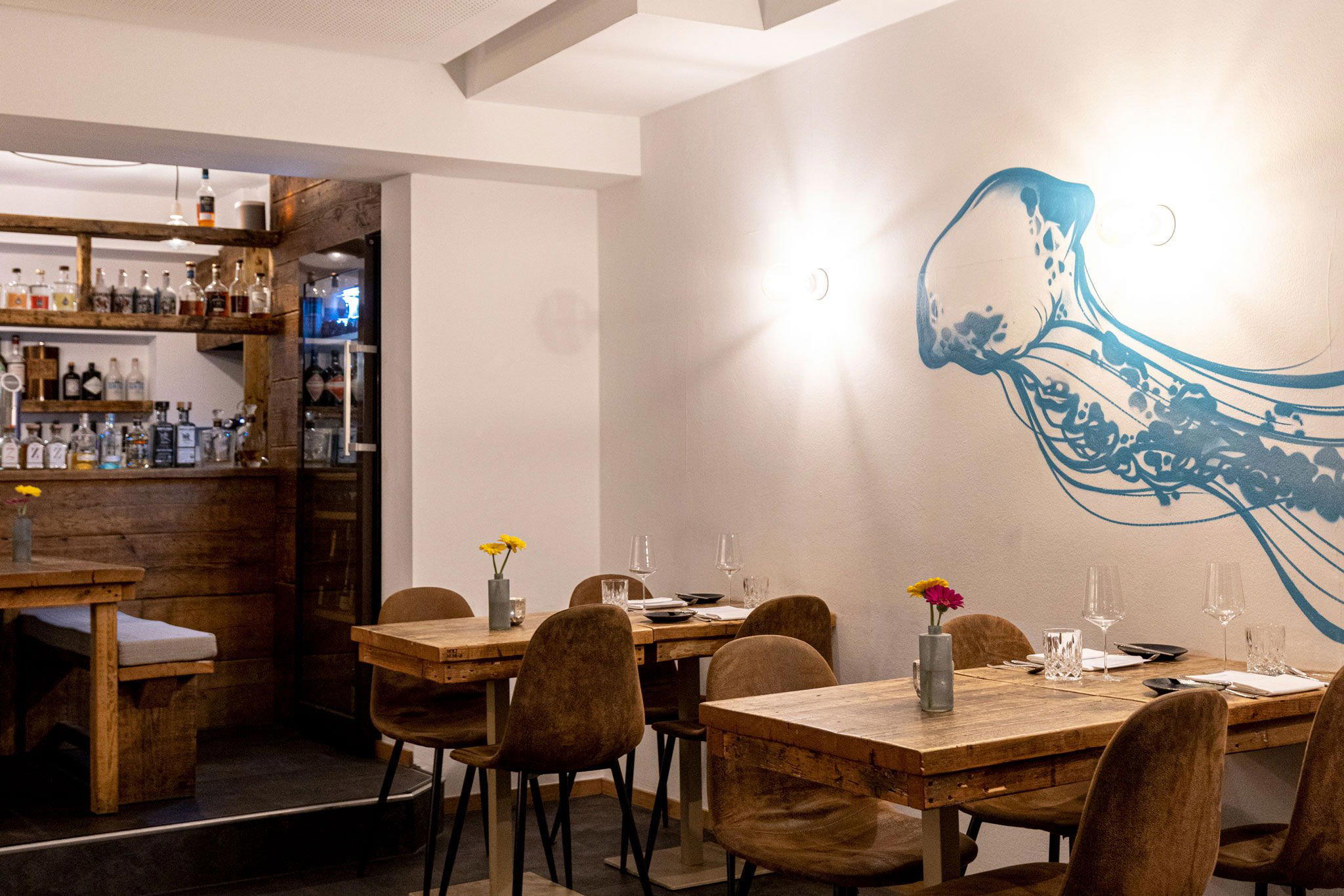
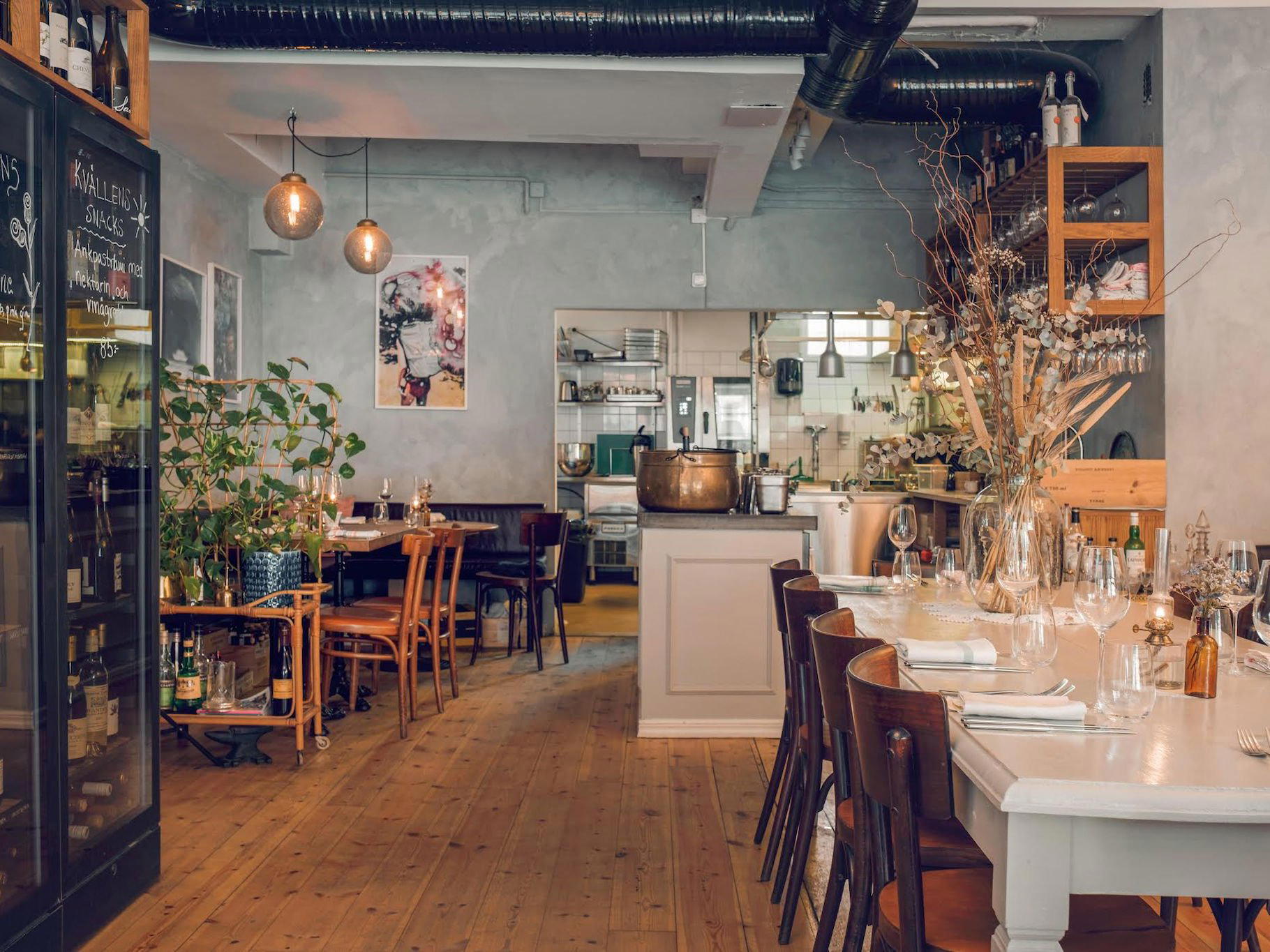
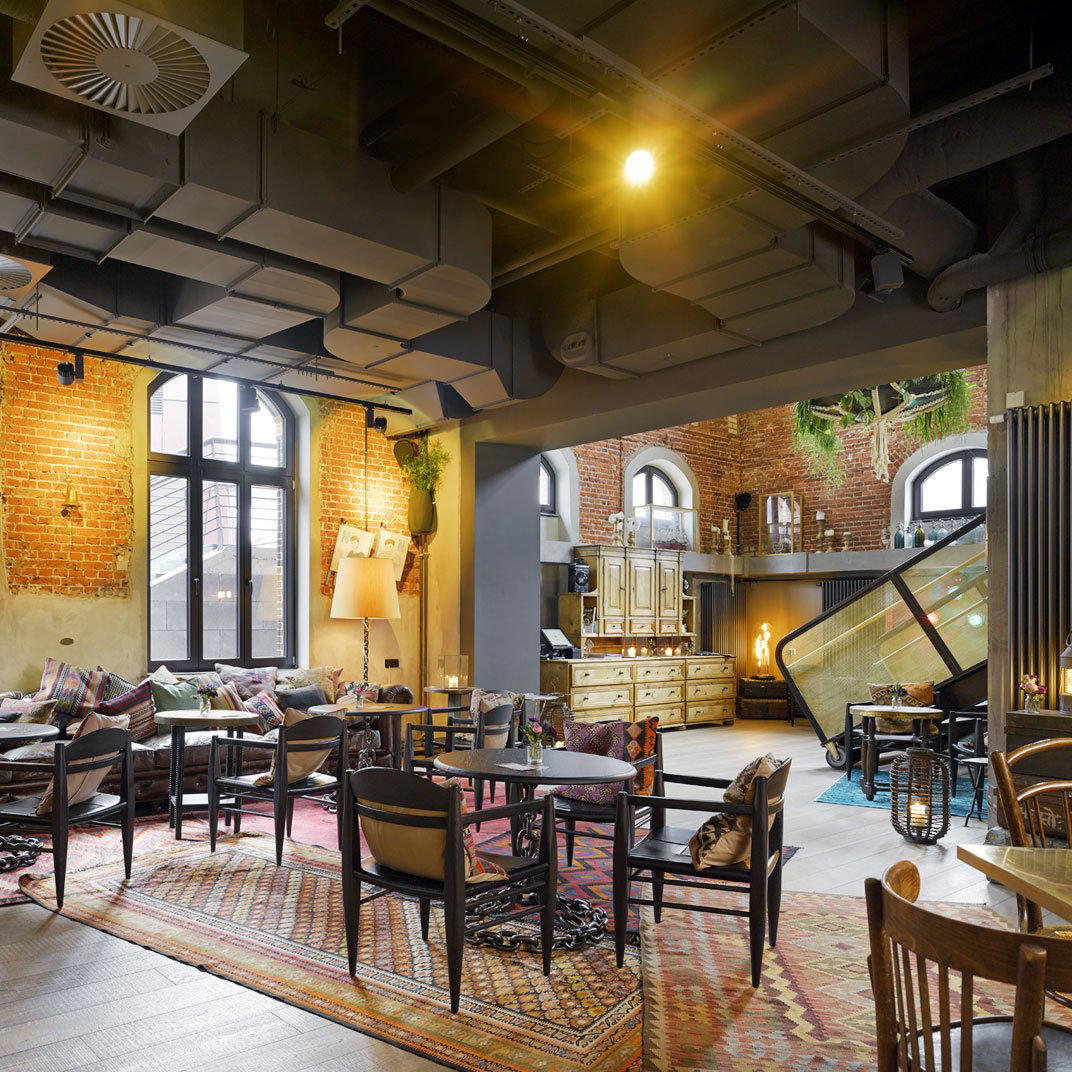
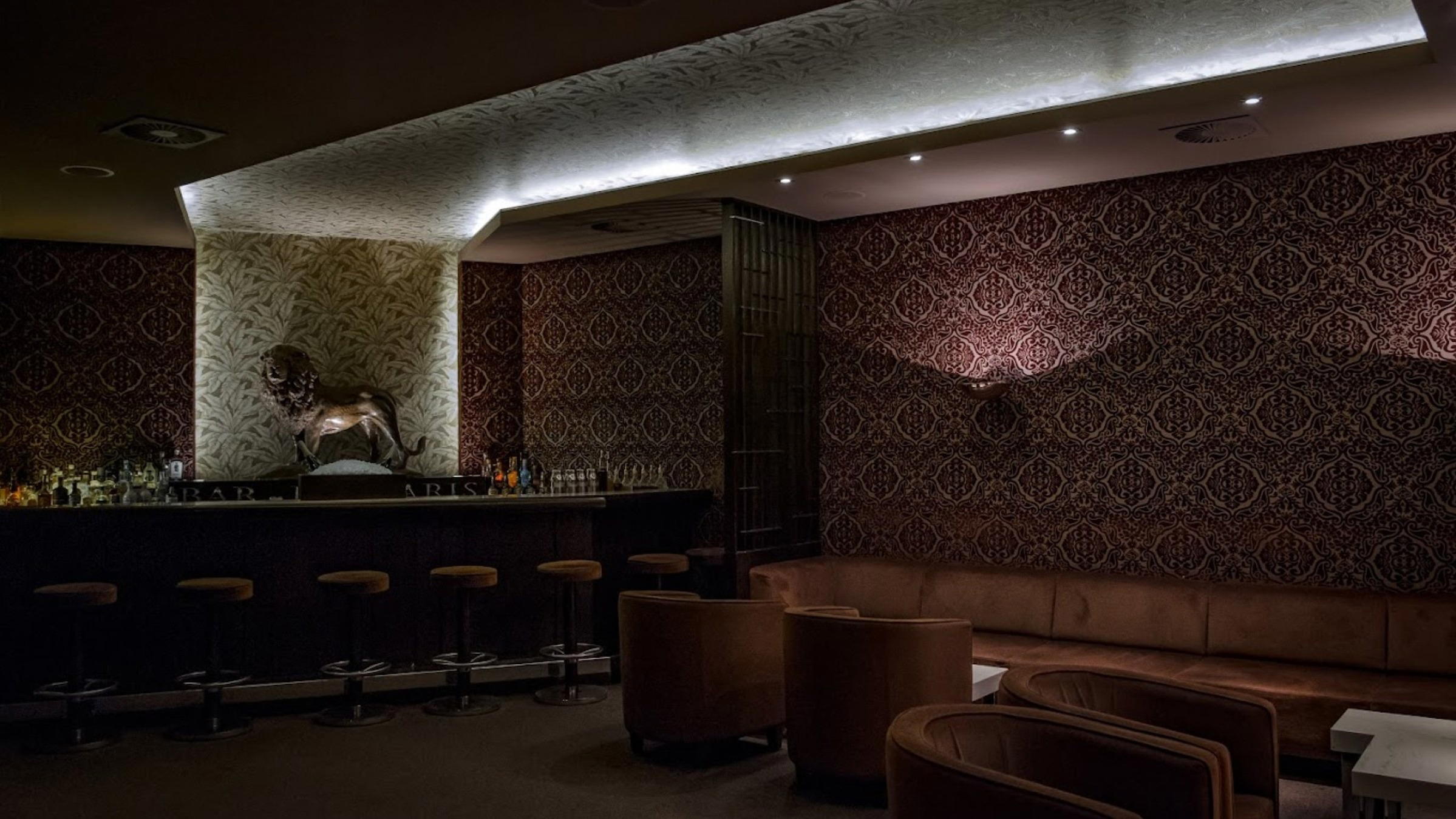
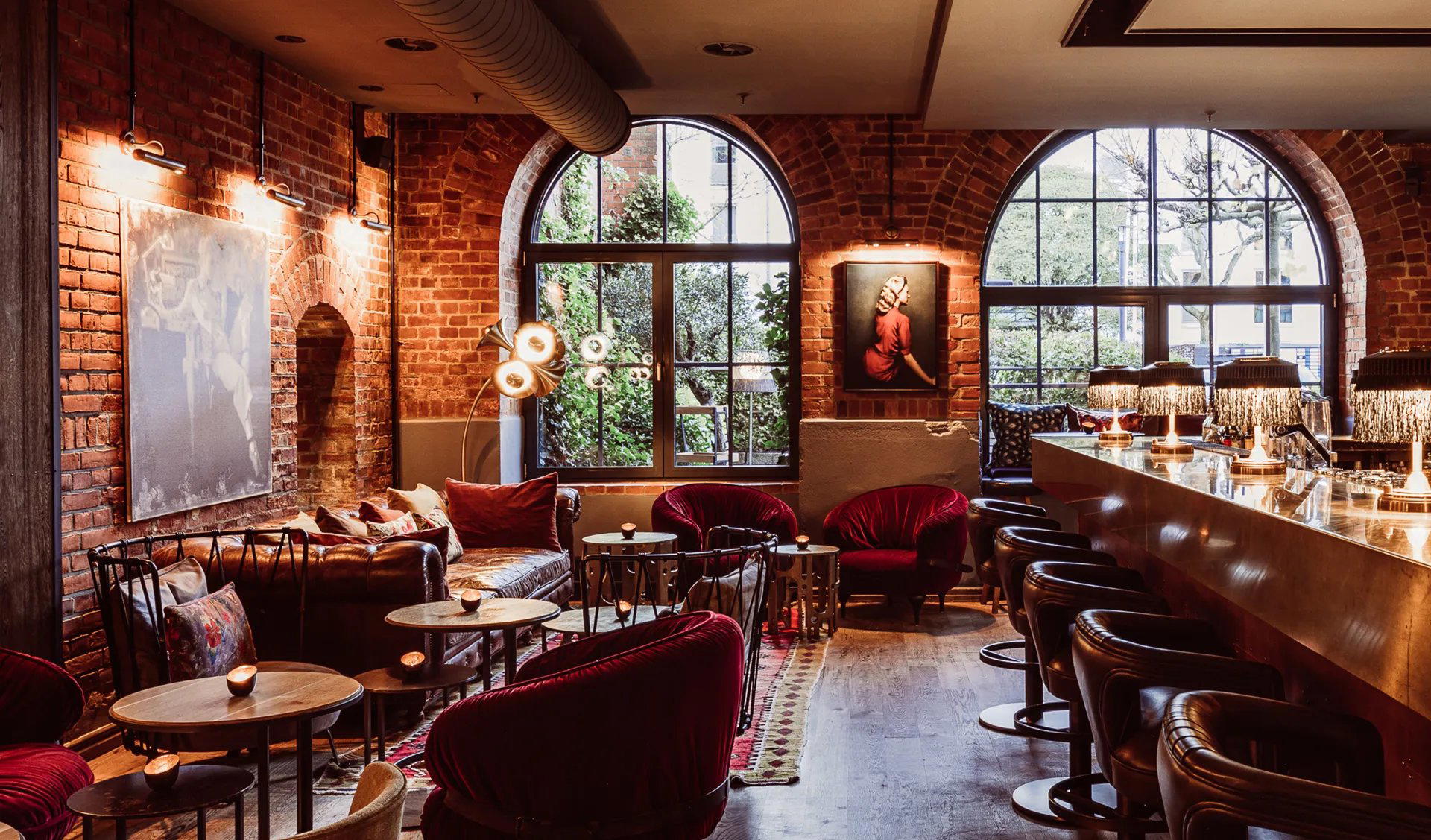
Weinstube settings typically operate through a specific atmospheric logic: low ceilings, wood surfaces worn to a particular patina, the sense that the furniture was chosen for durability rather than styling, and lighting calibrated closer to candlelight than to the high-lumen installations of contemporary restaurant design. When these elements are genuine rather than reconstructed, the effect on service rhythm is real. The pace slows. Conversations lengthen. The gap between ordering and receiving becomes less charged.
Zur Traube's interior transports visitors approximately a century backward, a statement about material authenticity. Hamburg has many venues that replicate period aesthetics; the point here is that the room reads as something that persisted rather than something that was assembled. That distinction matters to how the hospitality team operates within it. In a room with that kind of gravity, front-of-house doesn't perform warmth so much as maintain it. The role of the sommelier in a Weinstube is similarly different from the role in a modern tasting-menu environment: less about structured pairings and more about conversation, about reading the table and steering toward bottles that suit the evening's tempo rather than the chef's ambition.
Wine, Format, and the Service Triangle
The Weinstube model places wine at the centre of the hospitality equation in a way that most Hamburg restaurants do not. At venues like bianc or Lakeside, food is the primary organising principle and wine is paired to it. In the Weinstube format, the relationship is inverted or at least equalised. The wine list is the editorial statement; the kitchen exists to support extended drinking rather than to demand attention in its own right. This shapes the dynamic between kitchen and floor in ways that are structurally interesting. The kitchen's role is to produce food that holds up across multiple courses without overwhelming the palate, restraint as a professional discipline rather than a stylistic preference. The sommelier's role is to understand the wine list deeply enough to guide rather than instruct. The front-of-house role is to keep both threads running without the seams showing.
That three-way collaboration, when it functions well, produces evenings that feel effortless precisely because significant work has gone into calibrating the parts. It is a different skill set from the highly choreographed service of Germany's leading tasting-menu restaurants, the kind you find at Aqua in Wolfsburg, JAN in Munich, or Schwarzwaldstube in Baiersbronn, but it is not a lesser skill set. It is a different one, calibrated to a different hospitality intention.
Ottensen as a Dining Neighbourhood
The Karl-Theodor-Straße address situates Zur Traube within Ottensen's specific character. The neighbourhood sits between Altona's administrative centre and the Elbe riverfront, and its restaurant density skews toward independent operators with strong local repeat trade. This is not the tourists-and-expense-accounts geography of HafenCity or the trophy-restaurant strip of the inner city. Venues here survive on neighbourhood loyalty, which imposes a particular kind of quality discipline: the room needs to be somewhere people return to weekly or monthly, not once a year for a special occasion. That repeat-visit dynamic tends to keep wine lists current and service untheatrical, the audience already knows the tricks.
For visitors arriving from outside Hamburg, the walk or short transit from Altona station through Ottensen's streets is itself part of the experience. The neighbourhood's texture, bakeries, wine shops, small-format grocers, contextualises what Zur Traube is doing before you open the door. It is not operating as a destination restaurant in the way that CODA Dessert Dining in Berlin or Vendôme in Bergisch Gladbach operate as destinations. It is operating as a neighbourhood institution with a wine programme serious enough to attract wine-focused visitors from across the city.
Where Zur Traube Sits in Hamburg's Broader Picture
Hamburg's dining options for a serious wine evening are more limited than the city's overall restaurant quality might suggest. The fine-dining tier, represented by venues in our full Hamburg restaurants guide, is well-served. The casual end is well-served. The middle ground, wine-forward rooms with genuine character, food that earns attention without demanding it, service that knows when to step back, is thinner. Zur Traube occupies that middle ground in a city that does not produce many comparable options, which is why it carries the reputation it does among Hamburg residents who care about wine evenings done without ceremony.
Internationally, the wine-restaurant tradition finds counterparts at venues like ES:SENZ in Grassau, Le Bernardin in New York City, and Emeril's in New Orleans, though in format terms, none of these are direct equivalents. The Weinstube is a specifically German hospitality construct, and Zur Traube is one of the cleaner examples of it currently operating in Hamburg.
Planning a Visit
Karl-Theodor-Straße 4 is accessible by S-Bahn to Altona, with Ottensen a short walk west. As with most neighbourhood wine restaurants operating at this level of local reputation, advance booking is advisable, particularly for weekend evenings when Ottensen's resident dining population fills the neighbourhood's limited covers. Hours are Monday 6 to 10 PM, Tuesday and Wednesday closed, Thursday 6 to 11 PM, Friday 5 PM to midnight, Saturday 2 PM to midnight, and Sunday 12 to 11 PM. Reservations are recommended.
Cuisine and Awards Snapshot
Comparable venues nearby, for context on price, style, and recognition.
| Venue | Cuisine | Price | Notes |
|---|---|---|---|
| Weinstube zur TraubeThis venue — the venue you are viewing | French & Southern German Wine Bar | $$ | Not listed |
| Fischbeisl | Hamburg Fish Bistro | $$ | Altona-Altstadt |
| Kokomo Noodle Club | Authentic Japanese Ramen | $$ | St. Pauli |
| råbowls | Plant-Based Power Bowls | $$ | Hamburg-Altstadt |
| Chingu | Korean Street Food | $$ | Hamburg-Altstadt |
| Schleusenbude | Welsh Street Food | $$ | Trillup |
Recognition history
Dated appearances from independent guides and award organizations, with the underlying list record or original source where available.
Star Wine List
Star Wine List
Continue exploring
More in Hamburg
Restaurants in Hamburg
Browse all →
At a Glance
- Romantic
- Cozy
- Classic
- Intimate
- Date Night
- Special Occasion
- Wine Cellar
- Extensive Wine List
Current opening hours
- Monday
- 6–10 PM
- Tuesday
- Closed
- Wednesday
- Closed
- Thursday
- 6–11 PM
- Friday
- 5 PM–12 AM
- Saturday
- 2 PM–12 AM
- Sunday
- 12–11 PM
Hours can change for holidays and private events. Last verified .
Cozy wood carvings, panelled walls, crystal chandeliers, and candlelight create a romantic, ship-like atmosphere on the ground floor.