råbowls operates from Große Johannisstraße 19 in Hamburg's Altstadt, placing a bowl-format concept in one of the city's most commercially active quarters. The format sits within Hamburg's growing tier of casual-but-considered daytime dining, where sourcing decisions and waste-conscious kitchen practice have become as much a part of the offer as the food itself. It is a useful reference point for visitors building a picture of how the city eats outside its fine-dining tier.
Pearl is the En Primeur Club membership app — saves, bookings, and concierge access live there. Same editors, same standards.
- Address
- Große Johannisstraße 19, 20457 Hamburg, Germany
- Phone
- +494087973526
- Website
- rabowls.com
- Directions
- Get directions
 Saves & bookings on Pearl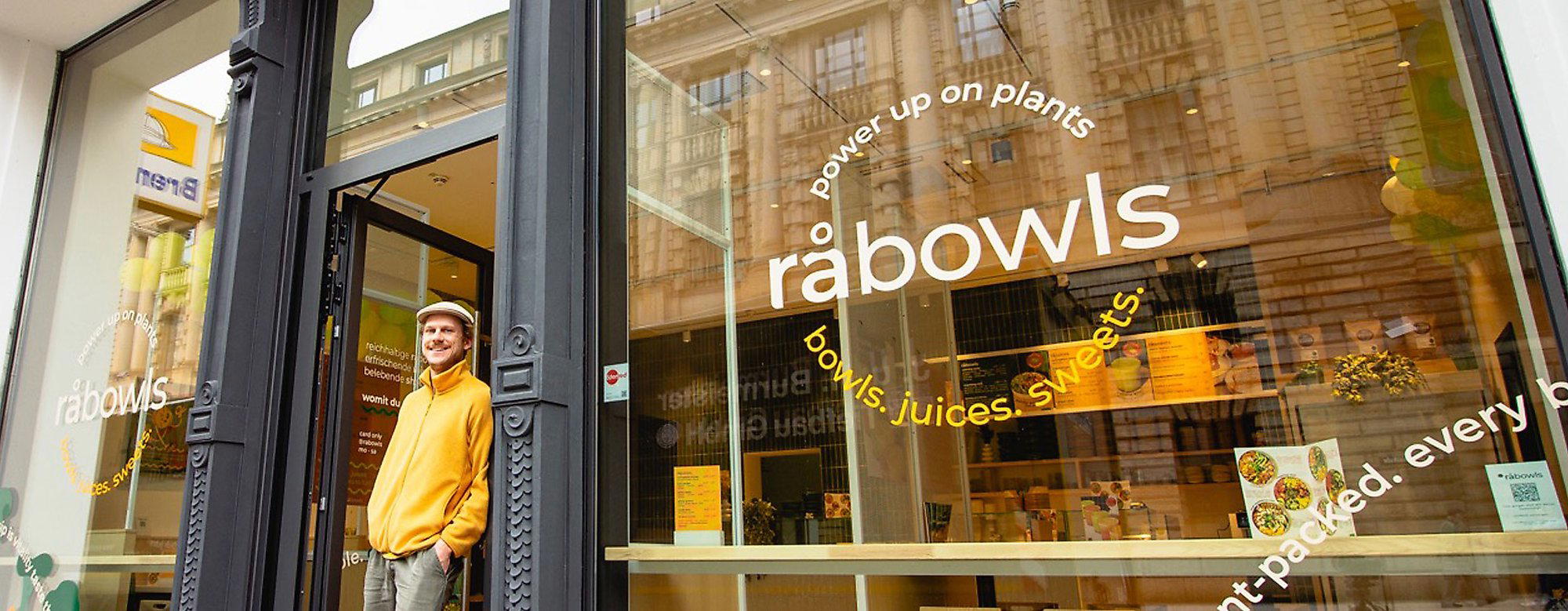
Große Johannisstraße cuts through Hamburg's Altstadt with the kind of purposeful foot traffic that rewards formats built around speed and substance in equal measure. The street sits within walking distance of the Rathaus and the waterfront logistics of the Speicherstadt, which means its midday crowd skews toward people who actually work in the city rather than those passing through it. A bowl concept in this location is not an accident of real estate: it is a deliberate read of what that particular audience wants from a lunch stop.
Hamburg's casual dining tier has moved steadily in one direction over the past decade. The formats that have held ground are those that combine ease of service with some legible commitment to how food is sourced or prepared. råbowls sits inside that pattern. The bowl format itself is a practical vehicle for that kind of thinking: variable components, seasonal substitution, and minimal waste between service slots are structural features of the category, not afterthoughts grafted onto a menu.
Bowl-Format Dining and the Sustainability Question
The bowl has become one of the more honest formats in casual dining precisely because its architecture forces decisions about sourcing to the surface. When a dish is a collection of distinct components rather than a unified plate, the provenance and quality of each element is visible rather than obscured. Grain base, protein, vegetable preparation, dressing: each one either holds up to scrutiny or it does not. There is nowhere to hide a poor ingredient behind technique.
Across northern Europe, bowl-format operators have split into two distinct camps. One group treats the format as a delivery mechanism for volume, using it to cycle large numbers of covers through a small footprint with minimal kitchen complexity. The other uses the same structural simplicity to build a tighter sourcing story, reducing food waste through component flexibility and leaning into seasonal availability rather than fighting it. råbowls, positioned in a commercial quarter where the midday window is narrow and the clientele is repeat rather than tourist-driven, has the conditions to operate in the latter camp.
Waste reduction in bowl-format kitchens is a function of how components are batched and cycled. A kitchen running four or five grain options alongside rotating vegetable preparations can adjust quantities daily without the waste penalties that a more rigid plated menu would generate. The format also accommodates dietary requirements without parallel menu construction, which reduces both kitchen complexity and the over-preparation that drives food waste in conventional restaurant formats. These are operational advantages that also happen to align with what a Hamburg Altstadt lunch crowd increasingly expects.
Where råbowls Fits in Hamburg's Dining Map
Hamburg's restaurant attention tends to concentrate at the upper end of the market. The city holds a cluster of serious fine-dining addresses: Restaurant Haerlin and The Table Kevin Fehling represent the Michelin-anchored tier, while 100/200 Kitchen, bianc, and Lakeside fill out the creative and premium-casual middle ground. That concentration of editorial and critical attention at the top of the market means the city's more considered casual formats receive less coverage than their operational quality often warrants.
råbowls occupies the working-lunch end of that spectrum, a slot that matters more to daily Hamburg than any number of tasting menus. The Altstadt location puts it in direct proximity to a repeat clientele that will form opinions about the format through accumulated visits rather than a single occasion. That kind of patronage is a harder test of consistency than a destination dining crowd, and it shapes what the kitchen has to deliver week over week.
For visitors building a fuller picture of how Hamburg eats, the casual daytime tier is as informative as the evening fine-dining circuit. Our full Hamburg restaurants guide maps the city across price points and formats. Elsewhere in Germany, the debate around sourcing and sustainability is playing out at every level of the market, from the three-star kitchens of Aqua in Wolfsburg and Schwarzwaldstube in Baiersbronn to the more experimental approaches at CODA Dessert Dining in Berlin. The same conversation about what responsible kitchen practice looks like is happening across price tiers, which is part of what makes a format like råbowls a relevant data point rather than a footnote.
Germany's broader fine-dining circuit, which takes in addresses such as JAN in Munich, Vendôme in Bergisch Gladbach, ES:SENZ in Grassau, Victor's Fine Dining by Christian Bau in Perl, Waldhotel Sonnora in Dreis, Schanz in Piesport, and Bagatelle in Trier, has spent years foregrounding sourcing as a marker of quality. The logic of that commitment does not stop at the fine-dining price point. Formats operating at the casual end of the market draw on the same underlying infrastructure of regional producers and seasonal supply chains.
Internationally, the sourcing conversation at casual formats parallels what kitchens like Le Bernardin in New York City and Atomix in New York City have built at the top of the market: the principle that ingredient decisions are ethical decisions is now operating across every tier of the dining economy.
Know Before You Go
Planning Details
- Address: Große Johannisstraße 19, 20457 Hamburg, Germany
- Area: Altstadt, central Hamburg, walkable from Rathaus and Speicherstadt
- Format: Bowl-based casual dining, suited to midday service
- Hours: Confirm with venue before visiting
- Dietary requirements: Speak to staff directly; bowl-format kitchens typically accommodate substitutions more flexibly than plated menus
Continue exploring
More in Hamburg
Restaurants in Hamburg
Browse all →
Bars in Hamburg
Browse all →

Hotels in Hamburg
Browse all →
Wineries in Hamburg
Browse all →
At a Glance
- Modern
- Trendy
- Casual Hangout
- Open Kitchen
Current opening hours
- Monday
- 11:30 AM–8 PM
- Tuesday
- 11:30 AM–8 PM
- Wednesday
- 11:30 AM–8 PM
- Thursday
- 11:30 AM–8 PM
- Friday
- 12–7 PM
- Saturday
- 12–7 PM
- Sunday
- 12–7 PM
Hours can change for holidays and private events. Last verified .
Bright modern interior with self-ordering for quick, energetic healthy meals.
Know Before You Go
- Getting there
- Große Johannisstraße 19, 20457 Hamburg, Germany