Chingu occupies a compact address on Kurze Mühren in Hamburg's city centre, drawing a loyal crowd that returns for the kind of cooking that rewards familiarity. The room operates at a register somewhere between neighbourhood fixture and destination worth planning around, with a following that tends to know exactly what it wants before it sits down.
Pearl is the En Primeur Club membership app — saves, bookings, and concierge access live there. Same editors, same standards.
- Address
- Kurze Mühren 13, 20095 Hamburg, Germany
- Phone
- +494076754463
- Website
- chinguhamburg.de
- Directions
- Get directions
 Saves & bookings on Pearl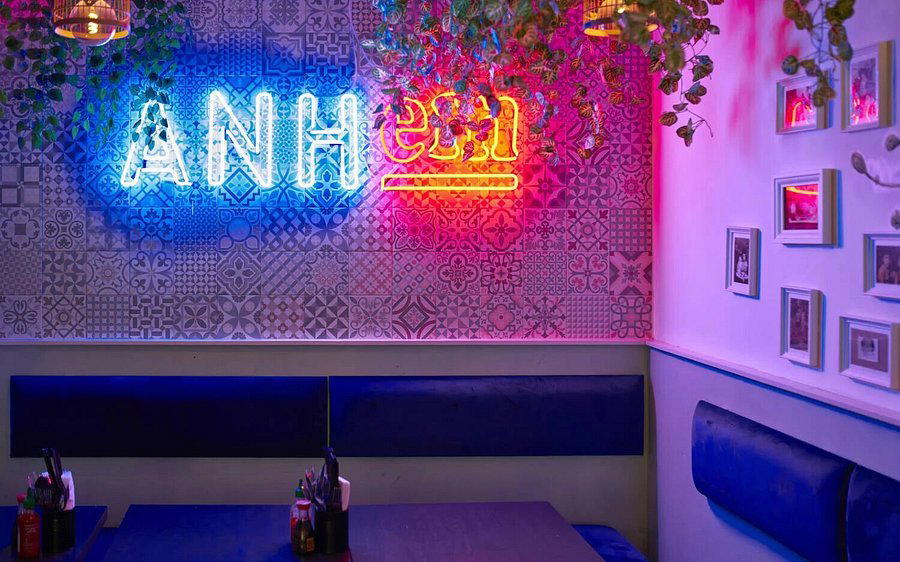
What the Regulars Know
Hamburg's dining scene has long divided along a familiar fault line: the Michelin-tracked fine dining tier, where venues like Restaurant Haerlin and The Table Kevin Fehling compete on tasting menu architecture and technical ambition, and a broader mid-register where the city's more habitual dining happens. Chingu, at Kurze Mühren 13 in the city centre, occupies the second category — but operates with the kind of consistency that tends to produce a genuinely loyal crowd rather than a one-visit novelty. The regulars here are not chasing a new experience each time. They are returning to something they already understand and trust.
That dynamic — a room full of people who have been before, tells you something useful about how the place functions. Repeat visitors self-select for quality that holds across multiple visits, and in a city with Hamburg's breadth of options, that is not a low bar. The full Hamburg restaurant picture spans everything from Baltic-inflected seafood and Hanseatic classics to Mediterranean-leaning newcomers like bianc and the more contemplative lakeside register of Lakeside. Within that range, Chingu has found a position specific enough to retain an audience.
The City Centre Address and What It Signals
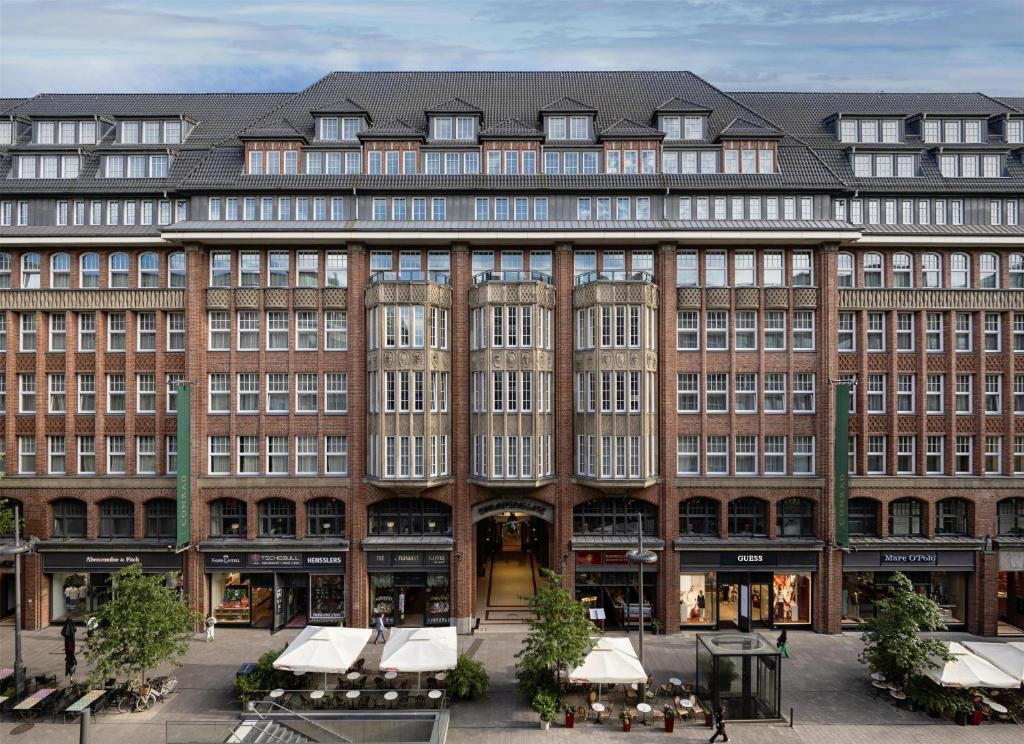
Kurze Mühren sits within the dense commercial and cultural grid between the Hauptbahnhof and the Alster, a part of Hamburg that mixes transit convenience with a surprising density of places worth eating. The address is not a destination neighbourhood in the way that Eppendorf or Ottensen might be framed, but it has pedestrian logic: reachable from the city's main transport hubs without effort, which partly explains the mix of regulars and first-timers that such central locations tend to generate.
For the regulars, the central position is incidental. They are not coming because the location is convenient, they are coming back because the experience has given them a reason to. That distinction matters when reading a room. A loyal crowd in a central-city address signals that the draw is the venue itself, not proximity.
Where Chingu Sits in Hamburg's Broader Register
Hamburg's restaurant market has matured in a direction that rewards specificity. The high end is anchored by internationally recognised creative kitchens, and the city's mid-register has become increasingly competitive as a result. Properties like 100/200 Kitchen have introduced more format-conscious dining at accessible price points, while the classic European register remains represented by Landhaus Scherrer and its Modern European positioning.
Within German fine dining more broadly, the reference points shift again: the tasting menu tradition runs from venues like Schwarzwaldstube in Baiersbronn and Aqua in Wolfsburg through to JAN in Munich, Vendôme in Bergisch Gladbach, and Victor's Fine Dining by Christian Bau in Perl. Chingu does not compete in that formal upper tier. It operates closer to where a regular neighbourhood-facing address with genuine cooking ambition tends to function, a space where the food has to be good enough to bring people back, but where the experience is not structured around ceremony.
The contrast with highly conceptual formats elsewhere in Germany, CODA Dessert Dining in Berlin being one example of a kitchen that has built a national following on format specificity, is instructive. Chingu does not appear to be in the business of format invention. Its consistency, read through the lens of repeat clientele, suggests something more durable.
The Unwritten Menu: What Regulars Actually Order
The clearest signal of how a room operates over time is what the regulars do without looking at the menu. In most restaurants, the full card exists for first-timers. The returning crowd has already edited it down to the two or three dishes that represent why they came back. At Chingu, the specific composition of that shortlist is not in the public record in a way that allows precise reporting, but the pattern of loyalty itself implies that the shortlist exists and is coherent.
Restaurants that hold repeat business in Hamburg's competitive city-centre environment tend to do so on the basis of either consistency or singular dishes that travel well by word of mouth. Both mechanisms produce the same result: a room that functions on familiarity as much as discovery. For a first-time visitor, that means the social intelligence of the room is worth reading. What tables are reordering, what arrives without a discussion, these are the unwritten signals of a venue in its settled form.
Chingu in European and International Context
Across European dining cities, the venues that produce genuine regulars, rather than checklist visitors, tend to share a few structural qualities: a format that does not require explanation on each visit, cooking that rewards familiarity rather than demanding novelty, and a room that does not make repeat visitors feel like they have already seen it. The same pattern holds from Hamburg to destinations further afield; compare the community-focused formats that have emerged in American cities, such as Lazy Bear in San Francisco or the long-standing technical precision of Le Bernardin in New York City, and the through-line is that durability and loyalty are built on consistency, not reinvention.
Among German regional options, the same argument can be made about venues operating in more remote settings: ES:SENZ in Grassau, Schanz in Piesport, Waldhotel Sonnora in Dreis, and Bagatelle in Trier each hold audiences that travel specifically to return, not to discover. The dynamic at Chingu is urban and more casual in register, but the underlying logic, that the repeat visit is the real endorsement, applies across formats and price tiers.
Know Before You Go
| Address | Kurze Mühren 13, 20095 Hamburg, Germany |
| Getting There | Central Hamburg, accessible from Hauptbahnhof within walking distance |
| Booking | Contact details not currently available; check directly for reservation options |
| Price Range | |
| Hours | Verify directly before visiting |
Continue exploring
More in Hamburg
Restaurants in Hamburg
Browse all →
Bars in Hamburg
Browse all →

Hotels in Hamburg
Browse all →
Wineries in Hamburg
Browse all →
At a Glance
- Modern
- Cozy
- Trendy
- Casual Hangout
- Group Dining
- Brunch
- Open Kitchen
- Beer Program
Current opening hours
- Monday
- 11:30 AM–9:30 PM
- Tuesday
- 11:30 AM–9:30 PM
- Wednesday
- 11:30 AM–9:30 PM
- Thursday
- 11:30 AM–9:30 PM
- Friday
- 11:30 AM–10 PM
- Saturday
- 11:30 AM–10 PM
- Sunday
- 1–9 PM
Hours can change for holidays and private events. Last verified .
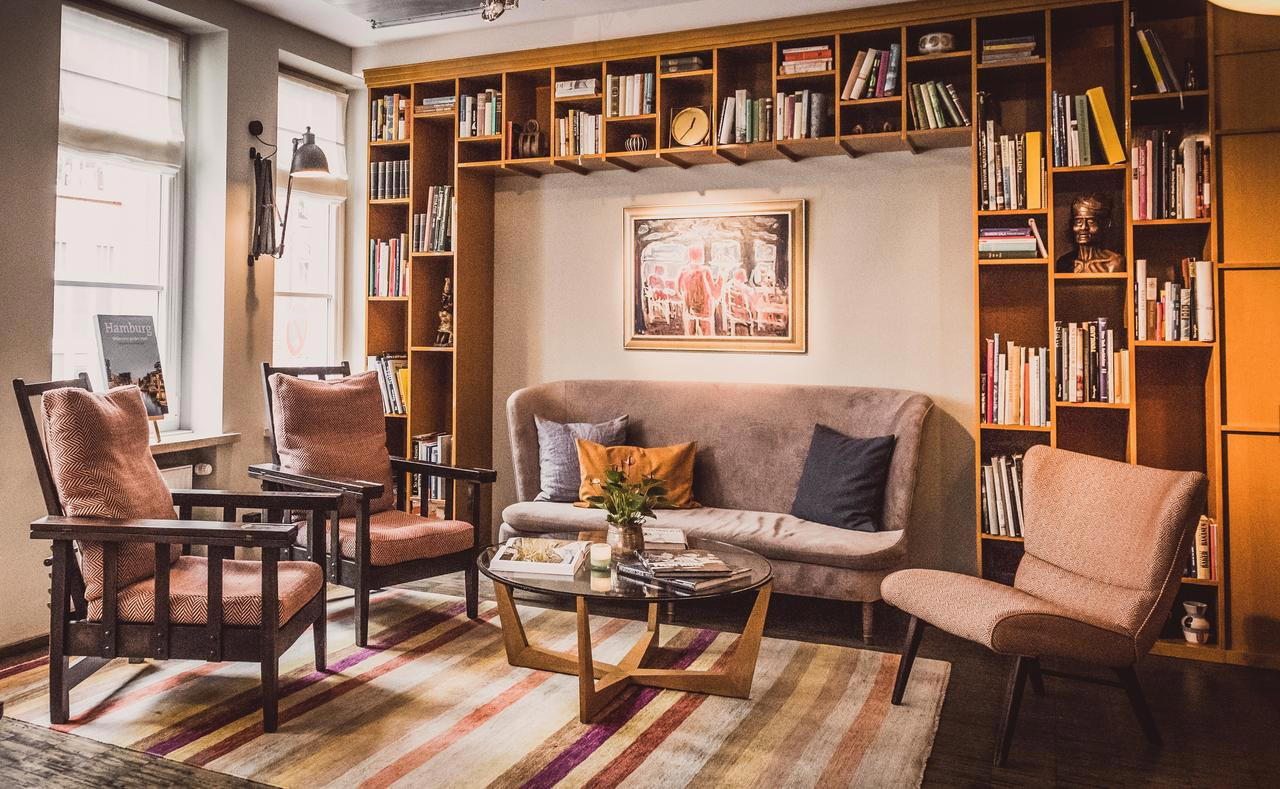
Modern and cozy atmosphere well-suited for friends and family, with a lively yet relaxed vibe in shopping center and street food settings.