Our verdict
WaWa occupies a Schöneberg address on Grunewaldstraße 10, sitting within reach of Berlin's most discussed fine-dining corridor. The venue's position in a neighbourhood that has quietly accumulated serious restaurant credentials makes it a reference point for how the city's mid-to-upper dining tier is shifting beyond Mitte. Booking and format details are best confirmed directly before visiting.

Pearl is the En Primeur Club membership app, where members save venues, book tables and use the concierge.

Schöneberg's Quiet Shift and Where WaWa Fits
Berlin's fine-dining attention has historically concentrated in Mitte, with a secondary cluster around Prenzlauer Berg, but Schöneberg has been accumulating serious restaurant credentials at a pace that now demands notice. The neighbourhood around Grunewaldstraße is not where most visitors to the city expect to find a considered dining destination, which is precisely why it repays the effort. WaWa sits at number 10 on that street, and the address alone positions it in a part of the city where the dining proposition tends to be built on local regulars and earned reputation rather than tourist volume or proximity to landmark hotels.
That geography matters when reading any Berlin restaurant. The city's upper dining tier, represented by addresses like Rutz and Nobelhart & Schmutzig, operates on a different axis than the broader European fine-dining circuit. Berlin has historically been a city where ambition and price restraint coexist in ways that Paris or London rarely permit. The venues that have built the most durable reputations here tend to earn them through a specific kind of menu discipline, one where every section has a clear logic rather than a broad appeal strategy.
Menu Architecture as the Defining Signal
In cities with crowded restaurant markets, a menu's structure tells you almost as much as its contents. A restaurant that organises its offering around a tight sequence of decisions reflects a kitchen with a point of view. One that lists extensively, covering every dietary register and occasion type, reflects a different commercial calculus. Berlin's most discussed addresses in the €€€€ bracket, from FACIL to CODA Dessert Dining, have largely committed to the former model: constrained menus where the architecture signals intent.
WaWa's specific menu format and current offering are best confirmed at the venue or via direct contact, since publicly available detail on the current programme is limited. What the Grunewaldstraße address and Schöneberg positioning do suggest is a restaurant calibrated for a neighbourhood audience rather than a passing one, which typically correlates with menus that evolve by season and offer rather than by promotional cycle. Venues in that position tend to write menus that reward return visits, where the structure remains consistent but the contents rotate with ingredient availability. That approach defines a different tier of engagement than a fixed showpiece menu designed to photograph well and read identifiably across social platforms.
When assessing any Berlin restaurant by its menu logic, the comparison point is worth keeping in mind: Restaurant Tim Raue built its international profile on a menu architecture that was immediately readable and replicable in press coverage. The addresses that have since accumulated quieter but durable local followings often operate on a more compressed format, where fewer decisions per course force higher precision in execution. Whether WaWa sits in that compressed-menu tradition is something a visit or direct inquiry will confirm more reliably than any secondary source.
Germany's Broader Fine-Dining Context
Understanding any Berlin restaurant requires some awareness of where Berlin sits within German fine dining overall. The country's most decorated addresses include Aqua in Wolfsburg, Schwarzwaldstube in Baiersbronn, Vendôme in Bergisch Gladbach, and Victor's Fine Dining by Christian Bau in Perl, most of which operate outside major urban centres. Berlin has historically punched below its population weight in award terms relative to smaller German cities, a gap that the current generation of Schöneberg and Neukölln addresses is beginning to close.
That context is relevant because it shapes what the city's mid-to-upper dining tier is trying to do. Restaurants in Hamburg, like Restaurant Haerlin, or in smaller wine-country towns like Schanz in Piesport and Waldhotel Sonnora in Dreis, operate within an established framework of expectation. Berlin restaurants are still writing that framework in real time, which gives addresses like WaWa more interpretive freedom but also less institutional scaffolding. The newer addresses in Munich's scene, including JAN, and in smaller towns like ES:SENZ in Grassau and Bagatelle in Trier, provide a useful comparison for how German regional fine dining is evolving outside the capital. Berlin's version of that evolution is less coordinated and more experimental, which makes individual addresses harder to read from the outside.
For international reference, the structural shift Berlin is undergoing has some precedent in how New York's outer-borough dining scene developed: addresses like Atomix emerged from neighbourhoods that weren't the expected location for high-seriousness cooking, and built their reputations through rigorous format discipline before press attention arrived. The trajectory isn't identical, but the pattern of serious kitchens in non-prestige postcodes is recognisable across multiple cities.
Planning a Visit
WaWa's address at Grunewaldstraße 10 in Schöneberg places it within easy reach of central Berlin by U-Bahn, with the Eisenacher Straße and Bayerischer Platz stations both in walking distance. Because verified operational details including hours, booking method, current price range, and contact information are through reliable secondary sources at the time of writing, the most direct approach is to check for current information through the venue's own channels or through EP Club's full Berlin restaurants guide, which aggregates updated operational data as it becomes available. For a city-wide view of how Berlin's fine-dining tier is structured and where WaWa sits within it, that guide provides the neighbourhood-level specificity that single-venue pages cannot fully replicate. For longer German itineraries, cross-referencing with the broader national picture, including the award-calibre addresses in smaller cities listed above, gives the visit more context within the country's overall dining geography.
Frequently asked questions
Where is WaWa in Berlin?
WaWa is located at Grunewaldstraße 10, 10823 Berlin, Germany, Berlin.
Is WaWa in Schöneberg accessible by public transport from central Berlin?
Grunewaldstraße 10 in Schöneberg sits within straightforward reach of central Berlin via U-Bahn, with Eisenacher Straße and Bayerischer Platz among the closest stops on the U4 line. The journey from Mitte or Prenzlauer Berg typically runs under thirty minutes. This makes WaWa a practical dinner option for visitors staying in the central hotel corridor who want to reach a neighbourhood restaurant without committing to a taxi.
What do regulars order at WaWa?
The venue data doesn't specify individual dishes, and WaWa's menu composition is best confirmed directly with the restaurant ahead of your visit. What the Schöneberg address signals is a kitchen operating with deliberate focus rather than a sprawling offering, so regulars tend to follow the kitchen's lead rather than override it. Arriving with an open approach rather than fixed expectations is the more reliable strategy at restaurants of this type.
How far ahead should I plan for WaWa?
No booking window is formally documented for WaWa at Grunewaldstraße 10, but Schöneberg's growing profile as a dining destination means tables at well-regarded spots in the neighbourhood fill faster than they did even two or three years ago. Contacting the restaurant directly for current availability is the practical first step. For weekend evenings, building in at least two to three weeks of lead time is a reasonable baseline.
What's WaWa best at?
WaWa's position in Schöneberg, a district that has been accumulating serious restaurant attention outside Berlin's traditional Mitte and Prenzlauer Berg concentrations, points to a kitchen that earns its following on cooking rather than location advantage. That deliberate restraint in how a restaurant presents itself often says as much about intent as any press release would.
Is WaWa good for vegetarians?
The practical move is to contact the restaurant at Grunewaldstraße 10 directly before booking to ask about plant-forward options. Berlin as a city has one of Germany's stronger track records on vegetarian and vegan cooking, so the wider neighbourhood context is at least encouraging.
Reputation First
Comparable venues nearby, for context on price, style, and recognition.
| Venue | Cuisine | Price | Notes |
|---|---|---|---|
| WaWaThis venue (the venue you are viewing) | Authentic Korean | $20–30 | Not listed |
| AIGO Korean Food Kreuzberg | Korean Comfort Food | $10–20 | Kreuzberg |
| Guten Dag | Korean Fried Chicken | $10–20 | Prenzlauer Berg |
| Namsan | Authentic Korean Bibimbap & Japchae | $20–30 | Kreuzberg |
| Dotori | Korean Anju Bar | $30–50 | Weissensee |
| Reinstoff | Dining | Not listed | Mitte |
Continue exploring
More in Berlin
Restaurants in Berlin
All restaurants in Berlin →
Bars in Berlin
All bars in Berlin →

Details
- Cozy
- Casual Hangout
- Family
- Group Dining
- Standalone
- A La Carte
- Vegetarian Friendly
- Vegan Options
- Gluten Free Options
Current opening hours
- Monday
- 5–11 PM
- Tuesday
- 5–11 PM
- Wednesday
- 5–11 PM
- Thursday
- 5–11 PM
- Friday
- 5–11 PM
- Saturday
- 4–11 PM
- Sunday
- 4–11 PM
Hours can change for holidays and private events. Hours as of .
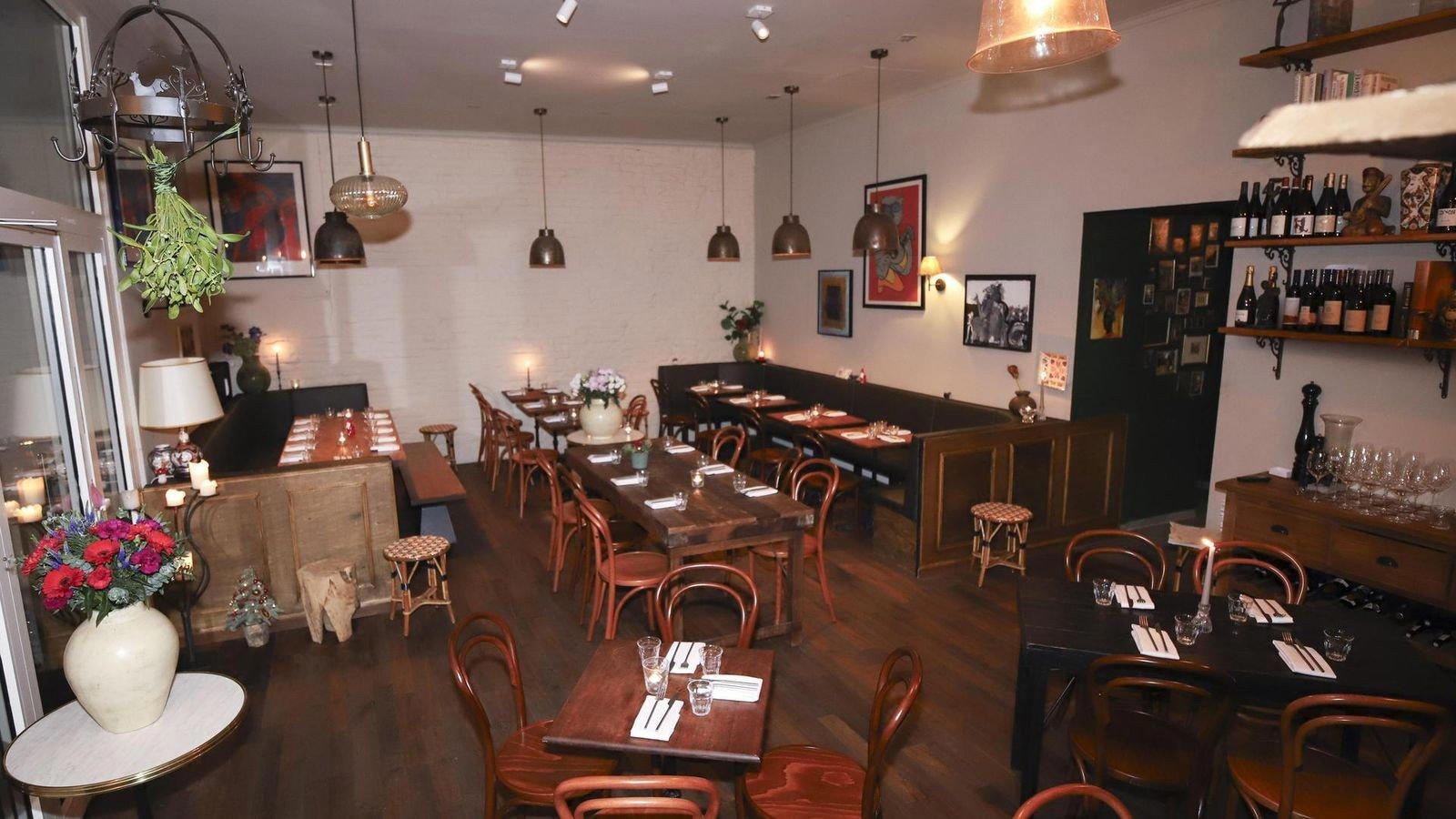
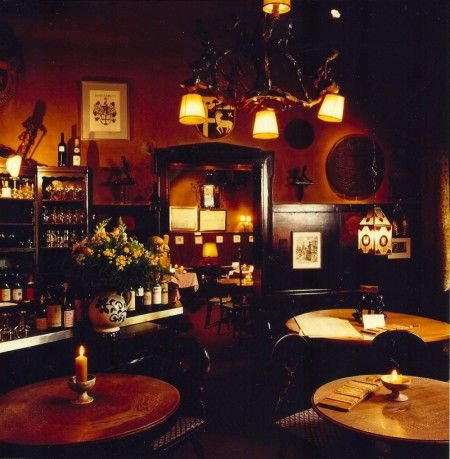
Cozy and modest atmosphere with friendly service.