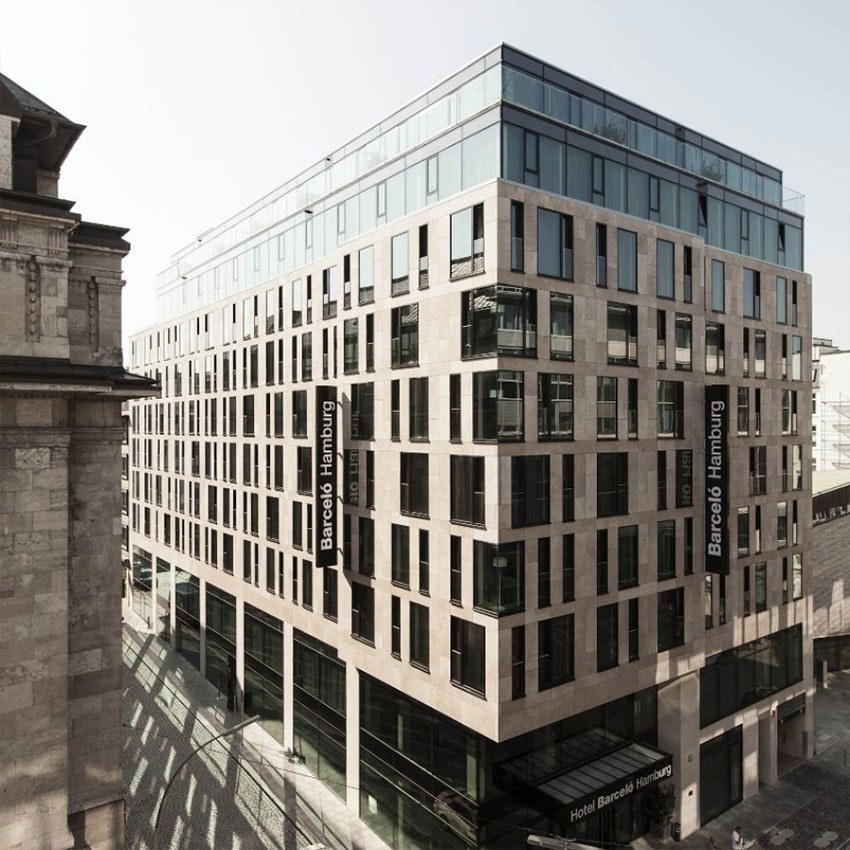
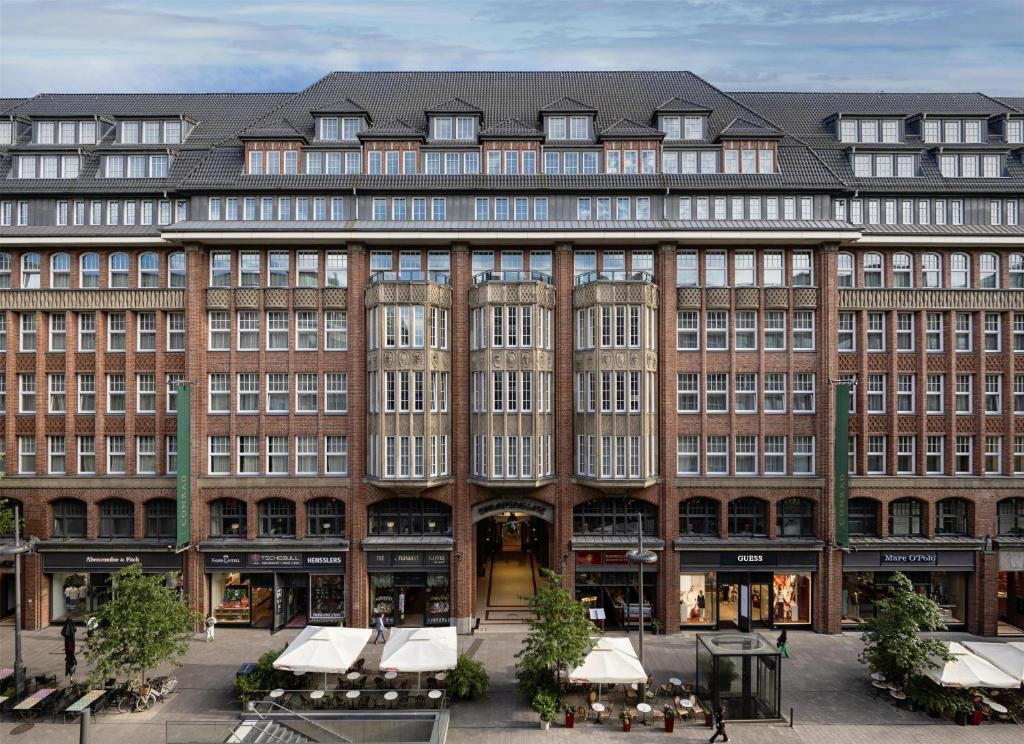
Mö Grill occupies a address on Lilienstraße in Hamburg's city centre, placing it inside a dining corridor where the physical container of a restaurant often signals as much as the menu. A grill-focused format in a city increasingly interested in fire-driven cooking, it represents one reference point in Hamburg's broader shift toward open-kitchen, ember-led dining rooms.
Pearl is the En Primeur Club membership app — saves, bookings, and concierge access live there. Same editors, same standards.
- Address
- Lilienstraße 36, 20095 Hamburg, Germany
- Phone
- +494940336721
- Website
- moegrill.de
- Directions
- Get directions
 Saves & bookings on Pearl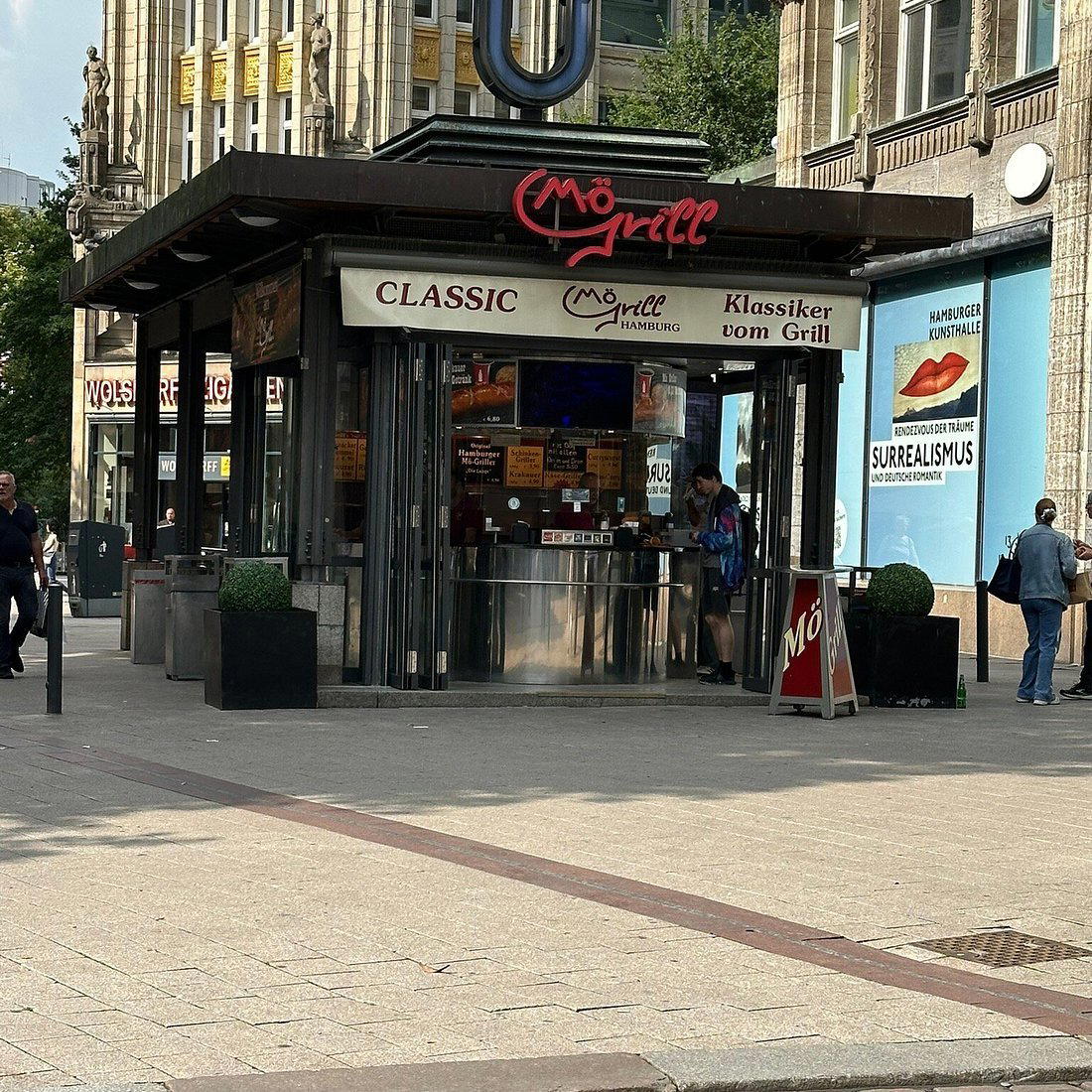
Fire and Form: Hamburg's Grill Dining in Architectural Context
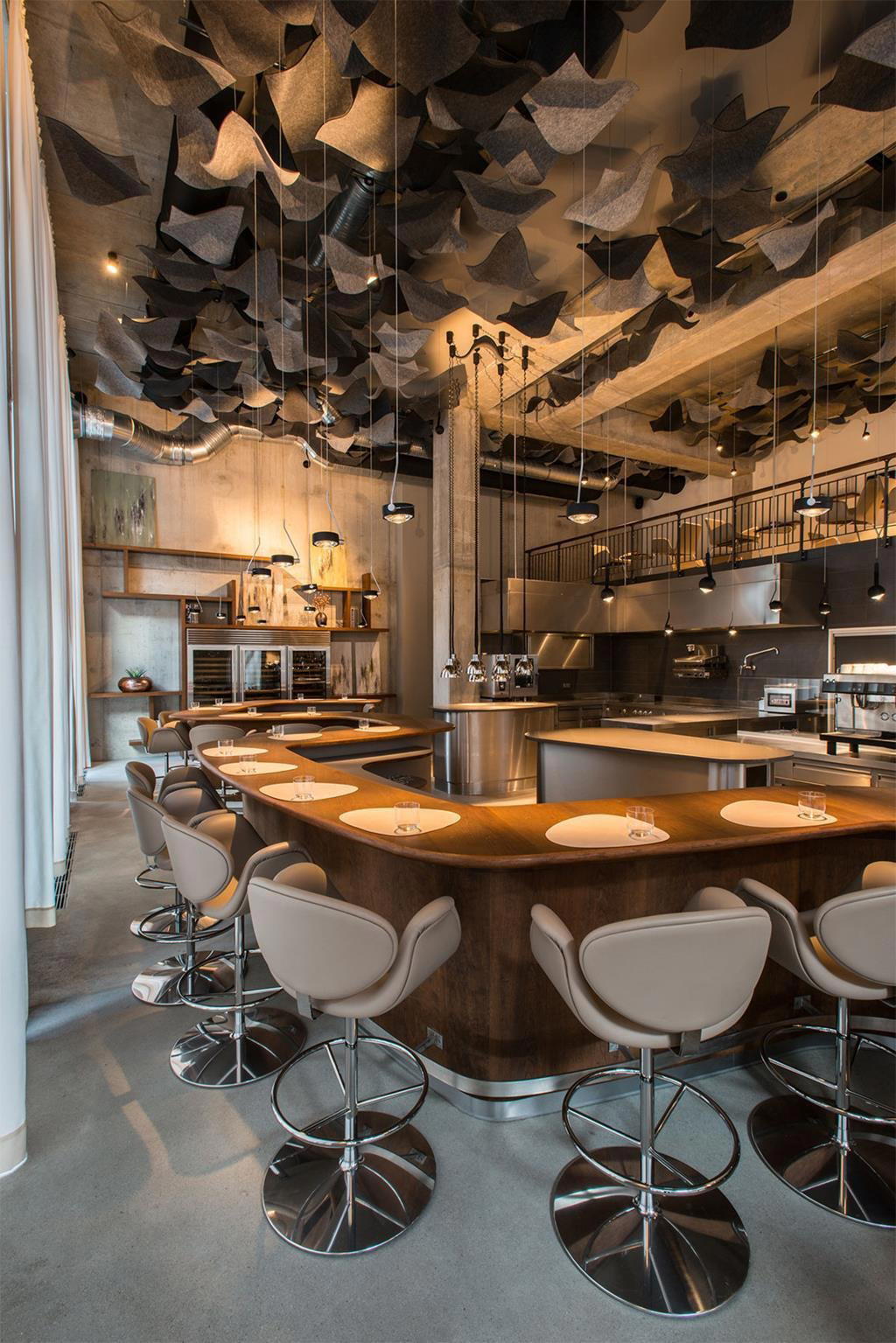
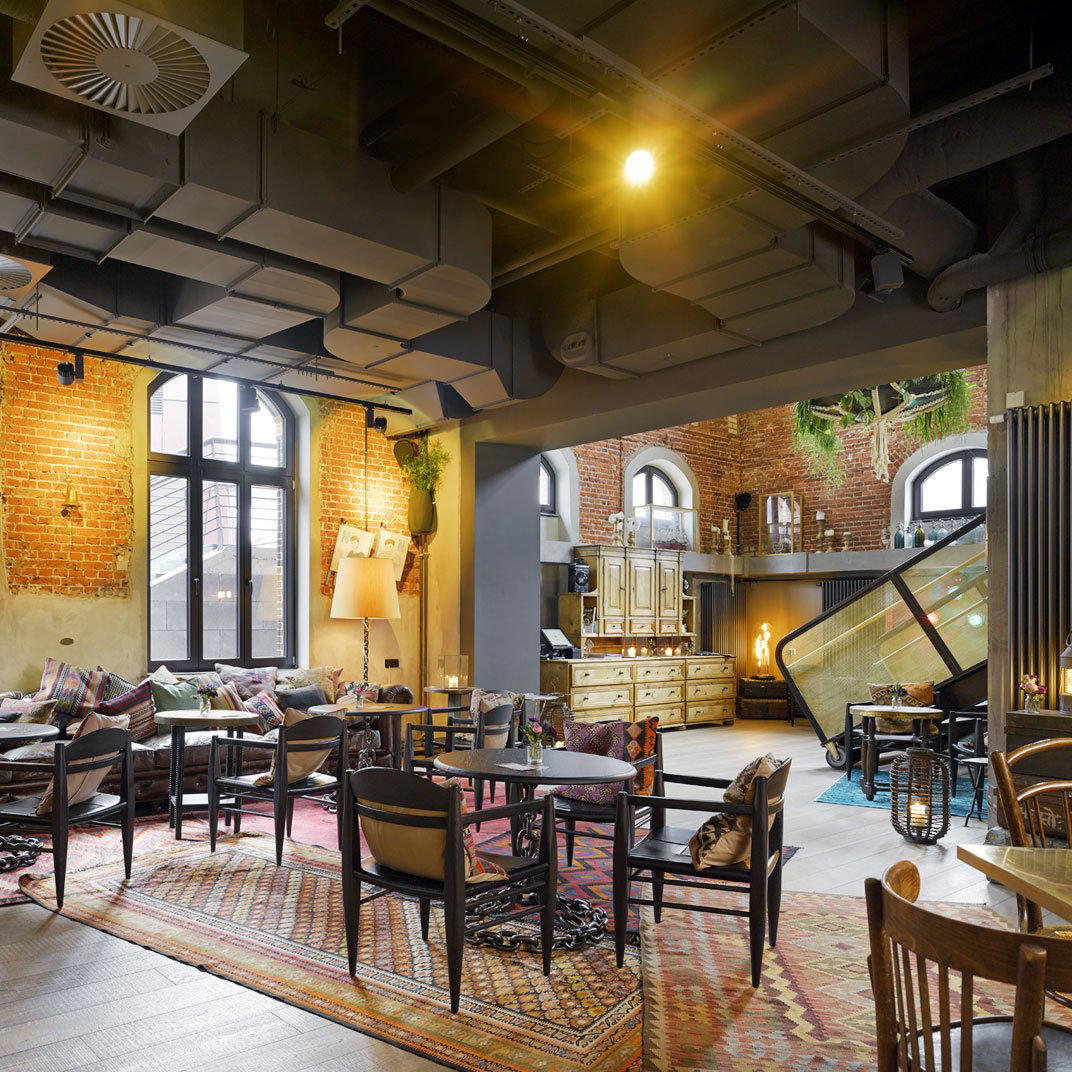
Mö Grill is a restaurant in Hamburg serving Traditional Hamburg Currywurst at Lilienstraße 36, with a casual dress code and walk-in-friendly service. The white-tablecloth dining room with its studied neutrality has given way, in many parts of the city, to spaces where the cooking apparatus is the design statement. Exposed brickwork, open flames, and counter seating arranged around a live grill have become a grammar of sorts for a particular tier of Hamburg restaurant, one that wants the room to communicate directness and craft before a single plate arrives. Mö Grill, at Lilienstraße 36 in Hamburg's 20095 postcode, sits inside this broader architectural turn.
The Lilienstraße address places Mö Grill in the inner city, close to the commercial heart of Hamburg but not inside the tourist-facing restaurant clusters of HafenCity or the Speicherstadt waterfront. That positioning matters: it signals a local-facing operation rather than one calibrated for visitors moving between landmarks. In Hamburg's dining geography, the distinction between venues that anchor themselves in residential and professional neighbourhoods versus those that perform for out-of-towners shapes everything from menu pricing to the rhythm of service.
The Grill Format in a Northern European Context
Across northern Europe, the open-fire restaurant format has moved from novelty to a defined category with its own set of expectations. In Hamburg specifically, the shift reflects a broader appetite for cooking techniques that are visible, legible, and rooted in a pre-industrial logic, the grill as both method and theatre. This is distinct from the theatrical tasting-menu approach taken by Hamburg's most decorated addresses: Restaurant Haerlin operates in a classical French register with a long list of formal courses, while The Table Kevin Fehling sits at the creative fine-dining end with an immersive counter format built around a single tasting sequence. The restaurant occupies a different position in that spectrum, one where the grill itself, rather than the tasting menu architecture, provides the organizing principle for the dining experience.
This format has its own design logic. A grill-centred dining room tends to be arranged around the source of heat: counter seating facing the fire, open sightlines between kitchen and guest, and materials that can absorb the ambient warmth and smoke of a working kitchen. The physical experience of sitting near an active grill is categorically different from sitting in a closed kitchen restaurant, and Hamburg's appetite for this format reflects a wider European pattern in which diners have increasingly sought that transparency and immediacy.
Hamburg's Grill Category: Where Mö Grill Sits
Hamburg's restaurant market at the mid-to-upper tier shows a clear segmentation. At the leading, Michelin-recognized addresses like 100/200 Kitchen and bianc operate within formal tasting frameworks, often with advance booking requirements of several weeks. A tier below, but still operating with clear culinary ambition, restaurants like Lakeside have built around more specific identity propositions. The grill-focused format sits across these tiers, capable of operating at price points ranging from casual to occasion-level depending on sourcing, format length, and service model.
Within Germany's broader grill-dining scene, comparison points are instructive. Aqua in Wolfsburg and JAN in Munich represent the higher end of formal German dining, while the regional diversity of German restaurant culture, from the Black Forest cooking of Schwarzwaldstube in Baiersbronn to the boundary-testing format of CODA Dessert Dining in Berlin, illustrates how varied the country's fine and upper-casual dining categories have become. The restaurant's positioning within Hamburg reflects that diversity at a city scale: a grill restaurant with a city-centre address occupies a distinct niche from the formal fine-dining tier, serving a different kind of evening.
Reading the Room: Interior as Signal
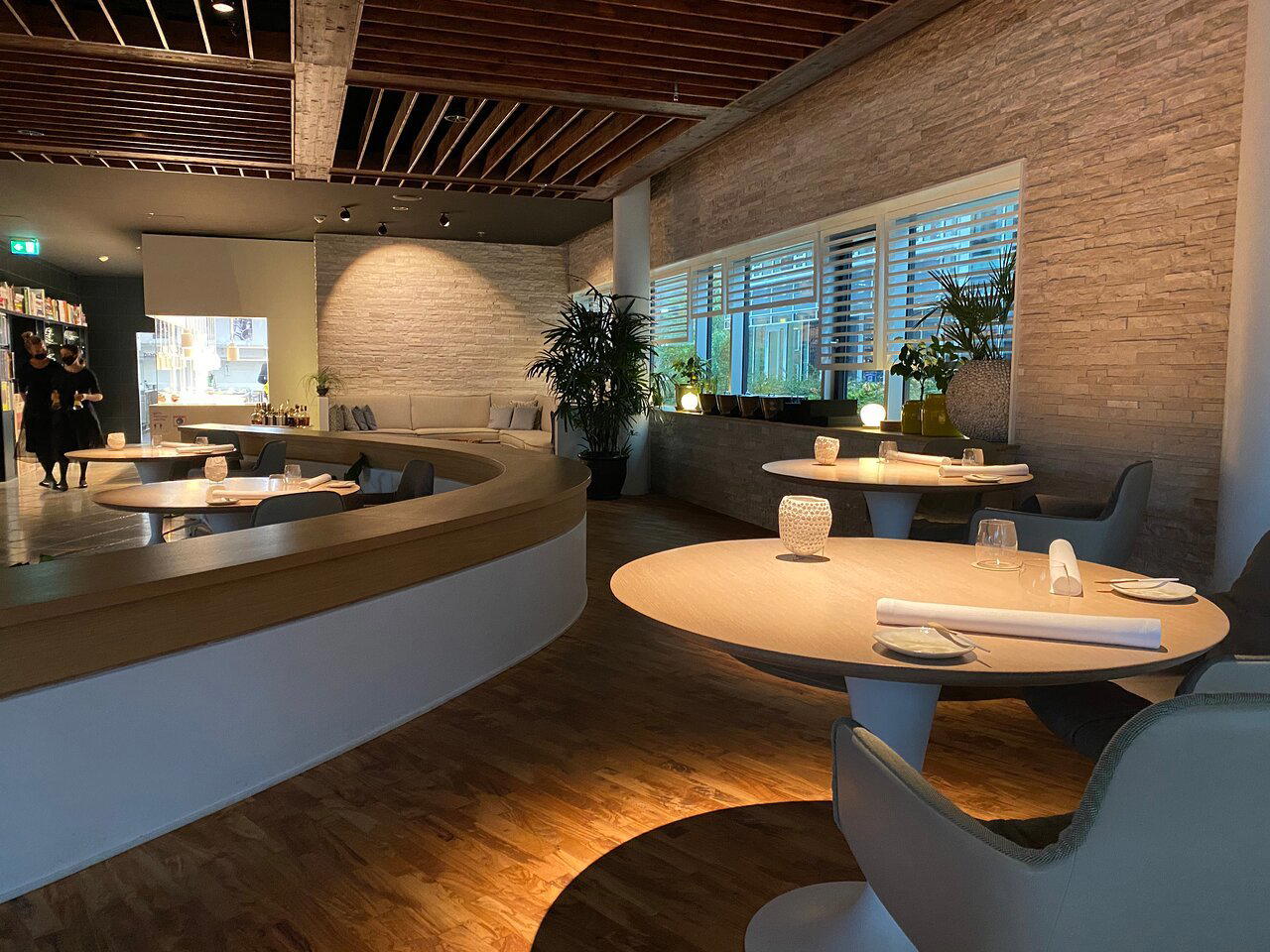
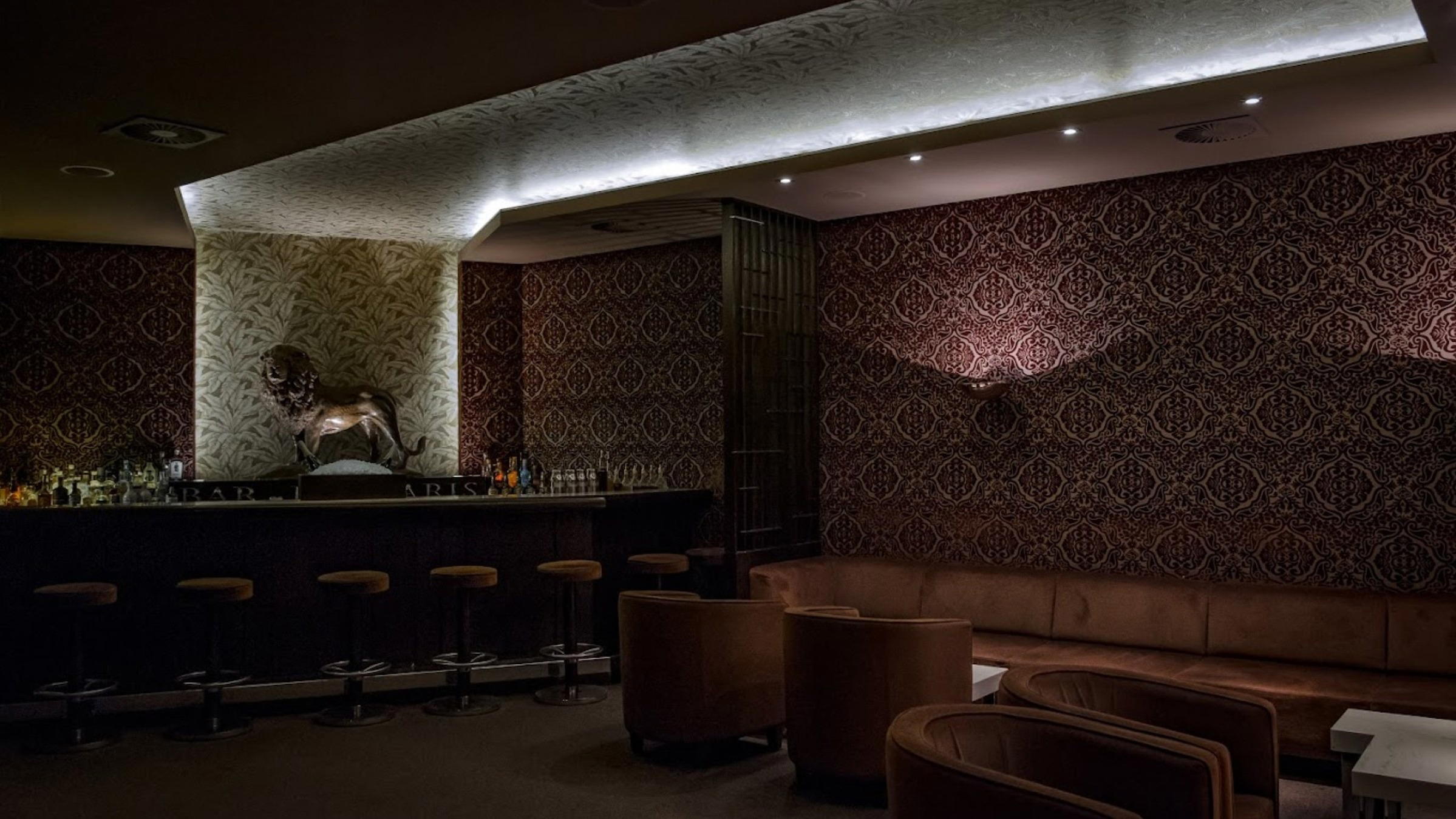
In a city where dining rooms carry considerable weight as social environments, the physical design of a Hamburg restaurant communicates to its regular guests before the menu does. Hamburg's dining culture has historically been conservative in certain respects, the port city's pragmatism often expressed through a preference for directness over ornament in both food and surroundings. The grill format aligns with that sensibility: it is harder to be oblique when the fire is visible and the cooking is happening in front of the room.
Elsewhere in Germany, restaurants have used space to different ends. Vendôme in Bergisch Gladbach and Waldhotel Sonnora in Dreis operate in country house settings where the architecture does a different kind of work, enclosing the guest in a formal, occasion-specific environment. ES:SENZ in Grassau and Schanz in Piesport use their regional settings as part of the offer. An urban grill room in central Hamburg is making a different argument: immediacy, locality, the city itself as context.
For international reference points, the grill-and-counter format has been absorbed into fine dining at venues like Le Bernardin in New York City, where the kitchen's logic shapes the room, and into more experimental territory at places like Atomix in New York City, where the counter format becomes a tool for narrative. Hamburg's iteration tends toward the more grounded end of that range.
Recognition Snapshot
Comparable venues nearby, for context on price, style, and recognition.
| Venue | Cuisine | Price | Notes |
|---|---|---|---|
| Mö GrillThis venue — the venue you are viewing | Traditional Hamburg Currywurst | $ | Not listed |
| Erfrischungsraum Brandshof GmbH | German Bistro Classics | $ | Elbbrucken |
| Gröninger Privatbrauerei | Traditional German Brauhaus | $ | Hamburg-Altstadt |
| Hopper Brau GmbH & Co. KG | German Craft Brewery | $$ | Neumuehlen |
| Oberhafen-Kantine | Traditional Northern German Comfort Food | $$ | HafenCity |
| Was Wir Wirklich Lieben Deli | Healthy German Deli | $$ | Anscharhoehe |
Continue exploring
More in Hamburg
Restaurants in Hamburg
Browse all →
At a Glance
- Well Known
- Casual
- Casual Hangout
- Solo
- After Work
Current opening hours
- Monday
- 10 AM–7 PM
- Tuesday
- 10 AM–7 PM
- Wednesday
- 10 AM–7 PM
- Thursday
- 10 AM–7 PM
- Friday
- 10 AM–7 PM
- Saturday
- 10 AM–7 PM
- Sunday
- Closed
Hours can change for holidays and private events. Last verified .
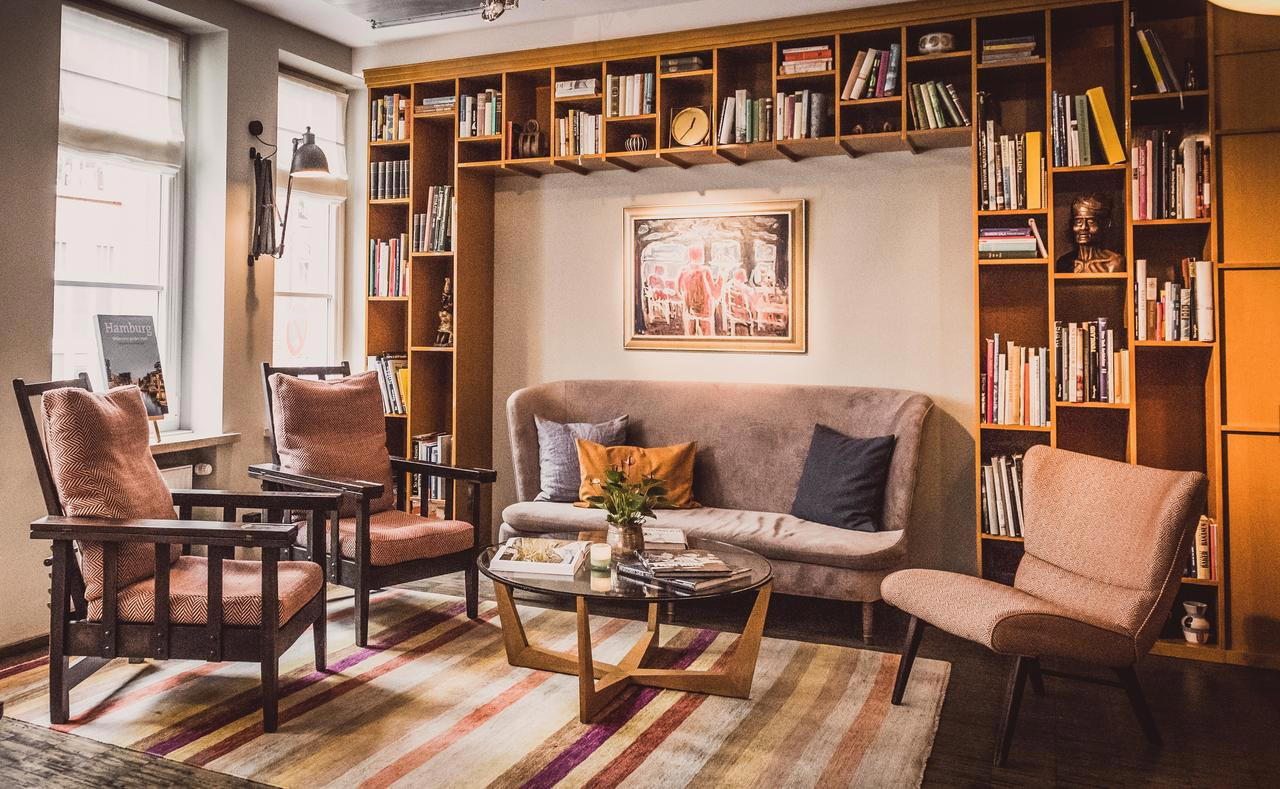
Fast-paced street food counter atmosphere with quick service and casual energy typical of a city-center food stand