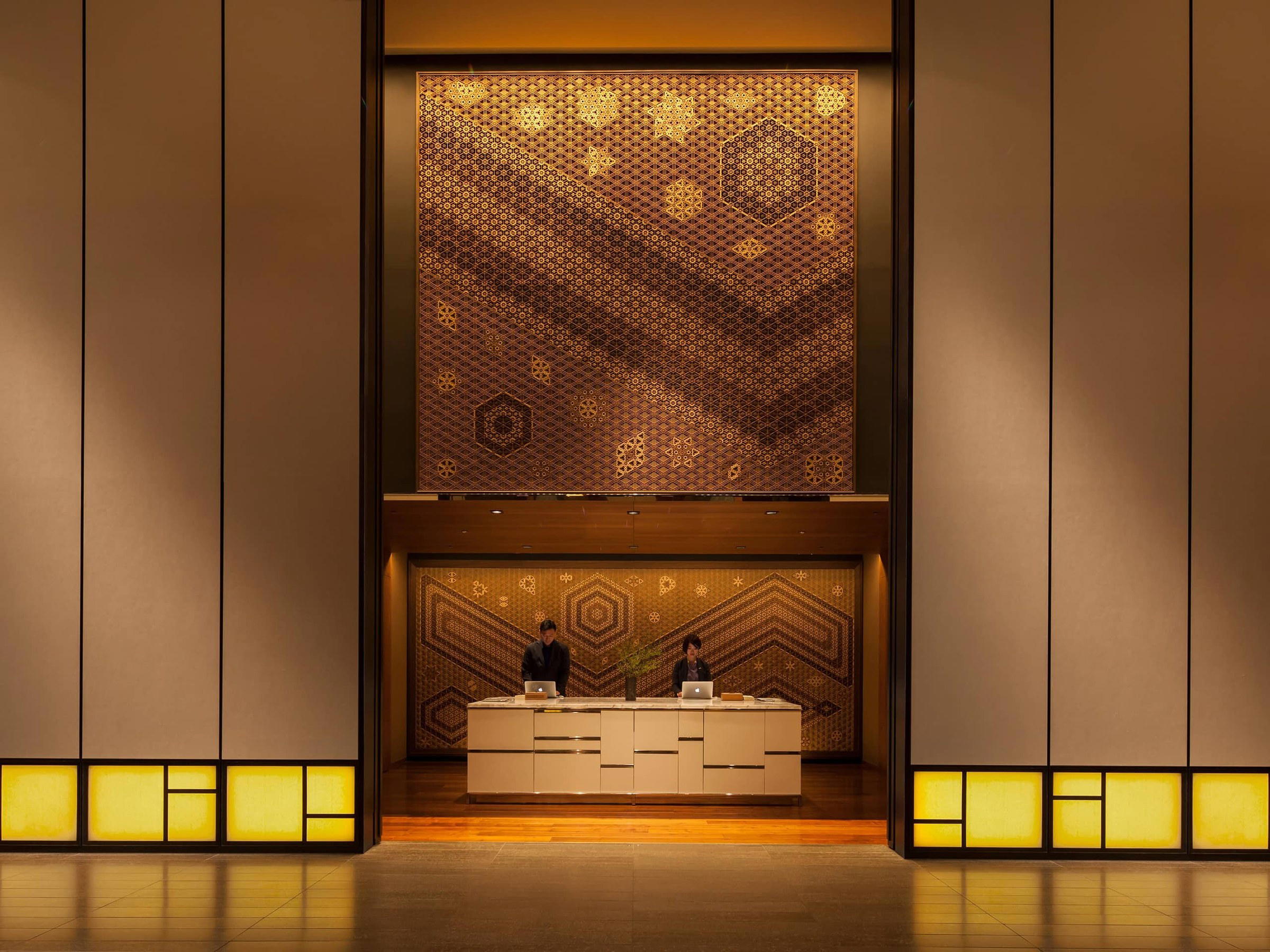
Michelin Plate · Tabelog 100 #34
Our verdict
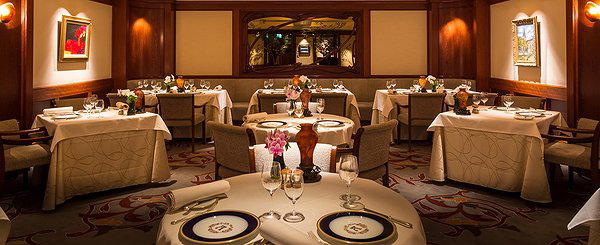
Wakiya Ichiemicharo in Akasaka brings nouvelle chinois to one of Tokyo's most formally elegant dining addresses, earning Michelin Plate recognition in both 2024 and 2025. The flagship of Yuji Wakiya's culinary enterprise, the restaurant interprets Chinese cooking through a lens of tradition and creativity, with hospitality structured around the idea of relaxed, convivial pleasure. The three-character price tier (¥¥¥) positions it in Tokyo's upper-mid Chinese dining bracket.

Pearl is the En Primeur Club membership app, where members save venues, book tables and use the concierge.
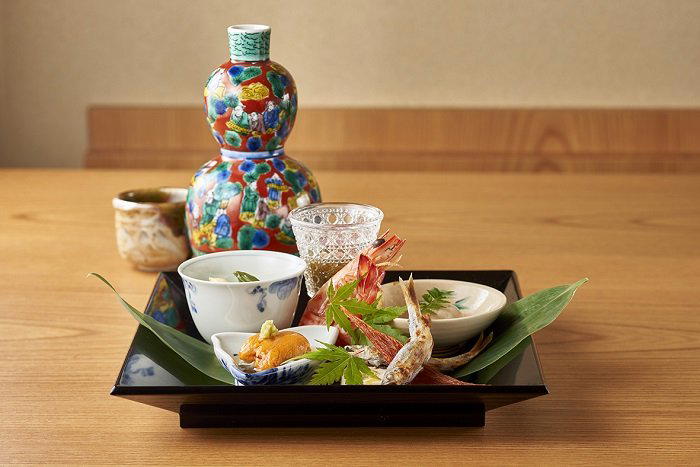
The menu
What to order
- Shark fin soup noodles
- Handmade xiaolongbao
- Wakiya Dongpo pork
- Dim sum
- Chinese afternoon tea
The Name Sets the Terms
The restaurant's name translates loosely as 'once a day, let's relax, laugh and have tea', and that declaration of intent tells you more about the dining register here than any single dish could. In a city where formal Chinese dining often tilts toward ceremony and rigidity, Wakiya Ichiemicharo in Akasaka has built a reputation around something harder to achieve: rigour without stiffness. The Michelin Guide has awarded it a Plate in both 2024 and 2025, a signal that the kitchen meets the Guide's threshold for quality cooking without yet ascending to starred territory, a bracket that, in Tokyo's dense Chinese dining field, still places it ahead of the majority of the city's haute Chinese addresses.
Nouvelle Chinois in Tokyo's Critical Context
Tokyo's high-end Chinese dining scene operates in an unusual position globally. The city has absorbed Cantonese, Shanghainese, and Sichuan traditions while simultaneously producing its own hybridised form, a Japanese-Chinese synthesis that prioritises technical precision, seasonal sourcing, and presentation discipline borrowed from kaiseki culture. Yuji Wakiya is widely credited as a pioneer of this approach, and his flagship in Akasaka functions as the definitive statement of what nouvelle chinois means in a Tokyo context. The framework is Chinese, techniques, flavour logic, cultural reference points, but the execution reflects decades of cross-pollination with Japanese culinary standards.
This positioning distinguishes Wakiya Ichiemicharo from the broader Chinese restaurant tier in Tokyo. Peer addresses like Chugoku Hanten Fureika and Chugoku Hanten Kohakukyu (Amber Palace) occupy similar formal territory, while Ippei Hanten and Koshikiryori Koki approach the upper-bracket from different culinary traditions. What separates Wakiya's flagship is the explicit creative manifesto: 'tradition and creativity' as a stated operating principle, applied to a Chinese canon rather than a Japanese or European one.
For reference points outside Tokyo, Restaurant Tim Raue in Berlin and Mister Jiu's in San Francisco represent how other cities have approached the challenge of advancing Chinese cooking within a non-Chinese fine dining framework. The Tokyo approach, as embodied here, is distinct: less about cultural translation for a non-Chinese audience, more about precision and elevation within an audience that already understands the source material deeply.
The Aperture of the Michelin Plate
Two consecutive Michelin Plates, 2024 and 2025, carry a specific meaning in the context of the Guide's Tokyo operations, which is the most densely starred restaurant guide in the world. A Plate designation indicates that inspectors found the cooking good, the ingredients fresh, and the preparation competent, without the transformative distinction that earns a star. In Tokyo specifically, where the starred Chinese dining tier is small and fiercely competitive, a sustained Plate recognition functions as a credible endorsement of consistency.
That score, drawn from a broader range of diners than Michelin's inspector base, suggests the restaurant's formal proposition lands consistently with guests who arrived with high expectations. In Tokyo's Akasaka district, where the clientele for Chinese fine dining tends toward corporate entertaining and anniversary occasions, consistency matters more than spectacle.
The Signature Framework: Nine Joys and the Logic of Auspice
The 'Nine Joys Assorted Appetiser' starter is named for the Chinese belief that nine is a number associated with good fortune, a cultural detail that signals how the kitchen approaches its Chinese reference points: not as surface decoration, but as structural logic. An appetiser course built around numerical symbolism is a deliberate move, one that roots the meal in Chinese cultural consciousness before the main sequence begins. This kind of framing is more common in high-end Chinese cooking in Hong Kong or Chengdu than in Tokyo, which makes its presence here an interesting curatorial choice.
Restaurant holds the creative philosophy of its founder firmly at the centre of its menu structure. The 'tradition and creativity' motto is not a tagline; it's the functional brief for how the kitchen approaches the Chinese canon, using classical techniques and cultural touchstones as the scaffolding, then applying creative reinterpretation at the level of ingredient sourcing, presentation, and flavour balance.
Akasaka as a Dining District
Minato City address in Akasaka places Wakiya Ichiemicharo in one of Tokyo's most established dining and corporate entertainment districts. Akasaka has long served as the preferred venue for high-level business entertainment, with a concentration of formal restaurants across Japanese, Chinese, and French traditions that reflects its clientele's expectations. The address at 6 Chome-11-10 Akasaka situates the restaurant within walking distance of the major hotel corridor and the Akasaka-Mitsuke transit hub, making it one of the more accessible premium addresses for out-of-town visitors staying in central Tokyo.
Neighbourhood's character reinforces the restaurant's register: this is not a destination for casual explorers, but a deliberate choice for diners who understand the premium Chinese dining format and want it executed at a serious level. For those building a wider Tokyo dining programme, the broader context is substantial, see itsuka for a contrasting approach to contemporary Japanese cooking in the same city, and consult our full Tokyo restaurants guide for the complete picture across cuisines and price tiers.
Beyond Tokyo
Visitors structuring a wider Japan itinerary around serious dining have strong regional options. HAJIME in Osaka, Gion Sasaki in Kyoto, and akordu in Nara represent the Kansai tier, while Goh in Fukuoka anchors Kyushu's fine dining offer. Further afield, 1000 in Yokohama and 6 in Okinawa extend the map. For hotels, bars, and experiences in the capital itself, see our full Tokyo hotels guide, our full Tokyo bars guide, our full Tokyo wineries guide, and our full Tokyo experiences guide.
Know Before You Go
- Address: 6 Chome-11-10 Akasaka, Minato City, Tokyo 107-0052, Japan
- Price tier: ¥¥¥ (upper-mid; suitable for business entertaining)
- Recognition: Michelin Plate 2024 and 2025
- Guest rating:
- Cuisine: Nouvelle chinois / creative Chinese
- Booking: Reservation recommended; contact via venue directly
- District: Akasaka, Minato City, well-served by Akasaka-Mitsuke station
Frequently asked questions
Can I bring kids to Wakiya Ichiemicharo?
The restaurant's philosophy centres on relaxed hospitality, its name translates as 'once a day, let's relax, laugh and have tea', which suggests a welcoming rather than rigidly formal atmosphere. That said, Wakiya Ichiemicharo sits in the Michelin Plate tier in Akasaka, a corporate and fine dining district where multi-course meals and deliberate pacing are the norm. Families with older children comfortable in that setting would likely find it manageable; it is not a venue calibrated around young diners.
Is Wakiya Ichiemicharo better for a quiet night or a lively one?
Given its Akasaka address in Minato City and its Michelin Plate recognition for two consecutive years, the room is pitched at composed, conversation-forward dining rather than high-energy entertainment. Yuji Wakiya's 'tradition and creativity' framework produces meals designed to be considered, not rushed. It suits a quiet dinner, a business meal, a celebratory two-top, or an evening where the food carries the occasion.
Does Wakiya Ichiemicharo have a Michelin star or similar recognition?
Wakiya Ichiemicharo has received recognition including: The flagship restaurant of Yuji Wakiya, renowned pioneer of nouvelle chinois cuisine. With “tradition and creativity” as his motto, Wakiya professes a new style of Chinese cooking. The starter, ‘Nine Joys Assorted Appetiser’, is so named be….
What do regulars order at Wakiya Ichiemicharo?
The 'Nine Joys Assorted Appetiser' is the most documented starting point, a dish named for the Chinese belief that nine signifies good fortune, and a structural reflection of Yuji Wakiya's nouvelle chinois approach.
What's the cuisine at Wakiya Ichiemicharo?
What price level is Wakiya Ichiemicharo?
Pricing at Wakiya Ichiemicharo is listed as ¥¥¥.
Pricing, Compared
| Venue | Cuisine | Price | Awards | Notes |
|---|---|---|---|---|
| Wakiya IchiemicharoThis venue (the venue you are viewing) | Modern Chinese Fine Dining | $100–150 | Michelin Plate · Tabelog 100 #34 | Not listed |
| Harutaka | Edo-Style Omakase Sushi | $200–300 | 3 Michelin Stars · World's 50 Best #76 | Sushi |
| RyuGin | Modern Kaiseki | $500+ | 3 Michelin Stars · World's 50 Best #41 | Kaiseki, Japanese |
| L'Effervescence | Modern French with Japanese Influences | $200–300 | 3 Michelin Stars · World's 50 Best #69 | French |
| HOMMAGE | Modern French with Japanese Influences | $150–200 | 2 Michelin Stars · World's 50 Best #78 | Innovtive French, French |
| MAZ | Innovative Peruvian-Japanese Fusion | $150–200 | 2 Michelin Stars · World's 50 Best #28 | Innovative |
Recognition history
Dated appearances from independent guides and award organizations, with the underlying list record or original source where available.
Michelin Plate
Michelin
Tabelog 100 #34 · No. 34
Tabelog · Tabelog 100 - Chinese cuisine - TOKYO - 2026
Full recognition history (4 entries)
Michelin Plate
Michelin
Michelin Plate
Michelin