Wabi Sabi
Wabi Sabi occupies a considered position on Bratislava's Danube riverfront at River Park, bringing a Japanese-influenced aesthetic to a city whose dining scene is quietly broadening its reference points. The name alone signals an editorial stance: imperfection as design principle, restraint as a form of care. For those tracking where Slovak restaurant culture is heading, it belongs on the itinerary.
 Discover on Pearl
Pearl is the En Primeur Club membership app — saves, bookings, and concierge access live there. Same editors, same standards.
- Address
- RIVER PARK, Dvořákovo nábrežie 4, 811 02 Bratislava, Slovakia
- Phone
- +421911988368
- Website
- wabisabi.sk
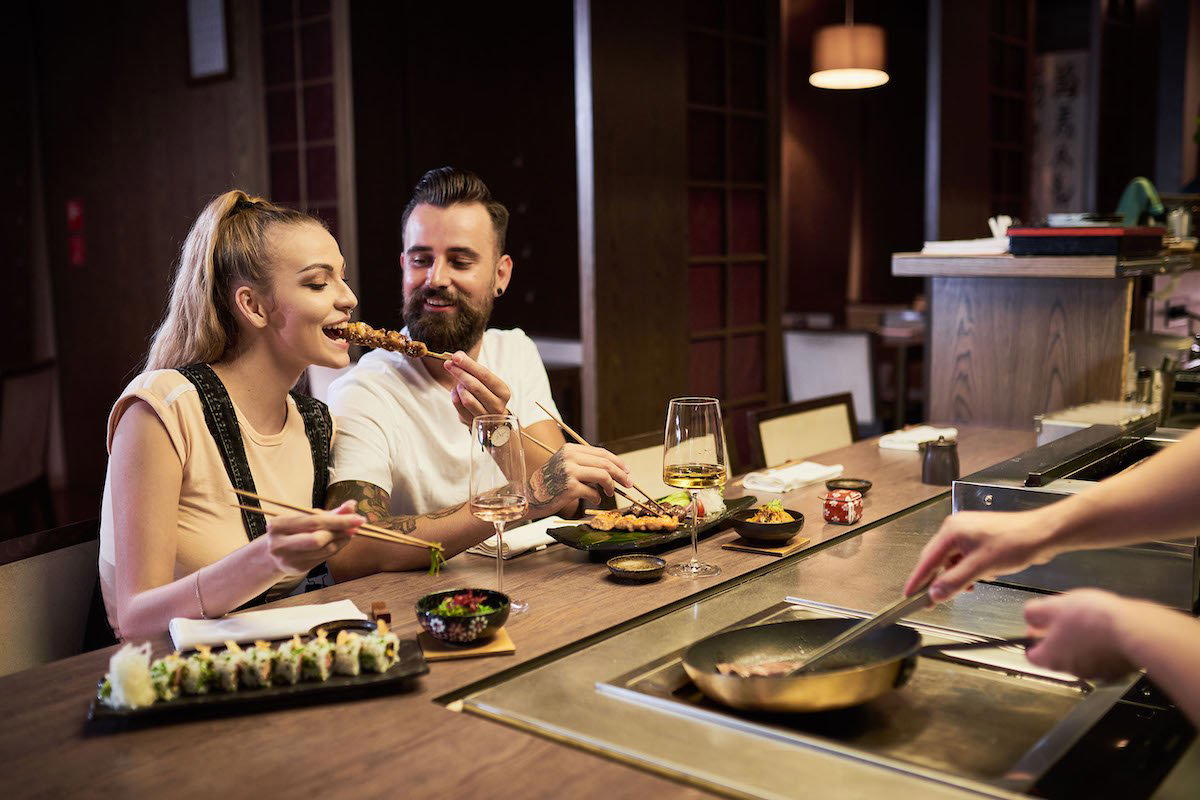
The Riverfront as Context
Bratislava's dining geography has reorganised itself around the Danube in the past decade. The River Park development on Dvořákovo nábrežie has drawn a cluster of restaurants that operate at a different register from the Old Town's tourist-facing offer, positioning themselves instead toward a local professional and international business crowd. Wabi Sabi sits within that cluster, at an address that implies a certain ambition before you cross the threshold. The embankment view, the glass-and-steel architecture of River Park, and the foot traffic of a mixed commercial-residential development create conditions that reward restaurants willing to match the setting with substance.
The name carries its own freight. Wabi-sabi, as a Japanese aesthetic philosophy, prizes the incomplete, the irregular, and the transient over the polished and the permanent. In a restaurant context, adopting that framing is a commitment: to seasonal impermanence, to materials with honest provenance, to presentations that resist over-finishing. Whether a kitchen fully inhabits such a philosophy or simply borrows the nomenclature is always the operative question, and Bratislava diners who follow the city's more considered restaurants will have formed views.
Sustainability as Operating Principle, Not Decoration
Across Central European restaurant culture, sustainability rhetoric has outpaced practice. The more credible operators in the region work to shorter supply chains, maintain relationships with named producers, and build menus around what those producers can reliably deliver rather than what a static menu demands. Slovakia is not without agricultural depth: the Záhorie lowlands, the Malé Karpaty wine corridor, and the pastoral terrain further north all produce ingredients that, in the right kitchen, can anchor a genuinely local sourcing story.
The wabi-sabi framing, when taken seriously, aligns naturally with this approach. Zero-waste cooking, fermentation programmes, and whole-animal or whole-vegetable thinking all derive from a philosophy that finds value in what might otherwise be discarded. Restaurants working this way tend to show it in texture and depth of flavour rather than in menu language alone. Wabi Sabi's positioning implies a different axis altogether, one that draws on Japanese aesthetic discipline while working within a Central European ingredient reality.
Slovakia's broader dining circuit beyond Bratislava demonstrates what committed sourcing looks like at a regional level. Fatrabeef in Lubochna has made provenance its entire proposition around regional beef, while Holotéch víška in Kosariska and Kaštieľ Čičmany in Cicmany anchor their menus to hyper-local rural traditions. Urban restaurants like Wabi Sabi occupy a different position in that chain, translating regional produce into a more internationally legible format for a city-based audience.
Where Wabi Sabi Sits in the Bratislava Scene
Bratislava's restaurant market has stratified meaningfully over the past five years. At one end, Old Town addresses serving reimagined Slovak classics to tourists and expats; at the other, a smaller tier of restaurants that price and position against a European comparable set and attract diners travelling specifically to eat. The River Park corridor belongs to the latter category. UFO, perched above the SNP Bridge, has long occupied a singular position in the city's premium dining conversation; APOLKA Restaurant and Al Faro each stake out distinct positions within that upper tier.
Wabi Sabi's Japanese-philosophical branding sets it apart from any of those comparisons. The closest international analogues operate in a space where Japanese minimalism, ethical sourcing, and European produce overlap, a format that has found traction in Vienna, Prague, and Warsaw but remains relatively underdeveloped in Bratislava. That positioning creates both an opportunity and a test. Diners at this level arrive with calibrated expectations shaped by what they encounter in larger cities; the gap between menu concept and execution is less forgivable in a category where restraint is the promise.
The Broader Slovak Restaurant Circuit
Understanding where Wabi Sabi fits requires some awareness of how Slovak dining has evolved regionally, not just in the capital. Koliba Patria in Strbske Pleso and KOLIBA na Vršku in Bytca represent the koliba tradition, a rural Slovak format built around hearth cooking and communal hospitality that has little in common with urban minimalism but speaks to the same underlying interest in honest food and place. Focus Restaurant in Zilina and Hotel & Restaurant Gino Park Palace in Povazska Bystrica show how regional cities are building their own dining identities rather than simply mirroring the capital. Even a casual address like Bulli Kebab in Kosice points to the diversity of register now operating across Slovakia. Wabi Sabi's Bratislava address places it at the apex of this geography, serving a clientele with the broadest international reference points in the country.
At an international register, the restaurants that have most clearly defined the ethics-meets-aesthetics category, places like Le Bernardin in New York City with its rigorous sourcing of seafood and Atomix in New York City with its Korean fine dining philosophy, demonstrate what it takes to sustain credibility in a category defined by consistency and depth. Those are not peer comparisons for a Bratislava restaurant by market size, but they are the reference points that frame what informed diners expect when a restaurant makes strong philosophical claims. Klára v GOYA vitality hotel in Voderady and Afrodita in Cerenany show that Slovakia's wellness-oriented dining segment is developing its own vocabulary, one that overlaps with the wabi-sabi interest in balance and restraint.
Planning Your Visit
Wabi Sabi is located at River Park, Dvořákovo nábrežie 4, in the 811 02 postcode.
Cuisine Lens
Comparable venues nearby, for context on price, style, and recognition.
| Venue | Cuisine | Price | Awards | Notes |
|---|---|---|---|---|
| Wabi SabiThis venue — the venue you are viewing | Authentic Japanese Sushi | $$$ | , | |
| Albrecht Restaurant | Modern Central European | $$$ | , | Staré Mesto |
| Savoy Restaurant | Modern Traditional Slovak | $$$ | , | Staré Mesto |
| Da Andrea | Authentic Italian with Sardinian influences | $$$ | , | Staré Mesto |
| Bistro 24 | German-Slovak Breakfast Bistro | $$ | , | Staré Mesto |
| Zichy Restaurant | Traditional Slovak | $$ | , | Staré Mesto |
Continue exploring
More in Bratislava
Restaurants in Bratislava
Browse all →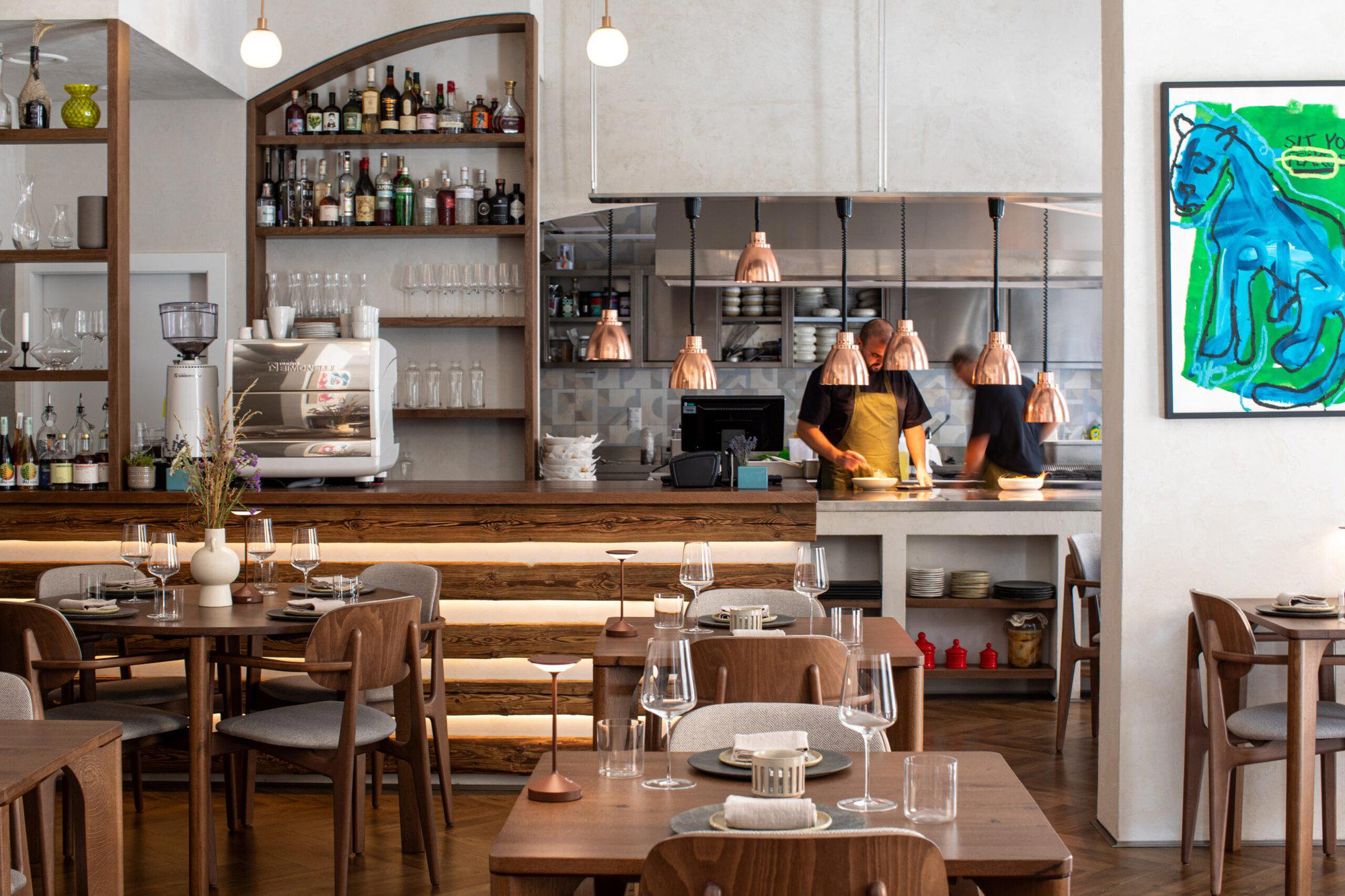
Bars in Bratislava
Browse all →
Hotels in Bratislava
Browse all →
At a Glance
- Minimalist
- Cozy
- Intimate
- Date Night
- Open Kitchen
- Terrace
- Sake Program
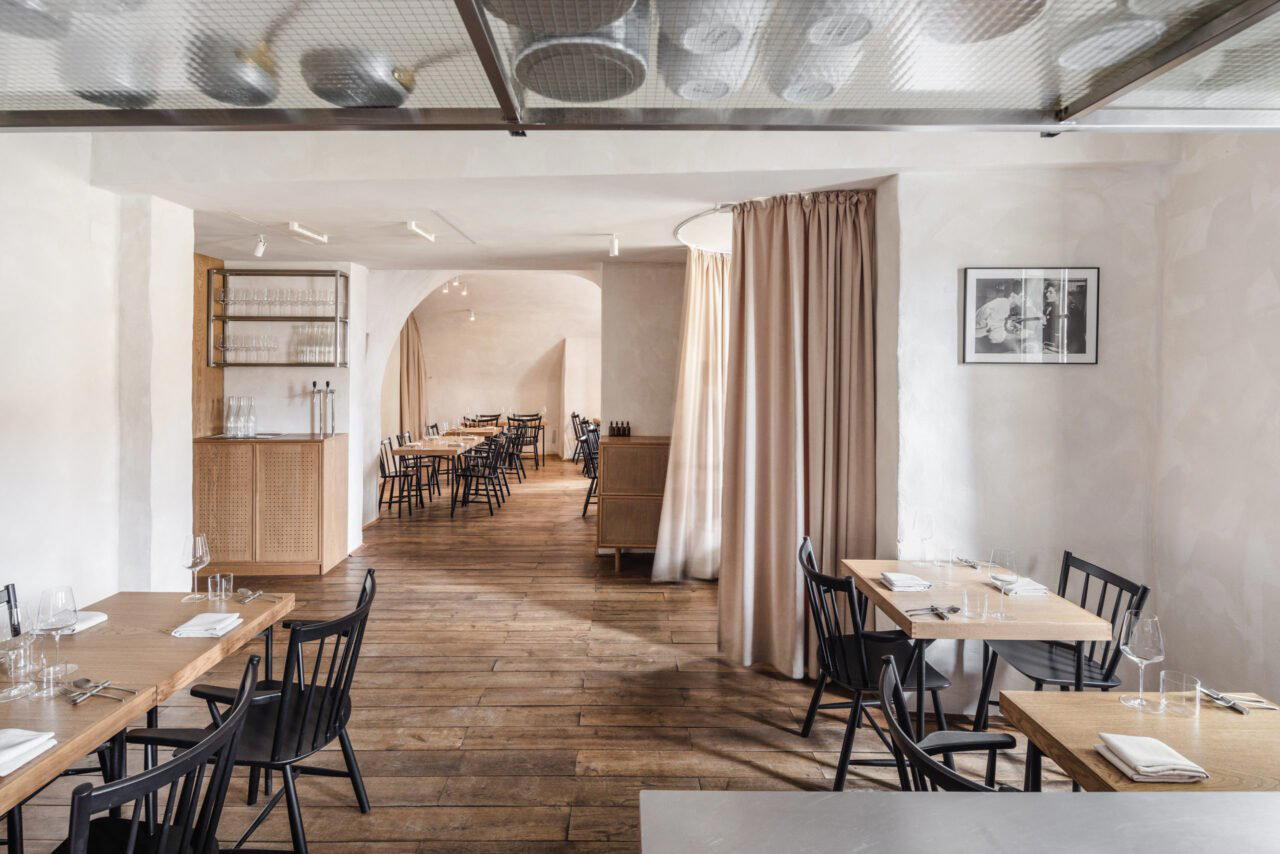
Relaxed atmosphere with natural elements, open kitchen, terrace river views, and wabi-sabi minimalist design.